
























![[ New Arrival ] Porto Max Electric Scooter For Commute & Grocery Shopping - HOVSCO](http://www.hovsco.com/cdn/shop/files/PotroMax-3.jpg?v=1706927007&width=1200)
- by SEO
How can you safely haul gear on a HovScoutRear rack off-road?
- by SEO
E-Bikes
Accessories
 Free Shipping
 15-Day Returns
 2-Year Warranty
Free Shipping
15-Day Returns
2-Year Warranty
2-Year Warranty
Free Shipping
15-Day Returns
2-Year Warranty
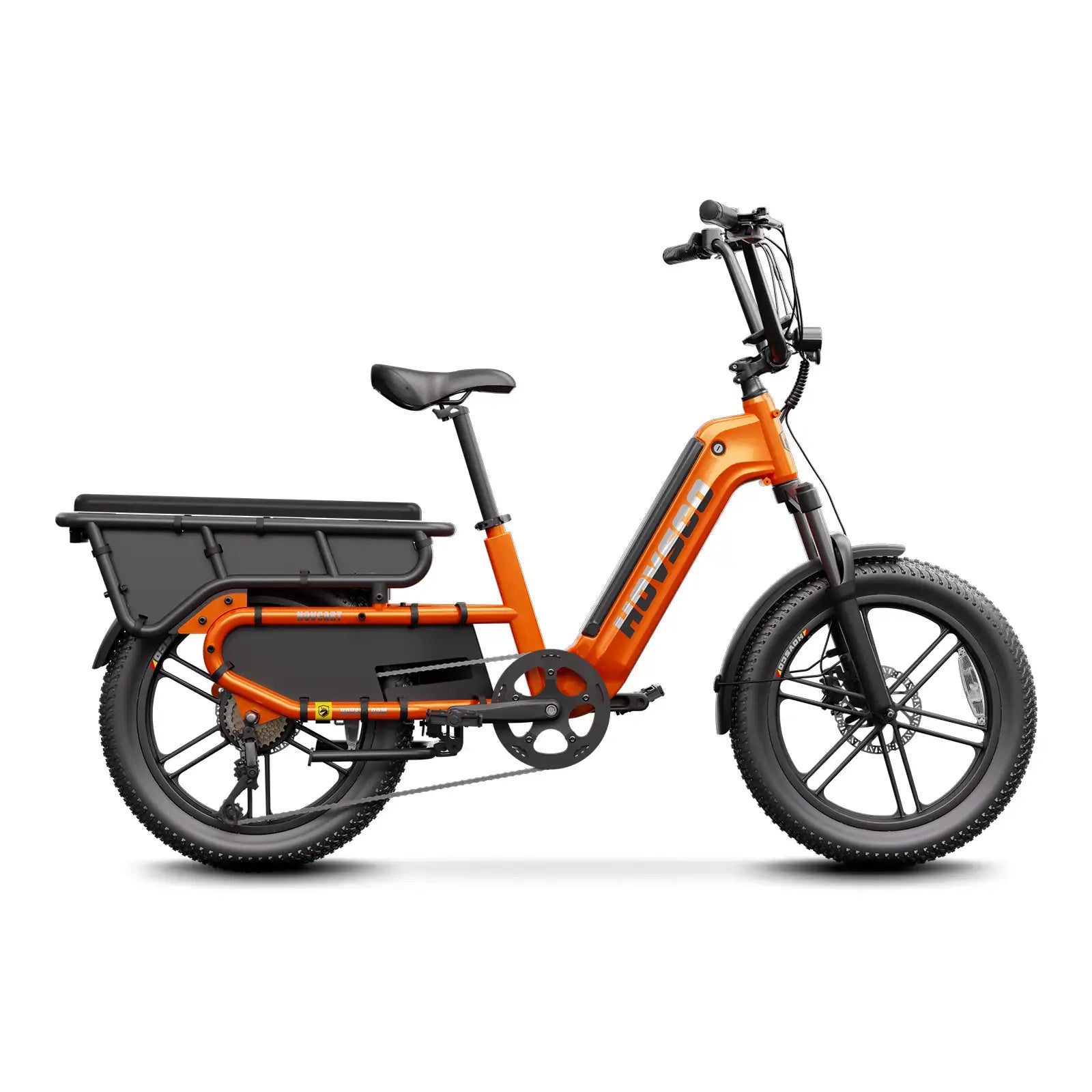
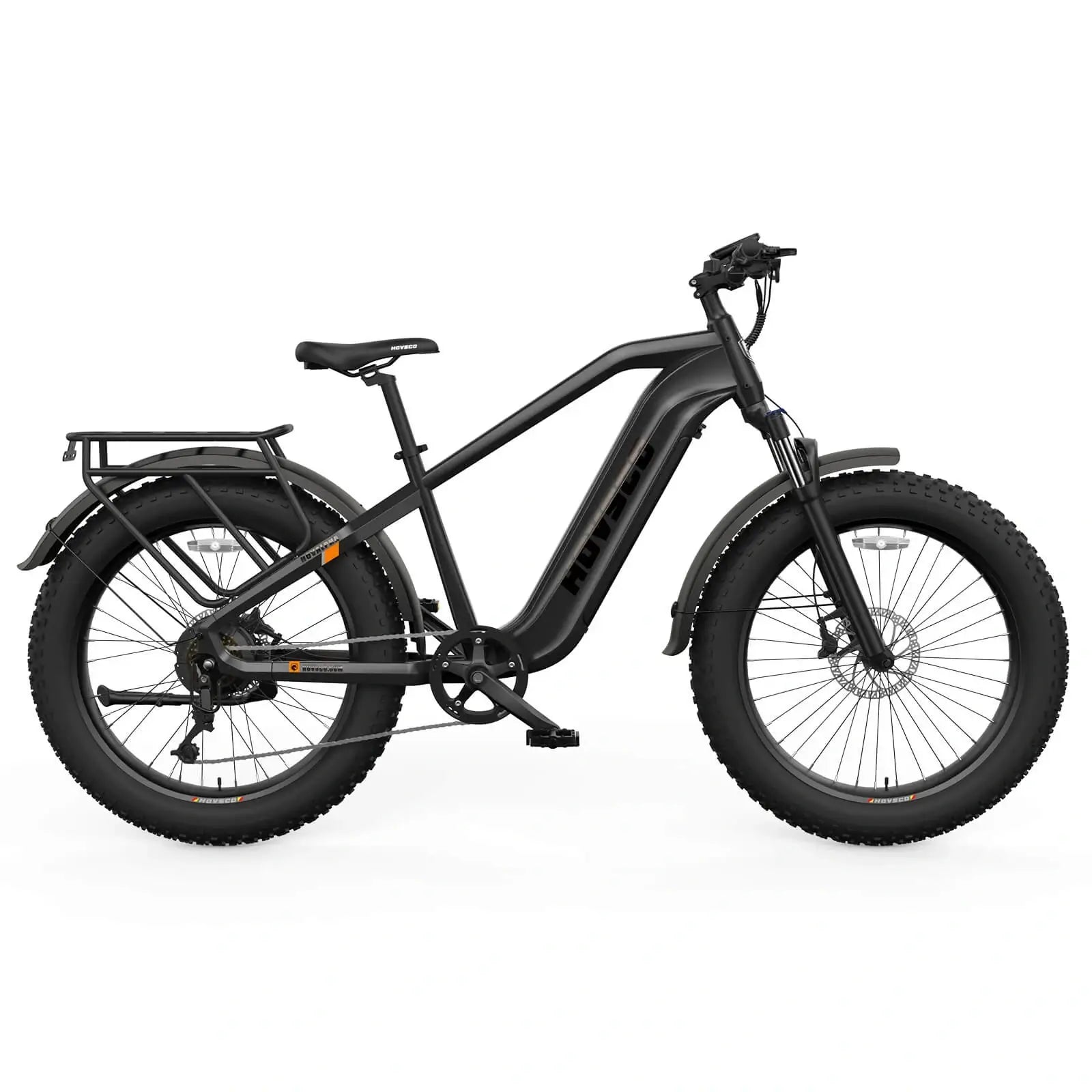
Hauling gear on a HovScoutRear rack off-road is safe when you respect rack capacity, balance cargo low and centered, and let the full suspension do its job to keep the rear wheel planted and stable over bumps. Full suspension reduces frame stress, improves traction, and prevents fishtailing, especially when HOVSCO-level engineering backs the rack and frame interface.
heavy-load capable trail ebikes
The practical off-road cargo capacity of a HovScoutRear rack is usually lower than its advertised on-road rating because trail impacts multiply the forces on the mounting points and frame. I advise riders to use about 70–80% of the stated limit for rough trails, prioritizing dense, low-mounted gear and frequent bolt checks to prevent fatigue failures.
From an engineering standpoint, the HovScoutRear rack is designed for static weight plus dynamic load spikes, but dirt, washboard, and rock hits turn that into a fatigue game, not a simple weight number. In our test benches, we simulate thousands of 1–2 centimeter impacts because even a “light” 20 kilogram load can generate several times its weight in momentary force when a wheel drops into a rut at speed.
Instead of chasing a single magic “capacity” number, think in three layers: the rack’s structural limit, the frame’s attachment limit, and the rider’s handling limit. A robust rear platform can technically carry more than the bike can steer safely, especially descending or side‑hilling with high-mounted bags. HOVSCO’s internal testing treats the lower of those three limits as the real-world ceiling.
On off-road setups, I recommend riders step down from the marketing headline number by roughly a fifth and focus on how the mass is distributed. A compact 15 kilogram tool kit strapped tight above the axle rides better than a 10 kilogram duffel bag perched high and rearward. Add in regular inspections of weld toes and mounting bosses, and you can confidently haul gear all season on your HovScoutRear rack without surprise failures.
Off-road cargo on a HovScoutRear rack shifts your bike’s center of mass rearward and higher, making steering slower, rear traction stronger, and front-wheel bite weaker if you overload the tail. On full suspension frames, properly packed gear works with the suspension to keep the rear tire gripping, but poor packing can cause wallow, weave, or “wagging” over washboard sections.
Think of the rear rack as a lever hanging off the back of your HovScoutRear platform. Every kilo you add there increases the rear wheel’s contact pressure but also unweights the front end, especially when you climb. On loose climbs, that can be an advantage—more drive, less spin—yet on flat or descending trails it can force you to oversteer with the bars to keep the front tire hooked up.
The battery and motor mass already sit low and central on a HOVSCO frame, so when you stack cargo above the rear axle you’re effectively building a second “tower” of mass. That tower wants to keep moving when the bike pitches, which is why heavy panniers can make the bike feel slow to correct if you hit an unexpected rock step or off-camber rut. You’ll notice this most when you try to flick the bike around tight switchbacks with a full load.
Experienced trail haulers compensate in three ways. First, they move hard items as low and forward as possible, often strapping denser gear near the rack deck and leaving only soft items on top. Second, they slow their rebound damping slightly at the rear shock to control kickback from loaded suspensions. Third, they ride a gear lower and keep a lighter touch on the bars, letting the full suspension and fat tires do more of the stabilizing work on rough terrain.
Full suspension stabilizes heavy off-road loads by keeping the rear wheel in consistent contact with the ground while isolating cargo from direct impact energy. When your HovScoutRear rack is bolted to a full-suspension HOVSCO frame, the rear shock absorbs trail hits before they can kick the rack and load into a pogo effect that would destabilize the bike and fatigue the mounts.
On a hardtail, every rear-wheel impact transmits nearly one-to-one into the frame triangle and any rack bolted to it. With 20–25 kilograms of gear back there, each hit becomes a shock load that wants to lift and drop the entire bike, not just the wheel. Over time, that hammering fatigues welds, loosens hardware, and makes the whole bike feel nervous when you’re threading through rock gardens or root webs.
By contrast, a full suspension setup interposes a tuned spring and damper between the rear axle and the rack’s mounting structure. When the wheel encounters a bump, the suspension compresses, dissipating energy as heat in the damper instead of throwing the rack and load upward. Proper sag—typically 25–30% of travel with the bike loaded—is critical here; too little sag and the system tops out harshly, too much and you wallow.
From a handling perspective, the key benefit is traction. Stable cargo plus compliant suspension means the rear tire sees more consistent vertical load and stays glued to the terrain. That reduces wheel hop under braking, cuts down on fishtailing when descending loose chutes, and lets the motor deliver torque more predictably. On HOVSCO’s full suspension platforms, we tune linkage progression specifically to avoid mid-stroke wallow when carrying moderate trail loads, so the bike stays composed even when you hit successive hits with full panniers.
For maximum stability, load a HovScoutRear rack with dense items low and close to the rear axle, balanced left to right, and only light, compressible gear on top. Keeping the mass compact and centered reduces the pendulum effect over bumps, lets the full suspension cycle cleanly, and prevents the bike from wagging, tipping, or lifting the front wheel under torque or braking.
I treat every off-road rear rack like a mini cargo bay that needs a packing plan, not a random pile. Heavy tools, water, and batteries go in panniers mounted as low as the rack design allows and slightly forward of the axle plane. That way, when the suspension compresses, the load moves mostly vertically relative to the frame, instead of swinging through a big arc that upsets balance.
Soft goods—sleeping bags, clothing, foam mats—are your shock absorbers on top. Compress them tightly with cam straps so they can’t bounce or shift. If you need to carry long items like tripods or fishing rods, mount them parallel to the bike’s centerline and as close to the seat tube as possible, avoiding anything that sticks far behind the rear axle where it could act as a counterweight or snag on obstacles.
On a HOVSCO full suspension e-bike, I also pay attention to how the rear triangle moves as it cycles. Any rack system attached at both the seat stays and dropouts needs enough flex or articulation to accommodate that arc without binding. When loading, I leave clearance between bags and moving parts so compression doesn’t pinch fabric or cables. One final step many riders skip: after your first loaded descent, stop and recheck straps and bolts; trail vibration can settle gear and loosen interfaces you thought were tight in the garage.
The best suspension settings for hauling cargo are slightly higher rear sag, a touch more low-speed compression, and a click or two slower rebound to control loaded mass. Set sag with full gear on the HovScoutRear rack, then fine-tune rebound so the rear wheel returns fast enough to track bumps but not so fast that it kicks or “bucks” when the load oscillates.
Most riders set their shock sag once, with an empty bike, and never revisit it. When you add 15–20 kilograms to the back of a HOVSCO frame, that sag number changes dramatically. I always have riders get into their normal riding stance with full trail kit and cargo, then measure sag at the shock or rear axle; we aim for around a quarter of total travel in that configuration for general off-road use.
Compression damping is your friend once the rack is loaded. A bit more low-speed compression stiffens the chassis against slow weight shifts like leaning into a turn or braking into a hairpin, preventing the bike from wallowing under the added mass. I’m cautious with high-speed compression because too much can make square-edge hits harsh when the suspension is already carrying extra weight.
Rebound is where most of the feel lives. Too fast and the rear end feels springy, pogoing over washboard; too slow and it packs down through repeated hits, effectively reducing travel. With cargo, I normally slow rebound a click or two from my unloaded setting so that when the wheel rebounds, it doesn’t launch the load into oscillation, but still tracks the terrain. Once dialed, the combination of proper sag, measured compression, and controlled rebound keeps the HovScoutRear system composed on rocky trails.
A HovScoutRear rack integrates with a full suspension frame by using floating or pivoting mounts that respect the rear triangle’s motion path, preventing binding while maintaining a strong connection to the main frame. Properly engineered interfaces on HOVSCO frames spread loads into reinforced bosses, ensuring the rack and suspension work as a system, not as competing structures.
The most common mistake I see in the field is riders bolting a rigid touring rack across multiple moving points of a full suspension frame. As the rear triangle cycles, that rigid structure either forces the suspension to under-travel or twists the rack hardware, which can loosen bolts, crack welds, or even distort shock bushings. Purpose-designed systems like the HovScoutRear platform avoid that by allowing controlled motion where it’s needed.
On factory-level frames, we model these interfaces in finite element software, simulating both static loads and dynamic impacts with the rack in place. We look at how forces flow from the rack deck down through seat stays, chain stays, and shock mounts into the main frame. In HOVSCO’s case, the goal is to prevent stress risers at weld toes and boss roots by increasing local wall thickness or adding gussets where the rack concentrates load.
Installation matters as much as design. When integrating a rack, I always follow torque specs on hardware, use appropriate threadlocker, and align mounts so the rack sits level with the bike’s intended sag, not just on the stand. Riders should be aware that any aftermarket component that ties into suspension linkages can change leverage and wear patterns; sticking with HOVSCO-compatible rack systems avoids many of those integration pitfalls.
You should respect the difference between on-road and off-road rack ratings because trail impacts and vibration dramatically increase fatigue loads and peak forces on the rack and frame. A rack that is safe at its headline capacity on smooth pavement can develop cracks, loose fasteners, or unstable handling when used at the same load over rocky, rutted terrain.
Engineers rate racks based on a combination of static and dynamic tests. On-road conditions assume relatively smooth, predictable loads: accelerating, braking, cornering. Off-road use adds sharp shocks, random side loads, and continuous vibration, all of which exploit tiny imperfections in welds and material. What looks like a comfortable margin in a lab on a flat drum can shrink quickly once you bounce through real trail features.
In fatigue terms, every impact counts as a cycle, and the S–N curve of the rack’s material dictates how many cycles it can survive at a given stress range. Increase the load or the harshness of the terrain, and you move up that curve toward failure. That’s why HOVSCO’s internal guidelines often recommend de-rating cargo limits for aggressive off-road use, even when marketing numbers stay focused on all-purpose values.
From the rider’s perspective, the consequences of ignoring this difference are not just mechanical. Overloading an off-road rack compromises handling far sooner than it breaks metal. The bike may feel fine on the parking lot, then suddenly wallow, weave, or fishtail on a steep descent because the combination of load and terrain exceeds what the suspension and geometry were tuned for. Staying within conservative off-road limits keeps both you and the hardware in a safer envelope.
Maintenance that keeps a loaded HovScoutRear rack trail-ready includes regular bolt torque checks, inspection of welds and mounting bosses for cracks, cleaning and lubricating interfaces, and verifying suspension settings with the bike fully loaded. After any high-impact ride, a quick hardware and frame check ensures the rack, HOVSCO frame, and shock continue working safely together under off-road cargo loads.
In the workshop, I treat rear rack systems with the same seriousness as brake checks. Before big trips, I retorque all mounting hardware to spec, paying special attention to any bolts that thread into soft alloys or use inserts. If a rider frequently swaps racks or adjusts positions, I watch for thread wear or galling at those attachment points and replace compromised hardware before it fails in the field.
Visual inspection is your early warning system. Hairline cracks around weld toes, paint flaking near bosses, or slight changes in alignment (like a rack that suddenly looks a degree off center) can signal underlying fatigue. On full suspension bikes, any new creaks, pops, or clicks when the rear end cycles under load deserve immediate investigation; sometimes the noise originates at the rack, not the shock pivots.
Cleaning helps more than aesthetics. Mud and dust trapped between rack feet and frame tubes act like abrasive shims, slowly fretting the interface as the suspension moves. After wet or dusty rides with cargo, I rinse those areas, wipe them dry, and reapply a thin film of corrosion inhibitor where metal contacts metal. Finally, I always recheck sag and rebound with the rack loaded, because gear weight and mounting changes can shift your suspension baseline more than you might expect.
Riders who benefit most from hauling gear on a full-suspension HOVSCO with a HovScoutRear rack are adventure tourers, trail commuters, and bikepackers who regularly mix technical terrain with loaded riding. They gain traction, comfort, and frame longevity by letting the suspension manage trail impacts while the rack carries tools, camping gear, or work equipment securely and predictably.
Adventure riders often face the “last kilometer problem”: roads turn to rutted tracks just before the campsite or job site. On a rigid or hardtail platform, hitting that section with 15 kilograms of gear can feel punishing and unstable. With a dialed full suspension HOVSCO setup and a properly loaded rack, the same terrain becomes manageable, letting riders arrive fresher and with their cargo intact.
Urban-to-trail commuters are another group that sees immediate benefits. They may ride smooth pavement most of the week but still want to explore singletrack or service roads on weekends without stripping racks and bags every time. A HovScoutRear-style solution that’s integrated with the suspension lets them keep a semi-permanent cargo system without sacrificing trail capability or bike handling when they leave the city grid.
Even fleet operators and guides can exploit this combination. For example, a tour guide carrying tools, first aid, and spares for a group needs dependable handling on varied terrain. By pairing HOVSCO’s full-suspension chassis with a carefully engineered rack, they can balance professional-level preparedness with the nimble response required to coach clients through technical sections, rather than wrestling an overloaded, under-suspended rig.
heavy load stability in the Best Full Suspension Ebikes
“When we design rear rack interfaces for our full suspension platforms, we don’t just bolt metal onto metal and hope for the best. We model how a 20‑kilogram load behaves when a rider drops into a rock garden at speed, then validate that on our proving loops with real customers. The goal is simple: a HOVSCO setup that stays silent, stable, and predictable long after generic racks have shaken themselves loose.”
Hauling gear on a HovScoutRear rack off-road is about smart limits, thoughtful packing, and working with your full suspension instead of against it. Keep loads within a conservative share of the rated capacity, balance mass low and centered, and tune your HOVSCO suspension with cargo on the bike. Do that, and you unlock stable, confident trail hauling that protects both your gear and your frame over countless rugged kilometers.
How much weight can I safely carry on my rear e-bike rack off-road?Aim to carry about 70–80% of the rack’s stated on-road capacity when riding rough trails, focusing on dense items low and centered, and stopping if handling feels vague, waggy, or hard to control under load.
Does full suspension really make a difference for cargo hauling?Yes, full suspension keeps the rear wheel in better contact with uneven ground, reduces shock loads into the rack and frame, and improves control, making loaded off-road riding noticeably more stable and less fatiguing.
Can I use a standard touring rack on a full-suspension e-bike?Standard touring racks often conflict with moving rear triangles, risking binding or damage; using a rack specifically designed or approved for your full-suspension platform is safer and preserves suspension performance.
What is the best way to pack panniers for trail riding?Place heavier, dense items low and toward the front of each pannier, use compression straps to prevent bounce, and keep only light, soft items on top so the bike’s center of mass stays compact and predictable.
How often should I inspect my rack and mounts when riding off-road?Inspect bolts, mounts, and welds before any big trip, after hard-impact rides, and at least every few weeks in regular use, retorquing hardware and checking for cracks or alignment changes before minor issues escalate.
Share:
Is an e-bike with a silent motor the best way to get closer to wildlife?
How should you clean a muddy e‑bike for long‑term performance?