Store your folding ebike in winter by removing the lithium battery, charging it to 50-70%, and keeping it indoors at 50-70°F (10-21°C) in a dry, low-humidity space. Cold weather storage requires protecting the battery from freezing temperatures, inflating tires to prevent flat spots, cleaning the drivetrain, and checking charge every 1-2 months to protect your investment during the off-season in small spaces.
Check: storable folding ebikes for winter
What is the ideal charge level for lithium battery winter storage?
The ideal charge level for lithium battery winter storage is 50-70%, which prevents cell degradation from full charge while avoiding dangerous over-discharge that can kill the battery.
Storing at 50-70% charge is the critical balancing act for lithium-ion battery care. Fully charged storage causes cell degradation and increases fire risk, while storing below 40% risks the battery dropping below minimum voltage and going into permanent sleep mode.
The secret insider detail: check your battery's charge from the e-bike display, not the battery LEDs. The display gives a more accurate reading, and you should recharge to 50-70% every 2 months during storage.
How does cold weather damage lithium-ion batteries?
Cold weather damages lithium-ion batteries by causing irreversible capacity loss when charged below 32°F (0°C), triggering Low-Temperature Protection Mode, and accelerating chemical degradation from prolonged freezing exposure.
The chemistry is unforgiving. When lithium-ion batteries are charged below freezing, lithium metal plates on the anode instead of intercalating properly, permanently reducing capacity. This is why Low-Temperature Protection Mode exists—it prevents charging when the battery is below 32°F.
Here's what happens in cold weather:
-
Below 32°F (0°C): Charging causes permanent damage from lithium plating
-
Below 14°F (-10°C): Should not ride at all, battery may be damaged
-
Prolonged cold storage: Chemical degradation accelerates even without charging
-
Temperature swings: Frequent expansion/contraction damages internal connections
The most dangerous mistake is charging a cold battery. Always bring it indoors and let it warm naturally to room temperature for at least 1 hour before charging.
Which storage location is best for a folding ebike in small spaces?
The best storage location is indoors in a dry, temperature-controlled space like a closet, bedroom, or heated garage maintaining 50-70°F (10-21°C), away from moisture and humidity.
For storing a folding ebike in winter in small spaces, use vertical storage solutions:
-
Wall-mounted hooks: Hang the folded bike horizontally
-
Ceiling pulleys: Store overhead in a closet
-
Under-bed storage: Fold and slide under furniture
-
Corner racks: Minimal floor space required
Avoid storing in unheated garages or sheds where temperatures drop below freezing. Even if the bike fits, the battery will be destroyed.
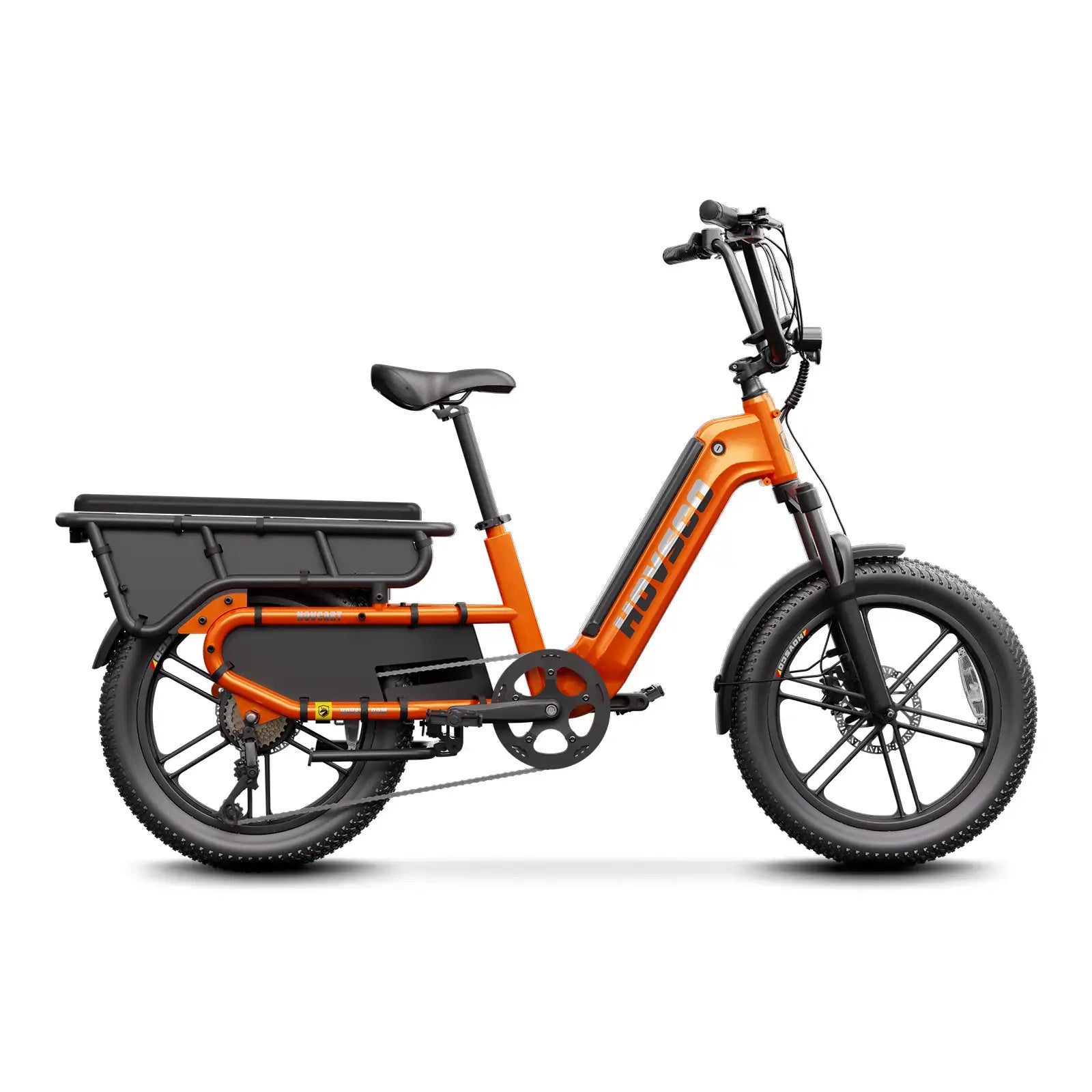
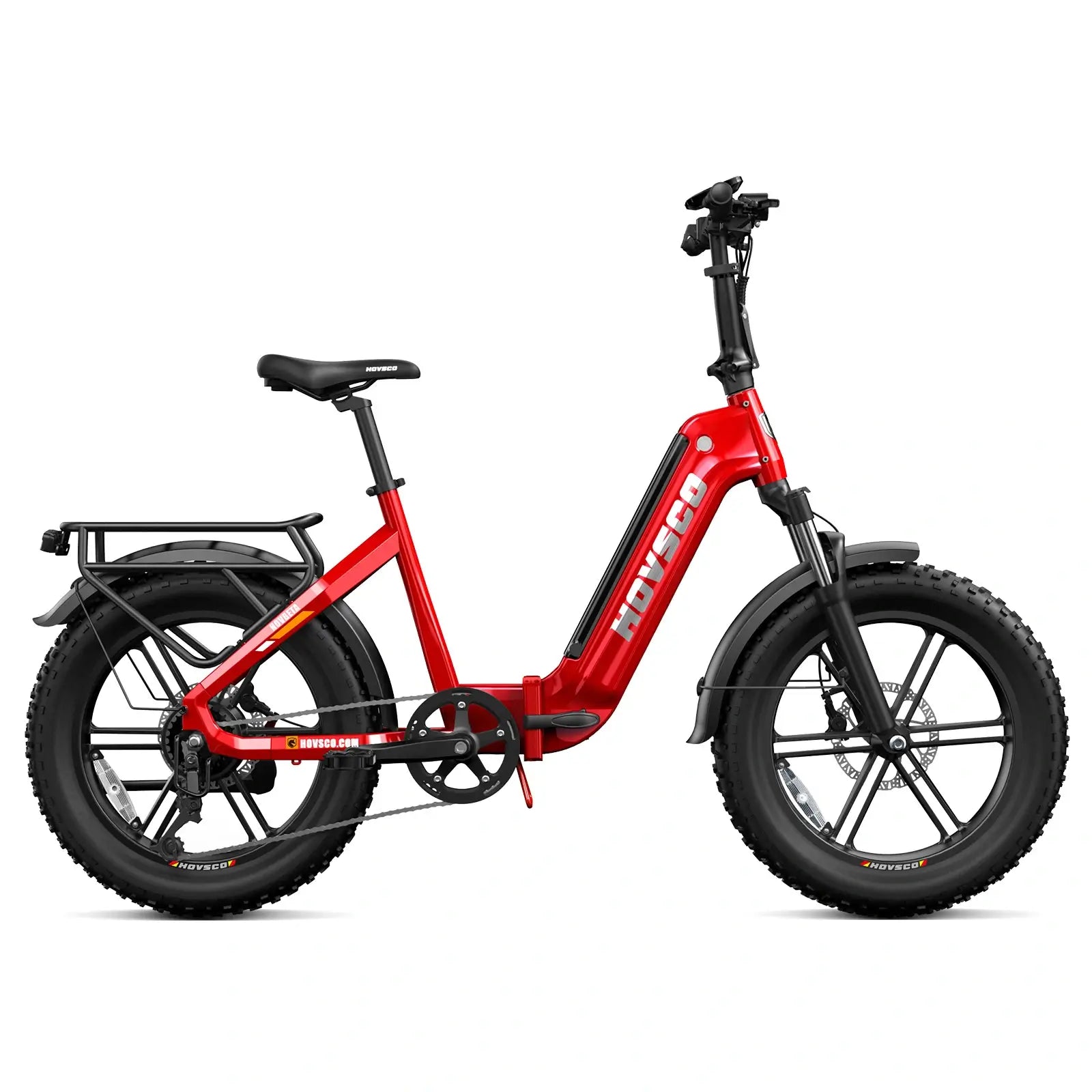
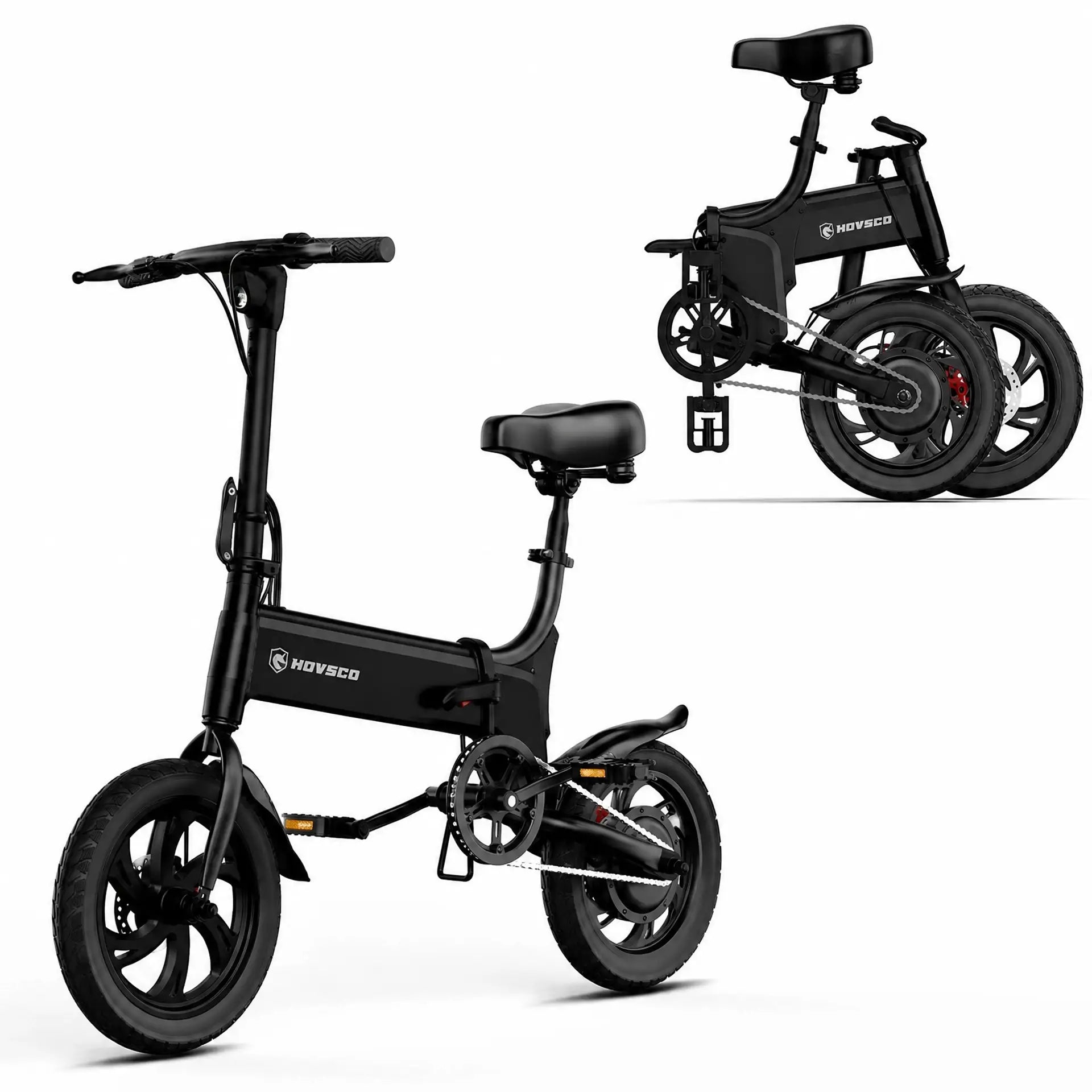
HOVSCO owners should note: their folding models are designed for apartment living, making them ideal for small-space winter storage.
Why should you remove the battery before storing the bike?
You should remove the battery before storing because it prevents corrosion from moisture, eliminates fire hazard from being plugged in, reduces weight on tires to prevent flat spots, and allows proper temperature control.
The battery is the most sensitive element of an e-bike and requires additional caution. Removing it allows you to:
-
Store the battery at ideal temperature (55-75°F) while bike stays elsewhere
-
Prevent corrosion from humidity on electrical connectors
-
Avoid accidental drain from being connected to the bike
-
Reduce fire risk from never leaving it plugged to the charger
Apply dielectric grease to connectors before storage to prevent corrosion. This insider tip from experienced riders prevents oxidation that can cause connection problems when spring arrives.
Never store the battery connected to the bike or charger—this is both a fire hazard and severely damages battery efficacy over months of storage.
When should you check and recharge the stored battery?
Check and recharge the stored battery every 1-2 months, maintaining 50-70% charge to prevent the battery from dropping below minimum voltage and entering permanent sleep mode.
Set a monthly reminder to check your battery. The recharge cycle is simple:
-
Check charge: Use the e-bike display for accurate reading
-
Recharge if below 50%: Bring back to 70%
-
Don't overcharge: Unplug at 75-85%, never leave on charger
-
Store separately: Remove from charger after reaching target
Checking every 6 months is too long—batteries can discharge below safe levels in that time. The 1-2 month interval is critical for protecting your investment during the off-season.
Where should you not store a folding ebike in winter?
Never store a folding ebike in winter in unheated garages, sheds, balconies, or outdoors where temperatures drop below freezing, humidity is high, or moisture from snow/rain can reach the bike.
Cold weather storage in these locations will destroy your lithium battery:
-
Unheated garage: Drops below freezing, battery dies
-
Shed: No temperature control, high humidity
-
Balcony: Exposed to moisture and freezing
-
Basement (unheated): May be too cold and humid
Even if the bike is folded and stored in small spaces, the location must be temperature-controlled. A folding ebike saved by proper storage is worth the inconvenience of moving the battery indoors.
How do you prepare a folding ebike for long-term winter storage?
Prepare a folding ebike for winter storage by removing and charging the battery to 50-70%, cleaning the frame and drivetrain, inflating tires to normal PSI, applying chain oil, shifting to lowest gear, and covering with breathable fabric.
Complete Winter Storage Checklist
The chain lubrication step is critical in cold climates where road salt accelerates rust. Apply generous oil and wipe excess before storage.
Could storing at wrong temperature permanently damage your battery?
Yes, storing at the wrong temperature can permanently damage your battery—freezing causes lithium plating and capacity loss, while temperatures above 86°F accelerate chemical breakdown and cell degradation.
The safe temperature ranges are critical:
-
Riding: 50-77°F (10-25°C)
-
Charging: Above 32°F (0°C), ideally room temperature
-
Storage: 50-77°F (10-25°C), ideally 55-75°F (12-24°C)
Storing below 32°F causes irreversible damage. Storing above 86°F increases degradation rate. The optimal 55-75°F range preserves cell chemistry for months of storage.
Check: storage solutions in our 2026 Buying Guide
HOVSCO Expert Views
"The most common mistake I see folding ebike owners make is storing the battery in the same cold garage as the bike. The lithium battery is the most expensive and sensitive component—it deserves climate-controlled storage even if the bike doesn't. At HOVSCO, we design our folding models specifically for apartment living, which means the battery should come inside where you live. The 50-70% charge rule is non-negotiable: fully charged degrades cells, fully discharged kills them. Check monthly, store separately, and your battery will last 3-5 years instead of 1-2."
What are the tire care requirements for winter storage?
Tire care for winter storage requires inflating to normal PSI or hanging the bike to reduce weight on tires, preventing flat spots that develop from prolonged pressure on one spot.
Flat spots occur when the bike sits on the same tire section for months. The rubber hardens and takes the shape of the floor. To prevent this:
-
Inflate to max PSI: Reduces chance of flat spots
-
Hang the bike: Eliminates weight entirely
-
Rotate position: Move bike every few weeks if possible
-
Use tire cradle: Distributes weight across wider area
For folding ebikes stored in small spaces, hanging is often the best solution since it eliminates tire pressure concerns entirely.
How does humidity affect stored e-bike electronics?
Humidity affects stored e-bike electronics by causing corrosion on connectors, electrical contacts, and the battery terminals, which can lead to short circuits and permanent connection failures.
Keep storage spaces dry with minimal humidity. Moisture can lead to corrosion or short circuits on electrical components. Dielectric grease on connectors prevents oxidation.
Signs of humidity damage:
-
Green/white corrosion on battery terminals
-
Rust on chain and bolts
-
Intermittent electrical connections
-
Display flickering or failure after storage
If your storage space is humid, use a dehumidifier or silica gel packets near the bike and battery.
Conclusion
Storing a folding ebike in winter requires protecting your investment by removing the lithium battery, charging it to 50-70%, and keeping it indoors at 50-70°F while the folded bike is stored vertically in small spaces. Cold weather storage demands attention to battery care, tire pressure, chain lubrication, and humidity control to prevent permanent damage.
Key takeaways:
-
Battery charge: 50-70% is the sweet spot—never 100% or 0%
-
Battery temperature: Store indoors at 55-75°F, never in freezing conditions
-
Check monthly: Recharge to 70% if battery drops below 50%
-
Remove battery: Prevents corrosion, reduces fire risk, allows proper temp control
-
Small spaces: Use wall hooks, ceiling pulleys, or under-bed storage for folded bike
-
HOVSCO advantage: Folding models designed for apartment living and easy off-season storage
By following these lithium battery care and cold weather storage guidelines, you'll protect your investment during the off-season and ensure your folding ebike is ready to ride when spring arrives.
FAQs
Can I charge my e-bike battery in the cold?
No, never charge a cold battery. Bring it indoors and let it warm naturally to room temperature for at least 1 hour before charging to prevent lithium plating and permanent damage.
What temperature is too cold for e-bike battery storage?
Any temperature below 32°F (0°C) is dangerous for lithium battery storage. Store at 50-77°F (10-25°C) to prevent irreversible capacity loss.
How often should I check my stored battery charge?
Check every 1-2 months and recharge to 50-70% if it drops below 50%. Checking every 6 months is too long and risks battery death.
Should I leave the battery on the charger during storage?
No, never leave the battery connected to the charger during storage. This is a fire hazard and severely damages battery efficacy.
Can HOVSCO folding ebikes be stored in small apartments?
Yes, HOVSCO folding models are designed for apartment living with compact folding that fits in closets, under beds, or on wall mounts, making them ideal for storing a folding ebike in winter in small spaces.






![[ New Arrival ] Porto Max Electric Scooter For Commute & Grocery Shopping - HOVSCO](http://www.hovsco.com/cdn/shop/files/PotroMax-3.jpg?v=1706927007&width=1200)
Share:
Can I Fly With a Folding E-Bike? Complete Guide to Air Travel and Ebike Battery Shipping Rules
What Are the Best Accessories for HovBeta Folding E-Bikes?