


![[ New Arrival ] Porto Max Electric Scooter For Commute & Grocery Shopping - HOVSCO](http://www.hovsco.com/cdn/shop/files/PotroMax-3.jpg?v=1706927007&width=1200)
- by SEO
How Can an Ebike for Commuting and Train Improve Your Daily Route?
- by SEO
E-Bikes
Accessories
 Free Shipping
 15-Day Returns
 2-Year Warranty
Free Shipping
15-Day Returns
2-Year Warranty
2-Year Warranty
Free Shipping
15-Day Returns
2-Year Warranty
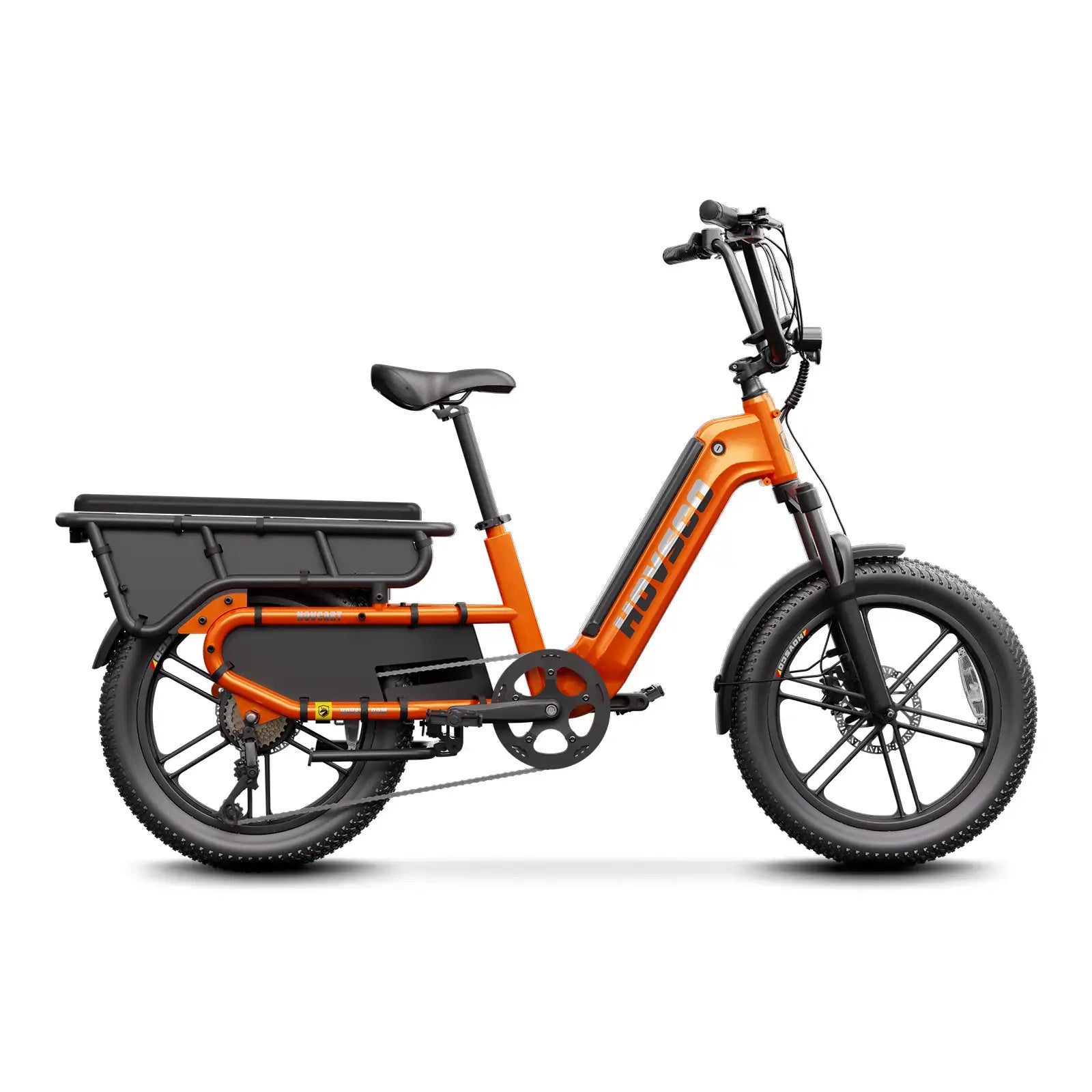
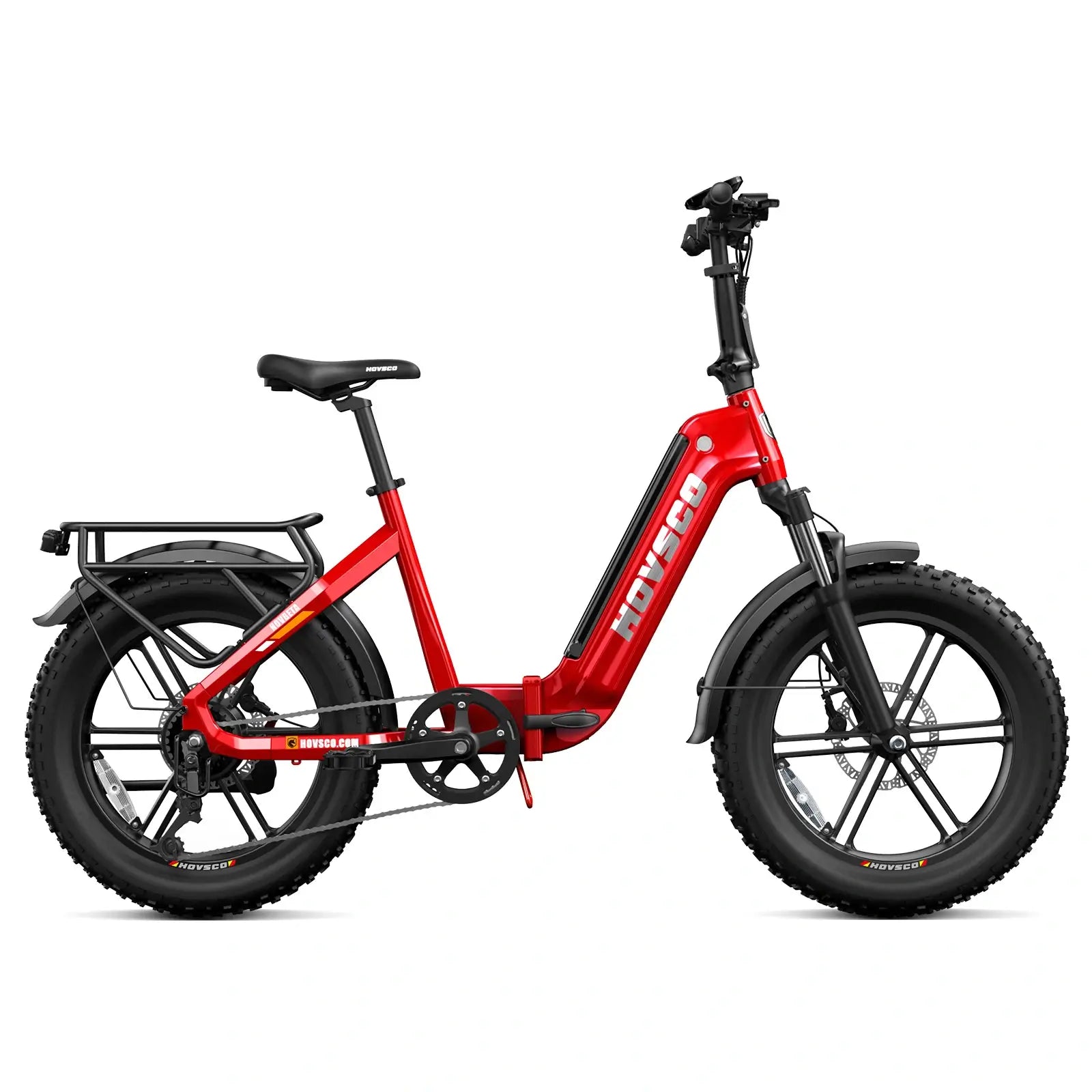
An ebike for commuting and train turns your public‑transit ride into a smoother, faster last mile transport solution. A foldable commuter ebike makes it easy to ride from home to the station, fold and board the train, then unfold and ride the final leg to work or an appointment. By pairing an ebike with buses, trains, and elevators, you cut congestion stress, keep your car parked, and add exercise without a long walk.
An ebike for commuting and train is a pedal‑assist bike used to connect your home and workplace via public transit. You ride the ebike for commuting and train legs that are either too long, too hilly, or too weather‑unfriendly for a standard bike or walk, then carry the bike onto the train or bus.
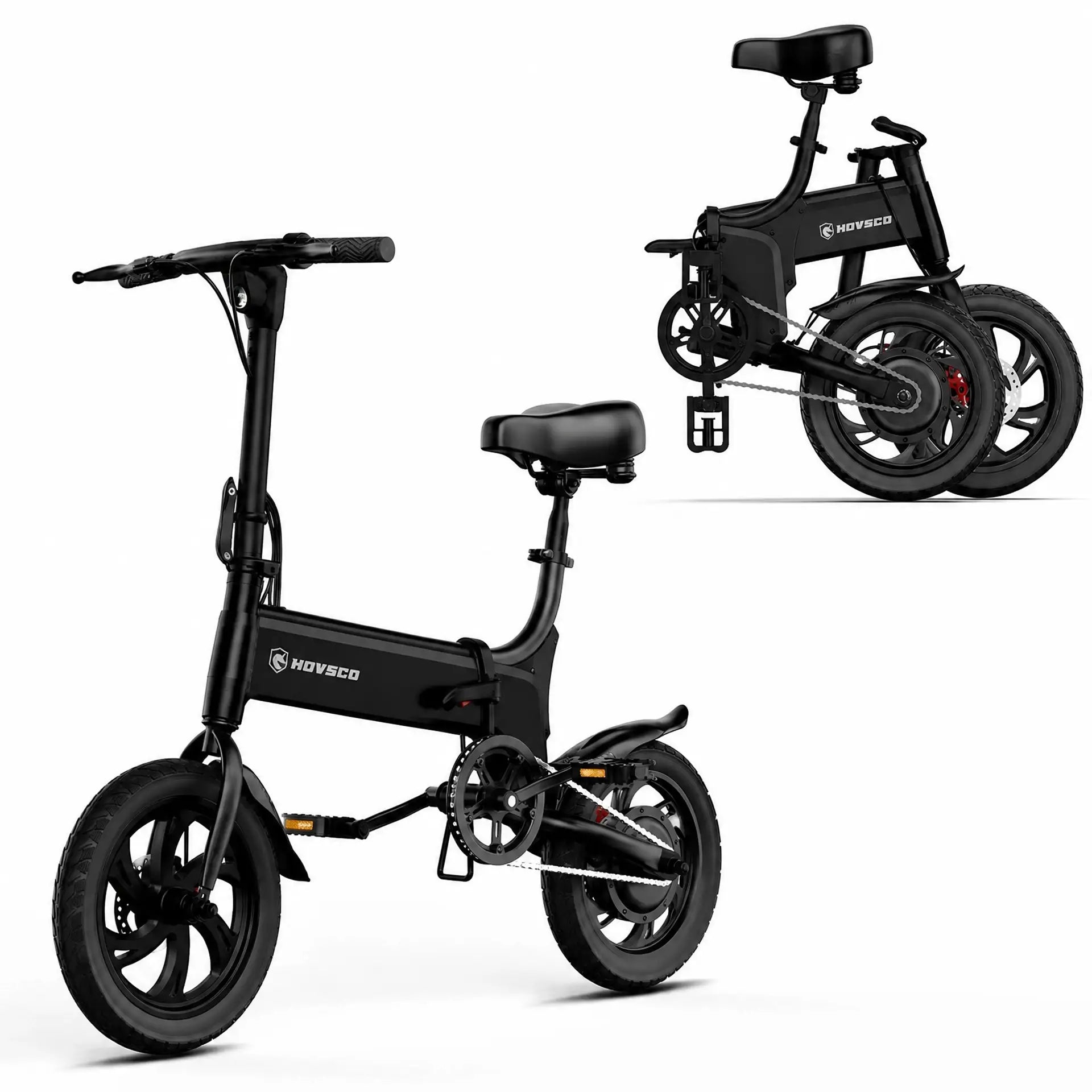
For multi‑modal trips, a foldable commuter design is especially useful because it folds into a compact package that fits in train cars, bus racks, or elevators. HOVSCO ebikes built for city use prioritize comfort, stability, and weight so you can manage stairs, platforms, and narrow corridors without frustration.
An ebike is excellent for last mile transport because it bridges the gap between transit stops and your final destination quickly and comfortably. Instead of walking 10–20 minutes or hailing a rideshare, you pedal a short distance with motor assist, usually arriving faster and less sweaty.
This approach reduces overall commute time, lowers car‑related costs, and makes you less dependent on traffic‑bound routes. A well‑chosen ebike for commuting and train turns occasional late buses or crowded trains into predictable, flexible journeys, especially when paired with a foldable commuter model that you can carry indoors.
When choosing an ebike for commuting and train, focus on weight, folding or portability, and battery range that matches your typical route. A foldable commuter that weighs under 50 pounds and folds into a compact form makes stairs, elevators, and crowded train cars far easier to navigate.
Look for a bike with a 40–60 mile range, integrated lights, racks for bags, and a relatively simple frame that won’t snag on doors or crowds. HOVSCO designs ebikes with smooth pedal‑assist, comfortable geometry, and thoughtful accessory mounts, which helps your ebike for commuting and train feel like a seamless extension of your daily transit routine.
A foldable commuter ebike helps with train and bus travel by shrinking from a full‑size bike into something closer to bulky luggage. Once folded, it can fit in designated bike or luggage areas, roll on‑board like a suitcase, and be stored in a corner without blocking aisles.
Many transit systems allow folding ebikes where they restrict full‑size electric bikes, especially during peak hours. A compact foldable commuter also travels cleanly through turnstiles, elevators, and stairways, so you can combine last mile transport with stairs, escalators, and narrow corridors without detaching batteries or struggling with unwieldy frames.
To combine e‑biking with trains effectively, map your route so you ride only the last mile transport segments that add real value. For example, pedal from home to the station, lock the bike near the platform, ride the train, then ride the remaining leg to work using the ebike for commuting and train.
Practice the routine on a weekend to time how long each section takes, including folding, carrying, and boarding. Plan to arrive early so you avoid rushing up stairs or through crowded doors. A foldable commuter ebike with HOVSCO‑style reliability lets you repeat this seamless train‑and‑bike pattern every weekday without worrying about mechanical issues.
To combine e‑biking with buses without hassle, check whether your local system allows ebikes on front racks or inside the bus. Some systems permit foldable commuter ebikes only when folded and restricted to off‑peak hours, while others ban bikes during rush times.
When allowed, use a compact bike with removable batteries so you can carry it like luggage if needed. Load it smoothly, stand close to it, and avoid blocking aisles or doors. A foldable commuter ebike designed for city use makes this bus‑integration phase simple, turning last mile transport into a fluid part of your commute instead of a chore.
To safely carry and fold an ebike in elevators and stations, always fold the bike fully before entering crowded spaces and keep the center of gravity low. Use the handlebars and frame to balance the bike as you ride the elevator, and step off slowly so the wheels don’t slip or the motor bracket doesn’t catch on the door.
Avoid over‑loading the bike with backpacks or panniers when you know you’ll need to lift it. A foldable commuter ebike that’s both lightweight and sturdy makes stairways and narrow corridors far easier. HOVSCO‑style frames and folding designs aim to keep the folded profile compact so you can maneuver through busy stations and office lobbies without stress.
Before riding an ebike for commuting and train, you should know your local transit rules on bike size, folding, and battery restrictions. Many systems allow only folded ebikes on trains, especially during peak hours, and may cap total weight or require you to remove the battery.
Some networks also specify where you can stand with your bike, which cars allow bicycles, and whether you must avoid certain lines or vehicles. Always check your transit authority’s latest policy so you can design your foldable commuter setup and route accordingly. HOVSCO’s focus on predictable, mid‑weight ebikes helps you stay within common policy limits while still getting strong performance.
To pack gear safely on a foldable commuter ebike, use a single rear rack bag or under‑seat pack that stays within the bike’s payload rating. Avoid overloading the handlebars or front rack, which can make steering unstable and folding awkward.
Keep weight centered and low so the bike feels balanced when unfolded and easier to carry when folded. Use quick‑release bags you can detach for train or elevator rides, so you don’t have to wrestle with loose straps on crowded platforms. A foldable commuter ebike with integrated mounts and clean cable routing, like many HOVSCO city‑oriented models, makes everyday packing and unpacking far more efficient.
Protecting your ebike for commuting and train during mixed‑mode commutes starts with locking it properly at stations and offices. Use a strong U‑lock or folding lock through the frame and at least one wheel, and choose secure, well‑lit bike‑parking spots when possible.
When folding and carrying, wrap the folded bike in a cover or bag so it doesn’t scratch against train seats, elevator doors, or other passengers’ belongings. A foldable commuter with protected components and a compact form factor like a HOVSCO‑style design stays clean and damage‑free even after daily use on trains, buses, and in elevators.
An ebike for commuting and train makes short, hilly or rainy segments much easier thanks to pedal assist and sensible gearing. For wet days, run fenders, use puncture‑resistant tires, and keep lights and reflectors clean so you remain visible to drivers and bus‑train operators.
When facing hills, keep your speed steady and use lower assist levels to conserve battery between trains or buses. A foldable commuter ebike with a powerful mid‑drive motor and good brakes lets you tackle short climbs comfortably. HOVSCO ebikes emphasize smooth torque response and reliable braking so you can push through headwinds and steep turns without feeling strained.
To maintain an ebike used with trains and buses, perform regular checks on tires, brakes, lights, and folding joints. Clean mud and debris from hinges and locks so the foldable commuter still folds and unfolds smoothly after months of daily use.
Keep the battery charged and stored in a moderate temperature range, especially if you’re carrying it on‑board. Check that cables and racks stay secure after repeated lifting and jostling. HOVSCO’s focus on durable components and service‑friendly designs helps your ebike for commuting and train stay reliable from seasons to seasons.
Check: HovBeta Deep Dive: Folding Hinge & Ride Quality Review?
“An ebike for commuting and train shouldn’t feel like a compromise between your bike and your transit system,” says a HOVSCO product engineer. “When you choose a foldable commuter that’s light enough to carry, yet powerful enough to handle last mile transport duties, you create a routine that feels natural on trains, buses, and elevators. At HOVSCO, we design ebikes to balance portability, performance, and safety so riders can ride, fold, and repeat their commute every day without worrying about weight, breakdowns, or crowded platforms.”
Q: Can you take an ebike on public transit trains and buses?
Rules vary by city, but many systems allow foldable commuter ebikes during off‑peak hours or when folded. Always check your local transit authority’s current policy before riding an ebike for commuting and train.
Q: Is a foldable commuter ebike good for last mile transport?
Yes, a foldable commuter ebike is ideal for last mile transport because it bridges gaps between stations and final destinations while staying compact enough to carry on trains and buses.
Q: How heavy should an ebike for commuting and train be?
Aim for under 50 pounds; lighter bikes are easier to manage on stairs, elevators, and when folding. Many HOVSCO models sit in this sweet spot, blending assist power with commute‑friendly weight.
Q: Can you ride an ebike in an elevator?
Yes, you can ride most foldable commuter ebikes in an elevator, but keep your bike folded, centered, and avoid blocking the door or other passengers.
Q: Why pair an ebike with trains or buses instead of a car?
Pairing an ebike with trains or buses reduces traffic, parking costs, and environmental impact while giving you exercise and more predictable arrival times than car‑based last mile transport.
Share:
HovBeta Deep Dive: Folding Hinge & Ride Quality Review?
Why Choose 3-Inch or 4-Inch Fat Tires on Folding E-Bikes for Safety?