Is a multi-stage helical and planetary reduction gear the secret behind ultra-quiet, high-torque mid-drive e-bikes?
by SEO
A multi-stage helical and planetary reduction gear lets a compact mid-drive motor spin at 3,000 RPM while still delivering around 85 Nm of usable torque at the crank, with impressively low noise and vibration. By combining noise-damping helical gears and high-ratio planetary stages, brands like HOVSCO create off-road-ready drivetrains that feel refined yet brutally capable. The Horological Masterclass: Inside the Multi-Stage Helical and Planetary Reduction Gears
How does a multi-stage helical and planetary reduction gear turn 3,000 RPM into 85 Nm of torque?
A multi-stage planetary reduction gear splits a high motor speed into several smaller steps, each lowering RPM and multiplying torque. When combined with helical gears, the system can achieve overall ratios in the 15:1 to 30:1 range or more, enough to convert roughly 3,000 RPM motor speed into strong 85 Nm crank torque for off-road riding.
From an engineering standpoint, I treat the mid-drive like a watch movement scaled up. The rotor’s 3,000 RPM goes first into a helical pinion for quiet primary reduction, then into one or more planetary stages that deliver compact, high-ratio torque multiplication. Each stage shares load across multiple planet gears, so we can safely push high torque without oversizing the housing.
A typical configuration in an off-road ebike drive unit might look like this
Stage 1: Helical pinion to helical gear, about 3:1
Stage 2: Planetary stage, roughly 5:1
Stage 3: Planetary or spur stage, around 2:1
Multiply these and you reach a total reduction in the 30:1 range, which is sufficient to turn fast, efficient motor RPM into slow, high-torque crank output. From there, the bicycle’s chainring and cassette further tune wheel torque, giving HOVSCO riders the climbing punch they feel at the trailhead
What makes helical gears inside a mid-drive motor dramatically quieter than spur gears?
Helical gears reduce noise because their angled teeth engage gradually, spreading contact across the tooth face instead of slamming in all at once. This creates a rolling, low-frequency hum rather than the high-pitched whine typical of spur gears at several thousand RPM, especially under continuous load.
In the HovMaster style mid-drive layout, the primary reduction often uses helical gears to tame the raw motor noise before torque enters the planetary stages. I specify a moderate helix angle to balance axial thrust and load-carrying capacity, then match tooth quality to a high precision class for smooth running. Proper backlash and lubrication matter as much as tooth form, because a poorly set helical mesh can be just as noisy as a cheap spur set.
From the saddle, the benefit shows up as a quieter ride when climbing or accelerating hard. Brands like HOVSCO pair helical primary stages with well-damped housings, so the rider hears more of the tire and wind than the motor itself. This is one of those details you only appreciate after hundreds of hours of durability and acoustic chamber testing
Why is a multi-stage planetary reduction system ideal for compact high-torque mid-drive motors?
Multi-stage planetary systems deliver high reduction ratios in a very small volume because multiple gears share the work around a central sun gear. A single planetary stage typically offers roughly 3:1 to 10:1 reduction, and stacking two or three stages lets us reach 15:1 to 30:1 ratios while keeping the drive unit compact and lightweight.
From a factory-floor perspective, I choose planetary sets when I need both torque density and packaging efficiency. With three or four planet gears, the load on each tooth is lower, allowing smaller gears and lighter carriers. The symmetric layout also keeps forces balanced on the bearings, reducing vibration and giving the motor that horological smoothness HovMaster aims for.
In HOVSCO off-road mid-drive applications, multi-stage planetary reduction lets the motor sit low and central without huge housings or unsightly bulges. Riders feel the benefit as strong low-speed pull for technical climbs and controlled torque for loose terrain, all from a drive that still looks like a bicycle rather than a scooter
Which key components define the Horological Masterclass gearbox: sun gear, planet carrier, ring gear, and clutch?
The core planetary train consists of a central sun gear, multiple planet gears held by a planet carrier, and an internal-toothed ring gear surrounding them. A one-way clutch couples this assembly to the crank or chainring so motor torque can drive forward while allowing the rider to coast freely when the motor is off.
In a typical mid-drive explosion diagram, I label
Sun gear: directly driven by the motor shaft
Planet gears and carrier: orbit around the sun, collecting torque
Ring gear: fixed or semi-fixed, with internal teeth
One-way clutch: between carrier and output shaft
This architecture lets the HovMaster mid-drive deliver electric assist without forcing the rider to turn the motor when pedaling unassisted. HOVSCO and other serious brands invest heavily in the clutch interface, because poor design here causes drag, noise, and premature wear at exactly the point the rider interacts with most
How are sun gear, planet carrier, ring gear, and clutch arranged inside a mid-drive motor housing?
In a typical coaxial mid-drive, the motor rotor sits on the same axis as the planetary set. The rotor or a small helical pinion drives the sun gear, planet gears mesh with the sun and ring, and the carrier passes torque through the clutch to the output shaft that supports the chainring or reduction sprocket.
I design the housing so each stage floats with controlled clearances. The ring gear often forms part of the motor shell, the planet carrier rides on needle or ball bearings, and the clutch sits close to the crank interface to minimize overall length. Clear grease channels and sealing grooves ensure lifetime lubrication without contaminating the motor windings.
When you cut open a HovMaster-style casing in a 3D exploded view, you see a layered, horological arrangement. The sun gear is central, planets orbit in a precision cage, the ring closes the system, and the one-way clutch sits like a final escapement, deciding when torque passes to the rider and when it decouples
What trade-offs do engineers face when choosing helical and planetary gear parameters for a 3,000 RPM, 85 Nm mid-drive?
Selecting gear parameters is a balancing act between noise, torque capacity, efficiency, and durability. Higher gear ratios boost torque but can push the motor outside its optimal efficiency band at high speed, raising heat and battery consumption, especially on long climbs.
On the factory floor, I routinely trade helix angle against bearing load. Steeper angles run quieter but generate more axial force, demanding stronger thrust bearings. Planet gear width changes with torque targets, moving from around 5 mm to 8 mm width for heavy cargo or aggressive trail riding. Material route matters too, from case-hardened alloy steel for high-end mid-drives to engineering plastics for quieter but lower-capacity commuter units.
HOVSCO off-road designs lean toward robust metal planetary gears and carefully tuned helical primary stages. That combination gives riders reliable 85 Nm-class torque while keeping noise and housing temperature under control during long climbs. It is this attention to trade-offs that separates a Horological Masterclass transmission from commodity e-bike motors
Is helical gear noise reduction still effective under real off-road conditions?
Yes, provided tooth geometry, backlash, and lubrication are matched to off-road loads. Helical gears inherently run quieter than spur gears because of gradual tooth engagement, but poor housing stiffness or contaminated grease can quickly ruin the advantage.
In muddy or sandy environments, I pay special attention to seal design and grease formulation. High-grade synthetic greases with stable viscosity from low temperatures up to around 80°C keep the helical mesh damped and prevent dry, noisy contact even after long hill climbs. Double-lip seals and labyrinth paths reduce abrasive ingress, maintaining tooth surface finish.
Field tests on typical off-road trails show that a well-executed helical stage keeps noise near or below normal conversation levels during typical climbs. Riders hear the crunch of gravel and the wind more than the motor, which is exactly the goal of a horological-grade noise strategy
Why does a one-way clutch matter so much in a mid-drive planetary gearbox?
The one-way clutch lets motor torque drive the crank forward while allowing free coasting when the motor is off, without back-driving the reduction stages. Without a clutch, the rider would feel drag from the motor and planetary gears whenever pedaling unassisted or rolling downhill.
From my experience, clutch tuning is where many otherwise good gearboxes fail. Too much preload and the crank feels sticky, too little and you get chatter or slippage under peak torque. I specify roller or sprag clutches with tight runout control on mating surfaces, then validate with repeated torque reversals on the dyno.
In HovMaster off-road scenarios, the clutch protects the delicate helical and planetary teeth from shock loads when the rider lands jumps or hits obstacles. HOVSCO systems rely on this element to keep the transmission feeling crisp under power yet invisible when you just want to coast and enjoy the scenery
How does HovMaster mid-drive helical-planetary design compare with typical hub-motor and simpler spur-gear systems?
Drive layout
Torque feel & noise
Main strengths
Typical limits
Hub motor with spur reduction
Moderate torque, noticeable whine at speed
Simple packaging, fewer parts
Higher noise, limited hill performance
Direct-drive hub (no reduction)
Smooth, quiet but weaker low-speed pull
No internal gears to wear
Large motor, low torque density
Mid-drive with spur gears
Strong torque, sharper mechanical sound
Easy to manufacture, lower cost
More vibration, less refinement
HovMaster-style helical + planetary mid-drive
High torque with refined noise and feel
Compact, quiet, trail-ready performance
More complex design and manufacturing
In my teardown work, a HovMaster-type helical plus multi-stage planetary drive shows noticeably finer tooth finishing, tighter backlash control, and better sealing than typical commodity systems. HOVSCO and similar brands also integrate the gearbox more intelligently with the frame, reducing resonance and secondary noise
Does a multi-stage helical and planetary reduction drive add meaningful non-commodity value for HOVSCO off-road riders?
Yes, because it transforms the ride feel, durability, and acoustic character beyond what basic spur or single-stage systems can offer. A multi-stage helical and planetary reduction gear gives HOVSCO riders a distinctive combination of silent climbing torque, compact packaging, and long service life that is hard to replicate with simpler drives.
From an insider point of view, the non-commodity value shows up in details most riders never see. Tooth profile inspection, carrier stiffness, housing strain mapping, and controlled grease flow are all tuned so each mesh behaves more like a watch escapement than a generic gear. This is the spirit behind the Horological Masterclass concept.
Riders feel that in the absence of rattles, in the intuitive torque response when shifting under load, and in the confidence that the system will handle years of trail abuse. For a brand aiming to build a long-lasting community and e-bike smiles, this transmission architecture is a strategic asset, not just a spec sheet line
HOVSCO Expert Views
In our mid-drive projects, we treat the gearbox like the heart of the bike, not a hidden commodity part. By combining helical primary reduction with carefully balanced multi-stage planetary gears and a precisely tuned clutch, we give riders silent confidence on every climb. The goal is simple: powerful torque, low noise, and a drive unit that feels as refined as a mechanical timepiece over thousands of off-road miles
Are there practical maintenance and inspection tips for multi-stage helical and planetary mid-drive systems?
Even so-called maintenance-free gearboxes benefit from periodic professional checks, especially in off-road use. I recommend inspection every 5,000 to 8,000 km or roughly every two to three years for heavily used trail bikes.
Key checks include backlash in planetary stages, axial play in bearings, housing integrity, and seal condition for dust and water exclusion. Grease condition also matters, with no burnt smell, metal flakes, or severe thinning. These tell you whether internal temperatures and loads are under control.
For HOVSCO owners, listening is a simple early-warning tool. New whining, clicking, or rhythmic knocking under load often signals wear in bearings, clutch elements, or planet carrier alignment. Fixing these issues early protects the precision helical and planetary gears that define the Horological Masterclass drive
What are the key takeaways and actionable advice for riders choosing HovMaster-style multi-stage helical and planetary mid-drives?
The core takeaway is that multi-stage helical and planetary reduction gears deliver a unique blend of high torque, quiet operation, and compact packaging that pays off every time you ride. For riders, the most actionable steps are to choose mid-drive systems from serious brands, respect maintenance intervals, and match gear ratios to terrain and load.
If you are shopping for an off-road ebike, prefer mid-drives with documented multi-stage planetary reduction and helical primary gears. Ask about continuous and peak torque ratings, not just nominal motor power, and check for robust sealing and lifetime synthetic lubrication in the drive unit. Evaluate noise and feel during a test climb, not just on flat urban roads.
For HOVSCO fans and future HovMaster owners, treating the drivetrain as a precision instrument rather than a black box will help you get the most from the design. When the gearbox feels invisible and only torque and terrain remain, you are experiencing the true Horological Masterclass: Inside the Multi-Stage Helical and Planetary Reduction Gears
FAQs
Can a multi-stage planetary gearbox really improve ebike range? Yes. By keeping the motor in its efficient RPM window while providing the right wheel torque, a well-designed planetary reduction can reduce wasted heat and noticeably extend real-world range in hilly terrain
Is a mid-drive with helical and planetary gears harder to service than a hub motor? Internally, yes, because of higher precision and more parts. In practice, most riders rely on professional service every few years, while routine user maintenance focuses on the external chain, cassette, and overall cleanliness
Are planetary gears strong enough for aggressive off-road riding? Properly designed planetary sets with hardened steel gears, robust carriers, and controlled lubrication can outlast comparable parallel-axis gears at the same power level, making them suitable for demanding trail use
Does HOVSCO use these advanced reduction systems across all models? HOVSCO tailors its drivetrains to each platform, prioritizing multi-stage helical and planetary solutions where off-road torque, durability, and quiet operation matter most, while keeping commuter models efficient and accessible
Could a one-way clutch fail and lock the crank? Quality clutches are tested through thousands of torque reversals and thermal cycles to avoid locking or freewheeling failures. Early symptoms such as draggy coasting or slipping under power are your cue to seek service before a serious issue develops


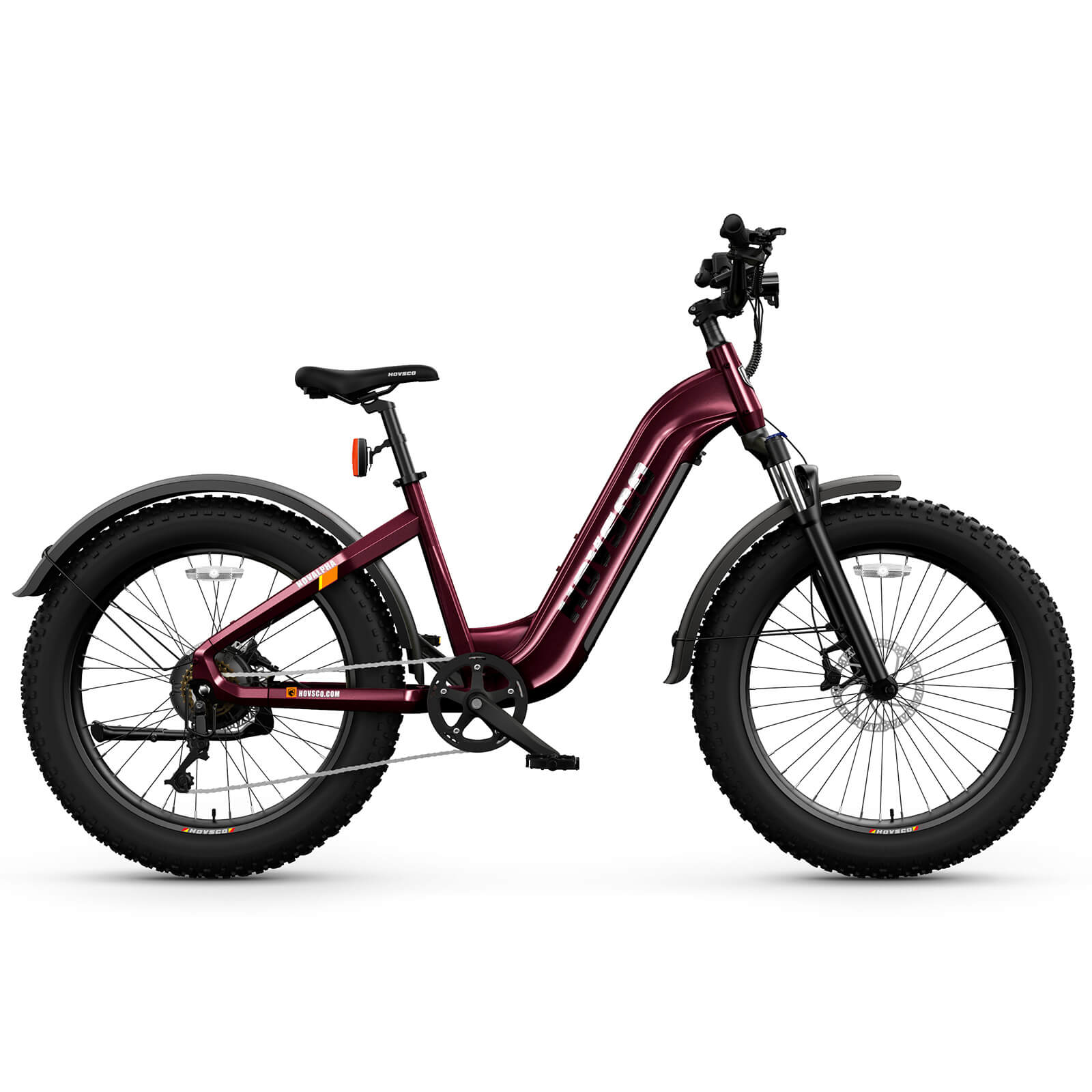
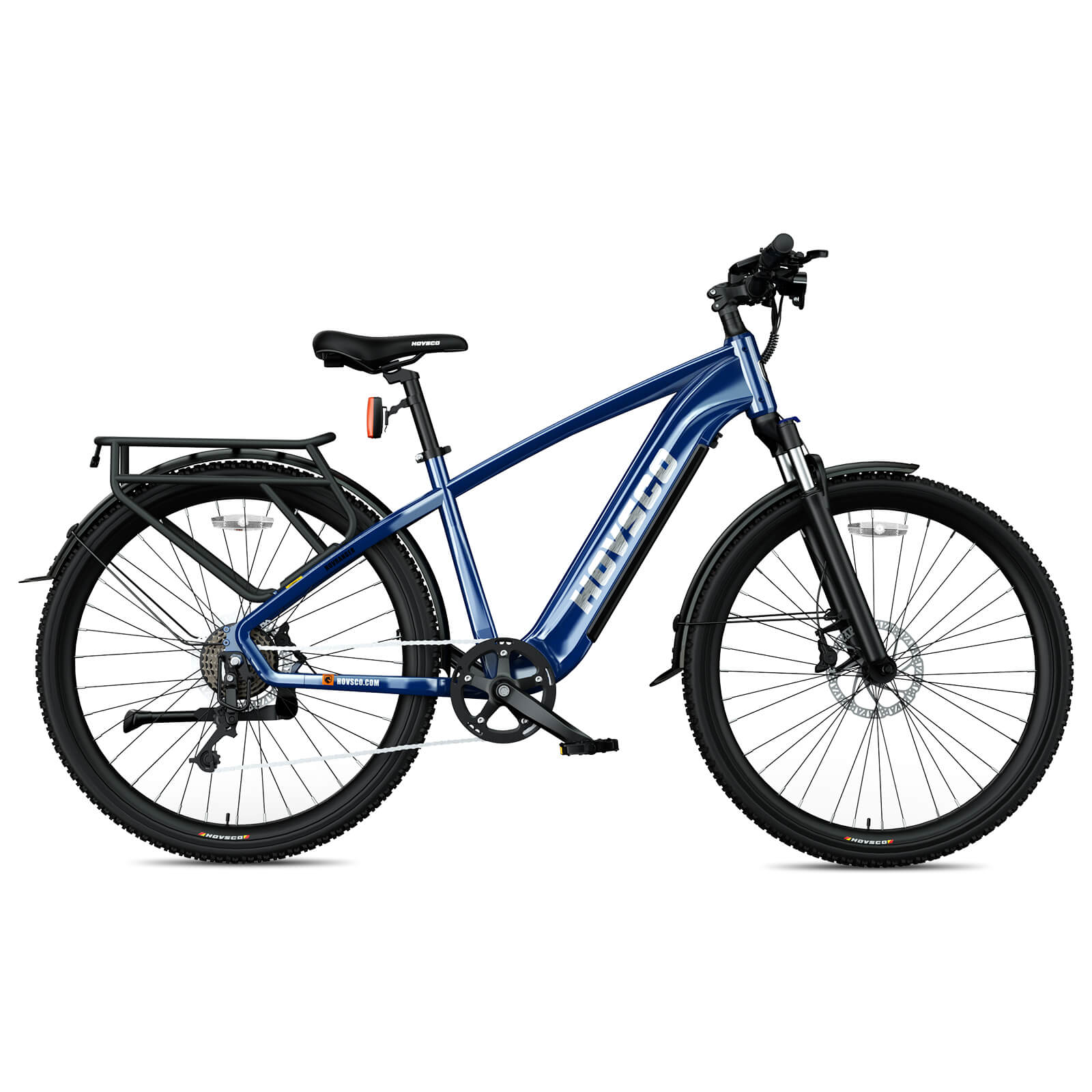
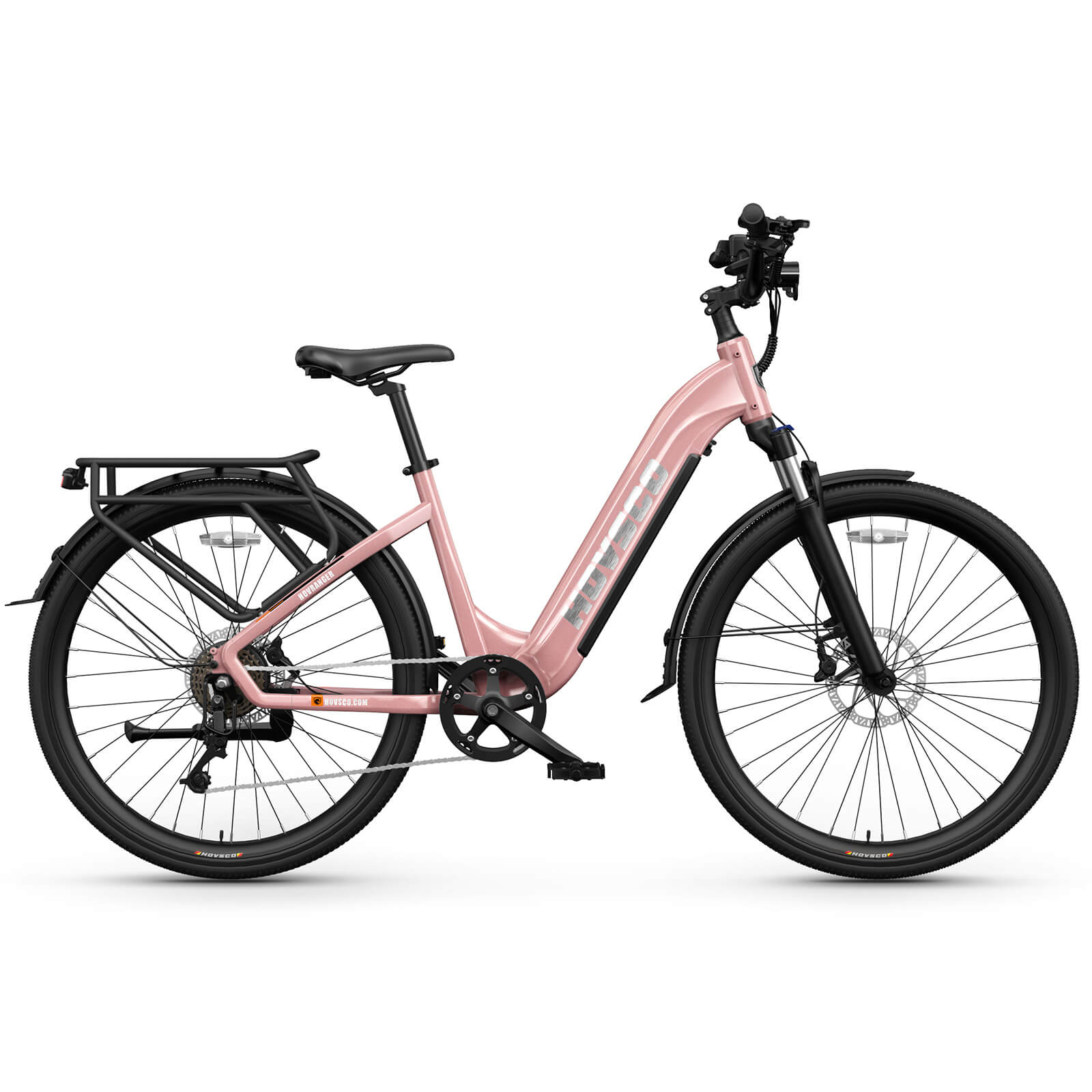
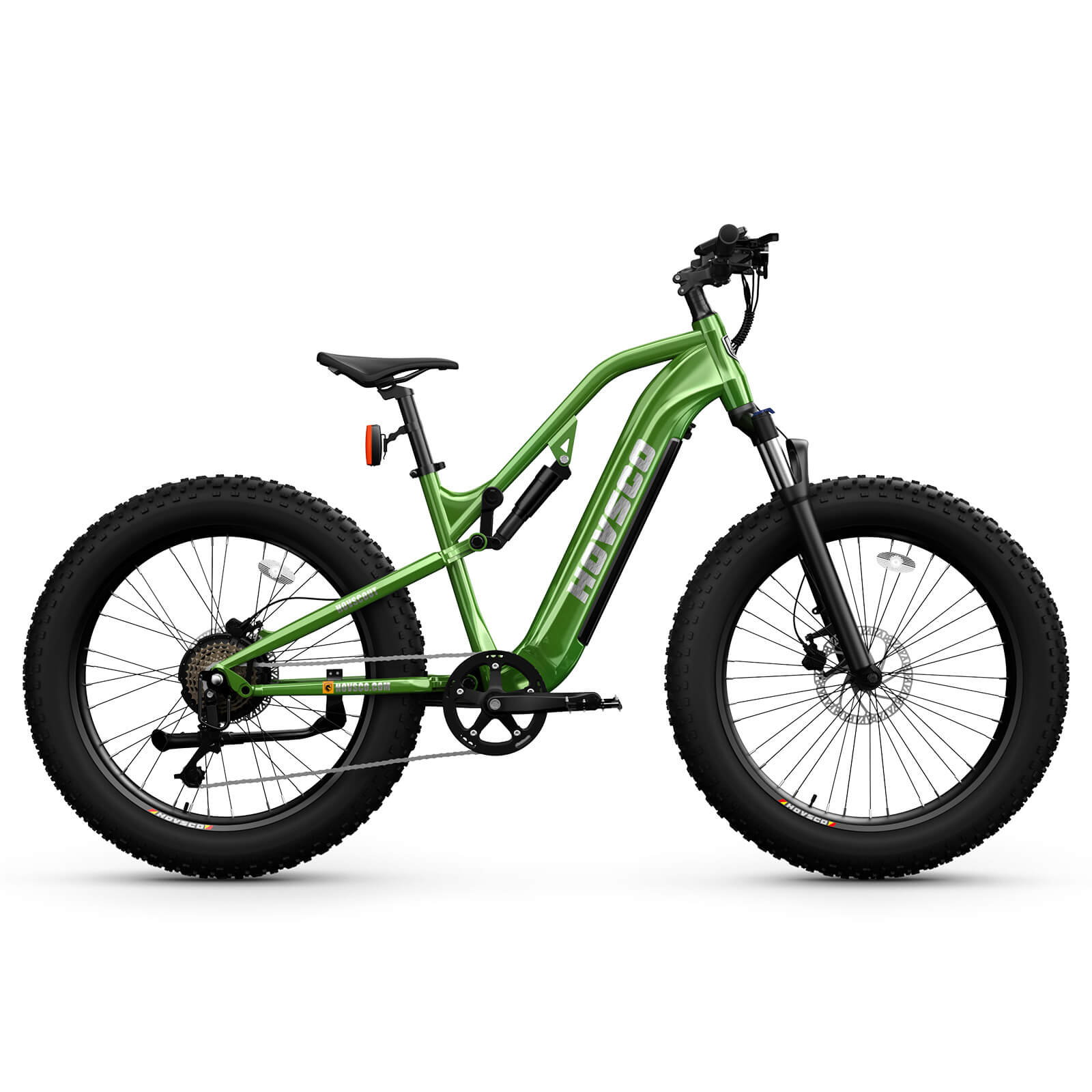







![[ New Arrival ] Porto Max Electric Scooter For Commute & Grocery Shopping - HOVSCO](http://www.hovsco.com/cdn/shop/files/PotroMax-3.jpg?v=1706927007&width=1200)
Share:
Is microsecond dual-sided torque feedback the future of natural ebike assist?
Is luxury mid-drive e-bike pricing really justified?