


![[ New Arrival ] Porto Max Electric Scooter For Commute & Grocery Shopping - HOVSCO](http://www.hovsco.com/cdn/shop/files/PotroMax-3.jpg?v=1706927007&width=1200)
- by LiuJiazhu
How Do Fat Tire E-Bikes Compare To Mountain Bikes On Trails?
- by LiuJiazhu
E-Bikes
Accessories
 Free Shipping
 15-Day Returns
 2-Year Warranty
Free Shipping
15-Day Returns
2-Year Warranty
2-Year Warranty
Free Shipping
15-Day Returns
2-Year Warranty
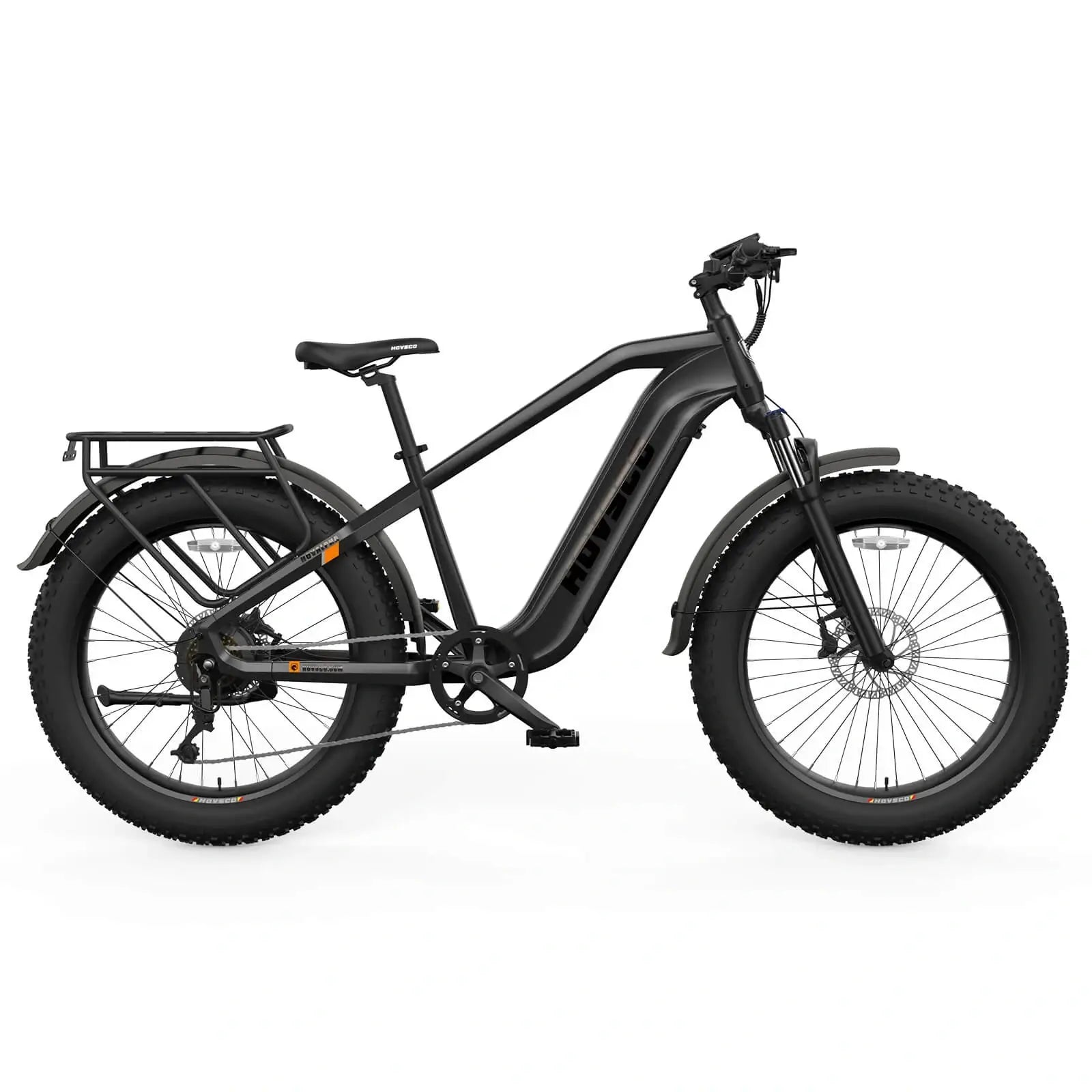
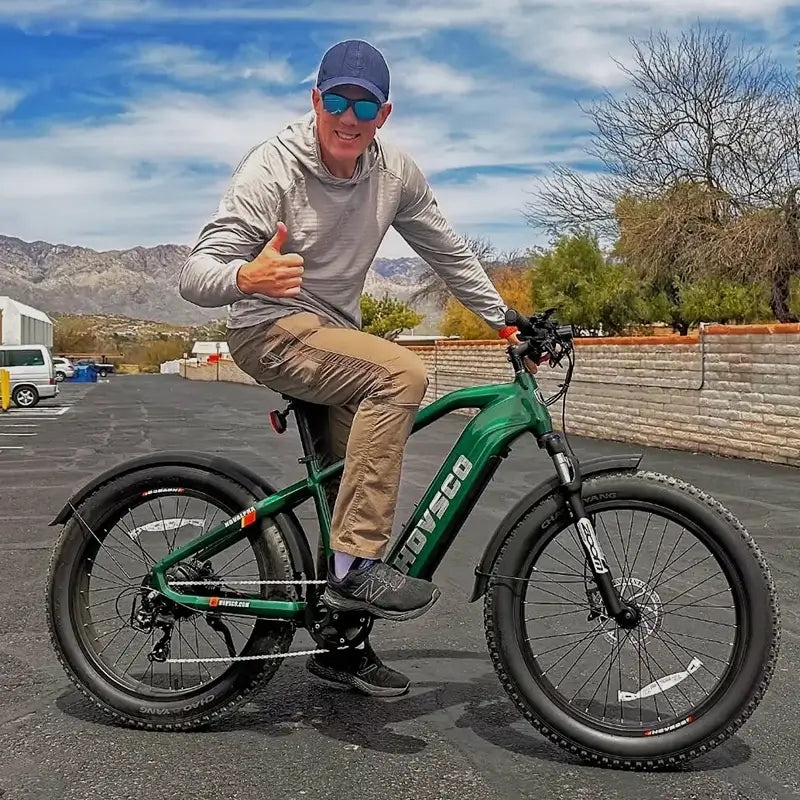
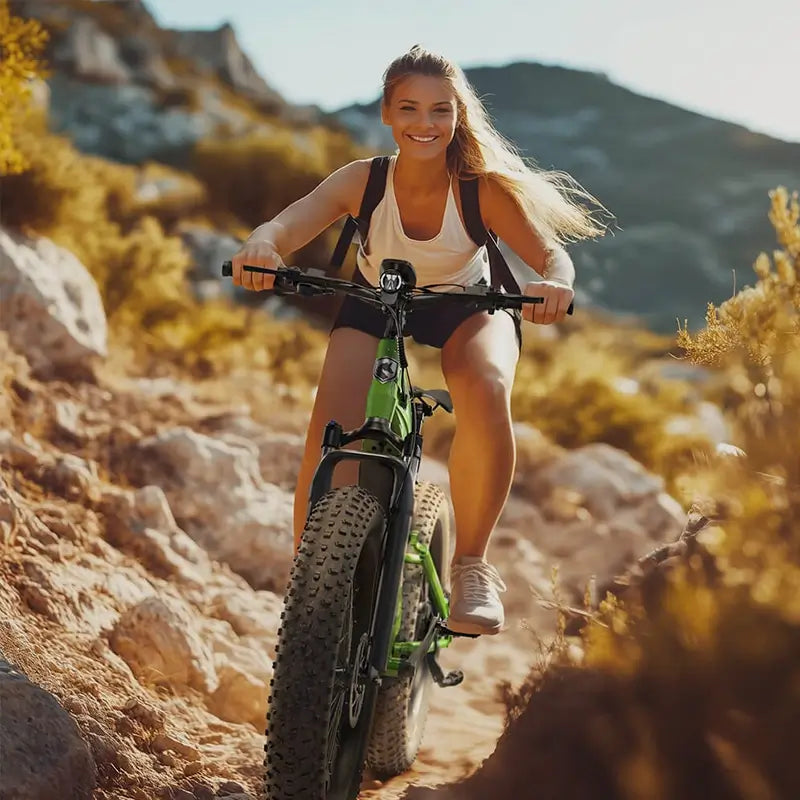
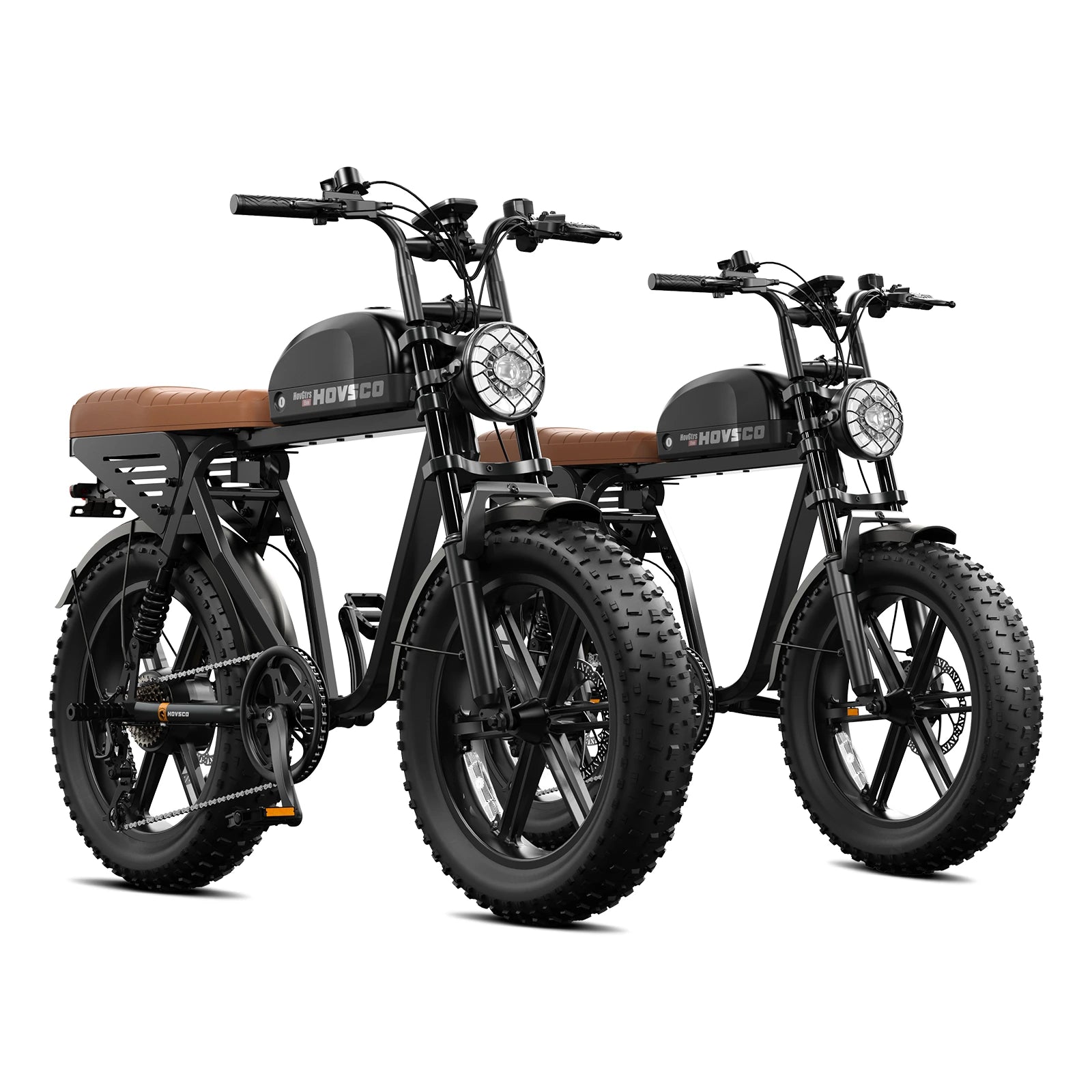
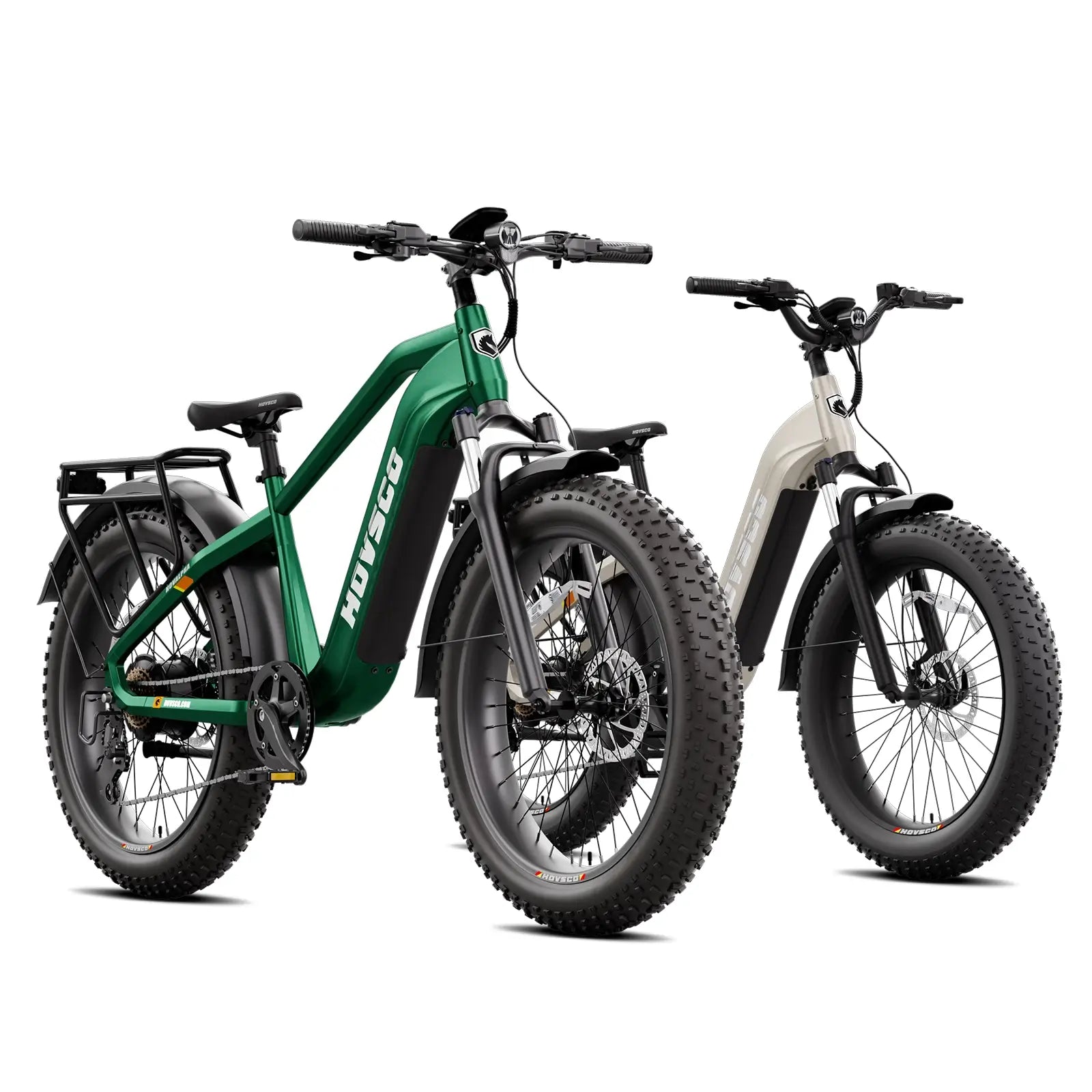
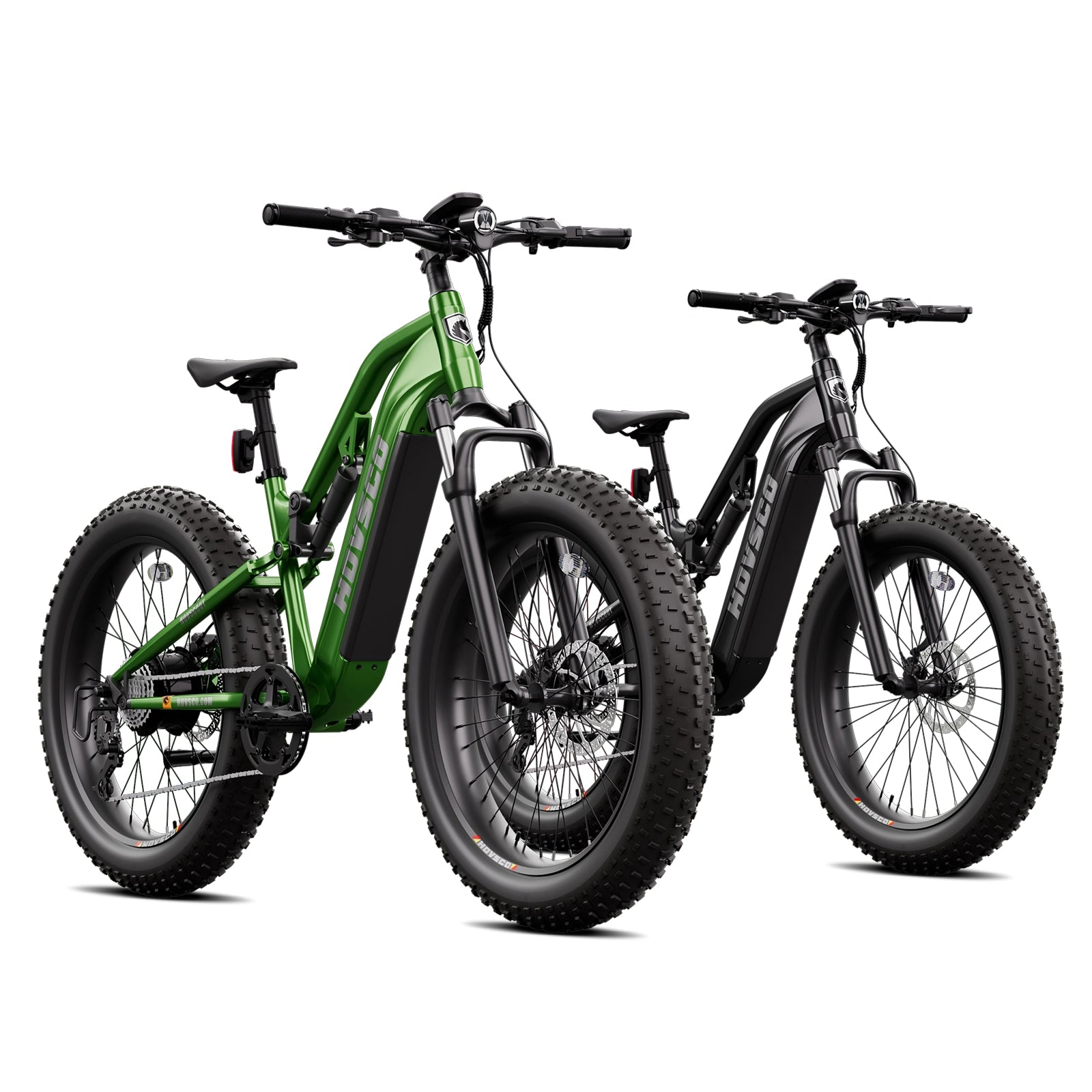
Fat tire e-bikes excel on loose or unstable terrain like sand, snow, or mud due to their wide tires (4"-5") and electric motor assistance, offering superior flotation and traction. Mountain bikes (MTBs) prioritize agility and lightweight design for technical trails, relying on rider power. While fat tire e-bikes handle extreme conditions better, MTBs dominate in precision-focused, high-speed singletrack riding.
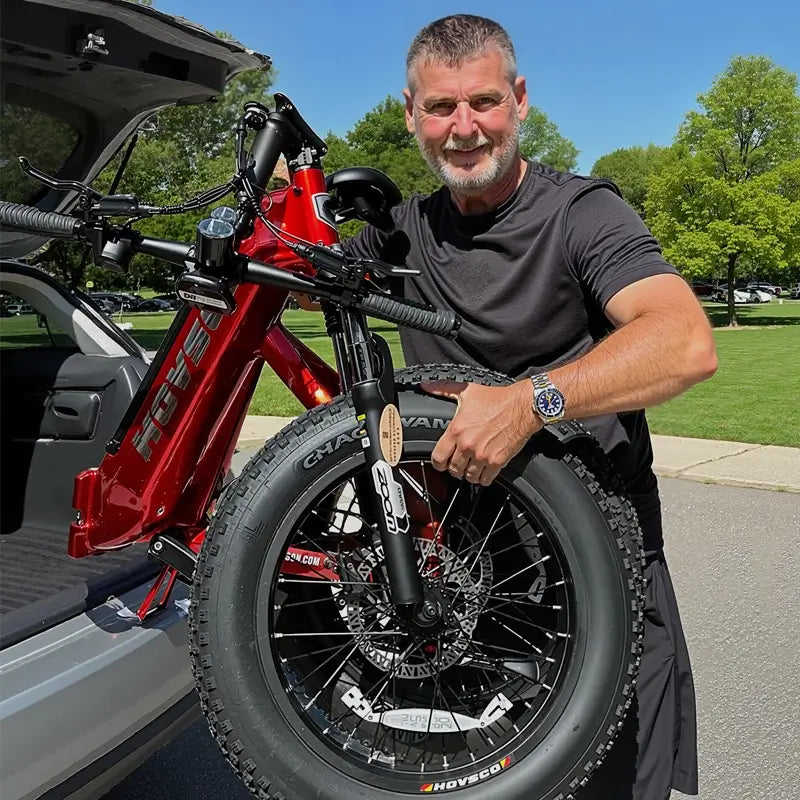
Fat tire e-bikes use wide tires (4"-5") with low PSI (5-15) to "float" over soft terrain, while MTBs rely on narrower tires (2"-3") at higher PSI (20-35) for hardpack grip. The e-bike's motor aids uphill traction, but its weight (~60-80 lbs) reduces cornering sharpness vs. MTBs (~25-35 lbs).
Fat tire e-bikes distribute weight across a larger contact patch (up to 10x wider than MTB tires), preventing sinkage in sand or snow. For instance, a 4.8" fat tire at 8 PSI creates a 12”x5” footprint vs. a 2.5” MTB tire’s 8”x2” patch at 25 PSI. However, this width increases rolling resistance on hard surfaces, making MTBs faster on packed trails.
Pro tip: Lower fat tire PSI to 6-10 for deep mud, but avoid pinch flats by staying above 5 PSI. Think of fat tires as snowshoes—spreading load to avoid sinking—while MTB tires act like hiking boots, maximizing grip on rocky inclines. But can a heavier e-bike really match an MTB’s nimbleness? Not quite—the MTB’s leaner build allows quicker direction changes.
| Fat Tire E-Bike | Mountain Bike | |
|---|---|---|
| Tire Width | 4"-5" | 2"-3" |
| Traction Type | Floatation | Grip |
| Best Terrain | Sand/Snow | Hardpack/Rock |
Mountain bikes dominate technical trails with precise handling due to lighter frames and responsive geometry. Fat tire e-bikes struggle with tight switchbacks but conquer obstacles like roots using motor torque and tire cushioning.
MTBs leverage slack head angles (64-67°) and short chainstays (420-450mm) for aggressive descents, while fat e-bikes prioritize stability with steeper angles (68-72°) and longer wheelbases. The HOVSCO Hv100’s 750W motor, for example, can brute-force up rocky climbs, but its 72-lb weight demands wider turns. Pro tip: Use pedal assist Level 1-2 on technical climbs to avoid wheel spin. Imagine an MTB as a rally car darting through trees, while a fat e-bike acts like a 4x4 truck—slower but unstoppable.
Yet, does motor power compensate for heft? On steep drop-offs, the MTB’s weight advantage (often half that of e-bikes) allows quicker recovery from errors. Warning: Fat e-bike riders risk overheating brakes on long descents due to extra mass.
| Fat Tire E-Bike | Mountain Bike | |
|---|---|---|
| Weight | 60-80 lbs | 25-35 lbs |
| Maneuverability | Moderate | High |
| Best Use | Obstacle Crawling | Precision Riding |
Fat tire e-bikes reach higher speeds (~20-28 mph) via motor assist but lag in acceleration and agility. MTBs rely on rider fitness, often outpacing e-bikes on technical downhills where weight matters less.
Class 1 e-bikes provide assist up to 20 mph, while some off-road models hit 28 mph. However, their wide tires add drag—a 5” tire at 10 PSI has 30% more rolling resistance than a 2.4” MTB tire. On a 10-mile trail loop, an MTB might average 10-12 mph vs. an e-bike’s 12-15 mph, but skilled riders can close gaps.
Pro tip: Conserve battery by using eco mode on flats to save power for climbs. Picture a sprinter (MTB) vs. a marathoner (e-bike)—the former bursts faster short-term, while the latter sustains speed. But can an e-bike’s motor compensate for fitness gaps? Absolutely, making uphill speeds 2-3x faster for casual riders.
For casual riders or extreme terrains, yes—they handle snow/sand better. For racing or technical trails, MTBs remain superior due to lighter weight and agility.
Do fat tire e-bikes damage trails more than MTBs?Potentially—their weight and wide tires can cause more erosion on soft trails. Stick to designated paths and avoid wet conditions to minimize impact.
Are fat tire e-bikes harder to pedal without assistance?Yes—their heavy frames and wide tires create significant resistance. Always keep the battery charged for optimal performance.
Mountain Bike vs Fat Tire Bike: Which Is Better for You?
Mountain bikes excel on rocky trails with agility and speed, while fat tire bikes offer superior traction and stability on snow, sand, or loose terrain. Choose a mountain bike for performance and climbing, or a fat tire bike for all-terrain adventures and comfort.
How to Choose the Best Affordable E-Mountain Bikes?
Look for an e-MTB with a strong mid-drive motor, durable suspension, and long-lasting battery. Compare performance, comfort, and cost to find the perfect value. HOVSCO offers reliable, affordable e-mountain bikes ideal for both trail riders and commuters.
Why Are Step-Through Mountain Bikes Changing the Game?
Step-through mountain bikes provide easy mounting and dismounting, offering accessibility and comfort for all riders. Their lowered frames make them perfect for shorter riders or those with mobility limitations, without compromising strength or trail performance.
What Are the Benefits of Fat Tire Mountain Bikes?
Fat tire mountain bikes deliver remarkable traction, comfort, and balance across diverse terrains like sand, snow, and mud. Their wider tires absorb shocks and improve control, making them perfect for adventurous riders seeking stability on unpredictable trails.
What Is the Best Budget Mountain Bike in 2025?
The best budget mountain bike in 2025 balances durability, suspension quality, and gear range at an affordable price. Look for lightweight aluminum frames, disc brakes, and reliable drivetrain systems. These features ensure smooth rides without overspending.
How to Extend Your E-Mountain Bike’s Battery Life?
To extend battery life, charge regularly, avoid over-draining, and store it in a cool, dry place. Ride in eco mode on flat terrain and minimize sudden accelerations. Maintaining your e-bike helps preserve battery performance for years.
What’s the Best Mountain Bike for Trail Riders?
The best trail mountain bike blends powerful suspension, reliable gears, and grippy tires. Choose one designed for stability on rough paths and responsive control on descents. Riders who love adventure should seek balanced comfort and toughness.
What Are the Best Step-Through Mountain Bikes for Women?
The best women’s step-through mountain bikes offer lightweight frames, ergonomic handlebars, and adjustable saddles. These features ensure easy handling and maximum comfort for trail or city rides. HOVSCO designs inclusive bikes built for performance and freedom.
Which Is the Best Fat Tire Electric Mountain Bike to Buy?
The best fat tire electric mountain bike combines a high-torque motor, extended battery range, and rugged tires for all-terrain performance. Check for hydraulic brakes and strong aluminum frames to ensure safety, comfort, and power on every journey.
How to Maintain a Mountain Bike for Peak Performance?
Clean your bike regularly, lubricate the chain, and inspect tires, brakes, and gears before every ride. Proper maintenance enhances performance, prevents costly repairs, and extends your bike’s lifespan for smoother adventures.
Share:
What Features Ensure Electric Bikes Handle Mountainous Terrain?
What Differentiates Electric From Traditional Mountain Bikes In Performance?