Discover whether a high-torque rear hub or a mid-drive motor is best for off-road e-bikes. Learn why 1300W rear hub motors offer stronger burst torque, eliminate broken chains, and dominate punchy trails.
The landscape of off-road and fat-tire e-bikes has shifted dramatically by 2026. Riders are no longer just looking for a motor—they are demanding stable frames, massive battery ranges, and the sheer power required to conquer steep, loose terrain without mechanical failure. At the center of this evolution is a classic debate: is a hub motor or a mid-drive system the better choice for serious climbing?
When you are staring down a 15% grade on loose dirt or jagged gravel, your motor choice dictates whether you clear the obstacle with confidence or bog down midway. To pick the right bike, you have to look past the marketing brochures and understand how torque is actually generated, how it hits the ground, and how it affects the long-term health of your bike.
maximize speed and range of electric dirt bikes
Understanding Torque Delivery: Crank vs. Axle
Torque is simply the twisting force applied by the motor, measured in Newton-metres (N·m). The confusion usually begins with where that number is measured.
Mid-drive motors multiply their force through the bike’s chain and cassette. Because they act through the drivetrain, they can leverage mechanical gear ratios to climb long, sustained grades efficiently at lower cadences.
Rear hub motors, by contrast, deliver their force directly to the rear wheel. They don't rely on your bike’s gears; they rely on raw current and internal planetary reduction. A 90 N·m hub motor is delivering that force directly to the axle, which is why these bikes feel so explosive the moment you hit the throttle.
The Planetary Gear Advantage
How does a compact hub motor generate enough force to haul a rider up a mountain? If you were to cut one open, you would see a compact planetary gearbox nested inside the hub shell.
The motor’s rotor spins a central "sun gear," which meshes with several "planet gears" that walk around a stationary ring gear. If the internal ratio is 4:1, the motor spins four times for every single revolution of the wheel. This arrangement allows the motor to stay in its high-RPM efficiency band while outputting massive, multiplied torque at the rim. It is the secret behind the immediate "punch" you feel when accelerating over a technical ledge.
Drivetrain Stress and Broken Chains
Steep off-road climbing creates massive mechanical stress. This is where the two systems diverge in terms of real-world reliability.
A mid-drive motor injects its power directly into the chain. On a steep, grueling climb, if you shift late or try to power up in the wrong gear, your chain and cassette are forced to absorb the combined intensity of your own legs and the motor. These repeated, violent shock loads—often several times higher than what a standard human could produce—are why mid-drive users frequently deal with elongated chains, cracked links, and stripped cassettes.
The rear hub solution is fundamentally different. Because the motor drives the wheel independently, the chain is effectively isolated from the motor’s output. Even if you are running a 1300W peak motor, the chain only ever carries the force of your own pedaling. This dramatically lowers the peak tension spikes that kill drivetrains, turning your maintenance schedule from "constant replacement" into simple, periodic spoke tension checks.
Off-Road Torque & Reliability Comparison
| Feature / Metric |
High-Power Rear Hub (HOVSCO) |
Typical Mid-Drive E-Bike |
Low-Cost Rear Hub |
| Peak Power |
Up to 1300W |
250–750W nominal |
500–750W peak |
| Torque Rating |
Up to 90 N·m (Direct to Axle) |
60–85 N·m (At Crank) |
45–60 N·m (At Axle) |
| Burst Acceleration |
Excellent (Instantaneous) |
Good (Dependent on gear) |
Moderate |
| Chain Stress |
Very Low (Bypasses chain) |
Very High (Shared load) |
Low |
| Overheating Risk |
Moderate on long, sustained grades |
Low with proper shifting |
High on steep grades |
| Ideal Terrain |
Punchy trails, loose dirt, heavy cargo |
Long alpine, sustained climbs |
Commuting, light trails |
Which Motor Fits Your Ride?
Short, Punchy Trail Climbs
The mid-drive requires perfect timing. You have to be in the right gear before you hit the incline, or you risk a chain skip right when you need power the most. The high-power hub, however, lets you simply point and shoot. Because the controller feeds instant phase current to the wheel, you get immediate burst power to surge over roots and rocks, regardless of what gear you are in.
Heavy Rider & Cargo on Mixed Terrain
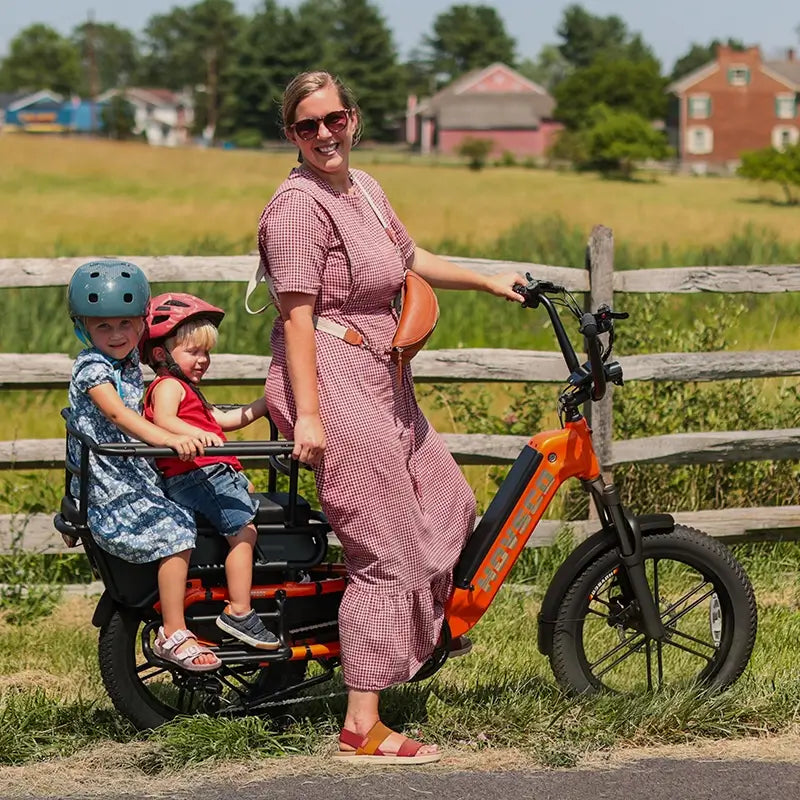
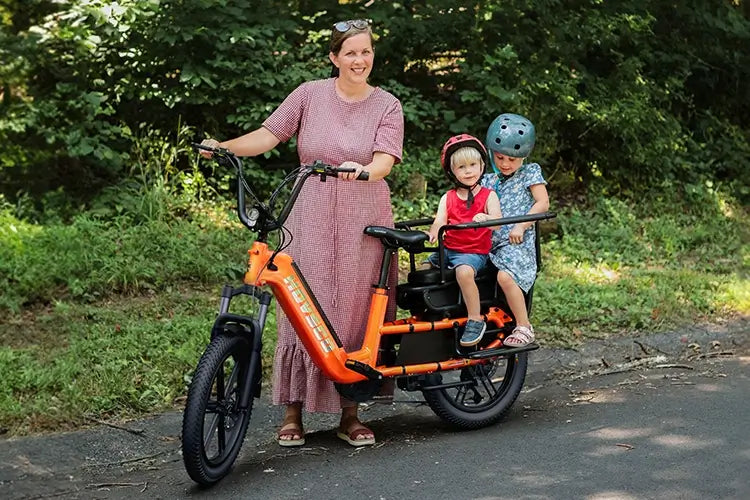
If you are carrying cargo or hitting the trails as a heavier rider, the mid-drive is a liability. Every ounce of weight forces the motor to push harder, putting even more stress on the chain. Bikes like the HOVSCO HovScout, with a 450 lb payload capacity, handle this differently. The hub motor takes the load directly at the wheel, keeping your drivetrain functioning smoothly even under extreme weight.
The HOVSCO Engineering Edge
Achieving off-road excellence with a hub motor isn't just about raw wattage; it requires precision controller mapping.
"On our dyno, we see that a properly tuned rear hub can out-punch many mid-drives in the first second of a climb, especially on loose dirt. The key is controller mapping. HOVSCO engineers use oscilloscope traces of current and wheel speed in dirt climbs to tune this response, so the rider feels a strong but controllable 'thump' instead of wheelspin." — HOVSCO Engineering Team
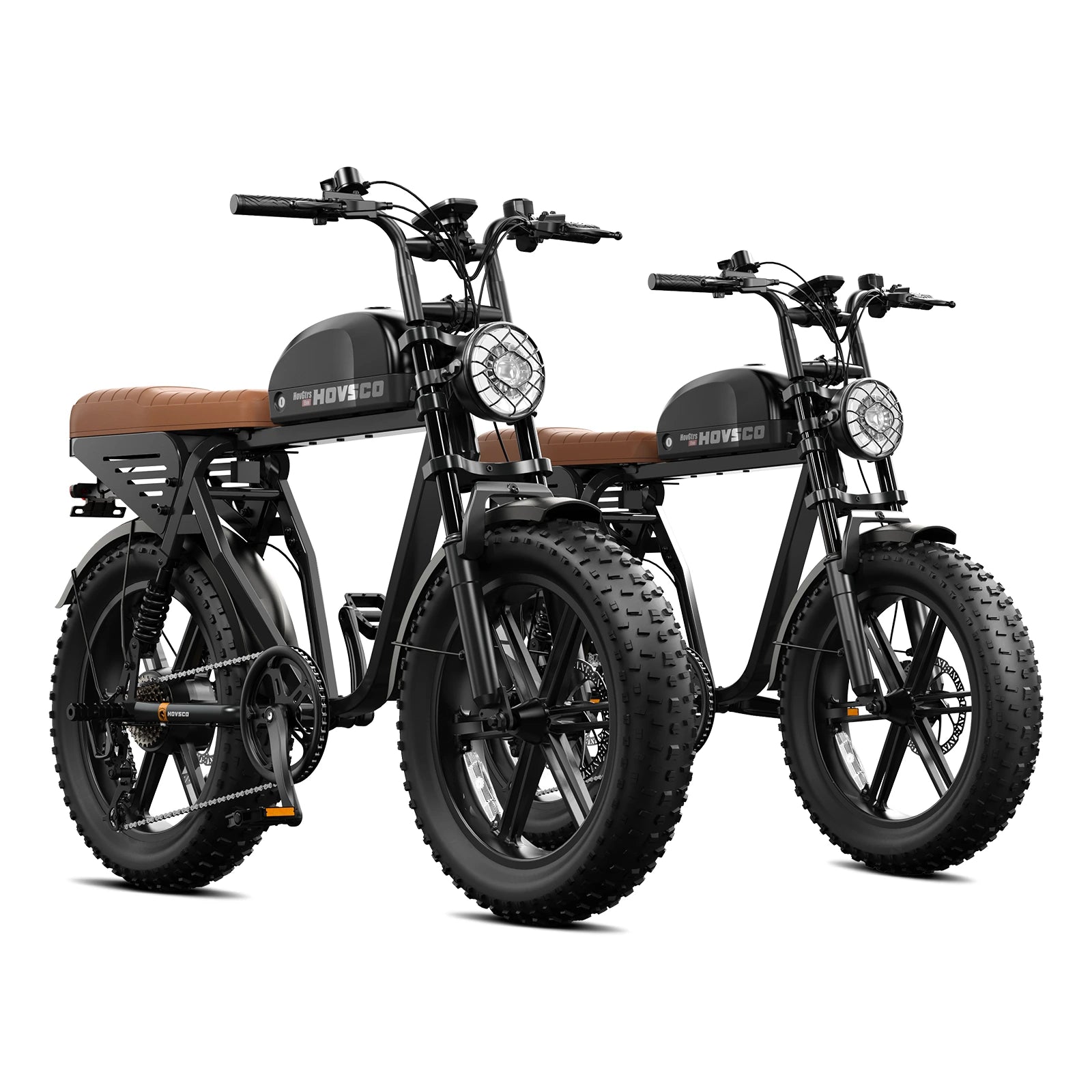
For off-road enthusiasts, HOVSCO’s lineup provides purpose-built solutions:
-
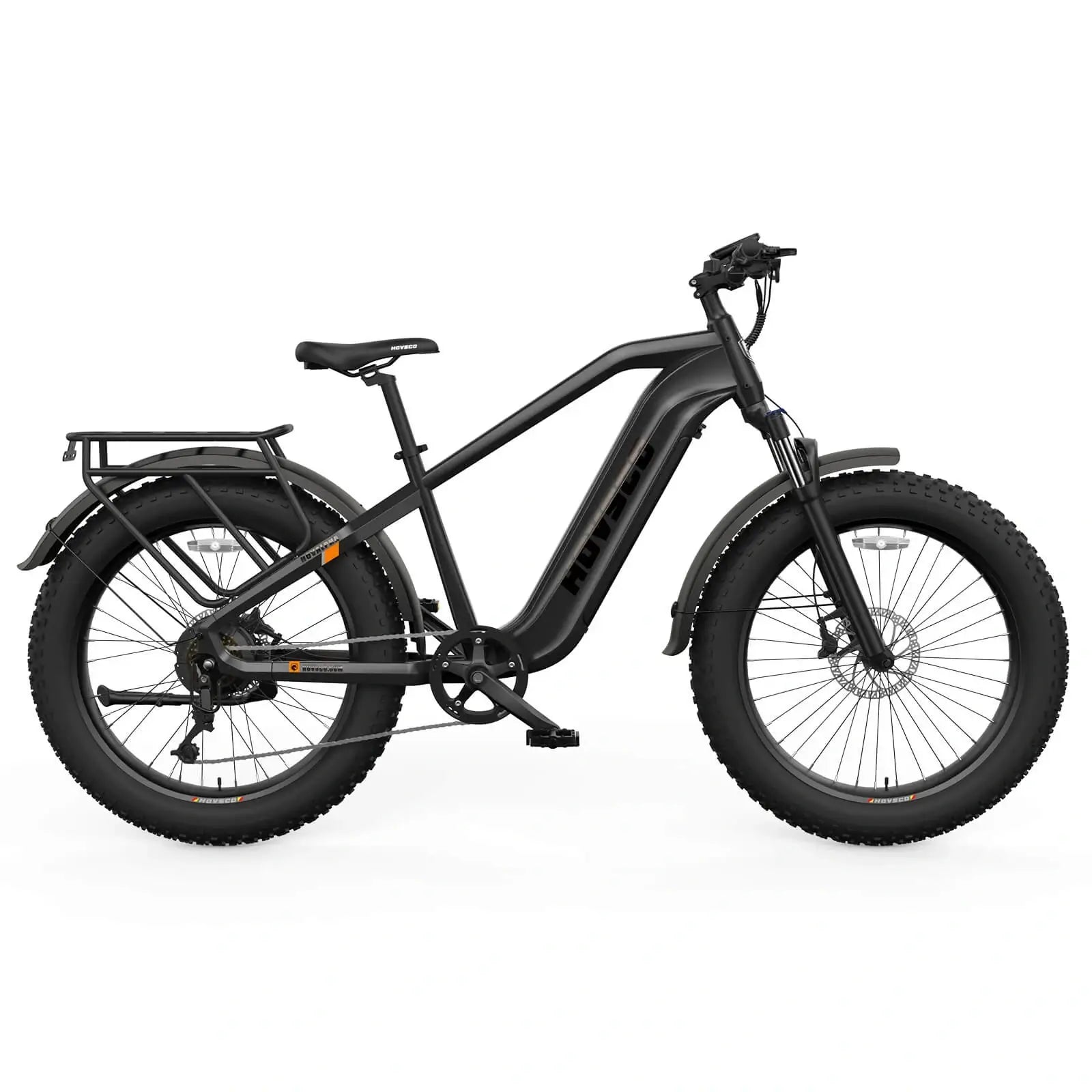
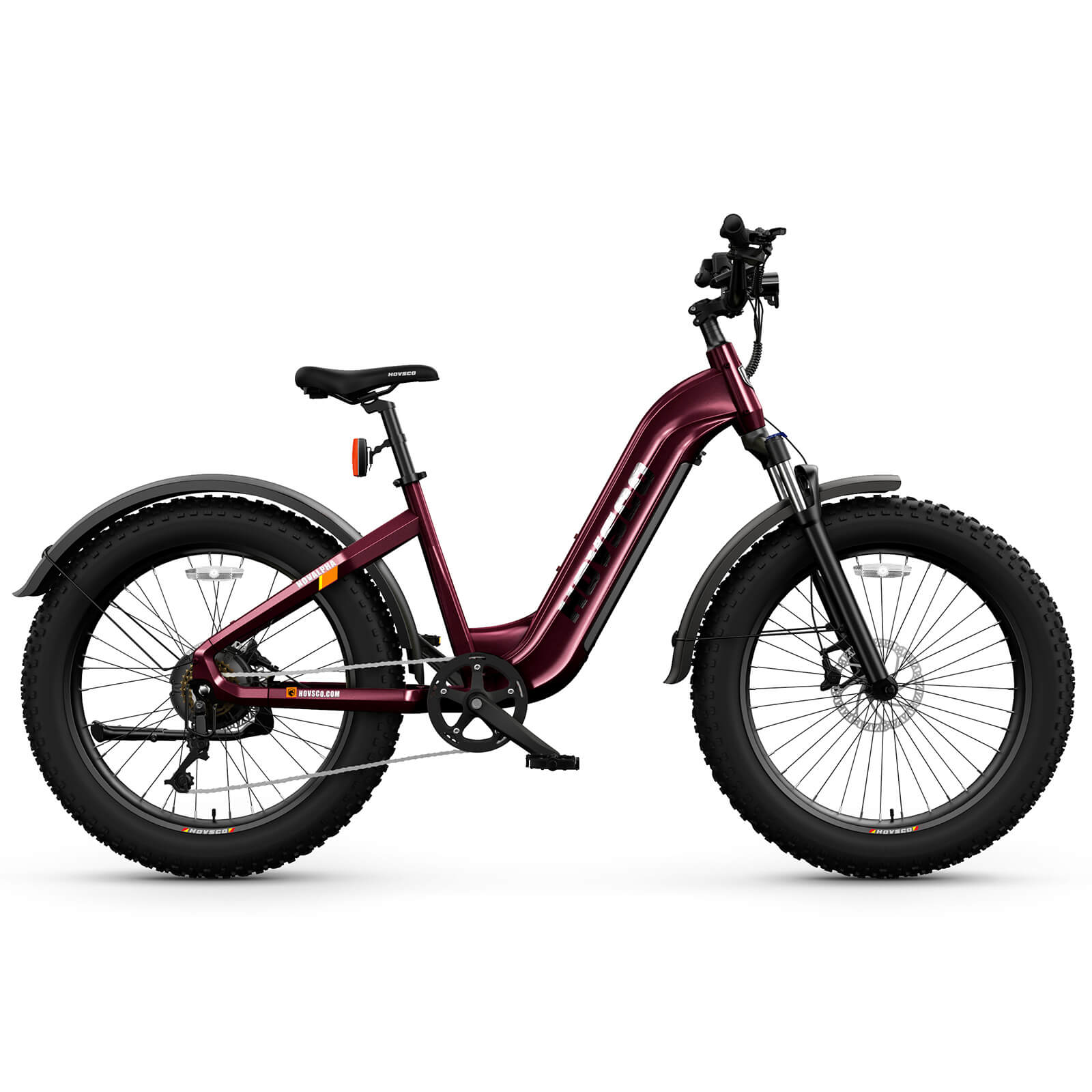
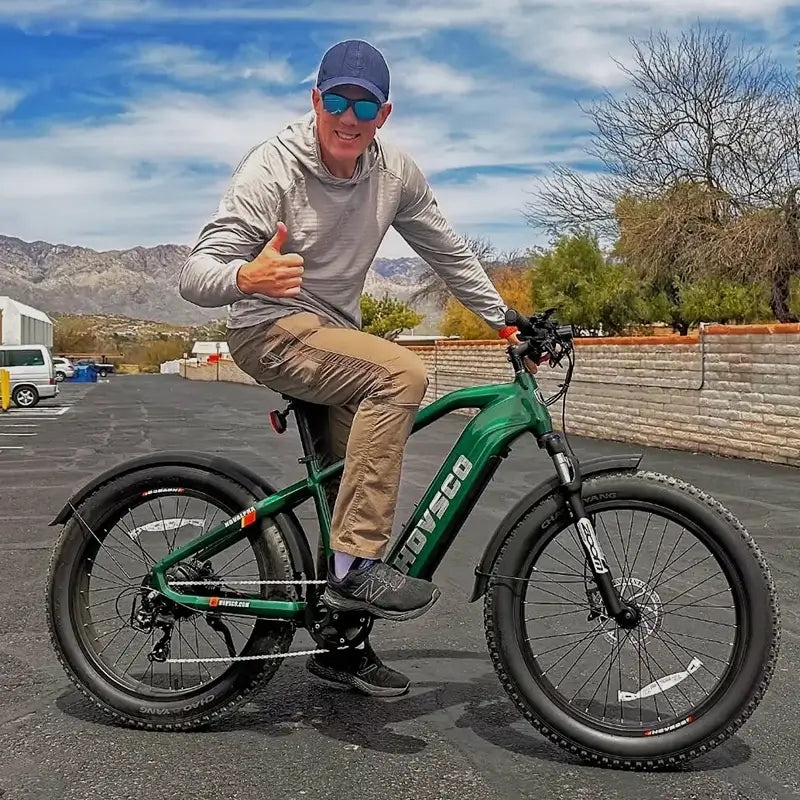
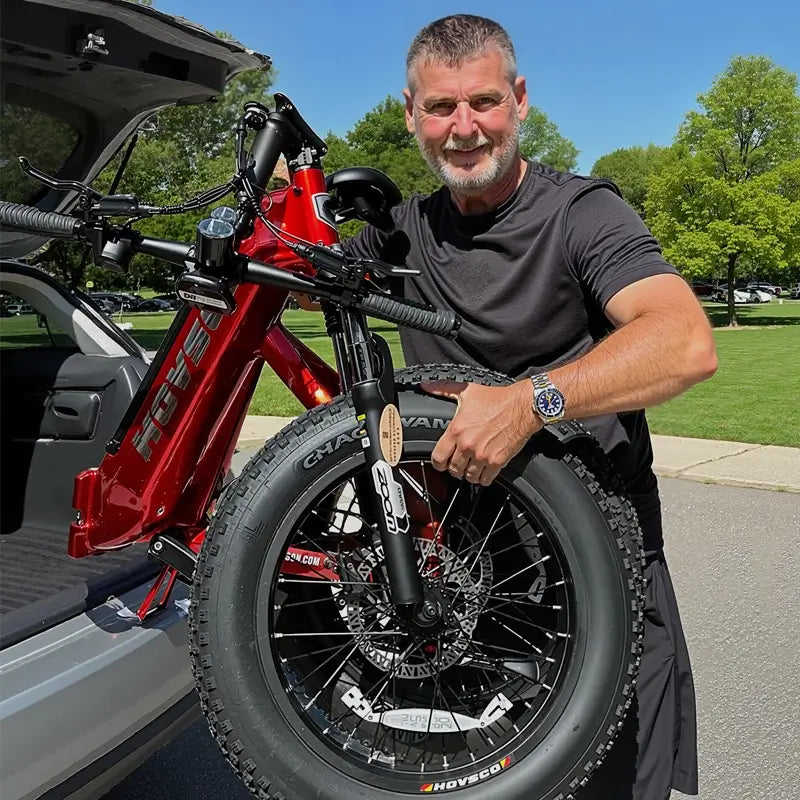
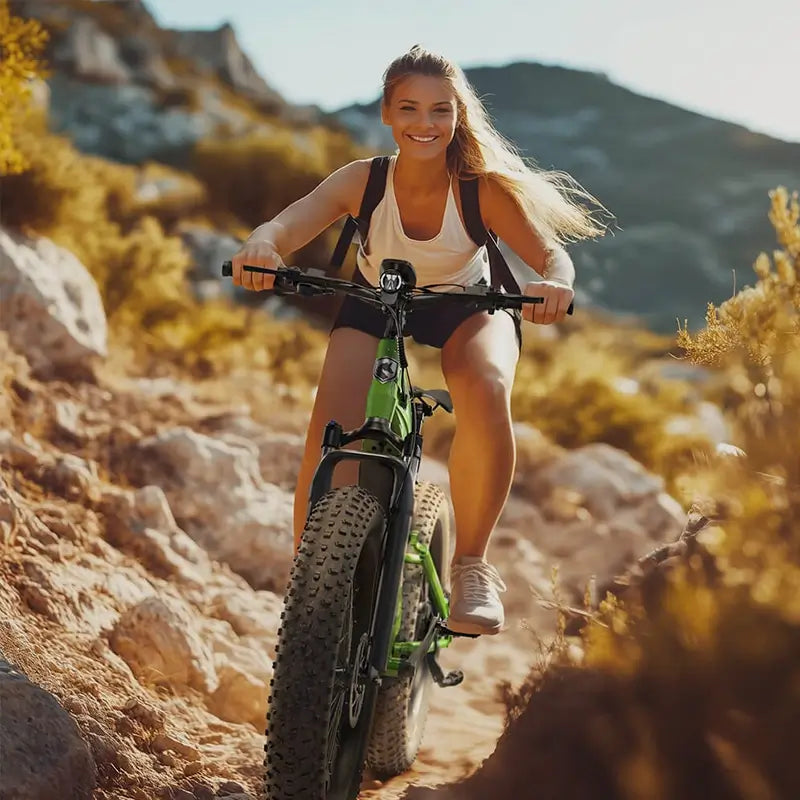
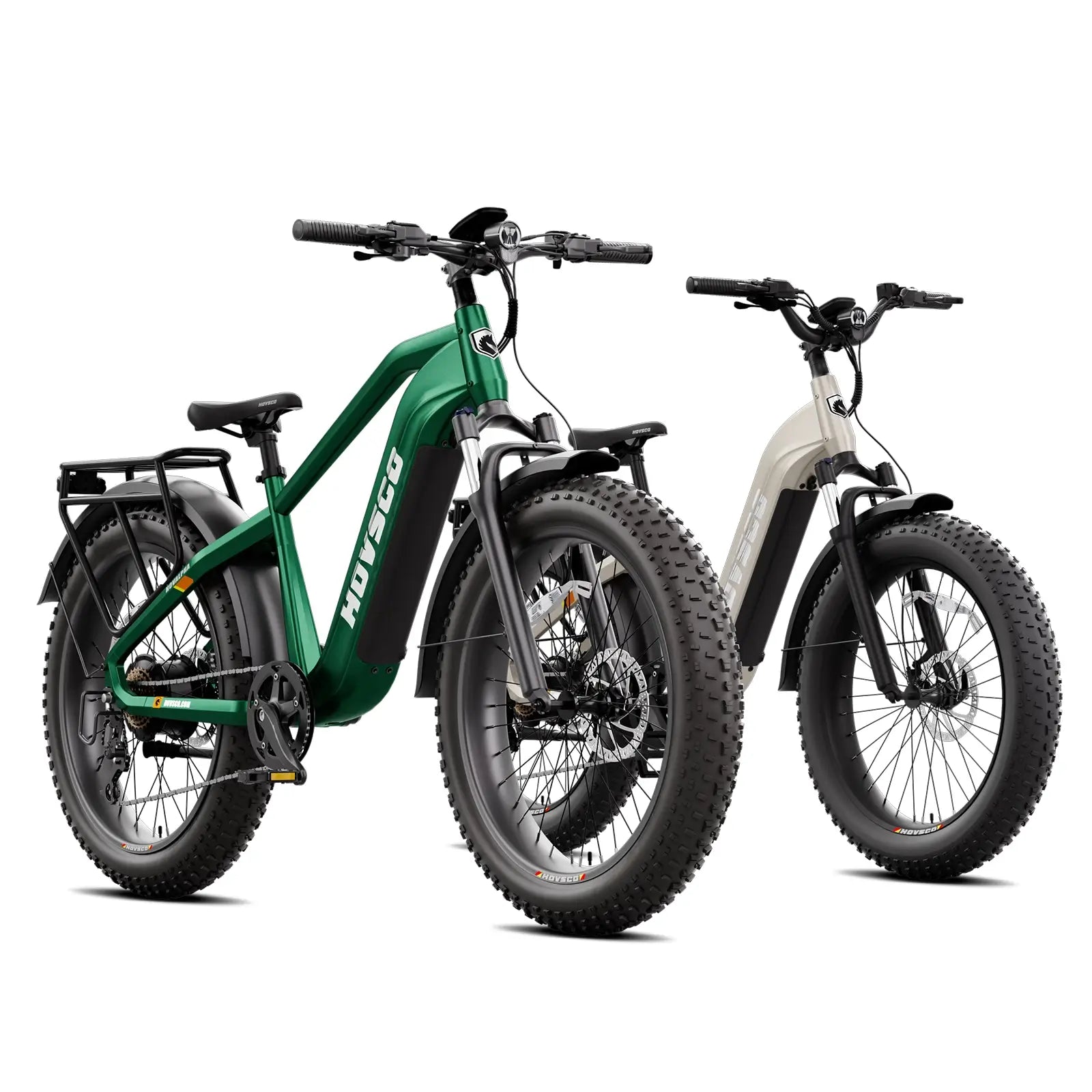
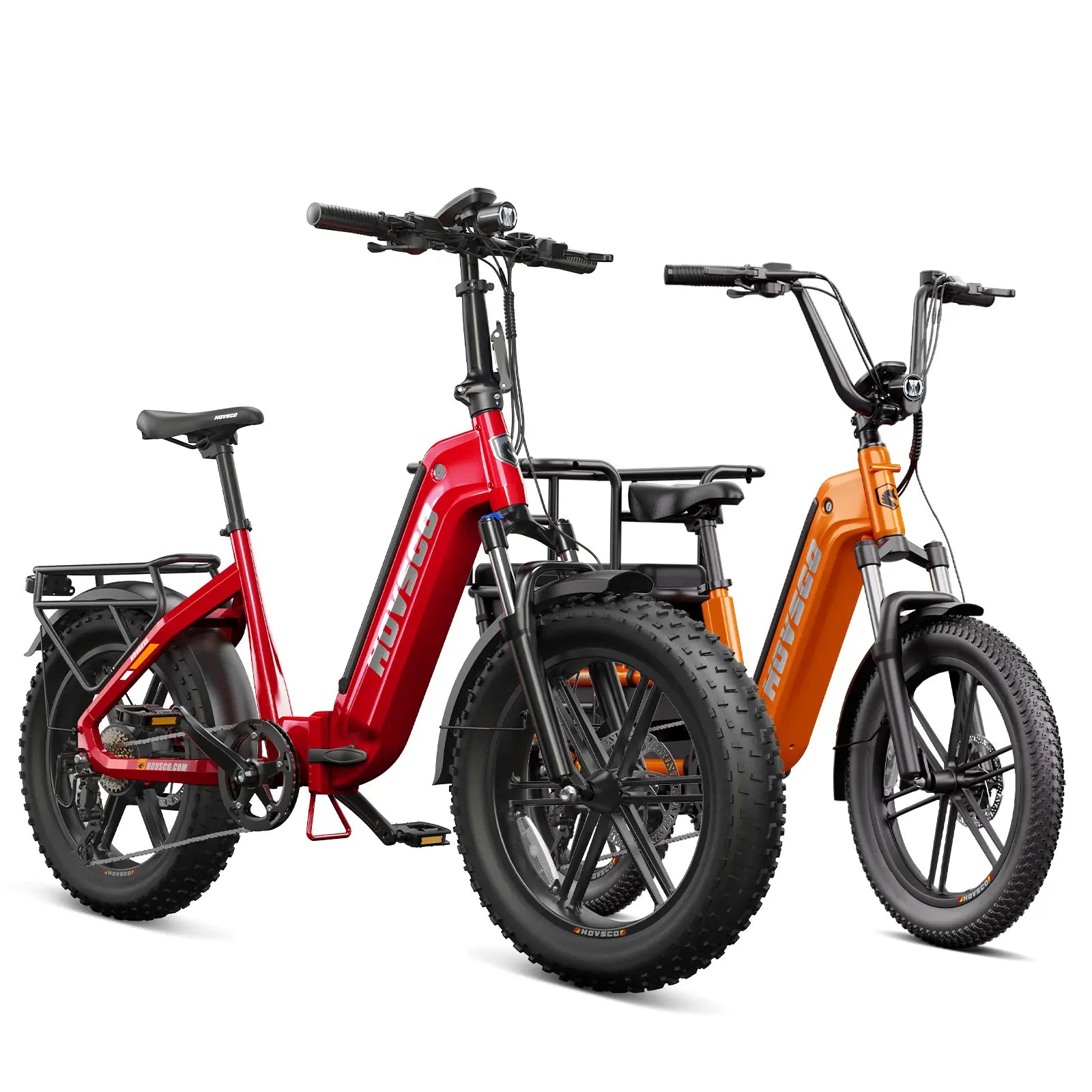
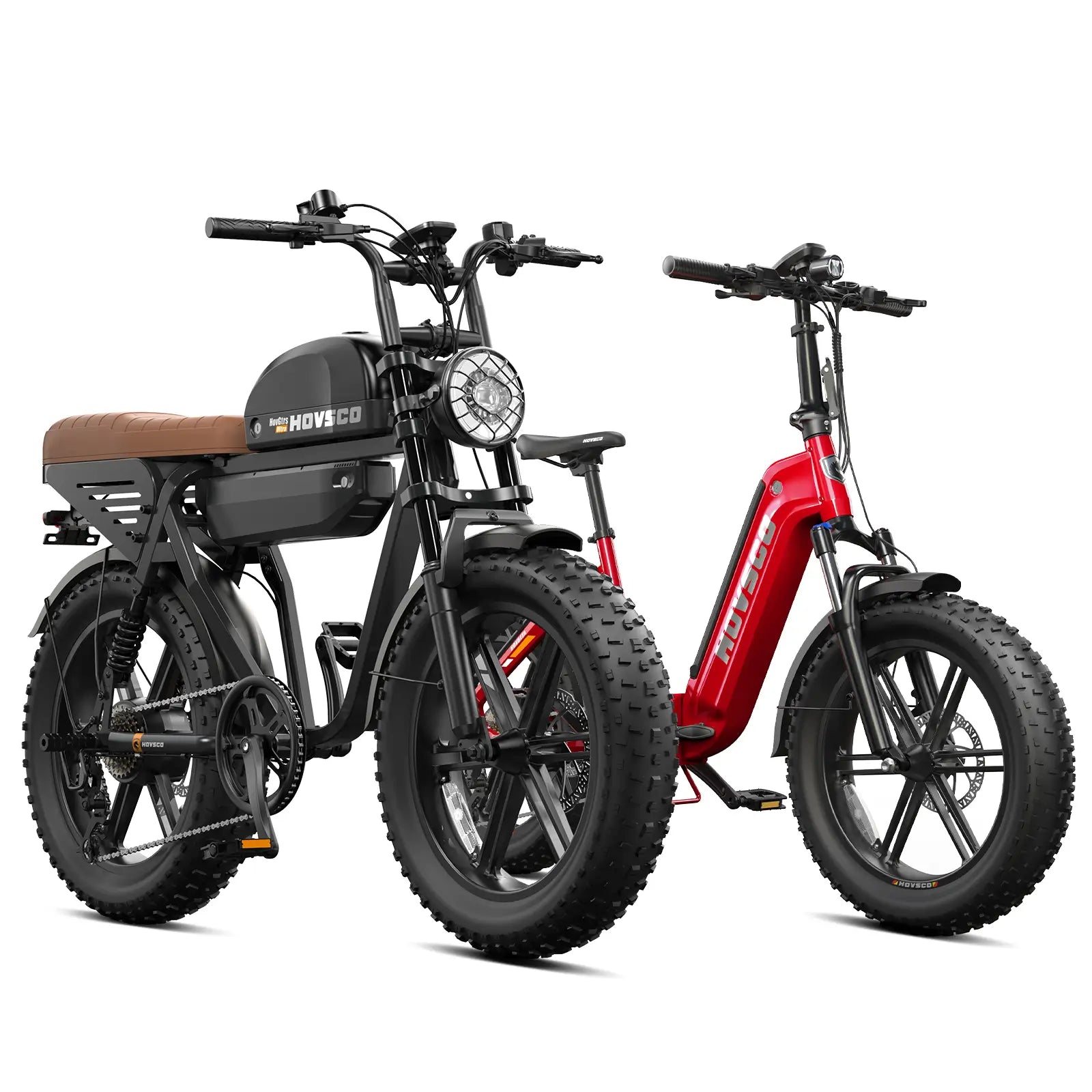
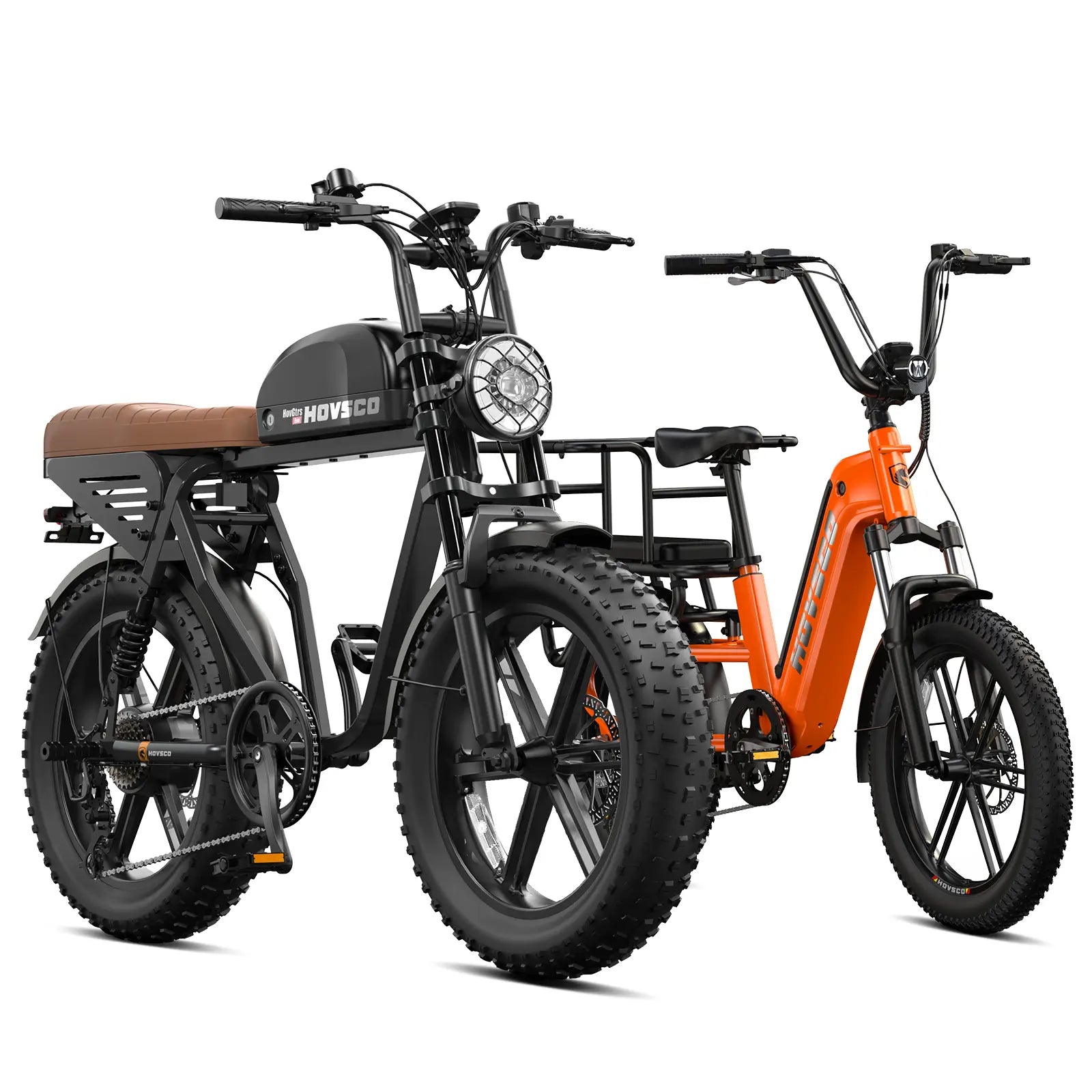
HovAlpha Fat Tire: 1300W peak, 90 N·m torque, 26" fat tires for maximum traction on sand and snow.
-
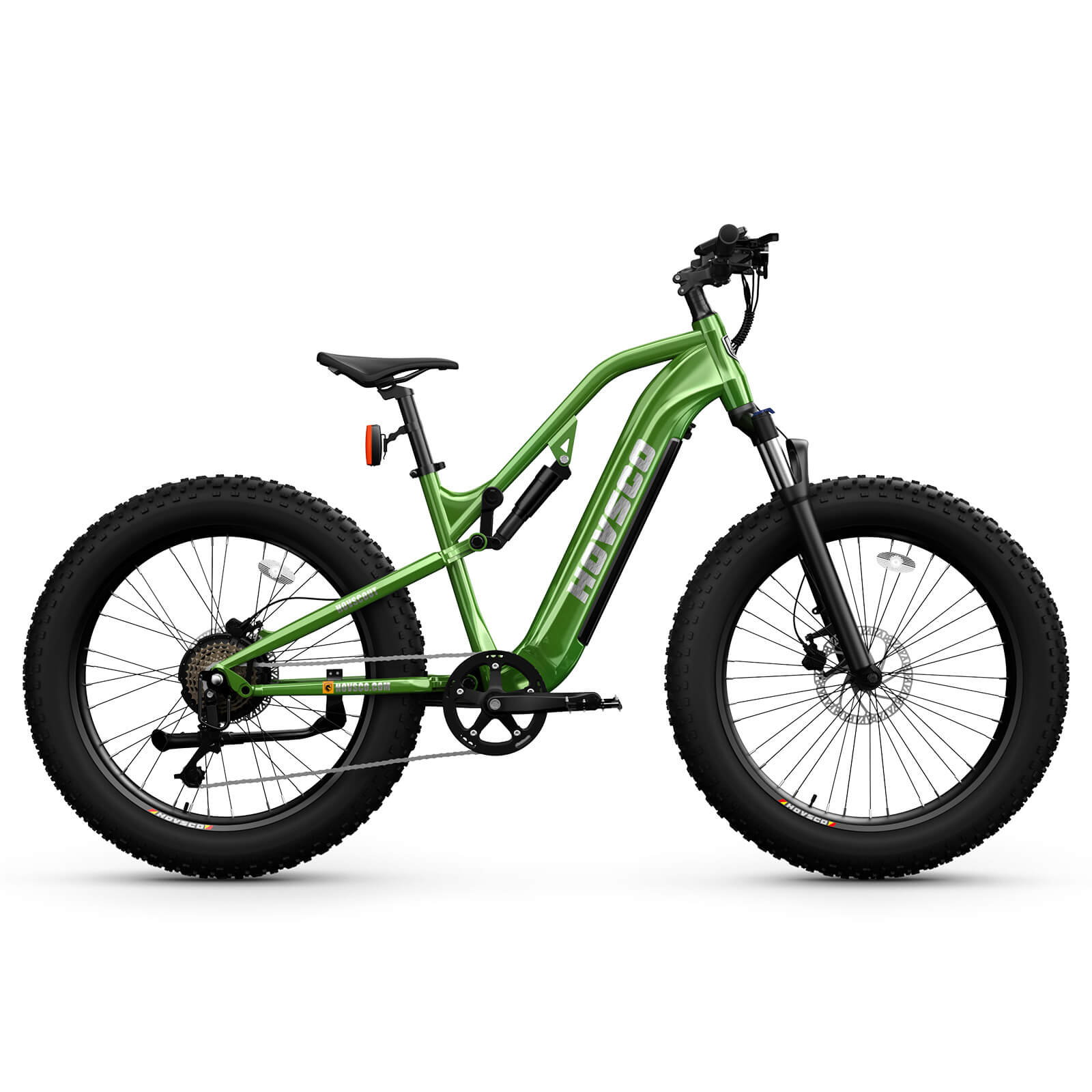
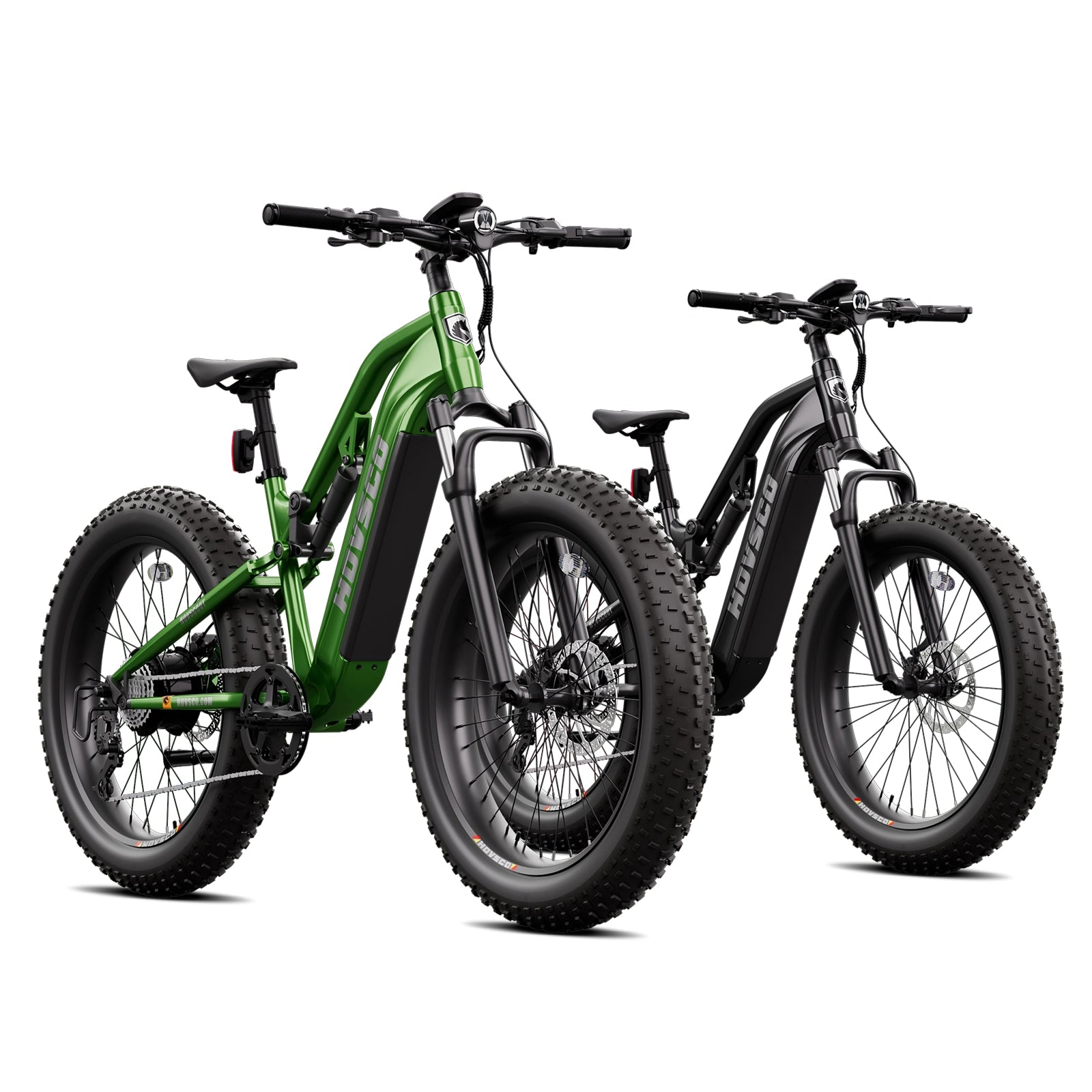
HovScout Full Suspension: Blends high-torque hub architecture with full suspension for aggressive trail descents and technical climbs.
-
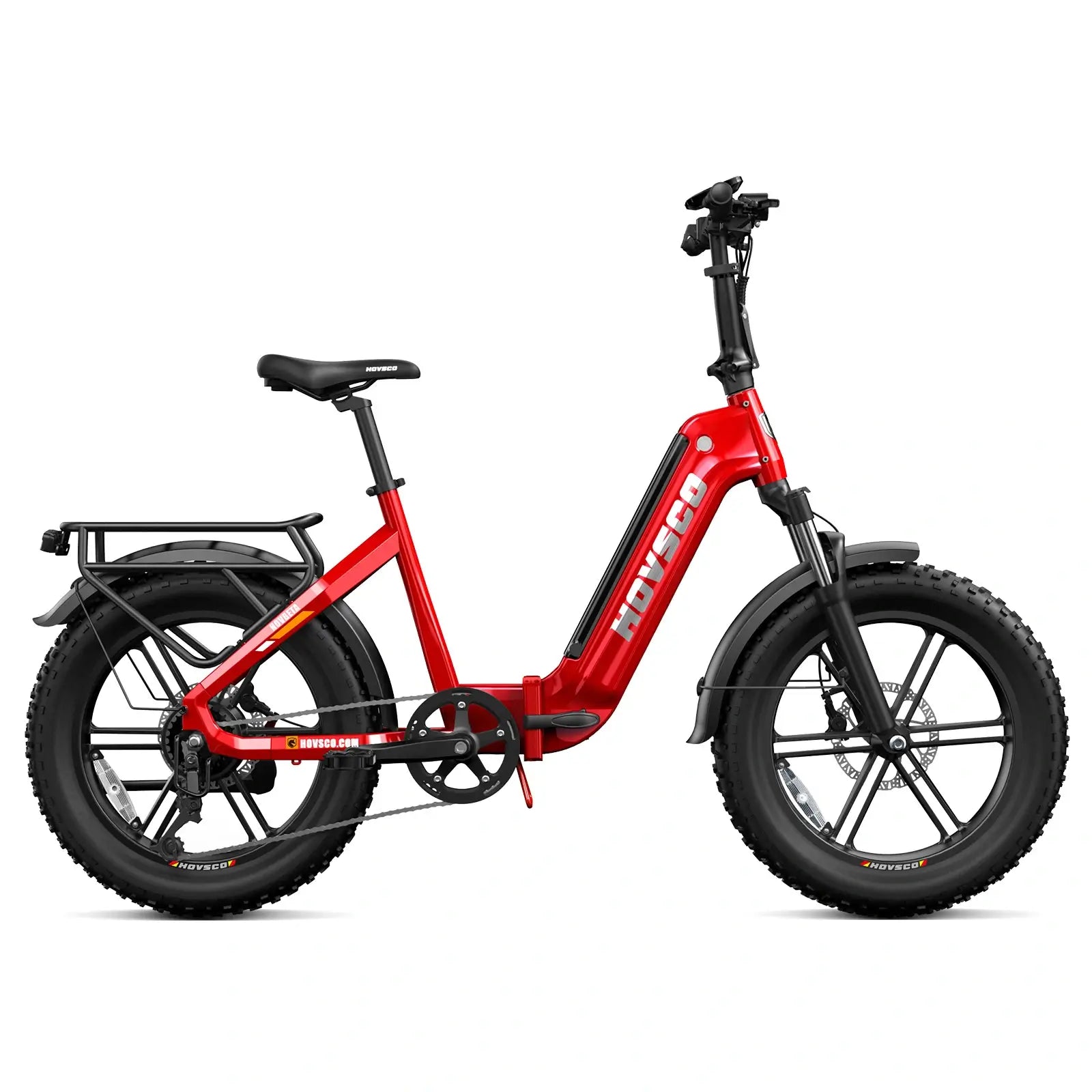
HovBeta Foldable: Packs 1300W peak power into a 20x4" compact frame for trunk-to-trail readiness.
Frequently Asked Questions (FAQ)
Why does wheel torque feel different from spec sheet torque?
Spec sheets usually measure torque at the motor shaft. For a mid-drive, wheel torque changes constantly based on your gear ratio. For a geared hub motor, the reduction is fixed inside the planetary stage, meaning the rated 90 N·m is much closer to the true, immediate twisting force you feel at the tire contact patch.
Can I use a rear hub motor for extreme, 30-minute alpine climbs?
While high-power hubs are incredible for burst power and punchy trails, a mid-drive is still the safer bet for continuous, hour-long ascents up extreme mountain passes. Mid-drives can leverage low gears to keep the motor spinning at a highly efficient, cooler RPM.
Does a rear hub motor affect full-suspension performance?
Yes. A rear hub motor adds unsprung weight to the rear wheel, which can slightly slow suspension response over rapid, chattery bumps. Proper tuning of sag and rebound is critical on full-suspension models like the HovScout to maintain optimal tire tracking.
Conclusion: Making the Right Choice
Choosing between a hub motor and a mid-drive motor ultimately depends on your terrain and your patience for maintenance. If your rides consist purely of endless, high-altitude mountain ascents, a mid-drive remains the standard for efficiency.
However, for the vast majority of riders who navigate mixed terrain, tackle punchy technical steps, or carry heavy loads, a high-power geared rear hub motor is the superior tool. It delivers the explosive instant torque you need, eliminates the constant worry of a snapped chain, and lets you spend your time riding rather than in the workshop.
If you are ready to conquer the trail without punishing your drivetrain, explore HOVSCO’s U.S.-based, UL-certified lineup—including the HovAlpha, HovScout, and HovBeta—and experience what direct-to-wheel power feels like.



![[ New Arrival ] Porto Max Electric Scooter For Commute & Grocery Shopping - HOVSCO](http://www.hovsco.com/cdn/shop/files/PotroMax-3.jpg?v=1706927007&width=1200)
Share:
How can you safely maximize ebike speed and range?
Is a 150-mile dual-battery ebike range really possible?