




- by HOVSCO Official
Are you required to pedal when riding an electric bike?
- by HOVSCO Official
E-Bikes
 Free Shipping
 15-Day Returns
 2-Year Warranty
Shop By Models
Shop By Style
Whether you must pedal an electric bike depends on its class, features, and local laws. Most e-bikes include pedals to meet legal standards, but not all require active pedaling during use. Pedal-assist models need rider input, while throttle-equipped options can move without pedaling. Understanding these differences helps ensure safe, legal, and efficient riding across various regions and use cases.
Electric bike classifications directly determine whether pedaling is necessary. In the United States, three main classes define how the motor works and when pedaling is required.
Class 1: Pedal-assist only, motor activates only when pedaling.
Class 2: Includes throttle, allowing riding without pedaling.
Class 3: Pedal-assist only, higher speed capability, requires pedaling.
Table: Electric Bike Classes and Pedaling Rules
Class | Max Speed | Pedal Assist | Throttle | Pedaling Required
Class 1 | 20 mph | Yes | No | Yes
Class 2 | 20 mph | Yes | Yes | No (optional)
Class 3 | 28 mph | Yes | No | Yes
Most countries require electric bikes to have operable pedals to qualify as bicycles. In the U.S., regulations specify that e-bikes must include functional pedals, a motor under 750 watts, and limited speed thresholds.
Without pedals, a vehicle is typically classified as a moped or motorcycle, which introduces licensing, registration, and insurance requirements. HOVSCO designs its electric bikes to meet these standards, ensuring riders can legally use bike lanes and public roads.
Electric bikes often come with multiple riding modes, and only some allow riding without pedaling.
Pedal-assist mode: Requires pedaling; motor supports rider effort.
Throttle mode: No pedaling needed; motor powers the bike directly.
Manual mode: Fully human-powered, no motor assistance.
Table: Riding Modes and Pedaling
Mode | Pedaling Needed | Description
Pedal-Assist | Yes | Motor enhances pedaling effort
Throttle | No | Motor drives bike independently
Manual | Yes | Traditional cycling only
Rules vary globally, but most regions require pedaling for an e-bike to qualify as a bicycle.
European Union: Pedal-assist only, max 25 km/h (15.5 mph).
United Kingdom: Similar to EU, throttle-only often restricted.
Australia: Requires pedaling except for limited low-power throttle use.
United States: Allows Class 2 throttle e-bikes in many states.
HOVSCO ensures its designs align with multiple regulatory frameworks, making its bikes suitable for diverse markets.
Pedals provide essential backup and control. If the battery runs out or the motor stops, riders can continue safely using pedal power.
They also contribute to physical activity, improving cardiovascular health and muscle engagement. Even when using throttle mode, having pedals ensures flexibility and enhances rider confidence in varied conditions.
Throttle-only riding offers convenience but comes with trade-offs.
Advantages:
Easier for long commutes or physical limitations.
Less effort required in traffic or uphill riding.
Disadvantages:
Faster battery drain.
Reduced travel range.
Minimal physical exercise.
Using pedal-assist instead can extend battery life and create a more balanced riding experience.
All categories of electric bikes follow similar pedal requirements under the law.
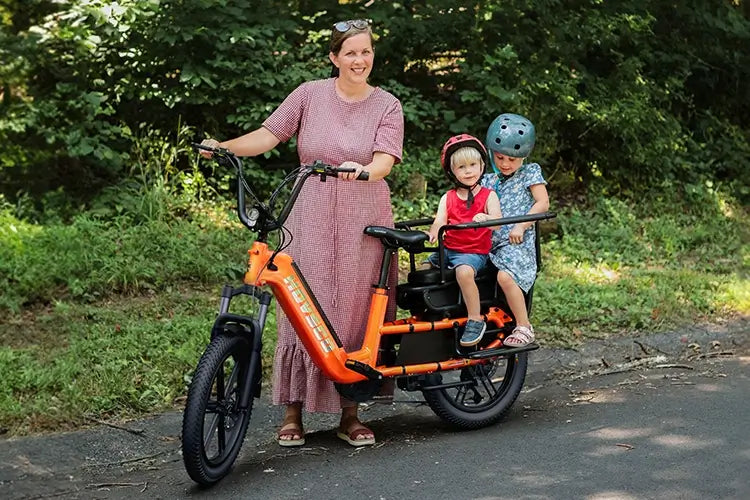
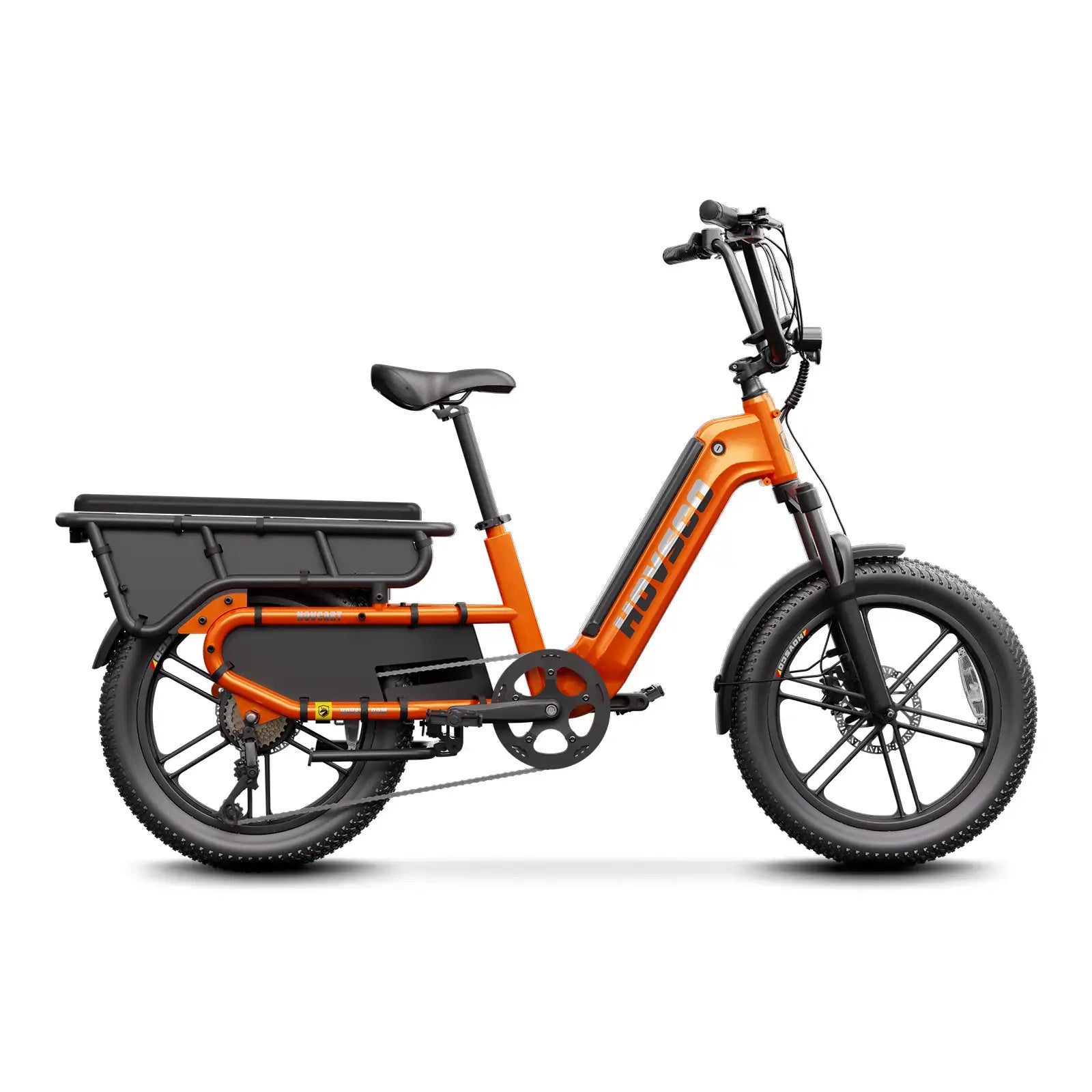
Cargo e-bikes: Must include pedals for road legality and utility use.
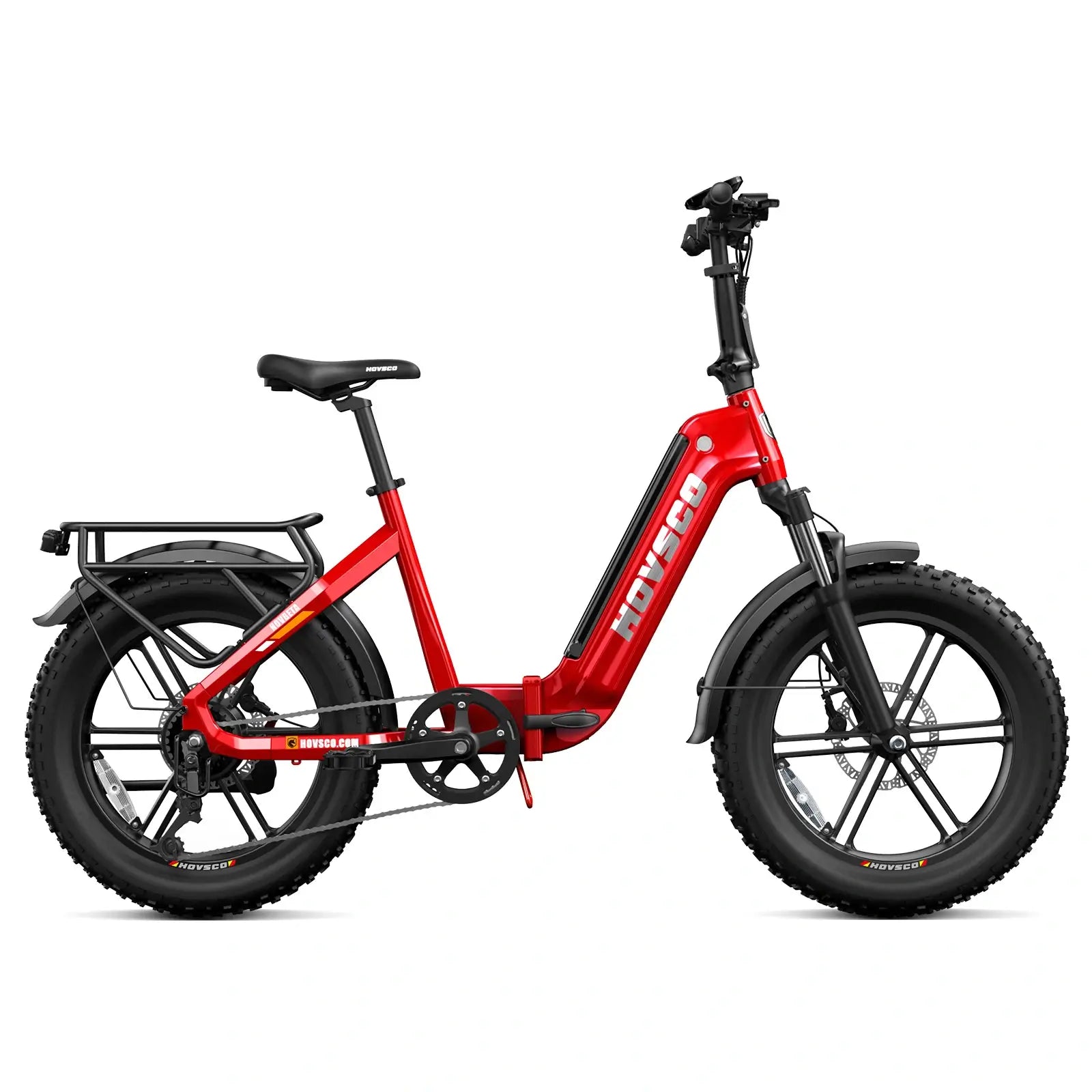
Commuter e-bikes: Designed for flexibility, often combining pedal-assist and throttle.
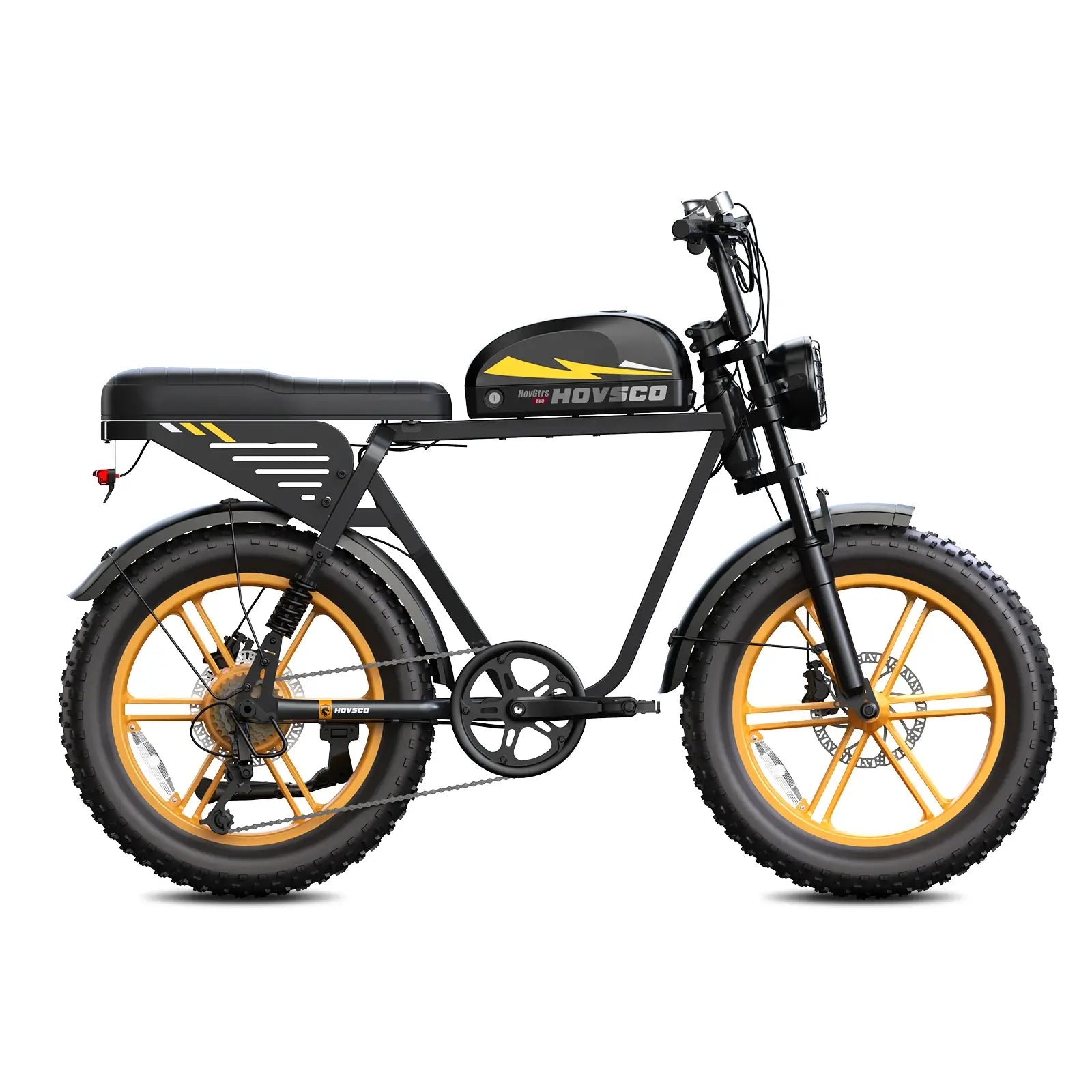
Mountain e-bikes: Require pedaling for trail compliance and performance control.
HOVSCO integrates pedal systems across all its categories, ensuring compliance and adaptability for urban, off-road, and cargo applications.
The choice depends on riding goals and personal needs.
Choose pedal-assist if you want exercise, longer range, and a traditional cycling feel.
Choose throttle if you prioritize convenience, reduced effort, or mobility support.
Many HOVSCO riders prefer hybrid usage, switching between modes depending on terrain and fatigue level.
“At HOVSCO, we see pedals as essential to both performance and compliance. They provide riders with control, safety, and the option to stay active while riding. By combining pedal-assist efficiency with throttle flexibility, we ensure our electric bikes adapt to real-world needs. Riders should always consider local laws and choose configurations that balance convenience, health, and long-term usability.”
Pedaling requirements for electric bikes depend primarily on the bike’s class and regional regulations. While some models allow throttle-only riding, most legal frameworks still require operable pedals. Choosing between pedal-assist and throttle affects not only compliance but also battery efficiency, fitness benefits, and riding experience. Brands like HOVSCO prioritize versatility, ensuring riders can switch modes while staying within legal and practical limits. Before purchasing, confirm local rules and select a model that aligns with your daily riding needs and long-term expectations.
Are you always required to pedal on an electric bike?
No. Only pedal-assist models require pedaling. Throttle-equipped bikes can operate without pedaling, depending on local laws.
What happens if an electric bike has no pedals?
It is usually classified as a moped or motorcycle, requiring registration, licensing, and insurance.
Can you ride an electric bike like a normal bicycle?
Yes. All compliant e-bikes, including HOVSCO models, can be pedaled manually without motor assistance.
Does throttle use reduce battery life?
Yes. Riding without pedaling consumes more power and shortens overall range compared to pedal-assist.
Are electric bikes still good for exercise?
Yes. Pedal-assist riding still engages muscles and supports cardiovascular health while reducing strain.
Share:
What Is the Best Electric Bike for Daily Commuting and Work?
What Are the Best Commuting Electric Bikes for 2026?