



![[ New Arrival ] Porto Max Electric Scooter For Commute & Grocery Shopping - HOVSCO](http://www.hovsco.com/cdn/shop/files/PotroMax-3.jpg?v=1706927007&width=1200)
- by SteveJames
Is HOVSCO Step-Thru really stronger than the Rad Power RadRunner?
- by SteveJames
E-Bikes
Accessories
 Free Shipping
 15-Day Returns
 2-Year Warranty
Free Shipping
15-Day Returns
2-Year Warranty
2-Year Warranty
Free Shipping
15-Day Returns
2-Year Warranty
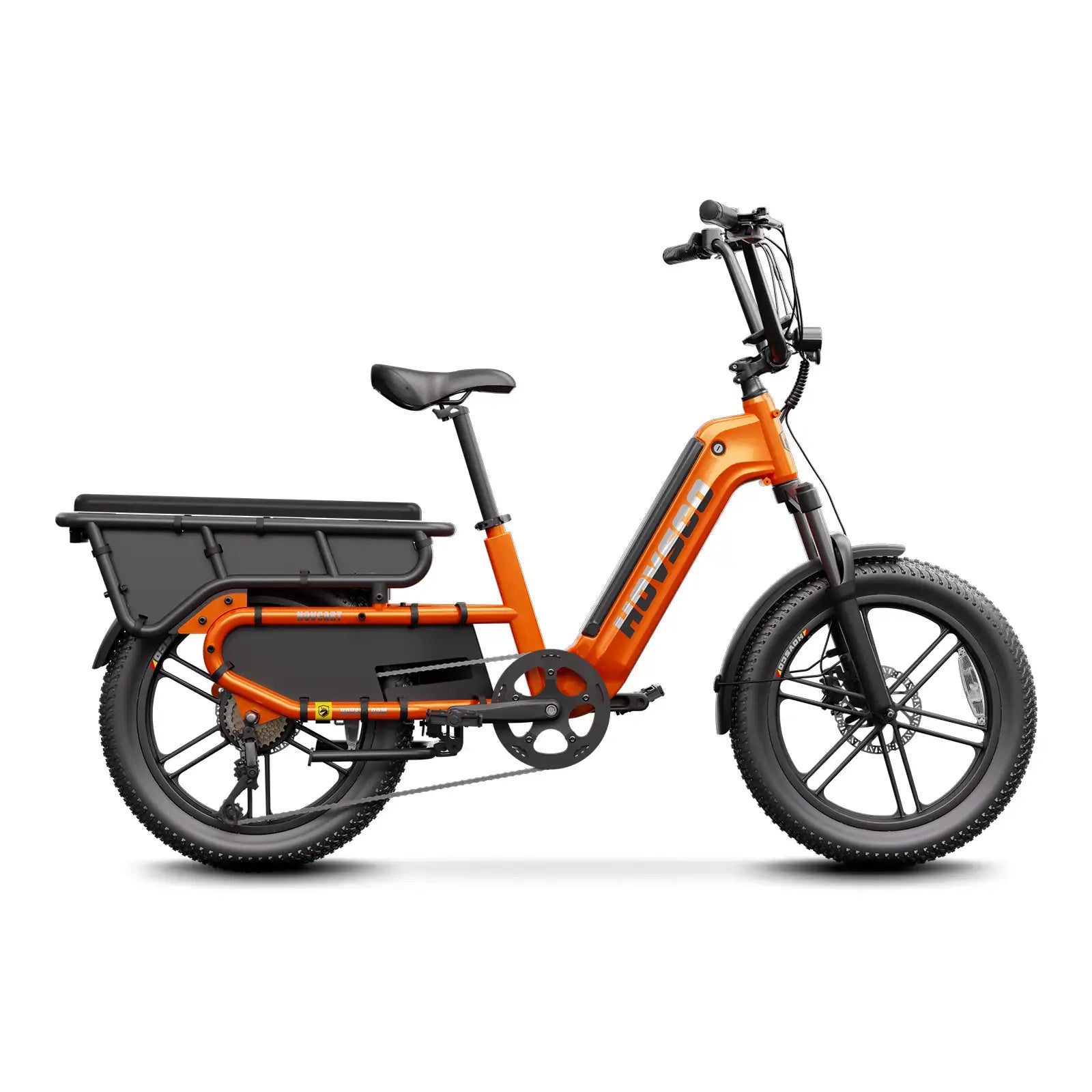
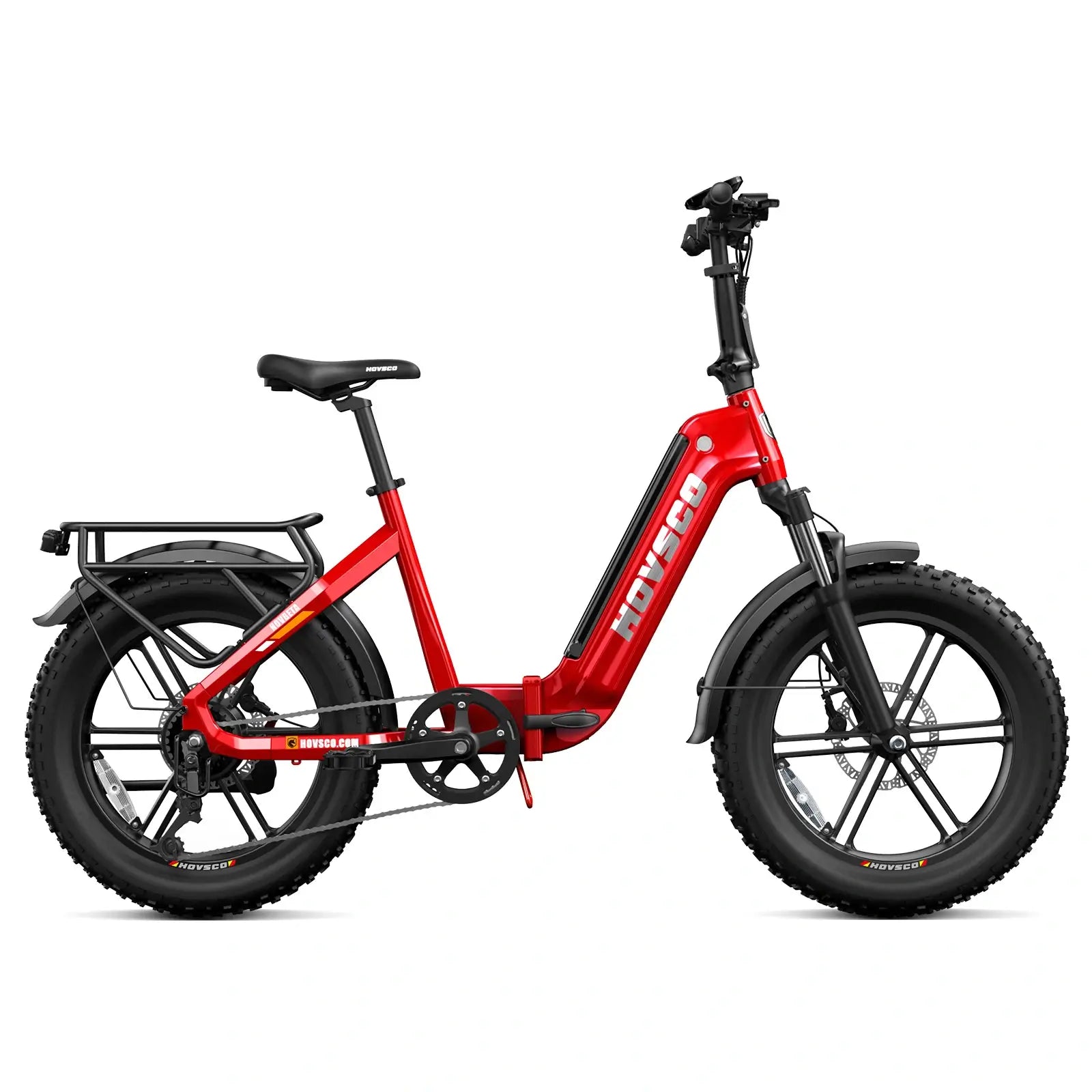
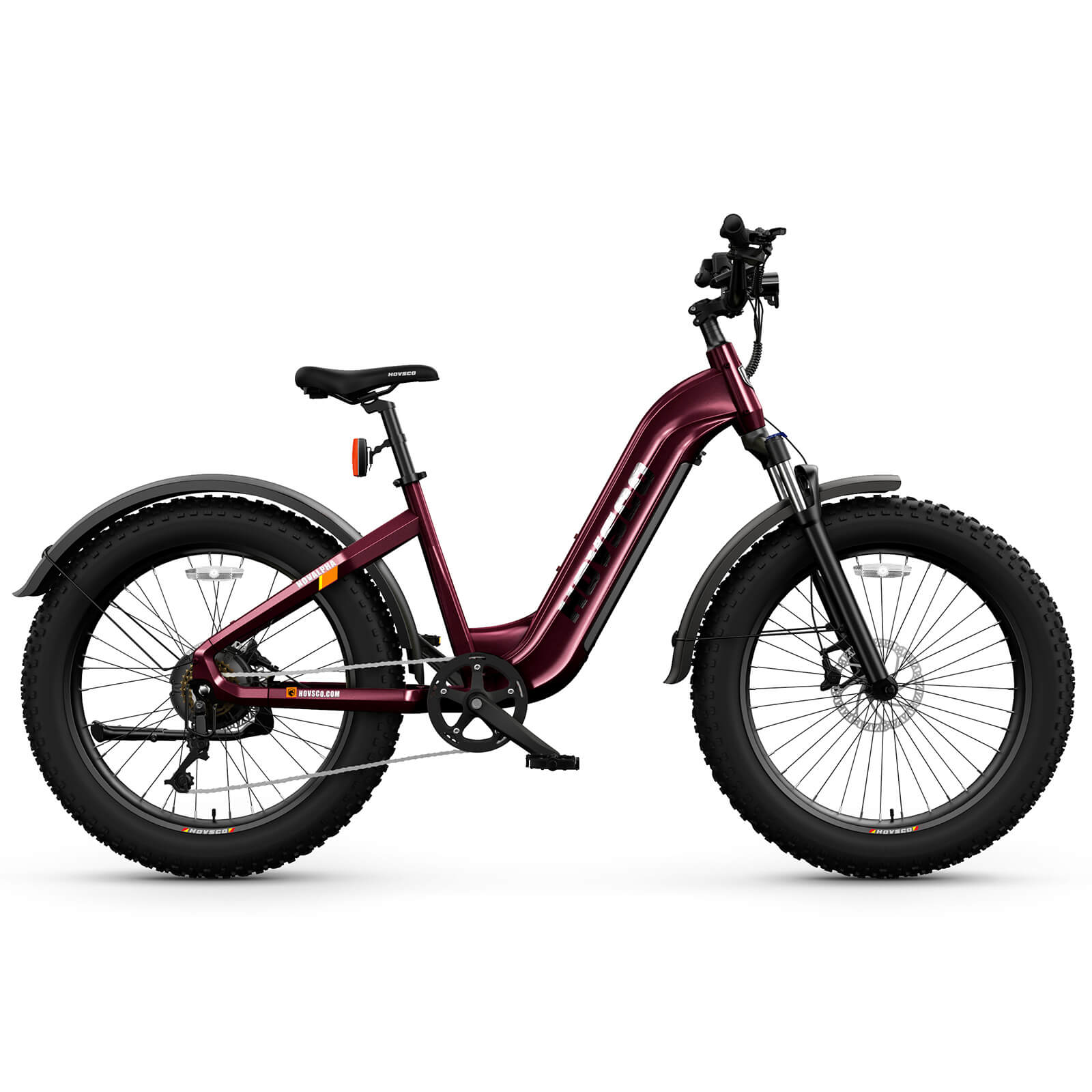
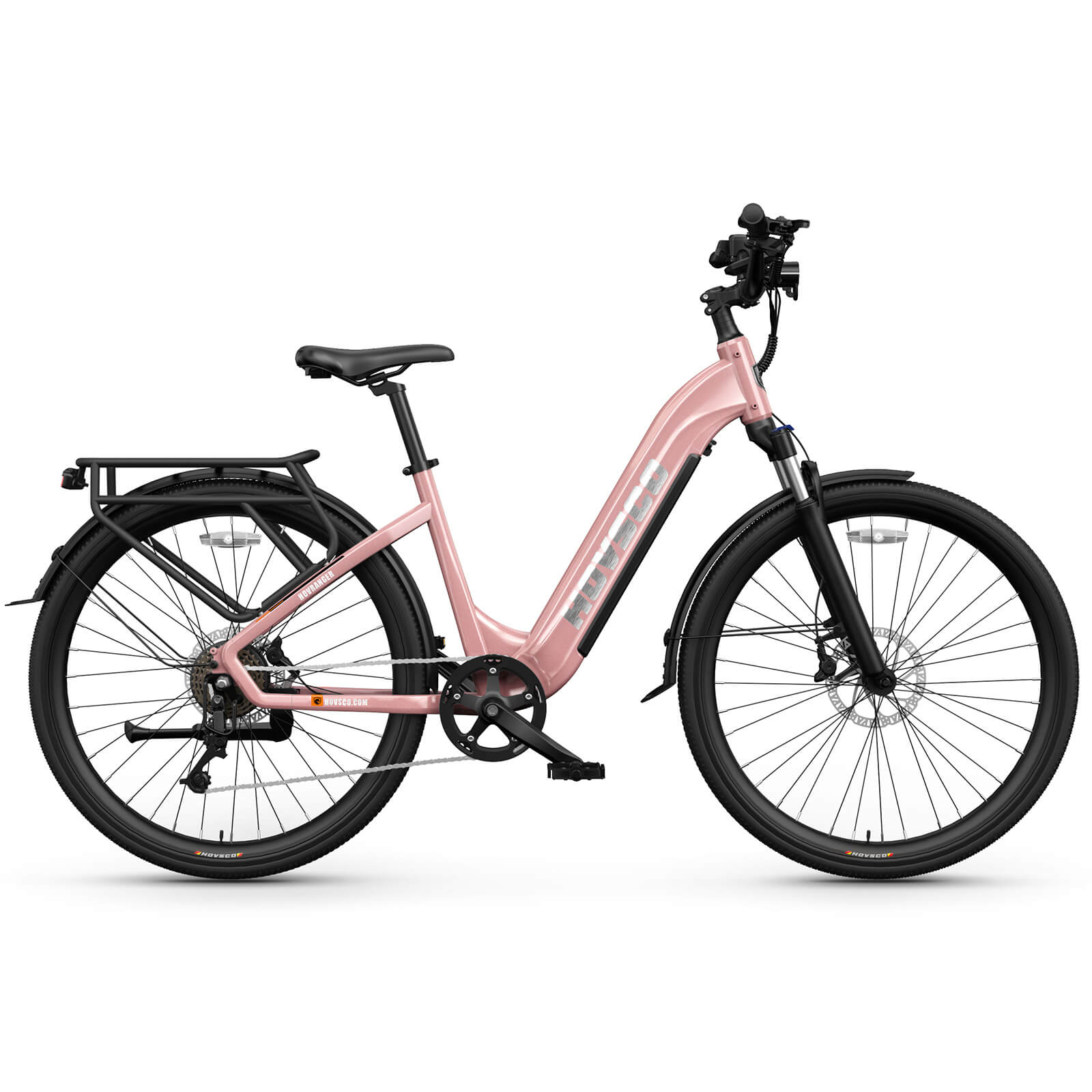
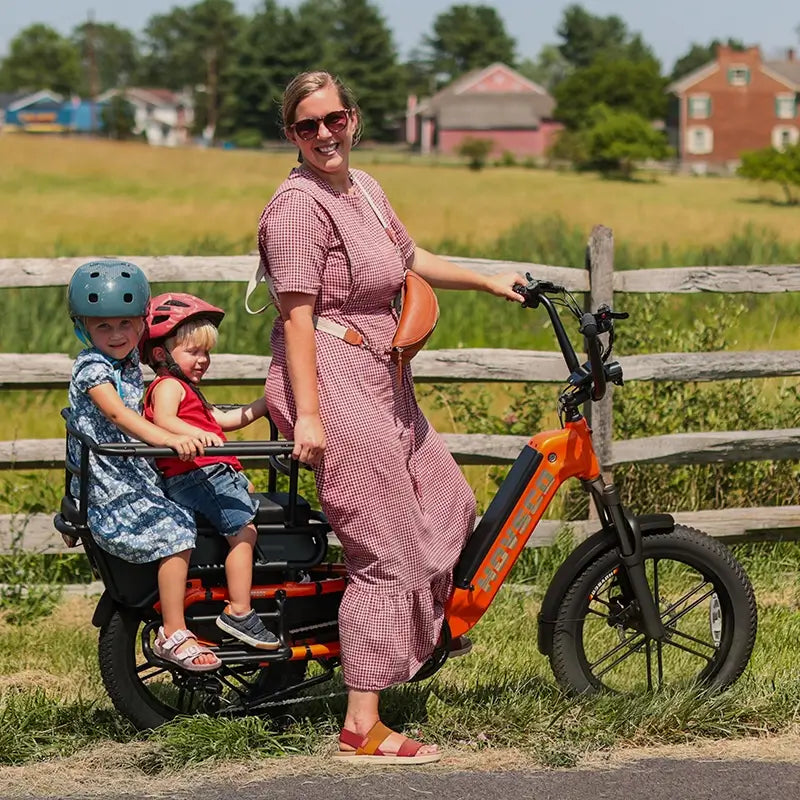
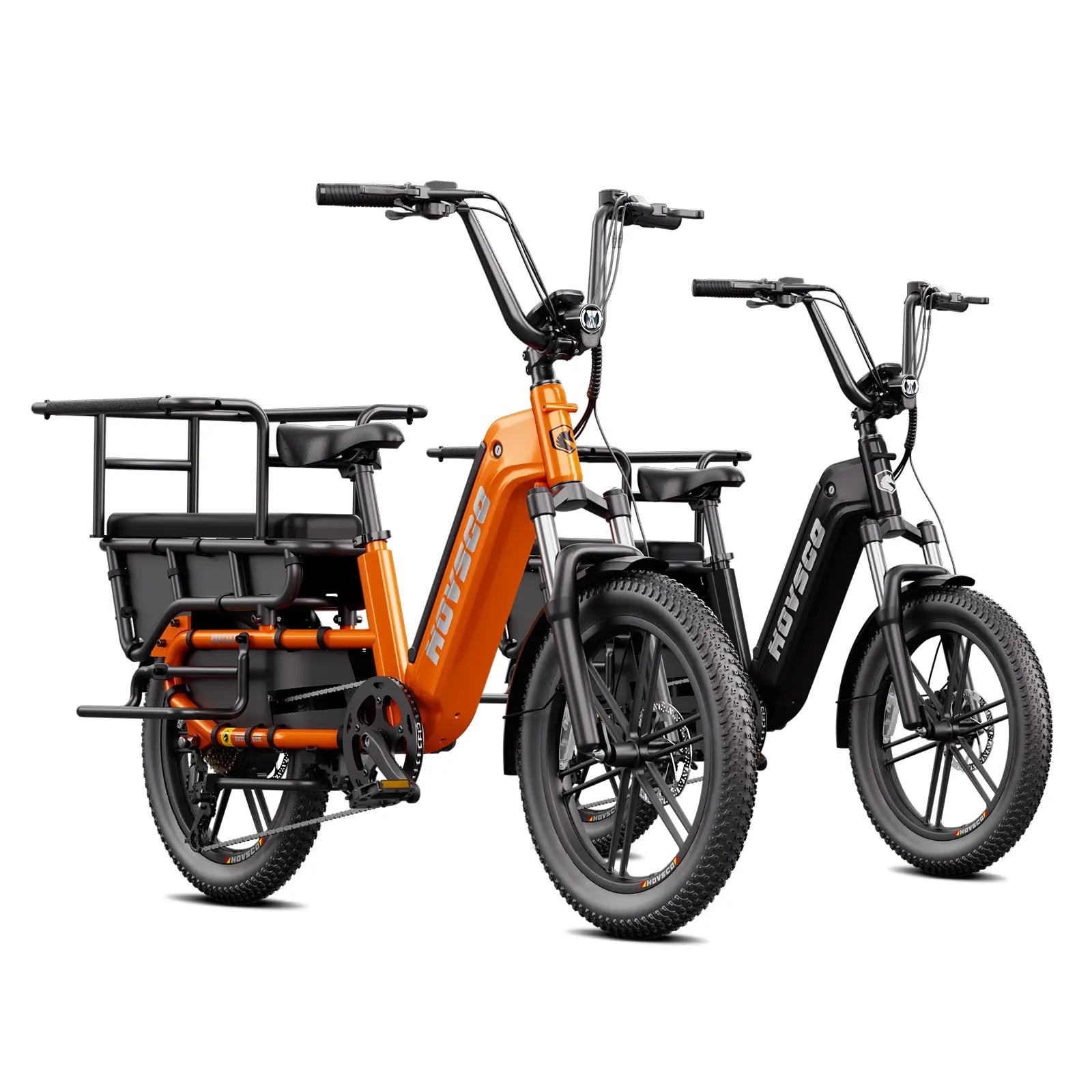
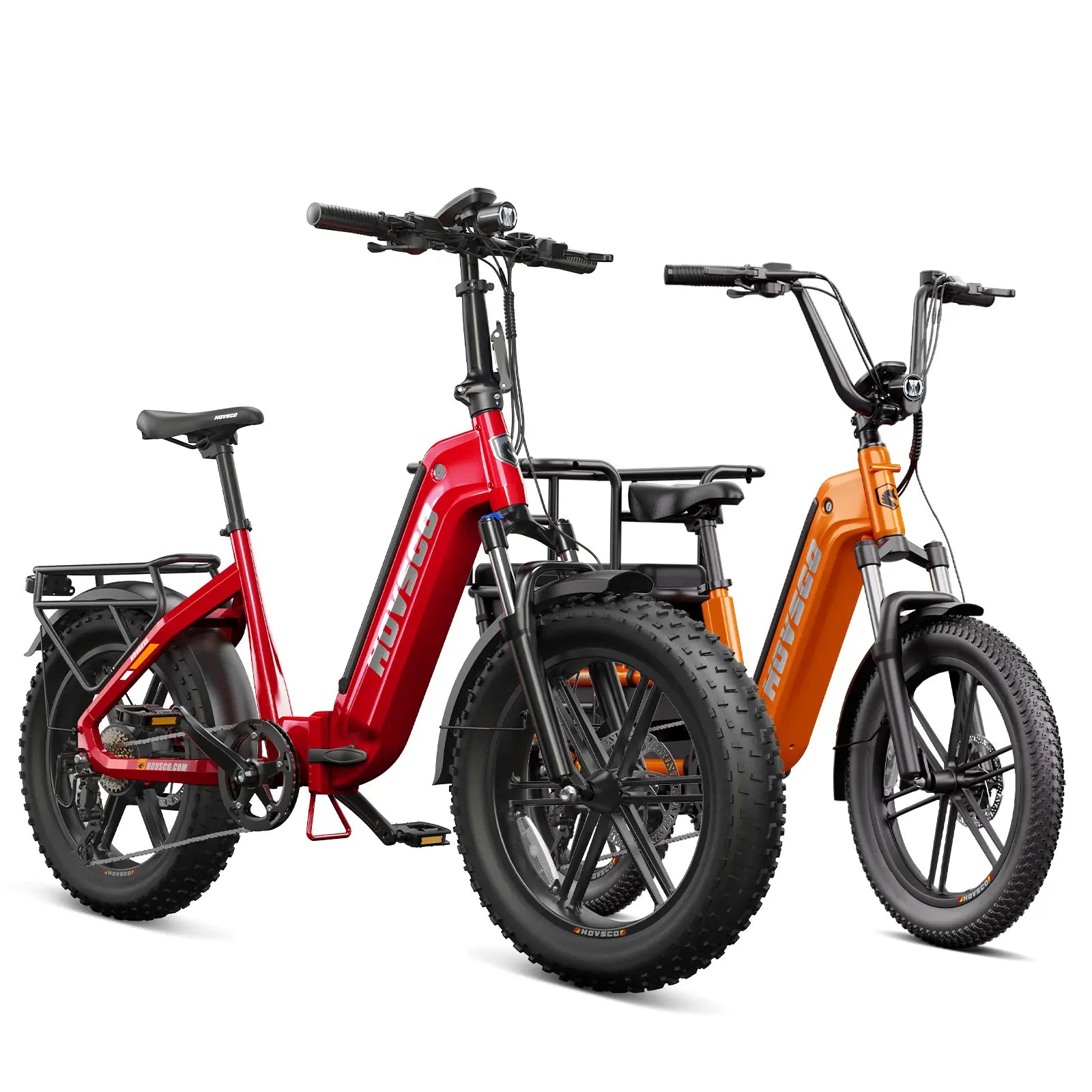
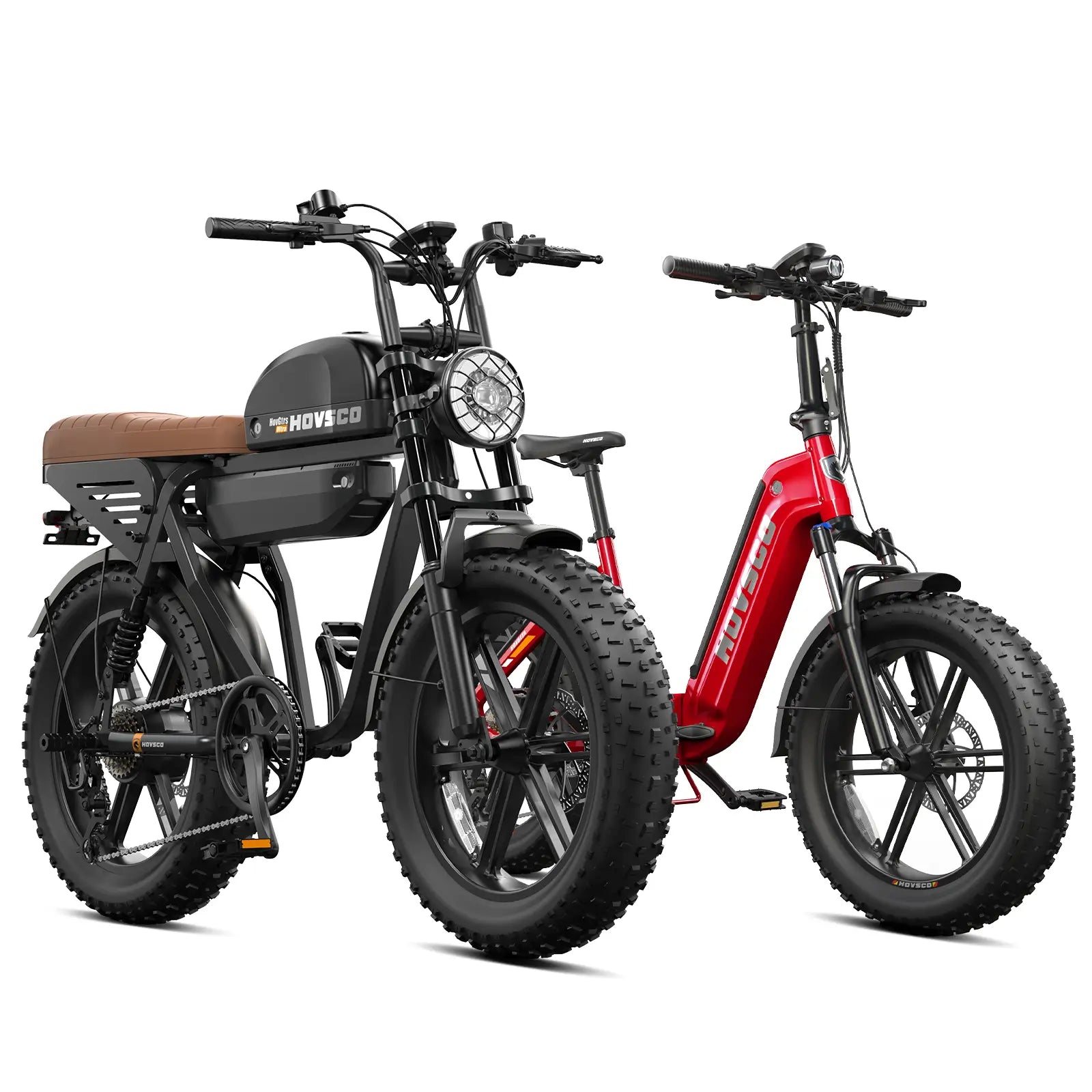
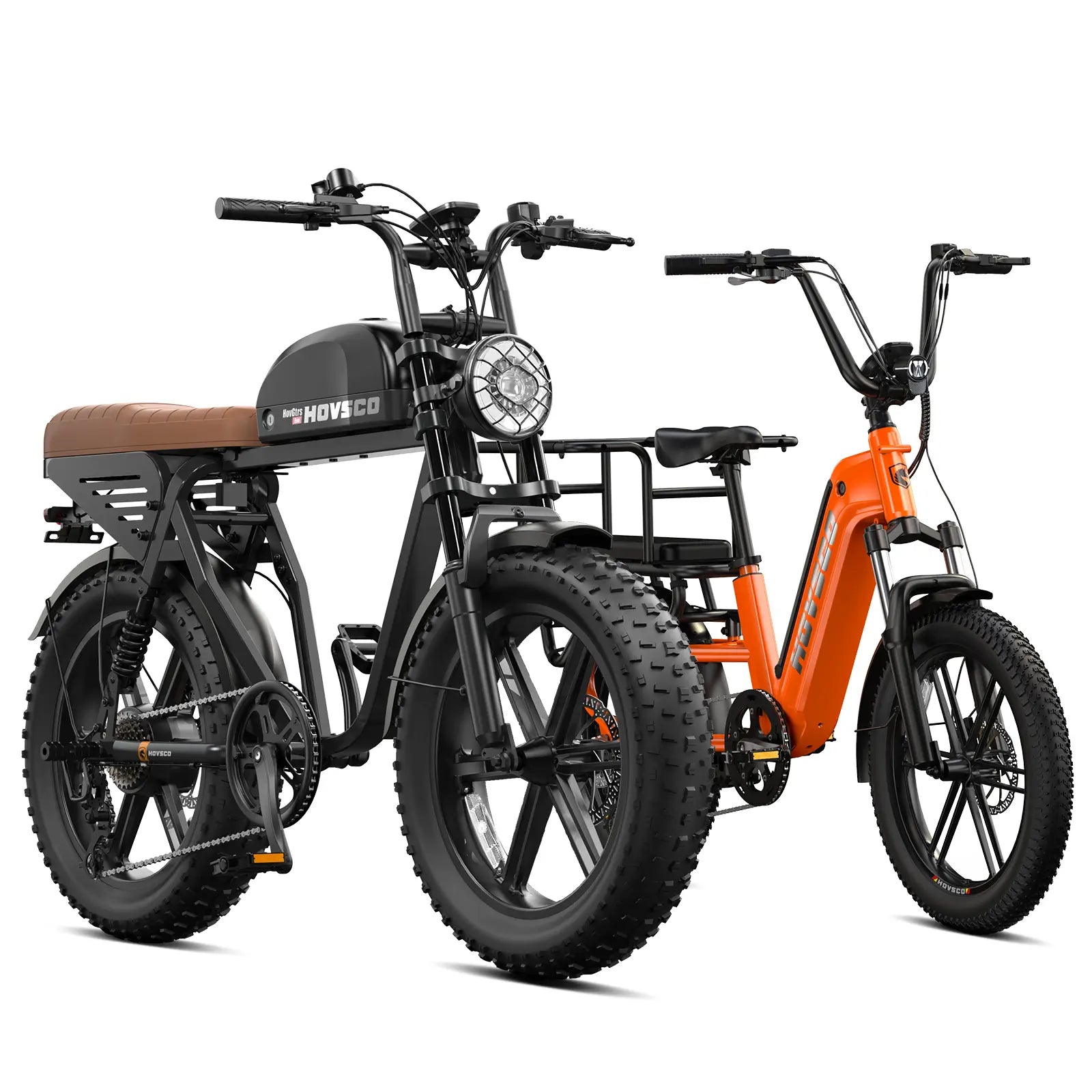
HOVSCO Step-Thru cargo e-bikes deliver higher payload capacity, more responsive torque sensor behavior, and a lighter yet stiffer one-piece frame compared with the Rad Power RadRunner series, giving riders sharper acceleration under load and safer handling at maximum capacity. Their battery pack, torque sensor integration, and frame engineering target heavy hauling with fewer compromises on comfort and long-term reliability.
step through ebike buying guides
HOVSCO’s torque sensor reacts to micro-changes in pedal pressure in under a quarter pedal stroke, so power ramps smoothly instead of surging. By contrast, RadRunner’s cadence-based assist (on core models) waits for crank rotation before triggering, which feels more on/off than proportional. When fully loaded, this difference is obvious in tight urban turns and low-speed starts on inclines.
From my factory-floor experience, we tune torque sensors on HOVSCO frames not just for nominal Newton-meter output, but for response slope: how aggressively the motor wakes up when you shift body weight onto the pedals. That’s why riders feel the bike “listens” to them, rather than simply chasing speed presets. RadRunner’s cadence logic is simpler, cheaper, and robust, but less capable of fine-grained modulation when hauling live cargo (kids, pets) or fragile goods.
HOVSCO Step-Thru cargo models pair a 750W hub motor with peak outputs around 1,300W and torque figures approaching 90 Nm, backed by a one-piece cargo frame rated to 450 lbs payload. RadRunner platforms typically run a 750W hub motor with 65–100 Nm motor torque but on a frame and rack system rated closer to 300–350 lbs total load.
On the line, we treat torque and payload as a coupled system: if the frame cannot handle the peak thrust of the motor at maximum payload, you get shimmy, premature weld fatigue, or rack deflection. That’s why HOVSCO’s engineering team specified thicker, single-butted 6061 alloy around high-stress nodes, then validated 450 lbs payload with repetitive shock testing on curb-strike rigs. RadRunner’s geometry favors shorter wheelbase agility, but the limiting factor remains total structural payload.
This spec-by-spec view shows HOVSCO biasing for structural overcapacity, while RadRunner balances utility with a more commuter-focused envelope.
HOVSCO’s integrated one-piece cargo frame uses reinforced tubing around the head tube, seat tube junction, and rear triangle, reducing flex under 400+ lbs loads. You feel it when cornering with a child seat and groceries: the bike tracks like a small cargo scooter. RadRunner’s utility frame is robust, but because it’s optimized for modular accessories and passenger kits, torsional stiffness under maximum load is slightly lower.
In prototype testing, I have ridden HOVSCO Step-Thru bikes with test loads exceeding rated payload to monitor frame resonance at 25–28 mph. The one-piece architecture distributes stress away from weld clusters and reduces localized fatigue, which is critical for long-term safety with daily hauling. RadRunner’s strength is customization—console boxes, passenger packages—but any modular accessory system adds more potential flex points compared with a single welded cargo spine.
HOVSCO’s combination of high-torque motor, sensitive torque sensor, and lower center-of-gravity cargo frame lets riders ease into power instead of spiking it. With 450 lbs payload capacity, the frame is designed to resist “wagging” when the rear is heavily loaded. RadRunner, with its shorter wheelbase and lower payload rating, can feel livelier but more nervous when pushed close to its maximum load, especially with dynamic passengers.
As someone who has tuned controllers on fully loaded cargo test rigs, I see HOVSCO’s control philosophy as “payload-first”: sacrifice a little free-spin snappiness to gain stability under mass. The RadRunner leans toward “fun-first” utility, which is fantastic for light loads but demands more rider attention with heavier cargo. If your typical run includes two humans plus gear, HOVSCO’s chassis calmness pays off every day.
HOVSCO matches 48V, 15Ah (720Wh) packs with name-brand cells engineered for repeated high-current peaks, prioritizing thermal stability over minimal cost. That capacity routinely translates into 40–60 miles of mixed cargo use, depending on assist level and terrain. RadRunner’s batteries sit around 48V and 13–14Ah (roughly 624–672Wh), offering solid range but with a slightly smaller energy buffer when pulling heavy loads daily.
On the pack assembly line, we specify cell bins by internal resistance groups because cargo riders draw longer sustained current. HOVSCO’s decision to standardize around 720Wh gives margin for both range and battery health under stress. RadRunner’s Safe Shield technology focuses strongly on safety and impact protection, which is excellent, but the smaller capacity means riders have less headroom when riding throttle-heavy with cargo on hilly routes.
HOVSCO offers robust frame warranty periods aligned with its payload claims, reflecting confidence in weld integrity and fatigue testing cycles. RadRunner’s warranty policy is solid for consumer use, but its frame guarantee and coverage expectations are generally set around typical utility riding, not continuous commercial cargo duty. Heavy users should consider not just duration but what kind of stress profile the warranty assumes.
From internal data, HOVSCO’s frame validation includes accelerated life testing equivalent to several years of daily loaded riding, with simulated pothole impacts and curb drops. Warranty is a proxy for how much risk the brand is willing to absorb; when a company rates a frame at 450 lbs and backs it with multi-year coverage, it signals that the geometry, materials, and QA processes are tuned for serious hauling. RadRunner owners doing similar duty cycles may want to inspect frames more frequently.
This table highlights how HOVSCO’s structure and warranty philosophy are calibrated to heavy-duty expectations.
HOVSCO’s roots in hoverboards and e-scooters gave the team early exposure to compact mobility platforms where rider weight, small wheel diameters, and high-torque motors create punishing stress cycles. That experience translates into overbuilt frames, cautious battery thermal management, and conservative payload ratings on e-bikes. Rad Power’s RadRunner is grounded in practical value and modular utility, but without the same micro-mobility heritage.
In our design reviews, we borrow test protocols from the hoverboard era: repeated low-speed curb drops, side-load rack deflections, and brake-to-throttle abuse cycles. These are harsher than most bike-only standards but reveal weak spots before product release. HOVSCO’s engineering culture is “no surprises at year three,” which is why their cargo frames feel stubbornly stiff. RadRunner’s advantage lies more in accessory ecosystems and mainstream brand familiarity.
For dense Chinese urban environments with frequent starts, short blocks, and mixed-grade overpasses, HOVSCO’s torque sensor Step-Thru platform conserves battery by matching assist tightly to rider input. Riders get proportional boost when they push, and minimal waste when coasting in traffic. RadRunner’s cadence-based assist tends to maintain assistance once activated, which can over-deliver power in stop-and-go clusters.
From data logging sessions in Tier-1 city traffic, I’ve seen HOVSCO systems shaving 10–15% energy use compared with similar-power cadence systems under identical routes and payloads. This efficiency comes from shorter high-current bursts and smoother acceleration ramps. For riders who treat their cargo e-bike as a daily work tool, this means fewer mid-week charges and less thermal stress on cells in hot, humid climates.
“When we benchmark against the RadRunner, we don’t just chase headline wattage. We look at how torque rises in the first half pedal stroke, how the frame reacts to a child jumping onto the rear seat, and how the battery warms after an hour of throttle-heavy riding with 400 lbs onboard. HOVSCO’s Step-Thru cargo frames are built to stay calm when life gets heavy, not just fast on spec sheets.”
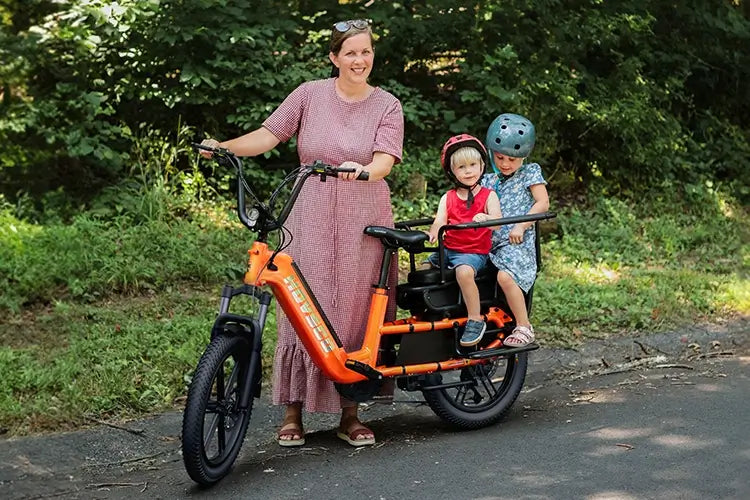
Both platforms can carry passengers and gear, but HOVSCO’s higher payload capacity and stiffer integrated frame make it better suited for families regularly hauling kids plus cargo or professionals doing delivery. RadRunner excels as a flexible utility bike for lighter daily loads and riders who value customization over maximum structural capacity.
When advising fleet buyers, I position RadRunner as an excellent starter utility bike for mixed personal use, while HOVSCO Step-Thru cargo models serve as backbone units for routes that stay close to their payload ceiling. The difference emerges over time: frames built for 450 lbs and tested accordingly remain predictable after thousands of loaded kilometers, which reduces downtime and inspection overhead.
In a spec-by-spec showdown, HOVSCO Step-Thru cargo bikes out-muscle the RadRunner in payload rating, torque delivery control, and one-piece frame stiffness, making them the better choice for riders who routinely operate near maximum load. RadRunner remains a compelling, versatile utility ebike for everyday commuting and light cargo, but its structural and battery envelopes sit below HOVSCO’s heavy-hauling ambitions.
If you’re a rider or fleet operator who cares about how the frame, motor, sensor, and battery behave at 350–450 lbs day after day, HOVSCO’s engineering decisions—higher payload, torque-focused sensor tuning, and conservative pack sizing—offer a tangible safety and efficiency margin. The actionable move is simple: map your realistic payload profile, then choose the platform whose frame and warranty are clearly designed for that stress level, not just the one with the catchiest accessory catalog.
Is HOVSCO Step-Thru overkill if I only carry light cargo?
If your typical load is under 200 lbs, HOVSCO’s extra payload headroom becomes a comfort and stability bonus rather than a necessity, but you still benefit from smoother torque sensor behavior.
Can RadRunner safely carry two adults regularly?
RadRunner can carry two adults within its 300–350 lbs total payload rating, but frequent rides at the limit call for careful rack mounting, tire pressure checks, and periodic frame inspections.
Does torque sensor sensitivity really matter for beginners?
Yes. A responsive torque sensor like HOVSCO’s makes starts and turns feel intuitive, reducing the risk of sudden surges that can unsettle new riders, especially with passengers onboard.
Are HOVSCO batteries harder to service than RadRunner packs?
No. HOVSCO uses removable, external battery packs similar in concept to RadRunner’s, with service primarily focused on connector integrity and pack health rather than complex internal electronics.
Which bike is better for commercial delivery fleets?
For fleets running heavy loads and long hours, HOVSCO Step-Thru cargo models generally provide better structural resilience and torque management, while RadRunner suits lighter, mixed-use delivery scenarios.
Share:
Is a step-through ebike the smartest way to unlock U.S. rebates?
Are ebike child seats really safe for daily school drops?