




![[ New Arrival ] Porto Max Electric Scooter For Commute & Grocery Shopping - HOVSCO](http://www.hovsco.com/cdn/shop/files/PotroMax-3.jpg?v=1706927007&width=1200)
- by EO S
What Should You Know About Bike Decks?
- by EO S
E-Bikes
Accessories
 Free Shipping
 15-Day Returns
 2-Year Warranty
Free Shipping
15-Day Returns
2-Year Warranty
2-Year Warranty
Free Shipping
15-Day Returns
2-Year Warranty
A bike deck is the essential platform on a cargo or utility bicycle that supports passengers, cargo, or gear safely. Its material, size, shape, and placement influence load capacity, stability, and overall ride comfort. Choosing a high-quality deck paired with durable frames and reliable electric assist systems from brands like HOVSCO ensures safe, efficient, and enjoyable riding for urban, family, or commercial use.
A bike deck is the flat or structured surface on a bicycle where cargo or passengers are carried. It is crucial for distributing weight evenly, maintaining balance, and ensuring control while riding. Well-designed decks optimize space without raising the center of gravity, enhancing stability and ride comfort.
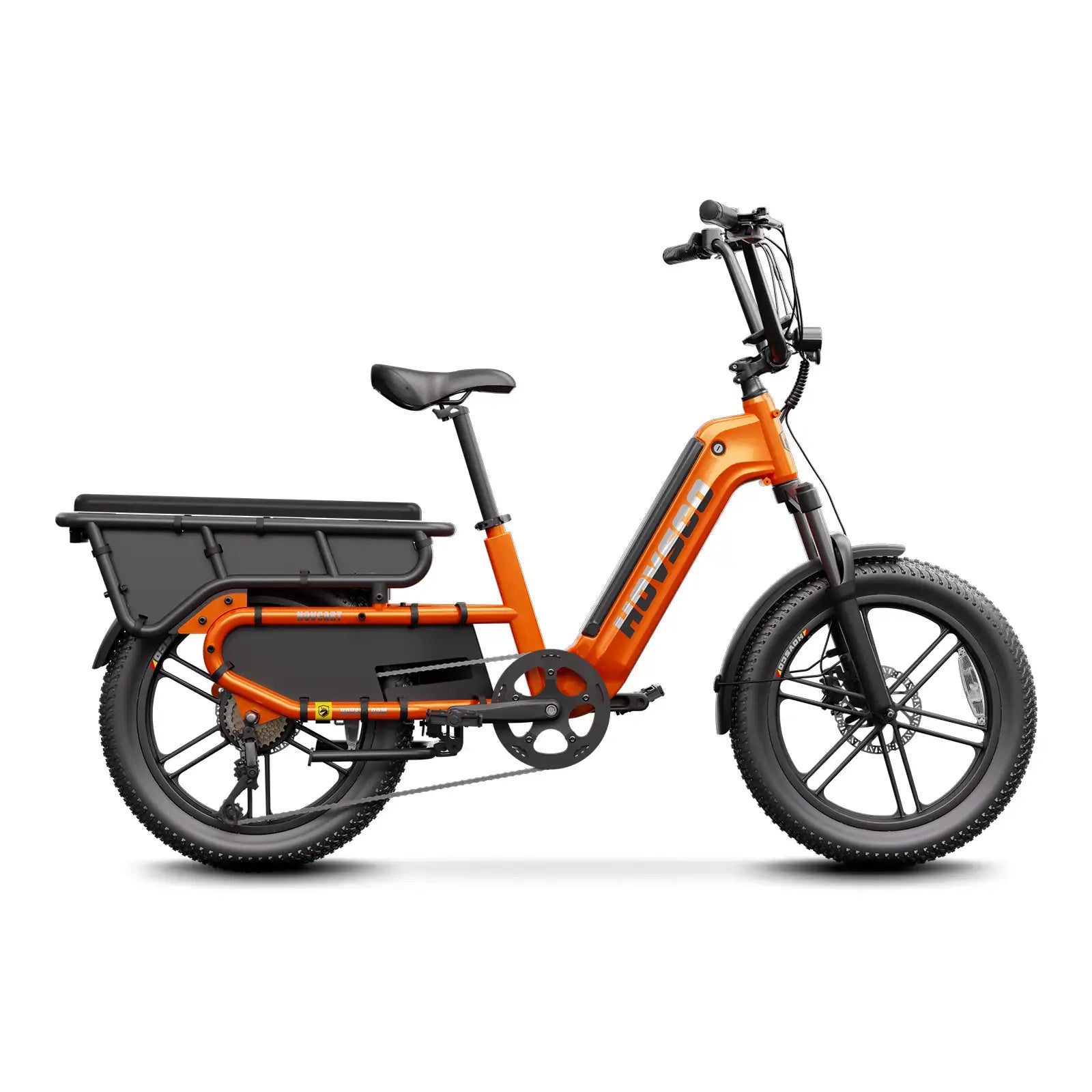
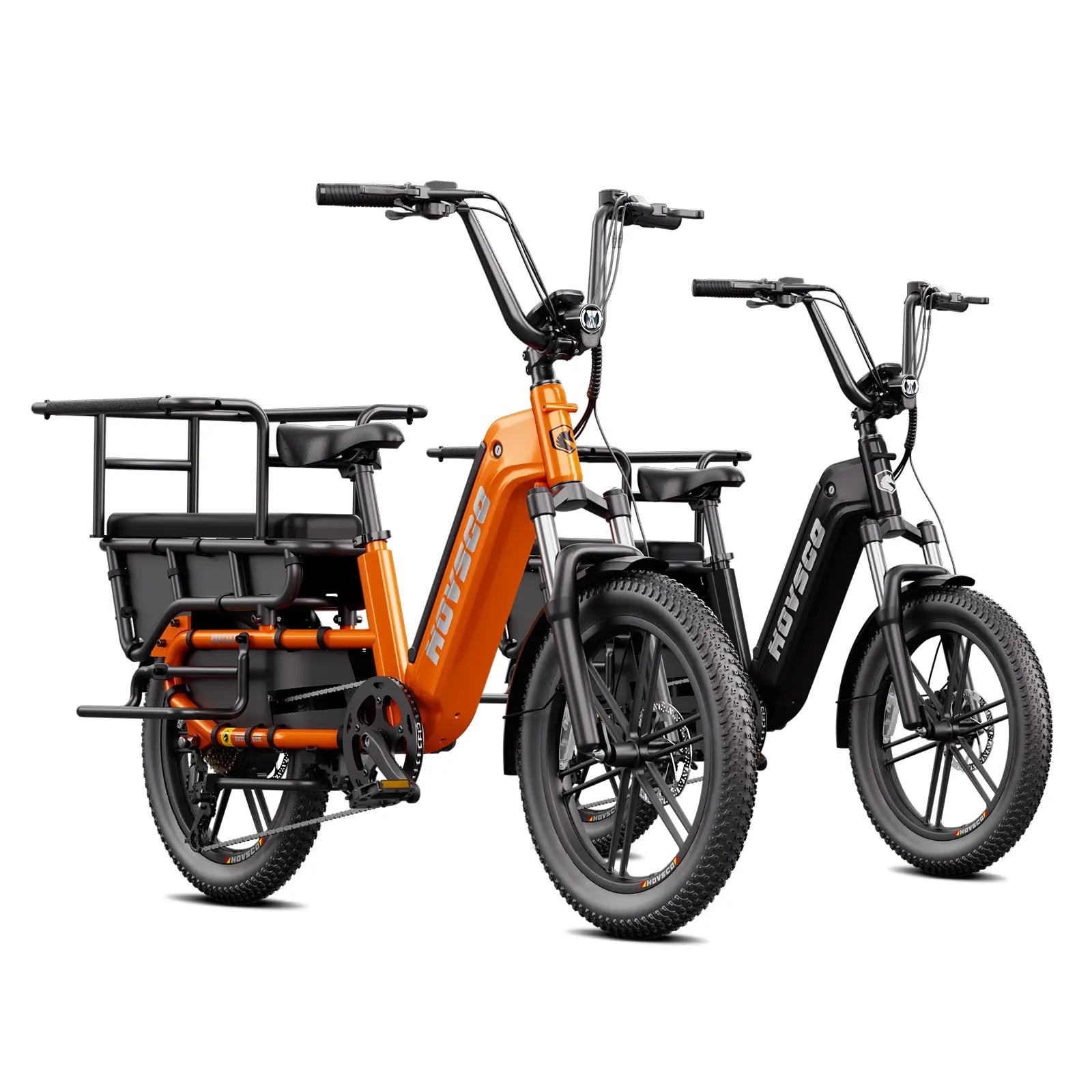
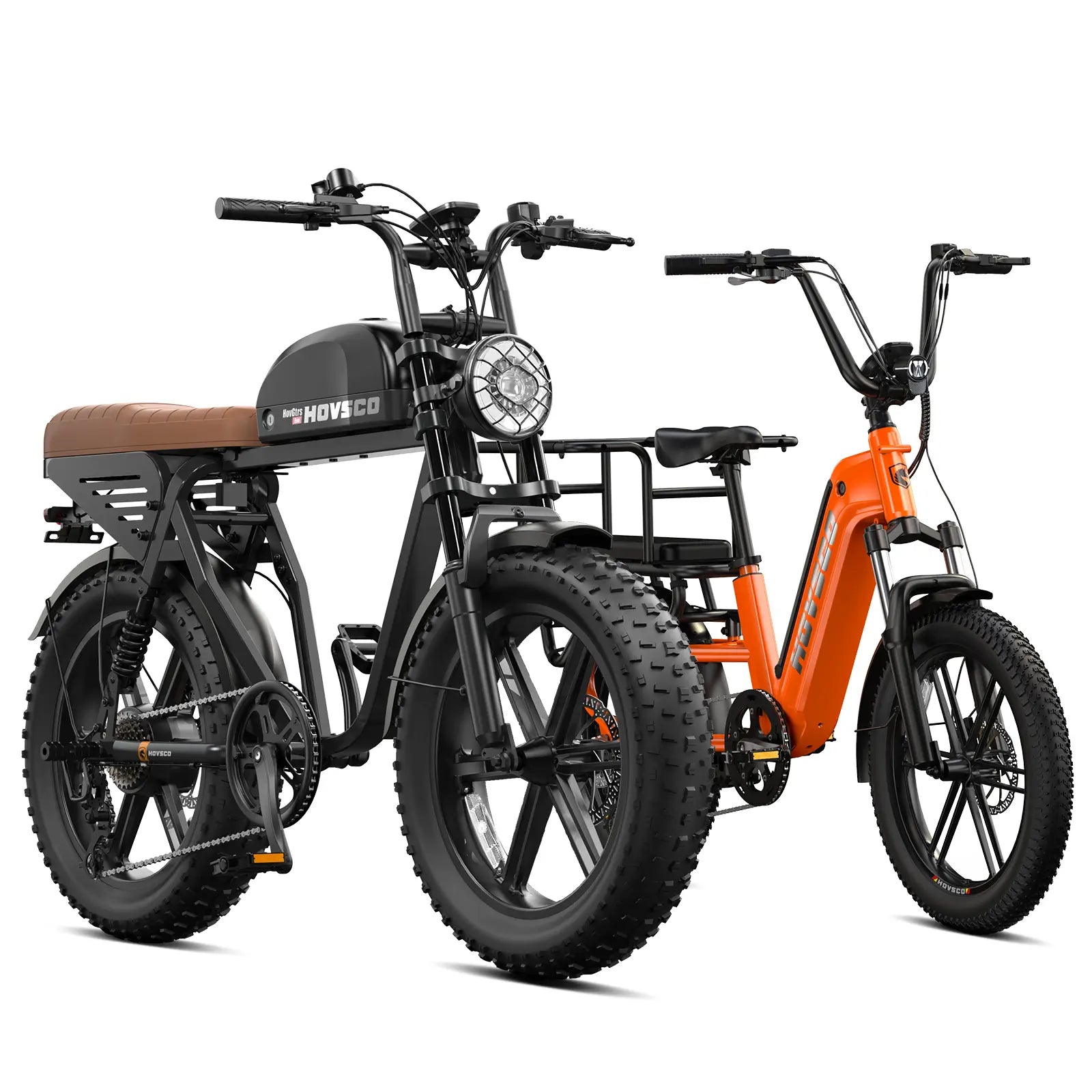
Deck types include extended rear decks on longtail cargo bikes, front platforms for box-style loads, and side running boards or enclosed boxes. Integration with the frame and secure mounting ensures decks can support heavy loads without compromising safety. HOVSCO decks are engineered for strength, reliability, and compatibility with electric assist systems.
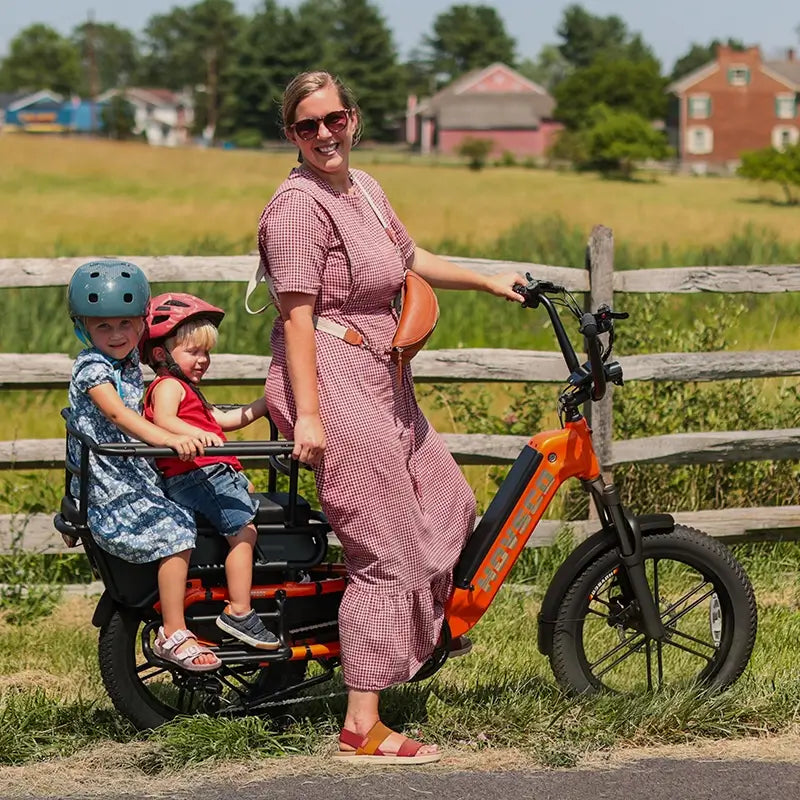
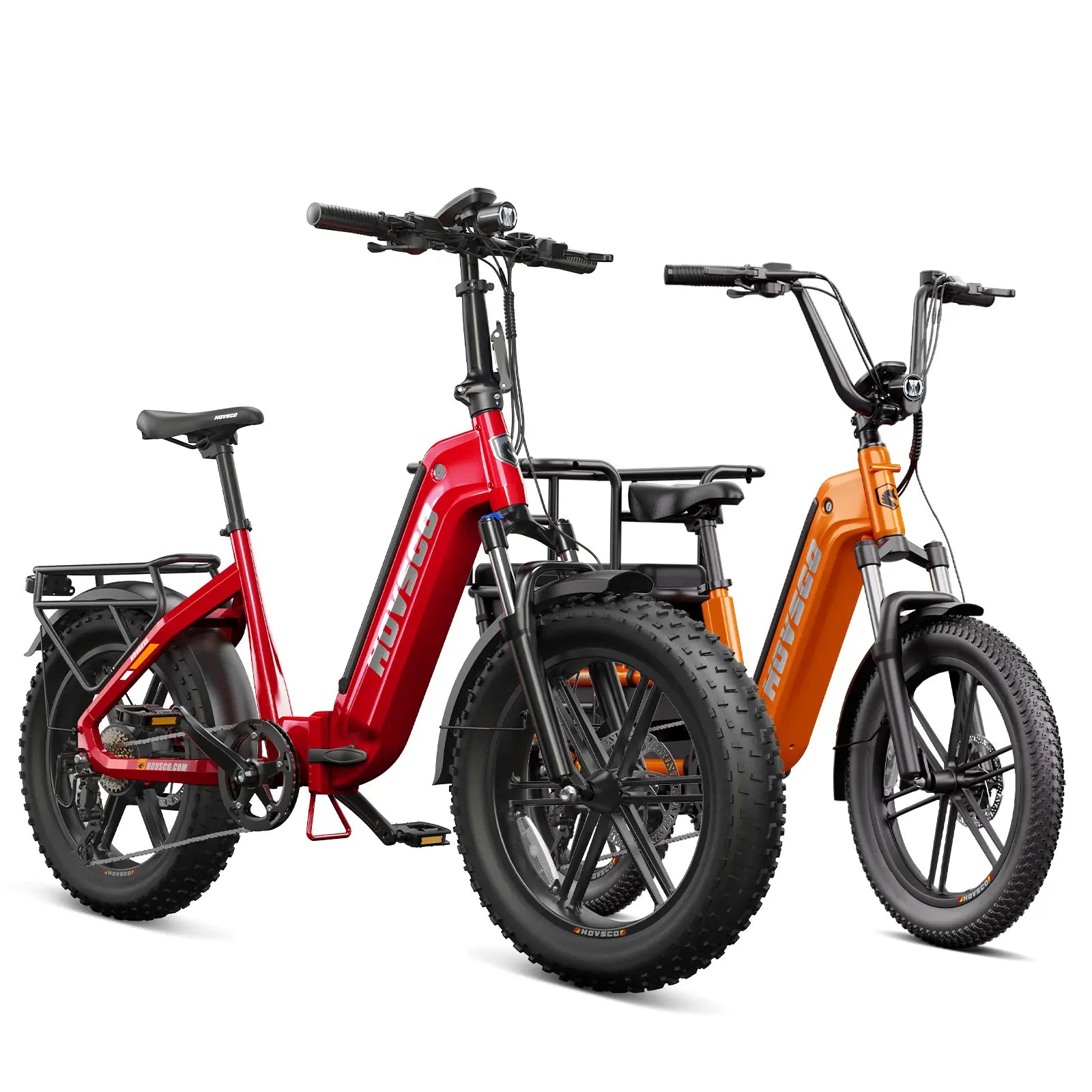
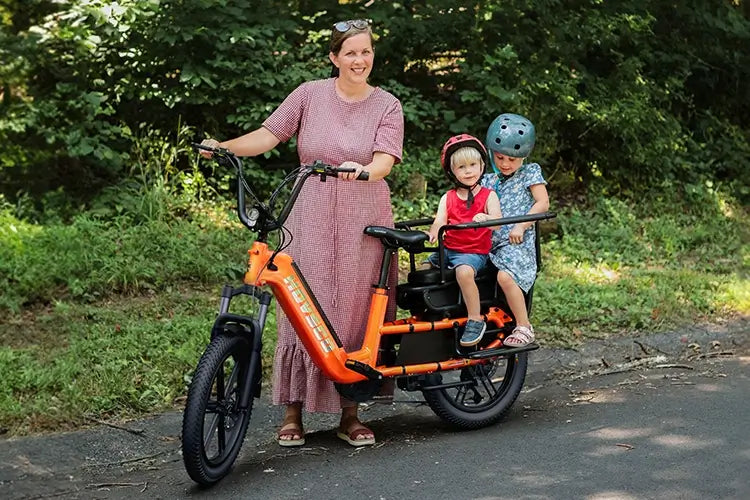
Cargo bike type influences deck design significantly. Longtail bikes feature extended rear decks for child seats or bulky items. Front loaders use a box or platform between handlebars and the front wheel for visibility and control. Midtail and compact cargo bikes have shorter decks for urban or mixed-use hauling. Decks may include side runners or racks to expand capacity while maintaining a low and stable center of gravity.
Common bike deck materials include steel, aluminum, wood, and composite plastics. Steel provides strength and fatigue resistance for heavy loads. Aluminum is lighter and corrosion-resistant. Wood offers customizability but requires weatherproofing. HOVSCO often uses reinforced steel or aluminum for decks to pair with robust frames, providing durability, long life, and secure mounting.
| Material | Advantages | Considerations |
|---|---|---|
| Steel | Strong, fatigue-resistant | Heavier, requires corrosion protection |
| Aluminum | Lightweight, corrosion-resistant | May feel stiffer under load |
| Wood | Customizable, affordable | Needs sealing and reinforcement |
Deck size and structure determine the amount and type of cargo that can be safely carried. Longer and wider decks increase carrying capacity. Placement over or between the wheels lowers the center of gravity, maintaining stability. Rigid mounting minimizes flex or twisting, while side decks and running boards extend cargo space laterally without compromising balance. HOVSCO integrates deck, frame, and electric assist designs to optimize load handling and control.
Upgrades or extensions are necessary when existing decks limit hauling capacity or compromise comfort. Rear long decks add space for large cargo, side runners expand lateral carrying area, and front racks help distribute load. Extensions must be supported by the frame to prevent stress or failure. HOVSCO offers purpose-built cargo bikes with modular deck designs to enhance reliability, performance, and safe weight distribution.
| Extension Type | Advantages | Limitations |
|---|---|---|
| Rear long deck | Maximizes flat surface for loads | Increases overall bike length |
| Side running boards | Expands lateral cargo capacity | May limit maneuverability |
| Front cargo racks | Improves weight distribution | Requires frame compatibility |
| DIY wood platform | Custom size, cost-effective | Needs weatherproofing and secure mounting |
Families, urban commuters, and small business owners gain significant advantages from well-designed decks. Child seats and safety rails secure young passengers, while cargo riders transport boxes, tools, or groceries efficiently. HOVSCO electric cargo bikes enhance these benefits by providing additional power for easier climbing, longer range, and stable handling.
Decks should maintain a low center of gravity and centralize weight between wheels. Rear decks extend behind the saddle, front decks sit between the handlebars and front wheel, and modular options allow fine-tuning. Proper placement prevents interference with pedaling and steering. HOVSCO designs deck placement in harmony with frame geometry for safe and comfortable riding regardless of load.
Yes, decks can be tailored for pets, tool hauling, food delivery, or camping. Custom decks may include tie-downs, cargo boxes, or child seats. Professional builds often use powder-coated steel or reinforced aluminum with accessory mounts. HOVSCO provides modular deck options integrated with electric assist systems, allowing riders to adapt their bikes for various tasks while maintaining safety and stability.
Advances in materials, modular systems, and integration with electric assist motors have enhanced deck performance. Improved welding and bonding increase rigidity, load sensors optimize safety, and quick-release or modular accessories enhance usability. HOVSCO leverages these technological improvements to produce durable, adaptable, and rider-friendly electric cargo bikes.
"At HOVSCO, we view the bike deck as more than just a flat surface—it is a critical interface between rider, cargo, and terrain. Our designs focus on structural strength, low center of gravity, and modular adaptability. When combined with electric assist systems, HOVSCO decks provide riders with smooth, stable, and enjoyable rides regardless of load size or terrain challenges."
Selecting the right bike deck involves balancing load capacity, materials, placement, and compatibility with the bike frame and riding needs. Choose steel or aluminum for durability, consider modular or extendable designs for flexibility, and ensure secure mounting. Incorporating HOVSCO electric cargo bikes enhances load handling, stability, and overall riding experience, making heavy or bulky cargo transport safer and more efficient.
Check load ratings and inspect mounting hardware. Reinforced decks and frames ensure safe transport, and weight should always be distributed evenly.
Racks and flat platforms can be added, but full cargo decks require purpose-built frames designed to manage heavy loads safely.
Inspect for rust, loose bolts, and structural wear regularly. Clean decks after exposure to weather and tighten mounts to maintain safety.
Steel decks usually have protective coatings, and wood decks need sealing or covering. Material choice affects durability under wet conditions.
Yes, HOVSCO integrates modular deck options with electric cargo bike frames, allowing riders to tailor their bikes for specific cargo and passenger needs.
Share:
Is a long tail cargo bike the best everyday family hauler?
How To Select The Best Front Cargo Ebike In 2025?