



![[ New Arrival ] Porto Max Electric Scooter For Commute & Grocery Shopping - HOVSCO](http://www.hovsco.com/cdn/shop/files/PotroMax-3.jpg?v=1706927007&width=1200)
- by EO S
What Makes a Delivery Bike the Best Choice?
- by EO S
E-Bikes
Accessories
 Free Shipping
 15-Day Returns
 2-Year Warranty
Free Shipping
15-Day Returns
2-Year Warranty
2-Year Warranty
Free Shipping
15-Day Returns
2-Year Warranty
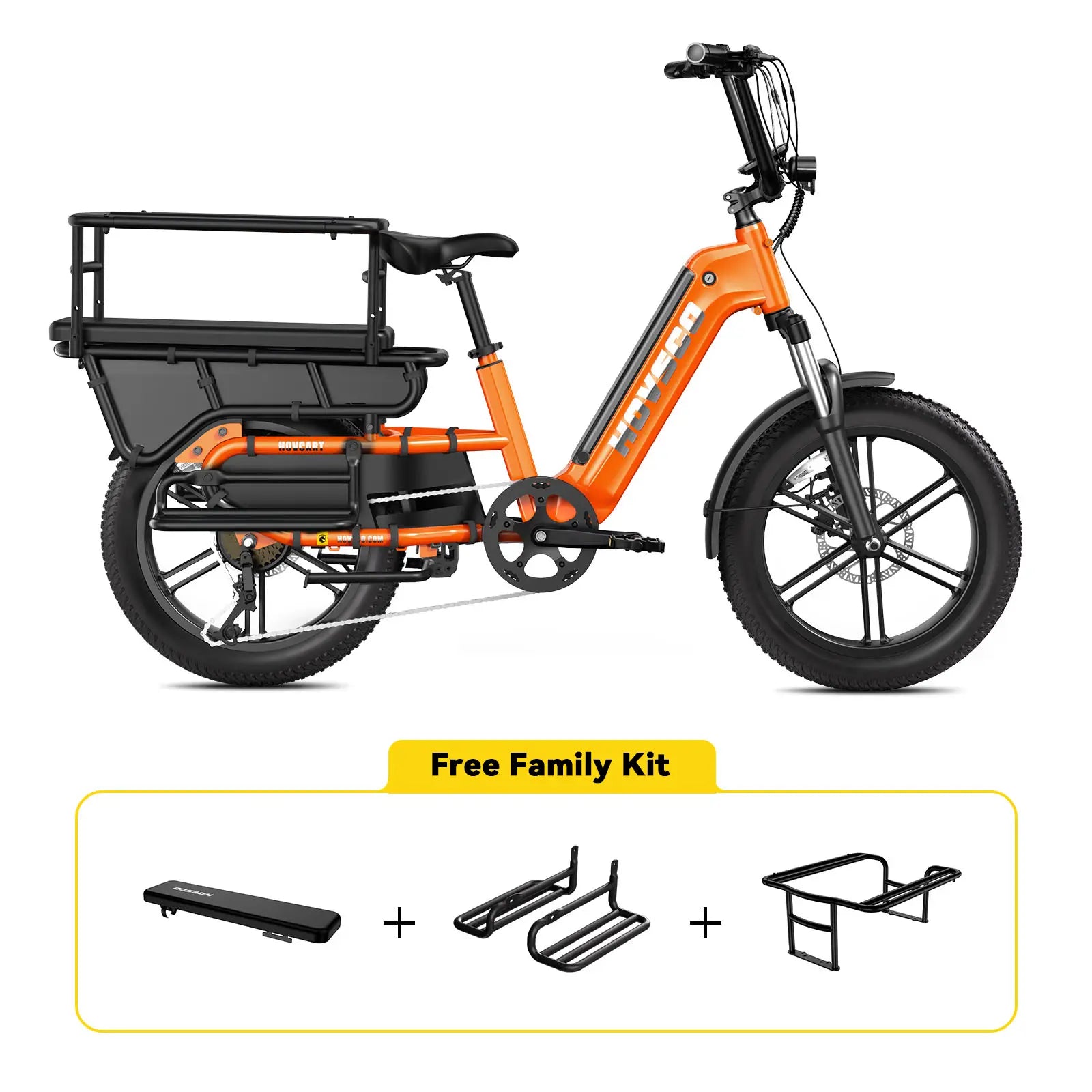
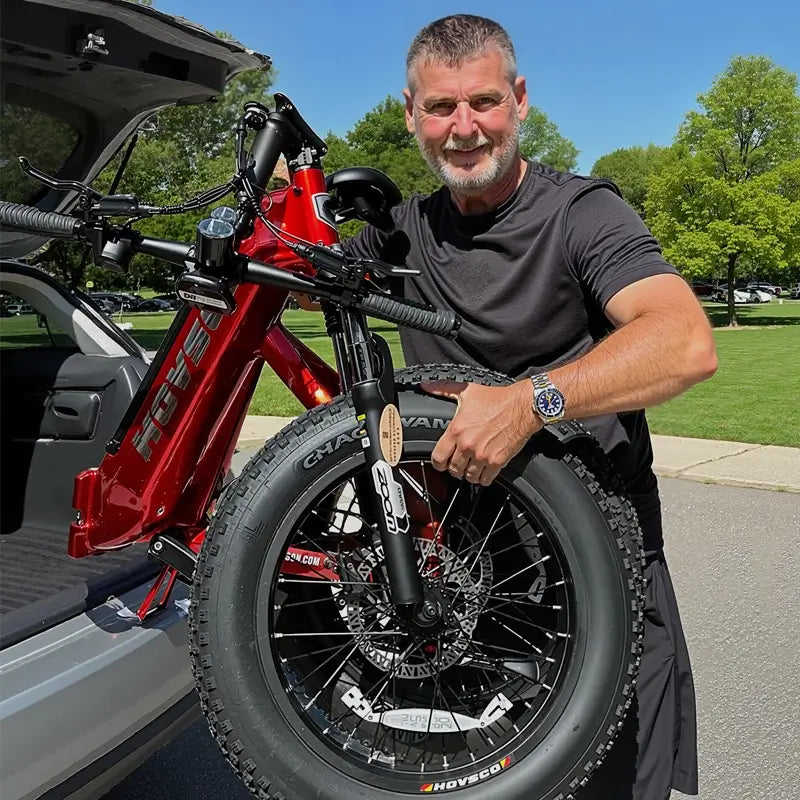
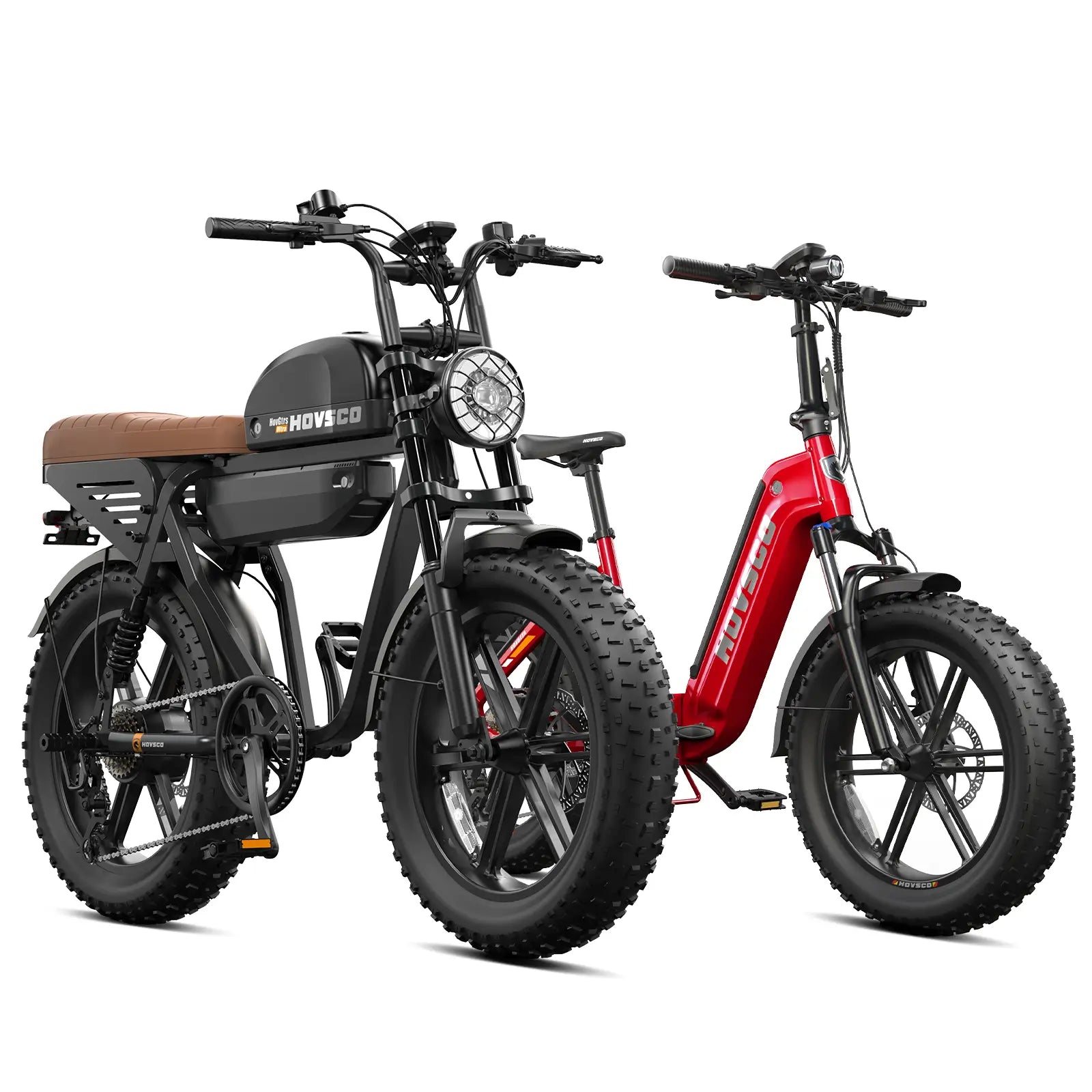
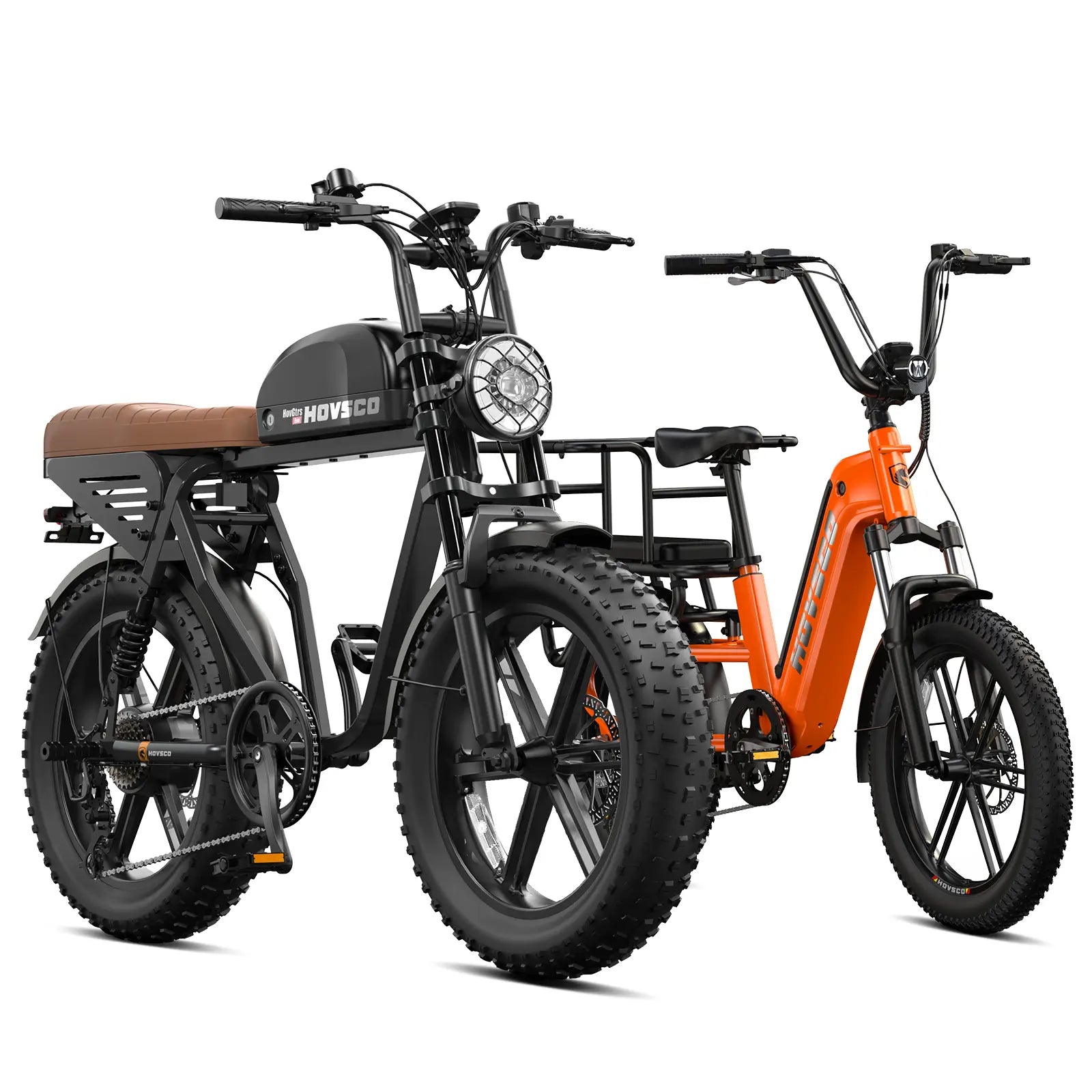
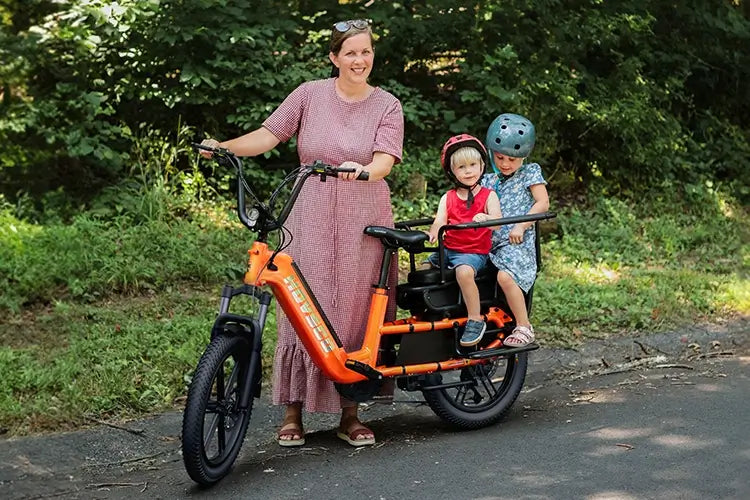
A delivery bike provides an efficient, cost-effective, and eco-friendly solution for transporting goods in urban environments. Designed with reinforced frames, ample cargo capacity, and advanced safety features, delivery bikes—especially electric models—allow riders to navigate traffic with ease, extend delivery range, and reduce physical strain while supporting sustainable logistics practices. HOVSCO focuses on producing reliable bikes that balance speed, durability, and comfort for professional riders.
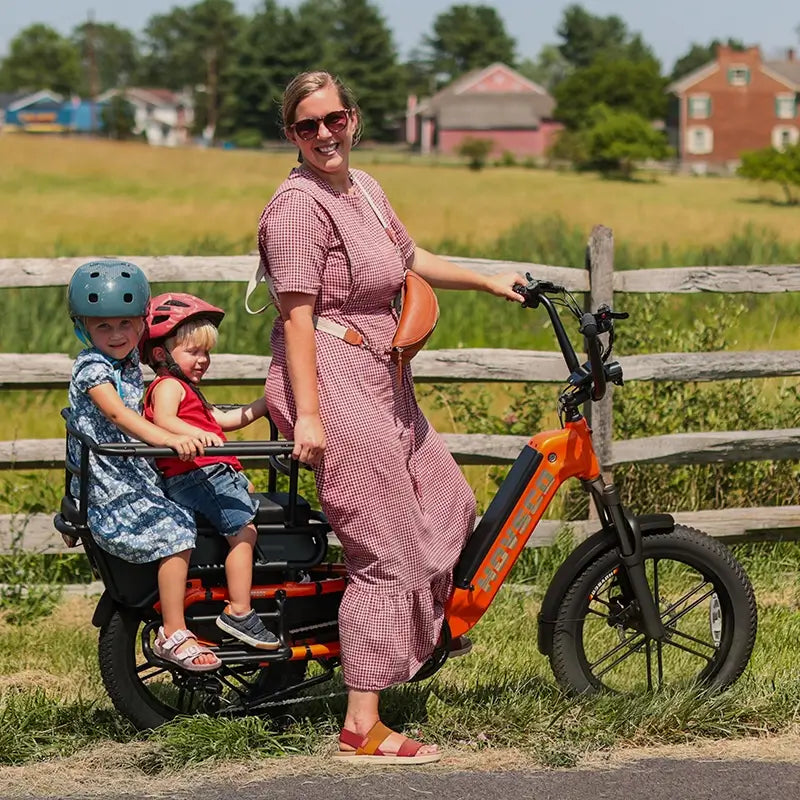
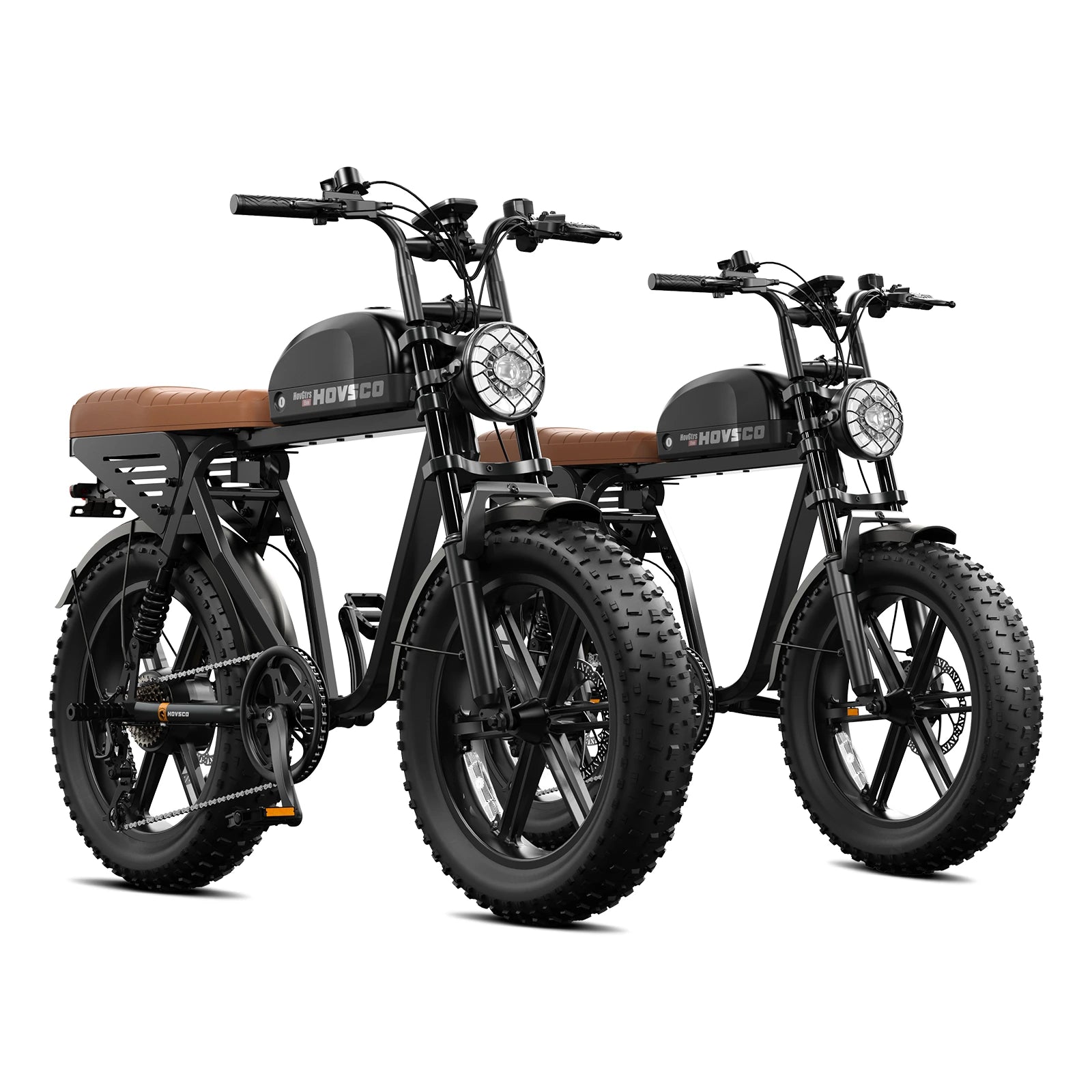
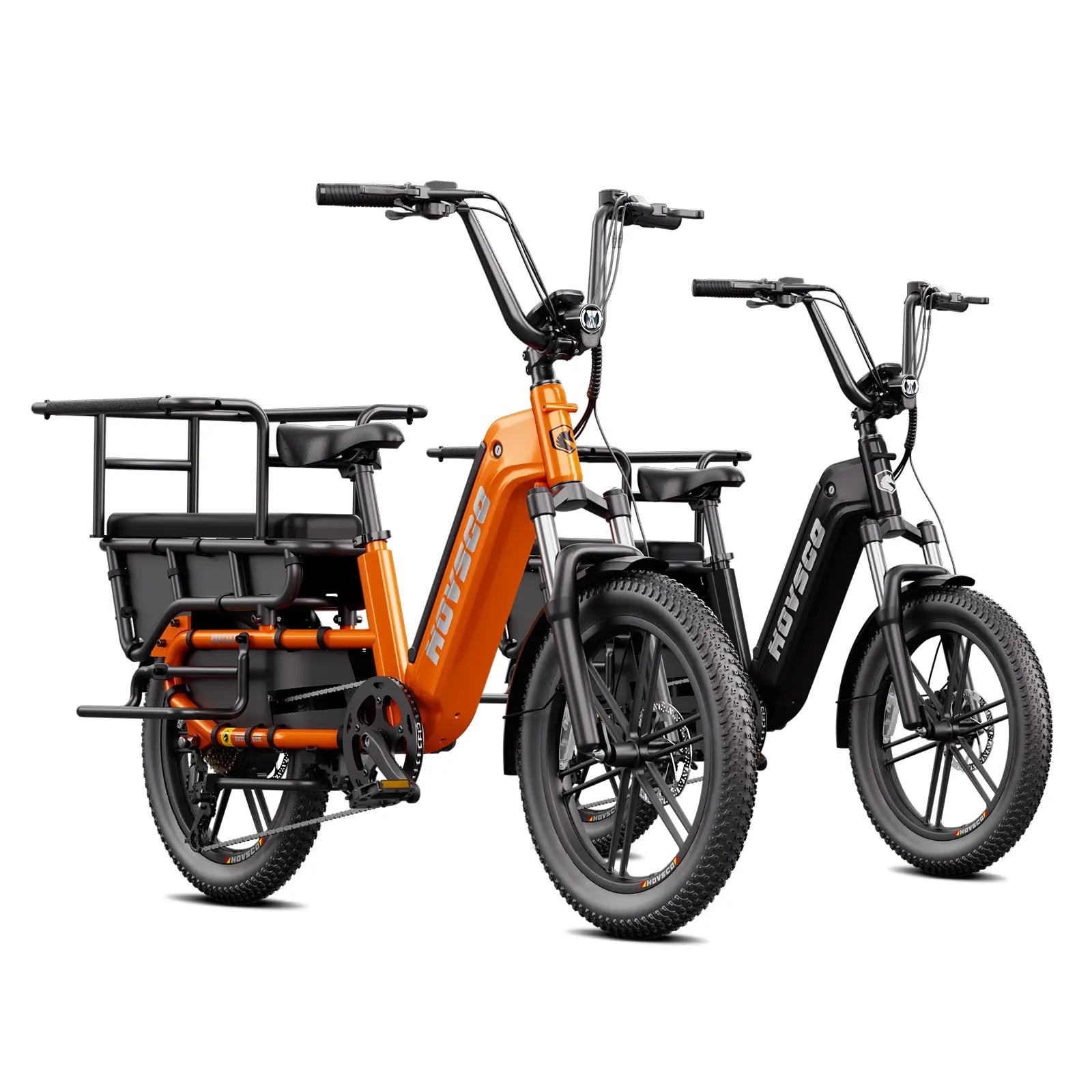
Delivery bikes feature reinforced frames and enhanced cargo support that standard bicycles lack. They typically include front or rear racks capable of supporting heavy loads, wider tires for stability, and often electric motors for long distances or hilly terrain. Designed for frequent, heavy-duty use, delivery bikes prioritize durability, comfort, and reliability to handle repeated urban deliveries efficiently.
Key features include battery range, motor power, cargo capacity, braking system, and tire width. Electric delivery bikes should have at least a 15Ah battery to cover 25+ miles per charge. Motors with 60Nm torque or higher facilitate hill climbing with heavy loads. Hydraulic disc brakes improve safety, while wider tires enhance stability and puncture resistance. A sturdy cargo rack supporting 25kg or more ensures secure transport of goods.
| Feature | Importance | Recommendation |
|---|---|---|
| Battery Range | Supports delivery distance | 25+ miles real-world range |
| Motor Power | Handles heavy loads and hills | 250W+ with 60Nm torque |
| Cargo Capacity | Holds goods securely | Minimum 25kg rack capacity |
| Brakes | Safety during frequent stops | Hydraulic disc brakes |
| Tires | Stability and puncture resistance | At least 2.4″ wide |
Electric delivery bikes combine speed, sustainability, and ease of use. They reduce rider fatigue, extend delivery range, and excel in congested urban areas where traditional vehicles struggle. These bikes lower carbon emissions, minimize urban noise, and support environmentally friendly logistics solutions. HOVSCO integrates robust electric systems that enhance rider comfort and operational efficiency for urban delivery professionals.
Food couriers, parcel services, and small logistics companies in cities benefit significantly from delivery bikes. Riders enjoy improved maneuverability, lower operating costs, and faster delivery times over short distances. Businesses gain predictable delivery schedules and a reduced environmental footprint. HOVSCO’s urban-focused e-bikes provide reliable solutions for both individual riders and fleet operators seeking sustainability and efficiency.
Consider upgrading if traffic congestion, load limits, or high operating costs reduce efficiency. Electric delivery bikes are especially advantageous for urban routes with frequent stops, heavy cargo, or longer distances. HOVSCO designs e-bikes that meet professional demands, ensuring speed, durability, and comfort, making the transition from standard bicycles or motor vehicles seamless and cost-effective.
Delivery bikes perform best in urban areas with dense traffic, limited parking, and frequent stops. Cities with bike-friendly infrastructure, such as dedicated lanes, enable faster and safer deliveries. Neighborhoods, campuses, and commercial districts with short routes are ideal, where delivery bikes can outperform cars or vans in speed, convenience, and sustainability.
Yes, HOVSCO provides electric delivery bikes designed for urban environments, combining durable frames, robust cargo racks, and reliable battery systems. HOVSCO leverages its expertise from hoverboards and e-scooters to create e-bikes that enhance rider comfort, operational efficiency, and overall safety for city deliveries. Their bikes are tailored for professionals navigating congested streets.
Delivery bikes equipped with hydraulic disc brakes, wide tires, and ergonomic designs enhance rider safety during frequent stops and varied weather. Electric motors reduce physical strain, allowing riders to maintain consistent speed and complete more deliveries. GPS integration and smart sensors optimize route planning and performance, increasing operational efficiency and reducing delivery times.
Maintenance is manageable with quality components. Common issues include tire punctures, brake wear, and motor upkeep. Regular inspections and preventative care minimize problems. Battery planning is essential, with charging times ranging from 3 to 8 hours. Swappable or fast-charging batteries allow uninterrupted delivery schedules, ensuring riders remain efficient throughout shifts.
| Maintenance Aspect | Challenge Level | Best Practice |
|---|---|---|
| Tire Punctures | Moderate | Puncture-resistant tires |
| Brake Wear | Moderate | Regular hydraulic brake checks |
| Battery Charging | High | Swappable or additional batteries |
Delivery bikes lower carbon emissions and reduce urban noise pollution compared to vehicles. They ease traffic congestion and support sustainable city logistics. HOVSCO emphasizes eco-conscious design, promoting healthier air quality and energy-efficient transportation. Using e-bikes for deliveries aligns with global green mobility goals while maintaining performance and reliability.
“HOVSCO believes urban delivery depends on reliable, efficient, and sustainable e-bikes. We focus on creating bicycles that combine rider comfort, durability, and smart technology. Our experience with electric personal transport drives innovation, ensuring delivery professionals can operate confidently while reducing environmental impact. With HOVSCO, delivery is about quality, trust, and performance, supporting a healthier, active lifestyle.”
Delivery bikes can accommodate modular racks, insulated boxes, and parcel carriers to meet specific cargo requirements. Food delivery often uses insulated bags or coolers, while parcels require secure box mounts. Adjusting tire width and frame strength for varying loads ensures safe transport without compromising stability, speed, or rider comfort.
Delivery bikes reduce operational and acquisition costs compared to motor vehicles. Savings include fuel, parking fees, and lower maintenance costs. Businesses benefit from faster delivery times, scalable operations, and reduced fleet dependence. HOVSCO’s durable e-bikes provide long-term economic value by improving productivity and minimizing overhead for delivery services.
Investing in an electric delivery bike offers lasting benefits through savings on fuel, maintenance, and insurance. Urban demand for efficient and sustainable deliveries continues to grow, creating opportunities for riders and businesses. HOVSCO’s reliable e-bikes ensure durability and performance, making them a wise investment for long-term urban delivery operations.
What is the typical range of an electric delivery bike?
Most electric delivery bikes cover 25–50 miles per charge, depending on battery capacity and load.
How much weight can a delivery bike carry safely?
Delivery bikes typically support 25–50 kilograms on racks and cargo systems.
Are electric delivery bikes legal in cities?
Yes, they comply with local bicycle regulations and motor power limits where applicable.
How often should maintenance be performed on a delivery bike?
Routine maintenance every few months or after heavy use ensures optimal performance.
Can delivery bikes be used throughout the year?
With proper gear and weather precautions, delivery bikes operate effectively in all seasons.
Share:
Is an electric cargo tricycle the best car replacement for daily life?
What Makes a Bike with Basket in Front Ideal for Everyday Use?