
























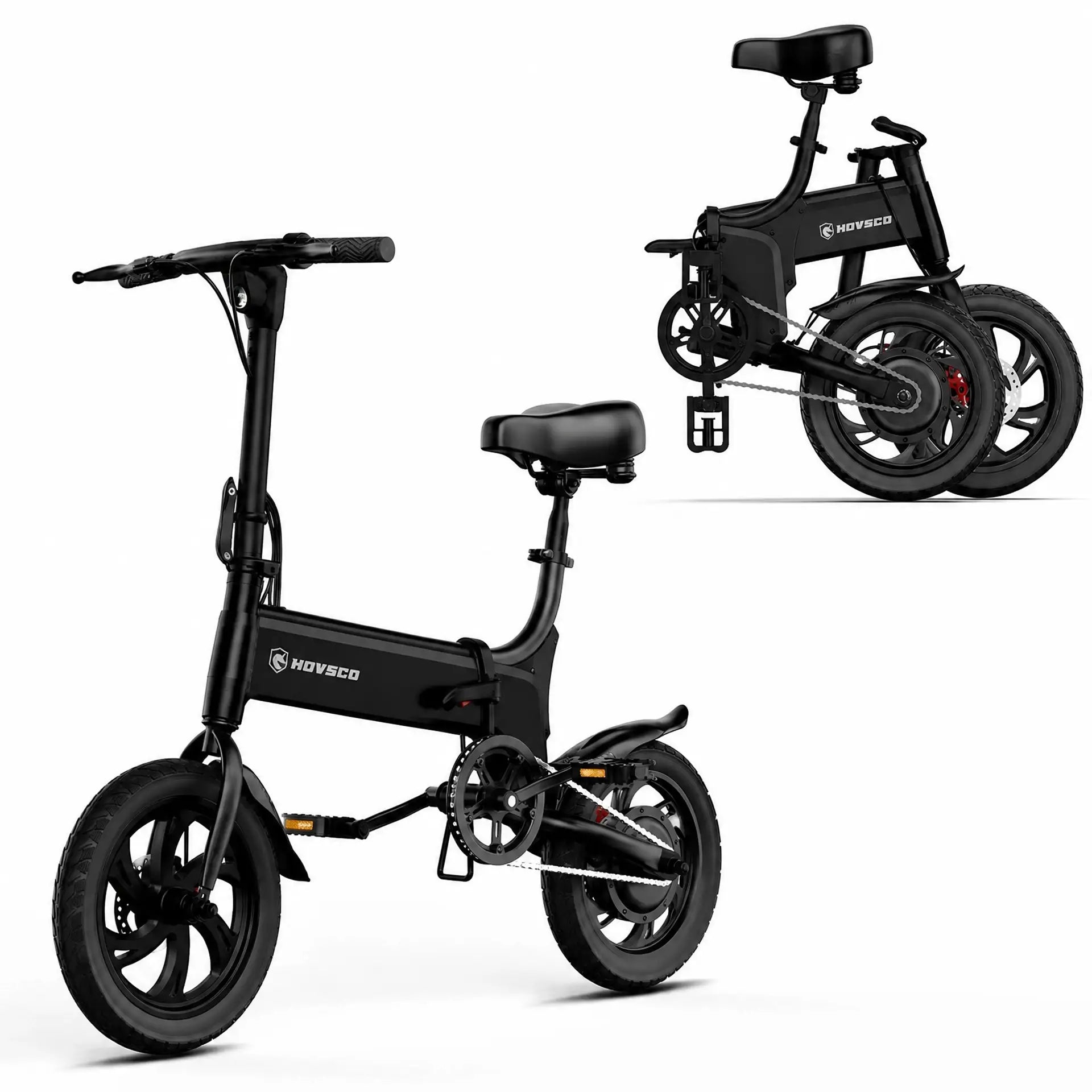
![[ New Arrival ] Porto Max Electric Scooter For Commute & Grocery Shopping - HOVSCO](http://www.hovsco.com/cdn/shop/files/PotroMax-3.jpg?v=1706927007&width=1200)
- by EO S
What is the cargo bike and why choose one?
- by EO S
E-Bikes
Accessories
 Free Shipping
 15-Day Returns
 2-Year Warranty
Free Shipping
15-Day Returns
2-Year Warranty
2-Year Warranty
Free Shipping
15-Day Returns
2-Year Warranty
Cargo bikes are specialized bicycles designed for carrying heavy loads such as children, groceries, or equipment. They feature reinforced frames, extended racks, or boxes to maintain stability and safe handling. With options ranging from longtails to trikes and front loaders, cargo bikes offer families, commuters, and urban riders a practical, eco-friendly alternative to cars, supporting exercise, convenience, and sustainability.
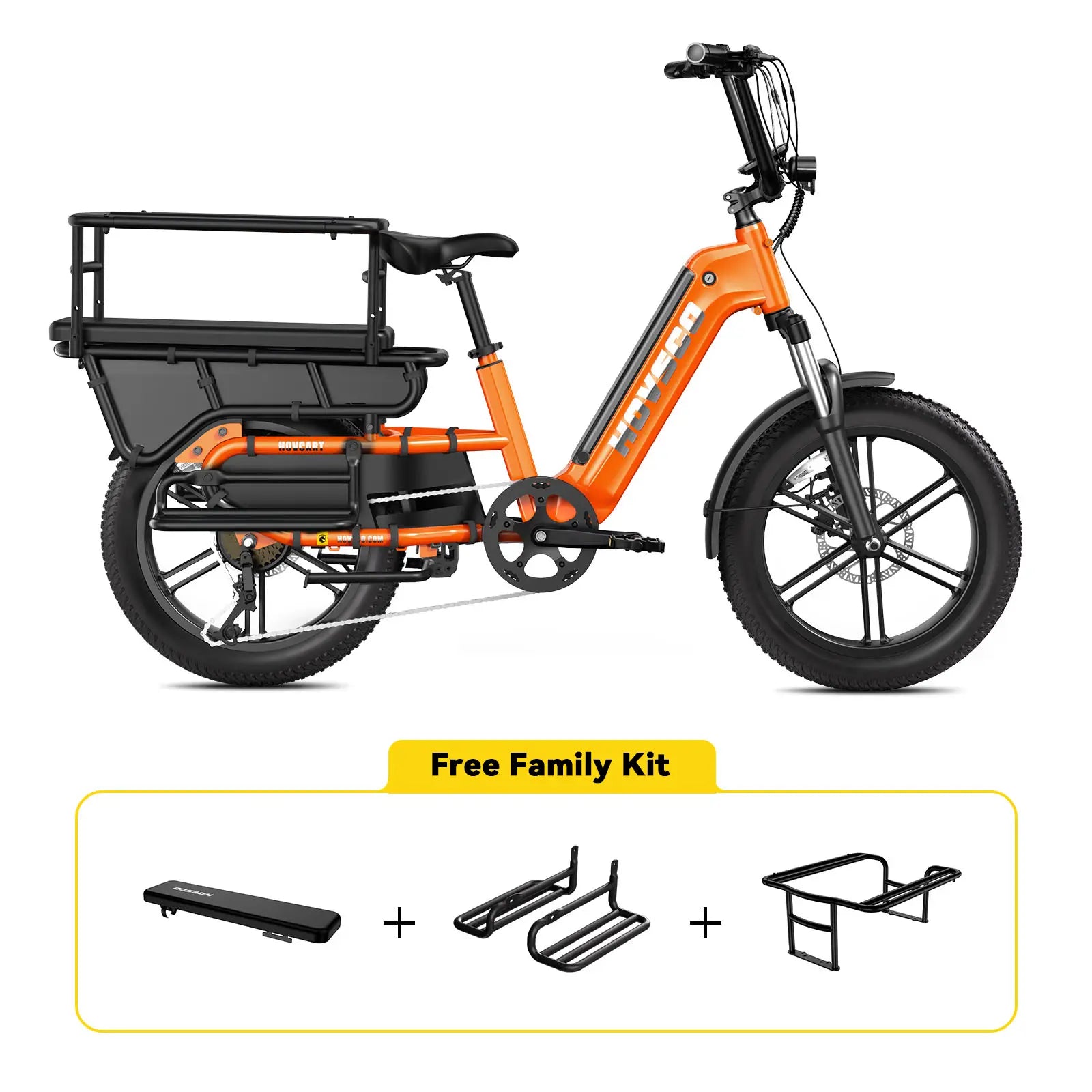
A cargo bike is a purpose-built bicycle engineered to carry significant payloads safely. Reinforced frames, extended rear racks, front boxes, or three-wheel designs distribute weight effectively, improving stability and handling. Cargo bikes come in both electric and non-electric versions, with total payloads ranging from 100 to 400 kg. Longtails extend rear decks for children and gear, front loaders provide visible boxes, and trikes enhance tipping resistance. Wide tires, low gearing, and powerful brakes ensure safety, while modular designs adapt to families, deliveries, or urban errands. HOVSCO designs focus on durability, safety, and practical urban usability.
Cargo bike types vary in handling, capacity, and suitability for specific tasks. Longtails feel like standard bikes with rear storage, front loaders place passengers in visible front boxes, and trikes maximize stability for heavier loads. Longtails are agile for city streets, front loaders excel in family transport, and trikes handle bulk commercial needs.
| Type | Best for | Handling | Capacity | Storage Needs |
|---|---|---|---|---|
| Longtail | Families, commuters | Bike-like | 150-250 kg | Moderate |
| Front Loader | Kids, groceries | Stable, wider | 200-350 kg | Large |
| Trike | Heavy commercial loads | Very stable | 300-500+ kg | Largest |
Key features include reinforced frames, reliable braking systems, strong racks or boxes, wide-range gearing, and accessory mounts. Hydraulic disc brakes offer stopping power under heavy loads, low gears manage starts and hills, and puncture-resistant tires increase durability. Accessories such as child seats, panniers, kickstands, fenders, and integrated lights improve everyday functionality. Electric cargo bikes benefit from torque-rich motors and large batteries for longer range. HOVSCO emphasizes safety, versatility, and reliability in all designs.
Cargo bikes enable families to replace short car trips while fostering outdoor activity. Children ride safely in front boxes or on rear decks, allowing supervision and interaction. Urban commuters benefit from easy navigation through traffic, bike lanes, and tight parking, while reducing fuel costs and emissions. HOVSCO cargo bikes support these needs with stable frames and practical layouts, making them perfect for active, car-light households.
Total payload ranges from 150 to 500 kg depending on type: longtails 200 kg, front loaders 300 kg, trikes 400+ kg. Riders should respect the lowest-rated component among frame, rack, and accessories. Evenly distributed, low-centered loads enhance stability and reduce sway. Regular inspection of tires, spokes, and rack bolts ensures safe operation and prolongs bike life.
Safety elements include low centers of gravity, hydraulic brakes, child harnesses, wheel guards, and reflective components. Enclosed boxes or rails protect passengers, while stable kickstands support loading and unloading. Helmets, bells, and safe riding practices remain essential. HOVSCO prioritizes ergonomic designs that balance safety, comfort, and usability for all riders.
Yes, cargo bikes can replace up to 90% of short urban trips, including school runs and grocery shopping. Electric-assist versions handle hills and heavy loads effortlessly. Benefits include zero emissions, reduced operating costs, and added exercise. Limitations include weather exposure and long-distance travel, but HOVSCO models mitigate these with robust engineering and accessories for daily commuting.
Electric cargo bikes integrate motors to assist with heavy loads, long distances, or hilly terrain. Non-electric bikes prioritize simplicity, cost-effectiveness, and exercise. Electric ranges vary from 40 to 100 km depending on battery size, terrain, and payload. HOVSCO ensures motor and battery systems are reliable, efficient, and safe for everyday use.
Essential accessories include child seats, padded benches, panniers, waterproof covers, running boards, cargo nets, front racks, and secure locks. Front racks help balance loads, while covers protect from weather. HOVSCO offers integrated solutions to maximize functionality for family rides and urban errands.
HOVSCO focuses on safety, reliability, and practicality. Drawing from e-mobility expertise, the brand designs stable frames, dependable braking, and efficient power systems for daily use. HOVSCO also fosters a community where riders share experiences, routes, and tips, enhancing confidence and enjoyment for all cargo bike enthusiasts.
Urban families, daily commuters, and small businesses gain practical advice from HOVSCO. The brand’s designs support active lifestyles, sustainable commuting, and safe, versatile hauling. HOVSCO’s community-driven approach helps riders make informed choices and maximize the benefits of cargo bike use.
""Cargo bikes transform daily transportation into an active, eco-friendly experience. Safety, frame stability, and accessory compatibility are more important than raw power. Electric assist provides effortless hauling, turning chores into enjoyable rides. HOVSCO’s designs reflect years of e-mobility expertise, prioritizing confidence under load and fostering a supportive community of riders sharing knowledge and experiences." — HOVSCO Team
Routine chain lubrication, monthly brake and tire checks, and annual tune-ups maintain performance. Inspect racks and boxes for stress, tighten bolts, and store bikes in dry areas. Heavy use accelerates wear; planning maintenance ensures longevity. HOVSCO designs consider durability for everyday urban and family use.
Electric cargo bikes with sufficient torque handle hills easily, while non-electric versions manage moderate slopes with low gearing. Motor reliability and battery capacity are key considerations for hilly urban environments, making HOVSCO electrics ideal for varied terrain.
Cargo bikes provide versatile hauling, family safety, and a car-replacement option. Match the bike type to your load and environment, prioritize braking, frame strength, and accessory compatibility. Test ride fully loaded, budget for quality components, and leverage HOVSCO’s expertise and community support for sustainable, active commuting.
Most cargo bikes handle intuitively. Practice with light loads builds confidence and skill quickly.
Depending on type, 1–4 children can fit safely. Front loaders provide the best visibility and supervision for multiple kids.
Yes, with fenders, covers, and waterproof accessories. Electric models perform reliably in wet conditions.
Typical range is 40–100 km per charge, depending on terrain, load, and assist level.
Longtails and compact designs work with wall mounts, garages, or vertical storage. Step-through frames facilitate easy indoor access.
Share:
How Can You Fix a Rusty Bike Kickstand and Prevent Corrosion?
How to Add Bike Cargo to Your E-Bike Safely and Efficiently?