



![[ New Arrival ] Porto Max Electric Scooter For Commute & Grocery Shopping - HOVSCO](http://www.hovsco.com/cdn/shop/files/PotroMax-3.jpg?v=1706927007&width=1200)
- by EO S
What Is a Cargo Bike and How Can It Be Used for Families or Goods?
- by EO S
E-Bikes
Accessories
 Free Shipping
 15-Day Returns
 2-Year Warranty
Free Shipping
15-Day Returns
2-Year Warranty
2-Year Warranty
Free Shipping
15-Day Returns
2-Year Warranty
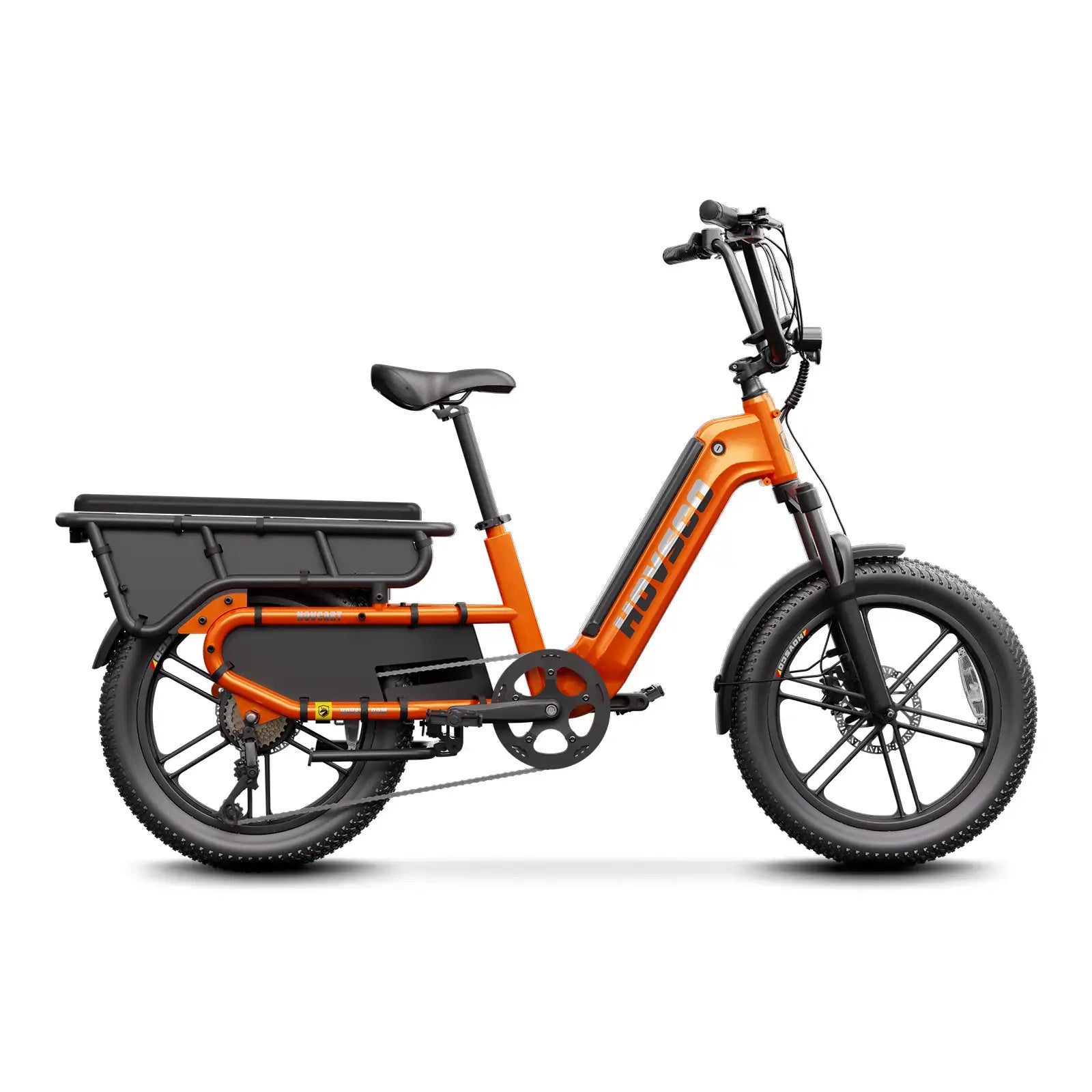
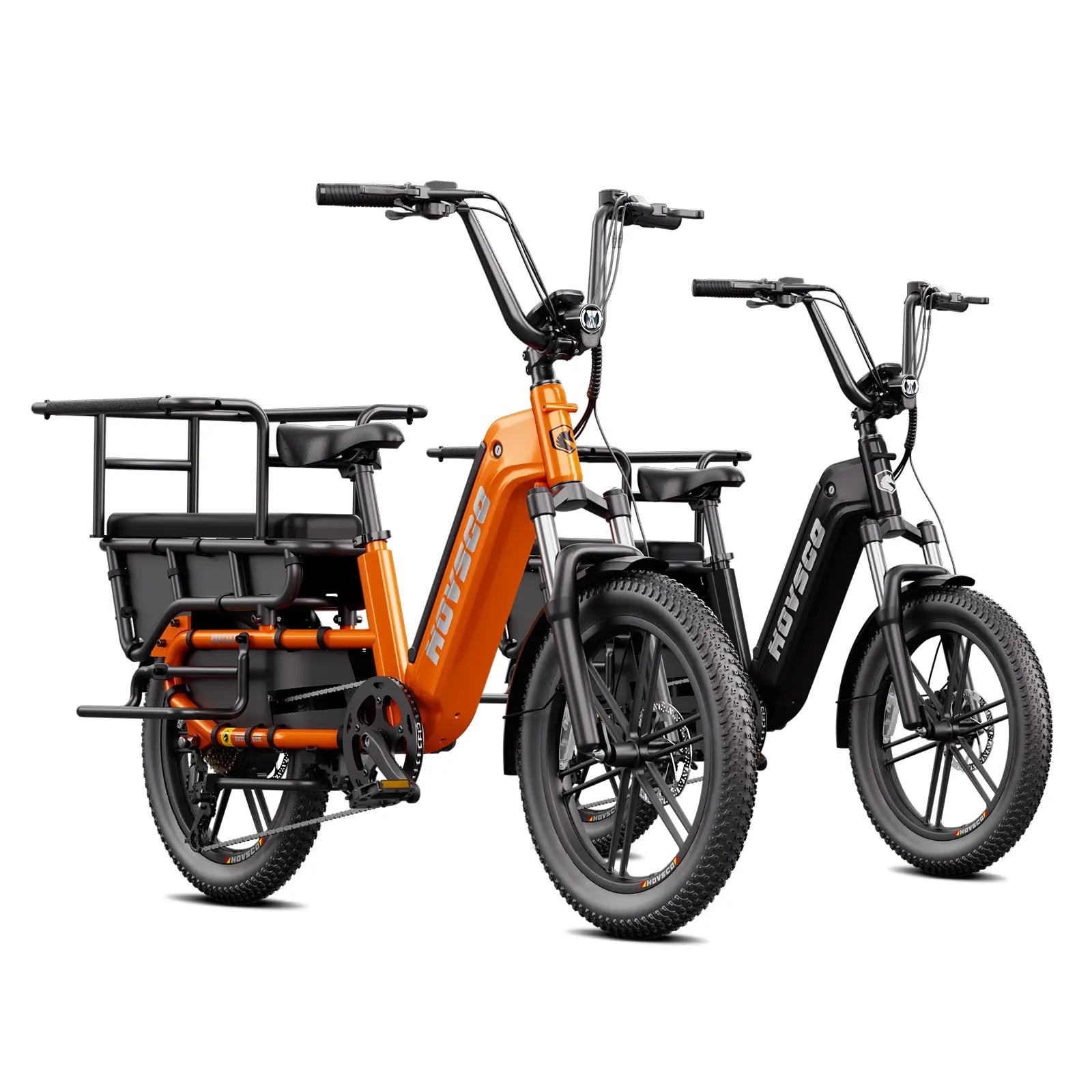
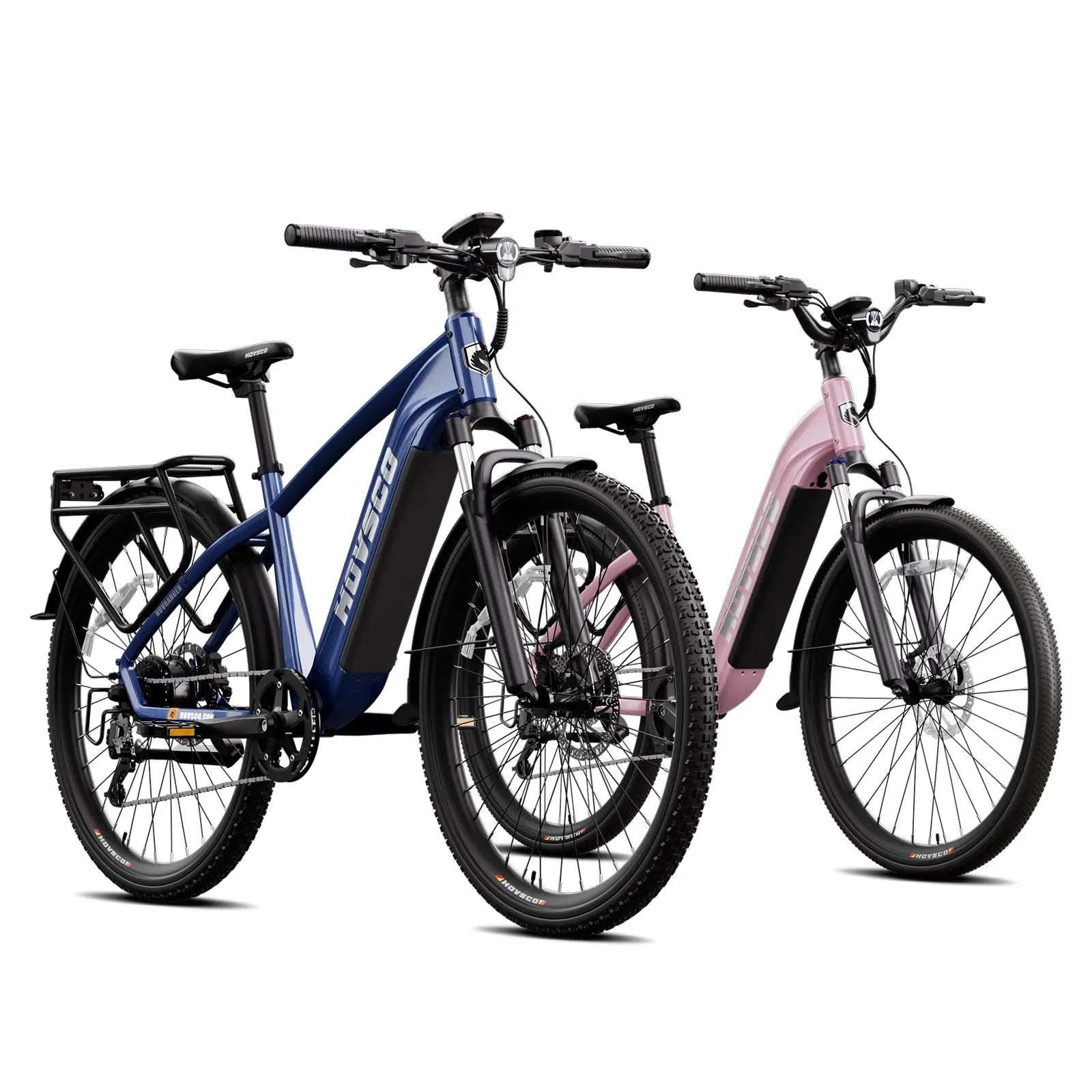
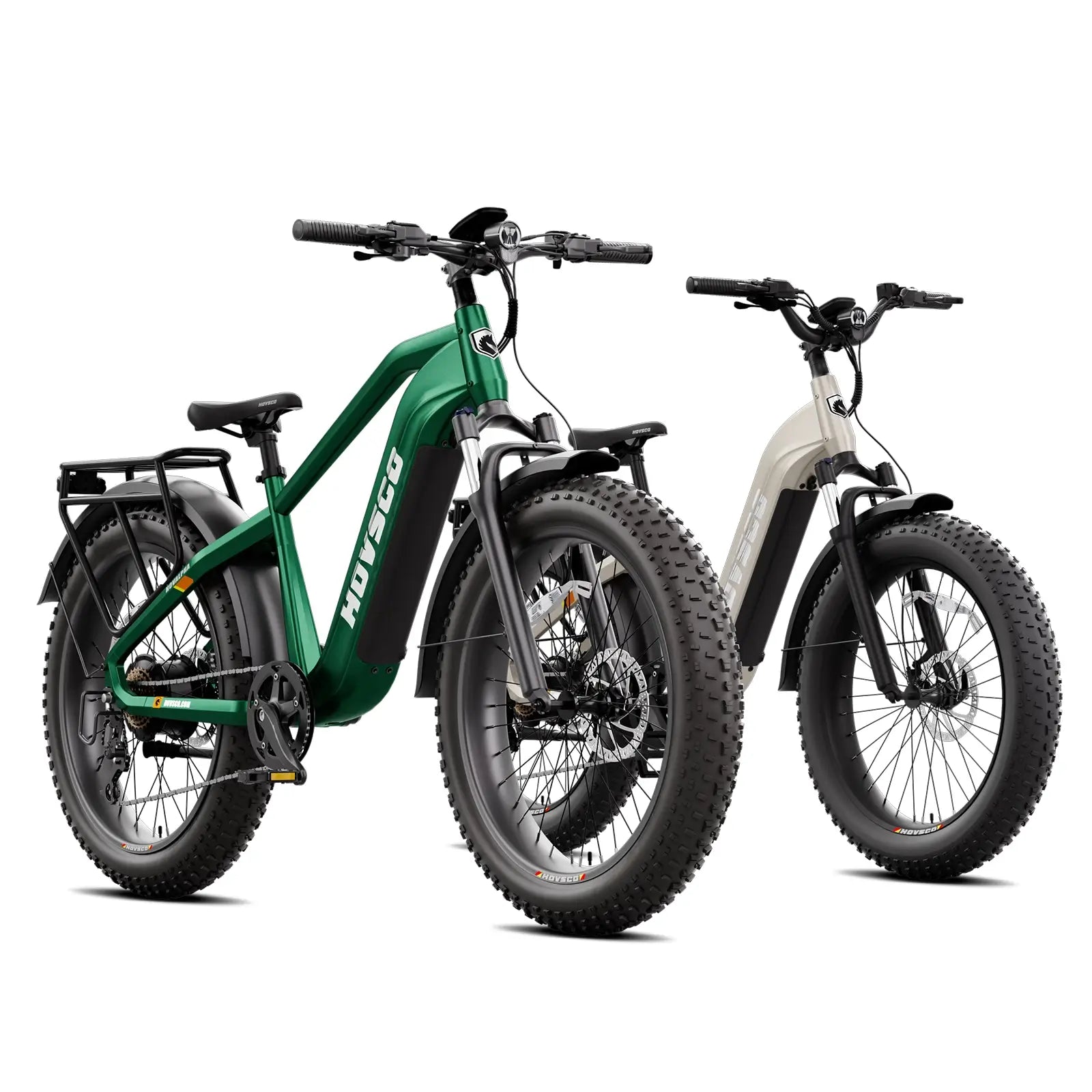
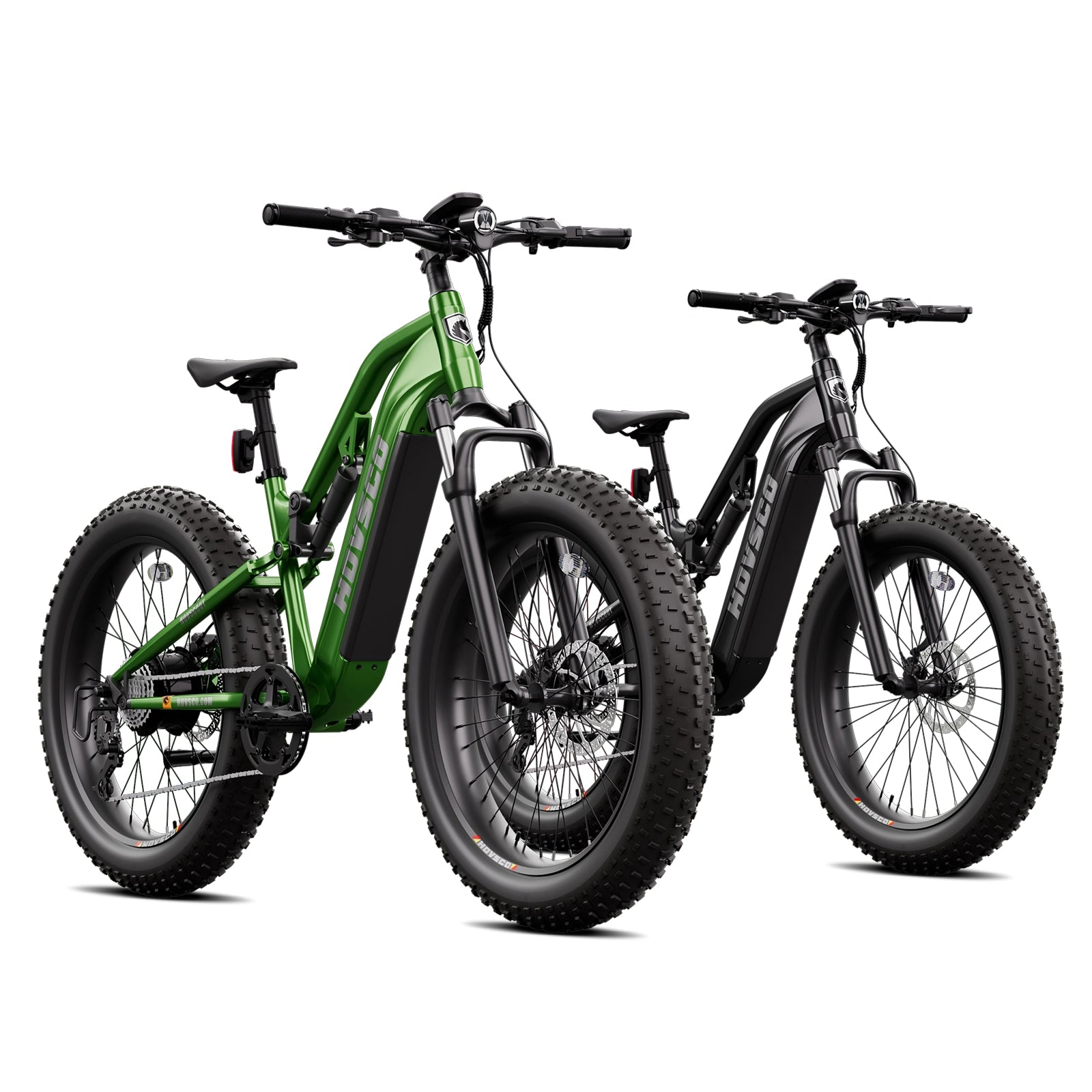
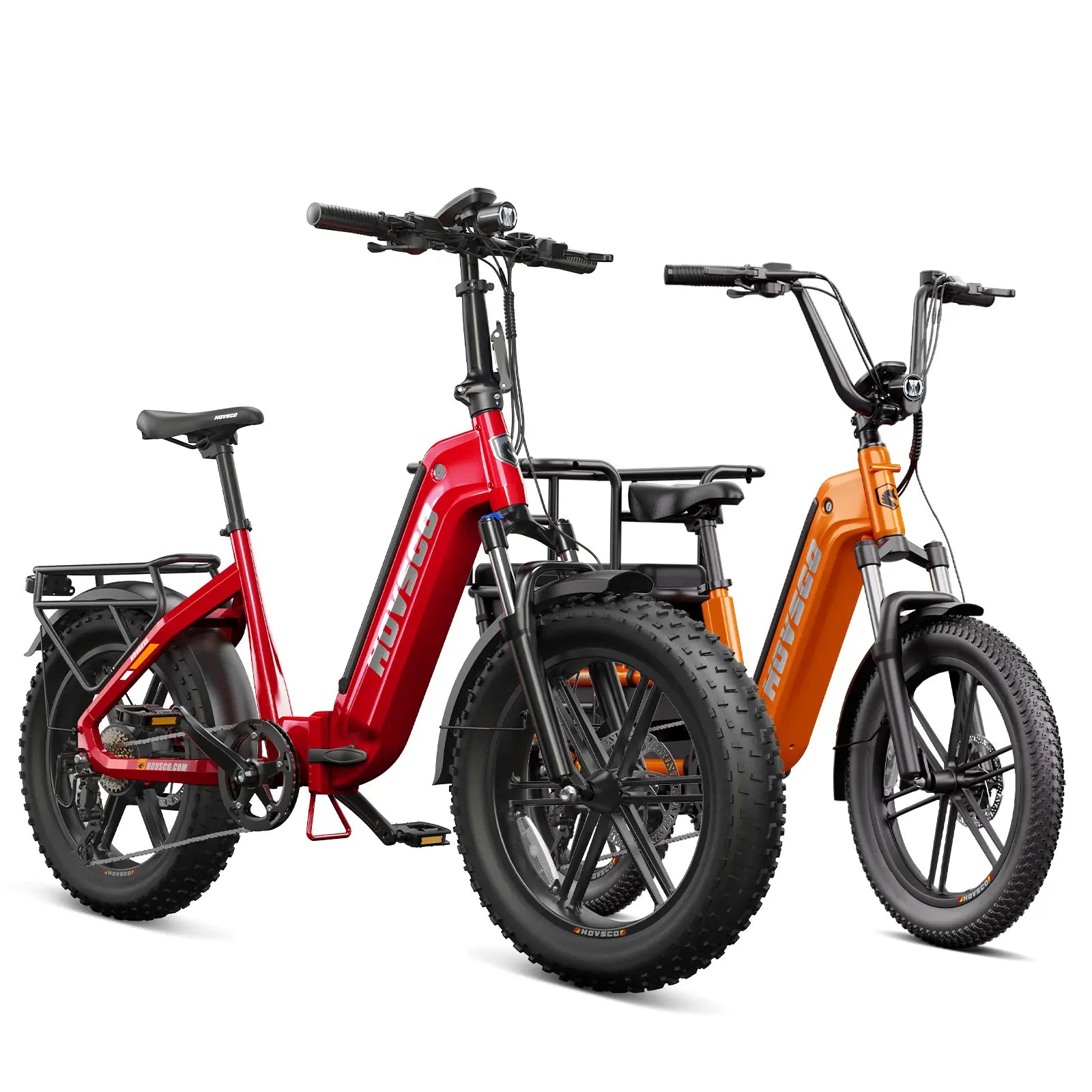
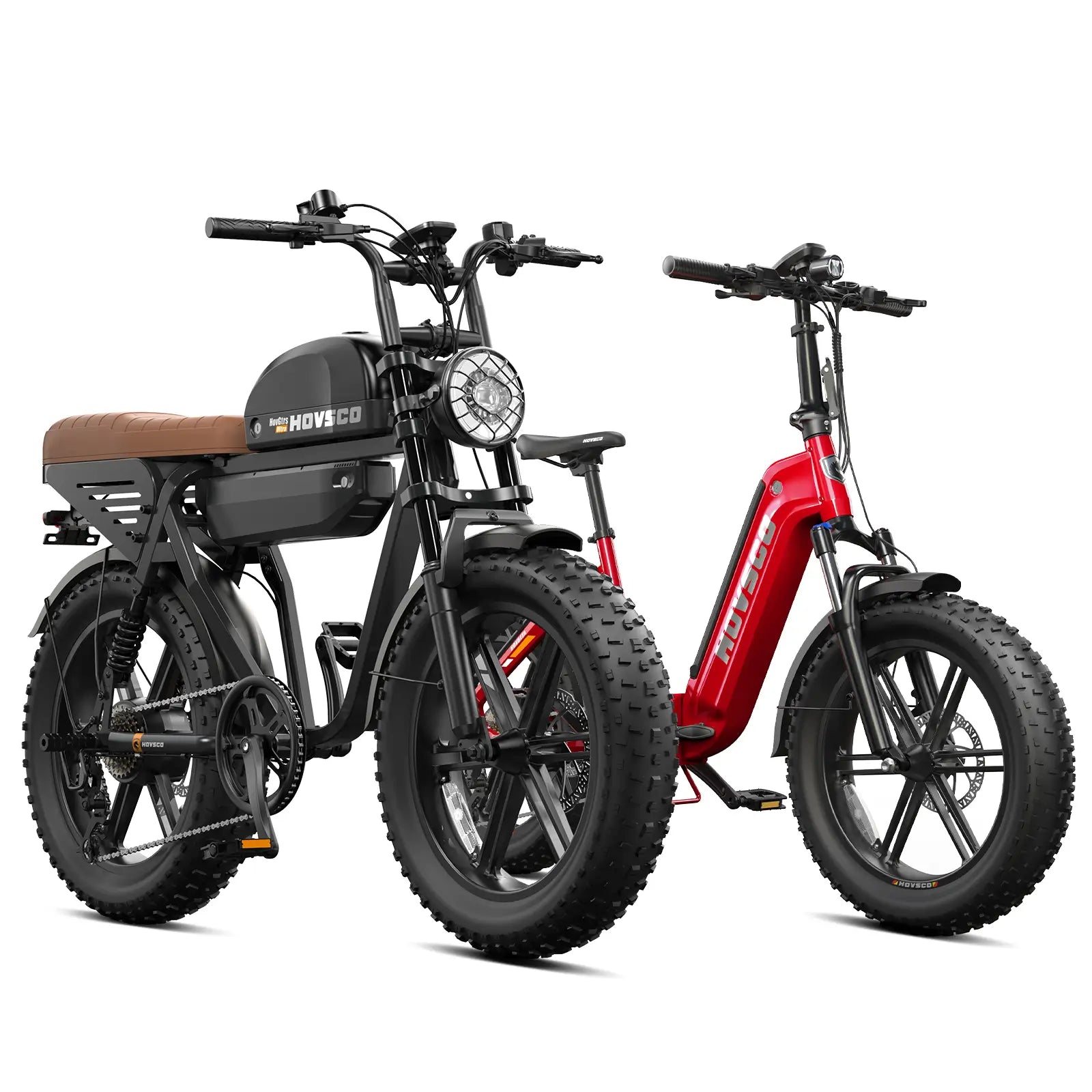
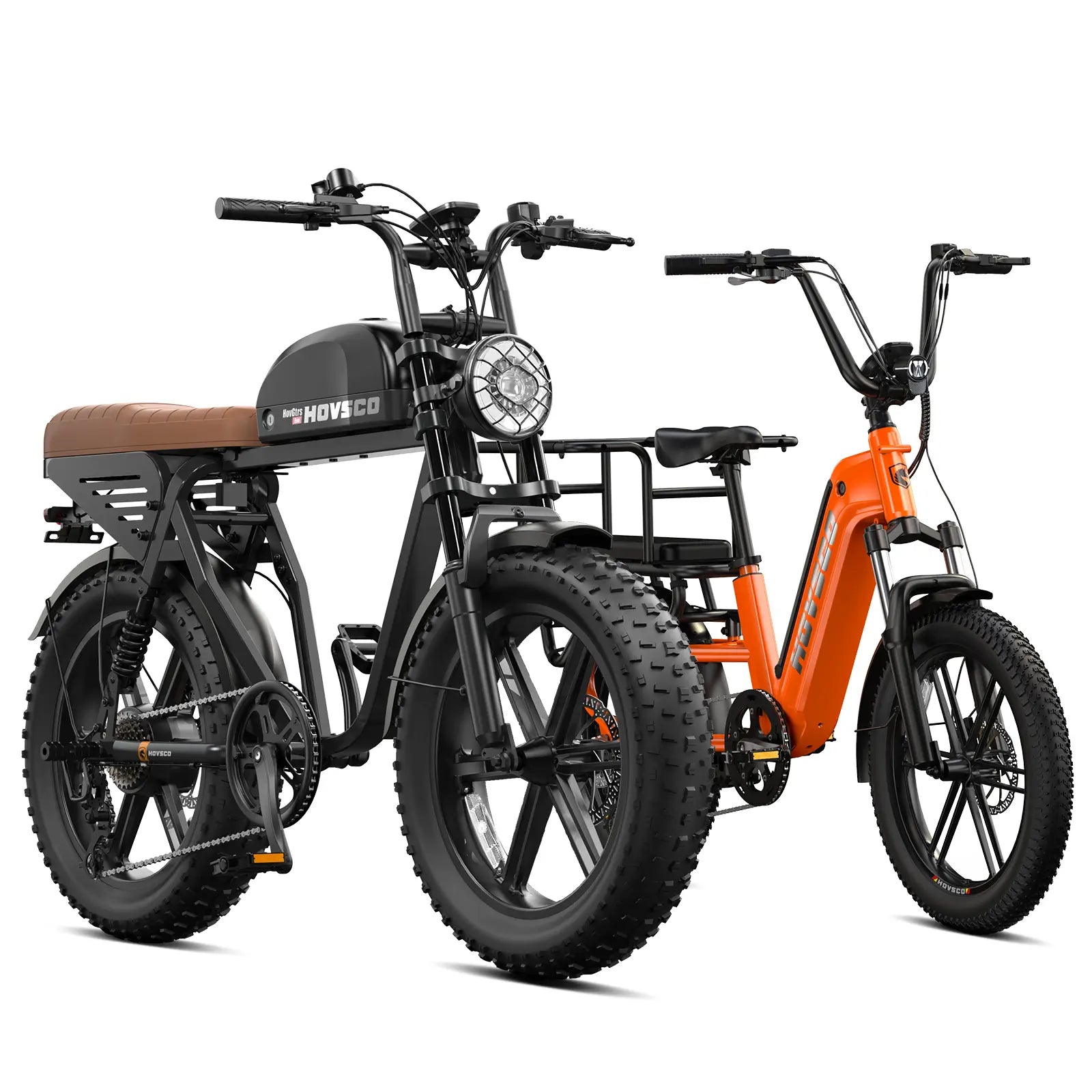
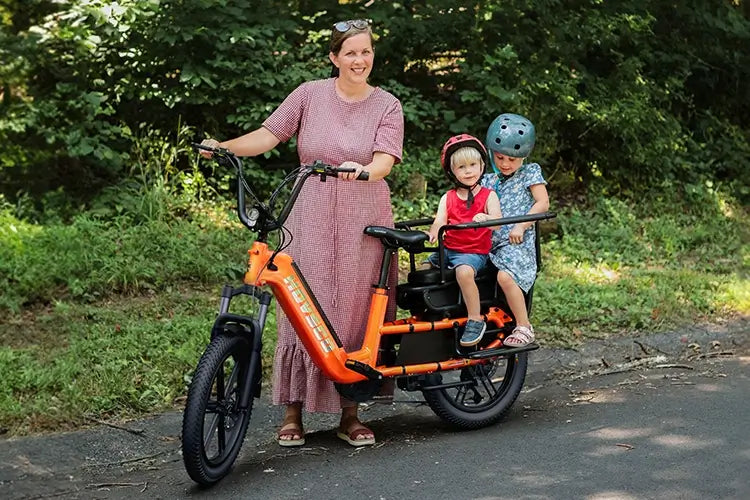
A cargo bike is a reinforced bicycle designed to carry heavy loads, including groceries, children, or parcels, using extended frames, front boxes, or rear racks. Electric versions provide pedal-assist up to 25 km/h and handle loads up to 200kg, making them ideal for sustainable urban transport. HOVSCO cargo bikes combine durability, strong motors, and practical designs for family and delivery use.
A cargo bike is a bicycle engineered to carry significant weight with reinforced structures like front boxes, rear platforms, or longtail frames, supporting 100–400kg. They are essential for city transport, reducing reliance on cars. HOVSCO cargo bikes feature lightweight aluminum frames, removable batteries for 60km range, and versatile designs including longtail, front-box, and tricycles, suited for daily errands or professional logistics with hydraulic brakes and wide tires.
Cargo bikes distribute weight through low frame geometry or, in some models, three wheels. Electric assist uses 250–750W motors that engage when pedaling, with 500–1000Wh batteries providing up to 80km range. Mid-drive motors improve hill climbing, while HOVSCO cargo bikes integrate torque sensors and app connectivity for monitoring. Front-box steering linkages ensure visibility and precise control under heavy loads, enabling safe urban navigation.
| Component | Function | Benefit for Cargo Bike |
|---|---|---|
| Reinforced Frame | Supports 200kg+ | Stable riding with full load |
| Hydraulic Brakes | Strong stopping | Safety under heavy cargo |
| Mid-Drive Motor | High torque | Efficient hill climbing |
| 20–26" Tires | Puncture-resistant | Durable urban performance |
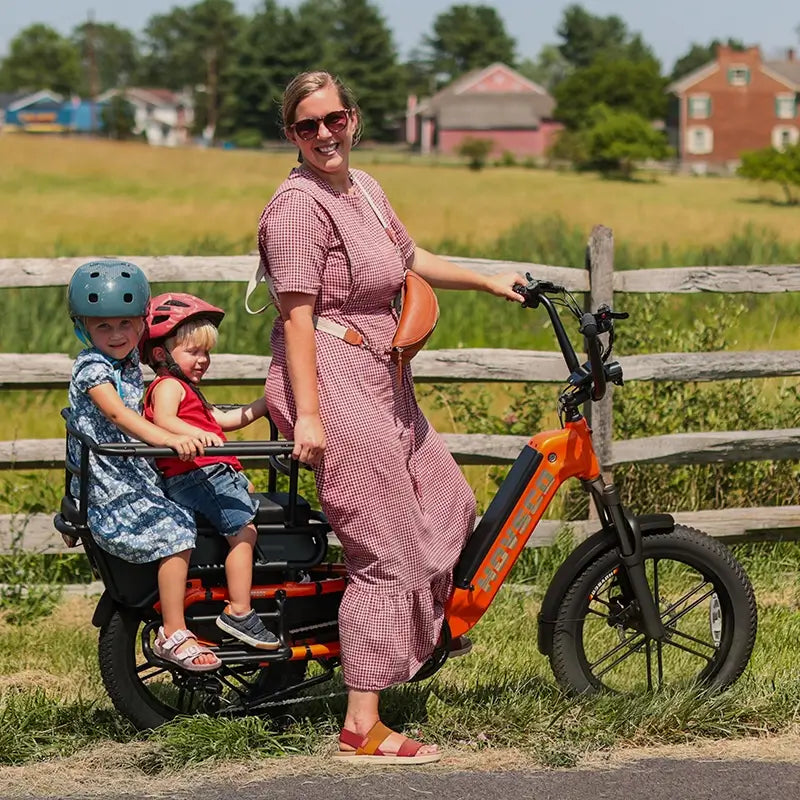
Longtail cargo bikes extend rear frames for children or packages; front-box bikes carry loads in front with visibility. Tricycles maximize cargo volume with three wheels. Electric cargo bikes are most popular for pedal assistance. HOVSCO cargo bikes excel in longtail electrics, offering versatility for family or professional use. Front-box designs provide easy monitoring; tricycles handle massive loads efficiently.
Cargo bikes save fuel and time while avoiding traffic, reducing costs up to 70% compared with cars. Zero emissions make them environmentally friendly. Pedaling actively burns calories, promoting health. HOVSCO cargo bikes support sustainable commuting, with modular racks for grocery trips, deliveries, or school runs.
Child harnesses, cargo nets, retractable canopies, and LED lights enhance usability. Trailers increase carrying capacity. HOVSCO recommends GPS systems and spare batteries for longer rides. Mudguards protect from splashes and debris.
| Accessory | Function | Ideal Use |
|---|---|---|
| Front Box | Kids or parcels | Family errands |
| Rear Platform | Large loads | Deliveries |
| Retractable Canopy | Weather protection | Daily commuting |
Consider load requirements: 150kg for personal use, 300kg+ for professional. Frame height should suit rider (45–55cm for accessibility). 20" wheels allow city maneuvering, 26" wheels offer stability. HOVSCO cargo bikes come in adjustable sizes. Budget 1500–4000€ prioritizing warranty and battery quality.
Inflate tires weekly (40–60 PSI) and lubricate the chain biweekly. Clean cargo areas after wet conditions and inspect brakes monthly. Annual services tune the drivetrain and bearings. HOVSCO cargo bikes provide DIY guides extending service life to 10 years, while electric motors and batteries require regular checks to prevent overload and preserve longevity.
"Cargo bikes transform urban mobility by combining heavy-load capacity with bicycle agility for efficient logistics. Since 2019, HOVSCO has focused on safety and durability, leveraging US oversight and Chinese manufacturing efficiency to produce reliable electric bikes. Our designs empower riders to reduce emissions, enhance fitness, and manage family or professional transport confidently. The HOVSCO community shares insights, fostering practical and enjoyable cargo cycling experiences."
— HOVSCO Innovation Leader (116 words)
Yes, cargo bikes are classified as bicycles. Electric models up to 250W and 25 km/h usually require no license, but local regulations on load and width should be checked. HOVSCO cargo bikes meet European standards and include required reflectors for safety.
Yes, models with 500W+ motors can tackle 15% inclines even when fully loaded. Mid-drive torque optimizes efficiency. HOVSCO cargo bikes feature eco and power modes for adaptable performance on varying terrain.
Cargo bikes offer practical, eco-friendly, and cost-effective urban transport. HOVSCO cargo bikes combine electric assist, reinforced frames, and modular designs for families and professionals. Ensure safe load distribution, use protective gear, and maintain regularly. Join HOVSCO’s community to enhance cycling efficiency and enjoy sustainable rides while reducing car dependency.
Typically 100–400kg; verify frame ratings. Load low for balance and safety.
50–100km per charge depending on terrain and load; dual batteries extend range.
Yes, low frame geometry and harnesses prevent tipping. Front-box models are ideal.
Between 1200–5000€, manual basic models, premium electric bikes with accessories higher.
Reinforced frame, higher load capacity, and electric assist for heavy cargo versus a standard bike built for speed alone.
Share:
Why are longtail cargo bikes ideal everyday haulers?
What Is an eBike with Front Cargo and How Does It Work?