




![[ New Arrival ] Porto Max Electric Scooter For Commute & Grocery Shopping - HOVSCO](http://www.hovsco.com/cdn/shop/files/PotroMax-3.jpg?v=1706927007&width=1200)
- by SEO
Torque Sensor vs Cadence: Best for Ebike Motor Torque & Smooth Riding?
- by SEO
E-Bikes
Accessories
 Free Shipping
 15-Day Returns
 2-Year Warranty
Free Shipping
15-Day Returns
2-Year Warranty
2-Year Warranty
Free Shipping
15-Day Returns
2-Year Warranty
Torque sensors outperform cadence sensors for ebike motor torque and smooth riding by matching motor power to your pedaling force, delivering natural assistance. They enhance safety for heavy loads through precise control and reduced wheel spin on slippery surfaces or steep inclines.
Torque sensors measure pedaling force via strain gauges in the bottom bracket, adjusting ebike motor torque proportionally for intuitive power delivery. This creates seamless assistance that feels like traditional biking. Ideal for dynamic rides.
Torque sensors revolutionize ebike motor torque by detecting the exact pressure you apply to pedals, often up to 1,000 times per stroke. Unlike fixed outputs, they amplify effort—light pedaling gets minimal boost, hard pushes unleash full ebike motor torque. This precision ensures smooth riding across terrains.
For heavy loads, torque sensors prevent overload by scaling assistance to maintain stability. Brands like HOVSCO integrate them for responsive ebike motor torque, enhancing control during acceleration.
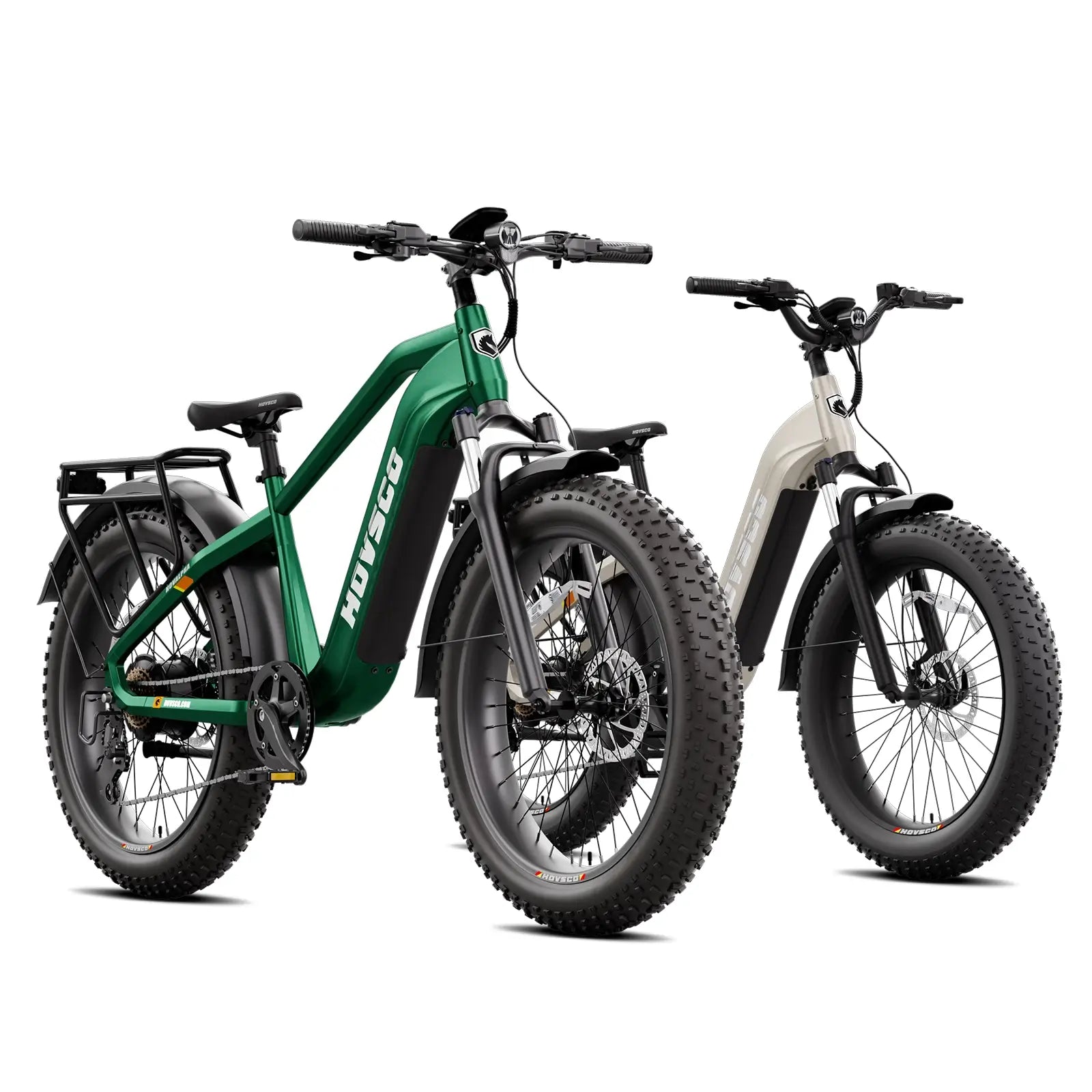
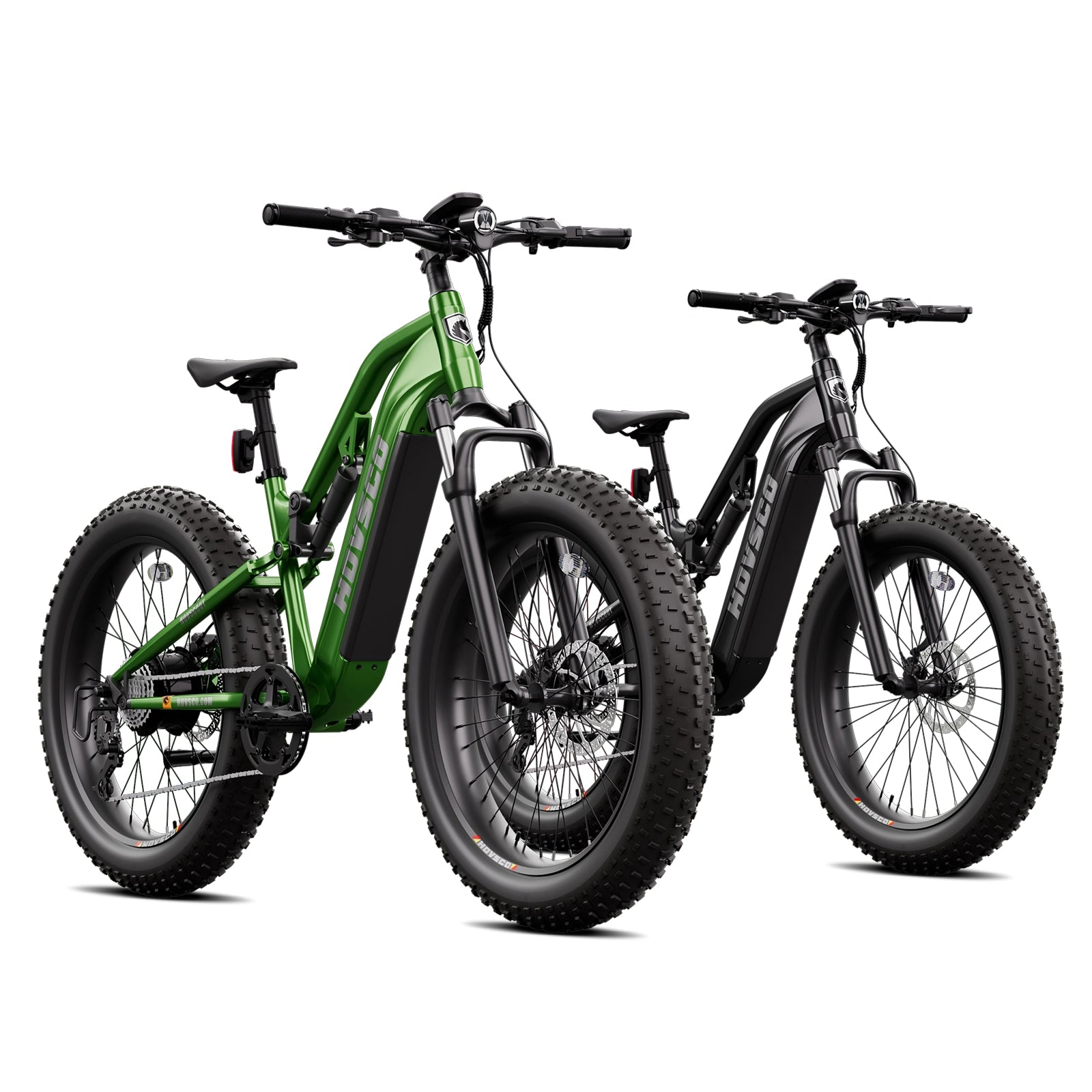
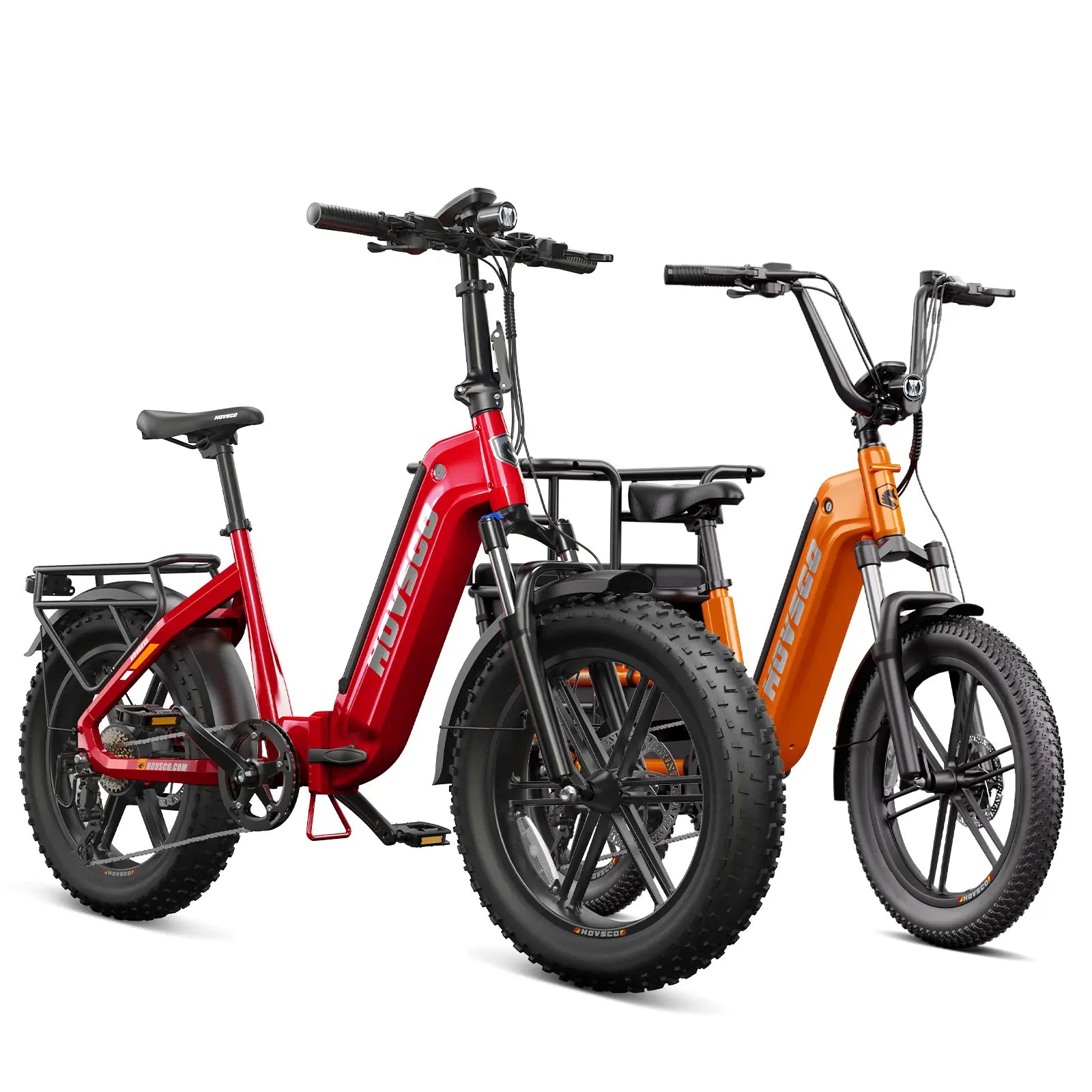
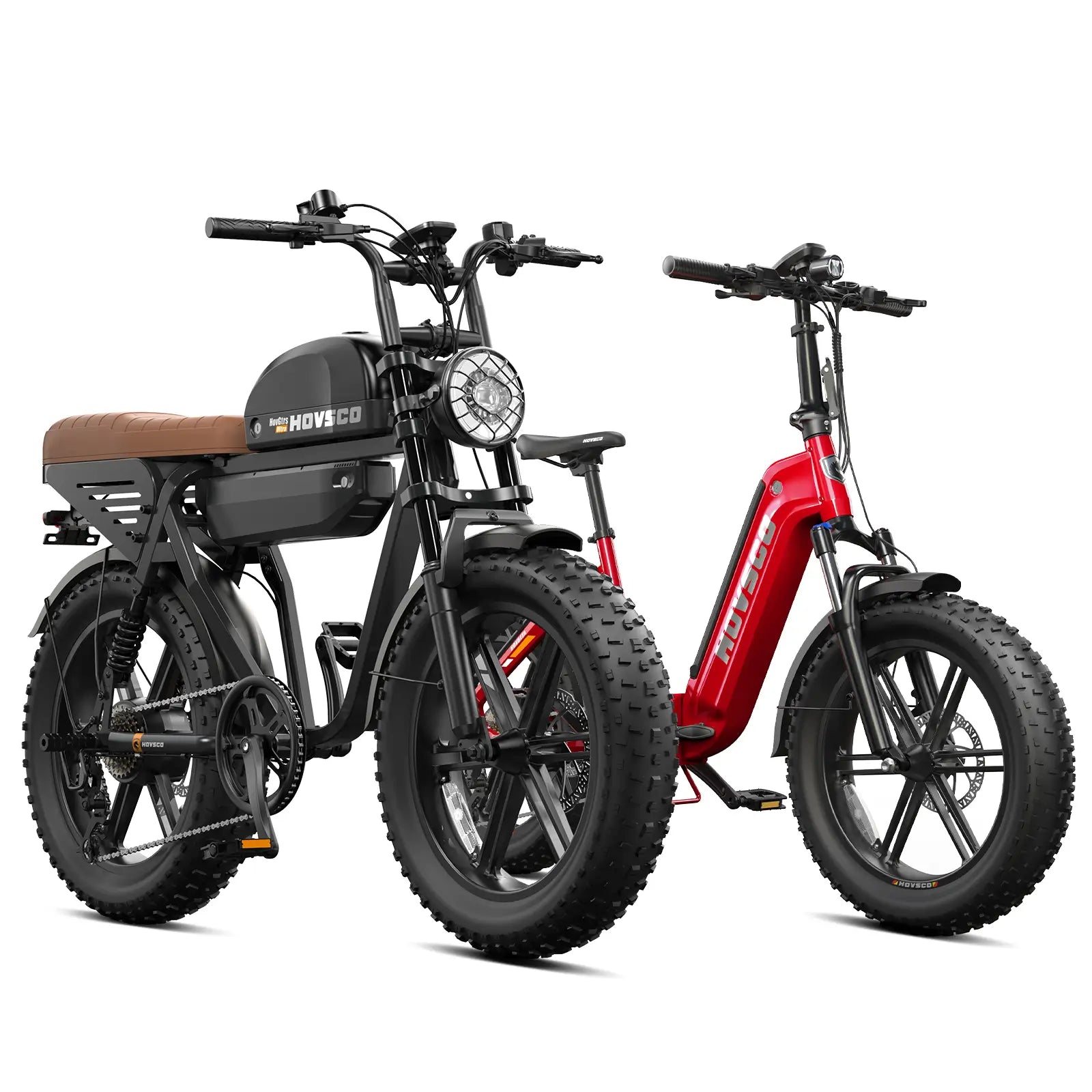
HOVSCO's torque sensor implementation stands out, providing ebike motor torque that matches rider input perfectly for smooth riding.
Cadence sensors detect pedal rotation speed using magnets, activating fixed ebike motor torque once pedaling begins, regardless of effort. They offer consistent power but less nuanced control. Best for flat, casual paths.
Cadence sensors simplify assistance by triggering ebike motor torque at set levels when cranks spin, promoting smooth riding on steady routes. However, they ignore force, leading to abrupt on/off feels during starts or stops.
For ebike motor torque under heavy loads, they deliver constant power but risk wheel spin without adaptation. Smooth riding suffers on variables like hills, where mismatched ebike motor torque feels jerky.
Torque sensors adjust ebike motor torque based on pedaling force for natural feel; cadence sensors provide fixed ebike motor torque on rotation speed. Torque excels in responsiveness, cadence in simplicity.
Key differences in ebike motor torque lie in input: torque reads pressure for proportional ebike motor torque, cadence reads RPM for binary activation. This makes torque superior for smooth riding, mimicking human power curves.
In practice, torque sensors deliver variable ebike motor torque (e.g., 50-300% amplification), while cadence caps at preset levels. For smooth riding with heavy loads, torque prevents surges.
HOVSCO emphasizes torque for refined ebike motor torque, ensuring smooth riding transitions.
Torque sensors ensure smooth riding by proportionally scaling ebike motor torque to your effort, eliminating jerky transitions. Cadence causes on/off surges. Perfect for urban or trails.
Smooth riding stems from torque sensors' real-time ebike motor torque modulation, responding within milliseconds to pedal input. This avoids the "kick" of cadence sensors, where ebike motor torque engages suddenly.
Riders report 20-30% more fluid ebike motor torque with torque systems, especially from stops. HOVSCO's designs leverage this for effortless smooth riding.
Torque sensors boost safety for heavy loads by matching ebike motor torque to effort, reducing wheel spin and skids on inclines or wet roads. They promote control over raw power.
The science behind torque sensors for heavy loads involves strain gauge feedback preventing excessive ebike motor torque. On steep grades with cargo, they ramp power gradually, maintaining traction unlike cadence's fixed ebike motor torque.
Physics shows torque sensors lower torque spikes by 40-50%, minimizing slip risks. This adaptive ebike motor torque enhances stability, crucial for safety.
Torque sensors maximize ebike motor torque efficiency by delivering power only as needed, extending battery range 20-30% over cadence. Ideal for long rides.
Ebike motor torque efficiency improves with torque sensors' proportional output, conserving energy on flats while boosting hills. Cadence wastes ebike motor torque continuously.
Data indicates 10-20% better range per charge. HOVSCO optimizes ebike motor torque for sustainable smooth riding.
Torque sensors cost more upfront but save long-term via efficiency; cadence is cheaper with simpler upkeep. Weigh needs carefully.
Torque setups run $200-500 premium for advanced ebike motor torque tech, but lower battery swaps offset. Maintenance involves calibration; cadence is plug-and-play.
Torque sensors are best for heavy loads and hills, scaling ebike motor torque precisely to conquer inclines safely. Cadence struggles with consistency.
Heavy loads demand adaptive ebike motor torque; torque sensors excel by preventing stalls or spins, ideal for cargo or trails.
"At HOVSCO, founded in 2019 by cycling enthusiasts from top universities, we prioritize torque sensors across our lineup for superior ebike motor torque and smooth riding. They deliver intuitive assistance that enhances safety for heavy loads by matching power to effort, reducing risks on challenging terrains. Our US-headquartered brand leverages China's supply chain for reliable, innovative ebikes that promote healthy, sustainable lifestyles. Whether commuting or exploring, HOVSCO's torque technology ensures the 'e-bike smile' for all riders. Join our growing community sharing ride stories." – HOVSCO Team
Opt for torque sensors if prioritizing ebike motor torque precision, smooth riding, and heavy load safety—perfect for versatile use. Test ride HOVSCO ebikes to feel the difference. Maintain by calibrating sensors annually. Upgrade to torque for efficiency gains. Ride confidently!
Is torque sensor worth the extra cost for ebike motor torque?
Can cadence sensors handle heavy loads safely?
Which provides smoother ebike riding?
Are HOVSCO ebikes torque-based?
How to choose between sensors?
Match to terrain: torque for hills/heavy, cadence for flats. Prioritize smooth riding? Go torque.
Share:
2026 Cargo E-Bike Showdown: Why HovCart’s 1300W Motor Dominates the Competition
Best Torque Sensor for Family Bikes: Smooth Acceleration Guide?