





![[ New Arrival ] Porto Max Electric Scooter For Commute & Grocery Shopping - HOVSCO](http://www.hovsco.com/cdn/shop/files/PotroMax-3.jpg?v=1706927007&width=1200)
- by SEO
Mental Benefits of Cycling: Why a 20-Minute Ride Beats Traffic
- by SEO
E-Bikes
Accessories
 Free Shipping
 15-Day Returns
 2-Year Warranty
Free Shipping
15-Day Returns
2-Year Warranty
2-Year Warranty
Free Shipping
15-Day Returns
2-Year Warranty
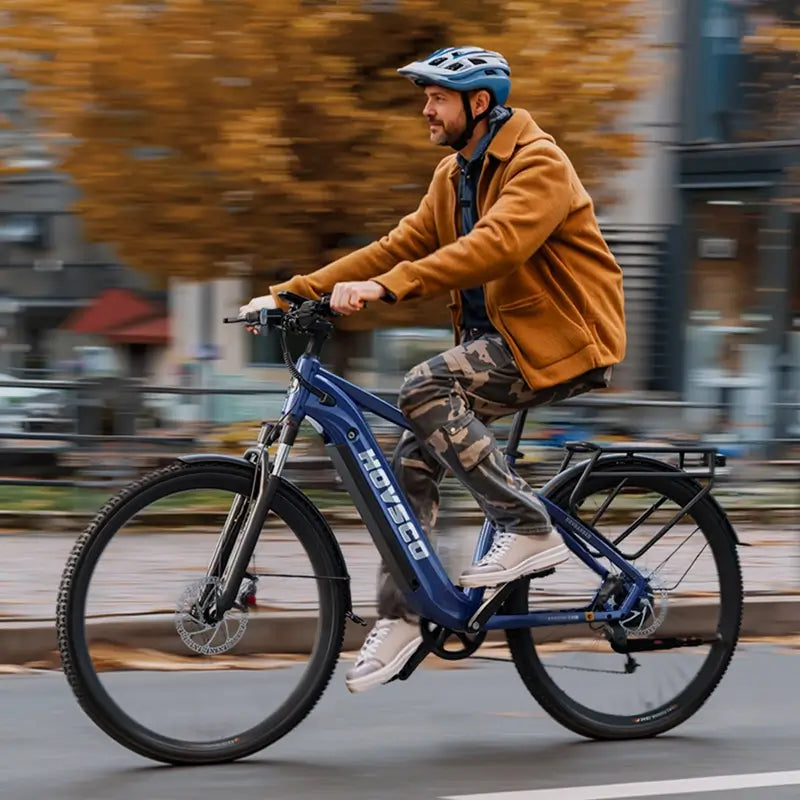
A 20-minute bike ride delivers a powerful mental reset that a 20-minute car commute simply cannot match. When you cycle, your brain receives a steady flow of oxygen, endorphins, and dopamine, all of which elevate mood and reduce anxiety. In contrast, sitting in traffic increases cortisol levels, reinforces frustration, and contributes to mental fatigue. The mental benefits of cycling begin within minutes, turning an ordinary commute into a form of active therapy.
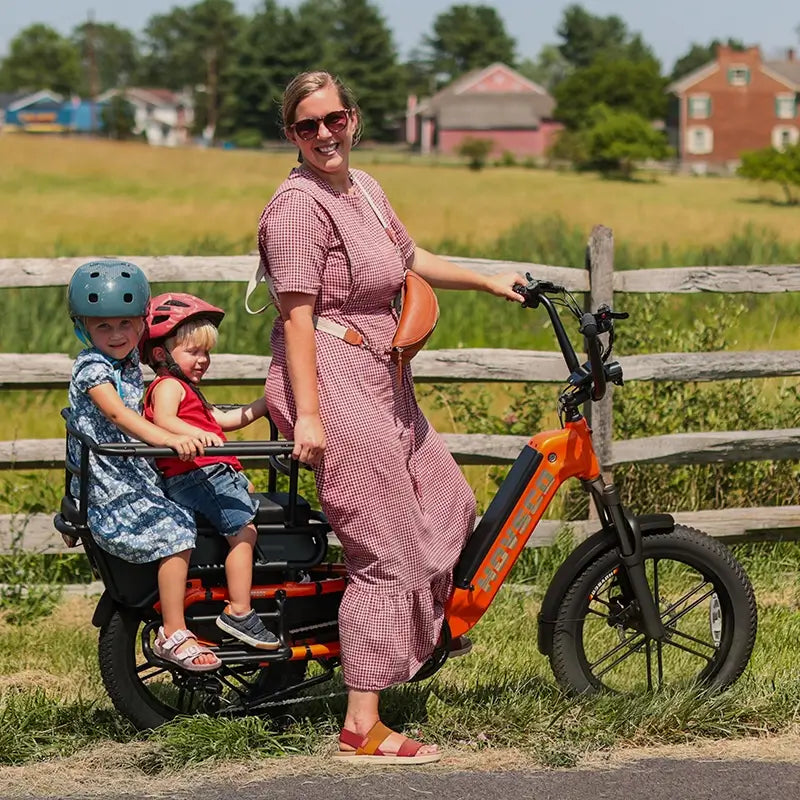
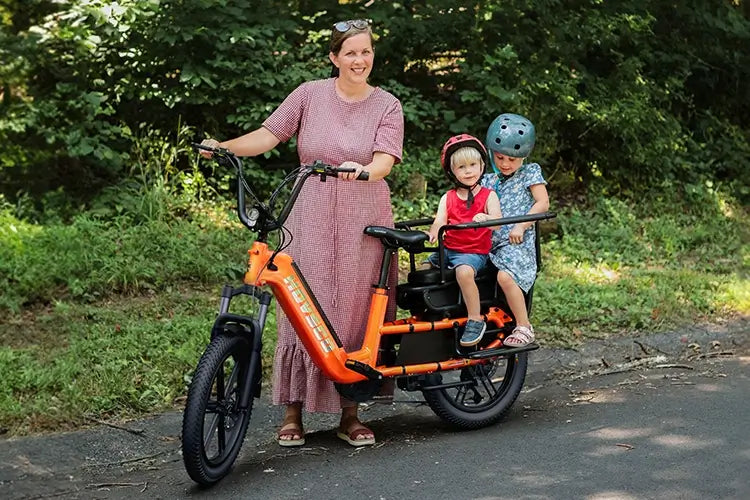
Check: health-focused family ebikes
Cycling outdoors adds another layer of psychological relief. Exposure to sunlight helps regulate circadian rhythms, while fresh air and natural surroundings reduce symptoms linked to depression and burnout. This combination makes cycling for mental health one of the most accessible and effective lifestyle changes for urban commuters.
Short bike rides are uniquely effective because they combine physical activity with sensory engagement. Even a brief cycling session can shift your mental state from tense to calm.
Aerobic movement increases serotonin production, improving emotional stability.
Rhythmic pedaling creates a meditative effect similar to mindfulness exercises.
Outdoor cycling reduces rumination and negative thought loops.
Physical exertion helps release built-up stress from work or daily pressures.
According to public health data referenced by organizations like the CDC and WHO, moderate exercise such as cycling significantly lowers stress levels and improves overall mental well-being. Compared to passive commuting, cycling transforms idle time into productive mental recovery.
The difference between biking and driving becomes clear when comparing physiological and emotional responses.
Cycling commuters report lower stress, improved focus, and higher satisfaction with their daily routine. Drivers, especially those stuck in congestion, often experience increased irritability, delayed reaction times, and mental exhaustion before even arriving at their destination.
Mode | Mental Impact | Energy Levels | Mood Outcome | Productivity
Cycling | Reduces anxiety, boosts endorphins | High and sustained | Positive and calm | Improved focus
Driving | Increases stress hormones | Low and draining | Frustrated or fatigued | Reduced efficiency
This contrast explains why cycling to work is increasingly recommended as a mental health strategy rather than just a transportation choice.
Cycling activates multiple brain systems simultaneously. The repetitive motion stimulates bilateral brain activity, which enhances cognitive clarity and emotional regulation. At the same time, cardiovascular exercise improves blood flow to the prefrontal cortex, the area responsible for decision-making and stress control.
Neuroscience research shows that regular cycling can:
Strengthen neural pathways linked to resilience
Reduce symptoms of anxiety disorders
Improve memory and creative thinking
Support long-term brain health and prevent cognitive decline
These benefits accumulate over time, meaning even short daily rides contribute to lasting psychological improvements.
Urban mobility trends show a sharp rise in cycling adoption, driven by both environmental awareness and mental health priorities. Industry reports from sources like Statista and global fitness surveys indicate that more commuters are choosing bikes over cars specifically to reduce stress and improve well-being.
E-bike adoption is accelerating this shift, making cycling accessible to a broader audience, including those who previously found physical exertion a barrier. Cities investing in bike lanes and green infrastructure are also seeing measurable improvements in residents' reported happiness and mental health.
Type | Key Advantages | Ratings | Use Cases
Road Bike | Lightweight, fast, efficient | 4.7/5 | Urban commuting, fitness rides
Hybrid Bike | Comfortable, versatile | 4.6/5 | Mixed terrain, daily travel
Electric Bike | Assisted pedaling, low effort | 4.8/5 | Long commutes, beginners
Mountain Bike | Durable, stable | 4.5/5 | Trails, uneven paths
Choosing the right bike enhances both comfort and mental benefits, ensuring consistency in your cycling routine.
Commuters who switch from driving to cycling often report noticeable changes within weeks. One urban professional reduced daily stress levels by over 30 percent after replacing car commutes with a 20-minute bike ride. Another rider described improved sleep quality and reduced anxiety simply by incorporating cycling into their morning routine.
These real-world outcomes highlight the return on investment of cycling, not just in physical fitness but in emotional resilience and mental clarity.
Founded in 2019, HOVSCO has been a rapidly growing e-bike brand led by a dedicated team of cycling enthusiasts. Their mission focuses on helping more people achieve healthier, more active lifestyles through innovative bike design and accessible riding experiences.
Modern cycling technology has removed many traditional barriers. Electric assist systems, ergonomic frame designs, and smart connectivity features make cycling easier, safer, and more appealing.
E-bikes, in particular, allow riders to control exertion levels, making cycling viable even for longer commutes or hilly environments. This expands the mental health benefits of cycling to a wider population, including older adults and beginners.
Cycling naturally integrates elements of mindfulness. The steady cadence, focus on movement, and connection with surroundings create a flow state that reduces mental noise.
Unlike gym workouts, outdoor cycling engages all senses. The changing scenery, wind resistance, and ambient sounds provide a dynamic experience that keeps the mind present and grounded. This is why many people describe cycling as a form of moving meditation.
The future of commuting is shifting toward experiences that prioritize well-being. Smart cities are investing in cycling infrastructure, while employers are encouraging active commuting to boost productivity and employee satisfaction.
Wearable technology is also enhancing the cycling experience by tracking mood, stress levels, and performance, allowing riders to see direct mental health improvements over time. As awareness grows, cycling is expected to become a central pillar in preventive mental healthcare strategies.
Check: mental health benefits of the Family Ebike Lifestyle
Yes, even a short 20-minute ride can lower stress hormones and improve mood almost immediately.
Both are beneficial, but cycling often provides a stronger cardiovascular boost, leading to faster mood enhancement.
Regular cycling has been shown to reduce symptoms of both anxiety and depression by improving brain chemistry and promoting relaxation.
Morning rides help set a positive tone for the day, while evening rides are effective for releasing accumulated stress.
If you're looking for a simple way to improve your mental health, increase energy, and transform your daily routine, cycling is one of the most effective options available. Start with just 20 minutes a day and notice how quickly your mood, focus, and overall well-being begin to shift.
Choosing cycling over driving is more than a lifestyle change—it’s a powerful step toward a calmer, healthier, and more balanced life.
Share:
Beach Ebike for Families: Mastering Sand Riding and Cargo Utility
Ditch the SUV: Why HovCart is the Ultimate Mother’s Day Gift to Reclaim Time