



![[ New Arrival ] Porto Max Electric Scooter For Commute & Grocery Shopping - HOVSCO](http://www.hovsco.com/cdn/shop/files/PotroMax-3.jpg?v=1706927007&width=1200)
- by EO S
Is a delivery bicycle the smartest upgrade for modern urban delivery?
- by EO S
E-Bikes
Accessories
 Free Shipping
 15-Day Returns
 2-Year Warranty
Free Shipping
15-Day Returns
2-Year Warranty
2-Year Warranty
Free Shipping
15-Day Returns
2-Year Warranty
A delivery bicycle offers urban couriers and small businesses an efficient, cost-saving, and eco-friendly way to complete deliveries. Electric delivery bikes and cargo bikes carry heavier loads with less effort, reduce emissions, and navigate traffic faster than cars on short urban routes. By combining durability, cargo capacity, and electric assist, they transform last-mile logistics into a flexible, reliable solution for food, parcel, and local service delivery.
A delivery bicycle is built for commercial use, emphasizing cargo safety, frame strength, and durability. Unlike regular bikes, they feature reinforced frames, integrated racks, and often electric assist to handle heavy loads over long shifts. Braking, stability, and rider comfort are prioritized over speed, making these bikes ideal for dense urban delivery networks. HOVSCO designs focus on utility, reliability, and ergonomics to ensure consistent performance throughout daily operations.
Traditional delivery bicycles suit lighter loads, short routes, and tight budgets, while electric delivery bicycles excel for heavier cargo, long shifts, and hilly terrain. Evaluate your daily mileage, terrain, and delivery volume to decide which type maximizes efficiency and return on investment. HOVSCO recommends electric models for businesses seeking faster deliveries with reduced rider fatigue, balancing power, range, and cost-effectiveness for modern city logistics.
Key considerations include frame durability, cargo capacity, braking power, rider comfort, and weather-resistant components. For electric models, motor torque, battery capacity, and range are essential. A reinforced frame with rack mounts, high-capacity hydraulic brakes, puncture-resistant tires, and integrated lighting ensures safe and reliable performance. HOVSCO prioritizes these features to produce dependable bicycles capable of handling daily urban delivery demands.
| Feature | Importance for delivery |
|---|---|
| Payload rating | Supports heavy boxes, parcels, and groceries without stress |
| Brake type | Hydraulic discs ensure reliable stopping in urban traffic |
| Motor power/torque | Enables efficient climbing and acceleration with full loads |
| Battery capacity (Wh) | Determines deliveries per charge and overall operational range |
| Tire width & puncture protection | Enhances stability and reduces downtime |
Match frame size to rider height and ergonomics, then select racks, boxes, and bags according to your load. Maintain balanced weight distribution to preserve stability and control. Use rear racks for heavier cargo, front baskets for frequently accessed items, and modular HOVSCO-compatible setups to quickly switch between food, parcel, or grocery deliveries, optimizing efficiency across different assignments.
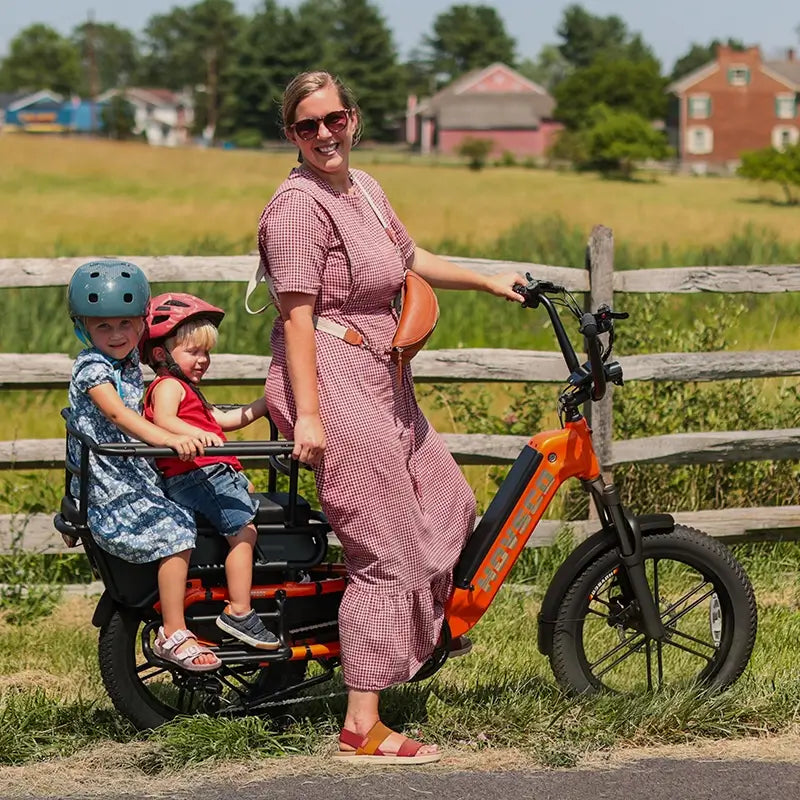
Electric cargo bikes combine high payload capacity with maneuverability, outperforming small vans in short urban routes. They reduce fuel costs, minimize parking challenges, and cut emissions. HOVSCO designs prioritize low centers of gravity, sturdy frames, and reliable motors, ensuring riders can navigate dense streets quickly and safely while carrying larger loads, making them ideal for modern city logistics programs.
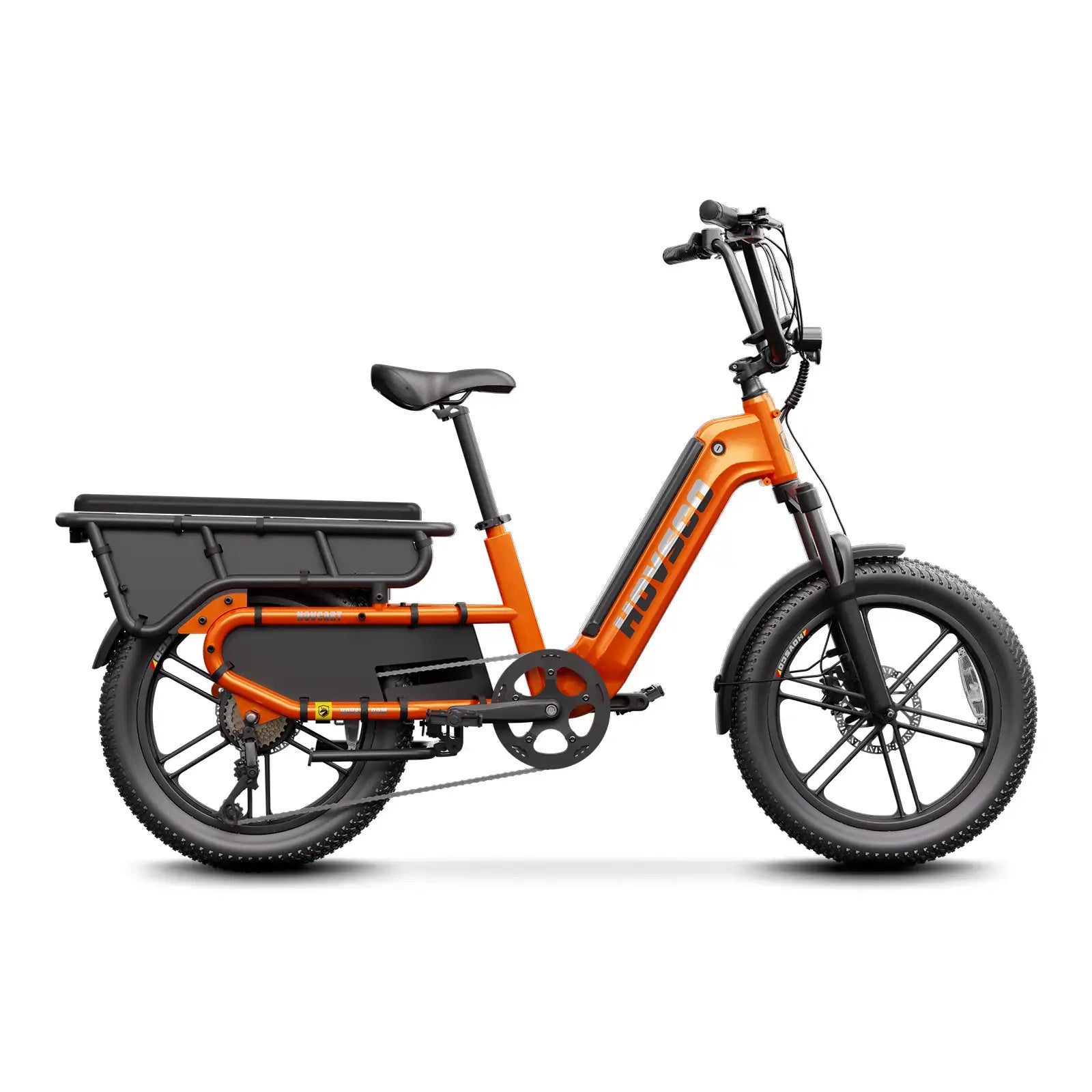
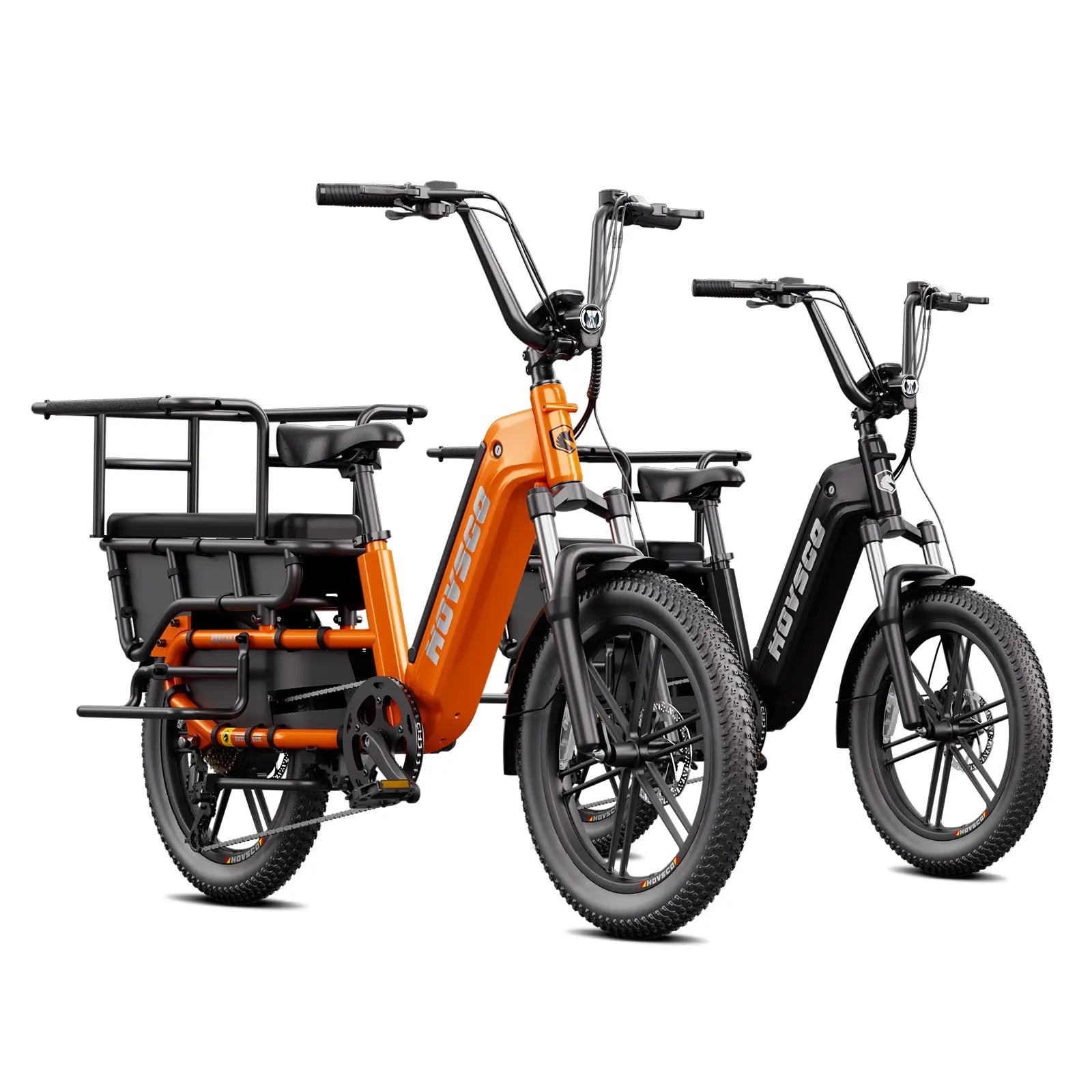
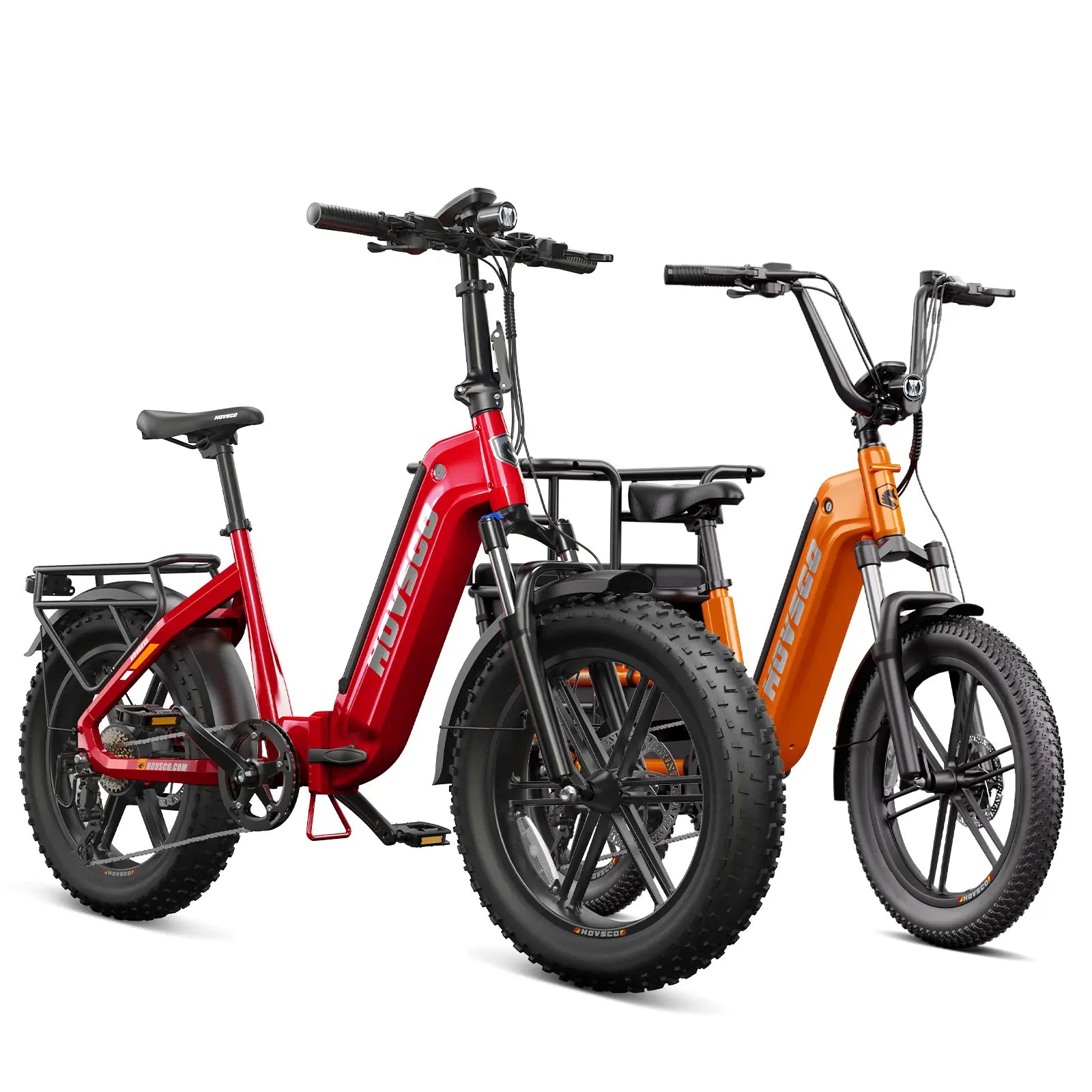
Delivery bicycles include standard bikes with racks, long-tail cargo bikes, front-loader (bakfiets) cargo bikes, and compact utility e-bikes. Selection depends on cargo volume, route density, parking constraints, and budget. HOVSCO utility e-bikes balance cargo capacity with nimble handling, meeting diverse urban delivery requirements.
| Type | Typical payload | Best for |
|---|---|---|
| Standard bike + rear rack | Up to ~25 kg | Light food runs, small parcels |
| Long-tail cargo e-bike | 80–200+ kg | Mixed parcels, groceries, multi-stop routes |
| Front-loader cargo e-bike | High-volume cargo | Groceries, bulk boxes, combined family/cargo |
| Compact utility e-bike | 50–150 kg | Tight streets, urban dispatch, flexible loads |
Delivery bicycles increase deliveries per hour, lower fuel and parking expenses, and reduce maintenance compared to cars. Electric models, such as those from HOVSCO, allow riders to maintain higher average speeds with less fatigue, enabling longer shifts and more deliveries, ultimately improving profitability while decreasing environmental impact.
Operators must comply with local traffic laws, e-bike classifications, helmet regulations, and speed limits. Proper cargo mounting, reflective clothing, and lighting are essential for safety. HOVSCO recommends certified batteries and electrical systems, along with routine safety checks, to prevent accidents and maintain reliable daily operations.
Use reflective gear, bright lights, and grippy tires for maximum visibility and control. Adjust speed and braking distances in rain or snow, and maintain smooth, predictable movements. HOVSCO bikes feature wide tires, hydraulic brakes, and ergonomic geometry to enhance safety and confidence across variable urban conditions.
Premium delivery bicycles pay off for riders with regular, heavy workloads. Superior frames, motors, and batteries reduce maintenance, prevent breakdowns, and improve uptime. Investing in quality electric bicycles from HOVSCO ensures reliable performance, safer handling, and more completed deliveries, generating long-term financial and operational benefits.
Independent couriers, restaurant delivery teams, grocery and pharmacy services, and local retailers gain flexibility, cost savings, and faster delivery cycles. Electric cargo bikes from HOVSCO allow small teams to operate low-emission, professional fleets without relying on vans or specialized drivers, improving service quality and expanding reach in urban areas.
“Delivery bicycles are not just bikes; they are efficient urban logistics solutions. A carefully engineered frame, reliable electric system, and purpose-built cargo setup enable riders to convert city congestion into an advantage. HOVSCO’s electric delivery bicycles allow higher daily order volumes, lower stress levels, and consistent performance year-round, proving that thoughtful design directly translates to business efficiency.”
Regular inspections, tire pressure checks, brake adjustments, and battery care prevent breakdowns and downtime. Smart charging routines, including mid-shift top-ups, keep electric bicycles ready for full-day operations. HOVSCO emphasizes durable components and modular battery systems to simplify maintenance and ensure uninterrupted delivery performance.
Yes, ergonomics, frame geometry, and vibration reduction impact comfort and reduce overuse injuries. Upright riding positions, adjustable stems and saddles, and wide tires minimize strain on wrists, back, and knees. HOVSCO designs prioritize ergonomic layouts, making daily delivery work sustainable and physically manageable for long-term riders.
A well-planned delivery bicycle program can replace cars for short, dense urban routes, integrating with inventory, routing, and communication systems. Assign electric cargo bikes to high-density zones and track efficiency over time. HOVSCO’s modular solutions support scalable fleets, helping businesses optimize delivery speed, cost, and environmental impact.
Start by evaluating route length, load size, and budget. Test traditional and electric delivery bicycles, ensuring adequate payload capacity, braking performance, and rider comfort. Use stable racks and modular cargo systems suited to your deliveries. Partnering with HOVSCO, investing in training, and maintaining consistent safety practices ensures your delivery bicycle becomes a reliable, profitable, and low-emission solution for urban logistics.
Most urban delivery bicycles perform best with total payloads between 100 and 200 kilograms, including rider and cargo. Heavier loads require reinforced frames, powerful brakes, and careful weight distribution to maintain safe handling.
Yes, especially for short-range city routes. Delivery bicycles and electric cargo bikes navigate traffic efficiently, park close to customers, and significantly reduce fuel and parking expenses.
Electric bicycles cost more than basic pedal bikes but far less than cars. Routine maintenance includes tires, brake pads, chains, and battery checks, while eliminating fuel and engine servicing expenses.
Depending on battery size, motor efficiency, and load, real-world range per charge typically spans 30–80 kilometers. Higher-capacity batteries or spare packs allow riders to complete long shifts without downtime.
A nimble electric utility or long-tail cargo bike with sturdy racks and insulated bags is ideal. It handles frequent stops, preserves food quality, and maintains stable handling for multiple orders at once.
Share:
How can you choose the best cargo bicycle frame?
How can you choose the best cargo bicycle frame?