









![[ New Arrival ] Porto Max Electric Scooter For Commute & Grocery Shopping - HOVSCO](http://www.hovsco.com/cdn/shop/files/PotroMax-3.jpg?v=1706927007&width=1200)
- by SEO
How Does 6061 Aluminum Frame Resist Load Under Payload?
- by SEO
E-Bikes
Accessories
 Free Shipping
 15-Day Returns
 2-Year Warranty
Free Shipping
15-Day Returns
2-Year Warranty
2-Year Warranty
Free Shipping
15-Day Returns
2-Year Warranty
6061 aluminum resists load because it combines high stiffness, strong weldability, and smart frame geometry with payload engineering. In an e-bike, the real secret is not only the alloy itself but how tube shapes, weld placement, gussets, and reinforcement zones spread force before flex becomes noticeable. The result is a frame that feels stable under cargo, commuting, and hard braking.
Check: aluminum frame cargo bikes
6061 aluminum is a heat-treated alloy widely used for bicycle frames because it balances strength, weight, corrosion resistance, and manufacturability. In plain terms, it gives engineers enough structural margin to build a frame that is light enough to ride well but stiff enough for real-world use.
From a production standpoint, I trust 6061 aluminum when I need predictable welding behavior and consistent post-weld performance. That matters because a good frame is not just strong in a lab test; it must stay aligned after thousands of load cycles, potholes, and rack-mounted cargo.
Bike geometry reduces flex by controlling where force enters the frame and how far it travels before being dissipated. A longer wheelbase, properly tuned head tube angle, and reinforced rear triangle all help the bike resist twist under load.
The most important detail is not “stiffness everywhere.” That sounds good in marketing, but it is not how practical frames are built. A well-designed frame has stiffness in the right places and controlled compliance where the rider needs comfort and traction. That is one of the design principles we emphasize at HOVSCO.
Payload engineering matters because cargo, rider weight, battery mass, and accessories all create different force paths in the frame. If you only design for static weight, the bike may look fine on paper and still feel vague or unstable on the road.
In my experience, payload engineering starts with the worst-case scenario: a heavy rider, sudden braking, a curb impact, and a loaded rear rack. That is where many frames reveal weak seat tube interfaces or over-thin down tubes. A robust design anticipates those moments instead of reacting to them.
Ovalized and hydroformed tubes usually handle load better than simple round tubing because they can be tuned for directional stiffness. A tube can be made stiffer in one axis and more compliant in another, which is ideal for bike geometry and ride quality.
Here is the practical engineering trade-off:
That trade-off is exactly why many premium utility and cargo platforms use reinforced, shaped 6061 aluminum instead of basic straight tubes.
Welds affect frame strength because they change the metal’s structure locally and create heat-affected zones that are weaker than the parent tube until the frame is properly designed and treated. This is where frame quality is won or lost.
A factory-floor detail many riders never hear: the weld itself is not the whole story. The tube diameter, wall thickness, joint angle, and weld length all determine whether the load gets spread cleanly or concentrated at one point. At HOVSCO, the goal is always to avoid “sharp” stress transitions that lead to crack growth.
Yes, reinforcement zones are often more important than simply making the whole tube thicker. Extra wall thickness adds weight everywhere, but reinforcement can be placed only where load actually peaks.
That distinction matters for ride feel. If you thicken every tube, the bike may become heavier without truly improving durability. If you reinforce the bottom bracket, head tube, rack mounts, and dropout area precisely, you get a better frame with less penalty. That is a smarter approach to load resistance.
Engineers test frames with static load testing, fatigue cycling, torsional testing, and real-world impact simulations. The goal is not only to see whether the frame breaks, but whether it stays straight, responsive, and silent after repeated stress.
A useful internal checklist looks like this:
Check lateral deflection under payload.
Measure torsional twist during sprint-like input.
Simulate braking loads at the front triangle.
Repeat fatigue cycles on rack and dropout zones.
Inspect weld toes for crack initiation.
The best frames pass because their load paths are designed intelligently, not because they are simply overbuilt.
Material temper plays a major role because it determines how the 6061 aluminum behaves after heat treatment and welding. A 6061-T6 frame, for example, is known for higher strength after proper aging, which helps it maintain performance in structural bike applications.
But there is a catch: welding temporarily reduces strength in the heat-affected zone. That means the manufacturing sequence and post-weld process matter as much as the raw alloy. If you ignore the temper side of the equation, you can end up with a frame that is technically 6061 aluminum but still underperforms in the real world.
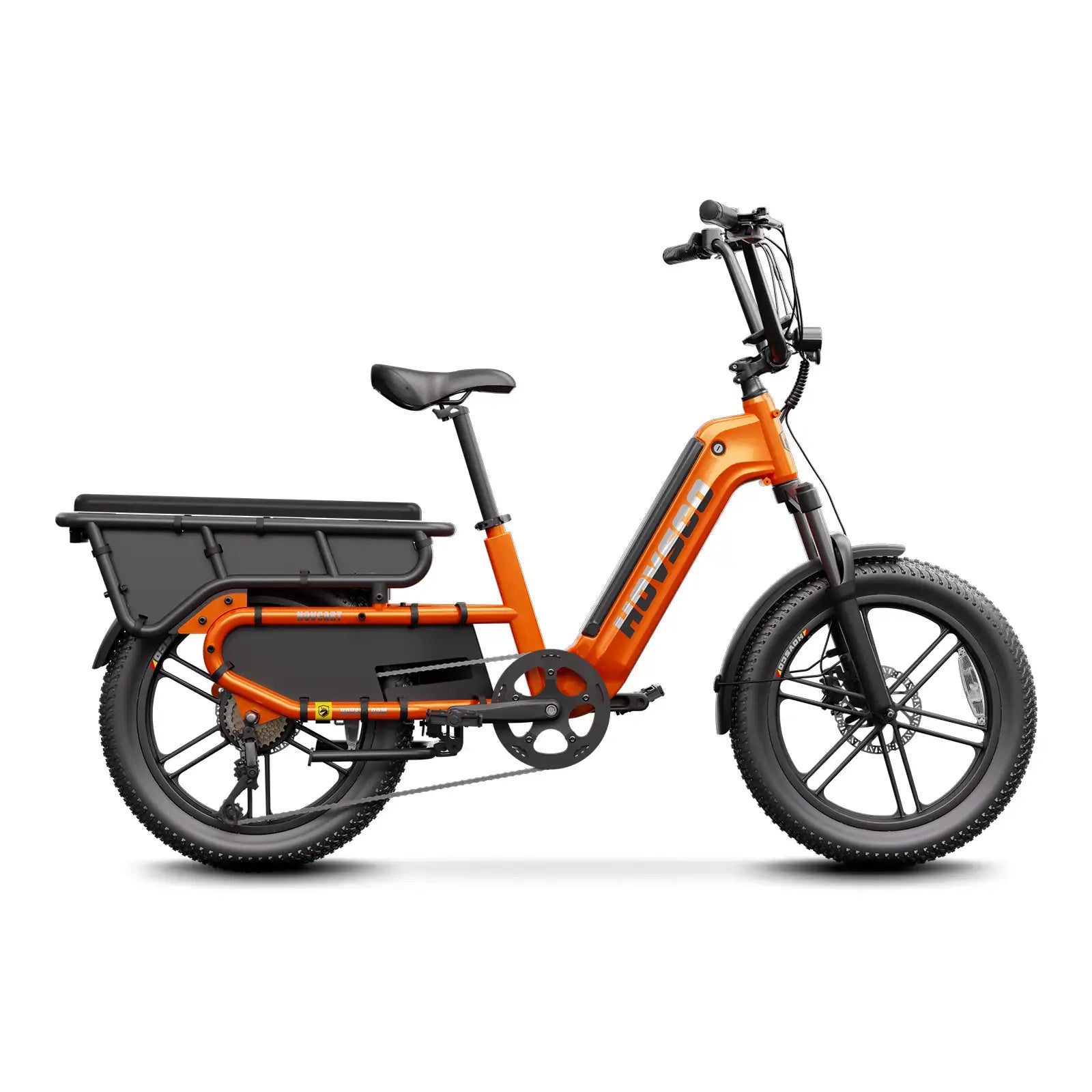
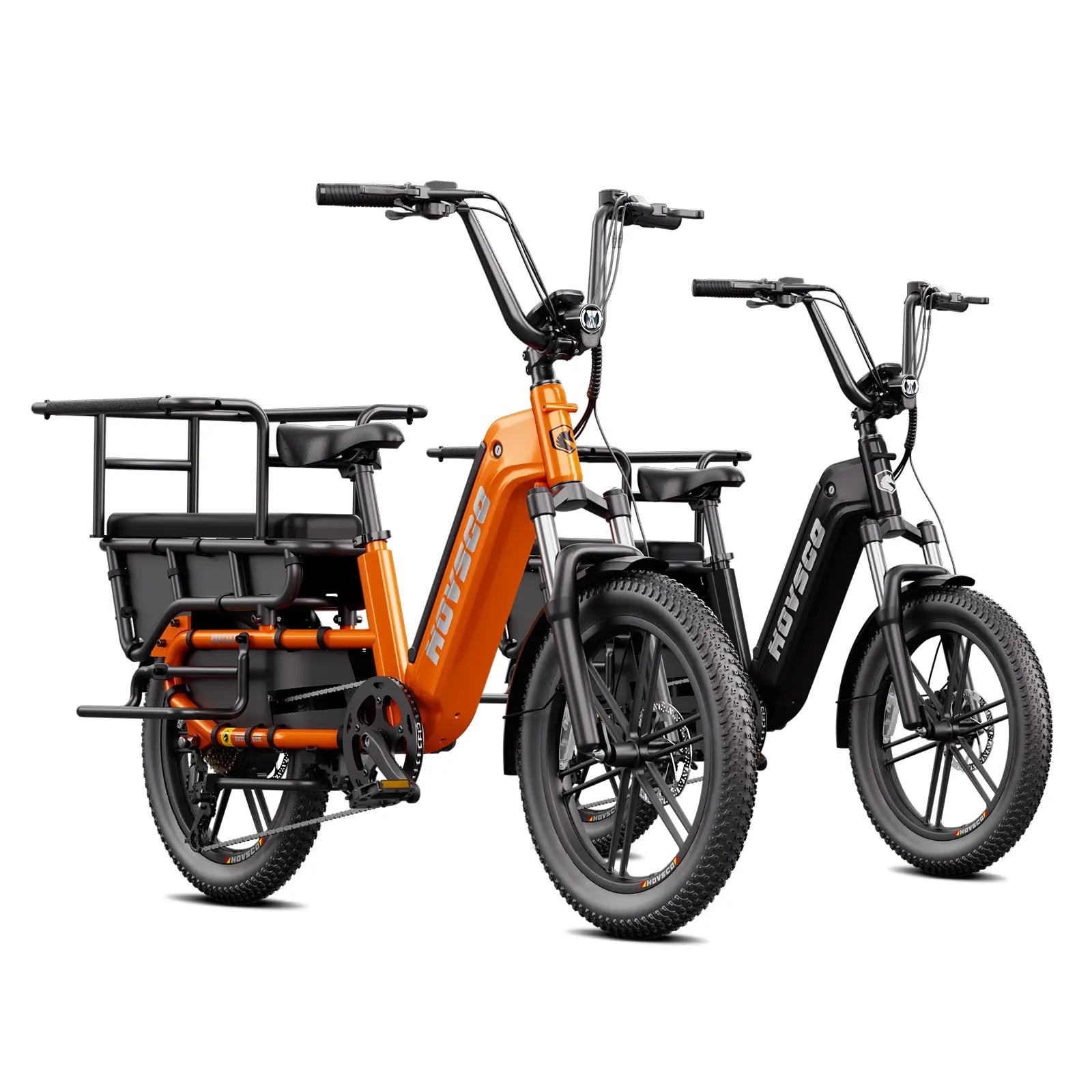
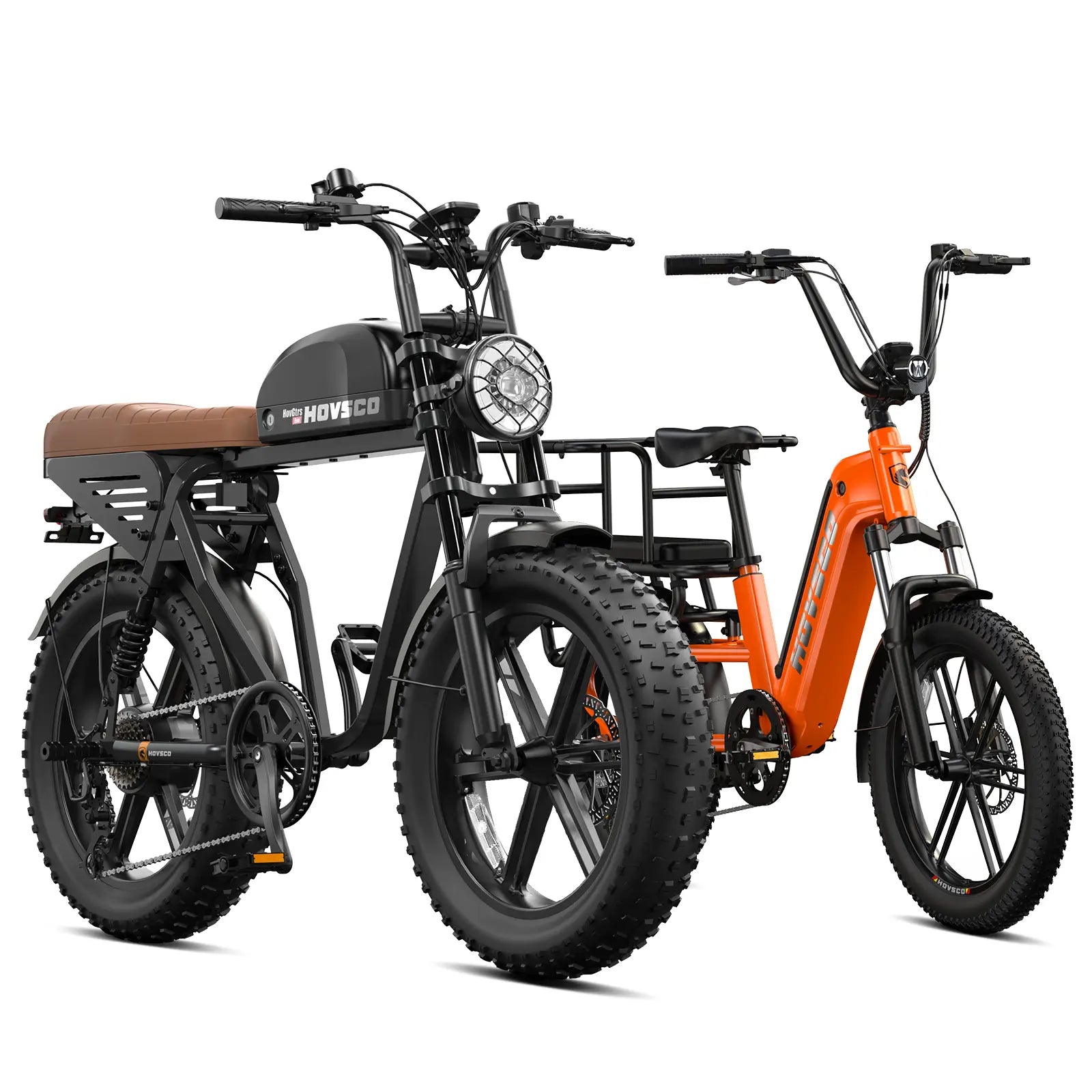
Yes, geometry can compensate for heavy cargo by improving stability, balance, and steering predictability. A cargo-ready frame often uses a lower center of gravity, longer chainstays, and more deliberate front-center length.
That does not mean the bike should feel sluggish. Good geometry keeps the handling calm under load while still allowing confident cornering at lower speeds. This balance is especially important for utility riders and commuters who carry passengers, groceries, or work gear on a regular basis.
HOVSCO frames apply these principles by pairing 6061 aluminum with geometry tuned for stability, comfort, and practical payload use. The point is not to chase stiffness as an abstract number; it is to create a frame that rides well when loaded and still feels efficient without cargo.
At HOVSCO, the engineering mindset is simple: the frame should protect the rider from flex, not punish them with harshness. That means careful tube selection, sensible weld reinforcement, and a geometry package that supports everyday use instead of only showroom testing. HOVSCO has built its reputation by treating frame design as a system, not a single material choice.
Non-commodity design matters because most buyers can find “6061 aluminum” in many bikes, but not all 6061 aluminum frames feel or perform the same. The real difference is hidden in engineering choices that most shoppers never see.
That includes bottom bracket stiffness, rear triangle tracking, head tube support, and how the frame behaves when the bike is stopped with a heavy rear load. If those details are done well, the bike feels planted and trustworthy. This is where HOVSCO adds value beyond the spec sheet.
Yes, better frame design can dramatically improve long-term durability by lowering peak stress and reducing fatigue accumulation. Frames fail over time because stress repeats, not because one ride is too much.
A thoughtful 6061 aluminum design spreads force through the frame rather than trapping it at single joints. That is why payload engineering, bike geometry, and tube shaping all belong in the same conversation. If you want a bike that does not flex under load, durability is the outcome of good load management.
Check: suspension systems and Ebike Safety Standards
“People often ask whether the answer is a stronger alloy, but in reality the answer is smarter structure. A 6061 aluminum frame succeeds when geometry, weld strategy, and payload engineering work together. I care most about how the bike behaves at the limits—when braking hard, climbing with cargo, or hitting rough pavement. That is where a frame either stays composed or starts to feel vague. HOVSCO designs for that real-world behavior first.”
A frame that does not flex under load is the result of system-level engineering, not one material alone. 6061 aluminum gives designers a strong foundation, but bike geometry, payload engineering, tube shaping, and reinforcement placement determine how the frame actually rides.
If you are evaluating a utility or cargo e-bike, look beyond the headline material and ask how the frame manages force. The best designs feel stable, quiet, and confident because they were built around the way people really ride. HOVSCO’s approach shows that good frame design is less about adding metal and more about placing strength exactly where the bike needs it.
Is 6061 aluminum good for heavy e-bikes?
Yes, 6061 aluminum is a strong choice for heavy e-bikes because it balances weight, stiffness, and weldability well.
Does a stiffer frame always ride better?
No. Too much stiffness can make a bike harsh, while smart geometry and reinforcement usually give better overall control.
Why do cargo bikes need special geometry?
Cargo bikes need special geometry to keep steering stable and reduce flex when carrying passengers or heavy loads.
Can welds weaken a 6061 aluminum frame?
Yes, welds create heat-affected zones, so design and post-weld treatment must be done carefully to preserve strength.
What should I look for in a load-ready frame?
Look for reinforced joints, stable geometry, good rack integration, and evidence that the frame was tested under real cargo conditions.
Share:
How to Customize Cargo Ebike Accessories for Any Use?
Why Is "Designed in US, Built in China" Best for Ebike Buyers?