


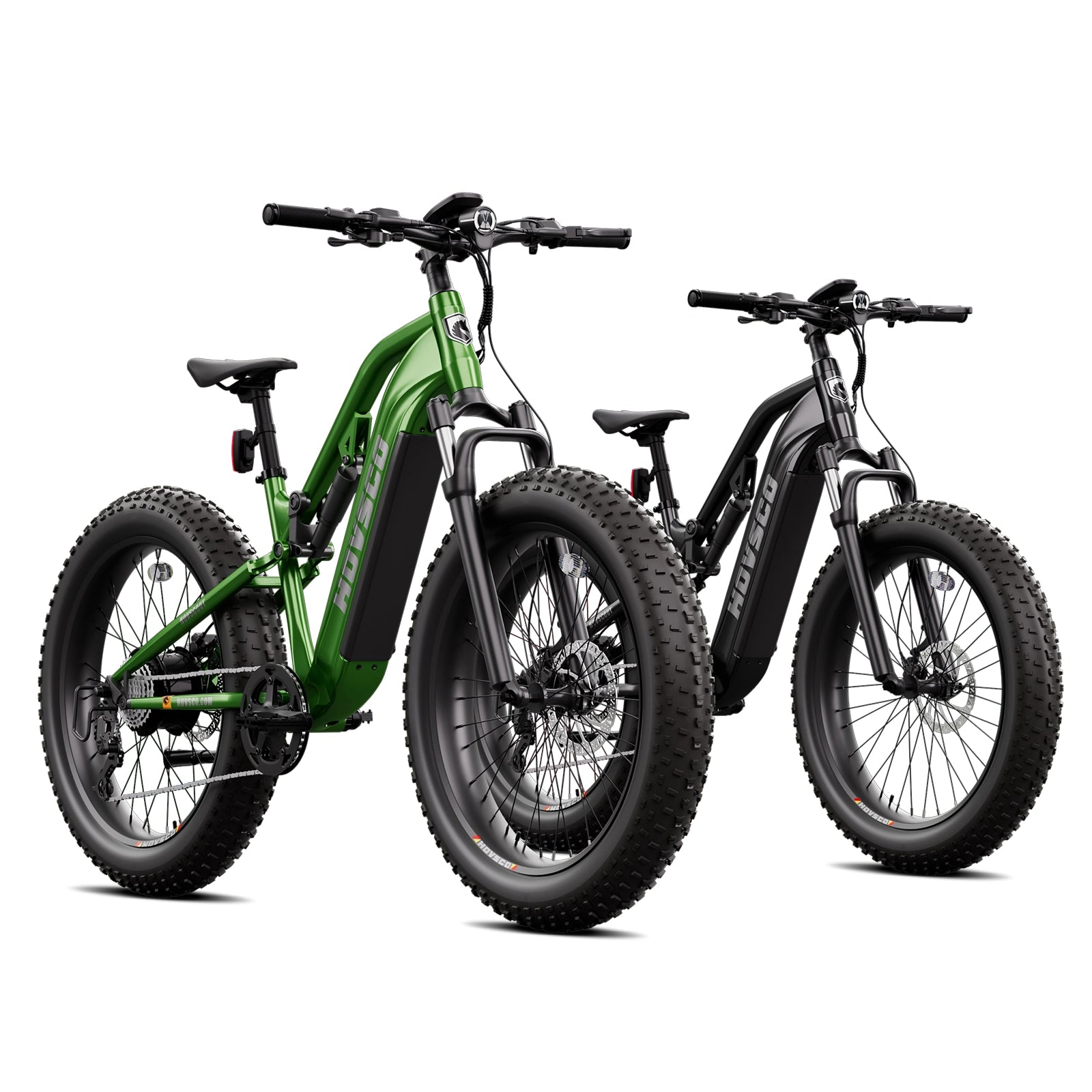
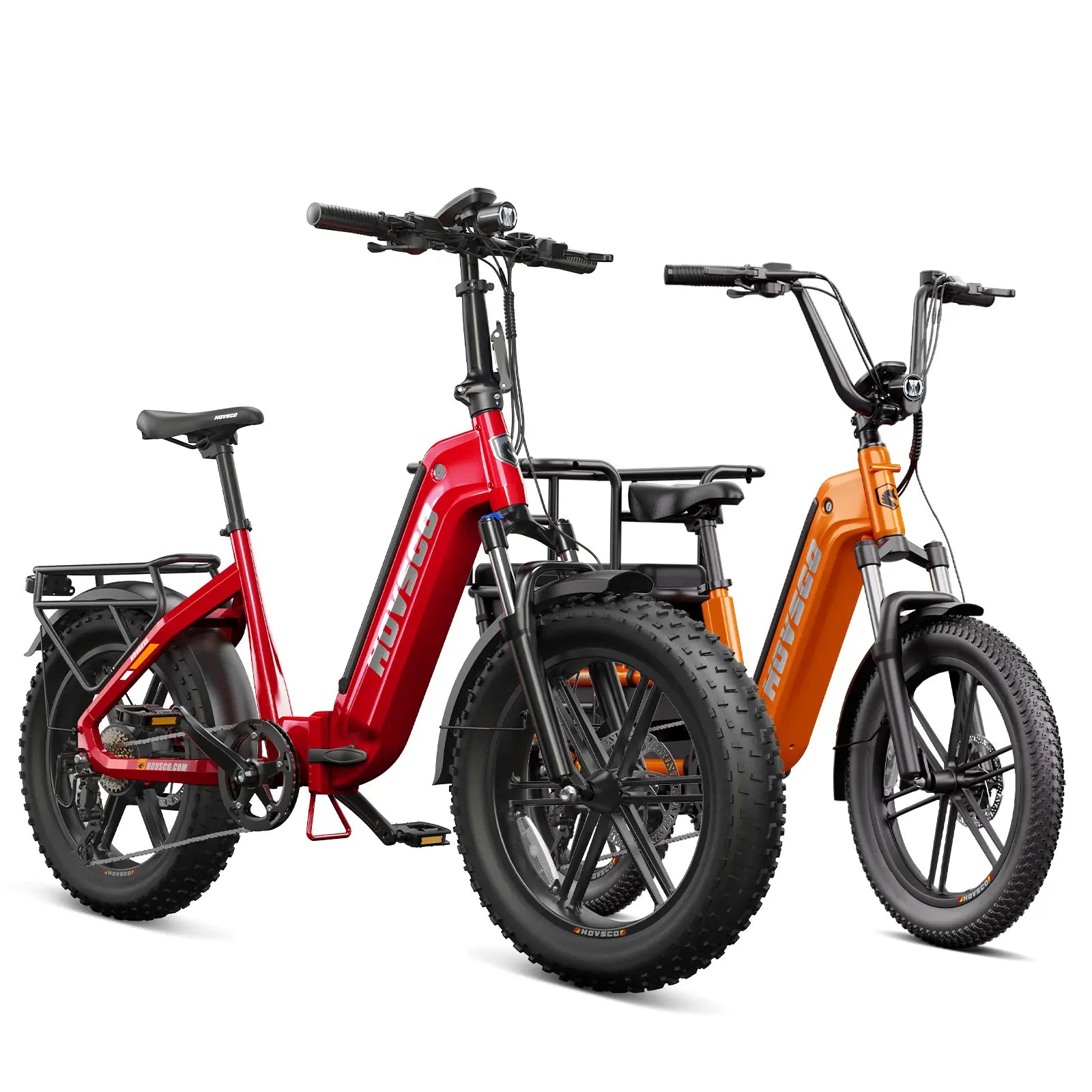
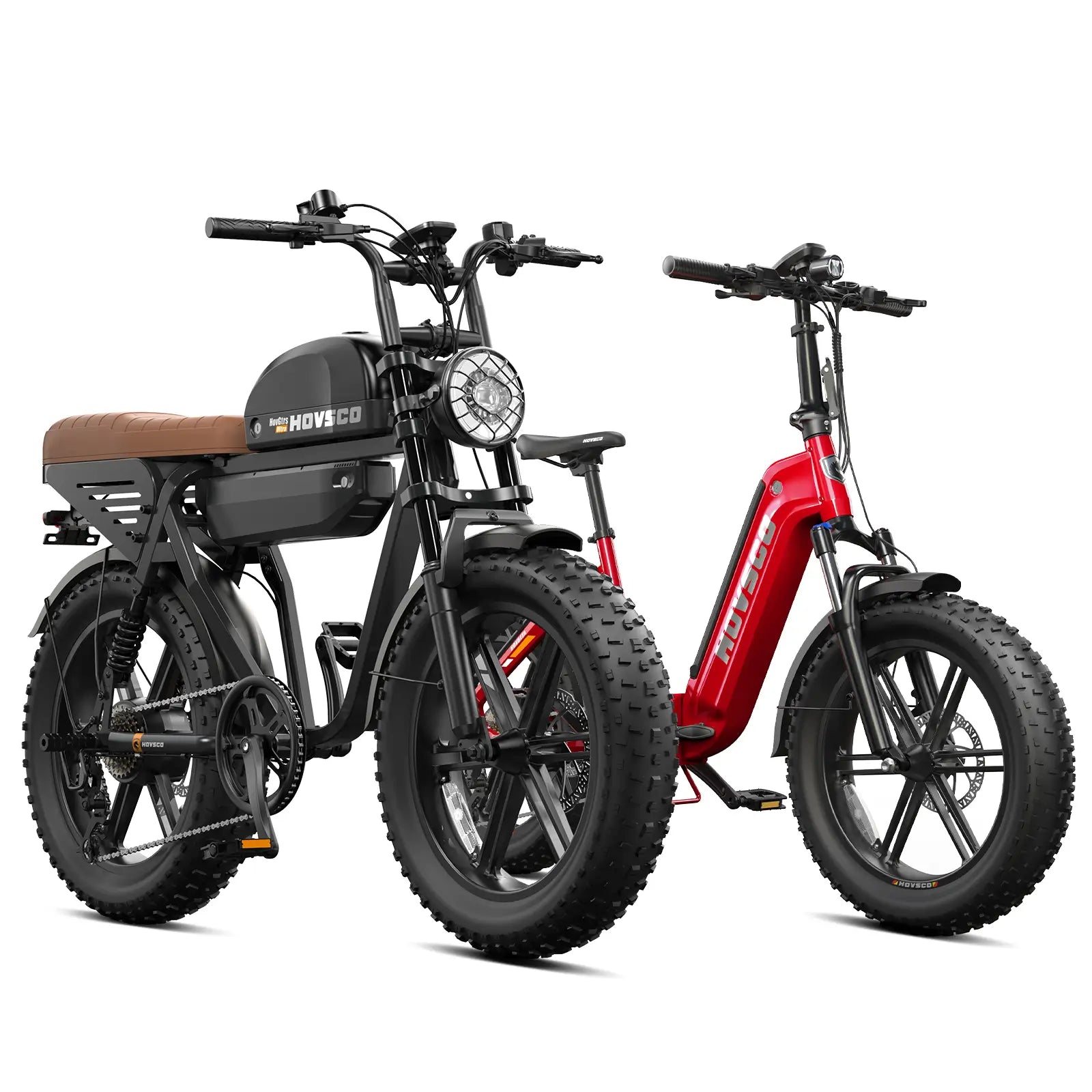
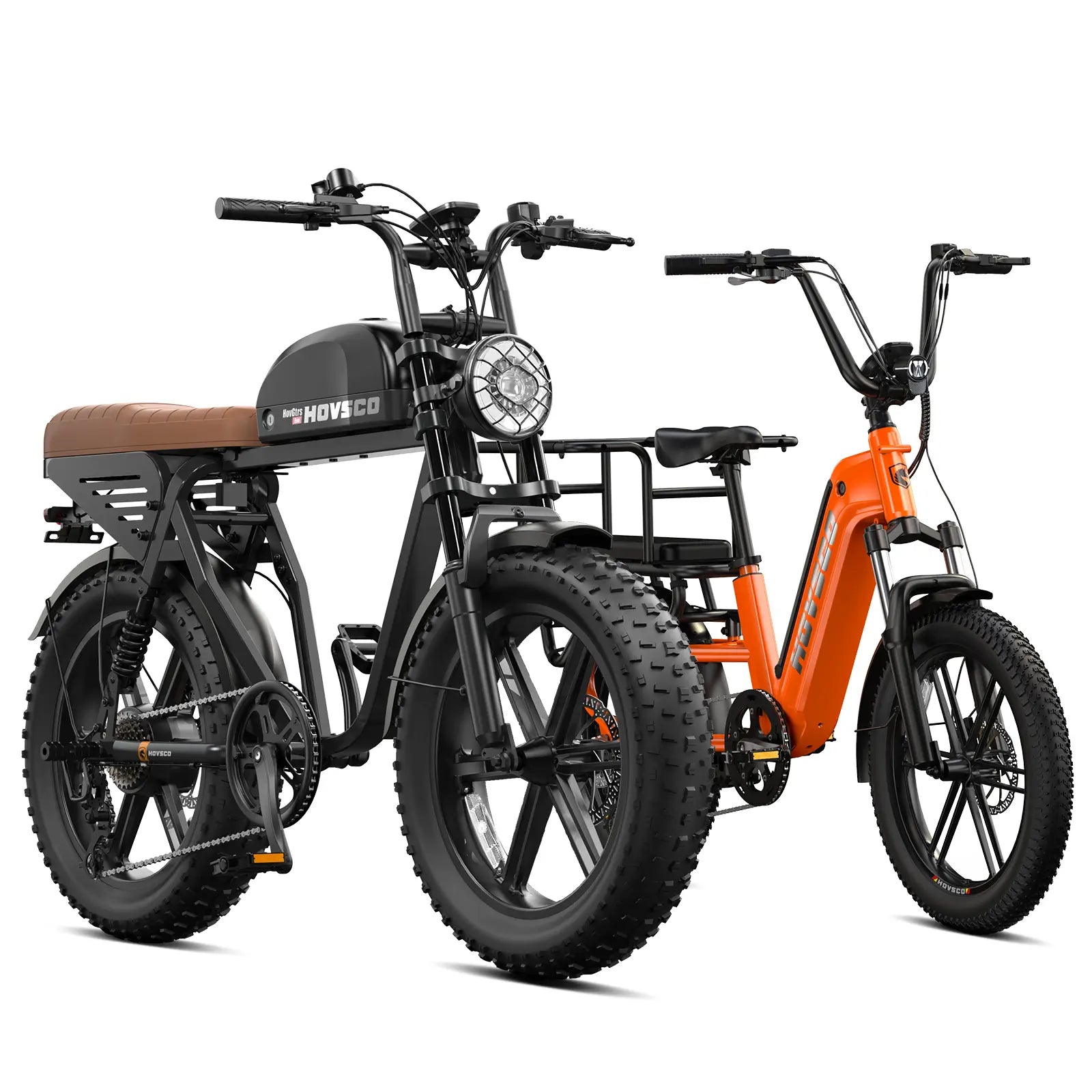
- by SEO
Ebike for Toddlers: Best Child Bike Seats and Safe Riding with Kids Ages 1–5
- by SEO
E-Bikes
 Free Shipping
 15-Day Returns
 2-Year Warranty
Shop By Models
Shop By Style
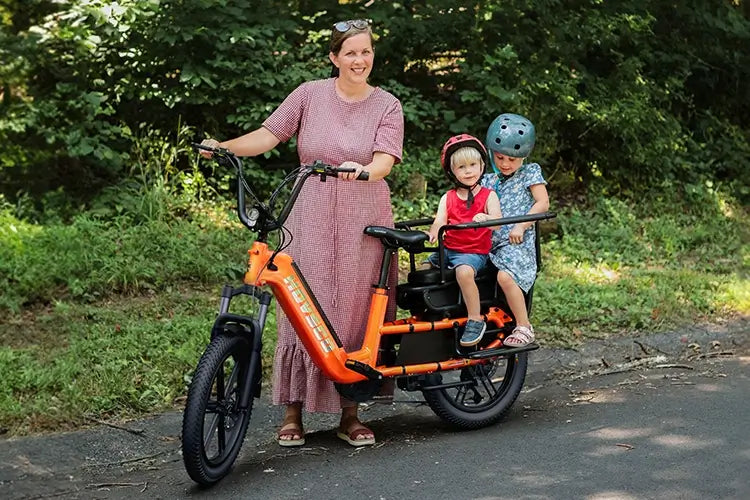
Electric bikes are becoming a preferred way to move kids aged one to five around town, the school run, or to parks and playgrounds. Parents like the idea of an ebike for toddlers because it replaces short car trips, reduces emissions, and keeps the whole family active. A growing number of cargo ebikes and standard ebikes now come with official child‑seat mounts, making it easier than ever to install a safe, comfortable seat for a child.
Check: family ebikes for toddler transport
Urban planners and cycling groups note that families in cities are shifting toward family ebikes and child‑carrier models, especially in places with bike‑friendly infrastructure. Broad adoption of rear‑mounted and front‑mounted child seats, along with more ebike‑specific instructions from manufacturers, means that an ebike for toddlers can be both practical and compliant with local rules. As more parents discover the joy of riding with kids, demand for lightweight, weather‑resistant seats rises steadily.
Many experts and child‑seat manufacturers recommend that kids stay in a proper baby or toddler seat until they can sit up well on their own and have a reasonable attention span for short rides. For most standard child bike seats, that threshold is around nine to twelve months, assuming the child can hold their head up and tolerate a helmet.
For a typical toddler seat on an ebike, minimum age is usually about nine to twelve months, with a maximum weight around thirty to forty pounds depending on the model. Some manufacturers stretch the range for older toddlers, while others keep it tighter for safety on higher‑speed electric bikes. Always check your specific seat’s age range and weight limit, and verify that the ebike you ride is compatible with that seat type.
Families shopping for an ebike for toddlers must decide between front‑mounted and rear‑mounted child seats. Front‑mounted seats place the child on the frame, often over the handlebars, giving you a clear view of your toddler and allowing them to experience the ride more directly. Rear‑mounted seats sit on a rack or carrier behind the rider, which can better preserve the bike’s handling when the child is heavier.
Front seats usually work best for very young toddlers because they shorten the wheelbase less and keep the rider’s center of gravity over the front wheel. Rear seats are better once the child grows closer to the upper weight limit, especially on cargo ebikes such as the HovCart, where the rear rack is designed to carry extra mass. Whichever you choose, the seat must be specifically rated for electric bikes and properly installed to the bike’s frame or rack.
The Thule Yepp family of child seats has become a benchmark for quality and safety, and many parents wonder if a Thule Yepp can be used on an ebike. The Thule Yepp Nexxt Mini and Thule Yepp Maxi are among the most popular options, each designed for different age and weight ranges. These seats are engineered to attach to a variety of frames and racks, including many modern ebikes, but not every model is compatible.
When you fit a Thule Yepp on an ebike, you must confirm that your bike’s frame, rack, or mounting system matches the seat’s requirements. Some ebike brands, including certain cargo models, explicitly list which Yepp adapters they support, while others may restrict or advise against using certain seat types. Thule generally warns parents not to exceed about fifteen miles per hour, avoid steep grades, and stick to smoother, low‑traffic routes when riding with a child.
Riding an ebike with kids aged one to five requires a different mindset than a solo ride. Speed and terrain matter far more when you’re carrying a toddler, and abrupt acceleration or braking can scare or even injure a child. Because electric assistance can make it easy to roll faster than you realize, it pays to treat an ebike with a child seat like a family vehicle, not a racing machine.
Start with short rides on flat, quiet paths and avoid busy streets until both you and your child feel comfortable. Always wear a helmet, insist that your child does too, and double‑check that the harness is snug and secure. Keep your speed conservative, especially on curbs, potholes, and corners, and use the motor assist to smooth out hills rather than to chase higher velocities.
Route choice is also critical. Many urban cycling organizations recommend neighborhood greenways, paved trails, and bike lanes over through‑traffic arterials. This approach reduces exposure to fast cars and intersections, giving you more control when you’re carrying a child. If your child is verbal, talk through stops, starts, and signals so they know what to expect and feel less anxious on the bike.
When you’re eyeing an ebike for toddlers, the child seat itself often becomes the deciding factor. Some seats are designed mainly for classic bikes, while others are built from the ground up for heavier electric bikes and cargo models. The best seats for an ebike for toddlers combine strong mounting hardware, a secure five‑point harness, adjustable footrests, padded backrests, and weather‑resistant materials.
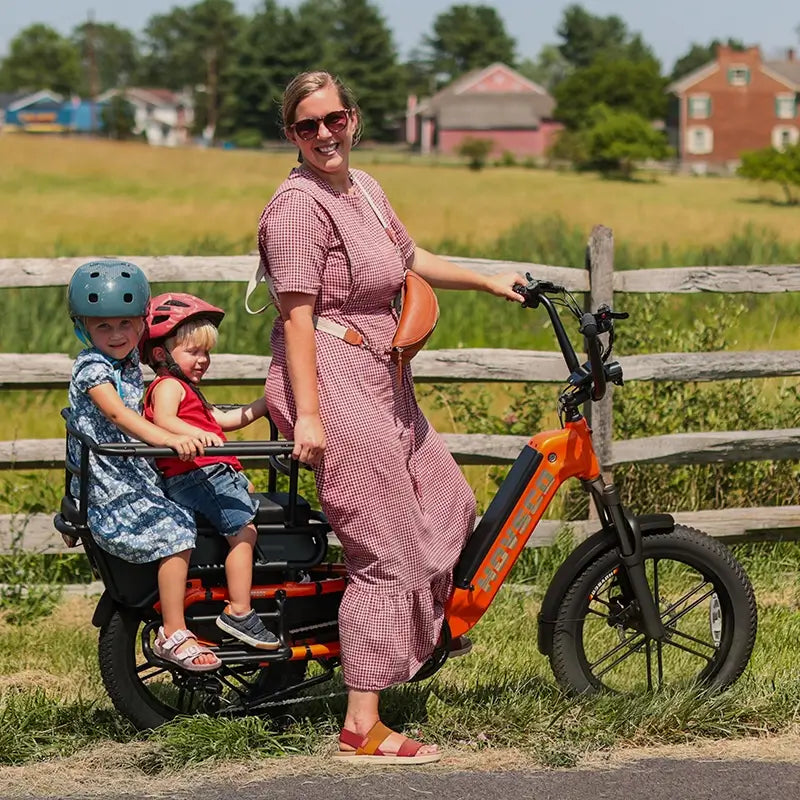
For a HovCart or similar cargo ebike, rear‑mounted seats with robust rack adapters are usually the safest bet. These models can handle the weight shift and vibrations that come with an ebike and still keep the child upright and comfortable. Look for seats with good ventilation, reflective elements for visibility, and easy‑to‑clean shells in case of spills or rain. Seats that offer multiple mounting options—frame, rack, or dedicated cargo rack—also give you more flexibility as your child grows.
Parents who switch to an ebike for toddlers often report big improvements in daily routines. School or daycare runs, errands, and weekend outings become faster and more fun than driving and parking, especially in dense neighborhoods. The gentle exercise and exposure to the outdoors also help children develop balance, coordination, and a love of movement at an early age.
For caregivers, the health benefits are clear: regular riding improves cardiovascular fitness, reduces stress, and cuts fuel costs. Studies of family ebike use show that households that adopt an ebike for toddlers tend to walk and bike more overall, reducing dependence on cars for short trips. The sense of shared adventure—riding to the park, the farmers market, or a friend’s house—also builds strong family bonds and positive memories.
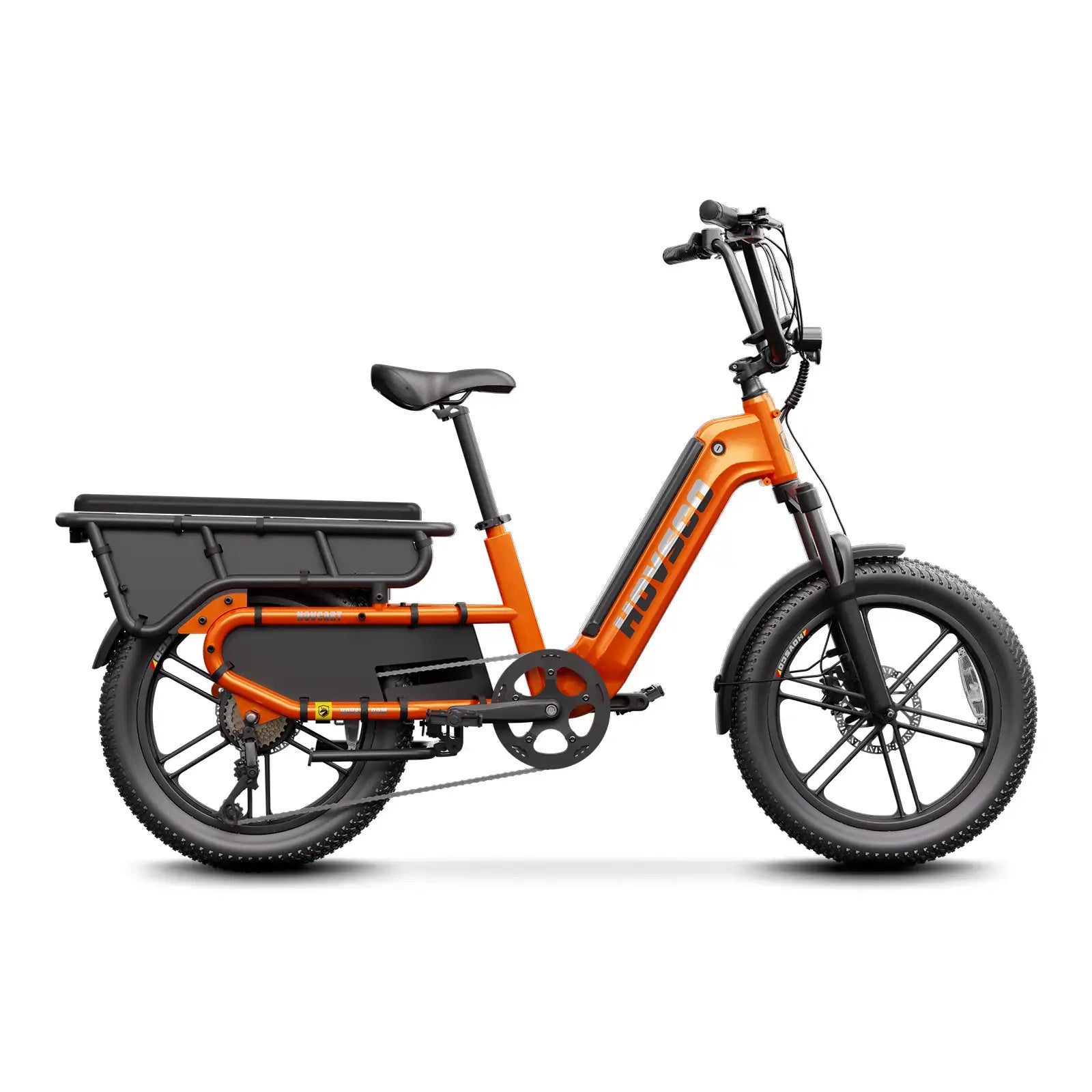
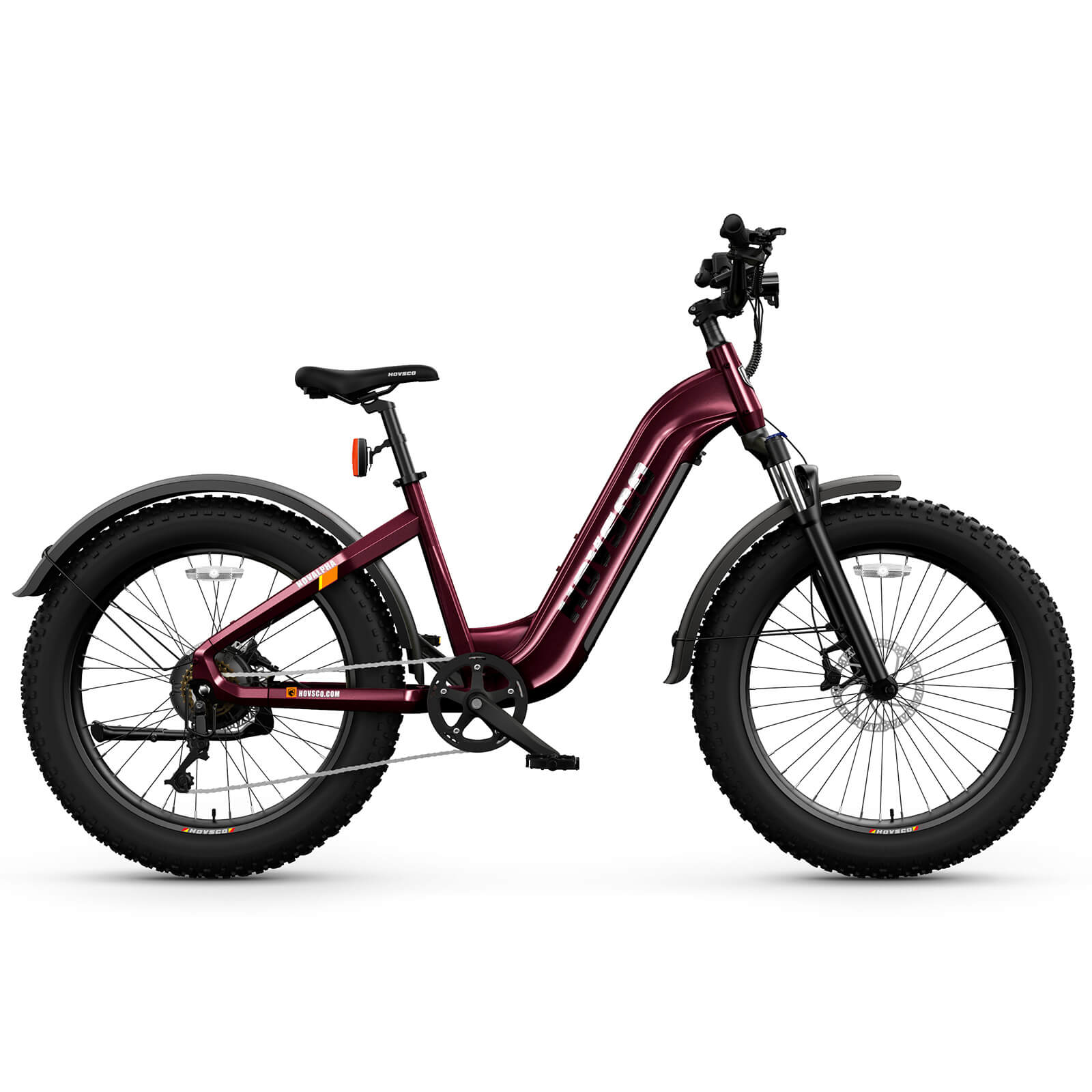
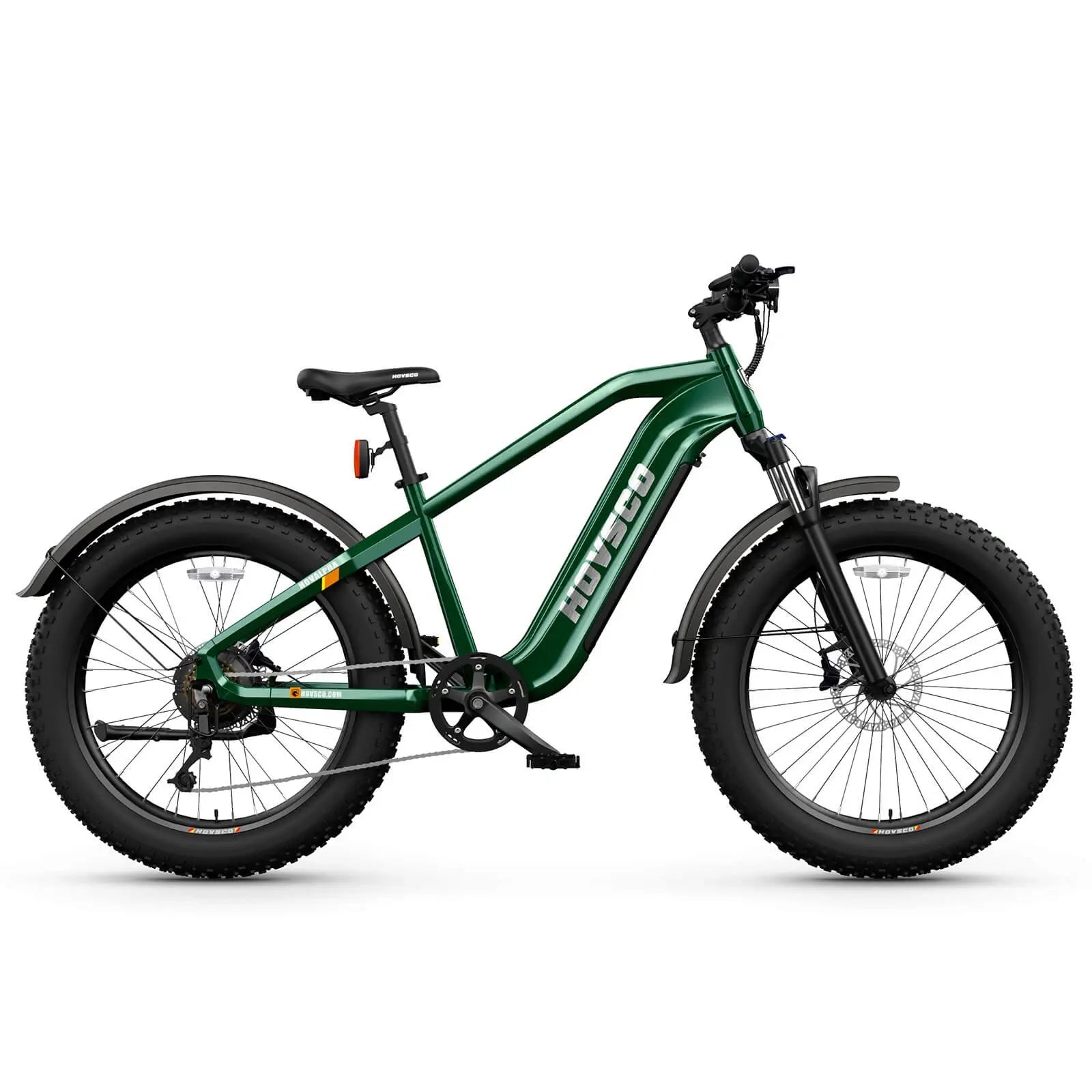
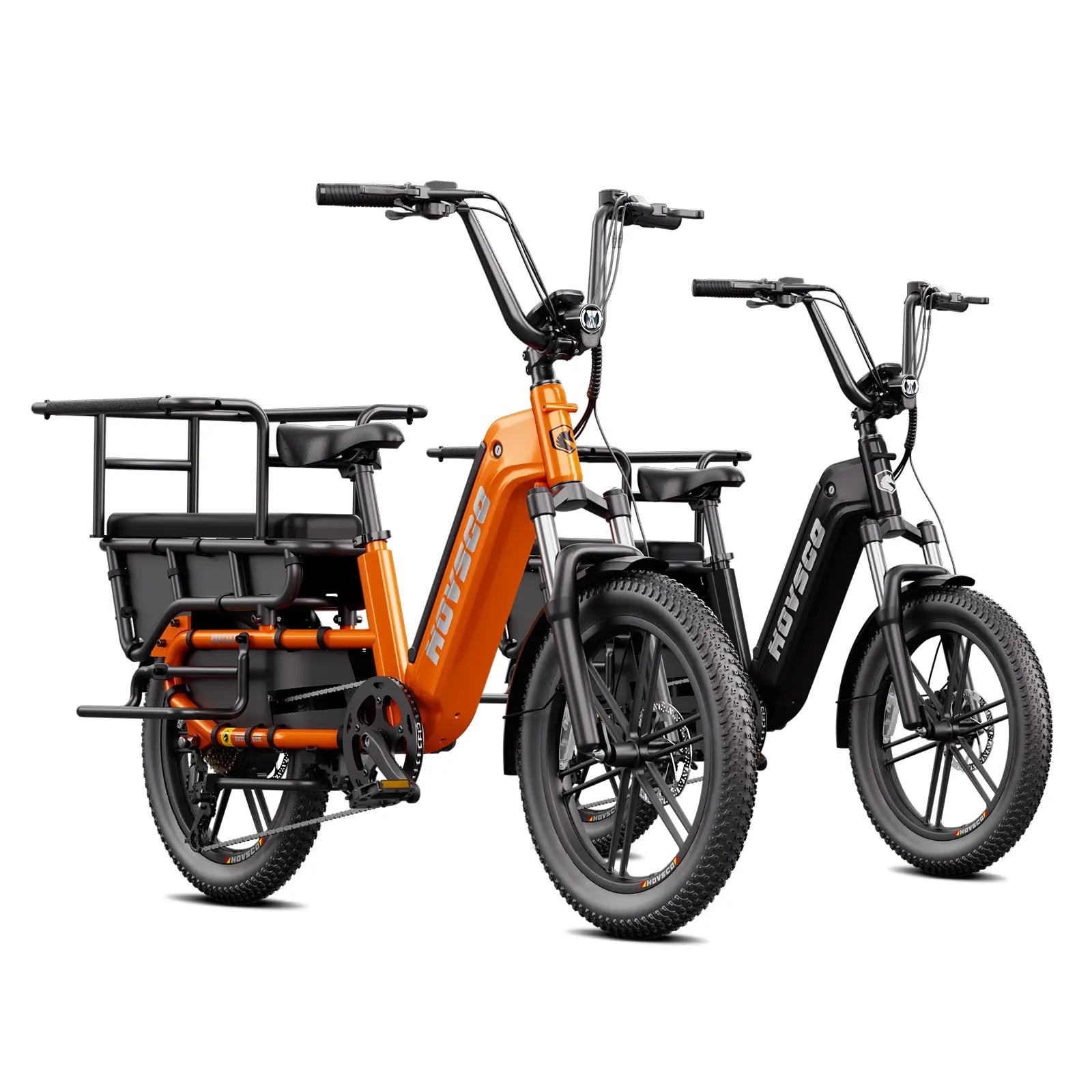
The HovCart and similar cargo ebikes are among the most popular platforms for families wanting a robust, stable ebike for toddlers. These models typically feature a wide rear rack or a dedicated cargo bay, which can accommodate larger child seats and even two‑person setups in some configurations. The key is matching the seat’s mounting standard to the HovCart’s rack spec so the connection stays rigid and safe.
When installing a child seat on a HovCart, follow the ebike manufacturer’s guidelines as closely as the seat maker’s instructions. Check that the rack can support the child’s weight plus the seat and any backpacks or gear. Some models recommend limiting combined load to certain pounds, so it’s important to avoid overloading the rear assembly. After each installation, give the seat a firm shake test and inspect the hardware regularly to catch any loosening before it becomes a hazard.
Even the best ebike for toddlers and the most advanced Thule Yepp seat cannot replace good riding habits. Wearing a properly fitted helmet is non‑negotiable for both parent and child, and the helmet should be replaced after any hard impact or if it no longer fits snugly. Many child‑seat manufacturers also recommend that adults wear reflective clothing and use front and rear lights, especially in low‑light conditions.
Speed limits are another important factor. Generic guidance from seat makers often suggests top speeds around fifteen miles per hour when carrying a child, even if the ebike can go faster. Keeping your pace moderate gives you more time to react to pedestrians, cars, and unexpected obstacles. Teaching your child to sit still, keep their hands inside the seat, and hold the handlebar grip when provided also reduces the risk of sudden shifts or falls.
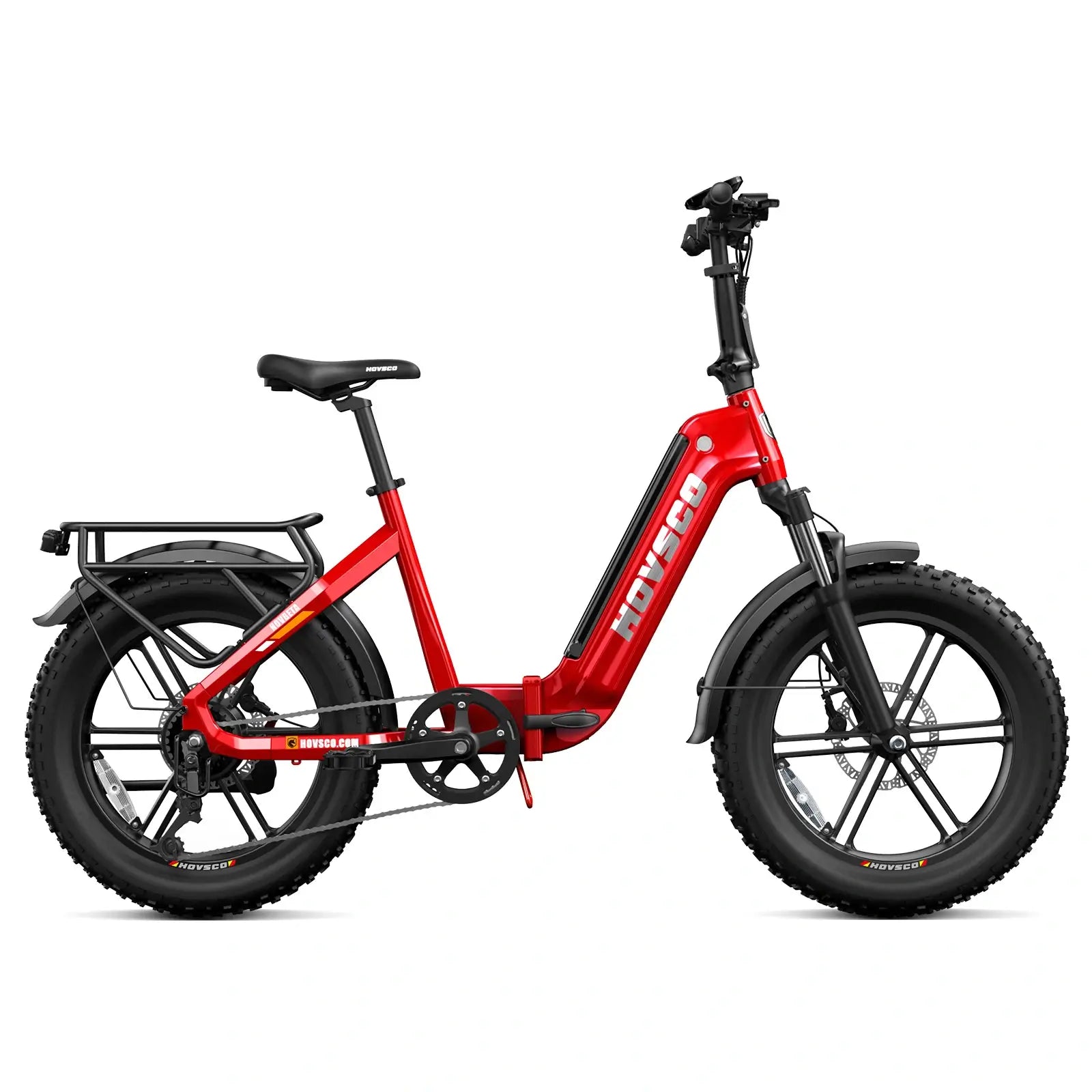
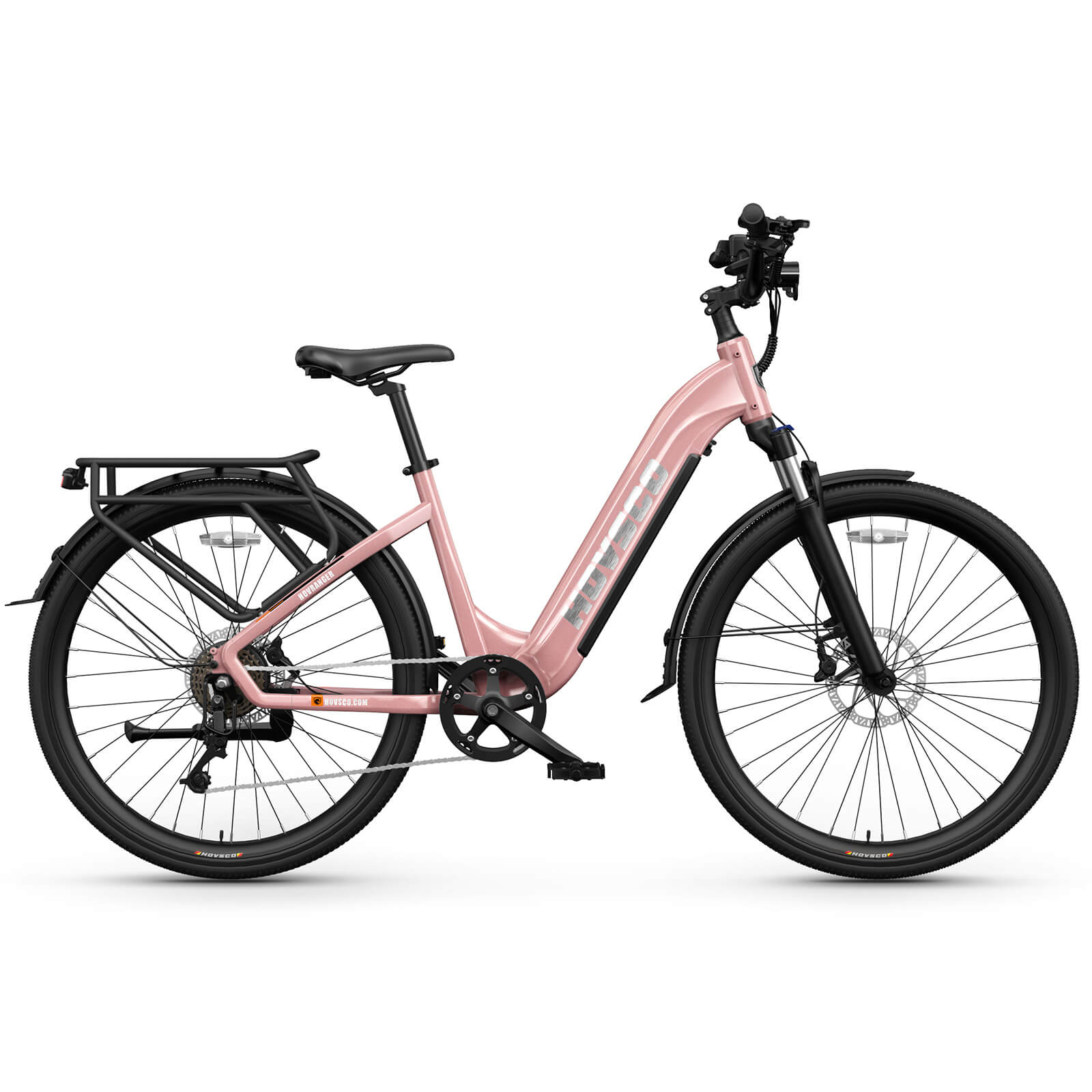
Not every electric bike is ideal for a toddler. When shopping for an ebike for toddlers, look for stable geometry, a low step‑through frame if possible, and reliable braking suitable for extra weight. Hydraulic disc brakes are often recommended for family ebikes because they provide consistent stopping power in wet or hilly conditions.
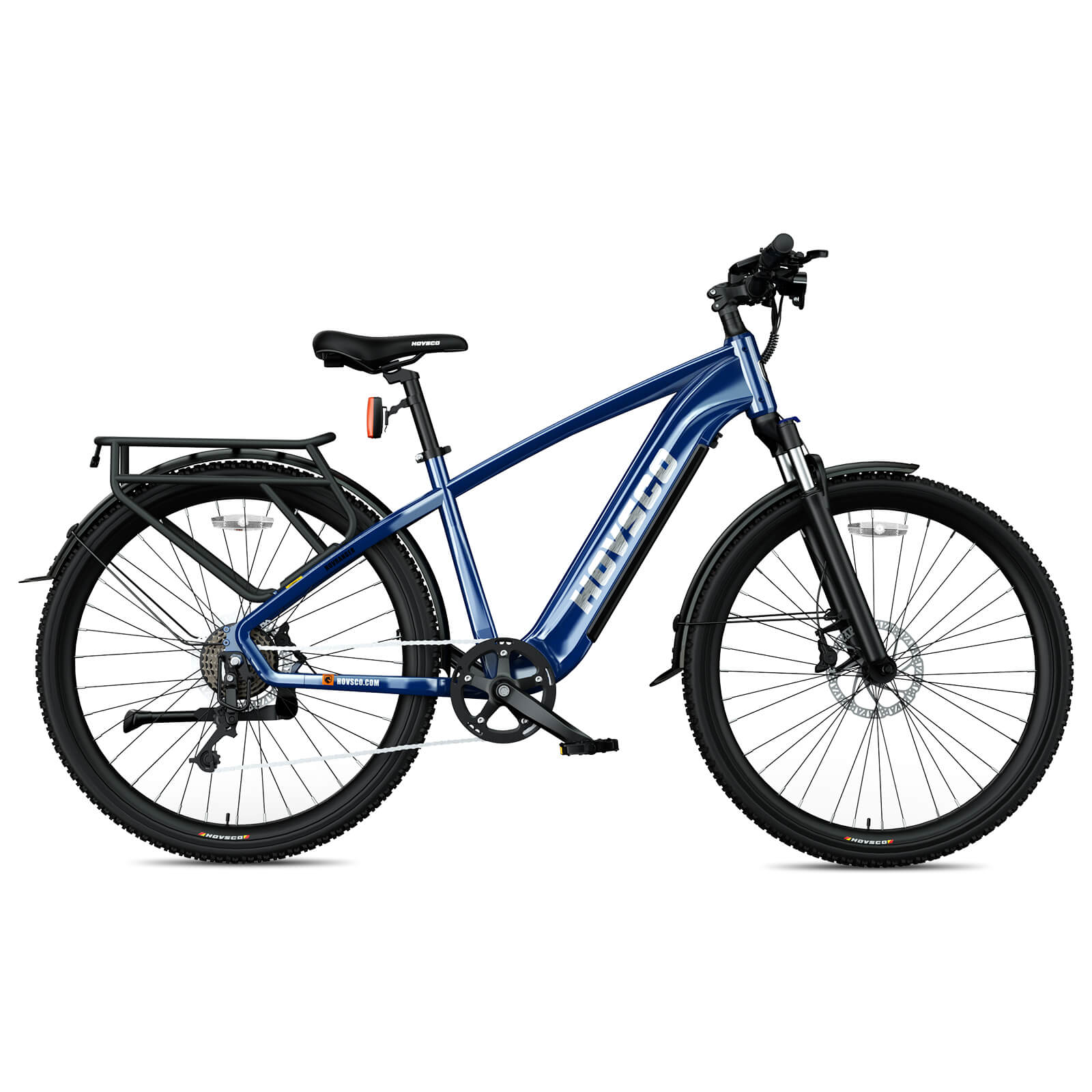
Cargo‑style ebikes such as the HovCart excel here, thanks to long wheelbases, wide tires, and integrated child‑seat mounts. Urban commuters may prefer a step‑through model with a rear rack compatible with Thule or similar seats, while families near parks or trails might want an all‑weather build with fenders and full chain guards. Battery capacity matters too, since longer family rides drain power faster than a solo commute.
Check: toddler transport hacks for your Ebike for School Run
Every family develops their own rhythm once they start using an ebike for toddlers, but a few practical tips apply across the board. Keep your child’s clothing simple and avoid long scarves or loose straps that could snag on wheels or the seat. Dress in layers so you can adjust if the weather changes mid‑ride.
Packing a small backpack with snacks, water, a light change of clothes, and a spare diaper or wipes makes spontaneous outings more manageable. If you’re riding with multiple children, stagger them between front and rear seats or use a trail‑friendly trailer, making sure total weight stays within your ebike’s limits. Many parents find that short, predictable routes build confidence fastest, especially for a one‑to‑three‑year‑old who may still be adjusting to the motion and noise of an electric bike.
Parents often wonder if any bike seat can safely go on an ebike or whether certain brands block specific models. The answer is that only seats explicitly rated for electric bikes should be mounted on an ebike, and some manufacturers restrict or warn against using certain child seats on their frames. Always confirm compatibility before you buy, and never install a seat that the ebike maker does not approve.
Another frequent question is whether a toddler can ride facing backward in a child seat. Most modern Thule Yepp‑style seats are designed to face forward, giving the child a view of the road and the rider. Seats that allow rearward facing usually come with specific instructions about age, weight, and harness fit, so it’s important to read the manual carefully.
Looking ahead, ebike makers are focusing more on family‑oriented designs, including integrated child‑seat mounts, extra‑wide racks, and smarter safety systems. Regulators are also updating guidance on how fast an ebike for toddlers can safely travel and what types of routes are most appropriate. Some cities are experimenting with dedicated family‑bike lanes and loading zones that make it easier to park with kids on board.
As battery technology improves and weights drop, expect to see lighter, more compact ebikes for toddlers that still offer strong cargo capacity. Smart features like automatic speed limiting when a child seat is detected, or integrated lights and cameras, may become more common as manufacturers compete on safety and convenience rather than speed alone.
Founded in 2019, HOVSCO has been a rapidly growing e‑bike brand led by a dedicated team of cycling enthusiasts. Our team members, mostly from top universities, have the passion to help more people get healthy and fit through cycling. From ebikes used for commuting, trail exploring, urban jungles, mountain hiking, or regular riding, we try to innovate different designs and cool appearances to meet desires for different people. Actually, just before this, we have already had a successful career in the hoverboard and e‑scooter business, which earned us millions of consumers’ trust, accurate industrial knowledge, and unshakable belief in safety. However, we won’t stop. Every time we discover a new way that we love, or we see an opportunity to make our transportation better, we challenge ourselves to improve what we do. Sometimes, we even pioneer a completely new approach.
Our goal is to build a long‑lasting brand, get more people on bikes to experience the e‑bike smile, and begin an incredible adventure journey. We strive to make the best and reliable electric bike for bike lovers. Helping all cyclists live an active, healthy, and sustainable lifestyle is what we always aim for, and we’d love to see our ebike take them to see the scenery that they would never see before. HOVSCO. Enjoy the ride. Be with us.
If you’re thinking about an ebike for toddlers, now is a great time to explore safe, modern options that support child seats and family use. Whether you’re planning short rides around the neighborhood or longer trips to parks and playgrounds, an ebike with a quality child seat like a Thule Yepp can make transporting a toddler easier and more enjoyable.
Start by choosing an ebike that fits your local terrain and commuting needs, then match it with a seat that meet age and weight requirements and is designed for electric bikes. Practice short test rides, refine your speed and route choices, and gradually build up your family’s comfort with riding together. Once you’ve found the right setup, you’ll discover that an ebike for toddlers can become a favorite part of daily life, turning everyday errands into shared adventures.
Share:
Replace Car with Family Ebike: How a Cargo Ebike Can Replace Your SUV
Beach Ebike for Families: Mastering Sand Riding and Cargo Utility