



![[ New Arrival ] Porto Max Electric Scooter For Commute & Grocery Shopping - HOVSCO](http://www.hovsco.com/cdn/shop/files/PotroMax-3.jpg?v=1706927007&width=1200)
- by SEO
Can You Ride an Ebike Safely While Pregnant?
- by SEO
E-Bikes
Accessories
 Free Shipping
 15-Day Returns
 2-Year Warranty
Free Shipping
15-Day Returns
2-Year Warranty
2-Year Warranty
Free Shipping
15-Day Returns
2-Year Warranty
Yes, many pregnant riders can use an ebike safely if their OB-GYN approves it, the route is stable, and the effort stays moderate. The best approach is to use pedal assist for low-impact exercise, avoid risky terrain, and stop at the first sign of dizziness, pain, bleeding, or unusual shortness of breath.
Check: ergonomic ebikes for parents
Yes, Can I Ride Ebike while Pregnant? is often answered with a cautious yes for healthy pregnancies when a doctor gives clearance. The key is to keep intensity moderate, choose smooth routes, and reduce fall risk as your center of gravity changes. Pedal assist helps you stay active without overloading your joints.
In my experience, the safest riders are the ones who treat the ebike like a support tool, not a performance machine. Low-impact exercise works best when you keep your cadence comfortable, avoid sudden accelerations, and stay in full control of the bike at all times. If balance feels off, switch to walking or an indoor bike.
An ebike can be safer than a regular bike during pregnancy because pedal assist reduces strain on the hips, back, and knees. Prenatal cycling safety improves when the motor does the heavy work on hills and headwinds, so you can keep your breathing and heart rate in a moderate range. That matters more as fatigue and fluid shifts increase.
The most important safety advantage is control. I prefer riders to use lower assist settings so the bike feels predictable instead of jumpy. Low-impact exercise should feel smooth, conversational, and steady, not like a workout that leaves you gasping.
Pregnancy changes balance, joint stability, and heat tolerance, which makes a bike more sensitive to small mistakes. Can I Ride Ebike while Pregnant? depends less on the bike itself and more on how your body is responding that week. A ride that feels easy in month four may feel awkward in month seven.
There is also a fall-risk issue. Even a minor tip-over can be more serious during pregnancy, so route choice matters as much as effort level. Prenatal cycling safety means avoiding gravel, potholes, curb hops, and traffic situations that force sudden braking or twisting.
The first trimester is often about nausea, fatigue, and lightheadedness, while the third trimester is usually about balance, belly clearance, and joint stress. The middle months are often the easiest time to keep riding if you already cycle comfortably. The answer to Can I Ride Ebike while Pregnant? may therefore change by trimester.
A practical rule is simple: if mounting, stopping, or emergency braking feels awkward, reduce riding immediately. Low-impact exercise should never require you to push through discomfort just to finish a route. That mindset is useful in training, but not during pregnancy.
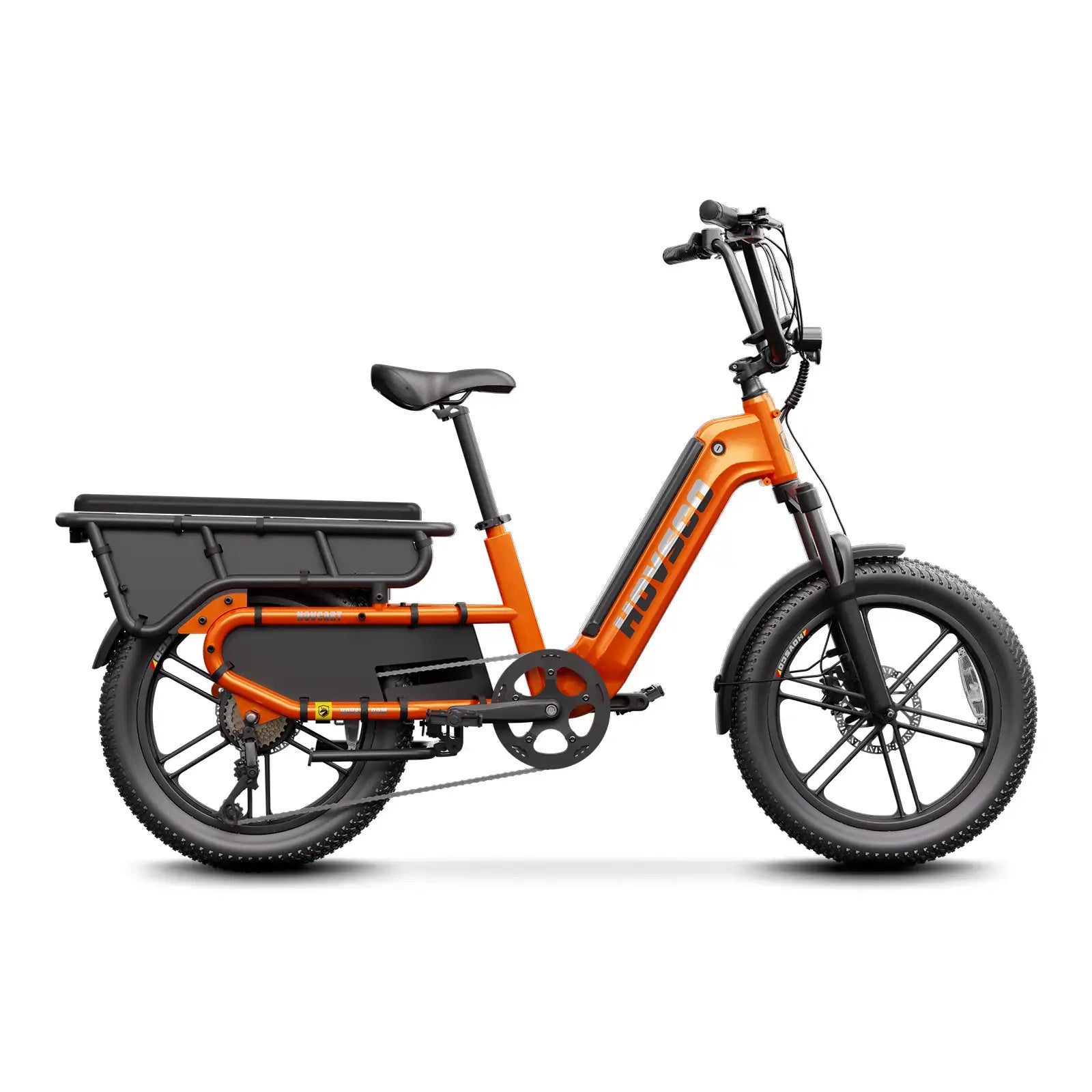
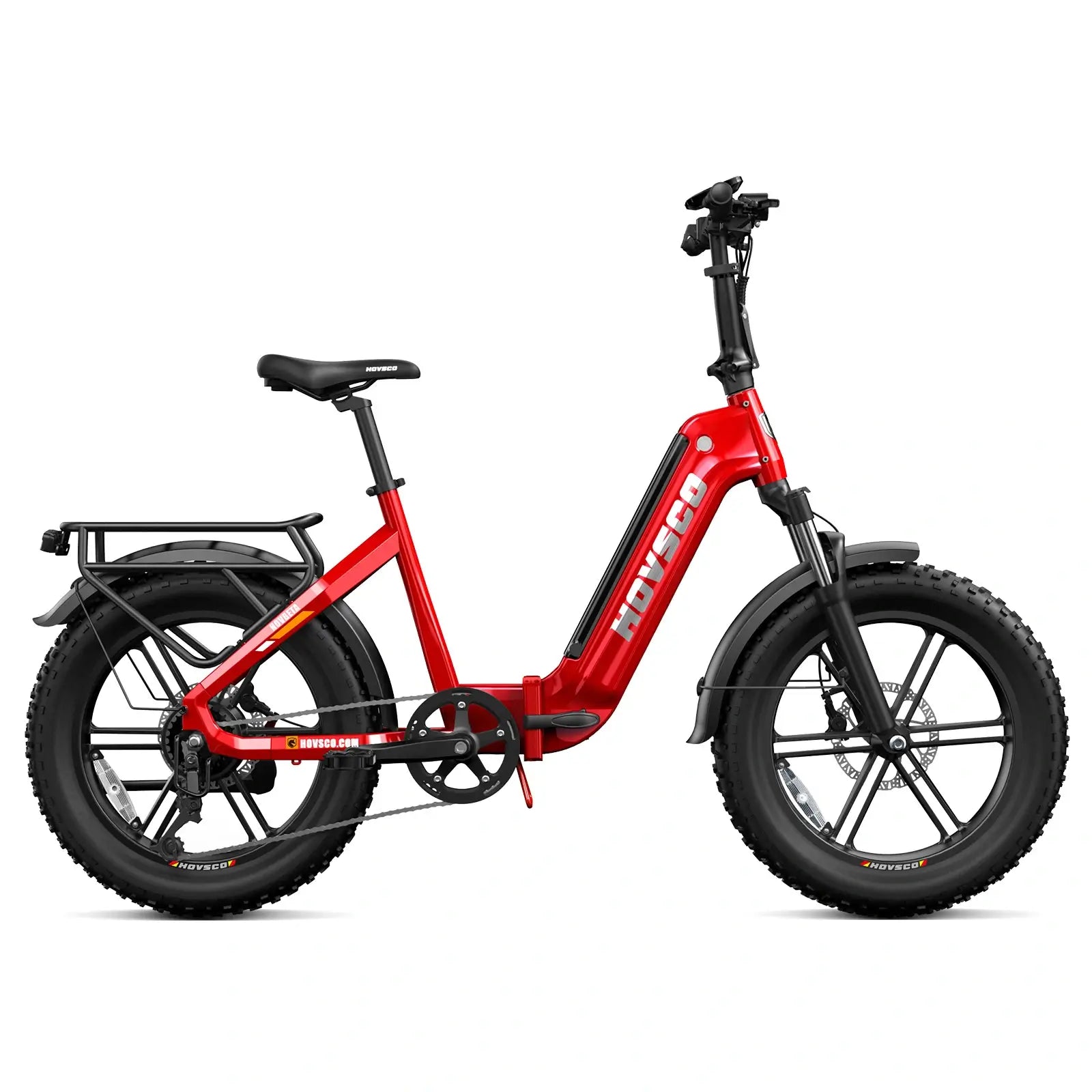
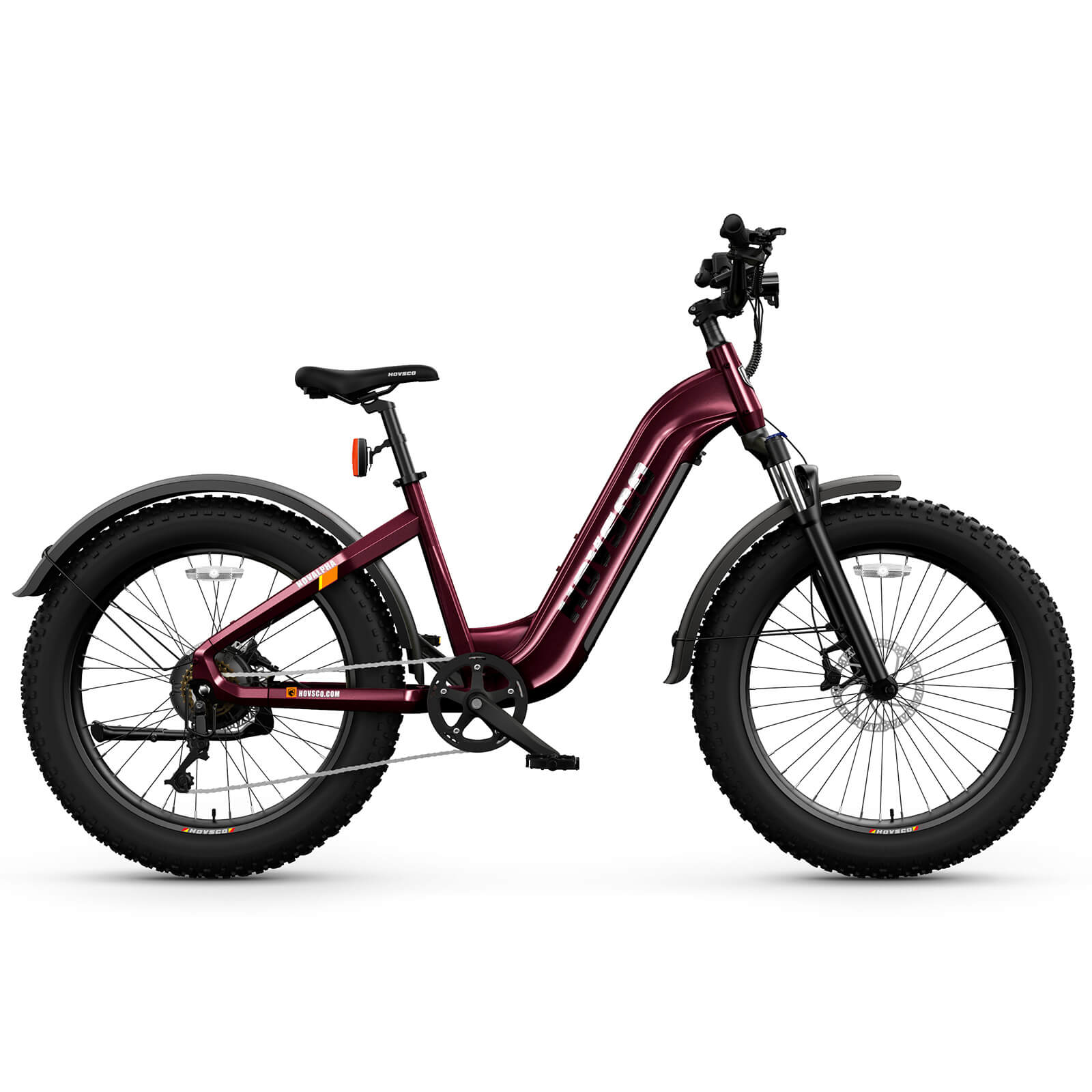
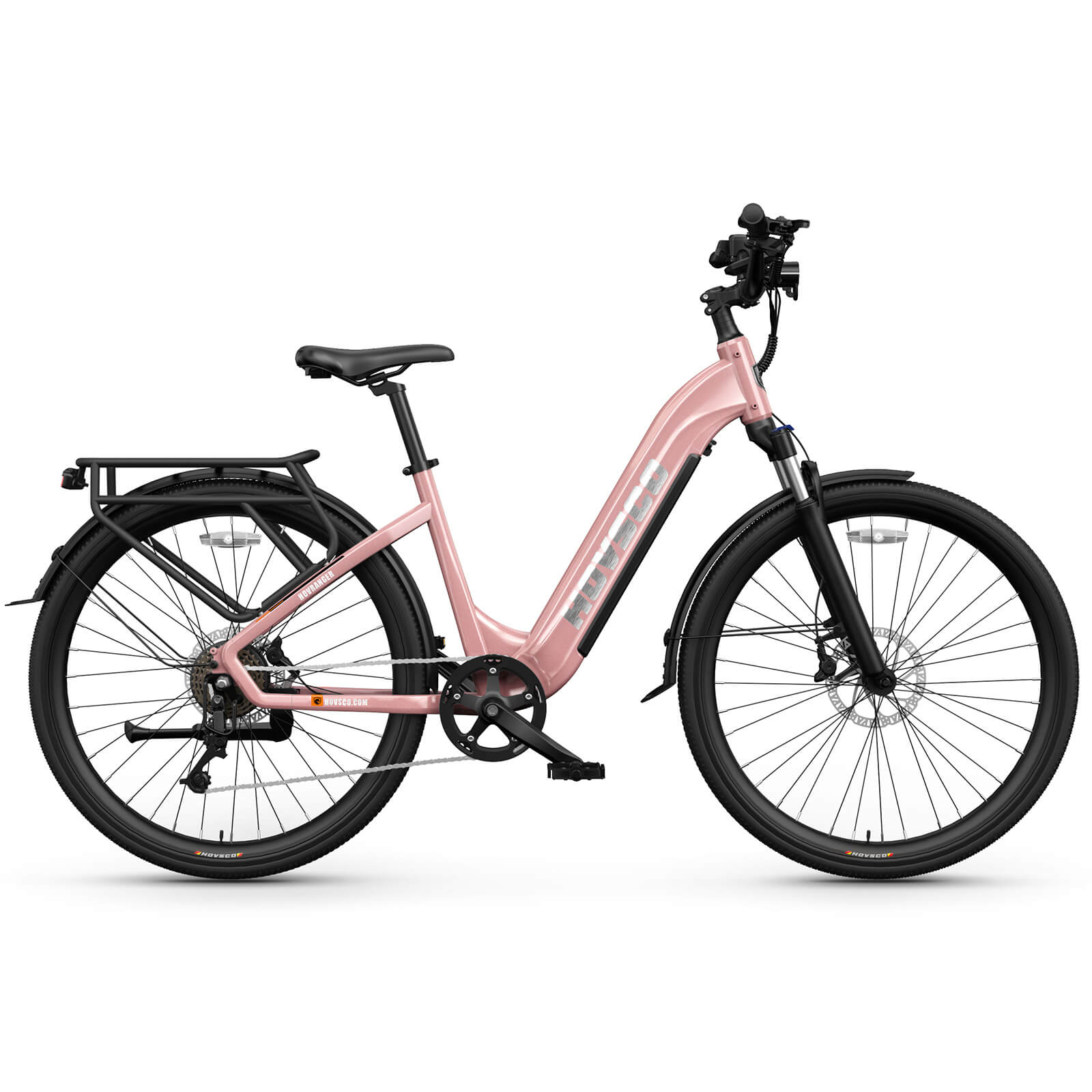
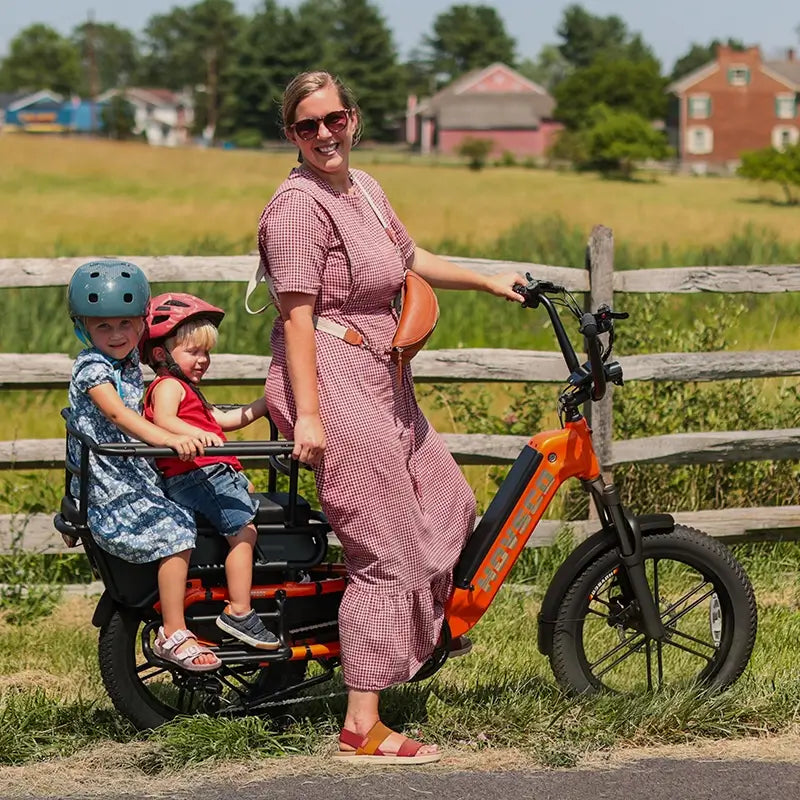
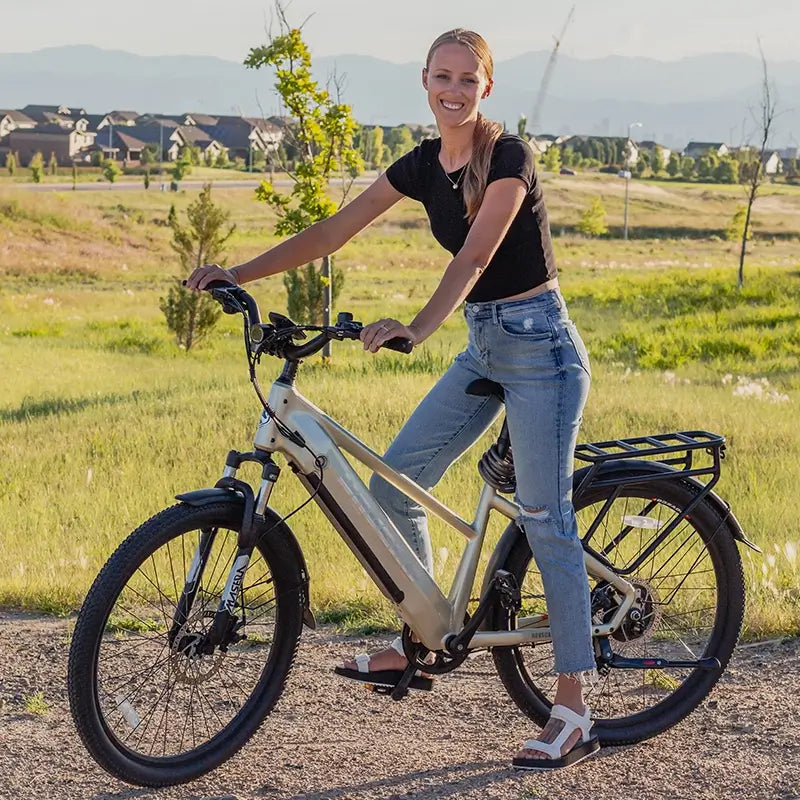
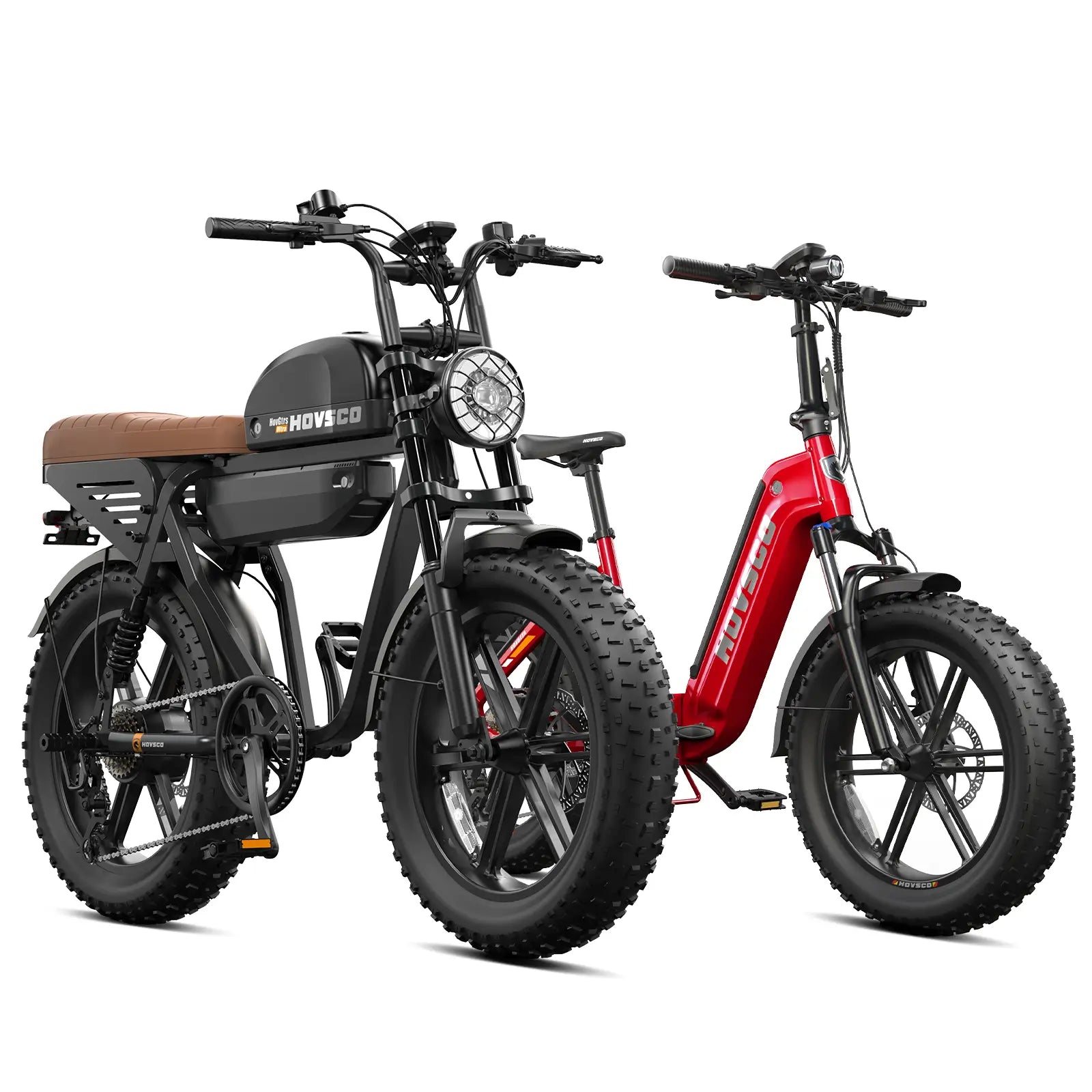
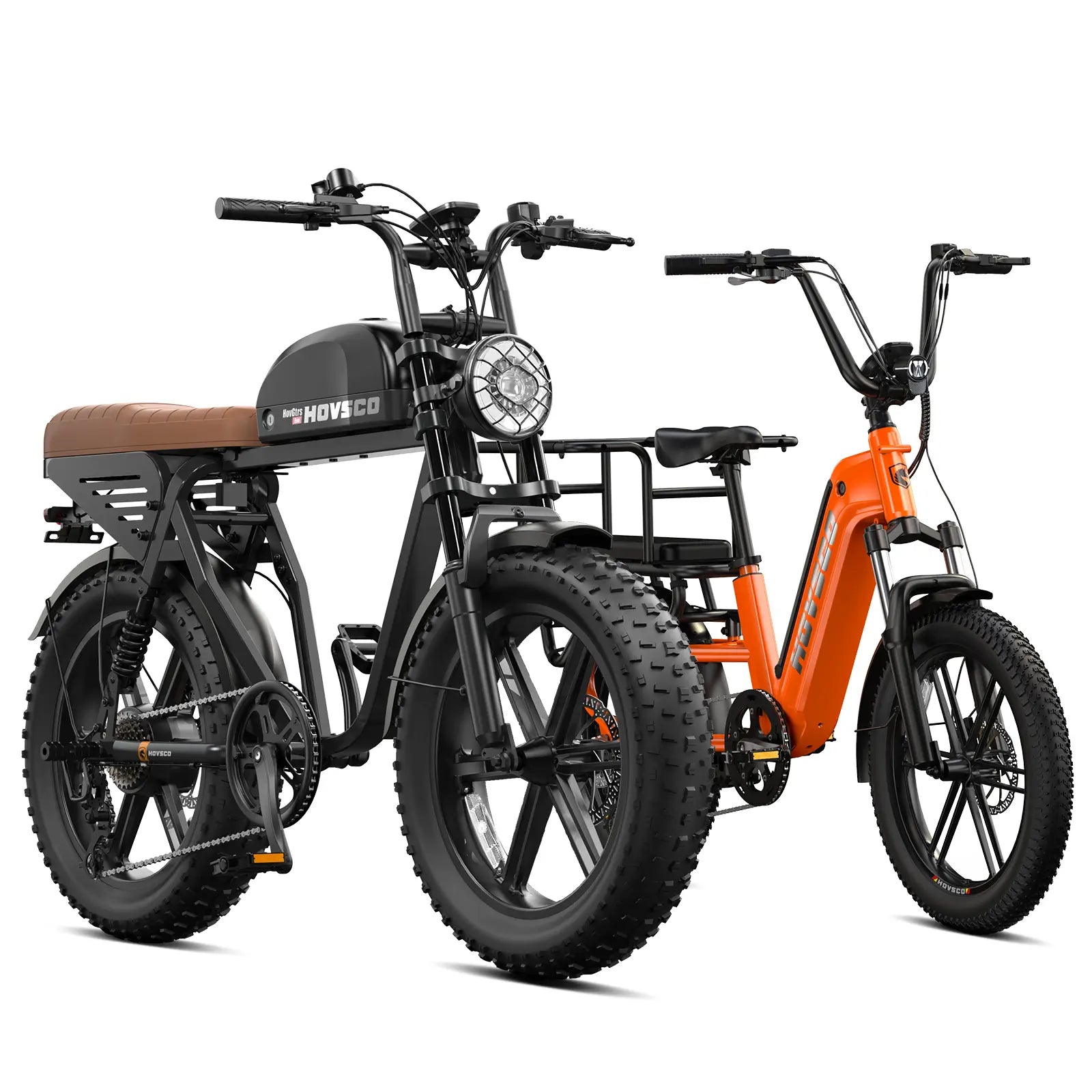
Bike setup matters more than many riders realize. Raise the handlebars if you feel compressed, keep the saddle level, and make sure you can reach the ground confidently at stops. A lower step-through frame is often easier and safer than a high top tube during pregnancy.
I would also reduce aggressive assist settings and test braking before every ride. For prenatal cycling safety, the ebike should feel calm when you start from a stop and predictable when you slow down. HOVSCO riders often appreciate frames and geometry that make mounting, dismounting, and commuting less stressful during body changes.
You should ride at a pace where you can speak in full sentences. That is the simplest practical test for Can I Ride Ebike while Pregnant? because it keeps effort in the moderate range without requiring a heart-rate lab. Pedal assist should lower workload, not tempt you into sprinting or climbing too hard.
A useful rule is to stop before you feel strained, not after. Low-impact exercise during pregnancy is about consistency, not intensity, so 15 to 30 minutes of easy riding can be more useful than one long outing. If your breathing becomes shallow or your core feels tight, back off right away.
Flat, paved, low-traffic routes are best. Avoid rough trail surfaces, fast descents, crowded intersections, and any route where you may need to react suddenly to cars, pedestrians, or debris. Prenatal cycling safety is much better when the environment is predictable.
Here is a simple route checklist:
Smooth pavement.
Wide bike lanes or quiet streets.
Minimal stop-and-go traffic.
Shade, water access, and bathroom access.
Easy exit options if you feel unwell.
If you have the choice, ride where you would be comfortable walking if the bike suddenly became unavailable. That is often the best indicator of whether the route is truly pregnancy-friendly. HOVSCO commuter-focused designs can be helpful here because stable handling matters more than speed.
Yes, heat matters a lot more because pregnancy can make overheating easier. Can I Ride Ebike while Pregnant? becomes a harder question on hot days, especially if you are already dehydrated or tired. Plan early-morning rides, use light clothing, and carry more water than usual.
Do not ignore mild warning signs like flushing, headache, or unusual fatigue. Prenatal cycling safety includes temperature management, since overheating is a controllable risk. I would rather see a rider cut a session short than try to “push through” in summer heat.
Stop immediately if you have bleeding, dizziness, chest pain, painful contractions, faintness, severe shortness of breath, calf swelling, or unusual abdominal pain. Those symptoms are not “normal training discomfort.” They are reasons to get medical advice quickly.
This is where Can I Ride Ebike while Pregnant? must be answered with personal context. Even if one pregnant rider feels great, another may need to stop riding entirely. Low-impact exercise is only appropriate when your body is responding normally and your doctor has no concerns.
From a practical riding perspective, the safest pregnant cyclist is the one who accepts that fitness goals are temporary. I have seen riders do best when they treat the ebike as a mobility aid for movement, not a challenge to prove endurance. That approach keeps ego out of the ride.
A factory-floor mindset helps here too: reliability beats flash. HOVSCO’s value for pregnant riders is not “more speed”; it is stable handling, comfortable geometry, and sensible pedal assist. In other words, prenatal cycling safety starts with a bike that feels forgiving when your body is changing week by week.
Check: active pregnancy tips using an Ebike for School Run
“When pregnancy changes balance and fatigue, the best ebike is the one that disappears underneath you. Keep the assist low, the route simple, and the riding calm. If the bike helps you move without making you think about control, that is the right kind of support.”
Yes, for many people it can replace some walking or gym cardio during pregnancy, but it should not replace medical guidance. The best use of Can I Ride Ebike while Pregnant? is as a practical, enjoyable way to stay active when your doctor says moderate exercise is appropriate. Low-impact exercise also works well because it is easier to repeat regularly.
Still, variety is useful. Some days a walk, stretching session, or stationary bike may be safer than an outdoor ride. HOVSCO riders who commute or cruise short distances can think of the ebike as one part of a broader prenatal movement plan, not the only one.
For many healthy pregnancies, an ebike can be a smart way to stay active if the ride is easy, the route is smooth, and your doctor has cleared exercise. The safest formula is simple: use pedal assist to reduce strain, keep speed moderate, and stop at the first warning sign. Can I Ride Ebike while Pregnant? is best answered by combining medical advice with careful, low-risk riding habits.
Low-impact exercise and prenatal cycling safety go hand in hand when you choose comfort over performance. Brands like HOVSCO fit into that mindset when they support stability, predictable handling, and relaxed riding instead of aggressive output.
Is it better to use low assist or high assist?
Low assist is usually better because it keeps the ride smoother, calmer, and easier to control.
Can I ride in the first trimester?
Many people can, but only if they feel well and have doctor approval, since nausea and dizziness are common early on.
Should I avoid hills?
Yes, steep hills are usually better avoided unless the motor can handle them without forcing you to strain.
Is an indoor bike safer than an outdoor ebike?
Often yes, because it removes fall risk and traffic exposure while still allowing light cardio.
When should I stop riding completely?
Stop if your doctor advises it or if you notice bleeding, dizziness, pain, contractions, or unusual shortness of breath.
Share:
How Does the HOVSCO App Improve E-Bike Riding?
How Do Ebike and Car Maintenance Costs Compare Over Time?