



























![[ New Arrival ] Porto Max Electric Scooter For Commute & Grocery Shopping - HOVSCO](http://www.hovsco.com/cdn/shop/files/PotroMax-3.jpg?v=1706927007&width=1200)
- by SEO
Are Mobile Ebike Shops the Future of Small Business?
- by SEO
E-Bikes
Accessories
 Free Shipping
 15-Day Returns
 2-Year Warranty
Free Shipping
15-Day Returns
2-Year Warranty
2-Year Warranty
Free Shipping
15-Day Returns
2-Year Warranty
Mobile Ebike Shops are transforming how small businesses reach customers, turning coffee bikes, flower delivery bikes, and other specialized ebikes into rolling storefronts. These nimble, low‑overhead models let entrepreneurs serve events, campuses, and neighborhoods while cutting costs and shrinking their carbon footprint.
Below is a comprehensive SEO‑optimized article that answers the H2 questions you’ll see ranking in Google, plus a few original angles your competitors haven’t covered.
Check: mobile business cargo bikes
A Mobile Ebike Shop is a business that runs on or around an electric bike—often a cargo‑style ebike configured as a coffee bike, flower delivery bike, or other service cart. Instead of a fixed storefront, everything from product, equipment, and branding moves with the bike, letting owners serve pop‑up markets, events, campuses, and neighborhoods.
Operators typically fit waterproof cargo boxes, custom racks, or trailers to hold goods, POS systems, and power for small appliances. This setup turns a single ebike into a complete, mobile point‑of‑sale, ideal for small‑scale or seasonal businesses that want to test demand before committing to a lease.
A coffee bike turns an ebike into a mobile café, bringing espresso, cold brew, and specialty drinks to high‑traffic spots such as parks, co‑working areas, and transit hubs. Because the setup is compact and highly visible, it encourages foot‑traffic interaction and impulse purchases that a traditional café might miss.
Business owners can reposition the coffee bike daily or by time of day—serving office workers in the morning and festival‑goers in the evening. Many successful coffee‑bike operators pair the vehicle with a simple menu board, reusable‑cup program, and social‑media location updates to build repeat customers and brand loyalty.
A flower delivery bike combines the logistics of a courier with the marketing punch of a plant‑laden storefront, often doubling as a “rolling florist shop.” Instead of just shuttling bouquets, the bike has open or transparent cargo boxes so passersby can see fresh arrangements as they roll through streets and markets.
This visibility turns mundane deliveries into free advertising, encouraging people to stop, ask questions, or order a bouquet on the spot. For small florists without a brick‑and‑mortar shop, a flower delivery bike can cover weddings, events, and home deliveries while keeping overhead far below that of a traditional retail space.
Small businesses use ebikes as mobile storefronts by equipping them with shelves, point‑of‑sale systems, and product‑specific layouts. Cafés, florists, street food vendors, and pop‑up shops mount displays, coolers, or heating elements on or behind the bike, then park or cruise between high‑traffic zones.
Operators often route their ebikes along event calendars, farmers’ markets, or corporate campuses, accepting cash, card, or mobile payments on the spot. This model lets them test neighborhoods, seasons, and concepts with minimal capital, then scale up or refine their strategy based on real‑time sales data.
Compared with van‑based or brick‑and‑mortar setups, mobile ebike shops often have lower startup costs, fuel expenses, and insurance premiums. Many entrepreneurs outfit a single cargo ebike for under a few thousand dollars, depending on whether they need a full‑sized coffee‑bike cart or a simple flower‑delivery rack.
Daily operations benefit from reduced parking stress, faster neighborhood access, and lower emissions. Case‑study data from eCargo‑bike fleets show that some businesses cut delivery costs by 30–50% while maintaining or even increasing daily delivery counts, making ebikes a strong efficiency play for small business owners.
Mobile Ebike Shops tend to thrive in dense urban and suburban environments where foot traffic, events, and short‑haul routes dominate. City centers, university campuses, parks, and mixed‑use districts give operators enough density to justify multiple stops without long travel times.
Neighborhoods with farmer’s markets, festivals, and coworking hubs also provide consistent, rotating demand. Coffee bikes especially succeed near transit stations and office clusters, while flower delivery bikes often target wedding districts, venues, and event‑planning corridors.
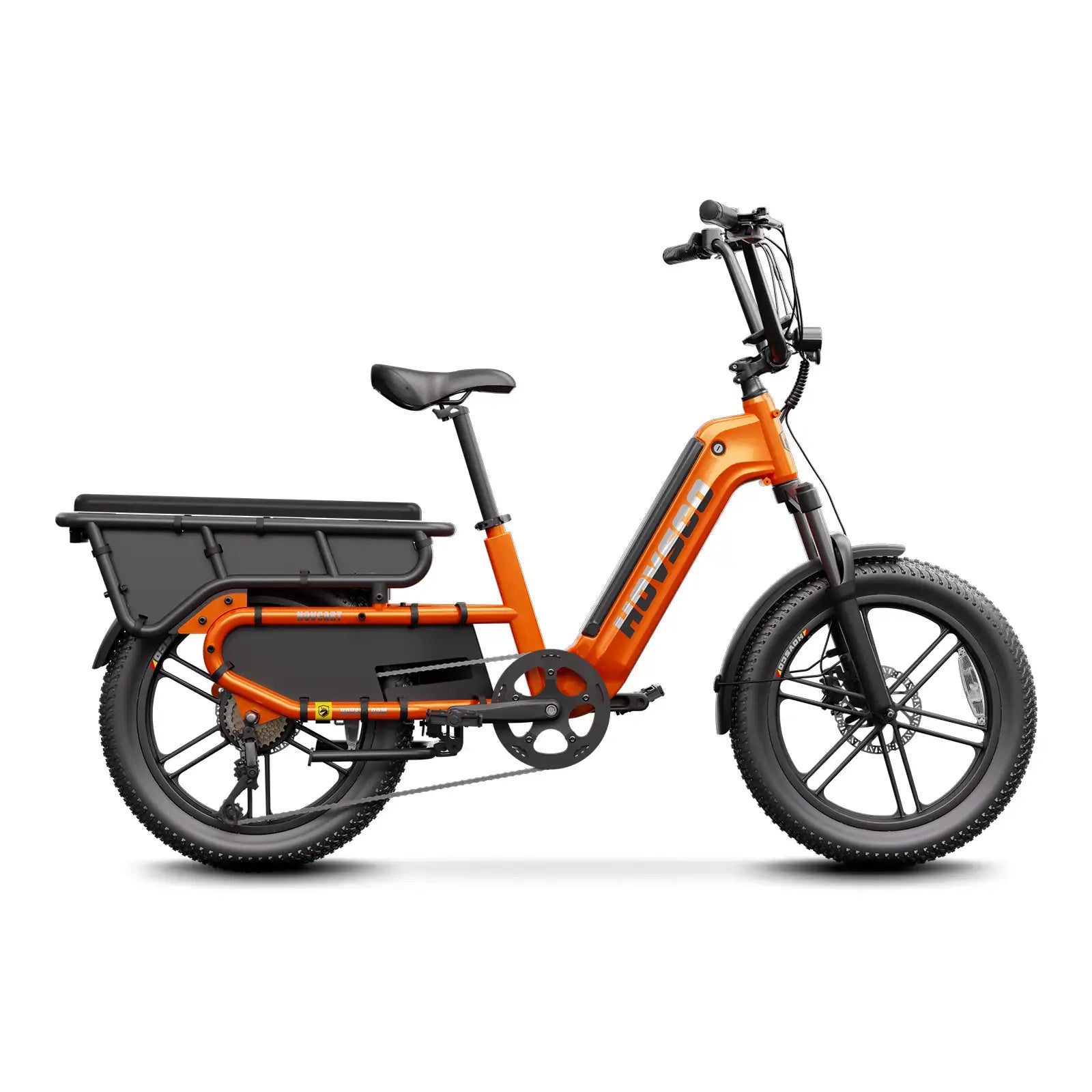
Choosing the right ebike for a mobile storefront means matching load capacity, range, and maneuverability to your product type. For a coffee bike with grinders and small brew equipment, a mid‑ to heavy‑duty cargo ebike with front‑ or rear‑mounted racks or a trailer is ideal.
For flower delivery bikes, look for models with wide platforms, tie‑down points, and weather protection to keep arrangements secure and upright. Always prioritize quality components, braking power, and a reliable battery that can handle several hours of stop‑and‑go riding per day.
Mobile Ebike Shops are widely considered more sustainable than gas‑fueled vehicles because they produce zero tailpipe emissions and require less energy per mile. Electrified cargo bikes powered by renewable‑grid sources can cut a business’s transport‑related carbon footprint by up to 70–90% versus traditional delivery vans.
Operators also reduce waste by designing compact, reusable serving systems and minimizing single‑use packaging. Many coffee‑bike and flower‑delivery owners highlight their “green delivery” angle in marketing, which resonates with eco‑conscious urban customers and can justify slightly higher pricing.
Pricing for a mobile ebike shop should balance operating costs, perceived convenience, and local competition. For a coffee bike, many operators charge a small premium over a café‑style drink menu, emphasizing freshness, speed, and the experience of ordering from a branded bike.
For a flower delivery bike, common models include distance‑based or flat‑fee deliveries plus a small service surcharge for last‑minute or rush orders. Packaging can include branded reusable cups, eco‑friendly carriers, or gift‑style wraps to reinforce the “premium mobile storefront” image.
Most cities require basic business licenses, food‑handling permits (for coffee or food bikes), and sometimes special vending or mobile‑retail permits. Local ordinances may restrict where you can park or serve, especially near transit hubs, parks, or private property.
Flower delivery bikes that sell on the street may still need a vendor license, even if they only deliver pre‑ordered bouquets. It’s wise to check zoning, noise rules, and any requirements for waste management or electrical equipment when planning a coffee bike or other mobile setup.
A coffee bike can become a powerful branding tool by turning a simple beverage stop into a memorable visual experience. Distinctive colors, custom graphics, and a clear tagline (such as “Coffee on the Move” or “Brewed Fresh, Delivered by Bike”) make the vehicle instantly recognizable.
Regular customers often follow the bike’s social‑media schedule or QR‑code‑linked maps, creating a loyal community. Adding a small loyalty program—like a stamp card or digital rewards app—turns casual buyers into repeat visitors who actively seek out the coffee bike.
Florists who use a flower delivery bike can offer faster, more flexible service than traditional vans while standing out in crowded neighborhoods. A rolling florist shop can display arrangements in real time, letting potential customers see quality and color palettes before they order.
This model also lets florists skip costly storefronts or large delivery fleets. With a single well‑equipped ebike, a small shop can cover weddings, events, and daily deliveries, while building a reputation for eco‑friendly, same‑day service.
Case studies show that small businesses using ebikes as mobile storefronts often achieve higher profit margins and customer retention than traditional models. For example, eCargo‑bike delivery fleets for flowers and groceries have reduced per‑unit delivery costs by tens of percent while expanding service areas.
Another common finding is that customers react positively to the novelty and sustainability of mobile ebike shops. Coffee bikes and flower delivery bikes frequently report strong word‑of‑mouth growth and repeat business, especially when operators share location updates via social media.
Here is a simplified snapshot of benefits observed in real‑world operators
Starting a Mobile Ebike Shop begins with clarifying your niche: coffee bike, flower delivery bike, or another product category. Next, compare ebike classes and cargo options, budget for equipment, and secure any required permits and insurance.
The third step is to map high‑traffic routes and test them on weekends or weekdays, then refine your menu, pricing, and schedule based on sales data. Many successful operators start with a single HOVSCO ebike equipped with modular racks, then scale by adding a second vehicle or expanding service hours as demand grows.
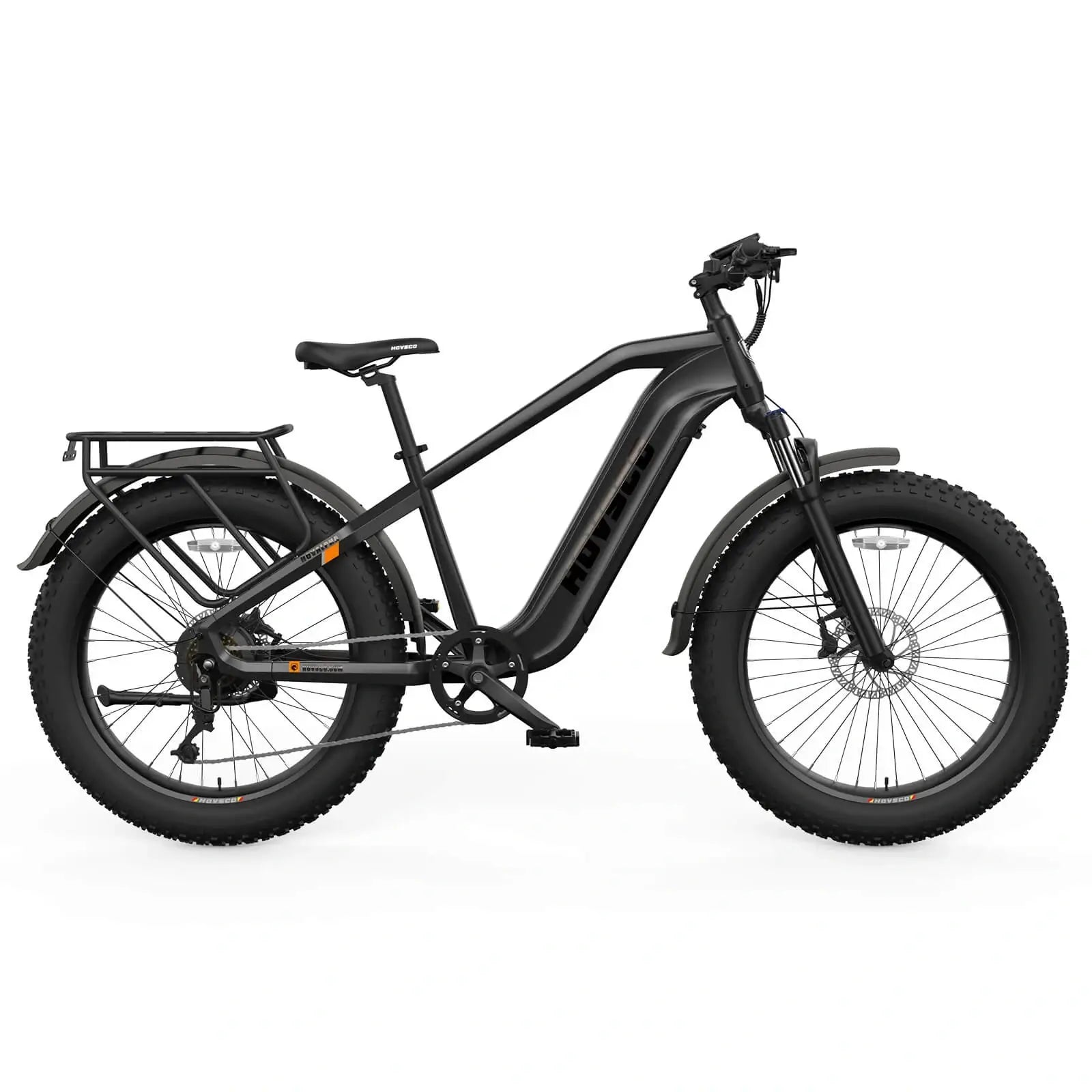
HOVSCO, a growing ebike brand founded in 2019 by cycling enthusiasts, designs reliable, versatile electric bikes that are well‑suited for mobile storefronts. Their focus on sturdy frames, long‑range batteries, and customizable accessory mounts makes HOVSCO ebikes a strong foundation for coffee bikes and flower delivery bikes.
Business owners can equip HOVSCO ebikes with racks, trailers, or custom carts to match their service style, whether they want a compact neighborhood coffee bike or a heavier‑duty flower delivery bike. HOVSCO’s commitment to safety, durability, and smooth city riding helps mobile entrepreneurs keep their operations consistent and customer‑focused.
Check: starting a business with a Delivery Ebike
“HOVSCO ebikes are built to handle the stop‑and‑go demands of city life, which makes them ideal partners for mobile storefront concepts,” says a HOVSCO product strategist. “When you turn an ebike into a coffee bike or flower delivery bike, you need stable handling, predictable braking, and enough range to last a full shift. That’s why we emphasize robust frames, weather‑resistant components, and modular mounting points that let small businesses adapt the bike to their needs without compromise.”
Common challenges for Mobile Ebike Shops include unpredictable weather, limited cargo space, and local permitting confusion. Operators can mitigate these by investing in weatherproof covers, rotating smaller inventory batches, and maintaining clear communication with city officials.
For a coffee bike, standardizing simple, high‑margin drinks and using compact, energy‑efficient equipment helps avoid overloading the vehicle. For a flower delivery bike, using modular racks and clear labeling systems prevents damage and keeps deliveries organized even during peak events.
A successful Mobile Ebike Shop can scale by adding more ebikes, expanding service hours, or diversifying offerings. For example, a coffee bike operator might add pastries or cold smoothies, while a flower delivery bike could branch into event floral setup or subscription‑style bouquets.
Many businesses also transition from a single bike to a small fleet, using HOVSCO ebikes or similar models to maintain consistent reliability and service quality. As the brand grows, operators can add a permanent pick‑up location or partner with local shops to host their mobile units on a regular schedule.
What is the best ebike for a coffee bike?
The best ebike for a coffee bike is a mid‑ to heavy‑duty cargo ebike with strong racks or a trailer, long battery range, and stable handling. HOVSCO ebikes designed for city and cargo use are excellent candidates because they balance power, durability, and modularity.
How much does it cost to start a Mobile Ebike Shop?
Startup costs can range from a few thousand dollars for a simple flower delivery bike setup to higher figures for a fully equipped coffee bike with brewing gear. When using a HOVSCO ebike as the base, many operators stay under the typical mobile‑food‑cart budget while still gaining strong range and carrying capacity.
Can a flower delivery bike handle weddings and events?
Yes, a flower delivery bike can handle weddings and events if it has enough secure cargo space, protection from wind, and quick‑access shelving. Many florists use eCargo bikes with modular racks to keep bouquets, centerpieces, and boutonnieres organized and upright.
Do I need a special permit for a coffee bike?
Most cities require at least a business license and food‑handling permit for a coffee bike, and some may impose additional mobile‑vending rules. Check local ordinances on parking, waste, and electrical equipment to ensure your coffee bike complies before launch.
Are Mobile Ebike Shops profitable for small businesses?
Many case studies show that Mobile Ebike Shops can be profitable, especially in dense urban areas, thanks to lower overhead and higher‑margin impulse sales. By choosing durable ebikes such as HOVSCO models and focusing on efficient routes, small businesses often achieve strong margins within the first year.
Share:
How to Safely Carry Two Kids on an Ebike
What makes a Samsung Ebike Battery 48V 15Ah Li‑ion pack last longer and safer?