



- by EO S
What is the Best Moped Scooter for Your Needs?
- by EO S
E-Bikes
 Free Shipping
 15-Day Returns
 2-Year Warranty
Shop By Models
Shop By Style
A moped scooter blends bicycle-style ease with small engine power (50cc–150cc), ideal for urban commuting with fuel economy around 80–120 mpg and top speeds of 30–60 mph. Models range from pedal-equipped 50cc for casual errands to sleek maxi-scooters for highway cruising—choose based on range, comfort, and local laws.
A moped scooter is a motorized vehicle featuring a step-through frame, automatic transmission, and typically a 49cc–150cc engine. It differs from motorcycles by having smaller wheels (10–16 in), often built for convenience, efficiency, and ease of handling. Mopeds may include pedals or rely entirely on throttle control.
Chart: Moped Scooter vs Motorcycle vs Bike
| Vehicle Type | Engine Size | Speed Range | Transmission |
|---|---|---|---|
| Pedal moped | <50cc | 20–30 mph | Pedal + small engine |
| Scooter moped | 50–150cc | 30–60 mph | CVT, twist grip |
| Motorcycle | >150cc | 60+ mph | Manual gearbox |
Riding needs shape your choice:
Mopeds and scooters come in several types, each made for different ways of riding. Some have pedals and move slowly, perfect for short, easy errands. Others, like 50cc mopeds, are quicker and ideal for busy city streets. The larger maxi-scooters, which range from 125cc to 150cc, can handle highways and provide a smoother, more powerful ride over long distances. When deciding between gas and electric versions, gas mopeds usually travel farther on a full tank, while electric models are cleaner, quieter, and need less maintenance.
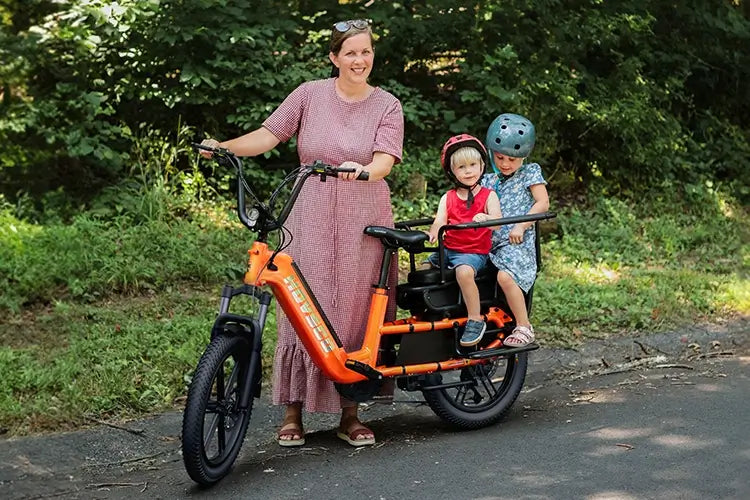
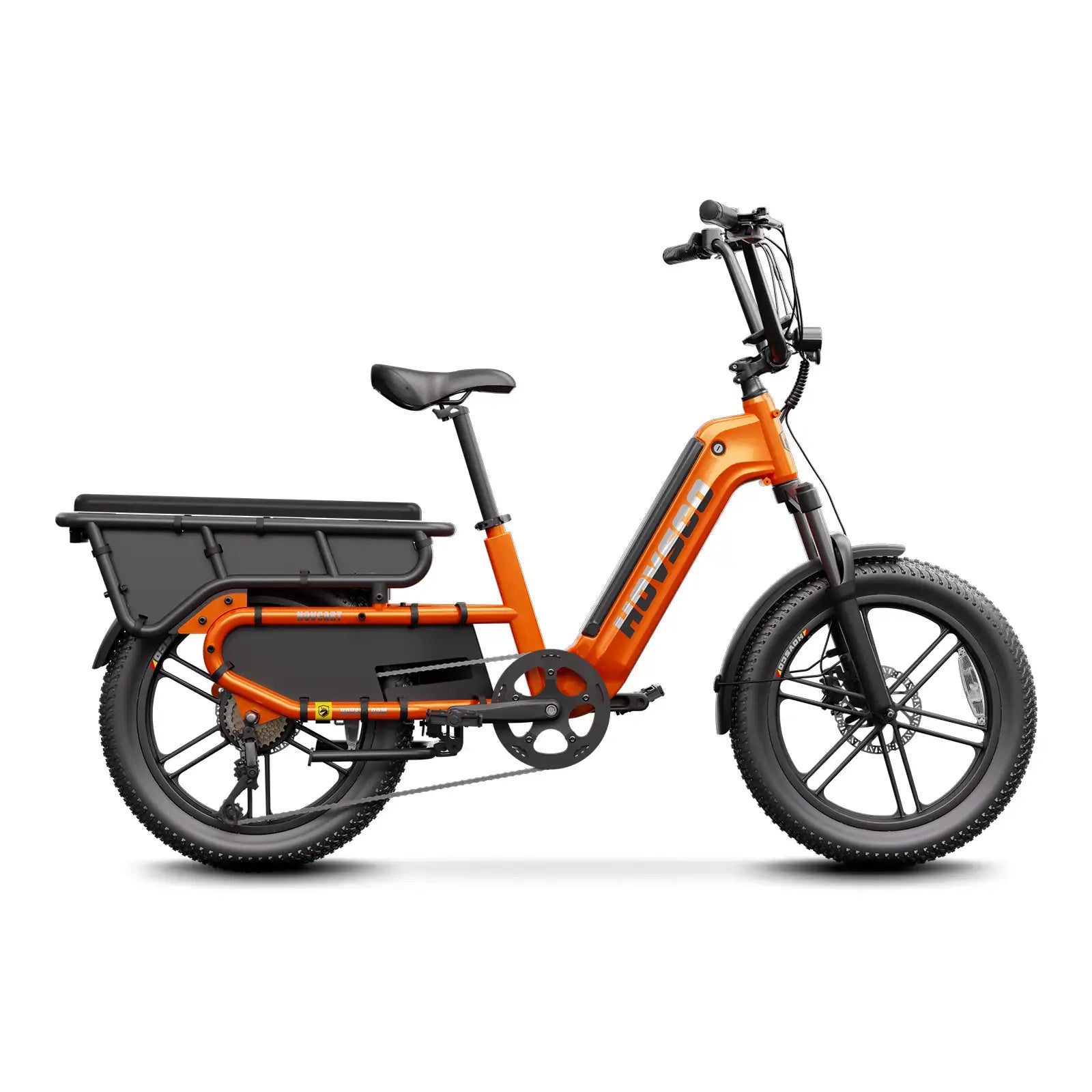
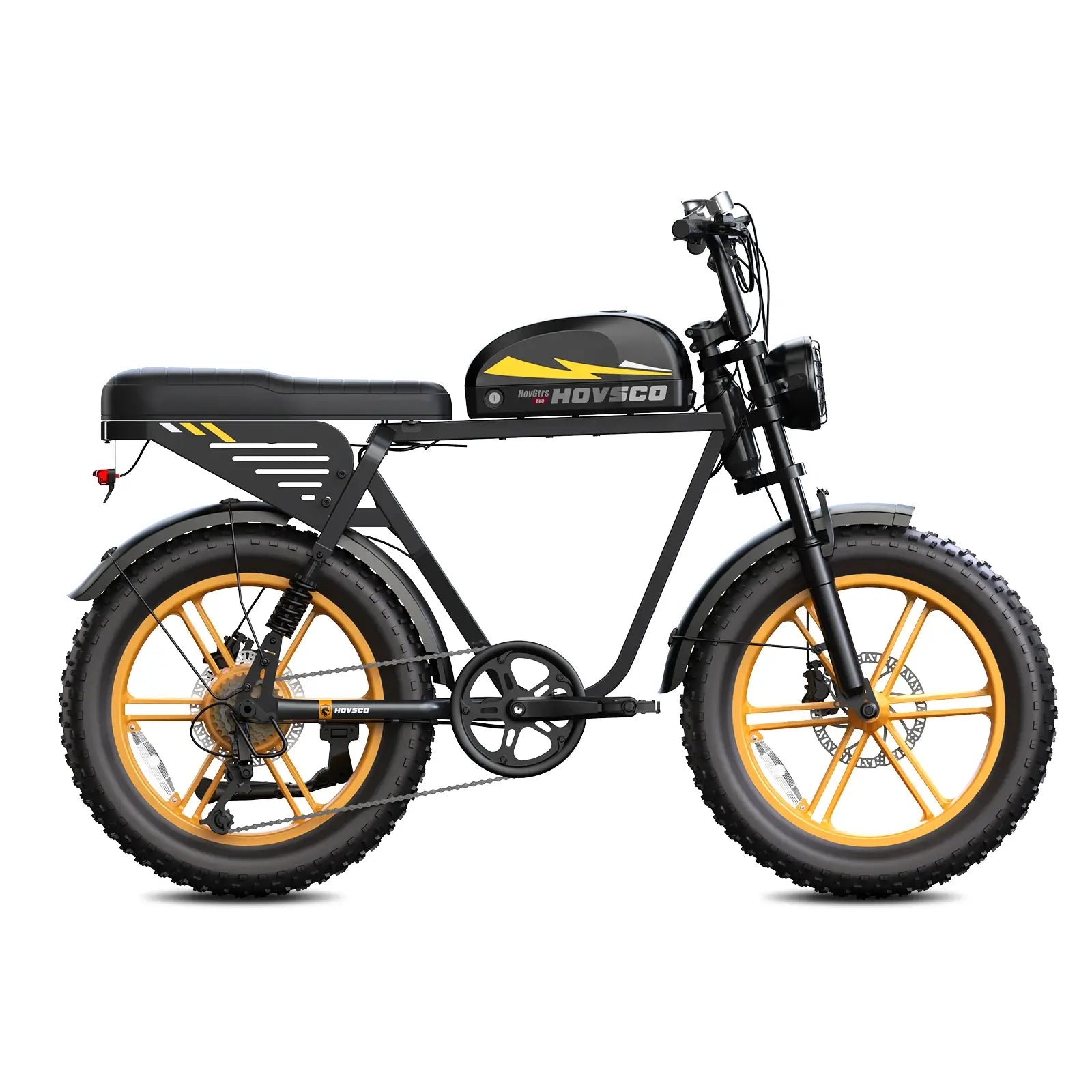
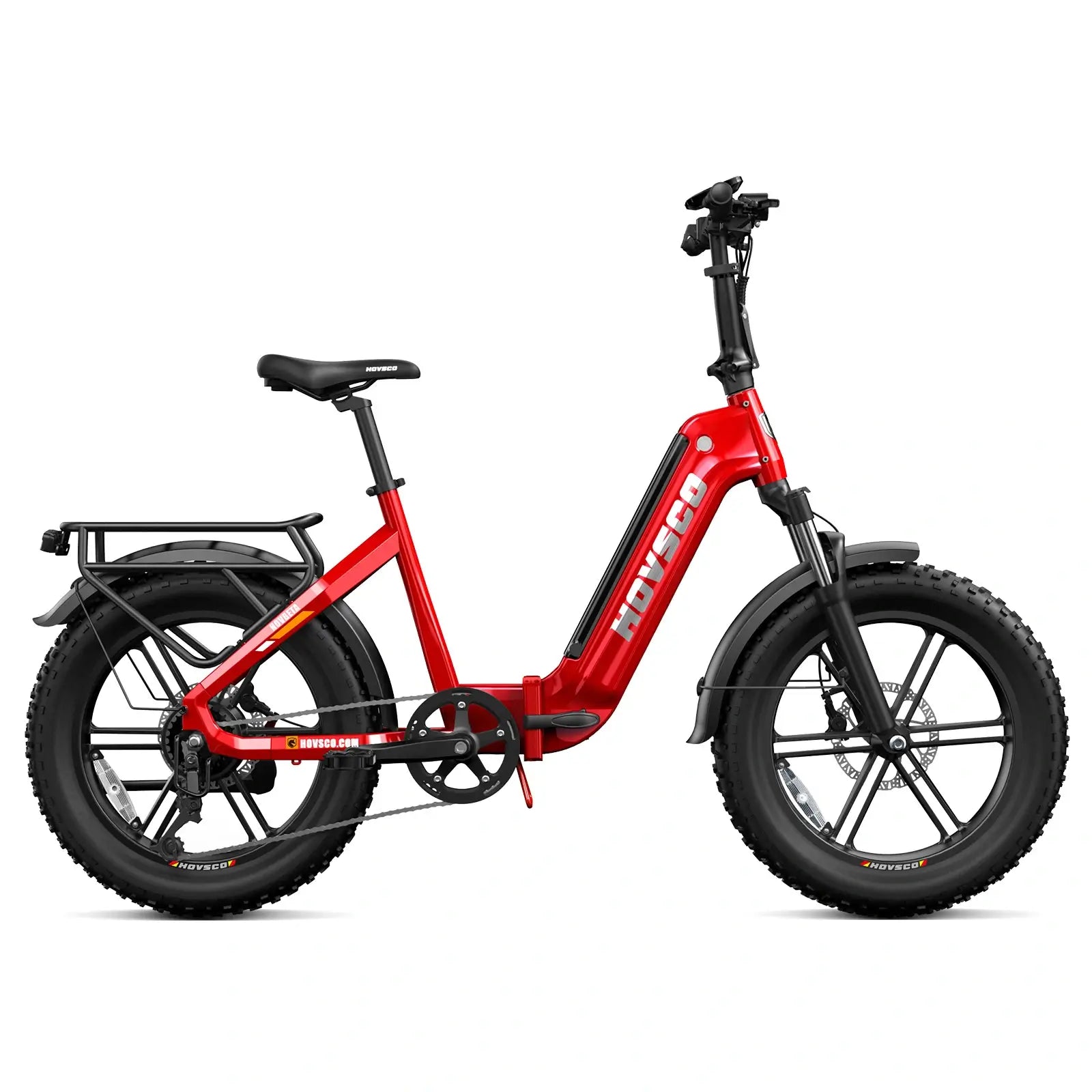
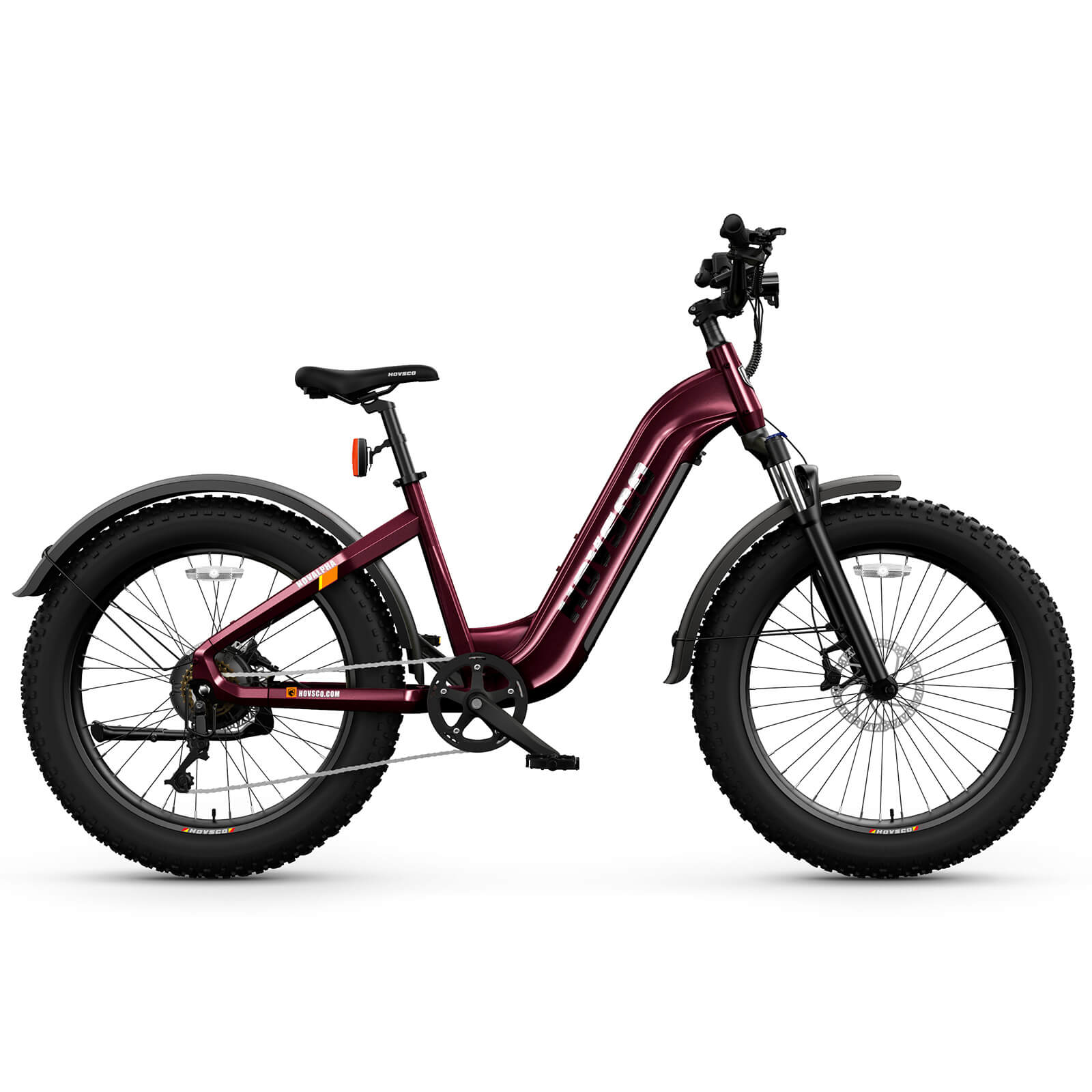
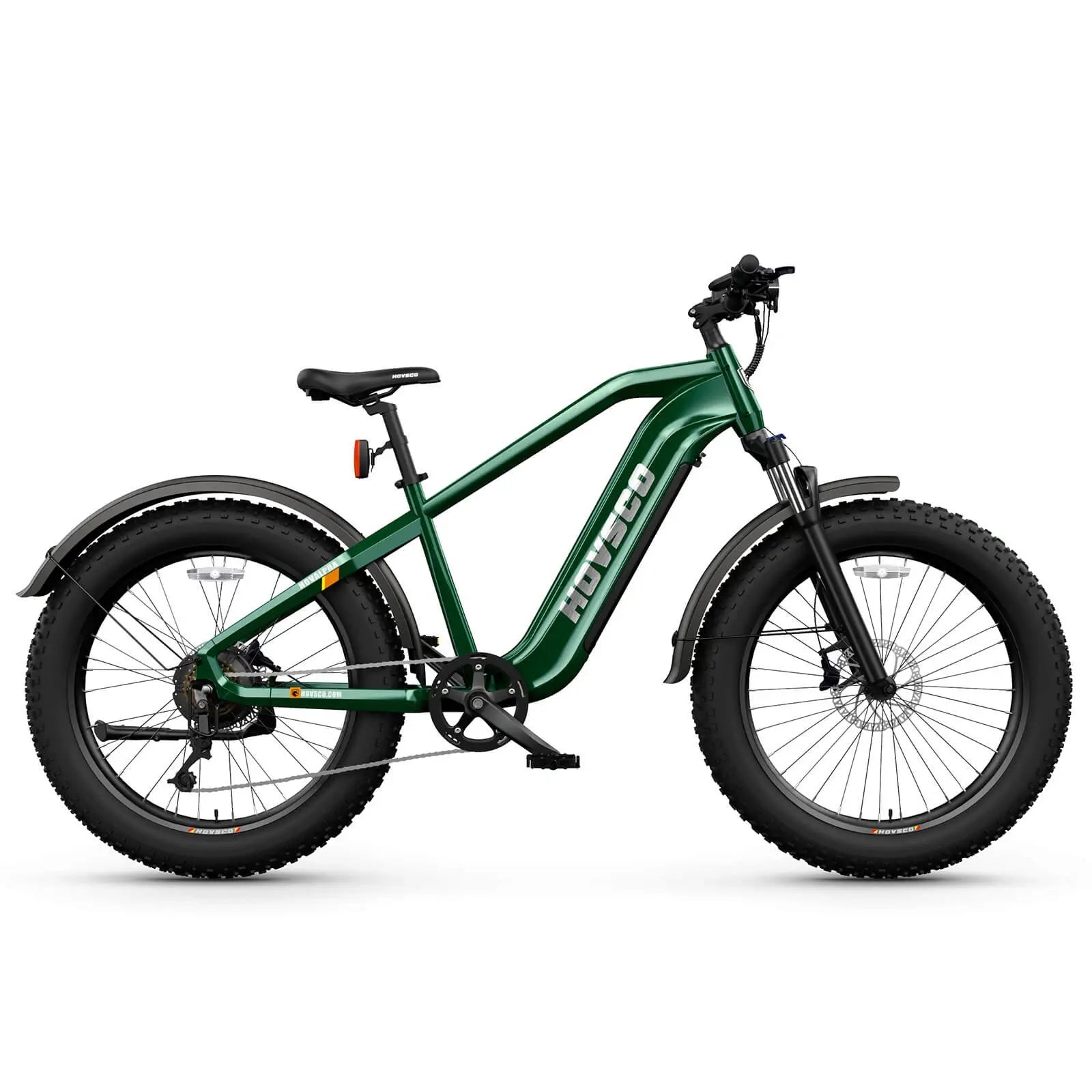
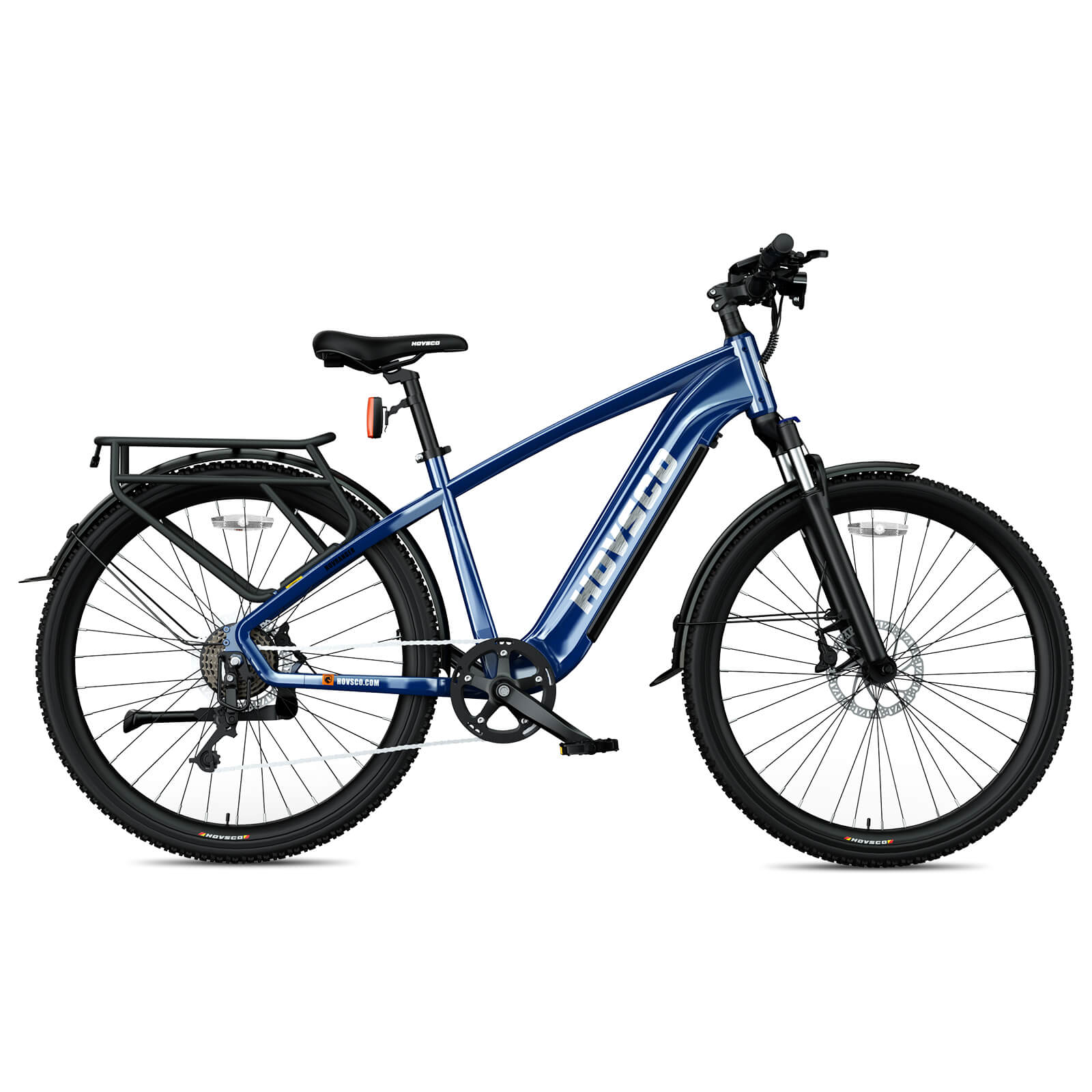
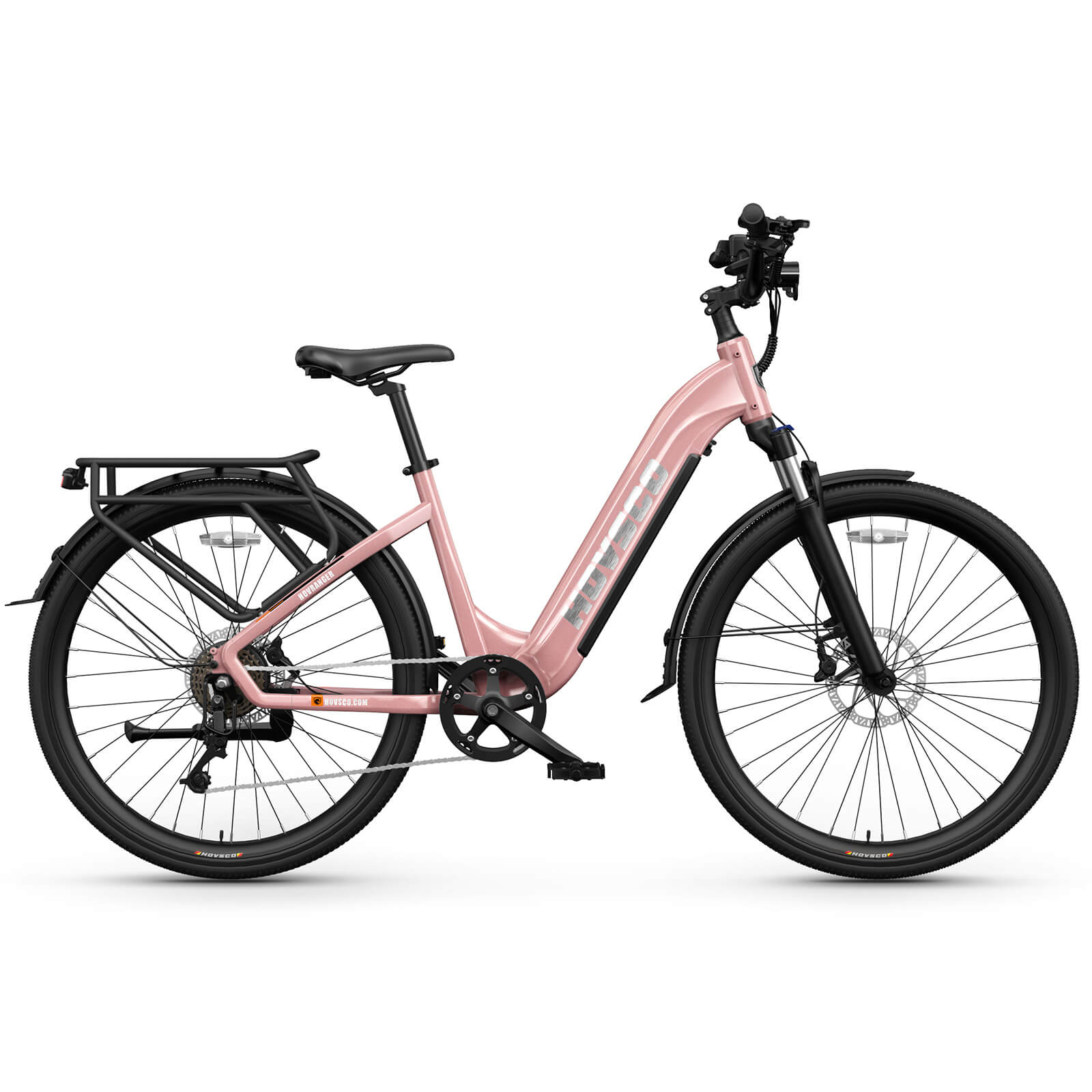
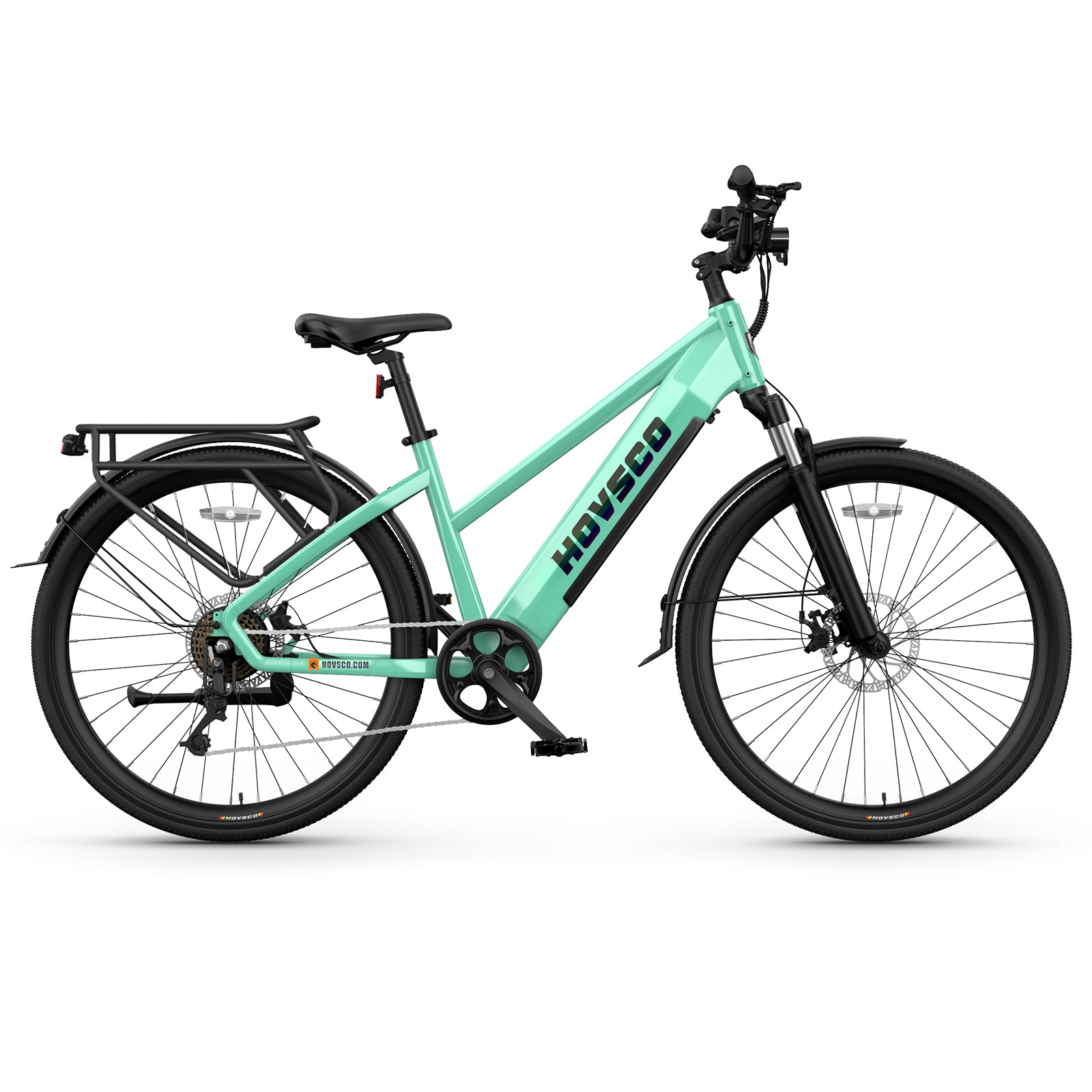
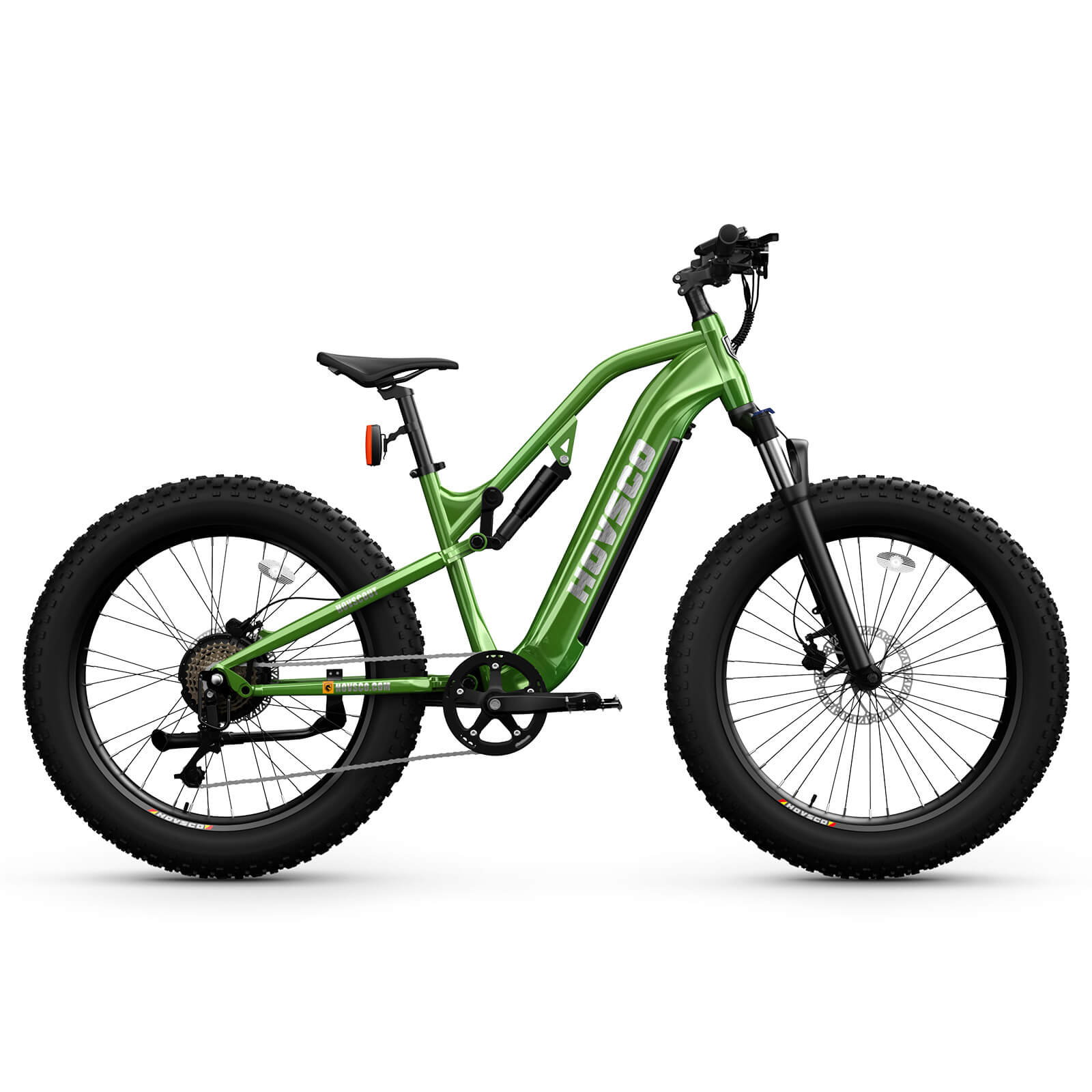
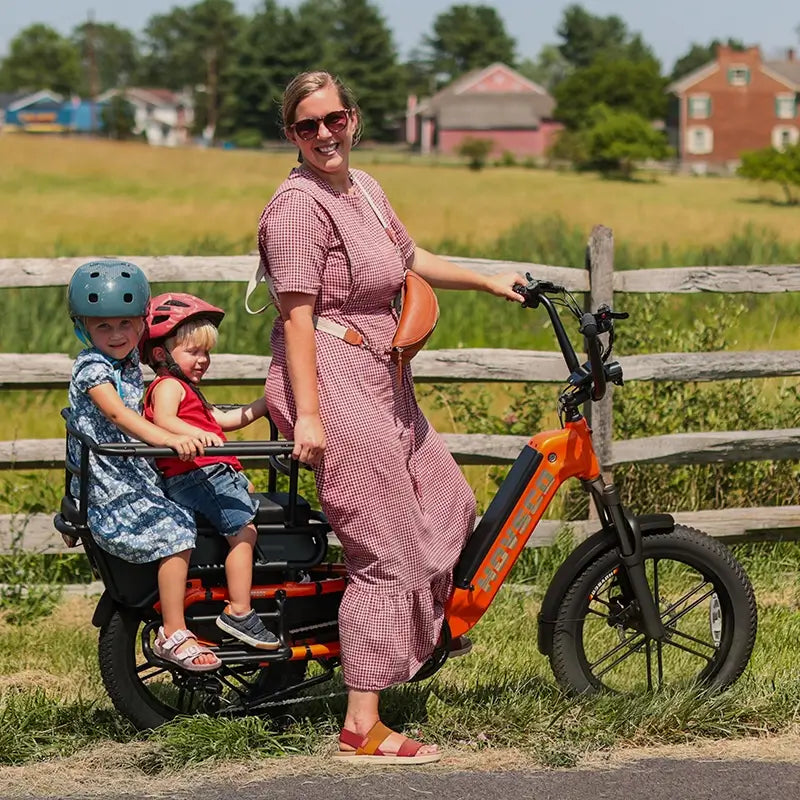
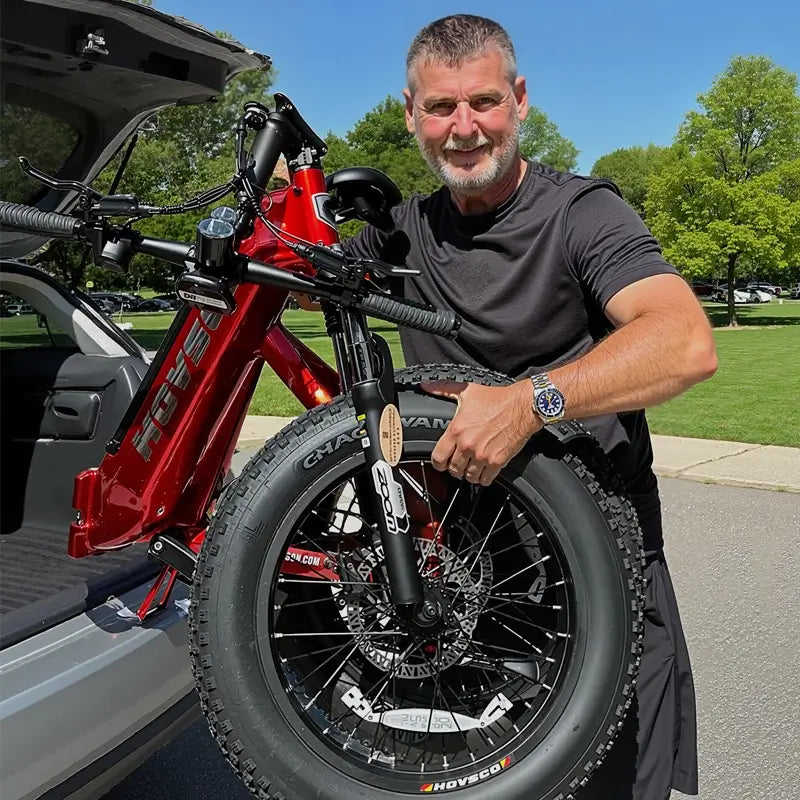
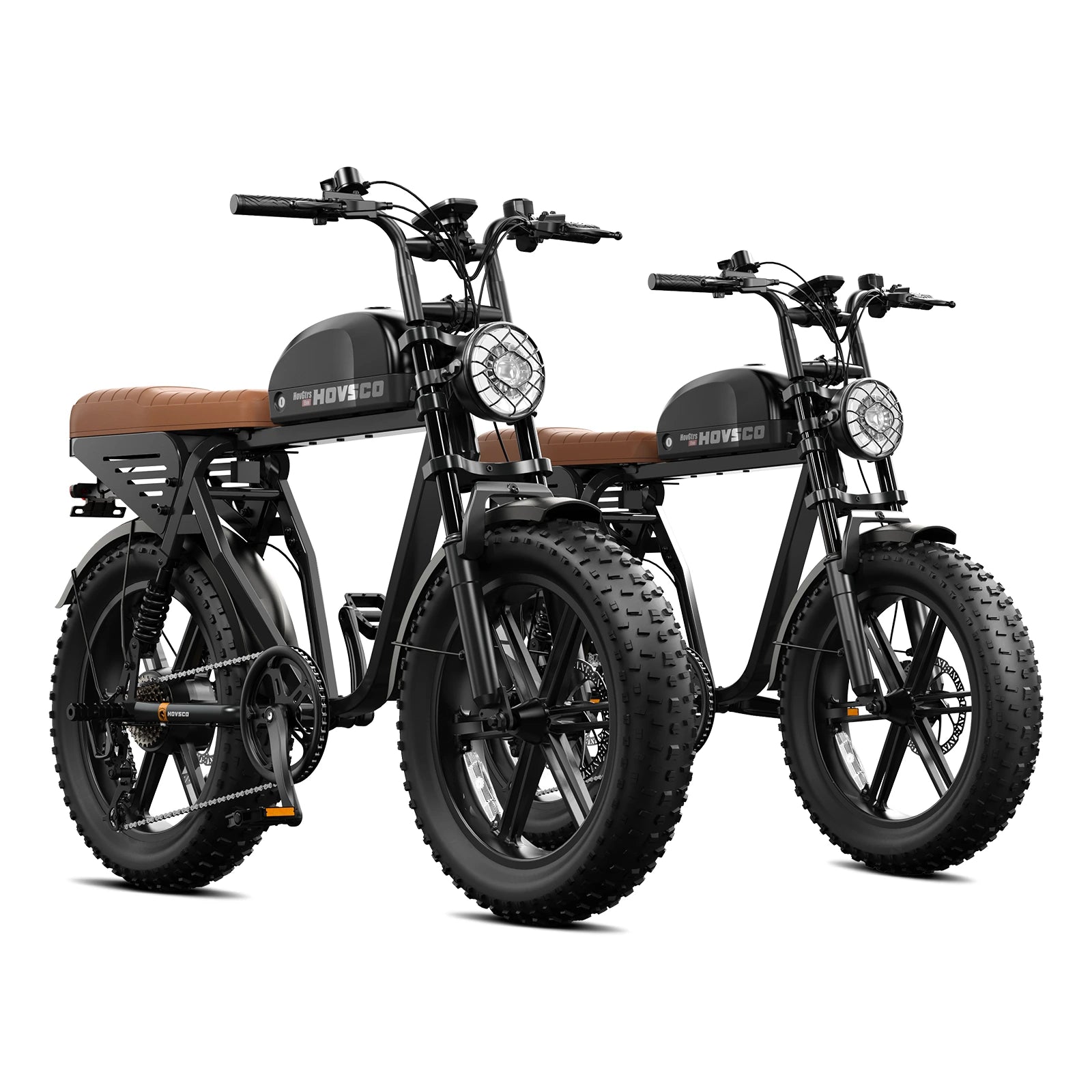
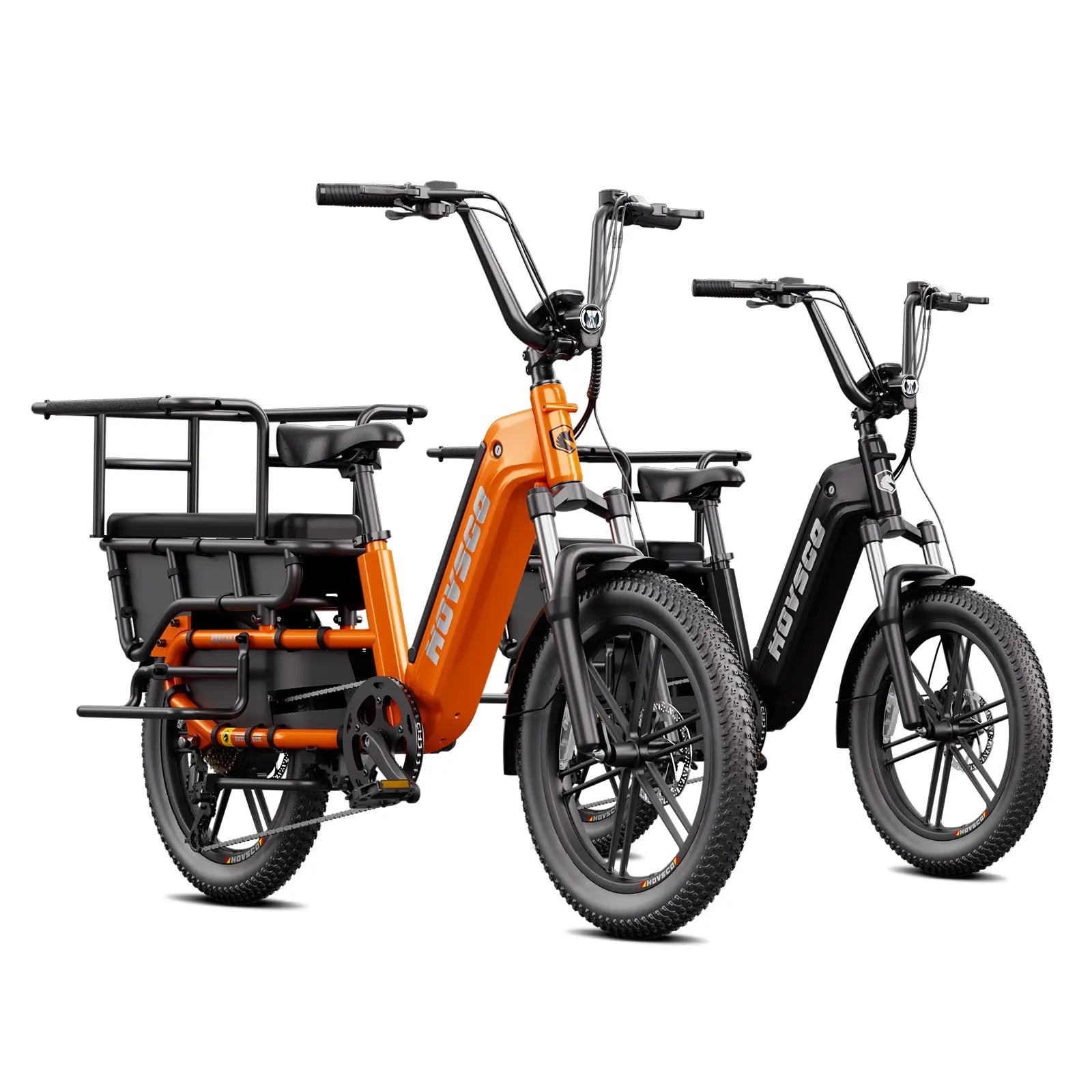
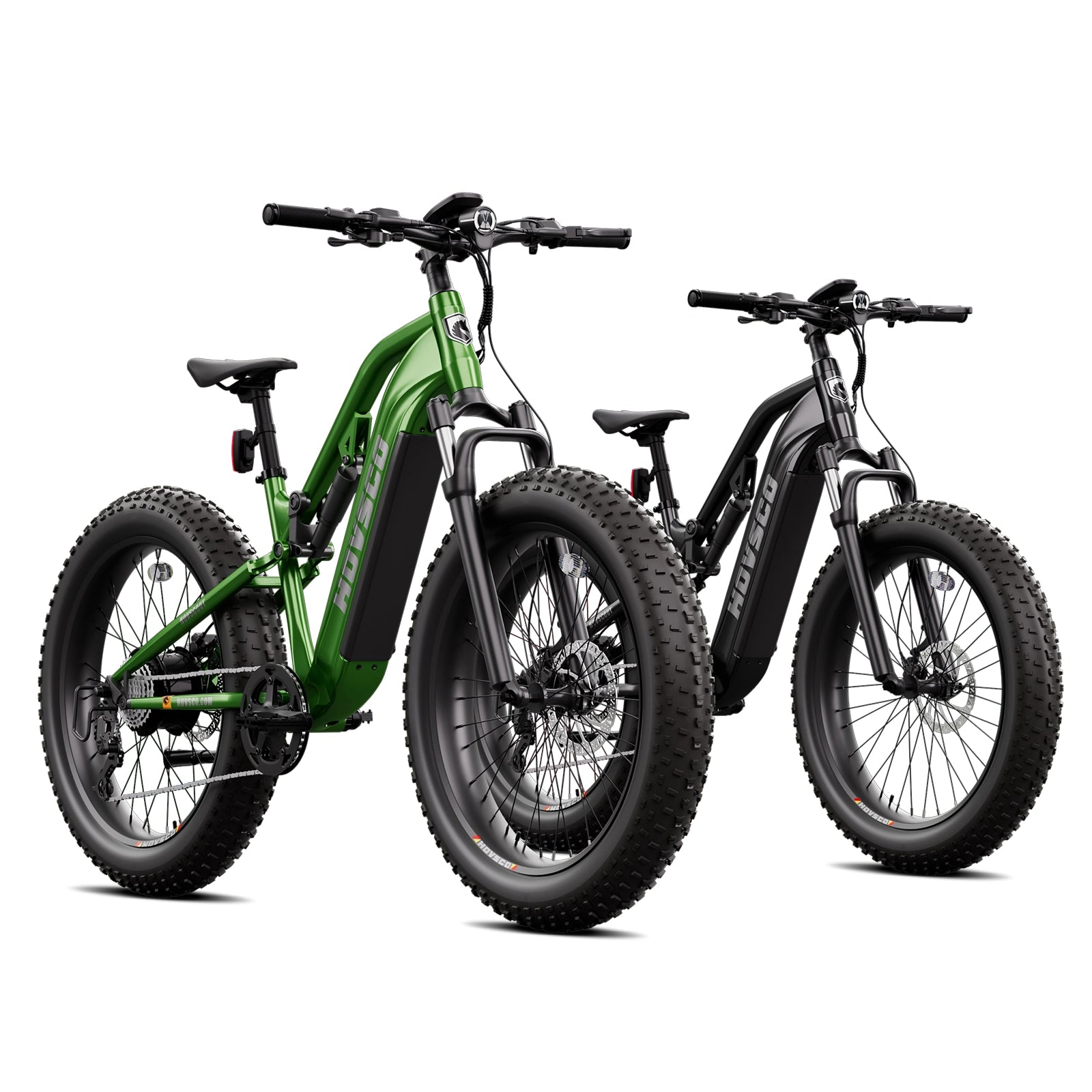
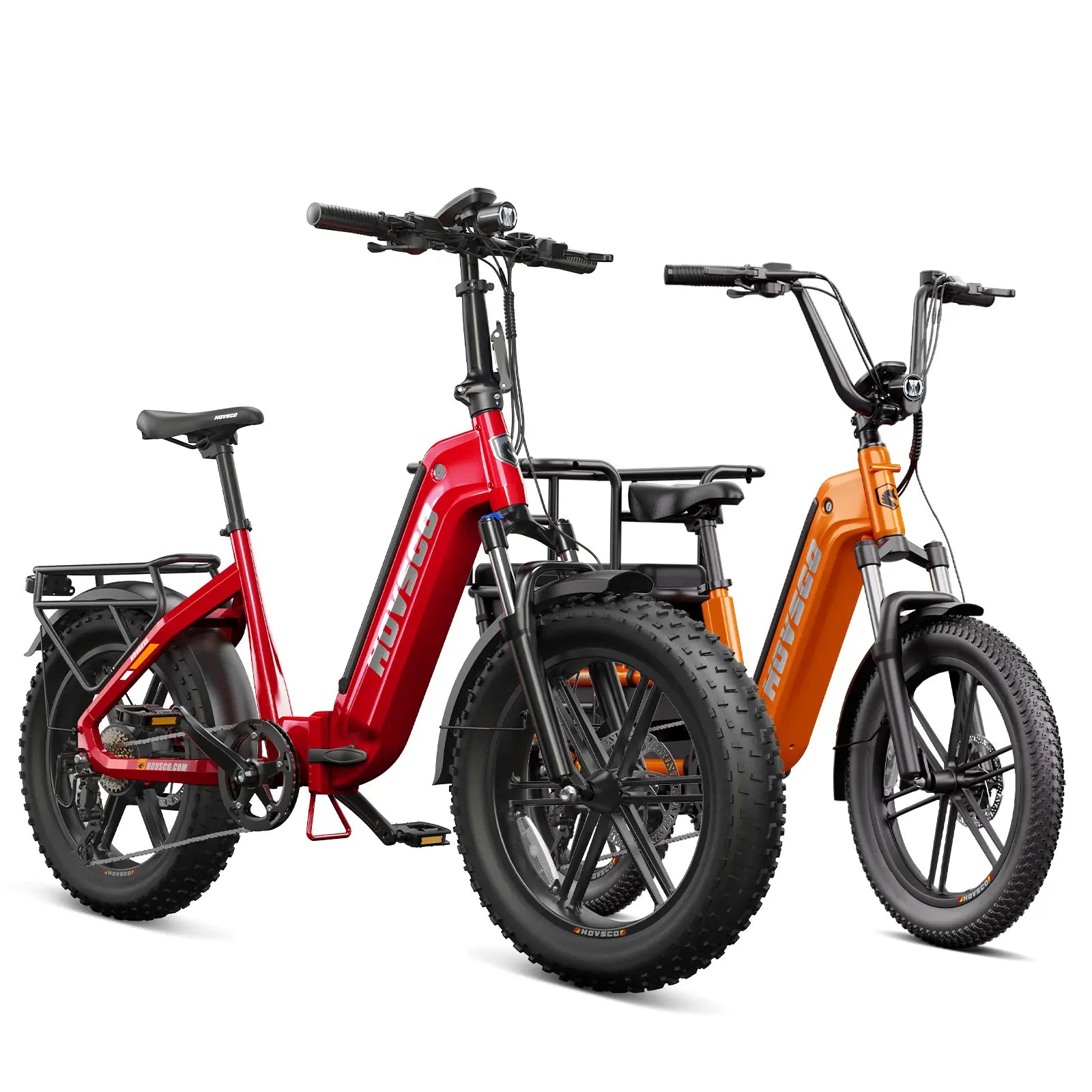
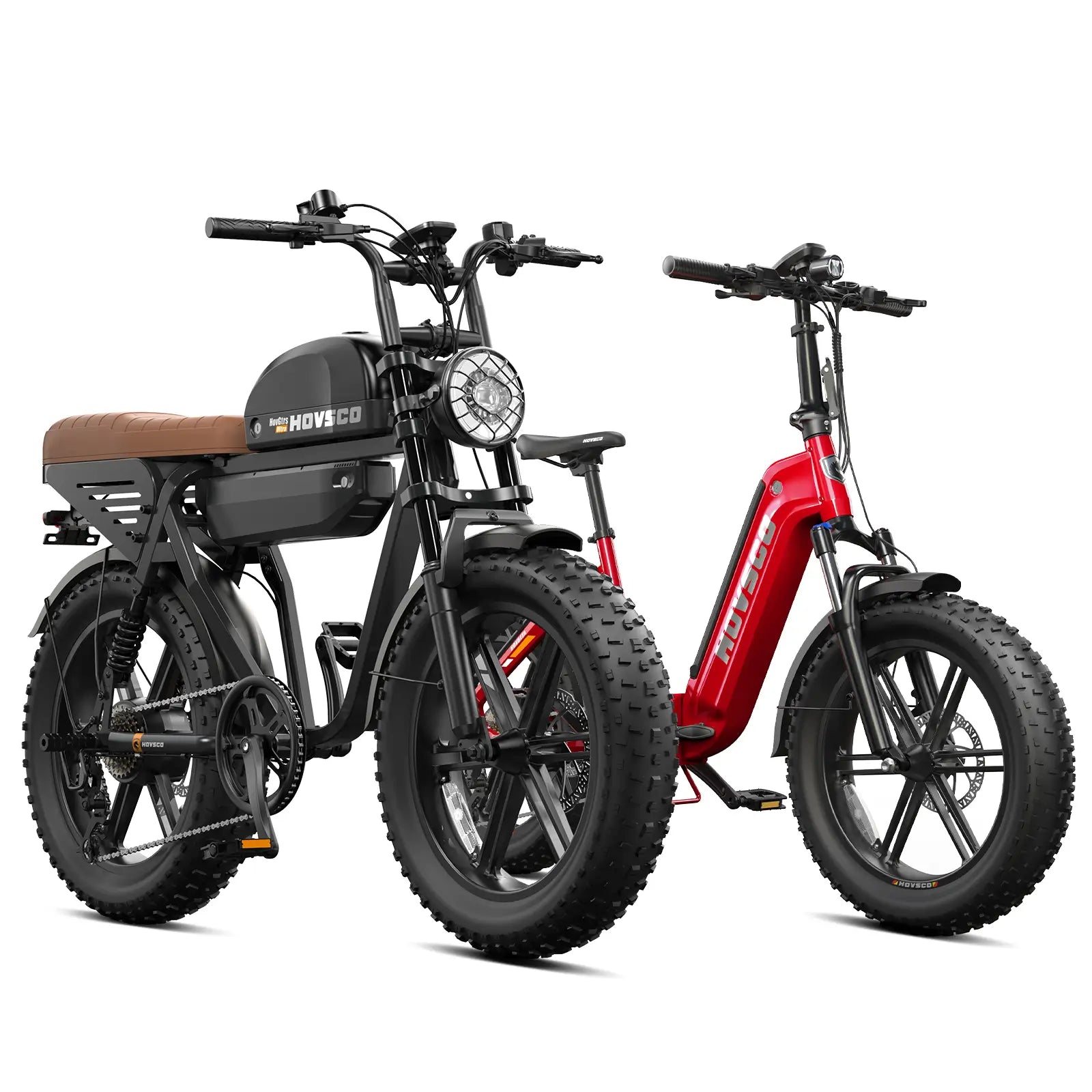
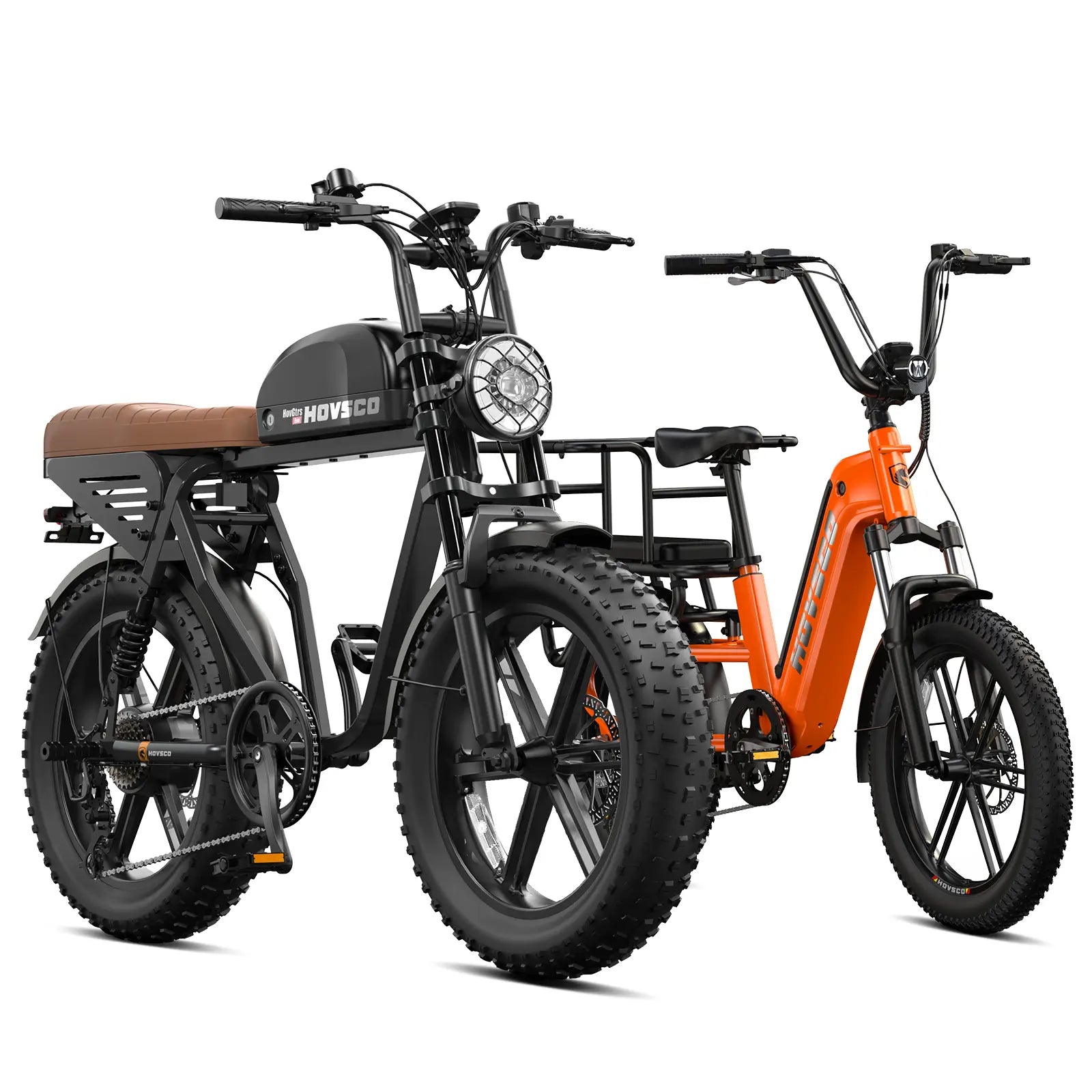
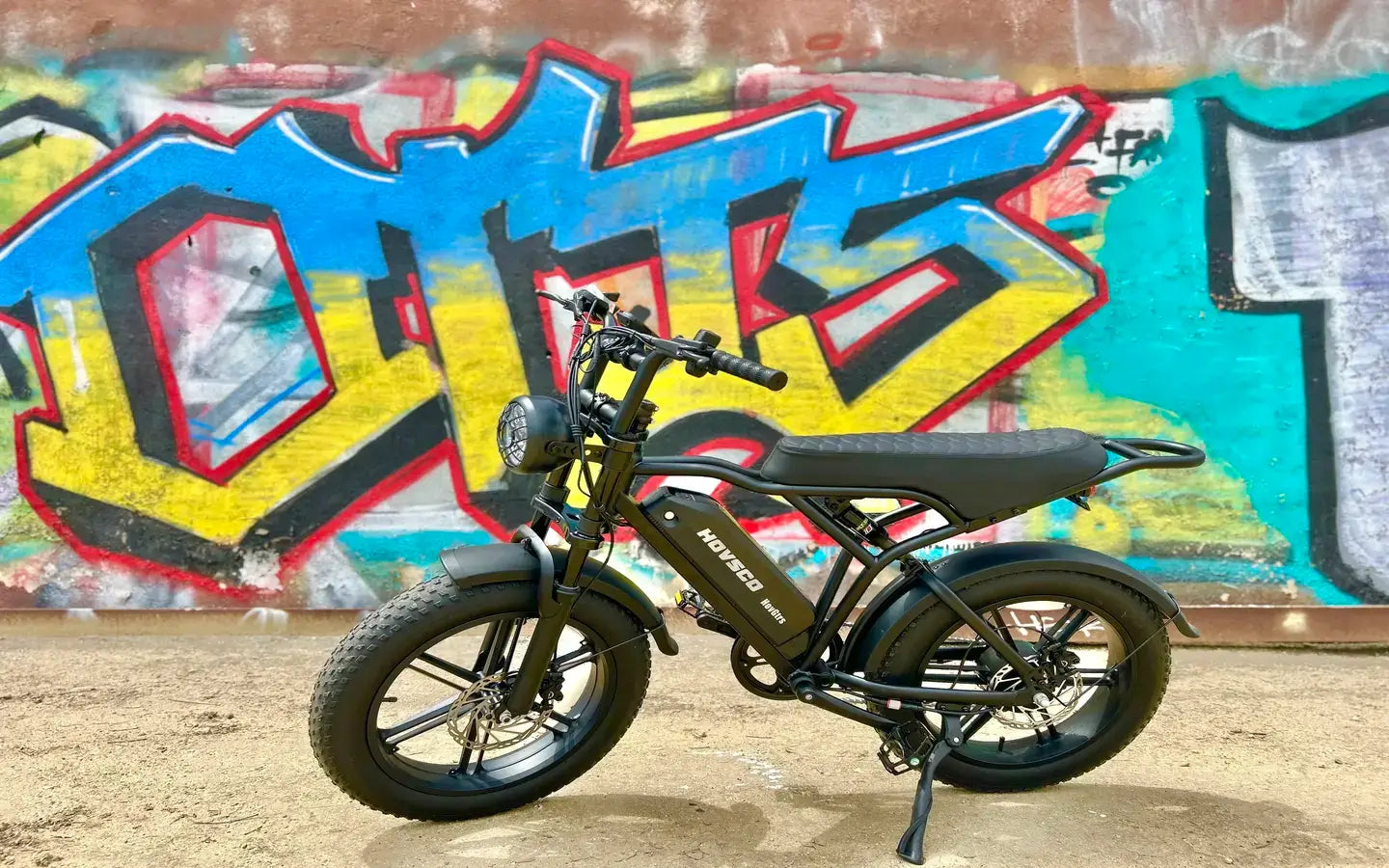
Brands such as HOVSCO have expanded from e-bikes to designing electric mopeds that fit these diverse needs. They aim to make eco-friendly rides for both daily commuters and adventure seekers. Choosing the right type of moped depends on how and where you plan to ride, and modern makers like HOVSCO constantly innovate to give riders safe, efficient, and sustainable transportation.
Performance hinges on engine displacement, fuel delivery (carburetor vs FI), wheel size, braking (disc vs drum), and storage. Comfort comes from suspension, seating posture, under-seat storage, and lighting. Fuel economy ranges from 80–120 mpg depending on engine tuning and riding habits.
Top picks include:
Chart: Leading Moped Scooter Models
| Model | Engine | Economy | Top Speed | Feature Highlights |
|---|---|---|---|---|
| Piaggio Zip 50/125 | 49–125cc | 100 mpg | 30–60 mph | CVT, storage, tuning kits |
| Vespa LX/VX 50–150 | 50–150cc | 90 mpg | 35–60 mph | Steel frame, style |
| Yamaha Zuma 50F | 49cc | 120 mpg | 35 mph | FI, rugged body |
| Genuine Buddy 50/125 | 50–125cc | 100 mpg | 30–55 mph | Under-seat storage |
| Honda PCX150 | 150cc | 80 mpg | 60 mph | Maxi-scooter comfort |
Different moped and scooter brands offer a variety of options depending on power, comfort, and style. The Piaggio Zip is known for being reliable and easy to ride, while the Vespa LX/VX brings an elegant look and smooth handling. The Yamaha Zuma stands out for its durability and efficiency, and Genuine Buddy delivers a fun, retro feel with convenient features. For riders who prefer higher performance, the Honda PCX150 provides strong acceleration and stability on highways. Each brand tailors its model to different riders, whether for city streets or longer road trips.
Companies like HOVSCO, already trusted for their e-bike and electric scooter innovations, reflect how the market continues to evolve toward smarter, eco-friendly travel. With modern technology and efficient designs, brands aim to make rides more reliable, energy-conscious, and enjoyable for everyone—values that HOVSCO also shares deeply.
Licensing for 50cc models often requires only a driver’s license; larger engines may need motorcycle endorsements. Registration and insurance vary. Maintenance includes oil changes, tire pressure, brake checks, and FI tune-ups. Cost spans from $2,000 for basic 50cc units to $6,000+ for premium maxi-scooters.
Match model to your commute, engine size, and storage needs. Opt for fuel-injected engines and disc brakes for reliability. Decide between compact 50cc scooters and 125–150cc maxi-scooters based on speed and comfort requirements. Set a clear budget ($2k–$6k), factor in gear and insurance, and choose reputable brands with dealer support and parts networks.
"At HOVSCO, we admire the moped scooter’s balance of practicality and simplicity—an electric leap of its own spirit awaits."
"Design-driven yet functional; moped scooters exemplify urban mobility, and every HOVSCO rider should appreciate their efficiency."
Which Gas Moped Is the Best Choice for 2025?
The best gas moped for 2025 offers the perfect mix of reliability, performance, and fuel efficiency. Models from Honda and Yamaha remain top picks due to their proven engines, durable builds, and smooth handling—ideal for both beginners and everyday commuters seeking dependable transportation.
What Are the Best Gas Moped Brands in 2025?
The best gas moped brands for 2025 include Honda, Vespa, and Yamaha, known for their longevity, fuel economy, and modern designs. These manufacturers consistently deliver mopeds with top-tier engineering and safety features, offering excellent value for riders seeking both comfort and performance.
Should You Choose a Gas or Electric Moped in 2025?
Choosing between gas and electric mopeds in 2025 depends on your lifestyle. Gas mopeds provide longer range and faster refueling, making them better for long commutes. However, electric mopeds, such as those from HOVSCO, offer quieter rides, lower emissions, and cheaper long-term maintenance.
Where to Find the Most Affordable Gas Mopeds in 2025?
Affordable gas mopeds in 2025 can be found at certified dealerships, local classifieds, and trusted online marketplaces. Look for seasonal discounts or pre-owned models with verified service records. Comparing regional offers helps secure the best deal while ensuring warranty and safety support.
How Fuel-Efficient Are the Best Gas Mopeds in 2025?
The most fuel-efficient gas mopeds in 2025 achieve between 80 to 120 miles per gallon, depending on engine size and riding habits. Modern models use upgraded carburetors and lightweight materials that improve mileage and reduce emissions, making them great for cost-conscious commuters.
How to Keep Your Gas Moped Running Like New in 2025?
To keep your gas moped running like new in 2025, perform regular oil changes, clean the air filter, check tire pressure, and tune the engine periodically. Storing it in a dry spot and riding it frequently prevents rust and ensures consistent performance all year.
Which Are the Fastest Gas Mopeds in 2025?
The fastest gas mopeds of 2025 include high-performance models from Piaggio, Yamaha, and SYM, reaching speeds up to 60 mph. These scooters feature precision-engineered engines and aerodynamic designs for optimal acceleration and smooth highway cruising without sacrificing safety.
What’s the Best Gas Moped for Daily Commuting in 2025?
The best gas mopeds for daily commuting in 2025 balance comfort, economy, and agility. Honda Metropolitan and Yamaha Zuma stand out for their reliability and compact design. Riders seeking sustainable alternatives can explore HOVSCO’s energy-efficient e-mobility lineup for urban travel.
Share:
What Makes 27.5 1000W Electric Bikes and Kits Popular for Powerful Riding?
What Makes 27.5 1000W Electric Bikes and Kits Popular for Powerful Riding?