



- by OfficialHOVSCO
How to Buy the Best Electric Bike in 2025: A Pro Guide
- by OfficialHOVSCO
E-Bikes
 Free Shipping
 15-Day Returns
 2-Year Warranty
Shop By Models
Shop By Style
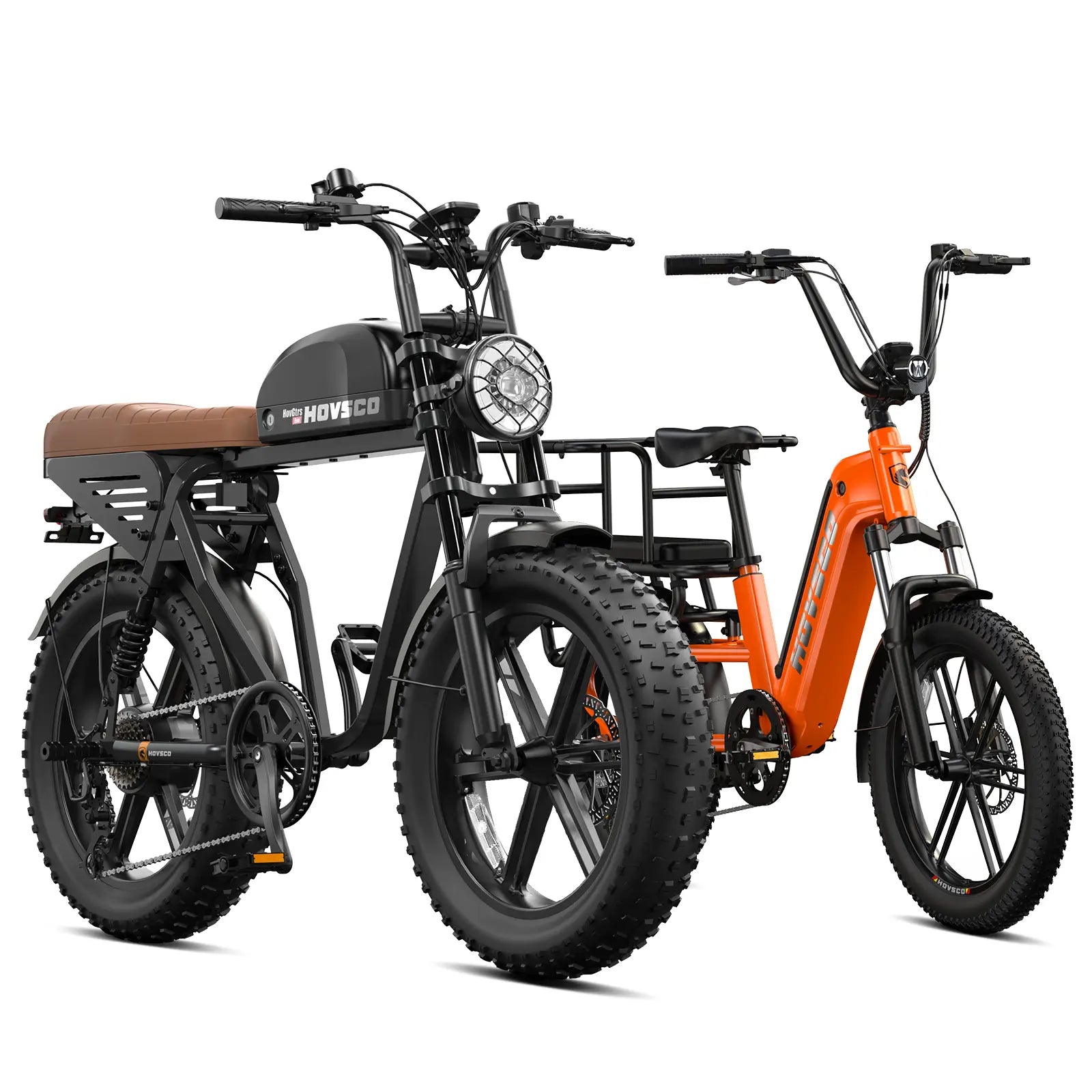
Buying an electric bike in 2025 means balancing power, range, style, and budget. The best e-bikes offer efficient motors, long-lasting batteries, and features tailored to your riding needs—whether commuting, trail riding, or casual cruising. This pro guide helps you navigate the latest options, including models from HOVSCO, to make an informed, confident purchase.
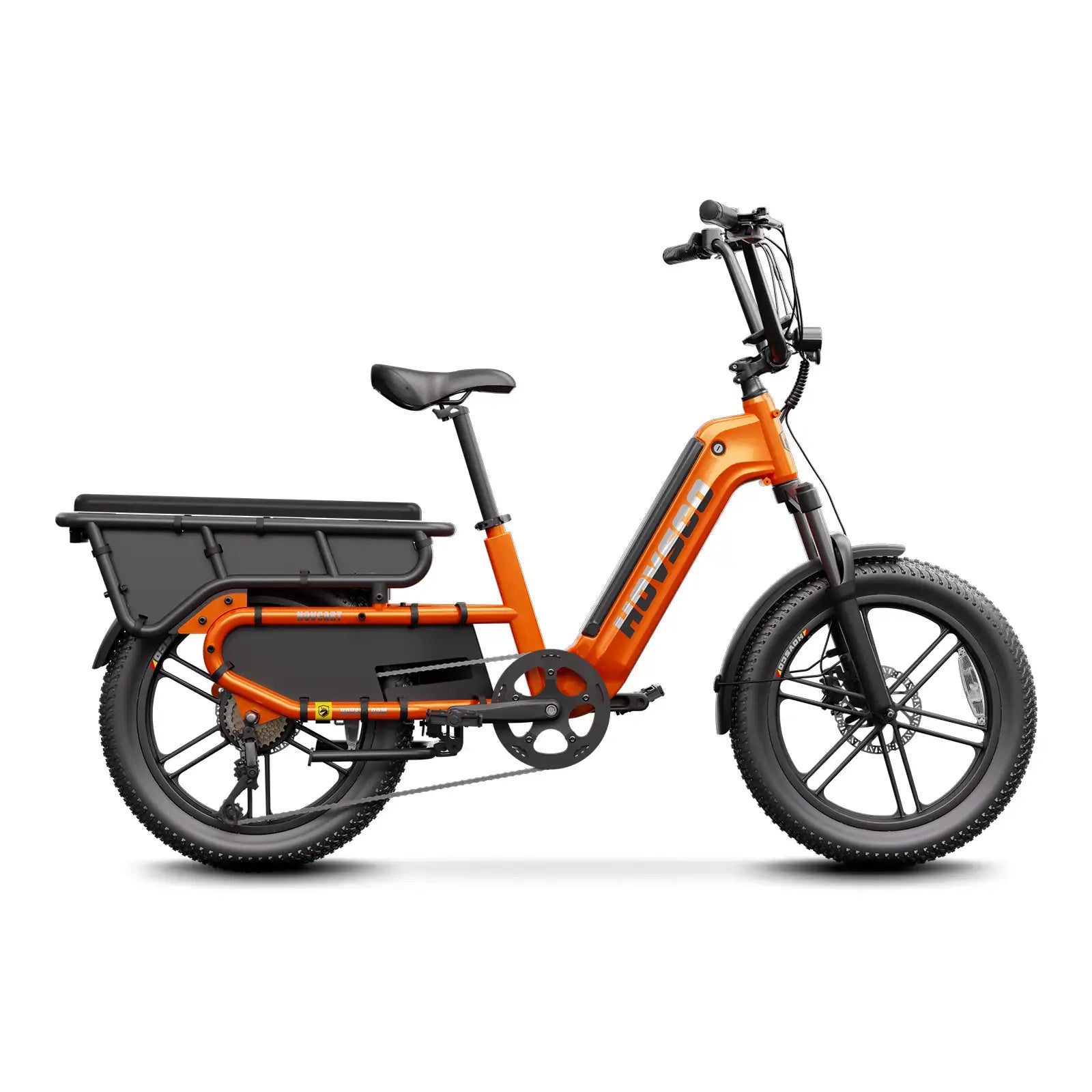
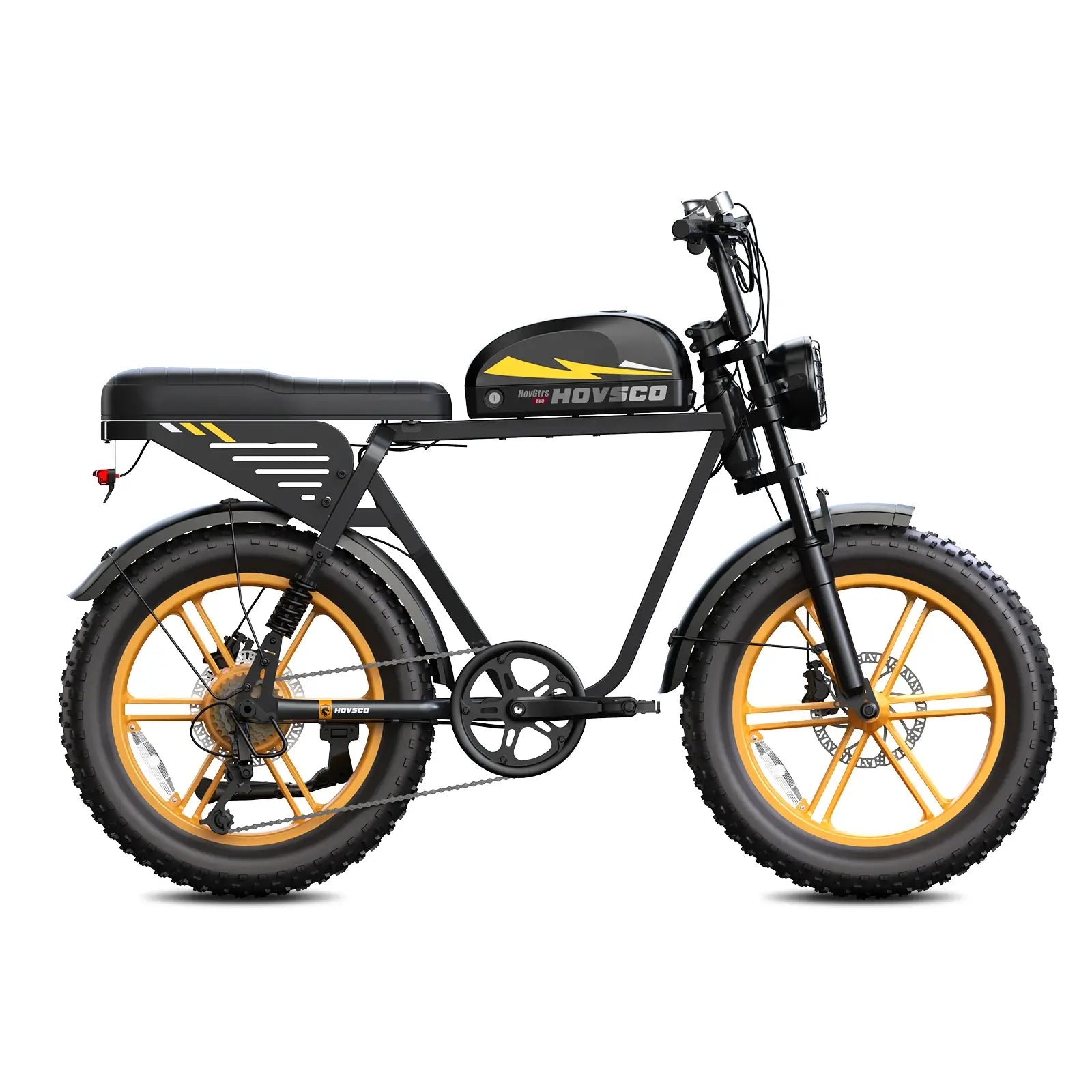
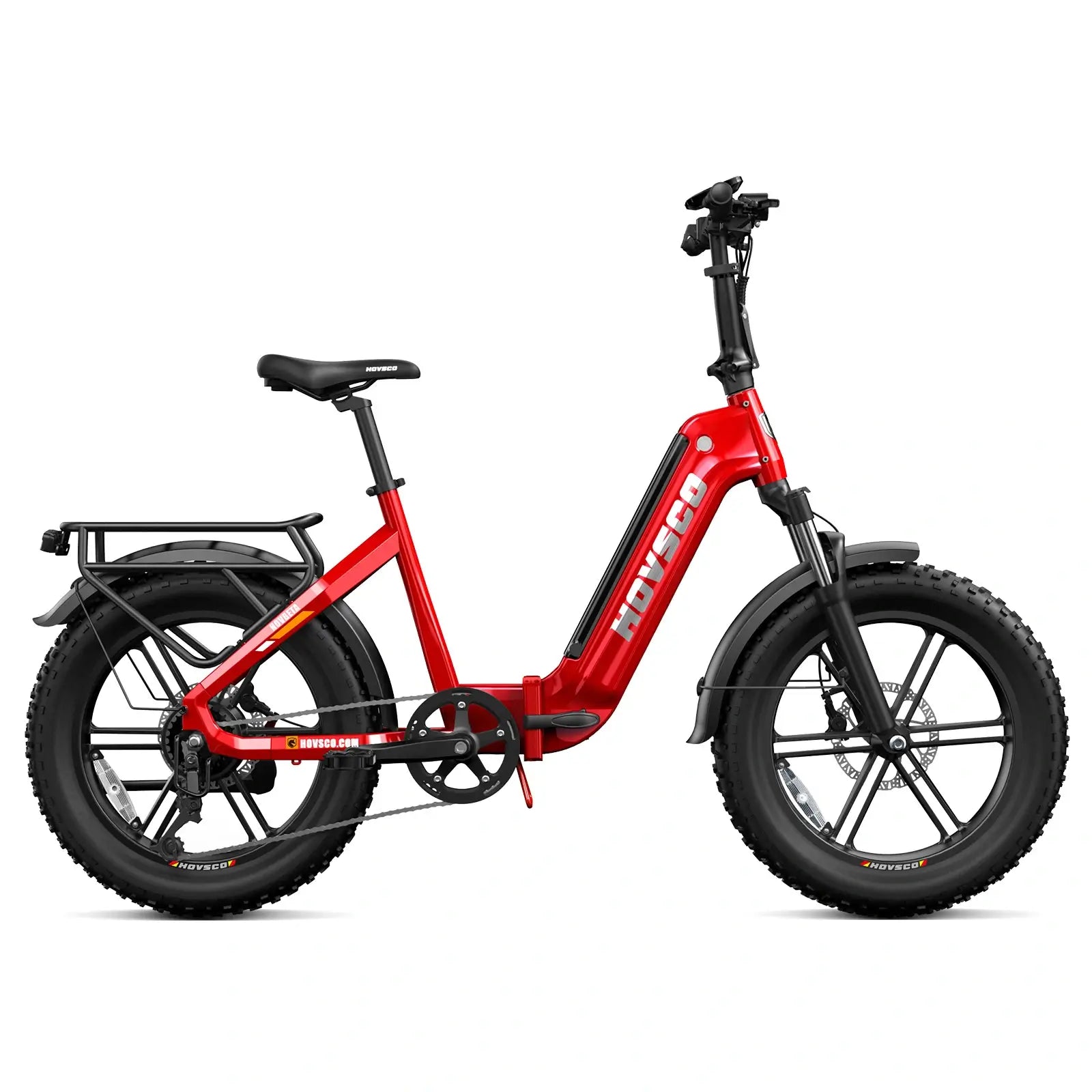
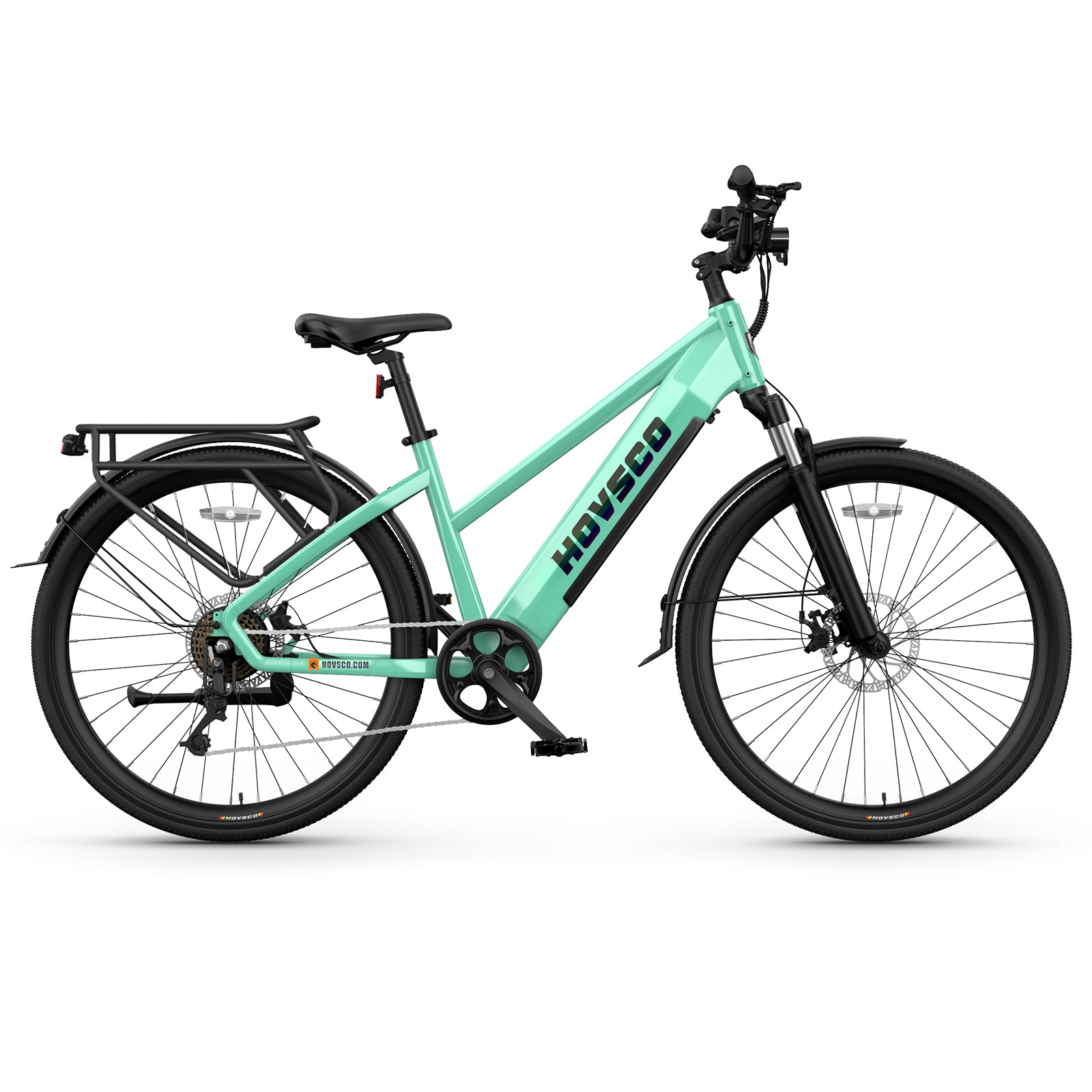
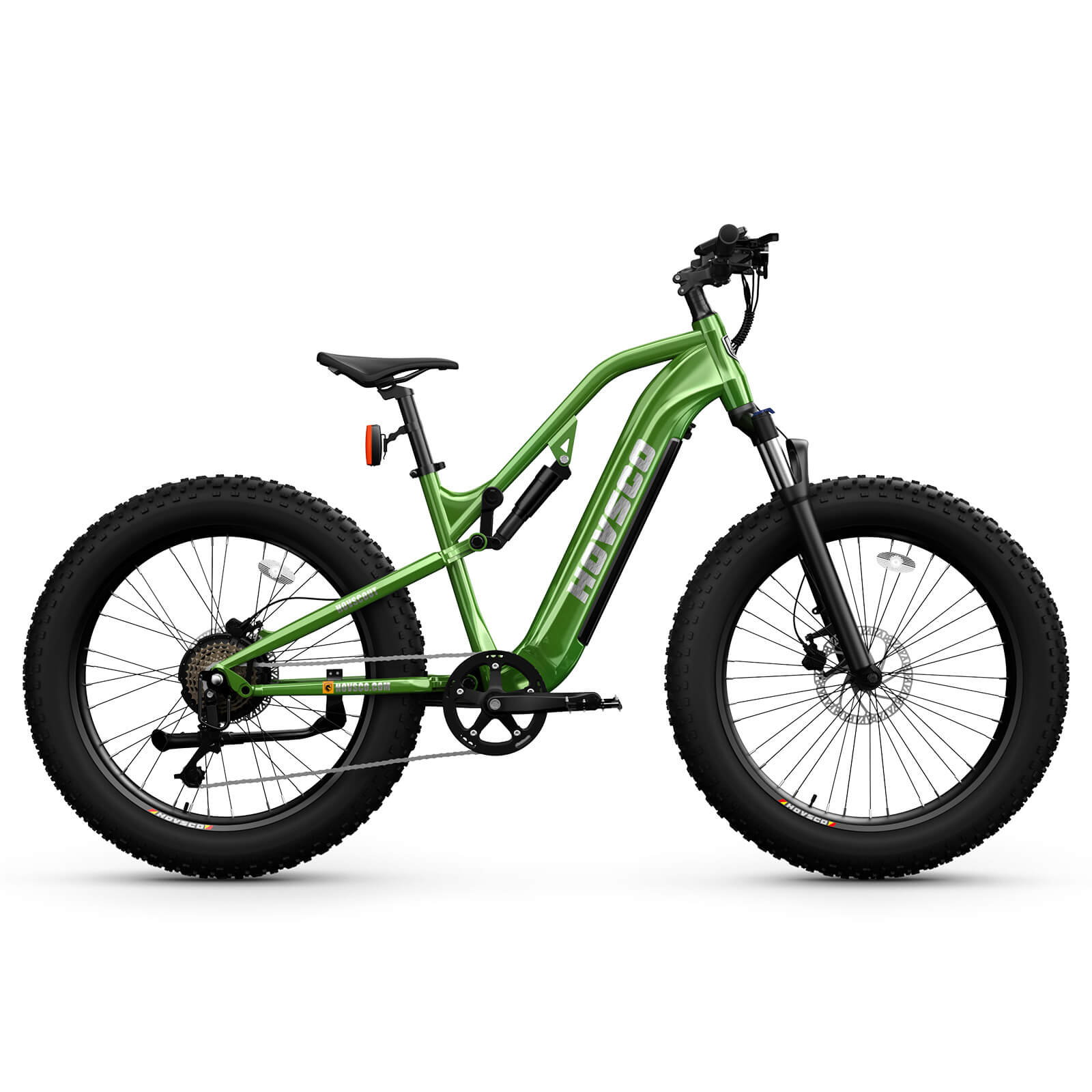
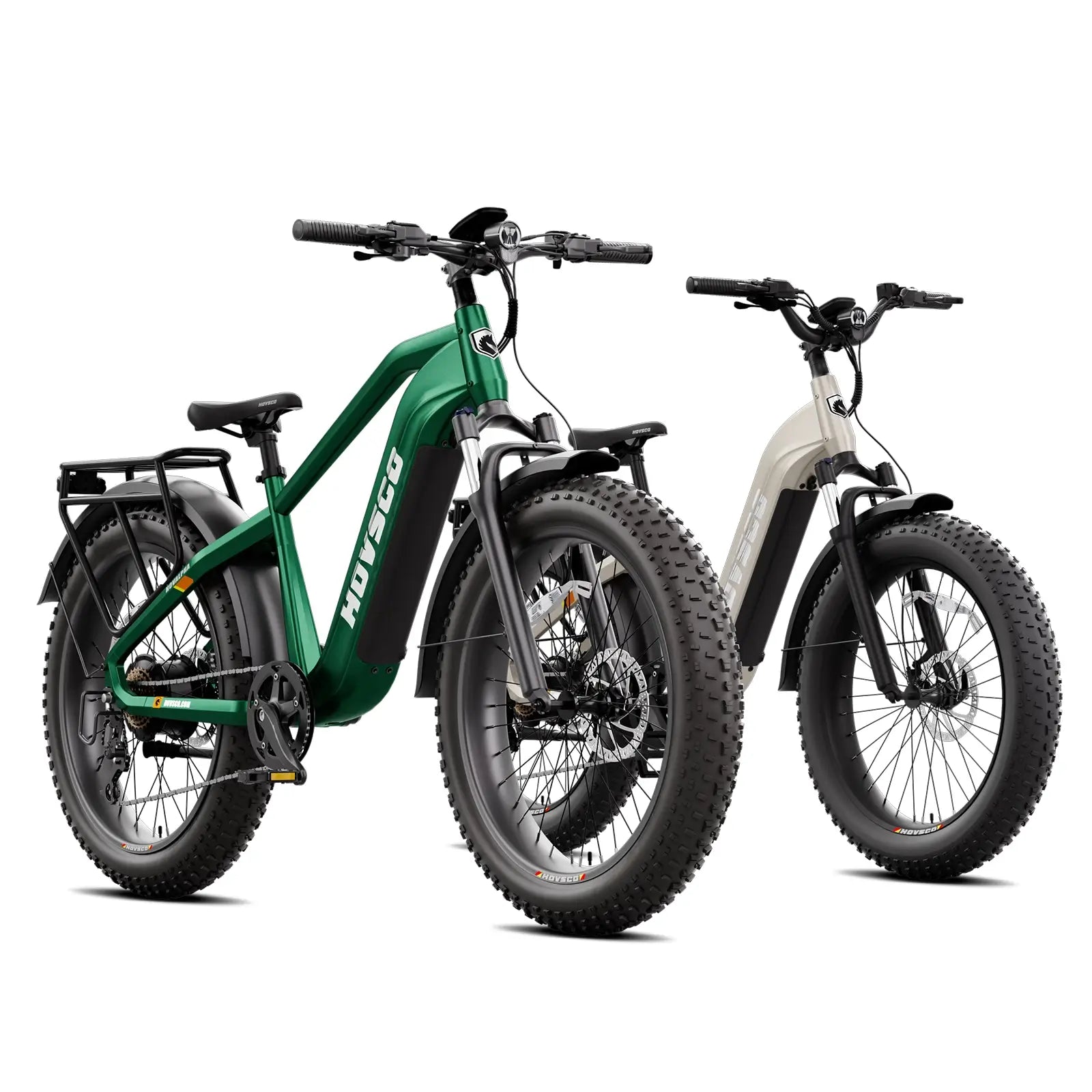
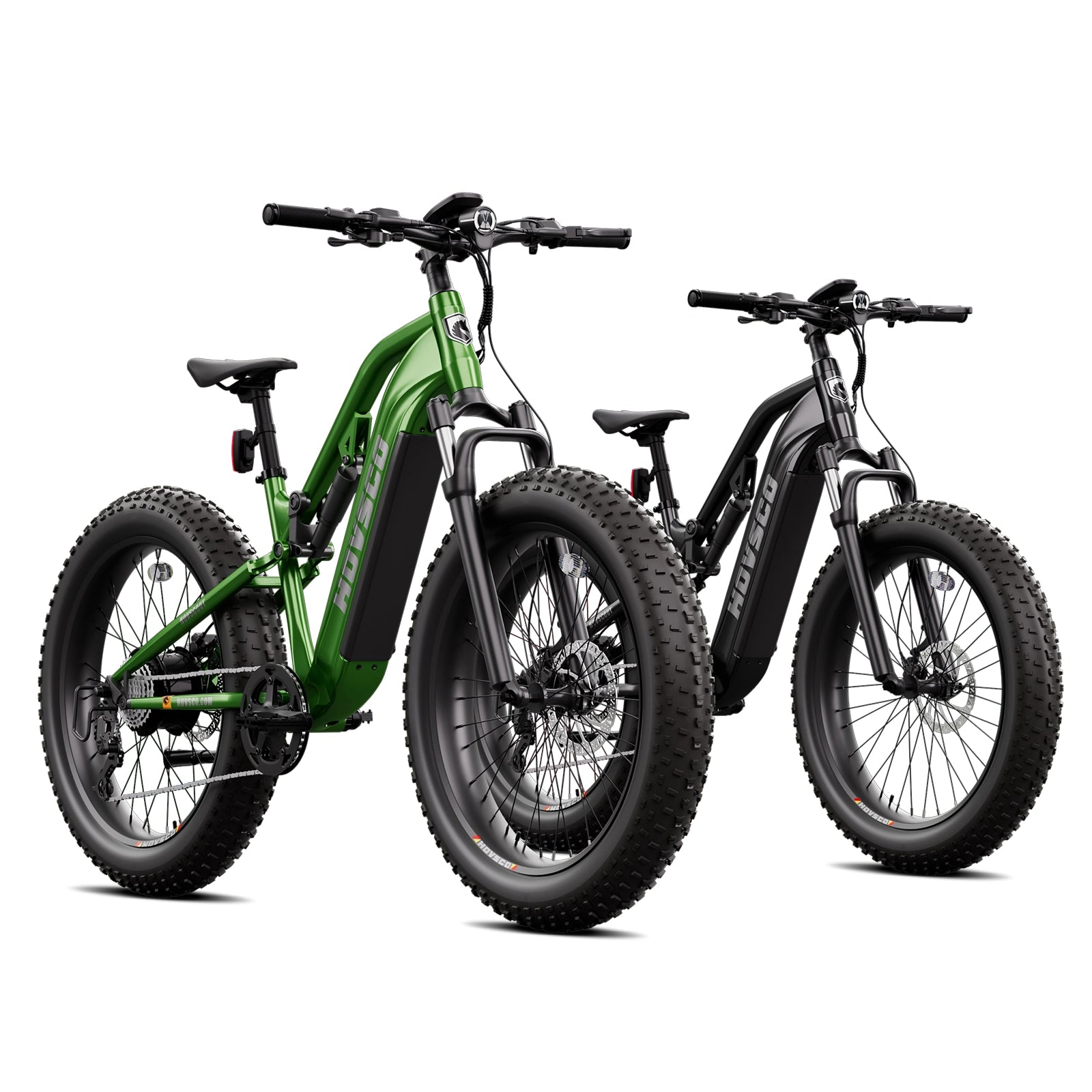
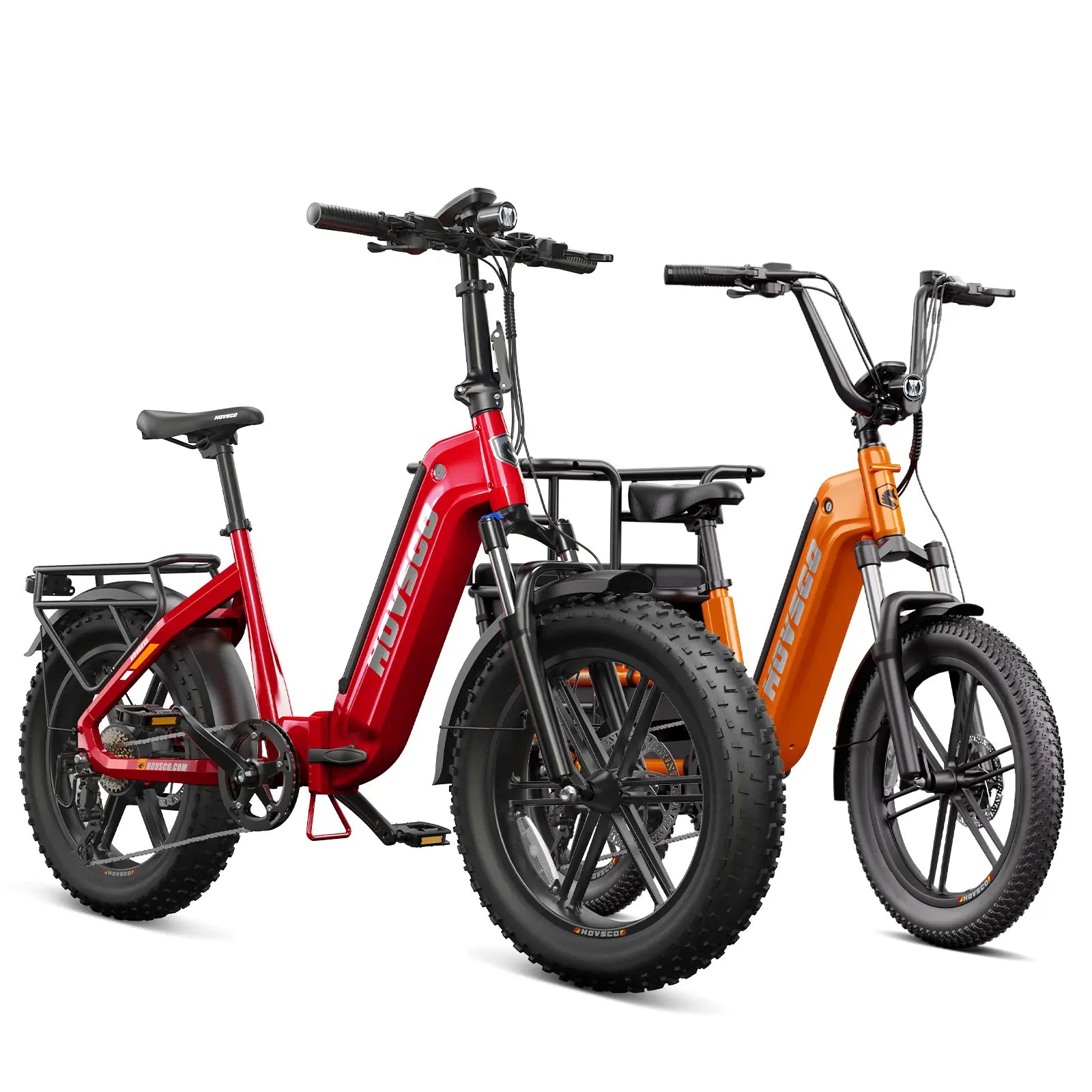
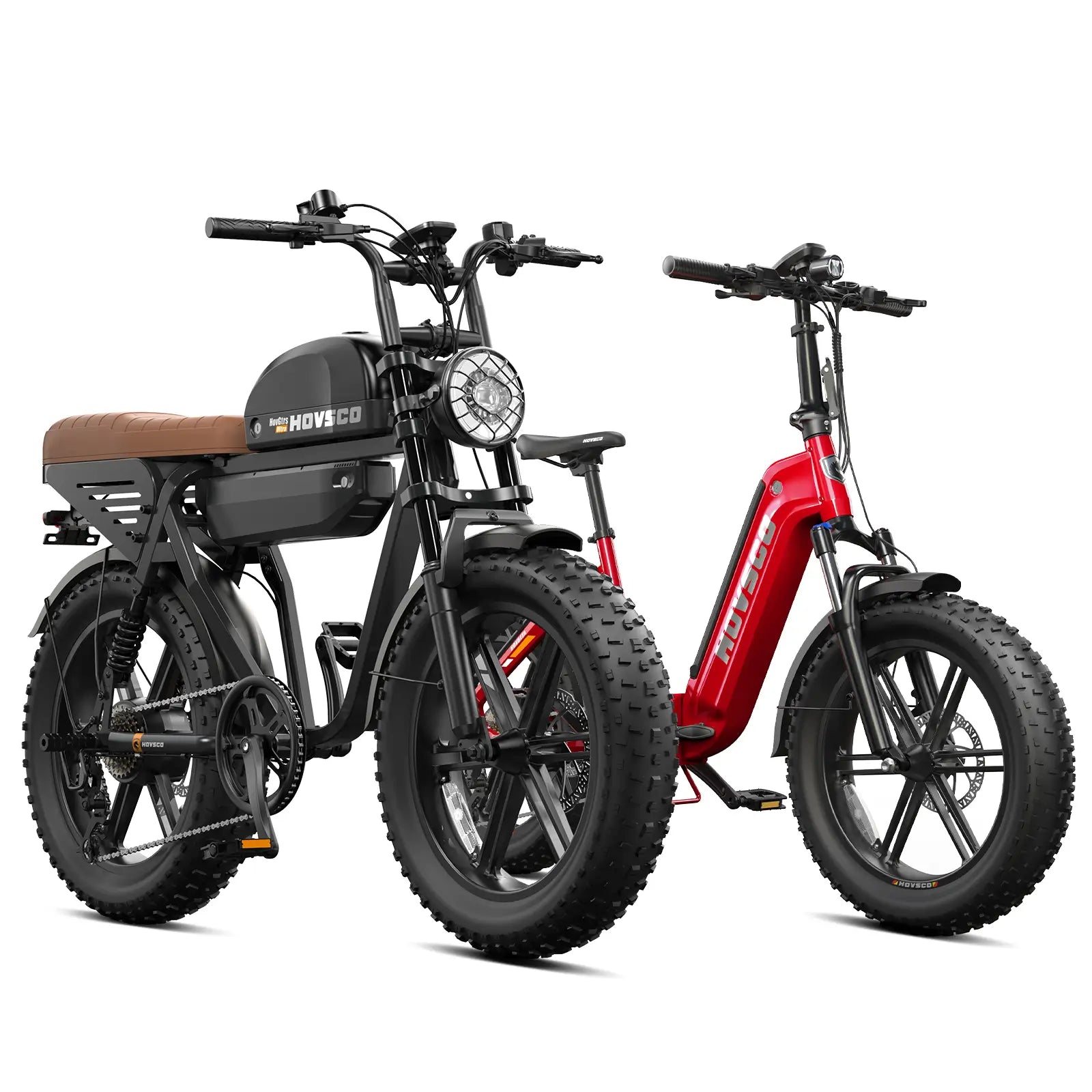
Electric bikes in 2025 include commuter e-bikes, mountain e-bikes, folding e-bikes, cargo e-bikes, and fat tire models. Each type is tailored for different needs—from daily commutes to off-road adventures. Brands like HOVSCO offer stylish, high-performance options to match your riding goals and environment.
Electric bikes in 2025 come in several categories to suit diverse riding styles:
Each type emphasizes different features such as motor size, battery capacity, and frame design to optimize the riding experience.
Motor type affects speed and terrain handling, while battery capacity determines range. Hub motors are best for city rides, while mid-drive motors excel on hills. A higher Ah-rated battery ensures longer travel. Choose based on your route, with some brands like HOVSCO offering well-balanced motor and battery setups.
The motor and battery are the heart of any electric bike. Most e-bikes in 2025 use either hub motors or mid-drive motors, with power ratings typically between 250W and 750W.
Battery capacity, measured in watt-hours (Wh), directly influences range. Common capacities range from 400Wh to over 900Wh, with larger batteries enabling longer rides but adding weight.
| Motor Type | Typical Power | Pros | Cons |
|---|---|---|---|
| Hub Motor | 250W–750W | Quiet, low maintenance | Less torque, heavier wheels |
| Mid-Drive Motor | 250W–750W | Better torque, balanced weight | More complex, higher cost |
| Battery Capacity (Wh) | Estimated Range (Miles) |
|---|---|
| 400–500 Wh | 20–40 |
| 600–750 Wh | 40–60 |
| 800+ Wh | 60+ |
Look for suspension forks, wide saddles, LED lights, and hydraulic disc brakes for maximum comfort and safety. Fat tires also improve stability on uneven terrain. Adjustable handlebars and integrated turn signals further enhance your riding experience and visibility in urban settings.
Comfort and safety features vary widely but are essential for a satisfying ride. Look for:
HOVSCO e-bikes often integrate these features thoughtfully, balancing innovation with rider needs.
Electric bikes range from under \$1,000 to over \$10,000, with most quality models between \$1,500 and \$4,000. Budget impacts motor quality, battery size, frame materials, and accessories.
| Price Range | Typical Features |
|---|---|
| Under $1,000 | Basic motor, smaller battery, fewer accessories |
| $1,500–$3,000 | Mid-range motors, larger batteries, good components |
| $3,000+ | Premium motors, long-range batteries, advanced tech |
HOVSCO offers models across these tiers, emphasizing safety and rider experience at every level.
The price range of an electric bike greatly influences the options available, affecting everything from motor quality and battery capacity to frame materials and included accessories. E-bikes priced under $1,000 typically feature basic motors, smaller batteries, and simpler components, making them suitable for short city rides or casual use. In the mid-range of about $1,500 to $4,000, you’ll find bikes with more powerful motors (often 500W to 750W), larger batteries offering longer ranges, and higher-quality frames made from aluminum or lightweight alloys, plus useful features like hydraulic brakes, suspension, and integrated lighting.
At the higher end, e-bikes above $4,000 offer premium components such as carbon fiber frames, advanced motor systems with torque sensors, and large-capacity batteries that support extended rides and tougher terrains. These models often include sophisticated tech like smartphone integration, advanced suspension, and superior build quality for durability and performance. Ultimately, your budget shapes not only the bike’s power and range but also its comfort, reliability, and style, so it’s important to balance price with your specific riding needs and preferences.
You can buy reliable e-bikes online via official brand sites, local bike shops, or major retailers. Direct-to-consumer brands like HOVSCO offer competitive pricing, warranty support, and test ride options. Always check customer reviews, service policies, and certifications before purchasing.
You can purchase e-bikes from:
Brands like HOVSCO are expanding dealer networks to combine convenience with service, ensuring buyers have support post-purchase.
Regular maintenance includes checking tire pressure, cleaning the drivetrain, and charging the battery properly. Store the bike in a dry place and service brakes and gears periodically. Proper care ensures long-term performance and safety, extending your e-bike’s lifespan and riding joy.
Regular maintenance preserves performance and safety:
Proper care extends your e-bike’s lifespan and enhances your riding experience.
When buying an electric bike in 2025, prioritize your riding needs and terrain. Choose a motor and battery that balance power and range for your typical journeys. Look for features enhancing comfort and safety such as suspension, hydraulic brakes, and integrated lighting. Consider your budget but avoid compromising on critical components. Brands like HOVSCO combine innovation, safety, and style, offering versatile options for commuters, explorers, and casual riders. Finally, buy from reputable dealers or direct brands with solid after-sales support to ensure a smooth ownership experience.
“HOVSCO’s mission is to revolutionize e-biking by blending cutting-edge technology with rider-centric design,” says a HOVSCO product expert. “In 2025, the focus is on delivering powerful yet intuitive e-bikes that cater to diverse lifestyles—whether urban commuting or off-road adventure. Our commitment to safety, innovation, and quality ensures riders enjoy a seamless and exhilarating experience every time they mount their bike.” This vision drives HOVSCO’s continuous evolution in the e-bike market.
Q: What is the ideal battery range for city commuting?
A: A battery capacity offering 30–50 miles per charge suits most urban riders, balancing weight and range.
Q: Are mid-drive motors better than hub motors?
A: Mid-drive motors provide better torque and handling but usually cost more; hub motors are simpler and quieter.
Q: How heavy are typical e-bikes?
A: Most e-bikes weigh between 45 and 70 pounds, depending on battery size and frame materials.
Q: Can I ride an electric bike in the rain?
A: Yes, most modern e-bikes, including HOVSCO models, have water-resistant components, but avoid submerging electronics.
Q: How often should I service my e-bike?
A: Basic maintenance should be monthly; professional servicing is recommended annually or after heavy use.
Choosing an electric bike is not as simple as comparing prices. Different uses, terrains, state regulations, and even your own height and weight can all influence the final decision. Below are the most practical buying tips for consumers in 2025, helping you make a confident choice and enjoy a safe ride.
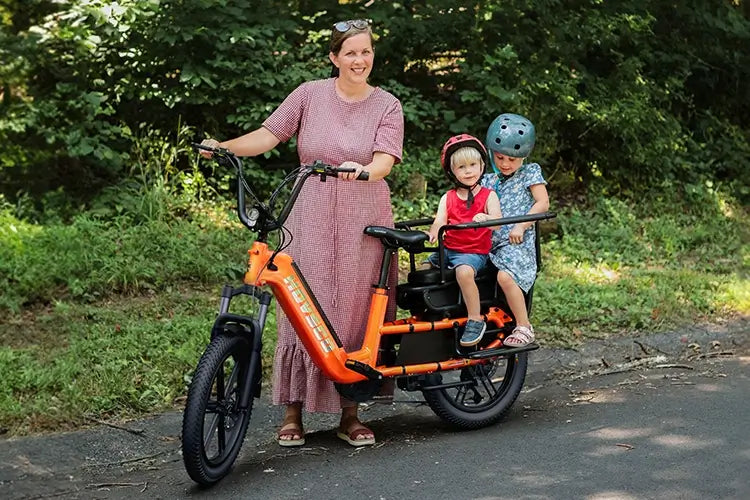
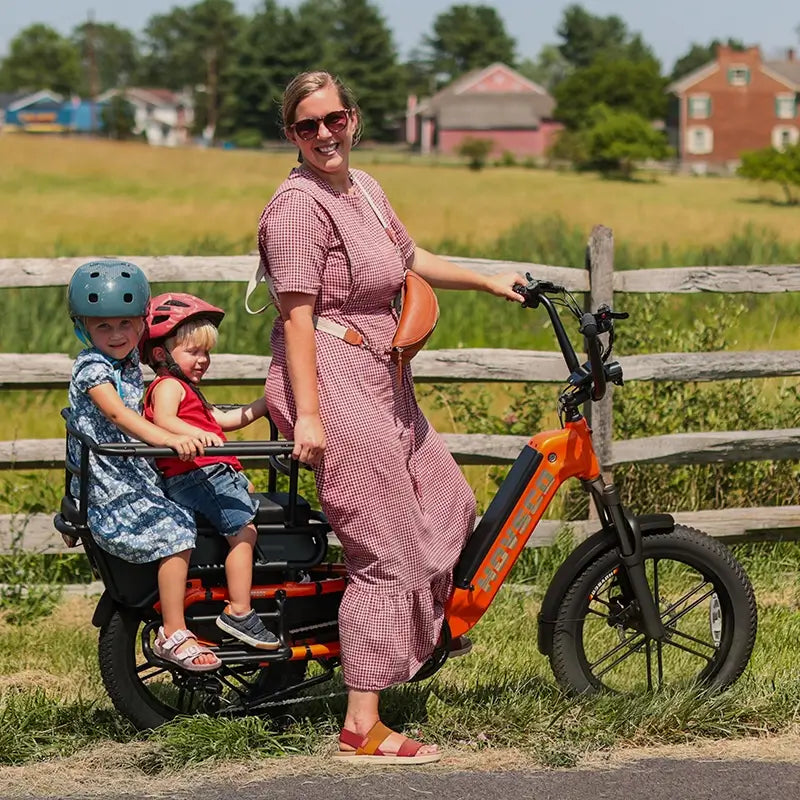
Identify your primary use—commuting, off-road, long-distance, or cargo transport. Commuters may prefer folding or lightweight bikes, while off-road riders benefit from fat tires and suspension. Touring bikes suit long distances, and cargo e-bikes are ideal for transporting goods or children.
| Use Case | Recommended Type | Keyword Focus |
|---|---|---|
| City commuting | Folding or commuter bike | lightweight, commuter e-bike |
| Off-road adventure | Mountain bike (MTB) | fat tire, suspension, trail-ready |
| Long-distance travel | Touring/cruiser bike | long-range, touring e-bike |
| Cargo/kids transport | Cargo e-bike | cargo, family hauler e-bike |
Choose a battery that offers at least 30% more range than your daily commute. Common sizes: 400Wh (20–35 miles), 500Wh (35–50 miles), 750Wh+ (50–80 miles). Actual range varies based on terrain, rider weight, and assist level.
Most common e-bike battery sizes: 400Wh – 750Wh
But real range depends on: riding mode, rider weight, terrain, wind, etc.
Pro Tip: Choose a battery rated for at least 30% more than your daily commute distance.
(e.g. 10 miles each way → aim for 40+ miles of range)
| Battery Size | Estimated Range | Best For |
|---|---|---|
| 400Wh | 20–35 miles | Short city commutes |
| 500Wh | 35–50 miles | Medium-distance riders |
| 750Wh+ | 50–80 miles | Long-distance, off-road |
Rear hub motors are affordable and suitable for commuting. Mid-drive motors provide better torque for hills and off-road use. Motor power ranges: 250W (EU standard), 500–750W (US standard), 1000W+ for high performance.
| Motor Type | Pros | Best Use Case |
|---|---|---|
| Rear Hub Motor | Affordable, simple setup | Commuting / beginners |
| Mid-Drive Motor | Balanced weight, excellent torque | Off-road / hills |
| Front Hub Motor | Least common, simple control | Budget basic use |
Power Guide:
250W: Common in EU
500W – 750W: Typical in the US
1000W+: For performance/off-road use
Speed limits:
Class 1/2: Max 20 mph
Class 3: Up to 28 mph (restricted in some states)
Not sure whether Class 3 e-bikes are legal in your state—or if you need a license or helmet?
We’ve created a complete state-by-state guide to help you understand the latest 2025 e-bike regulations across the U.S.
👉 [Read: Electric Bike Laws in the USA (2025): Do You Need a License?]
| Type | Average Weight | Easy to Carry Upstairs? |
|---|---|---|
| Folding e-bike | 35–50 lbs | ✅ Fits in trunk/subway |
| Commuter e-bike | 45–65 lbs | ➖ Some models have handles |
| Cargo / MTB models | 65–85 lbs | ❌ Requires ground-level storage |
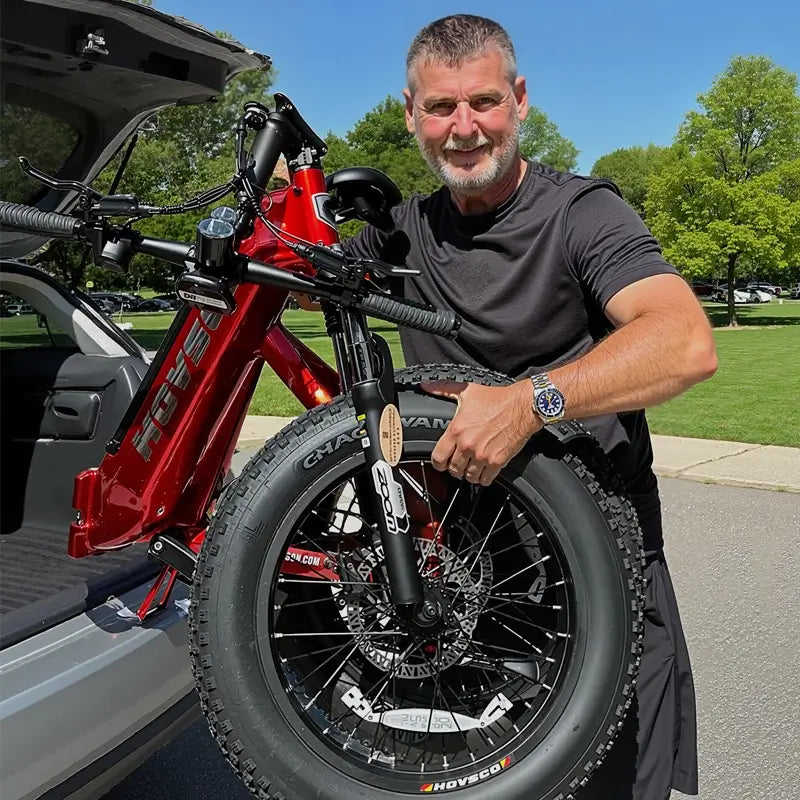
Live in a walk-up building? Make sure it’s light or has removable battery options.
E-bike laws differ by state. In California, as of 2025, Class 1 and 3 e-bikes are pedal-assist only, with a motor cap of 750W. Always check local regulations before purchasing.
Even though federal law defines Class 1, 2, and 3 e-bikes, each state has its own rules. Before you buy:
✅ Is Class 3 allowed on bike paths in your state?
✅ Are helmets mandatory for your age group or bike class?
✅ Do you need registration or insurance?
Look for UL-certified batteries, integrated lights, and GPS tracking. Quality locks and removable batteries enhance security. Some models offer alarms and remote disabling features.
We recommend:
Front & rear lights
Brake cutoff systems
Integrated locks
GPS tracking or app pairing
Live in the city? Invest in a U-lock + smart battery locking. Some HOVSCO models support mobile app security.
Test ride different models to find the best fit. Consider service availability and warranty. Join local e-bike communities for shared experiences and advice.
Still not sure? Test rides beat spec sheets.
Check YouTube reviews or Reddit feedback before buying.
On a budget? Focus on battery + motor, not paint or brand hype.
Share:
What Is a 7-Speed Electric Bike? The Complete Guide
Why Is Advanced Battery & Motor Maintenance Essential to Keep Your E-Bike Running Smoothly?