



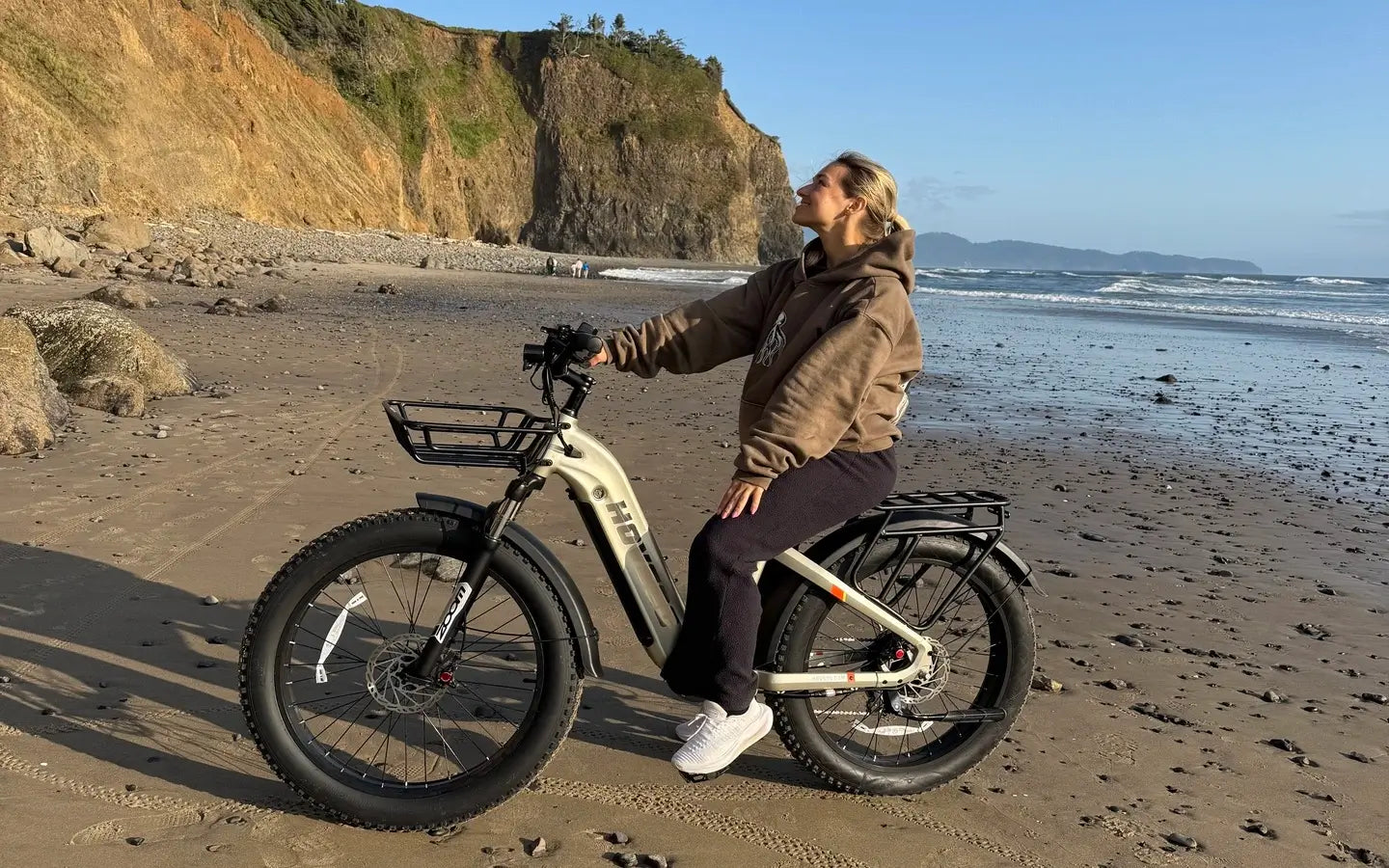
- by EO S
How Does an Ebike Cargo Model Differ from Others?
- by EO S
E-Bikes
 Free Shipping
 15-Day Returns
 2-Year Warranty
Shop By Models
Shop By Style
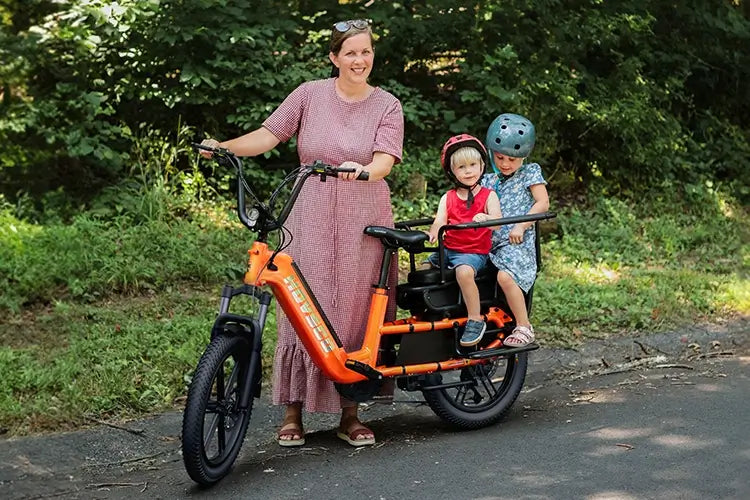
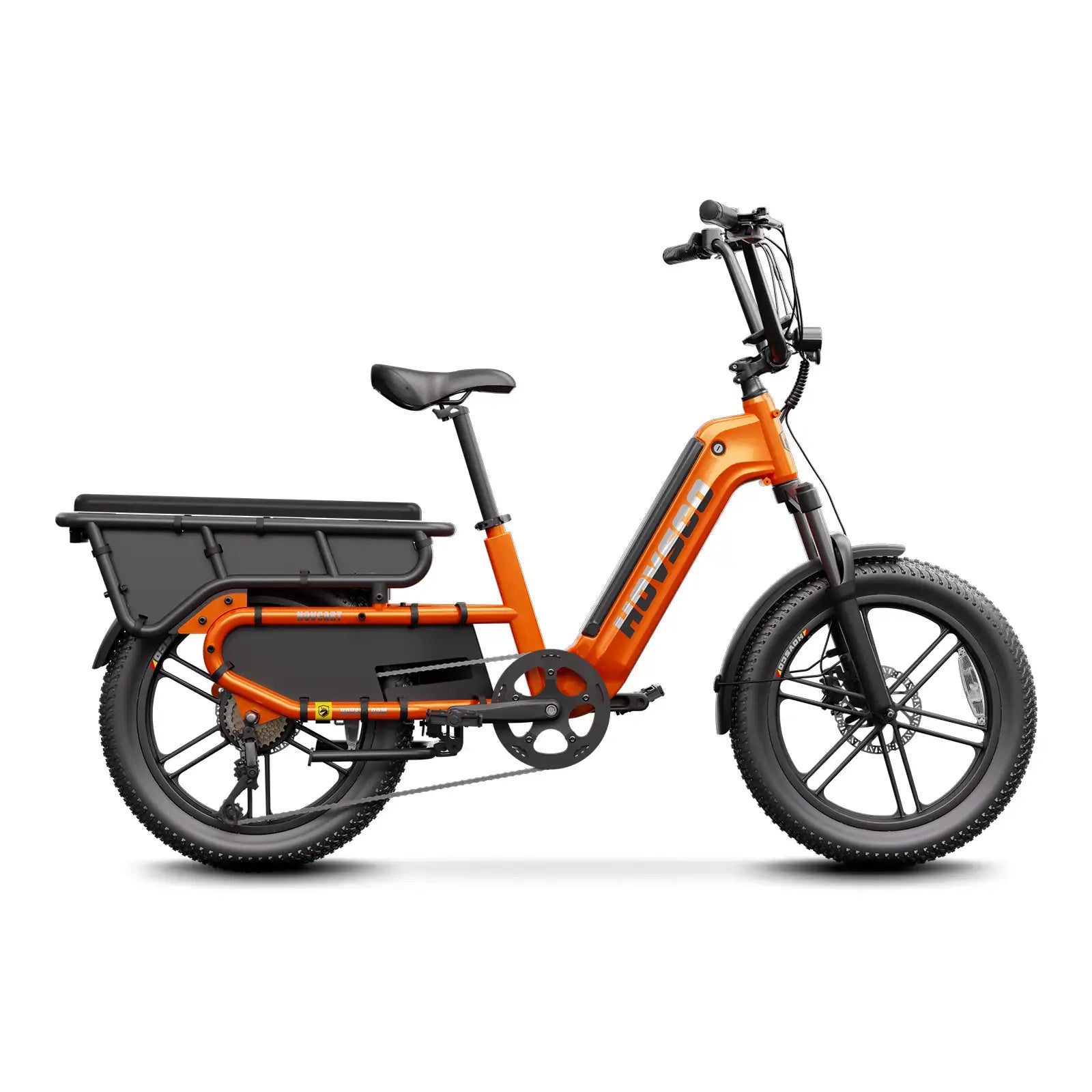
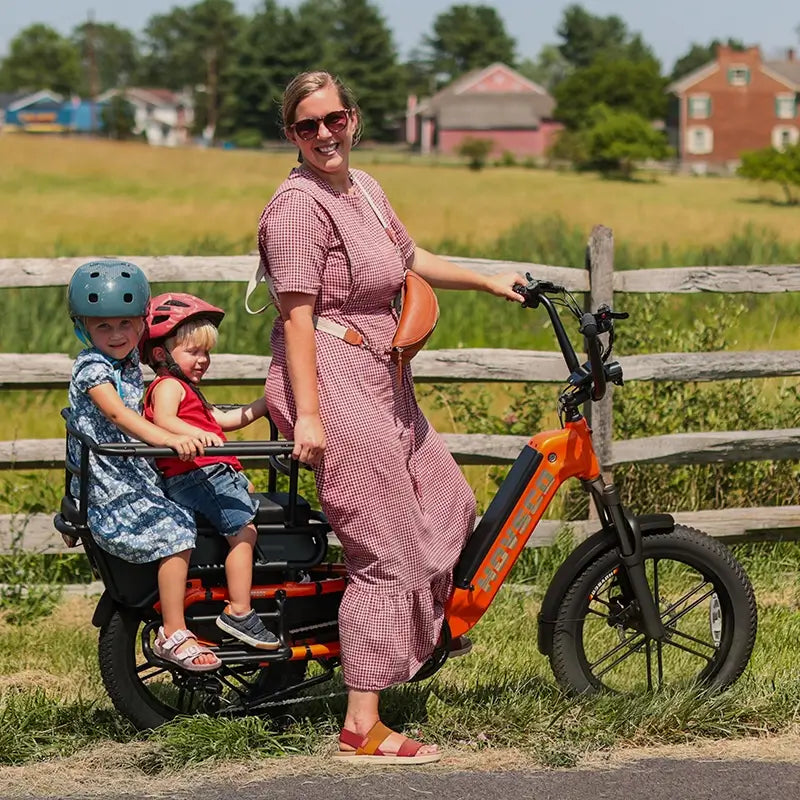
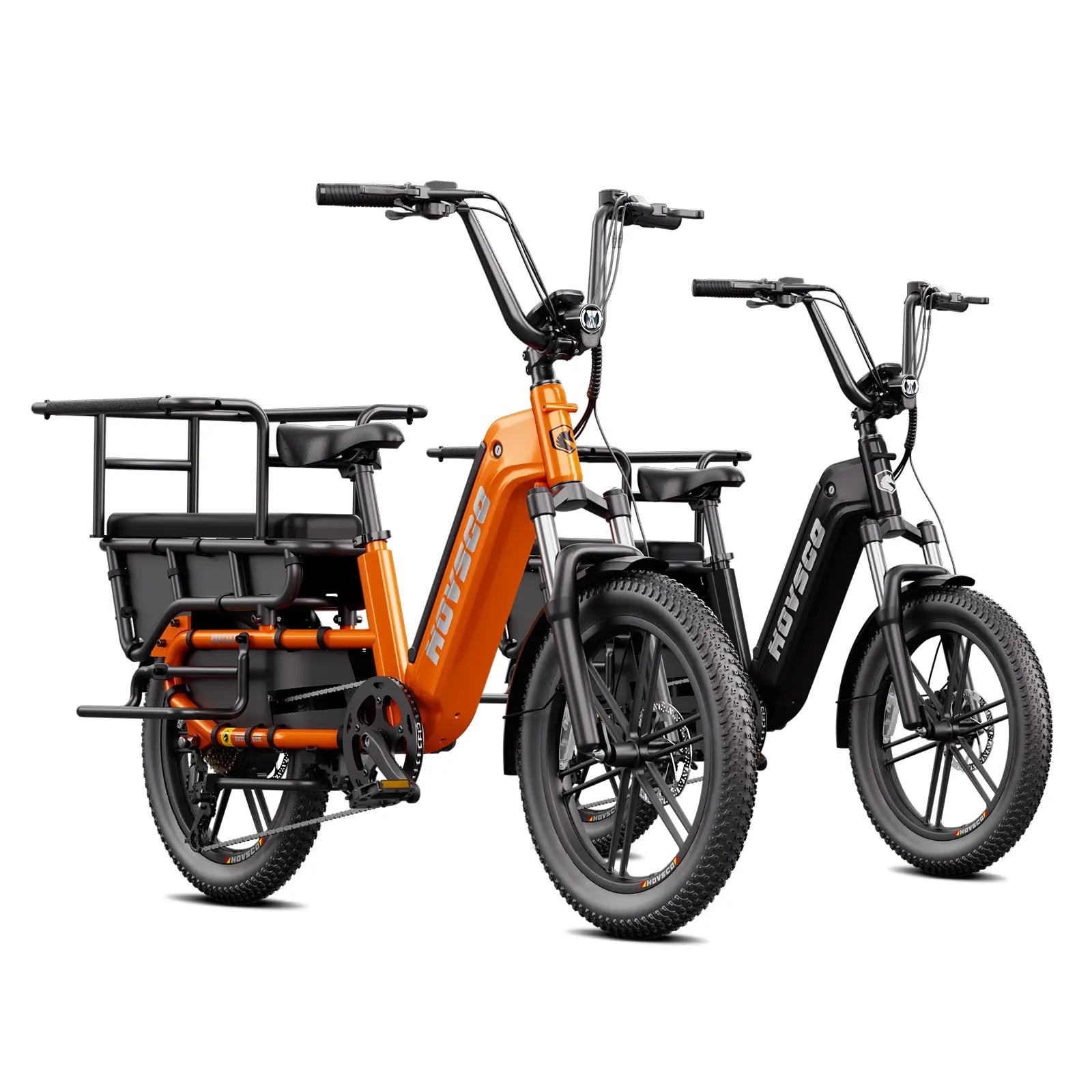
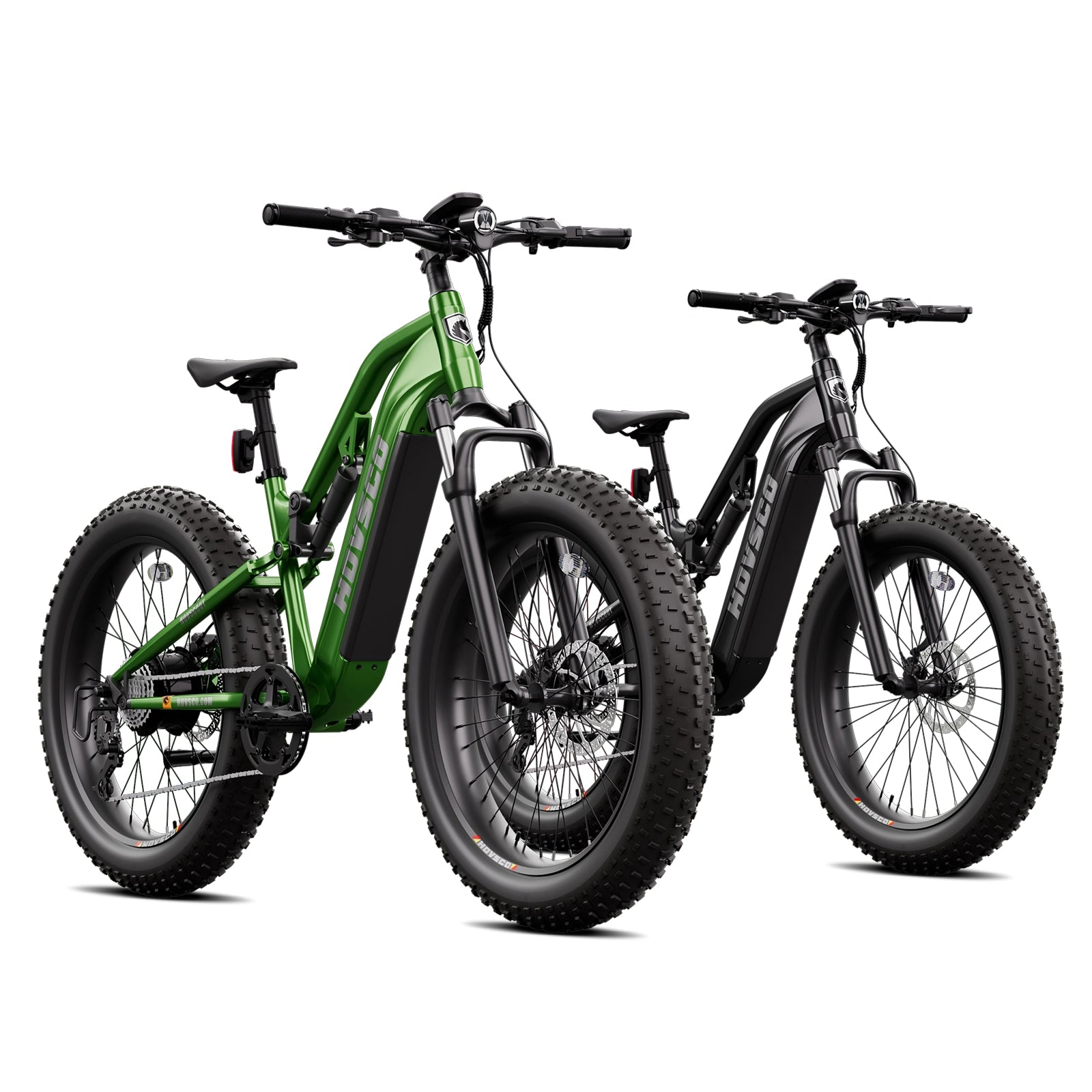
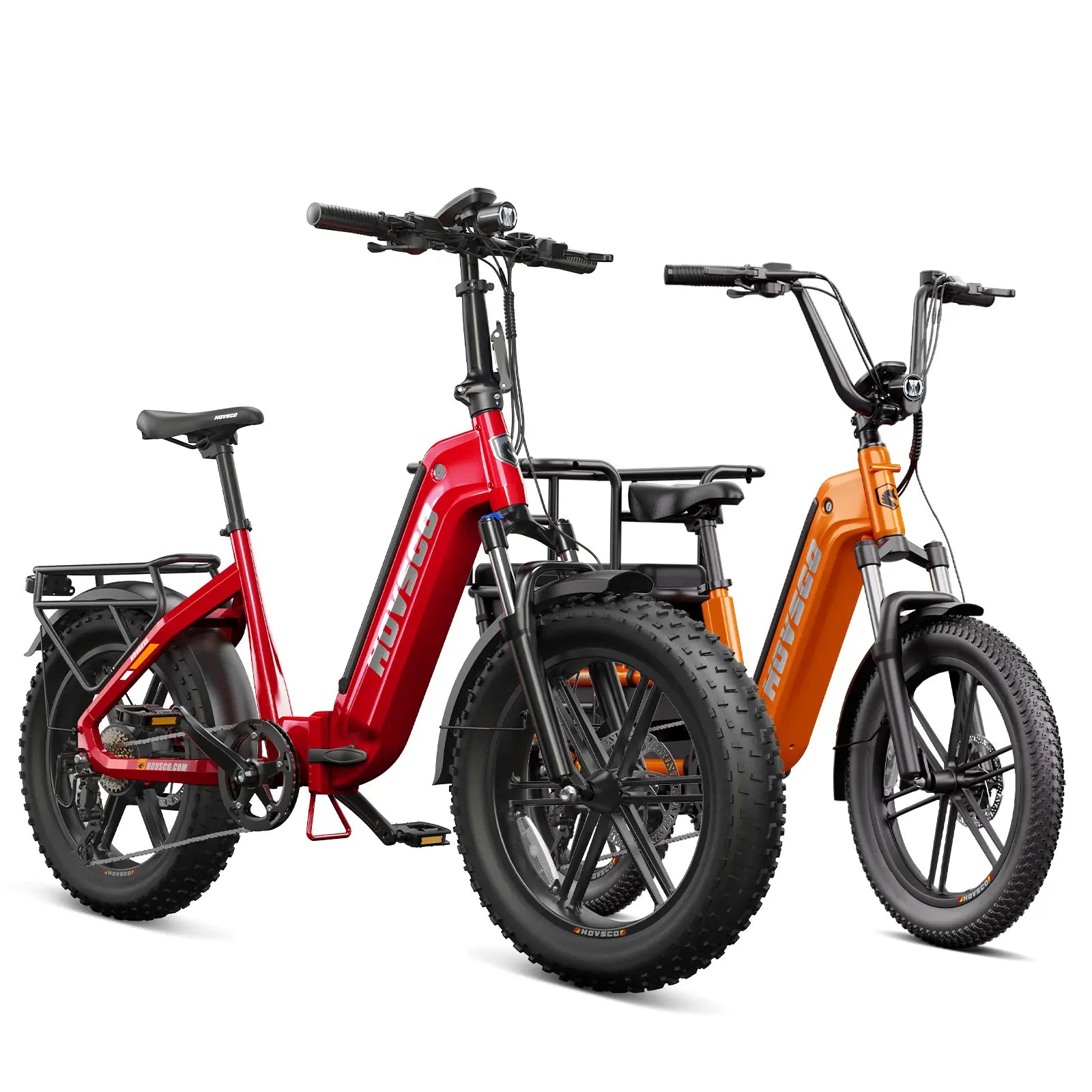
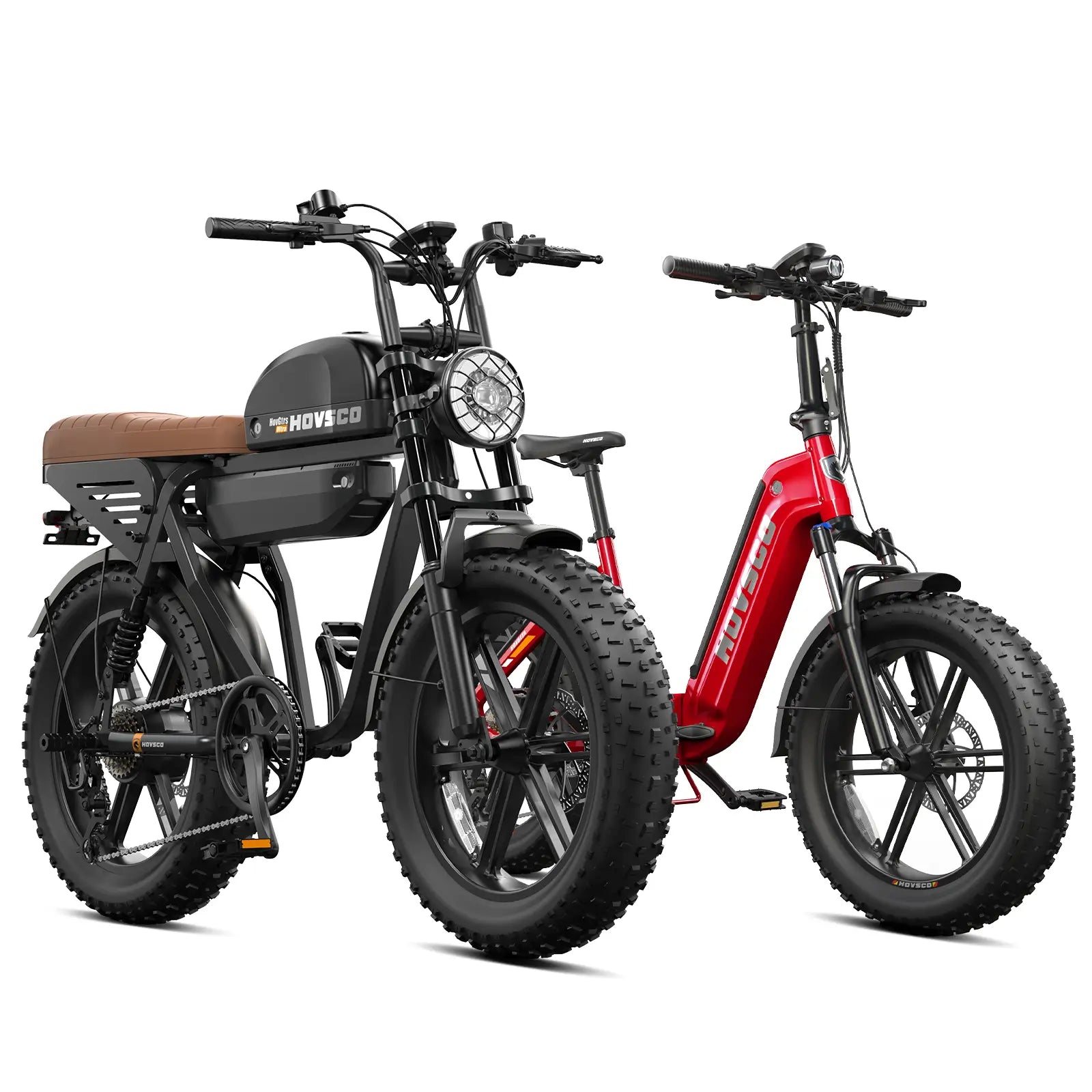
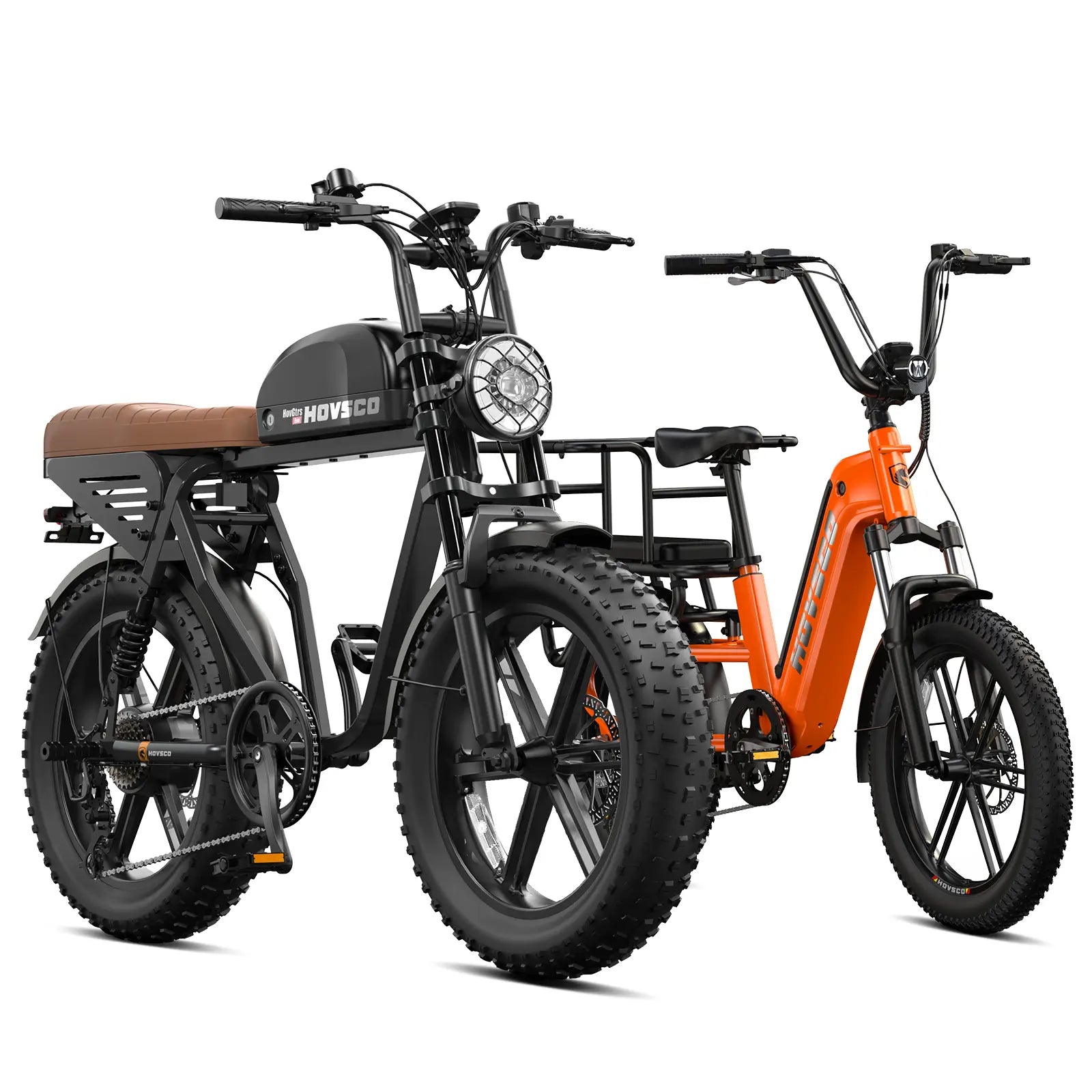
An ebike cargo model is a utility-focused electric bicycle built with reinforced frames and powerful motors to haul heavy loads. It features specialized designs like long-tail racks or front cargo platforms that prioritize strength and stability, making them ideal for errands, deliveries, or transporting children—unlike typical ebikes designed for agility or speed.
Cargo ebikes are built with thicker, extended, and fortified frames to support substantial weight without flexing. They differ from standard ebikes that use lightweight frames optimized for speed and maneuverability. This structural robustness ensures safety and stability under load, making cargo ebikes dependable workhorses.
chart: Frame comparison
| Feature | Standard E-Bike | Cargo E-Bike |
|---|---|---|
| Frame Material | Lightweight alloy | Reinforced alloy or steel |
| Load Design | Solo rider weight | Rider + heavy cargo/passengers |
Cargo ebikes require higher-torque motors and larger capacity batteries to handle added weight and demanding conditions, such as steep hills or long trips. Unlike lighter ebike models that merely assist pedaling, cargo ebikes must deliver sustained power for heavy-duty use, ensuring riders stay mobile under load.
Cargo ebikes incorporate specialized design elements like long-tail racks, front-loading boxes, integrated cargo platforms, and space for child seats. These functional differences set them apart from typical commuter ebikes, which focus on sleekness and minimalism. Cargo ebikes are purpose-built for utility.
Cargo ebikes achieve stability through a combination of low center-of-gravity design, sturdy frames, longer wheelbases, and often wider or dual-wheel setups. These features prevent wobbling or tipping when heavily loaded, unlike standard ebikes which may become unstable under similar conditions.
Cargo ebikes excel in tasks like family errands, delivery services, or urban commutes with significant loads. From hauling groceries and school pick-ups to replacing delivery vans in congested cities, their carrying capacity and power make them versatile and efficient alternatives to cars or vans.
Yes. With their robust build, high load capacity, and electric propulsion, modern cargo ebikes are increasingly viable car alternatives for short urban trips, especially where parking is limited or congestion is high. Their environmental and economic benefits make them practical choices for daily utility.
When choosing a cargo ebike, prioritize load capacity, motor torque, battery range, and frame design. Look for long-tail or front-load configurations that align with your hauling needs. Verify the build quality, braking system, and wheel strength. HOVSCO, with a team of cycling enthusiasts, offers models committed to utility, safety, and adaptability—perfect for varied daily riding demands.
“At HOVSCO, our vision for cargo ebikes transcends mere transport—we aim for reliable, load-bearing designs that don’t compromise rideability. Cargo ebikes must be harmonious in build, power, and control, especially when laden. That’s why we reinforce frames, optimize motor delivery, and tune geometry to ride like a car for carrying loads—but feel agile like an ebike.”
Q: Are cargo ebikes heavier than commuter ebikes?
A: Yes, due to reinforced frames and added cargo hardware, cargo ebikes weigh significantly more but can safely handle heavy loads.
Q: Can I ride a cargo ebike without carrying anything?
A: Absolutely. Cargo ebikes can be ridden like regular ebikes—just expect different handling due to size and weight distribution.
Q: Do cargo ebikes cost more than regular ebikes?
A: Yes, they typically cost more because of stronger components, powerful motors, and specialized design tailored for utility.
Q: Are cargo ebikes suitable for urban delivery services?
A: Definitely. Their load capacity, stability, and electric assist make them ideal for efficient, eco-friendly urban deliveries.
Q: What maintenance differs on cargo ebikes?
A: Expect increased wear on tires, brakes, and drivetrain due to heavier loads—regular inspection and upkeep are crucial.
Share:
What Is the Best Electric Bike with Two Kids Seats?
How Do Real-World Speeds of 1000W Hub vs Mid-Drive Motors Compare?