


- by EO S
What Should You Consider When Choosing a Pink Electric Bike for Daily Use?
- by EO S
E-Bikes
 Free Shipping
 15-Day Returns
 2-Year Warranty
Shop By Models
Shop By Style
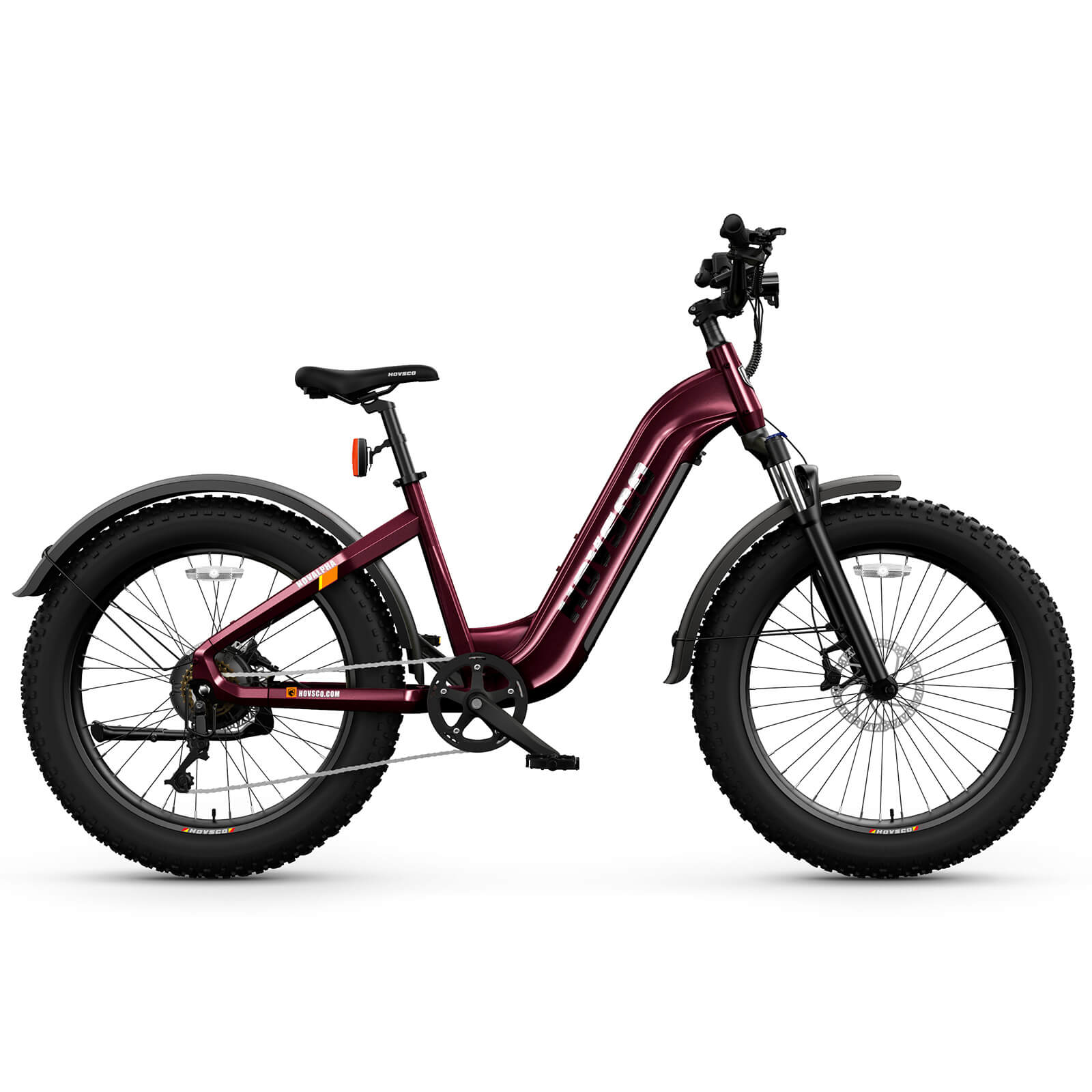
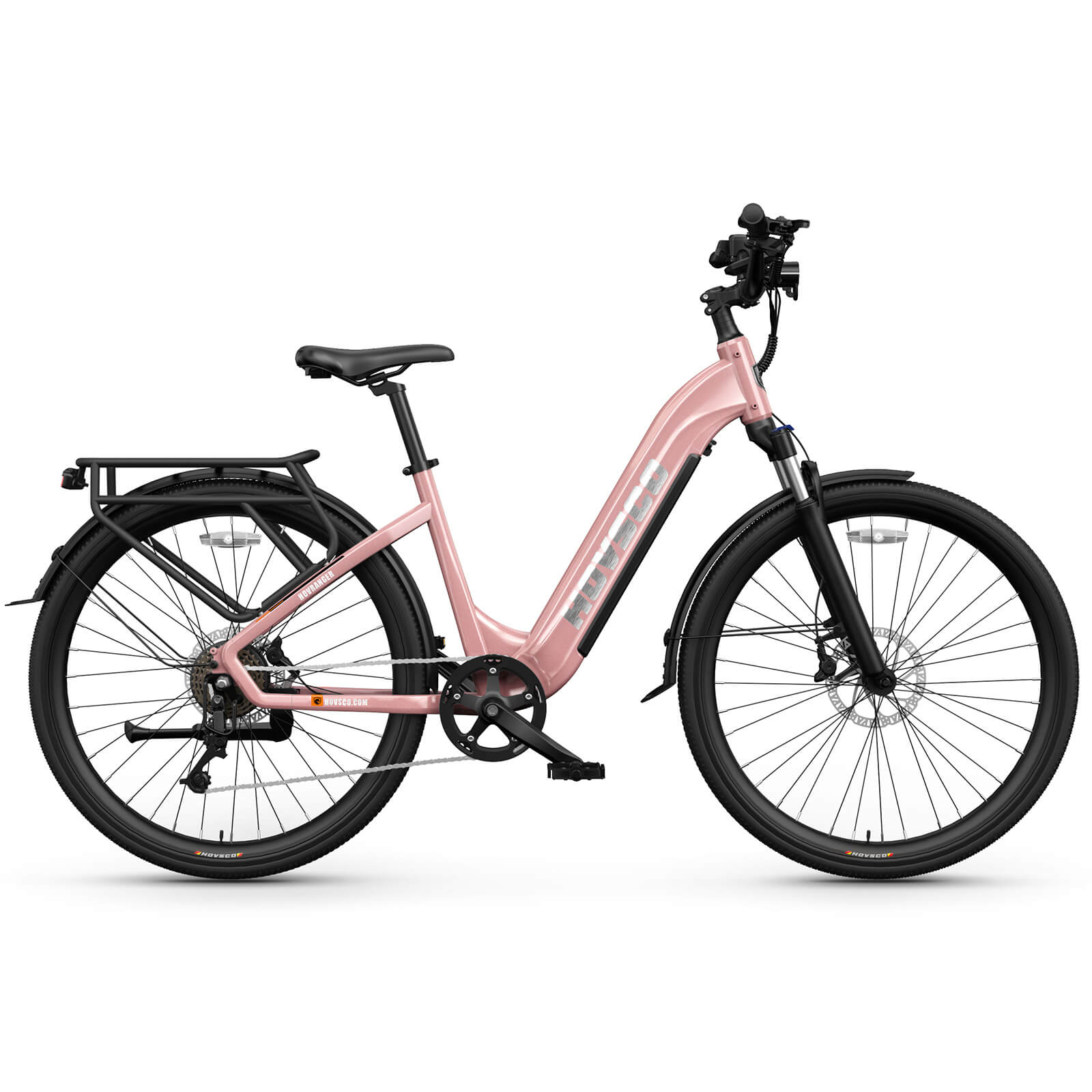
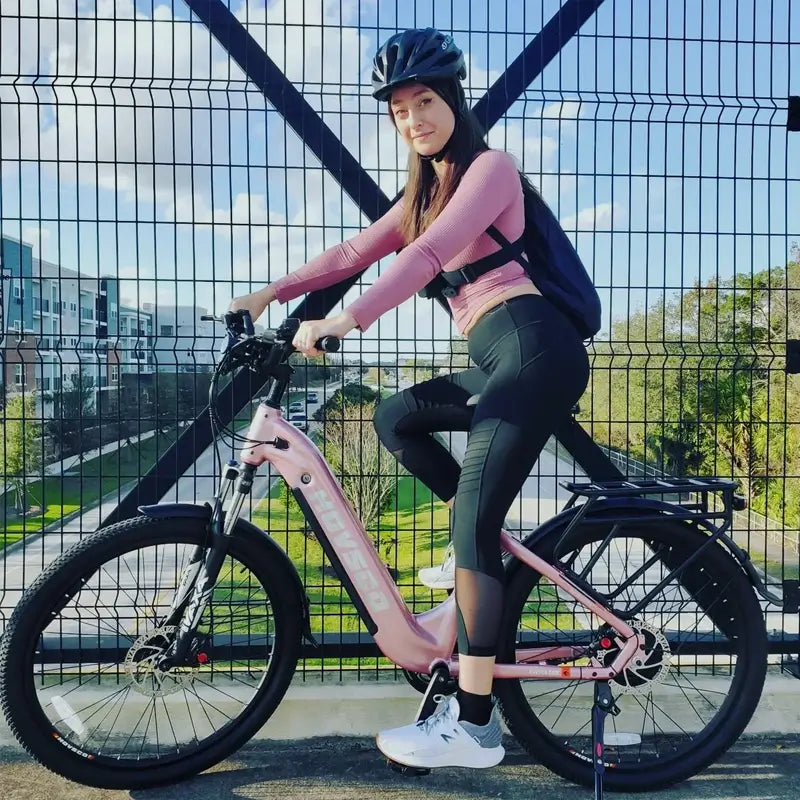
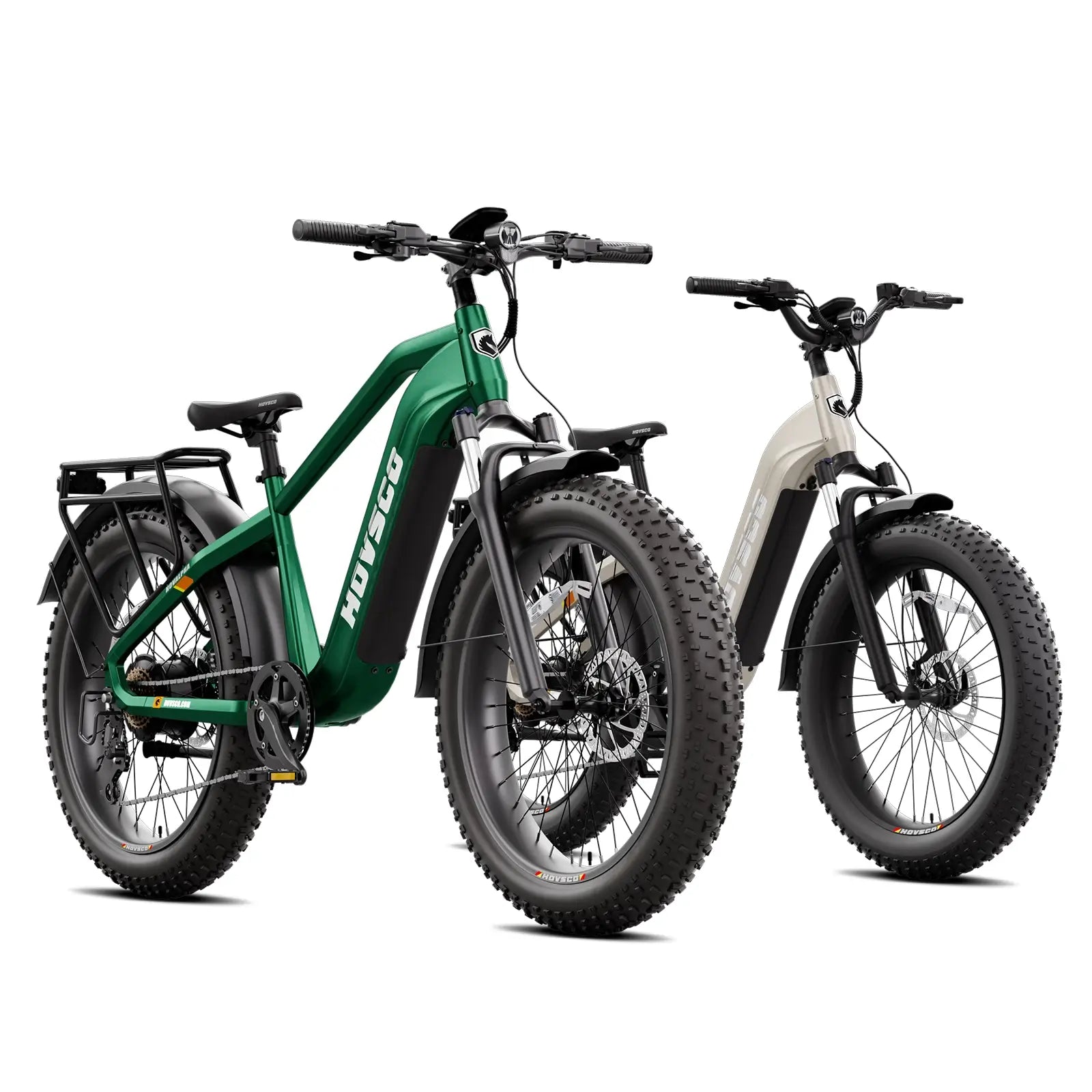
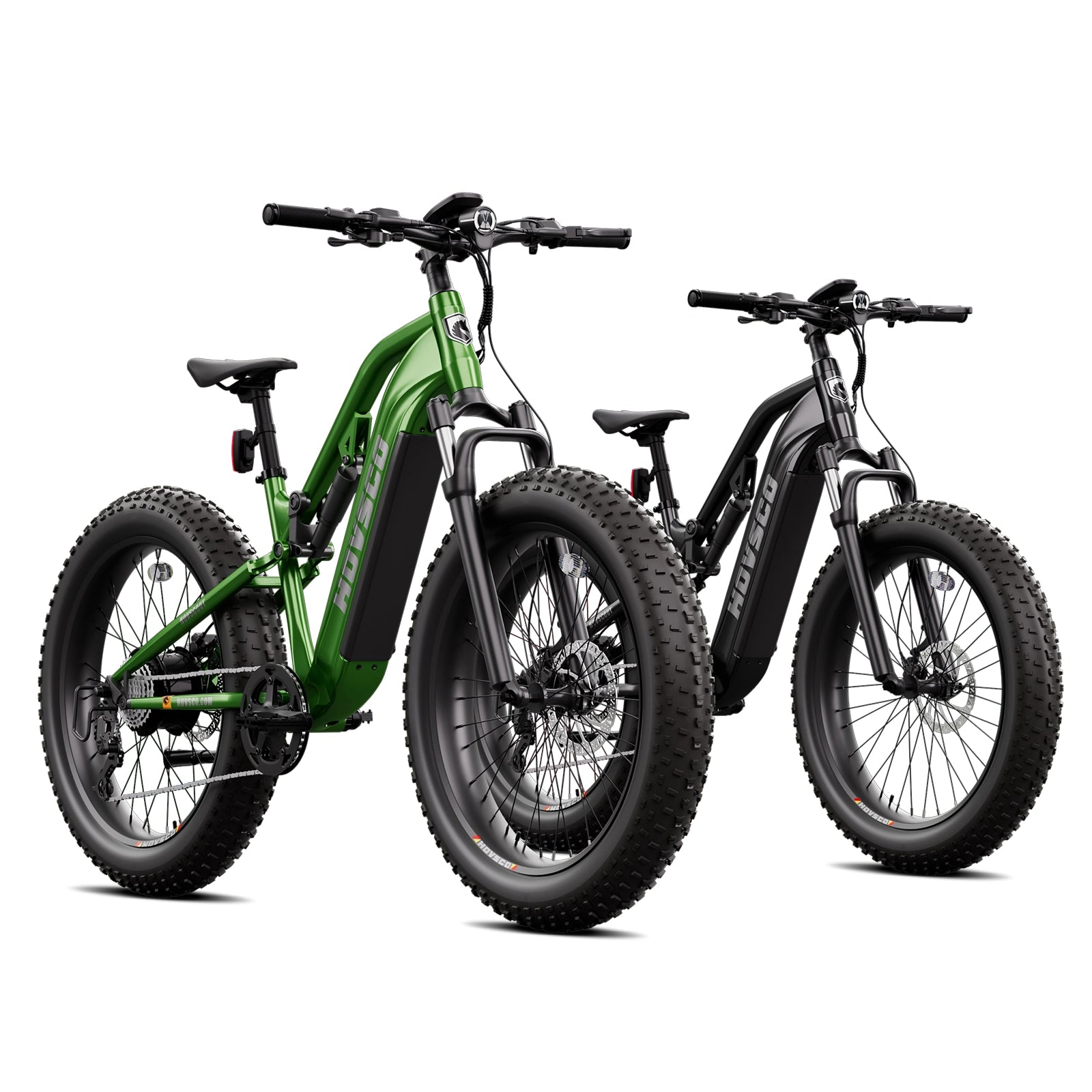
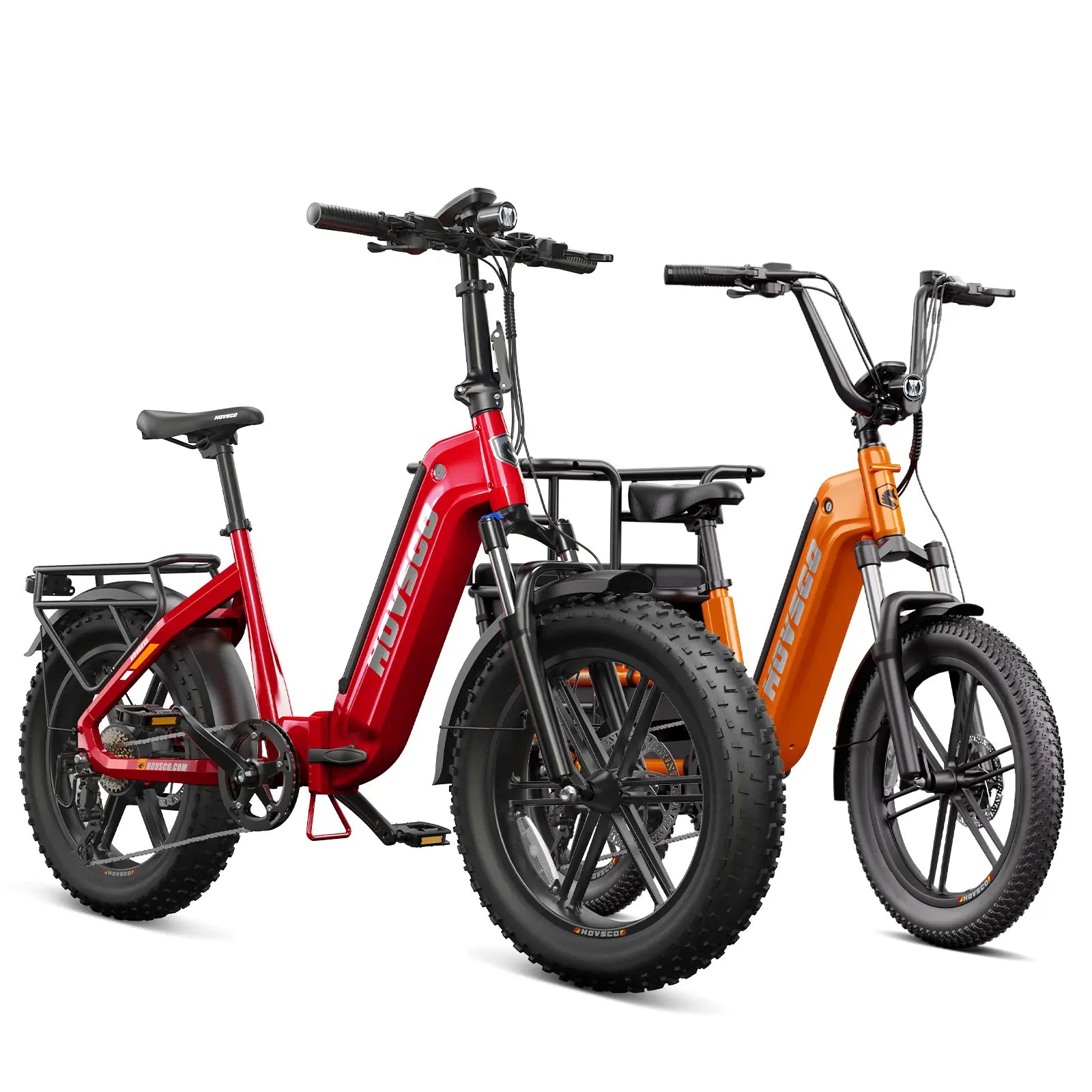
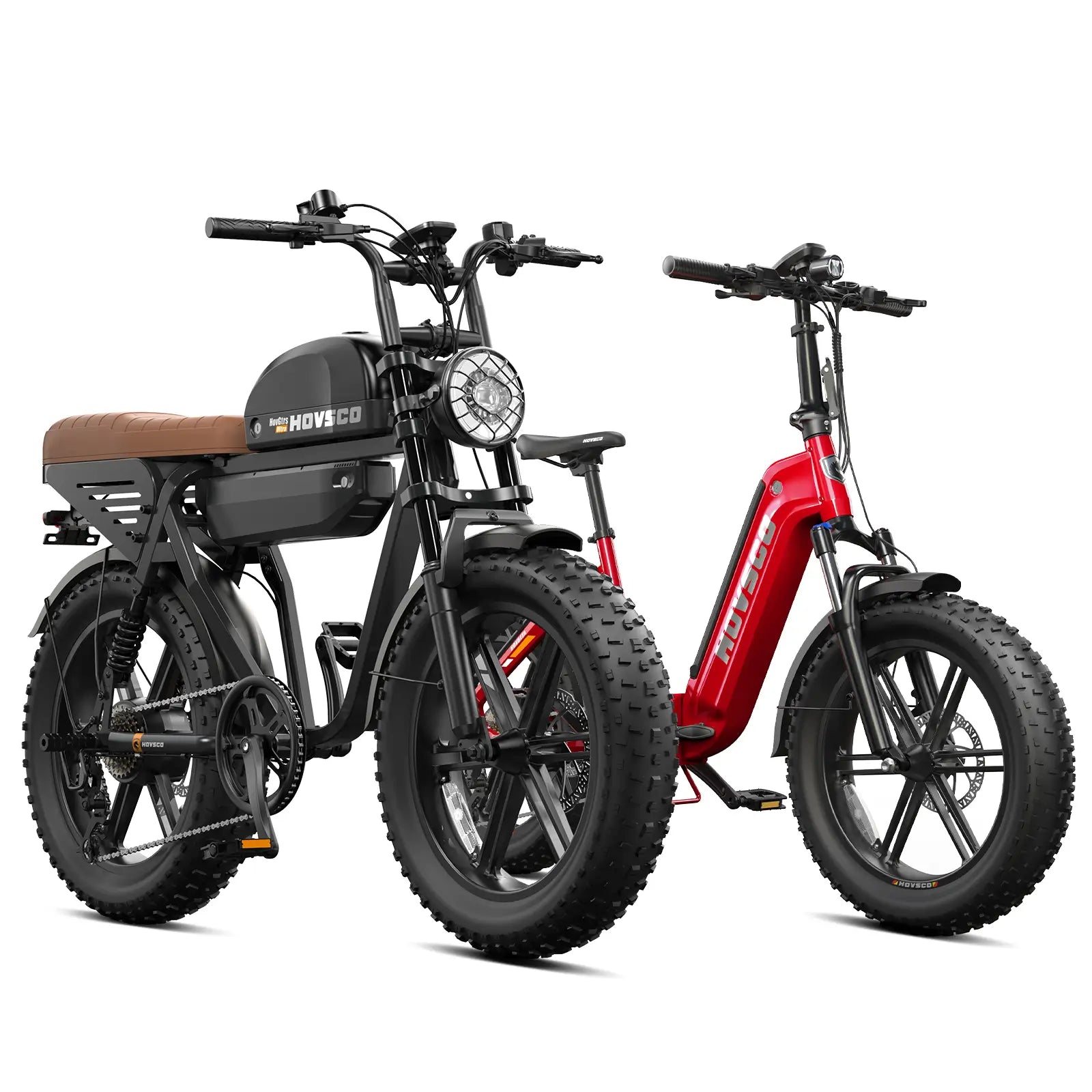
When choosing a pink electric bike for daily use, focus on more than color. Prioritize motor torque, real-world battery range, frame fit, braking performance, and daily practicality such as racks, fenders, and lighting. Then check weight, safety certifications, and after‑sales support so your stylish pink e‑bike stays safe, reliable, and comfortable on every commute.
For daily use, first define your commute distance, terrain, weather, and storage situation. Clarify whether you ride in work clothes, carry cargo, or use stairs and transit. Then match motor power, battery capacity, frame type, and accessories to those realities instead of chasing looks alone. Color is the last decision, not the first.
Your daily routine is the “system requirements document” for a pink electric bike, and ignoring it is how riders end up with buyer’s remorse. I always start by mapping the real route: round‑trip mileage, total climbing, average traffic, and how often you ride in the dark or rain. Commuters in flatter cities can live happily with lower‑torque motors, while hilly urban cores demand stronger mid‑drive or high‑torque hub systems.
Next, I ask how you live with the bike off the road. Apartment dwellers need to know if they can carry 55–70 pounds up a flight of stairs without hating life, while suburban riders may care far more about fitting the bike on a hitch rack. If you ride in office attire, you need full fenders, chainguards, and smoother tires; wearing cycling gear gives you more flexibility. When we design daily riders at HOVSCO, we prototype specifically around daily rituals: how fast you can lock it, how easy the display is to read at a glance, how quickly you can remove the battery at night. Small usability decisions matter more than any Pantone shade of pink.
Motor choice defines how your pink electric bike behaves on hills, in traffic, and at stoplights. Hub motors suit flat commutes and budget builds, while mid‑drive systems shine on steep terrain and heavy loads. Focus on torque (Nm) and assist class, not just wattage. Higher torque with smooth sensors feels better than raw power paired with jerky control.
From the factory floor, I see riders obsess over “750 W” stickers while ignoring torque and sensor design, which matter more in real traffic. A 500 W mid‑drive with 80 Nm torque and a good torque sensor can out‑climb a poorly tuned 750 W hub with weak low‑speed pull. For urban commuting, I usually target 60–80 Nm for mixed terrain and 40–50 Nm for mostly flat routes. Anything below that starts to feel sluggish once you load panniers or face headwinds.
Assist class is just as important. Class 1 (pedal assist to 20 mph) works well for bike paths and casual riders, while Class 3 (assist to 28 mph) suits longer, car‑heavy routes where you need to keep up with traffic. On the assembly line, we tune controller ramp‑up curves so the bike pulls briskly from a stop but never lunges—a detail you won’t see on spec sheets. Brands like HOVSCO invest a lot of testing time into matching motor behavior to real commuting speeds, not just chasing headline numbers.
Choose battery capacity based on your longest realistic day, then add a 20–40 percent buffer. For short urban commutes under 15 miles round trip, a 400–500 Wh pack is fine. Longer or hillier routes often need 600 Wh or more. Check published range claims against your weight, terrain, and assist level; treat marketing numbers as optimistic best‑cases.
In testing labs, we regularly see “up to 60 miles” turn into 25–35 miles once you add hills, cold weather, and higher assist. For a typical 8–12 mile round trip with moderate hills, I spec around 500 Wh so riders can go a couple of days without charging and still have emergency buffer. When we design commuter‑focused bikes at HOVSCO, we size cells, BMS limits, and controller settings together so the pack can sustain repeated full‑power bursts without overheating or premature aging.
Removable batteries are critical for apartment dwellers or riders without a power outlet in the garage. I pay attention to how the battery slides in its rail: slop in that interface leads to rattles and intermittent power cuts after a year of potholes. You also want UL‑compliant packs with quality cells and robust BMS protection; cheap packs may work on day one but degrade quickly or create safety risks over time. Think of the battery as the “fuel tank and brain” of your pink electric bike, not an accessory.
Frame geometry determines comfort, control, and safety far more than color. Prioritize correct frame size, standover height, reach, and handlebar height so you can ride upright and relaxed. Step‑through frames help with skirts and tight office clothes, but you still need proper reach and saddle position. Poor fit leads to numb hands, sore knees, and unstable handling.
On the engineering side, we treat “pink step‑through city bike” as a geometry puzzle, not a fashion project. High stack and shorter reach create a more upright posture that’s better for visibility and neck comfort on stop‑and‑go city rides. Too short, however, and the bike feels twitchy; too long, and you over‑extend your shoulders. I often advise riders to pick the smallest size that still gives them proper leg extension, especially if they frequently put a foot down in traffic.
Standover and seat tube angles are easy to ignore but critical. If you’re on the edge of two sizes, test how quickly you can dismount at a sudden stop—many riders only discover problems during an emergency. For daily commuting, I like slightly slacker seat tube angles for stability and comfort, paired with swept‑back bars that keep wrists neutral. HOVSCO frames are laid out with specific handlebar and stem assumptions, so swapping to an extreme long stem just to “fix” reach can ruin the handling we engineered into the chassis.
Braking, tire choice, and suspension dictate safety and comfort, especially in wet or rough conditions. Hydraulic disc brakes with 160 mm or larger rotors provide consistent stopping power. Commuter tires should be puncture‑resistant with reflective sidewalls. Light suspension or compliant frames tame potholes and curbs, making your pink electric bike more forgiving and less fatiguing.
From the workshop, the most common service ticket I see is “my stylish city bike rides harsh and flats all the time.” That’s almost always a tire and pressure problem, not a frame issue. For daily commuting, I typically spec 1.75–2.2 inch tires with puncture belts and recommend slightly lower pressures than road racing charts would suggest, especially for heavier e‑bike systems. You give up a little rolling speed but gain massive comfort and grip.
Hydraulic disc brakes outperform mechanical sets in real‑world commuting because they maintain lever feel in rain and under heavy loads. We favor mineral oil systems that are easier to bleed and more stable than bargain mechanical calipers. For riders hitting broken pavement or curbs at speed, a quality front suspension fork or at least a compliant steel fork makes a surprising difference. HOVSCO design reviews include “worst‑block” test loops that replicate aggressive urban riding, and we tune tire and fork choices around that, not smooth test tracks.
Bike weight affects how easy it is to carry up stairs, mount on car racks, and maneuver in tight spaces. Lighter pink electric bikes feel more agile, but ultra‑light builds can sacrifice durability. Consider where you store the bike, whether you must lift it regularly, and how secure that location is. Opt for a balance between manageable weight and robust construction.
In real terms, 5 pounds sounds minor on paper but feels huge when you’re lifting a bike above waist height onto a car rack or over a stair rail. Most commuters find the sweet spot around 50–65 pounds for full‑size e‑bikes; below that, weight compromises often show up as flexy wheels or undersized brakes. Above roughly 70 pounds, I warn riders to think carefully about where the bike will live and how often they’ll need to move it without rolling.
Removable batteries help with weight management. Many HOVSCO owners carry the bike minus a 7–10 pound battery, which makes stair carries more realistic. Storage security also matters: a pink electric bike draws more attention, so leaving it in a public rack overnight is riskier. I design around integrated mounting points for stout U‑locks and frame‑mounted GPS trackers, because a pretty bike only matters if it’s still there in the morning.
Color and finish influence how well your pink electric bike hides scratches, dirt, and UV wear. Matte pink hides fingerprints but can show dark scuffs; glossy and metallic finishes resist fading but highlight dust. Design touches like internal cable routing, integrated lights, and hidden welds improve longevity, weather resistance, and theft deterrence without sacrificing style.
On the production line, I see firsthand how different coatings age. Metallic or pearlescent pinks look stunning under showroom lights, but in coastal or high‑UV environments they need better clear‑coat and prep to stave off corrosion around welds and fasteners. If your commute includes winter road salt or seaside air, I prefer thick powder‑coat systems with robust under‑layers rather than ultra‑thin show finishes.
Daily practicality lives in the invisible corners: drain holes in fender mounts, sealed connectors under the downtube, and cable routing that avoids sharp bends. HOVSCO engineers route harnesses away from front wheel spray and design battery doors with gaskets tuned for repeated daily use, not just lab tests. Those small design decisions are what keep the bike’s pink finish looking sharp and its electronics reliable after thousands of miles in the real world.
Safety certifications and legal class ratings are as important as specs and style. Look for e‑bikes that comply with recognized standards and clearly state their class and top assist speed. Check local regulations about where each class can ride, helmet rules, and throttle usage. A compliant pink electric bike avoids fines, insurance issues, and unnecessary safety risks.
In practice, I always advise riders to treat uncertified electronics as a red flag, no matter how attractive the bike looks. Properly tested frames and electrical systems cost more to produce but dramatically reduce the risk of battery fires or structural failures under heavy loads. Clear documentation and labeling on the frame, battery, and charger show that the brand takes compliance seriously.
Class rules vary by region, but mixing a high‑speed Class 3 bike into crowded shared paths can be both illegal and dangerous. We tune HOVSCO controllers so the bike reaches its legal cut‑off smoothly and predictably, not with abrupt surging. For daily commuting, predictable behavior in emergency maneuvers matters more than eking out an extra mile per hour. Reading your local regulations before buying helps you choose a bike that fits both your route and the law.
Brand reputation, warranty terms, and service network are crucial for daily riders. Choose a company with clear support channels, documented maintenance schedules, and readily available spare parts. Strong warranties on frame and electronics, plus responsive customer service, protect your investment far more than short‑lived discounts or trendy colors.
From the manufacturing side, I see the difference between brands that design for serviceability and those that don’t. Thoughtful companies use standardized connectors, publish wiring diagrams, and keep replacement displays, controllers, and batteries in stock for years. That means a small crash or a worn‑out part does not total the bike. HOVSCO builds around modular harnesses and maintains cross‑compatible components across models to make long‑term support realistic.
Warranty language also reveals how confident a brand is in its engineering. Multi‑year coverage on frames and at least a year on electrical systems indicates robust testing and conservative designs. For a daily‑use pink electric bike, filter marketing claims through the lens of: “If something fails in 18 months, will this brand still be there with the part I need?” A trustworthy company answers that with infrastructure, not just slogans.
“When I spec a pink electric bike for daily use, I treat the paint as the final five percent of the decision. First, I prove the frame, motor, and battery package on a brutal test loop of hills, potholes, and emergency stops. Only once the bike feels effortlessly safe at 20–28 mph do we decide which shade of pink will still look great after 3,000 real‑world miles.”
Daily commuters should budget for core accessories like full‑coverage fenders, a solid rear rack, bright front and rear lights, and a quality lock. Helmet, bell, and reflective elements boost visibility and safety. Because pink electric bikes attract attention, invest in heavy‑duty locks and possibly GPS tracking to protect your bike at work, school, or train stations.
On the assembly line, we pre‑install mounting points and wiring harnesses because add‑on accessories are inevitable. For true daily riders, I consider integrated lighting non‑negotiable: lights wired to the main battery are harder to forget and easier to see. Stout rear racks rated for at least 25–30 kg let you haul laptops, clothes, and groceries without stressing welds or hardware.
Security is where many riders under‑budget. A bright pink electric bike with a flimsy lock is an obvious target. I advise spending 10–15 percent of your bike budget on security: a hardened U‑lock plus a secondary cable or chain, and ideally a discreet GPS tracker wired into the main power harness. Brands like HOVSCO design frame spaces and cable routing with these upgrades in mind so you can protect your investment without awkward DIY solutions.
A proper test ride reveals more than spec sheets ever can. Use it to evaluate fit, handling, braking, and motor tuning on terrain similar to your commute. After purchase, fine‑tune saddle height, bar angle, tire pressure, and assist levels. Small adjustments make a pink electric bike feel like a custom build instead of an off‑the‑shelf compromise.
In our field demos, I watch riders change their minds within five minutes of riding a bike they were unsure about on paper. A motor that sounds great in marketing copy can feel buzzy, while another with modest specs delivers silky, car‑like acceleration. Pay attention to how the bike tracks hands‑free, how it behaves during hard braking, and whether you can look over your shoulder without wobbling.
Post‑purchase setup is where you turn a good bike into a great one. I often lower front tire pressure by a few PSI, rotate bars to neutralize wrist angle, and adjust reach to brake levers so riders can brake confidently with one finger. HOVSCO dealers are trained to do this kind of fit‑by‑feel rather than just sending you out the door with factory defaults. Taking one extra hour at the start saves hundreds of micro‑annoyances over the bike’s life.
Choosing the right pink electric bike for daily use means treating style as the final decision, not the first. Start with your real route and lifestyle, then match motor torque, battery capacity, frame fit, braking, and tire setup to that reality. Prioritize safety certifications, reliable brand support, and smart accessories and security, especially because a pink electric bike tends to draw more attention in public spaces.
From there, refine the package with finish, weight, and storage considerations, making sure you can live with the bike as easily as you ride it. A well‑designed pink electric bike from an experienced brand such as HOVSCO will feel intuitive, safe, and efficient thousands of miles down the road, long after the initial excitement of the color fades. If you combine careful spec choices with a proper test ride and thoughtful setup, your daily pink e‑bike will become a trusted part of your routine rather than a finicky toy.
Is a pink electric bike suitable for long daily commutes?
Yes, as long as the motor, battery, and fit match your distance and terrain. Look for 500–600 Wh batteries, strong brakes, and comfortable geometry, then treat color as a bonus.
Can I ride a pink electric bike year‑round in mixed weather?
Yes, provided you choose puncture‑resistant tires, full fenders, quality lighting, and rust‑resistant components. Regular cleaning and chain care help it survive rain, grit, and road salt.
Are pink electric bikes more likely to be stolen?
Bright colors attract attention, including from thieves, so invest in a strong lock and secure parking. Consider GPS tracking and avoid leaving the bike outside overnight in high‑risk areas.
What maintenance does a daily‑use pink electric bike need?
Plan on regular tire pressure checks, chain lubrication, brake inspections, and annual shop tune‑ups. Keep battery contacts clean and follow the brand’s charging and storage guidelines.
Who is a pink electric bike best suited for?
A pink electric bike suits riders who want reliable daily transport with expressive style. It works for commuters, students, and fitness riders, as long as the underlying specs fit their real needs.
Share:
Best High-Performance Urban Electric Scooters?
E-Bike Technology Evolution: How Smart Features & Long Range Changed Riding in June 2026