

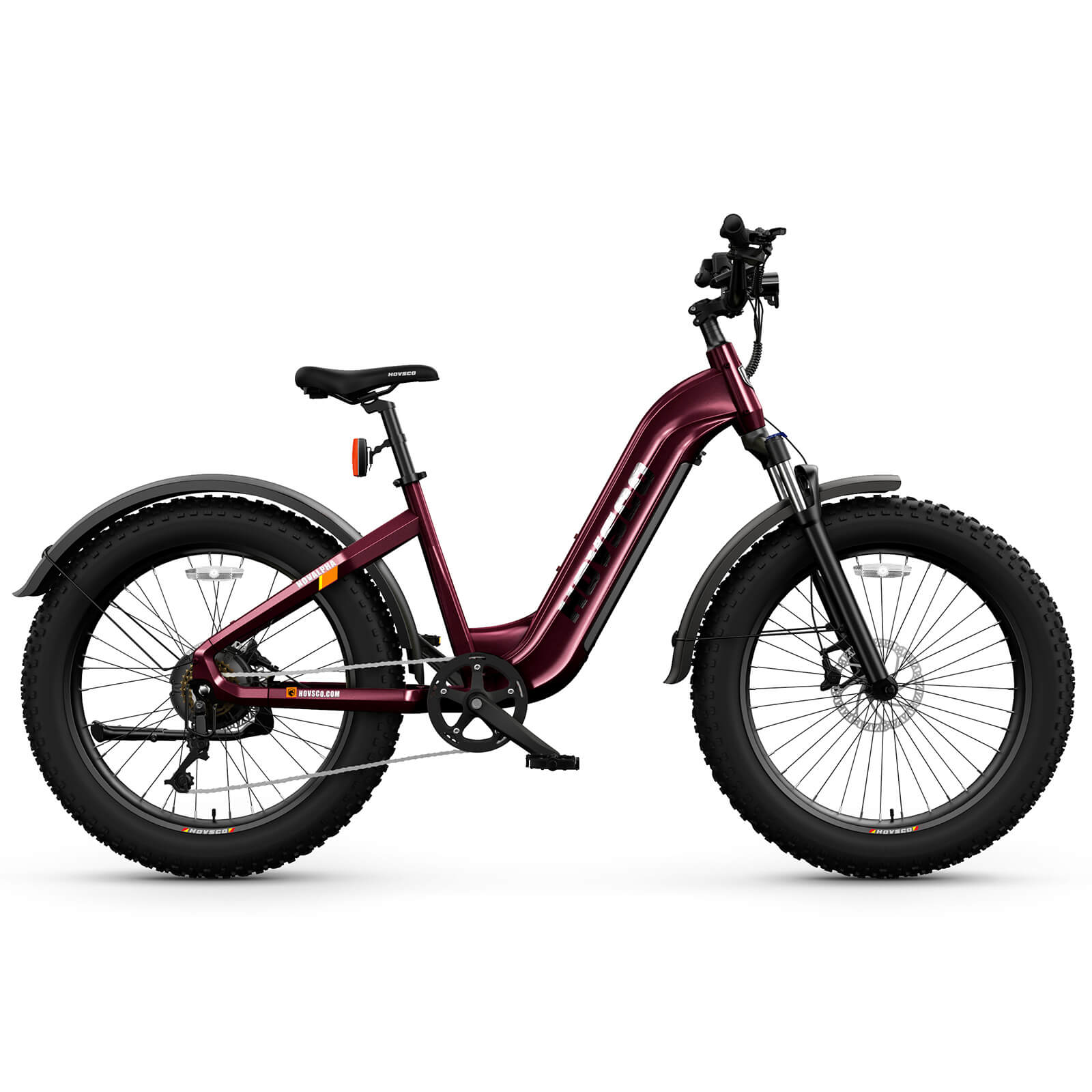
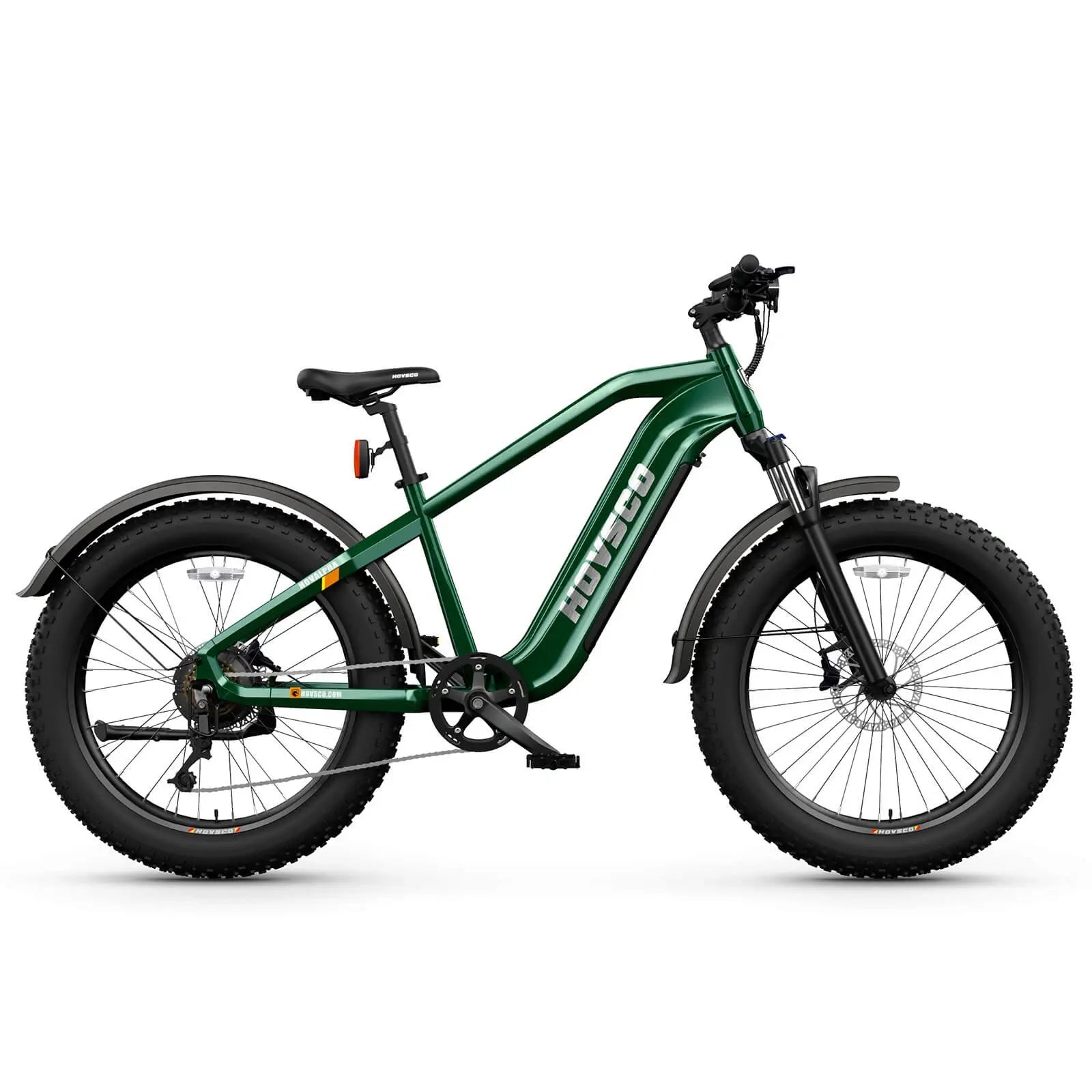
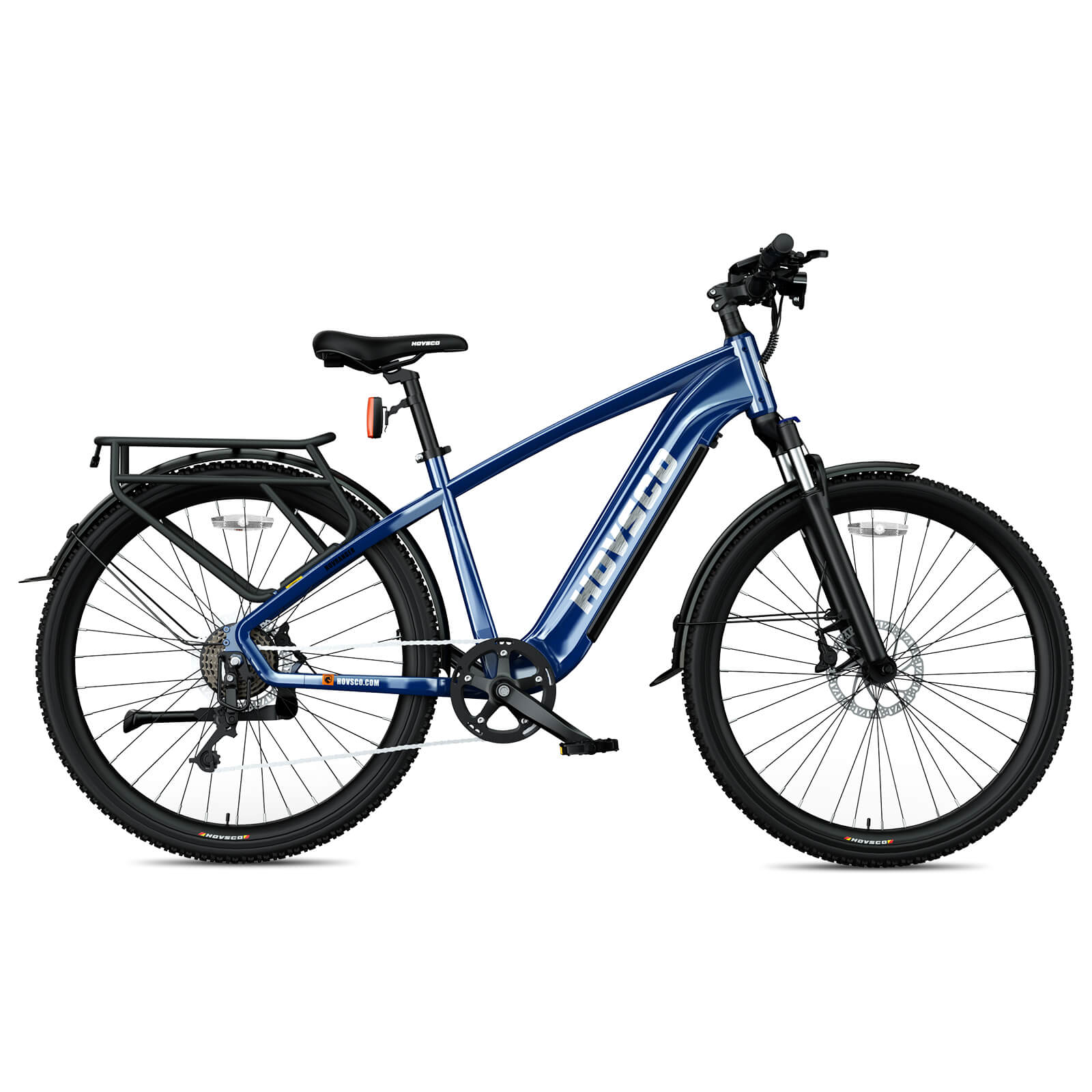
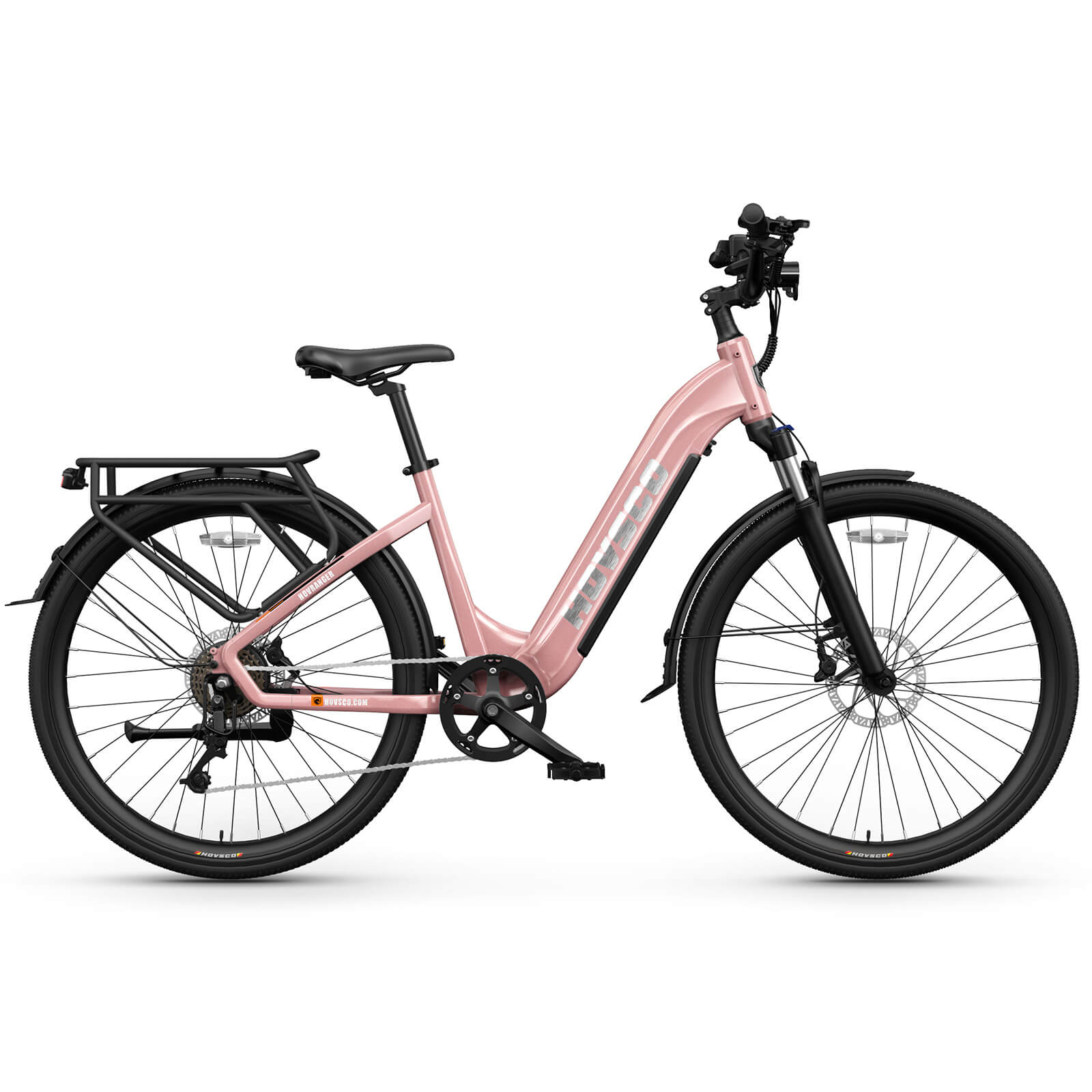





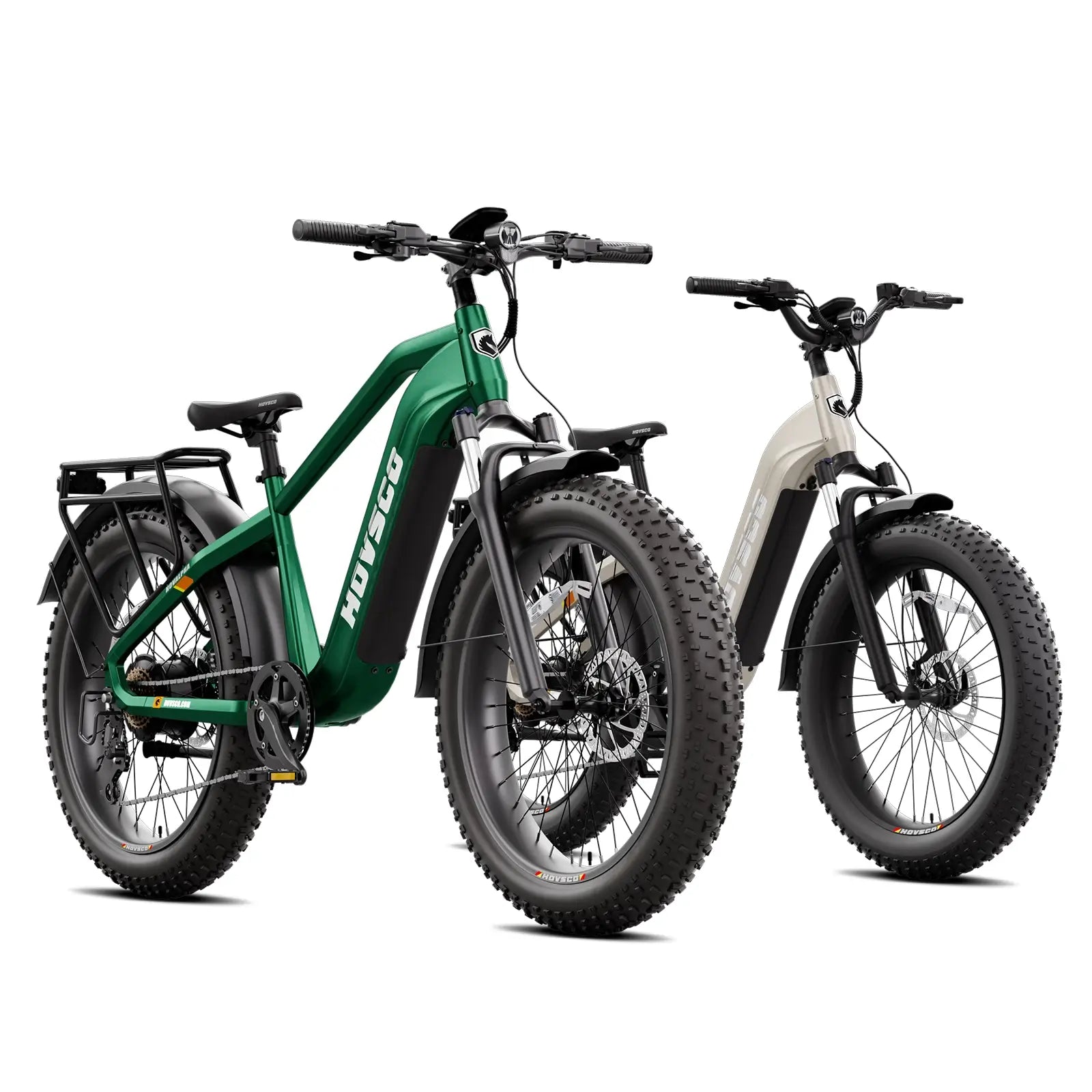
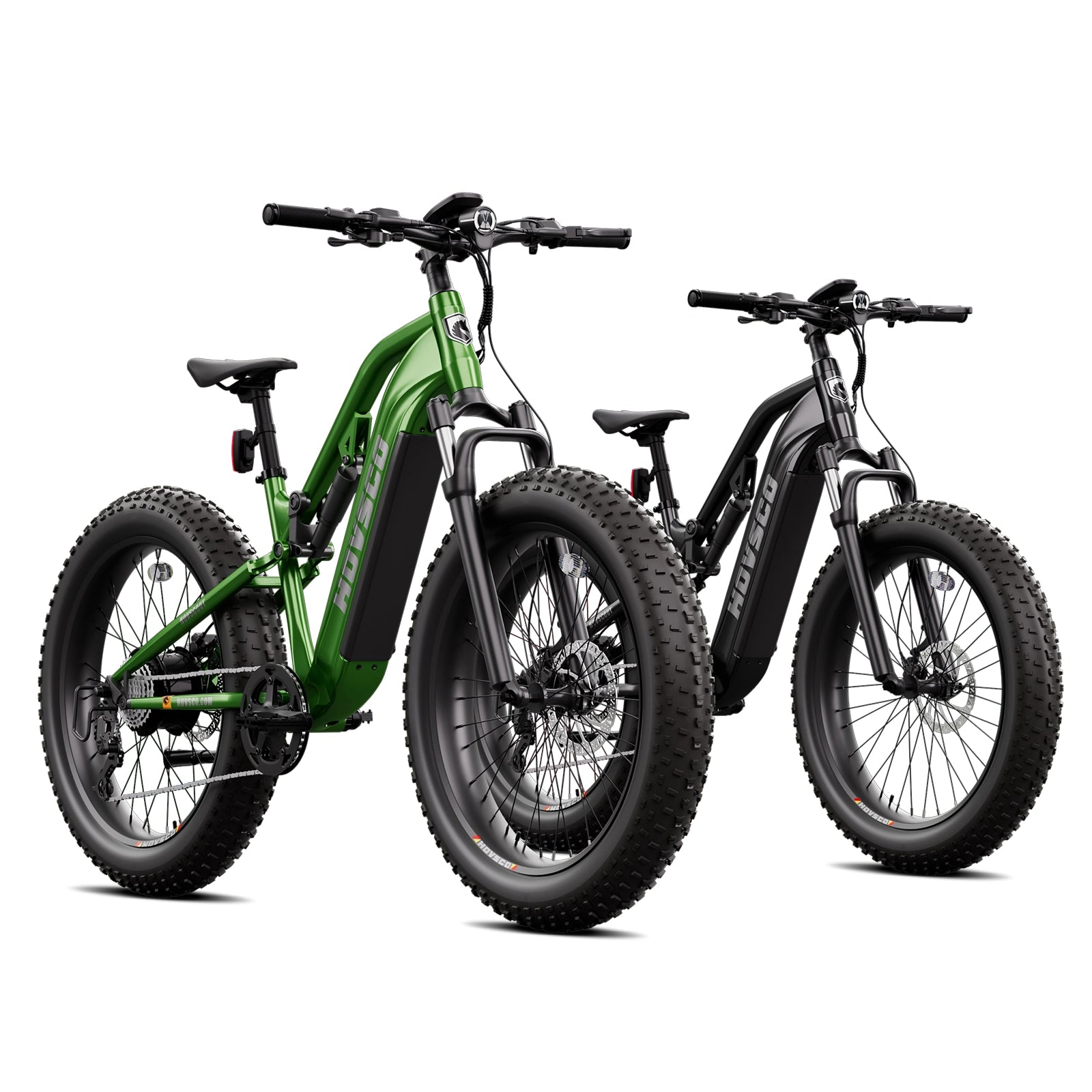
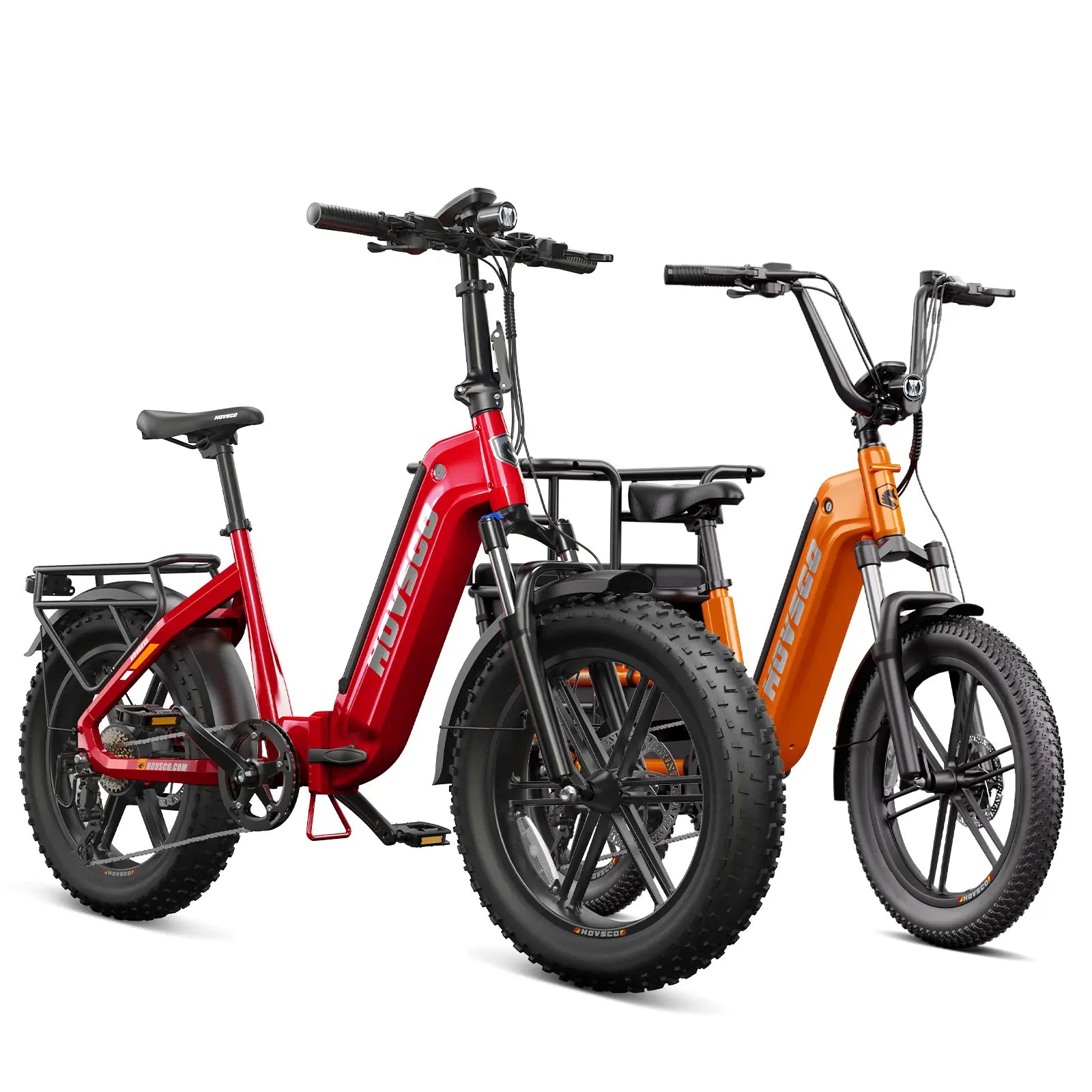
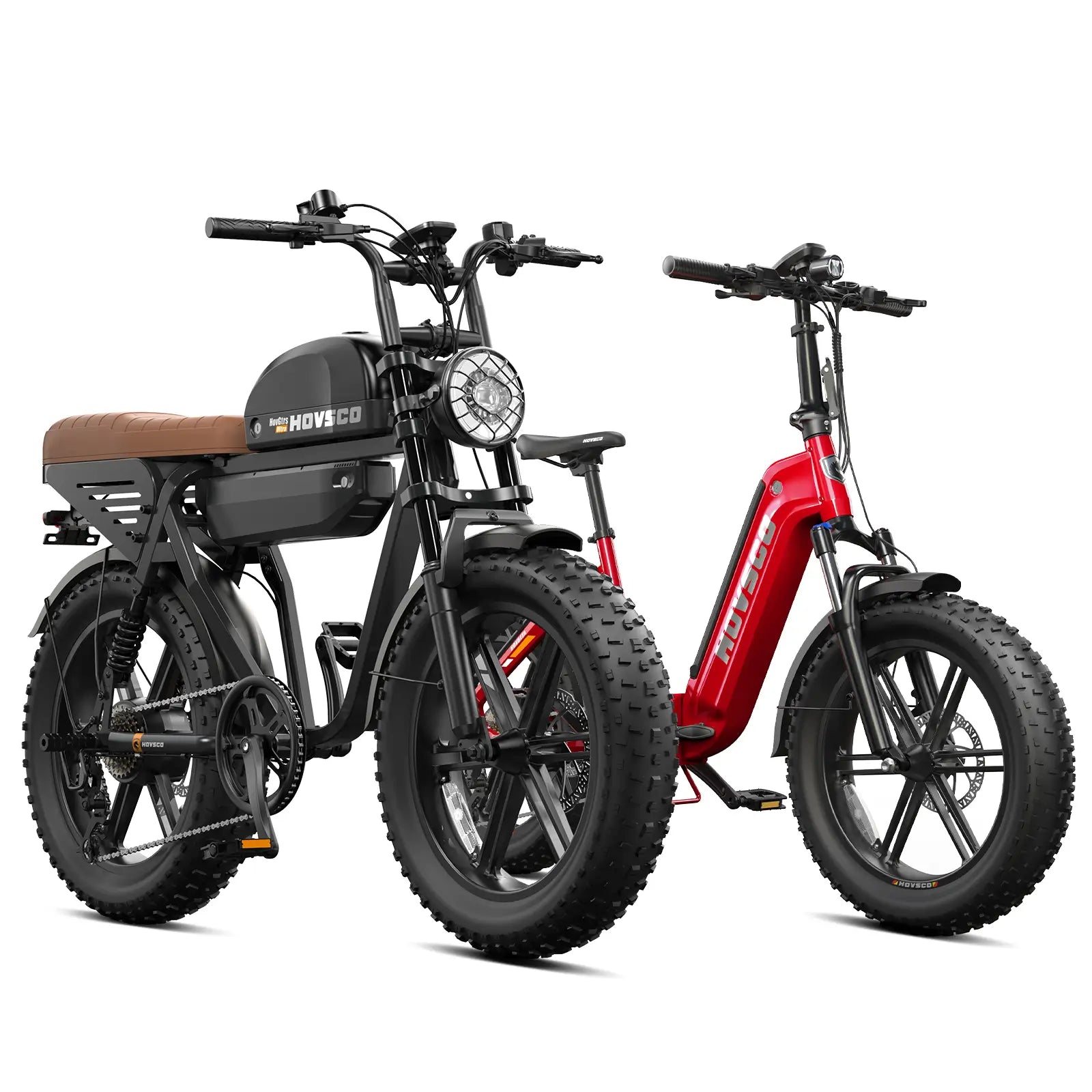
- by EO S
What Is a Bike Seat and How to Choose the Best for Comfort and Performance?
- by EO S
E-Bikes
 Free Shipping
 15-Day Returns
 2-Year Warranty
Shop By Models
Shop By Style
A bike seat, or saddle, is the part of a bicycle designed to support the rider’s weight and provide comfort during rides. Properly fitting bike seats vary in shape, width, and padding depending on riding style and anatomy, ensuring pressure relief, effective power transfer, and long-lasting comfort through tailored design.
A bike seat serves as the rider’s primary contact point with the bike, affecting posture and comfort. Proper fit distributes weight across the sit bones, minimizes pressure on soft tissues, and reduces numbness and pain, making every ride enjoyable and safer.
Bike seats vary by purpose: performance saddles are narrower with minimal padding for efficient power transfer in road or mountain biking; comfort saddles are wider and more cushioned for casual or commuting rides; touring saddles balance padding and shape for all-day endurance. Matching seat type to riding style optimizes comfort and efficiency.
Common padding includes gel and foam. Gel cushions conform well, offering plush comfort favored in leisure riding, though they may compact over time. Foam provides firmer support preferred for performance riders, maintaining shape without excess softness. Some saddles have no padding, using leather or cotton that molds uniquely to each rider, offering custom fit and breathability.
Seat width should align with the rider’s sit bone spacing, as a mismatch causes discomfort and chafing. Shapes vary from flat to curved or waved, influencing how weight is supported and how legs move. Wider, flatter seats suit upright riding positions, while narrower, curved seats often benefit aggressive forward-leaning postures.
Cutouts or grooves reduce pressure on sensitive perineal areas, enhancing blood flow and preventing numbness during rides. The design and placement must match rider anatomy; an ill-fitting cutout can reduce comfort. Channels also improve airflow, keeping the area cool and dry.
Some seats incorporate springs or elastomers to absorb shocks from rough terrain, reducing fatigue and discomfort. Features like padded seat covers or optional saddle pads can add cushioning, though excessive padding may impede performance for some riders.
Notable models include the Bluewind Bike Seat for high-density foam cushioning and water resistance; the SGODDE Comfortable Bike Seat with shock-absorbing rubber balls and hollow design for breathability; and the Terry Liberator Y Gel Saddle, offering ergonomic pressure relief for long rides.
Chart title: Comparison of Popular Bike Seats
| Model | Padding Type | Suspension | Intended Use | Weight |
|---|---|---|---|---|
| Bluewind Bike Seat | Memory Foam/Gel | Dual spring | Mountain/Road | Moderate |
| SGODDE Comfortable Seat | Gel/Foam | Rubber balls | Casual/All-terrain | Lightweight |
| Terry Liberator Y Gel | Multi-density foam | None | Endurance/Commuter | Lightweight |
Measure your sit bone width for accurate sizing, determine your primary riding style, and choose a seat with appropriate padding and shape. Test riders often find that seats with properly positioned cutouts and moderate padding offer the best relief. Consider durability, water resistance, and compatibility with your bike’s seat post. Brands like HOVSCO invest in ergonomic design and quality materials to meet diverse rider needs.
Common issues include numbness, chafing, saddle sores, and lower back pain. Prevention involves selecting correctly sized and shaped seats, wearing padded cycling shorts, adjusting saddle height and tilt properly, and avoiding excessive padding which may increase pressure points.
“HOVSCO emphasizes personalized fit and ergonomic innovation in bike seat design,” says a company expert. “By focusing on anatomy and riding posture, we create saddles that distribute pressure evenly and enhance comfort for all riders, from casual to competitive, ensuring every journey supports health and performance.”
What Is a Bike Seat and Why Does It Matter
A bike seat is the part of your bike that supports your body while riding, affecting comfort, posture, and performance. Choosing the right seat prevents soreness and improves efficiency, whether commuting, exploring trails, or riding long distances. A well-designed seat ensures every ride is enjoyable and healthy, enhancing your cycling experience.
Which Bike Seats Are Most Comfortable for Long Rides
Seats designed for long rides prioritize ergonomic support, pressure relief, and padding materials like gel or foam. Wider saddles with contoured shapes reduce discomfort and prevent numbness. Choosing a seat that fits your body type and riding style maximizes endurance and ensures cycling remains a pleasurable and pain-free activity.
What Are the Best Bike Seats for Racing Performance
Racing bike seats focus on minimal weight, aerodynamic design, and efficient power transfer. They are narrower and firmer, allowing faster pedaling without restricting movement. Proper fit and position are crucial to reduce fatigue, enhance speed, and maintain control during intense rides, making performance seats ideal for competitive cycling.
How Do You Set the Correct Bike Seat Height
Correct seat height allows efficient pedaling and reduces strain on knees and back. Adjust until your leg is nearly fully extended at the bottom of the pedal stroke, keeping a slight bend in the knee. Proper height improves power output, comfort, and reduces the risk of injury during long rides.
How Can You Reduce Bike Seat Pain
Reducing bike seat pain involves choosing the right saddle width, padding, and materials, adjusting height and angle, and using padded shorts if needed. Regular rides with proper posture and seat adjustments prevent pressure points and numbness. Comfort-focused seats enhance endurance and ensure riding remains enjoyable.
How Do You Clean and Maintain a Bike Seat
Clean your bike seat regularly with mild soap and water, avoiding harsh chemicals that damage materials. Inspect for wear, cracks, or loose components. Conditioning leather or gel seats extends life and maintains comfort. Routine maintenance ensures every ride is smooth, safe, and enjoyable.
How Do You Choose the Best Bike Seat for Comfort and Performance
Choosing the best seat requires assessing riding style, body shape, and preferred materials. Consider ergonomic design, padding, width, and adjustability. Test rides help determine comfort for commuting, trail riding, or long-distance cycling. The right seat balances comfort and performance, ensuring healthier and more enjoyable rides.
Which Bike Seats Are Best for Women
Women-specific seats offer wider support, shorter nose, and ergonomic contours to match female anatomy. Gel or foam padding reduces pressure on sensitive areas, preventing numbness and discomfort. Choosing a properly fitted seat improves posture, enhances endurance, and ensures every ride is comfortable and confident. HOVSCO provides several women-focused options.
Share:
How Does a Presta Valve Work and How To Use It Properly?
What Makes Cruiser Motorcycles Stand Out in 2026?