

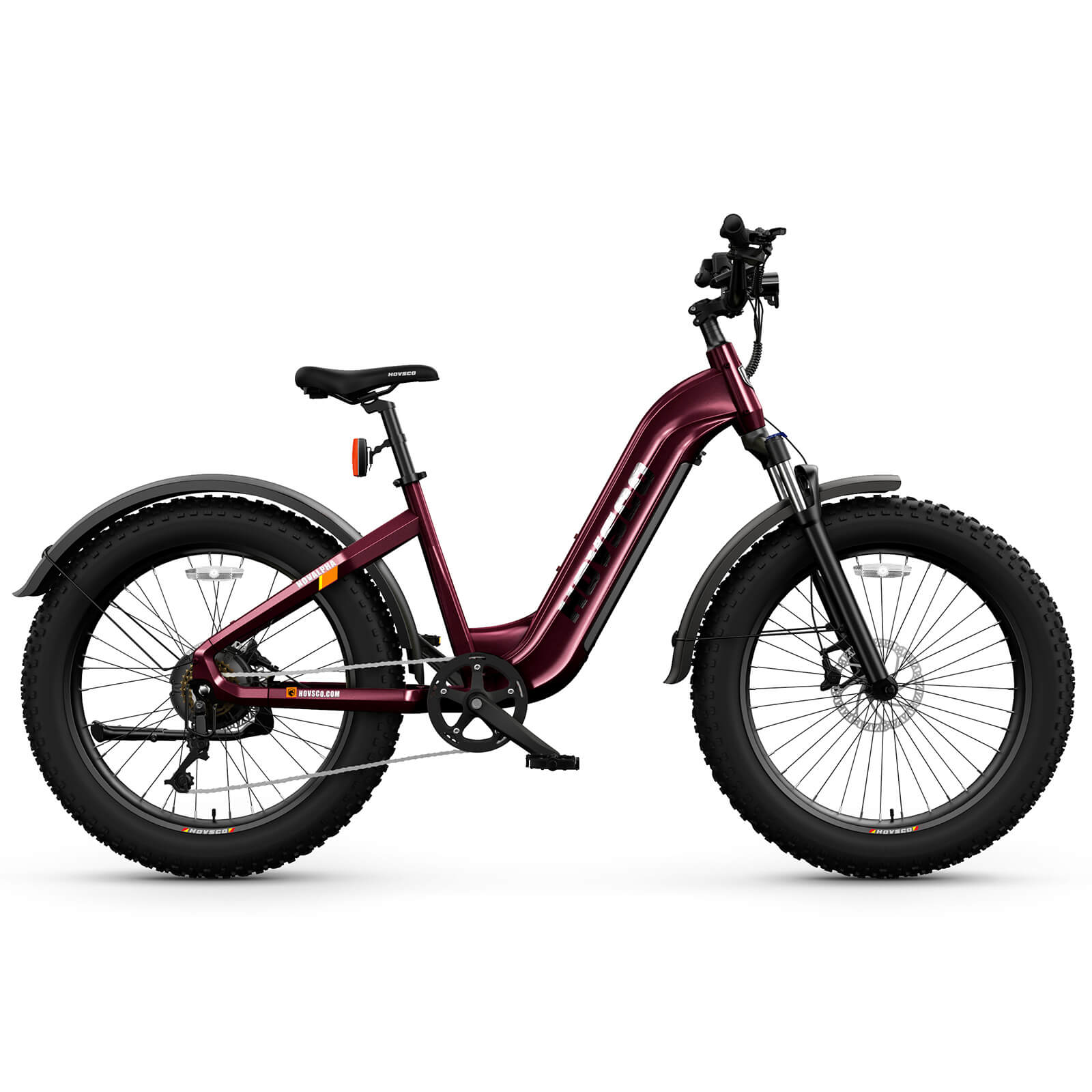
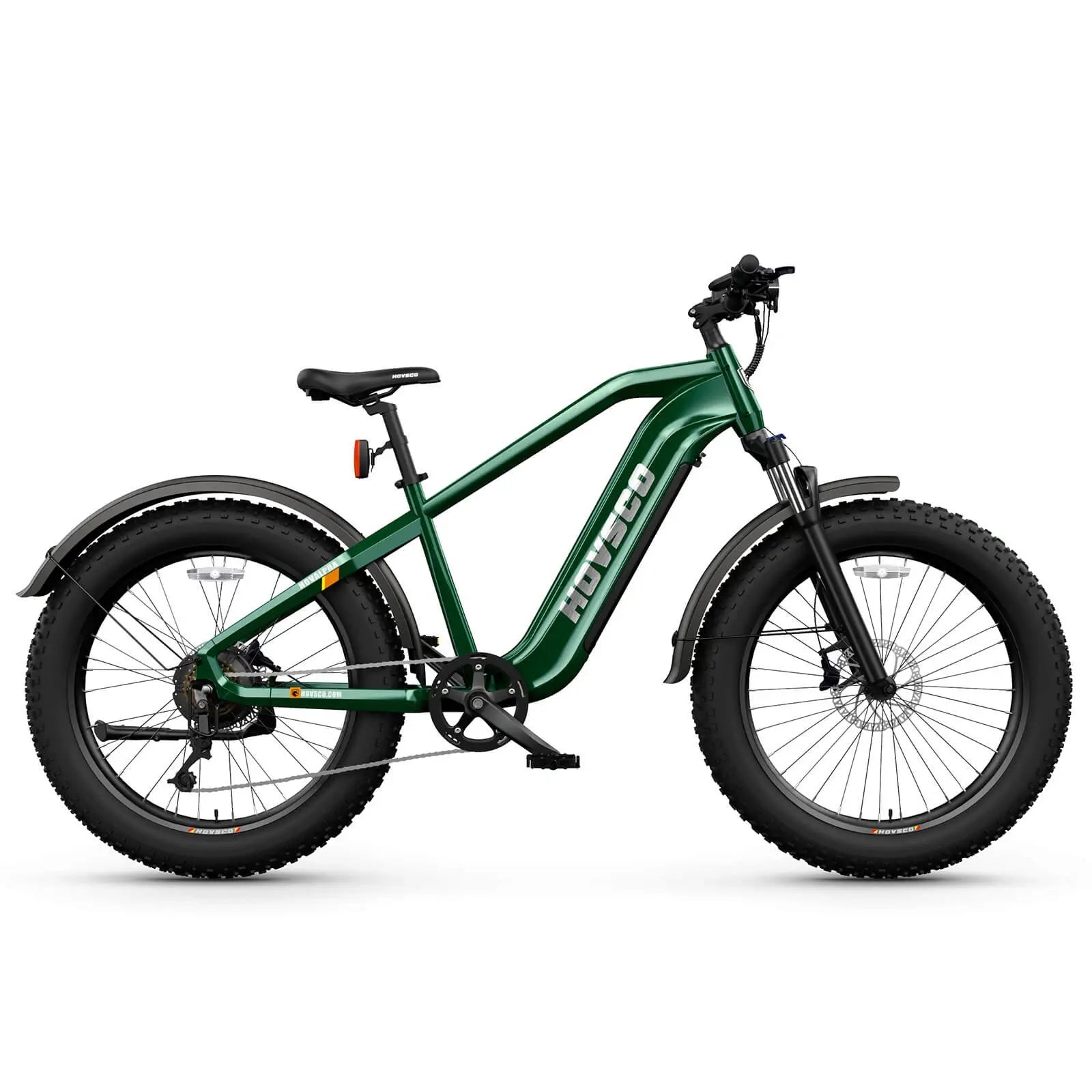
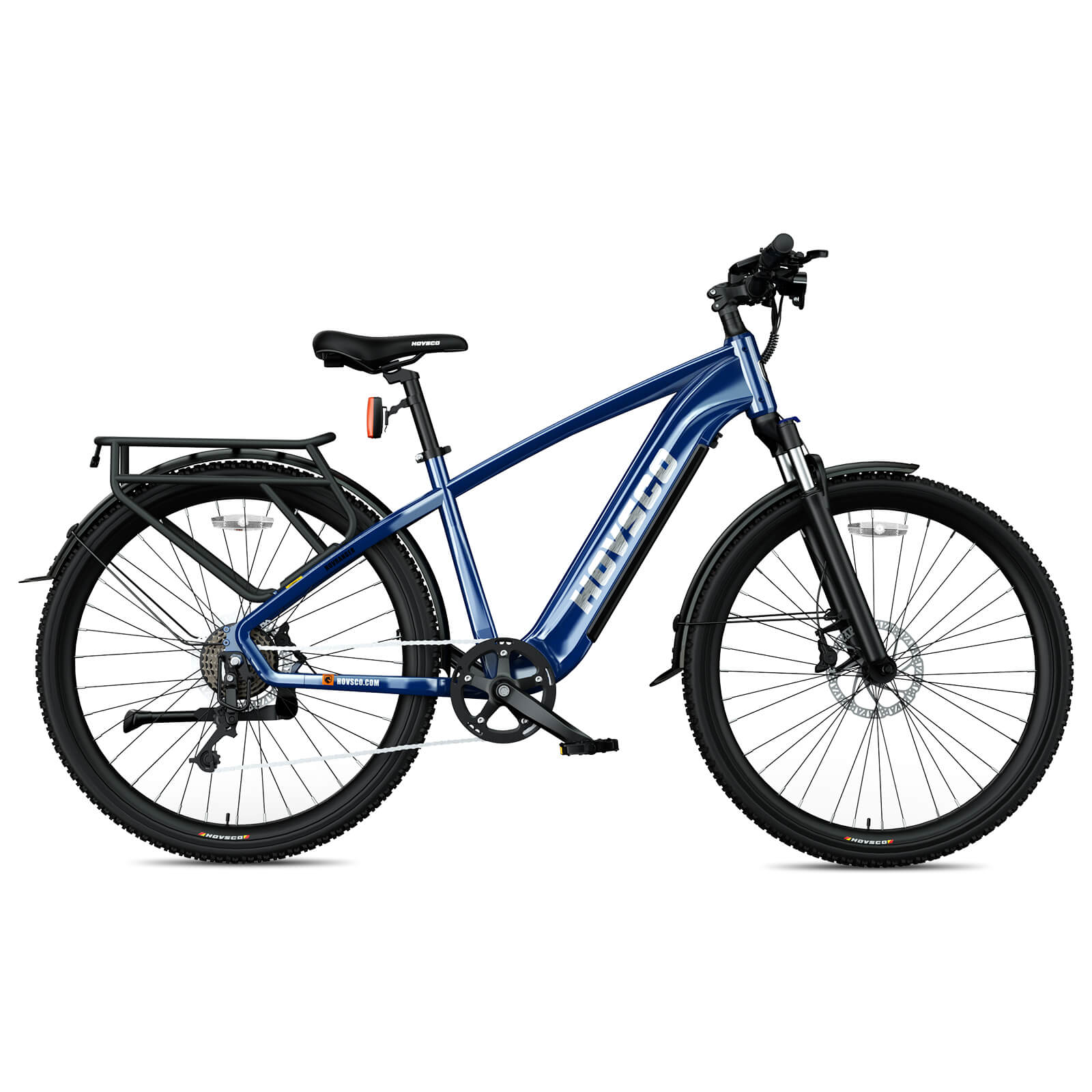
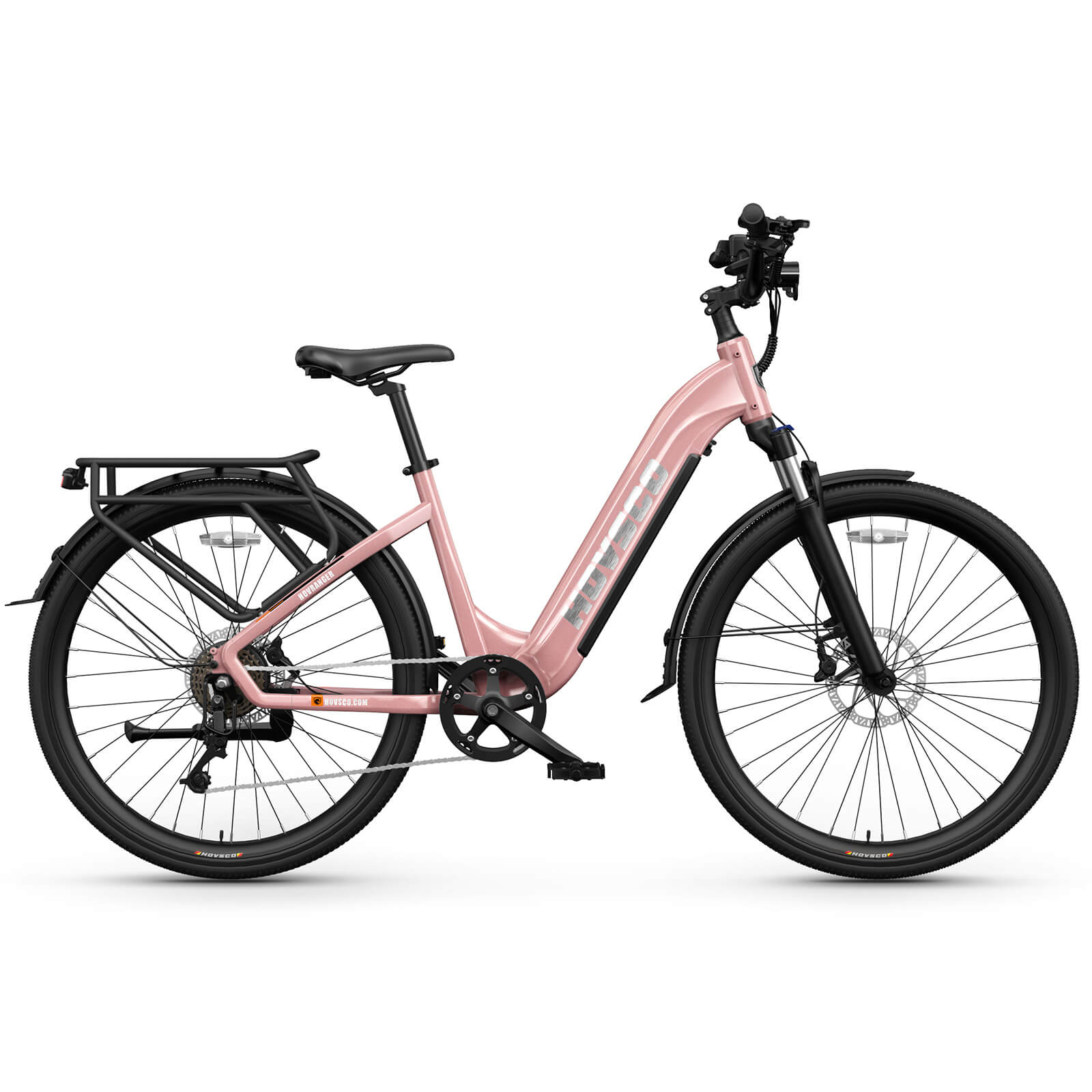

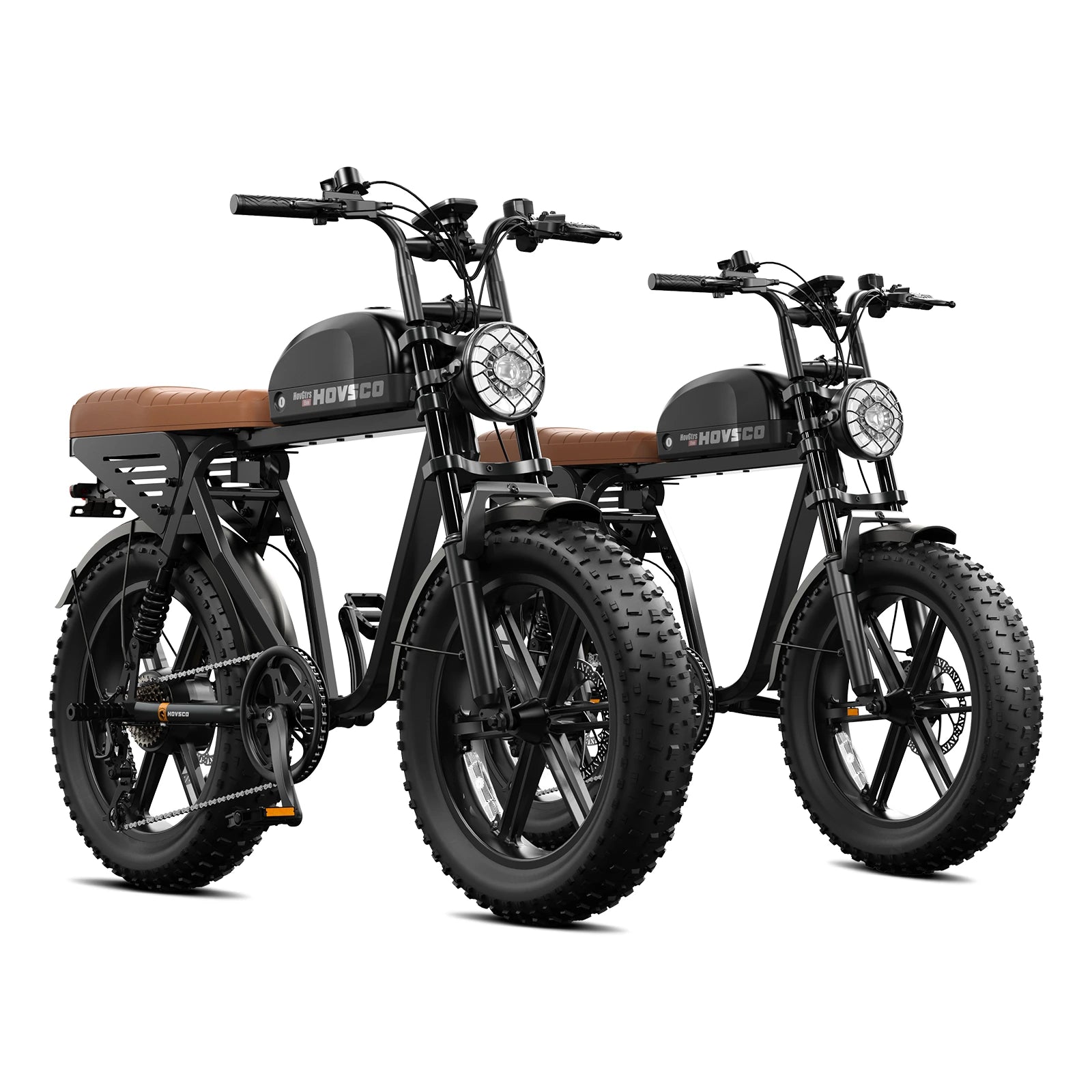
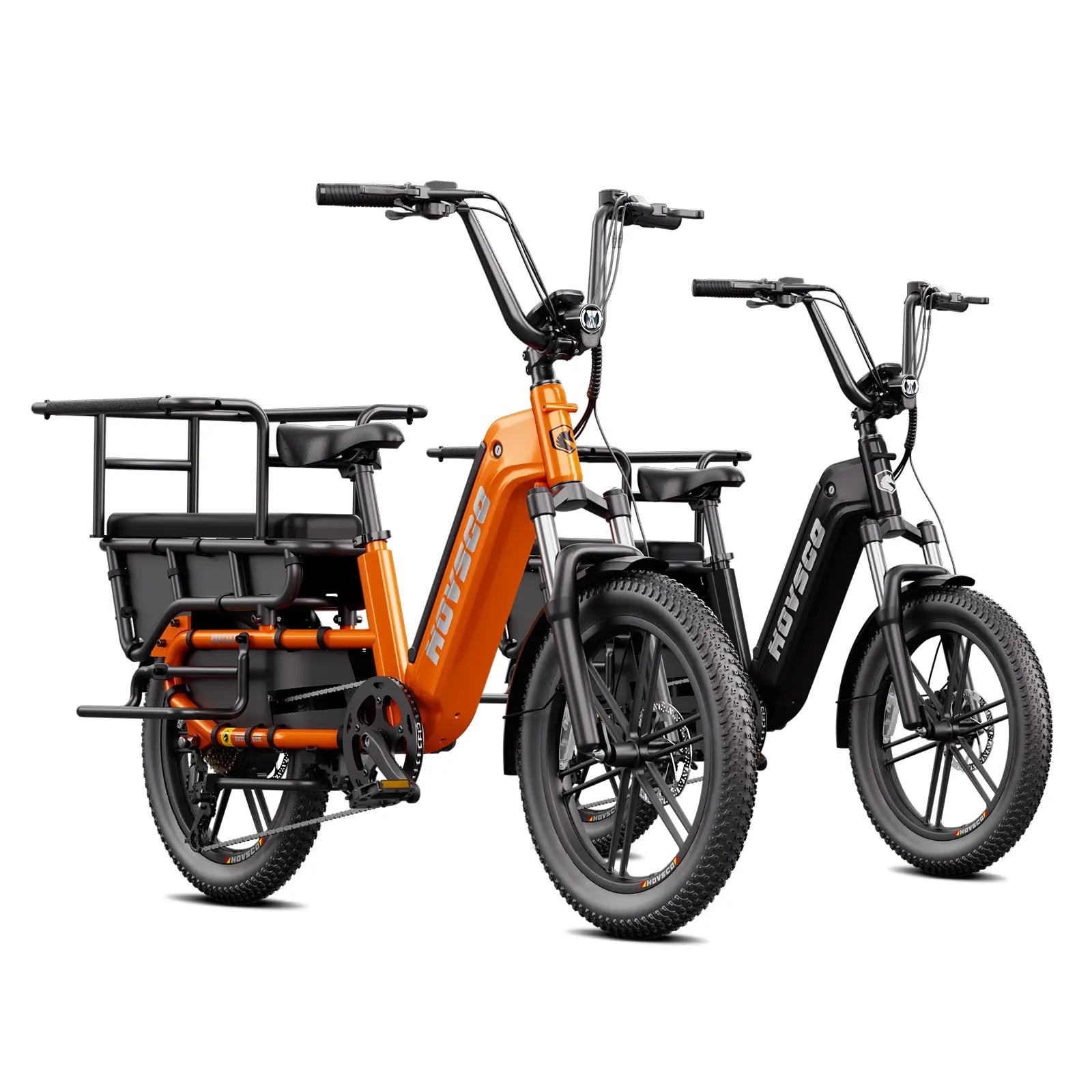
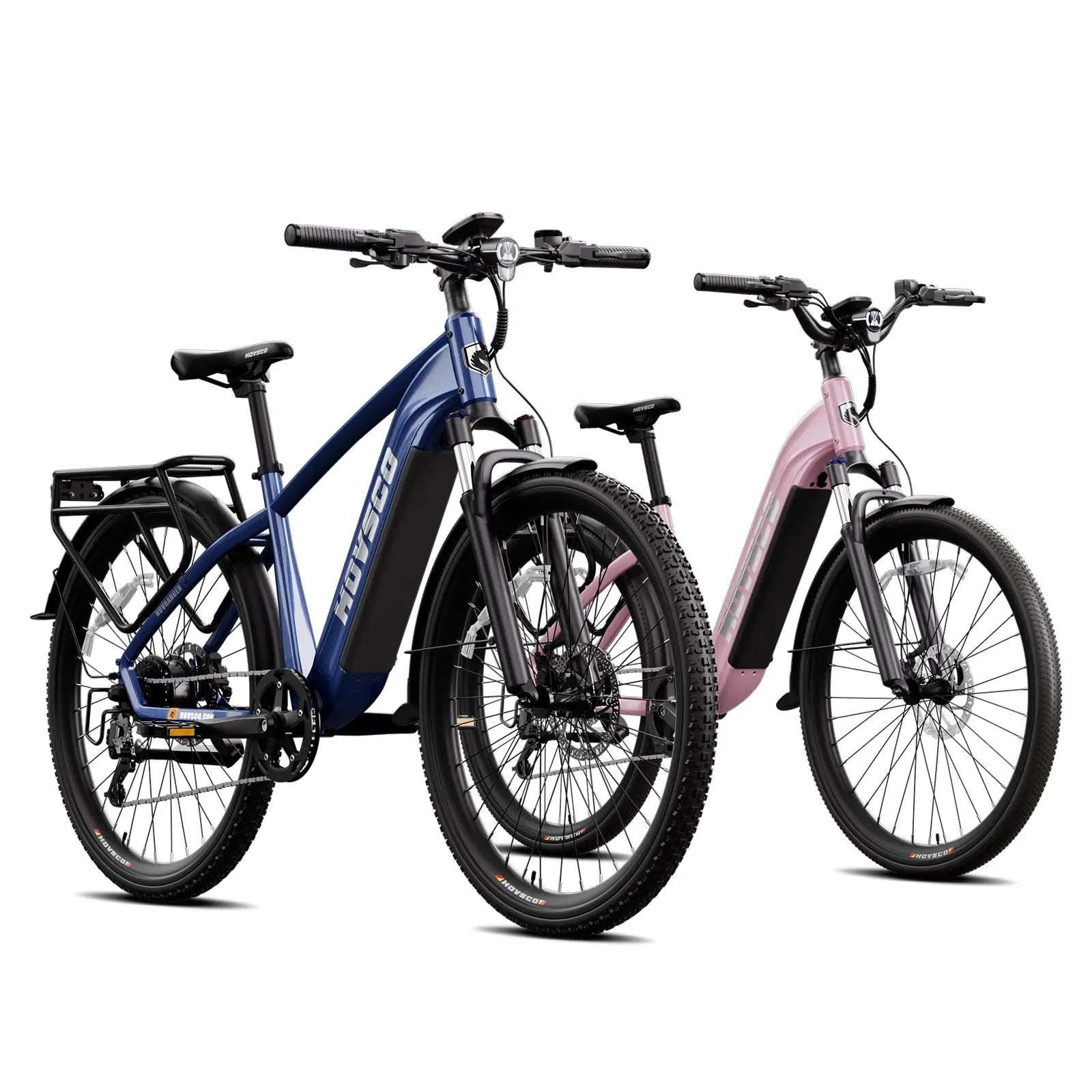
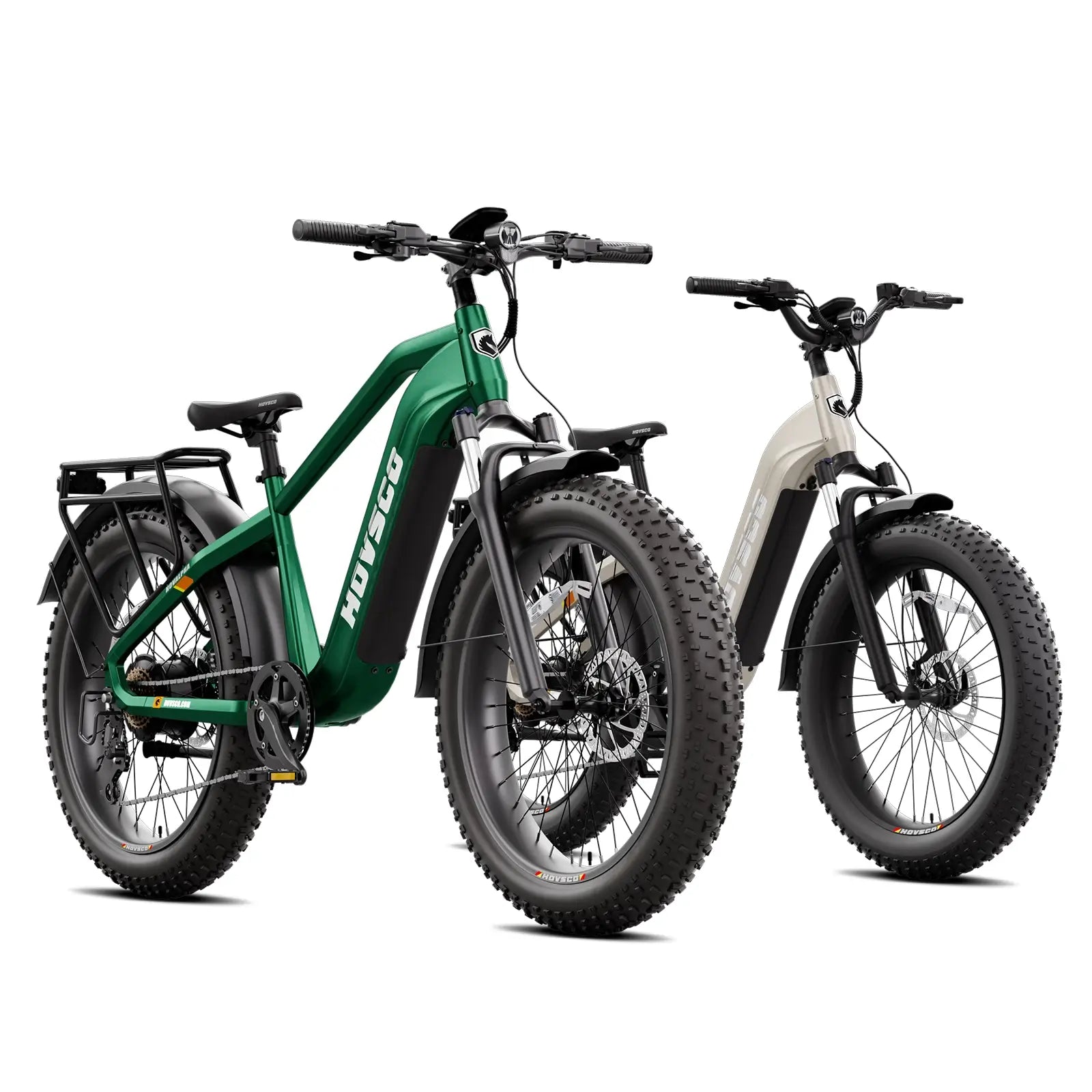
- by EO S
What Are The Key Differences In Global E-Bike Safety Standards?
- by EO S
E-Bikes
 Free Shipping
 15-Day Returns
 2-Year Warranty
Shop By Models
Shop By Style
Global e-bike safety standards define power, speed, braking, and battery rules to ensure rider protection across regions. The USA limits 750W/28 mph (UL 2849), the EU restricts 250W/25 km/h (EN 15194), and China enforces GB 17761. HOVSCO meets multiple certifications, integrating robust brakes, lights, and UL-certified batteries to provide safe, compliant e-bikes for worldwide riders.
Core standards include UL 2849/CPSC in the USA, EN 15194 and ISO 4210-10 in the EU, and GB 17761 in China. They regulate motors under 750W, pedal-assist systems, braking distance limits, and UL-certified batteries to prevent fires. Frames, lights, and electronics are tested for durability and water resistance. HOVSCO designs exceed these requirements to ensure maximum rider safety.
USA e-bike safety standards allow 750W motors and 28 mph speeds without a license, with voluntary UL 2849 battery testing. The EU caps 250W and 25 km/h, requires EN 15194 certification, and CE marking. Additional rules like California’s fire safety updates emphasize battery safety. HOVSCO designs comply with both frameworks for cross-border use.
Key certifications include UL 2271/2849 (USA), EN 50604-1 (EU), IEC 62133 (global), and UN38.3 for shipping. They address thermal runaway, overcharge, and vibration resistance, preventing most battery-related fires. HOVSCO utilizes these certified packs to meet international safety standards consistently.
| Region | Key Standard | Tests Covered | Mandatory? |
|---|---|---|---|
| USA | UL 2849 | Fire, shock, full system | Voluntary |
| EU | EN 50604-1 | Overcharge, short-circuit | Yes |
| China | GB 17761 | Cycle life, impact | Yes |
| Global | IEC 62133 | Abuse, environmental | Shipping |
Brakes and lights reduce collision risks significantly. Standards require hydraulic or disc brakes to stop from 20 mph within 15 feet and front/rear lights for visibility at dusk or dawn. ISO 4210 specifies reflector placement. HOVSCO integrates high-performance brakes and properly positioned lights in every model, ensuring compliance and insurance coverage globally.
Limits vary: USA permits 750W/28 mph (Class 3), EU/UK/Australia restrict 250W/25 km/h, Japan limits 240W/24 km/h, all primarily pedal-assist. Throttle-based e-bikes exceeding limits may be classified as mopeds. HOVSCO employs governors to maintain compliance automatically.
Standards test frames for drop impacts over 100kg, forks for fatigue, and wheels for lateral forces. The USA adds UL mechanical overloads; the EU focuses on pedal-crank strength; China emphasizes rust resistance. HOVSCO exceeds these requirements with reinforced aluminum frames and durable components for long-term reliability.
The EU mandates EN 15194 audits post-August 2025, California requires UL-certified batteries by 2026, and China enforces GB certification for imports. Singapore bans uncertified devices. HOVSCO passes all these standards, ensuring global readiness.
Key 2025 updates include EU EN 15194+A1 (Aug 23), California UL battery mandate (Jan 2026), and voluntary CPSC guidance. ISO 4210-10 harmonized fatigue and strength testing. HOVSCO aligns its models with these updates to maintain compliance and safety.
Yes, HOVSCO complies with UL 2849, EN 15194, ISO 4210, and GB 17761, employing third-party testing, UL-certified batteries, and IP67 electronics. E-scooter heritage contributes to robust, safety-oriented designs, building trust among global riders.
"Global e-bike safety standards are constantly evolving to prevent fires and accidents. HOVSCO ensures every component—from UL-certified batteries to reinforced frames—meets or exceeds international benchmarks. Our designs survive rigorous testing while providing practical urban and trail functionality. Riders benefit from reliable brakes, lights, and electronics, creating a safer, enjoyable experience worldwide. Certified e-bikes empower confident, sustainable mobility for all."
Consistent labeling of class, power, and speed can help riders verify compliance instantly. The USA requires CPSC warnings; the EU mandates full specifications. HOVSCO develops digital certification passports and multilingual labels to simplify verification and ensure alignment with global e-bike safety standards.
Helmet laws vary: mandatory in Australia (all ages), EU Class 3/under-14, and California Class 3/all ages. Elsewhere, helmets are recommended for speeds above 20 mph. HOVSCO includes MIPS-certified helmets for rider protection.
ISO 4210-10 provides universal testing frameworks for fatigue, strength, and electromagnetic compatibility. It harmonizes USA and EU standards and guides manufacturers like HOVSCO in developing compliant, durable, and innovative e-bikes.
| Region | Power Limit | Speed Cutoff | Pedal-Assist? |
|---|---|---|---|
| USA (Class 3) | 750W | 28 mph | Preferred |
| EU/UK | 250W | 15.5 mph | Required |
| Australia | 250W/500W | 15.5/32 mph | Varies |
| China | 400W | 25 km/h | Yes |
NRTL labs like UL and TUV certify US e-bikes; Notified Bodies manage EU EN 15194; CNAS labs oversee China’s GB 17761. Manufacturers self-declare minor aspects. HOVSCO engages multiple certification bodies to ensure global readiness.
Select e-bikes verified with UL, EN, ISO, or GB labels. Match local speed and power limits, demand certified batteries, and purchase from trusted brands like HOVSCO. Inspect brakes, lights, and electronics before riding. Store batteries safely and register for recalls. Compliance ensures safer rides, global versatility, and long-term confidence.
UL 2849 addresses electrical and mechanical safety for complete e-bike systems worldwide.
No, EN 15194 classifies bicycles as pedal-assist only.
Yes, ISO 4210 promotes convergence in testing and safety practices across regions.
Uncertified lithium batteries are the leading cause; certified UL/IEC packs prevent incidents.
Yes, HOVSCO models meet all region-specific certifications for worldwide shipment.
Share:
What Are International E-Bike Laws?
What Are International E-Bike Laws?