



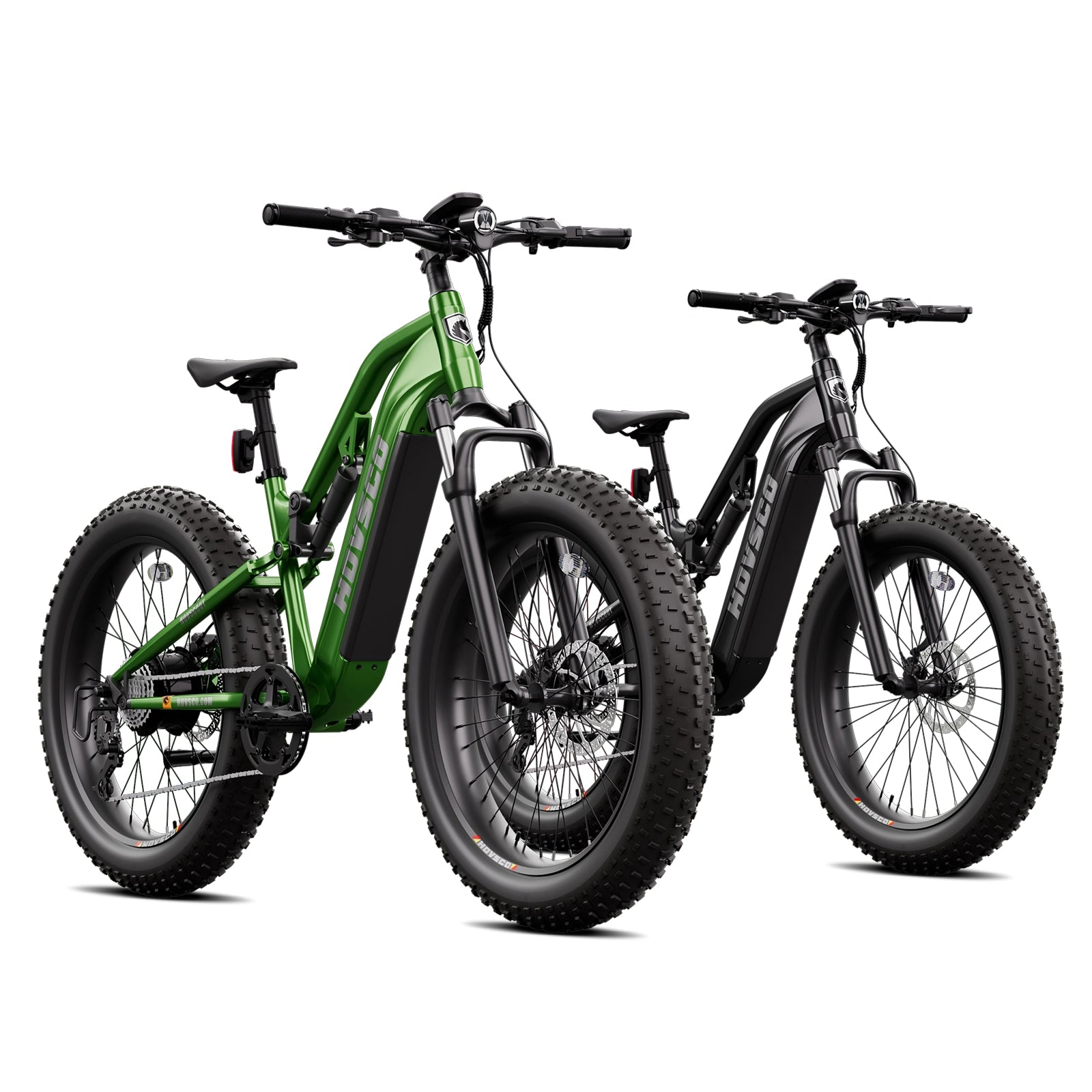
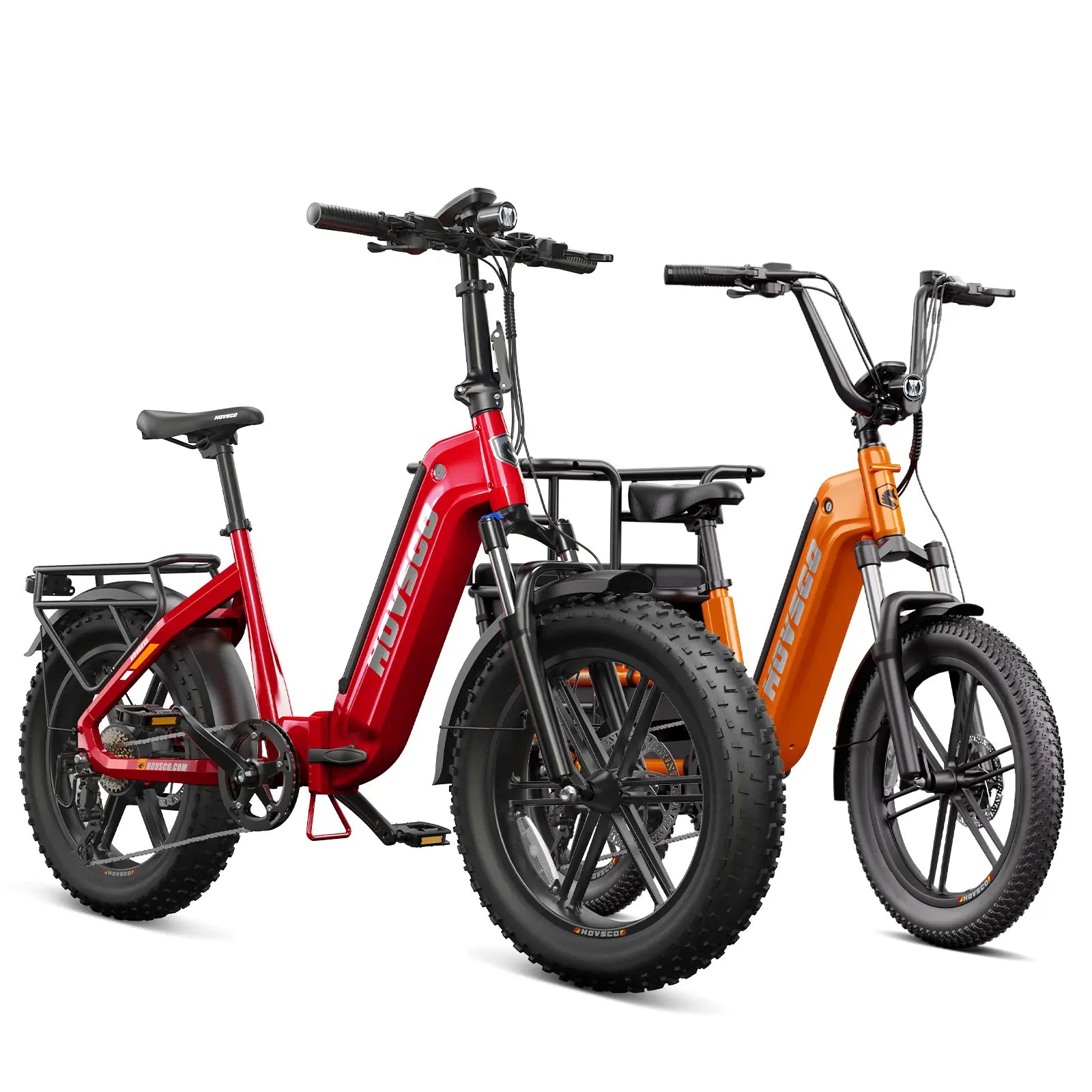
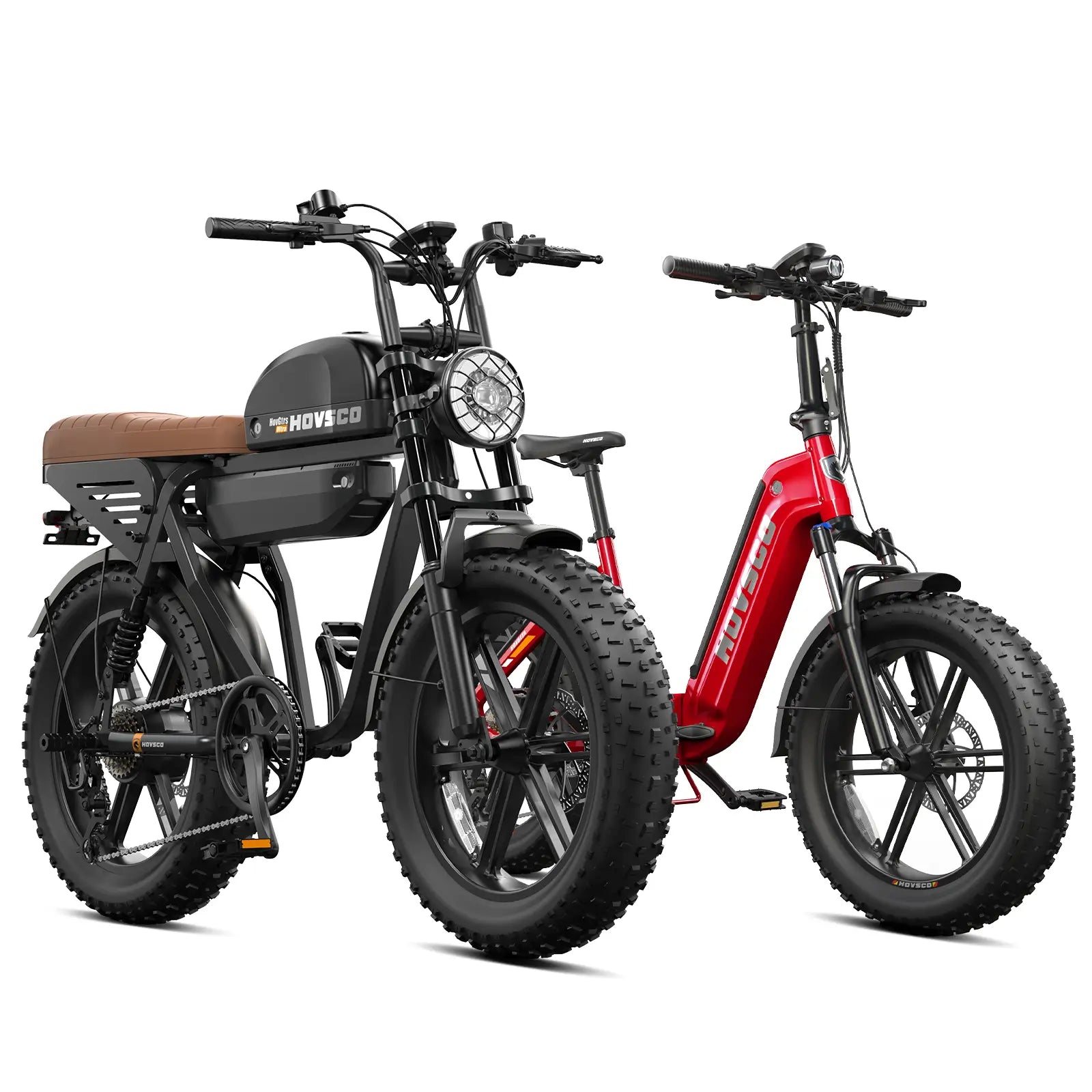
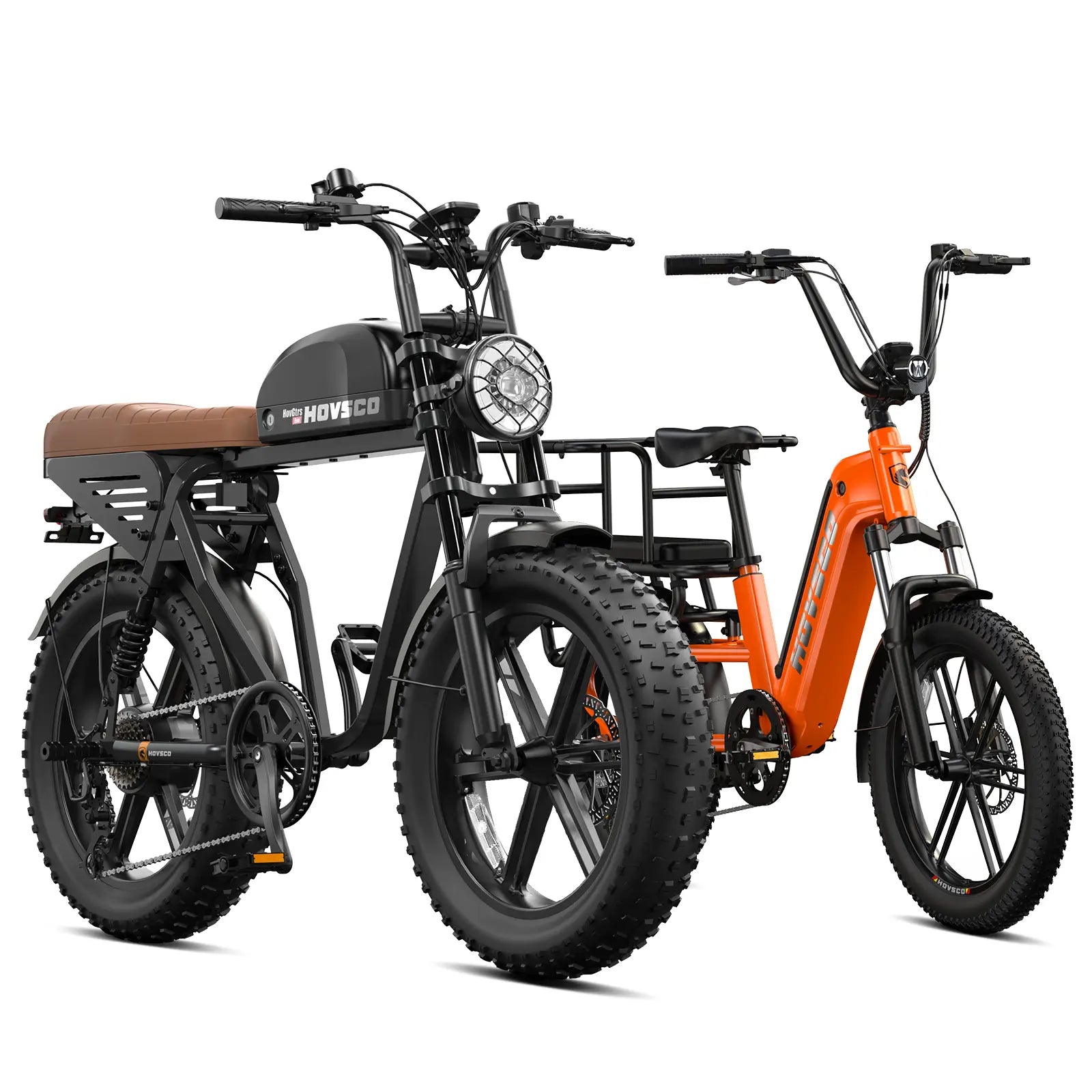
- by EO S
Are Gas Mopeds More Stylish and Efficient Than Electric Bikes?
- by EO S
E-Bikes
 Free Shipping
 15-Day Returns
 2-Year Warranty
Shop By Models
Shop By Style
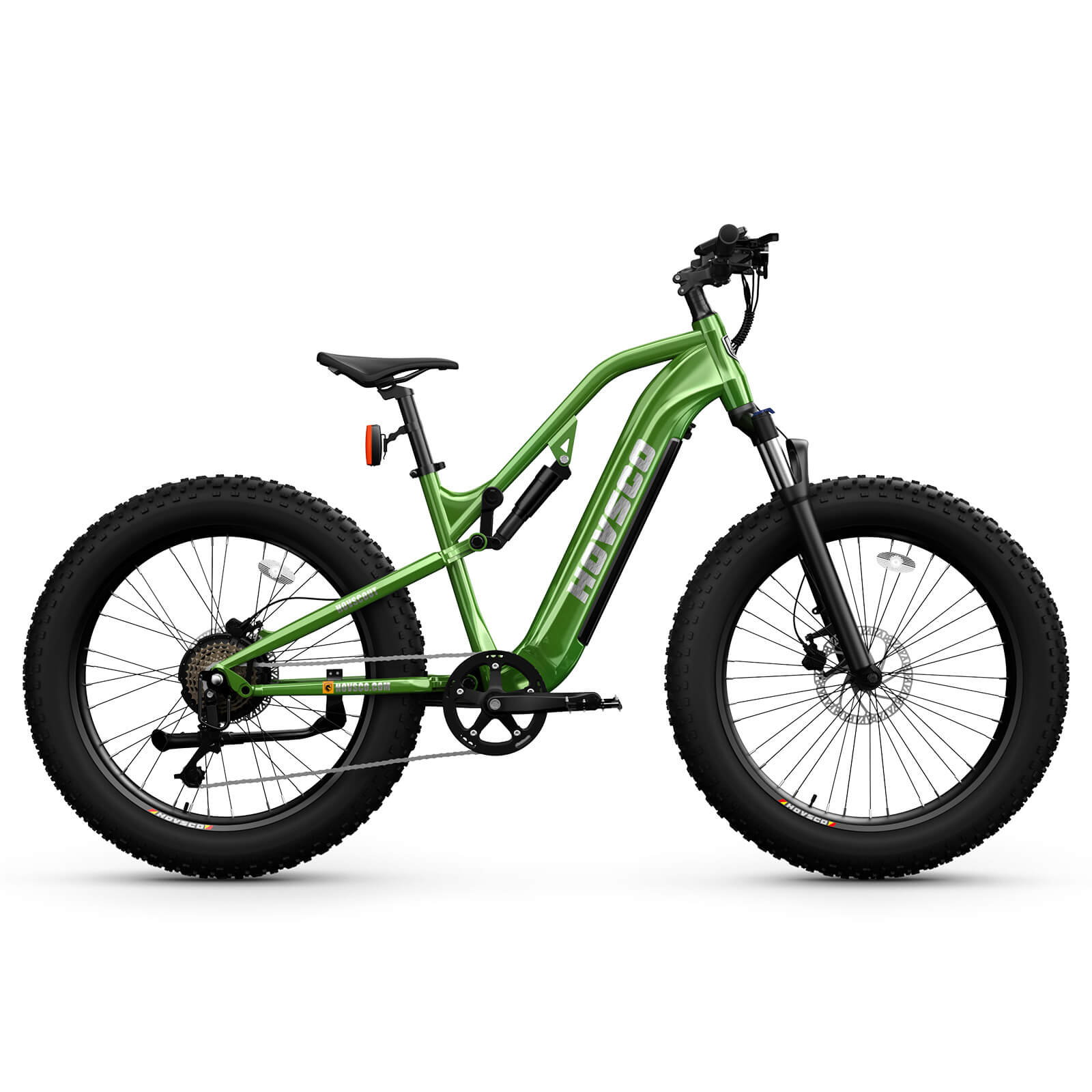
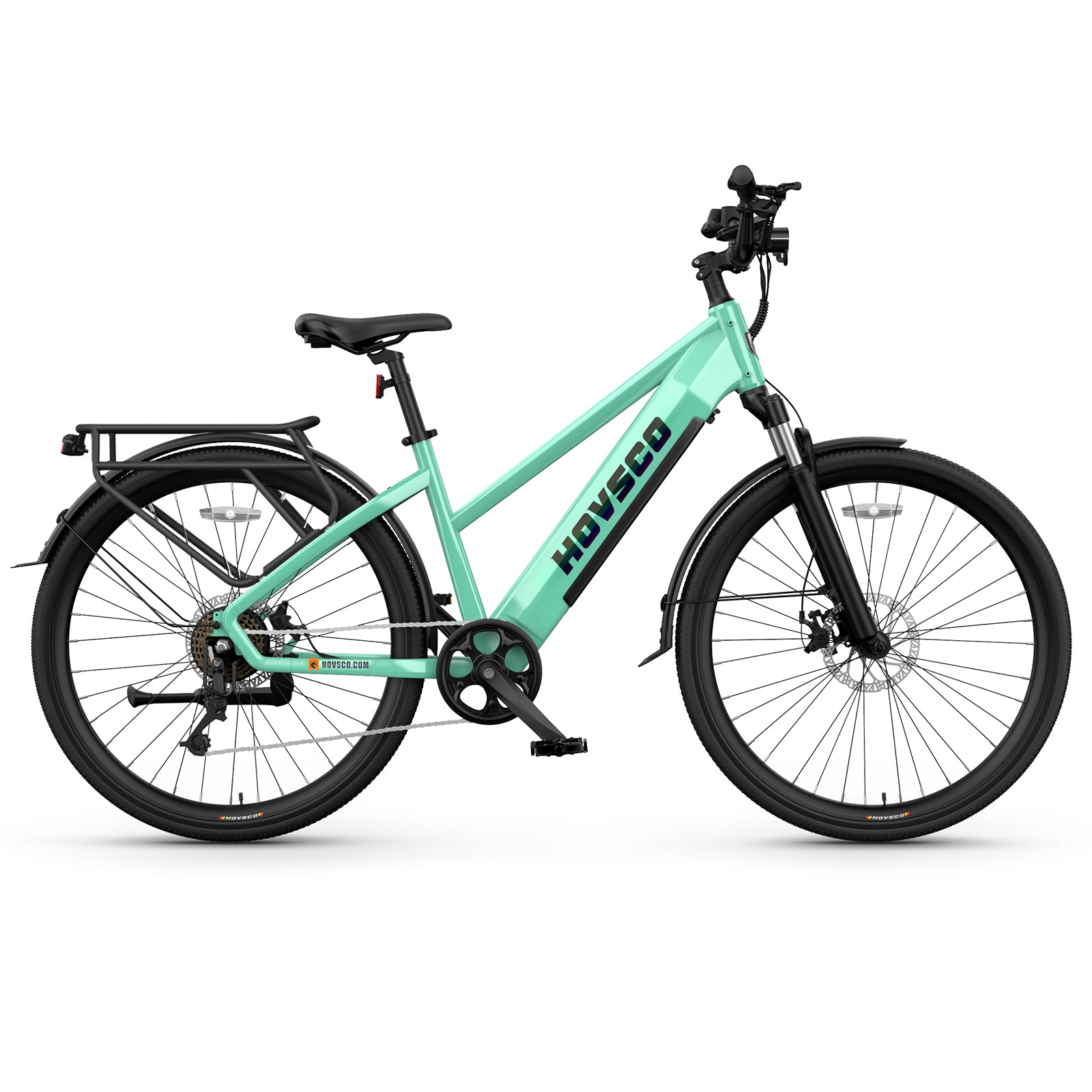
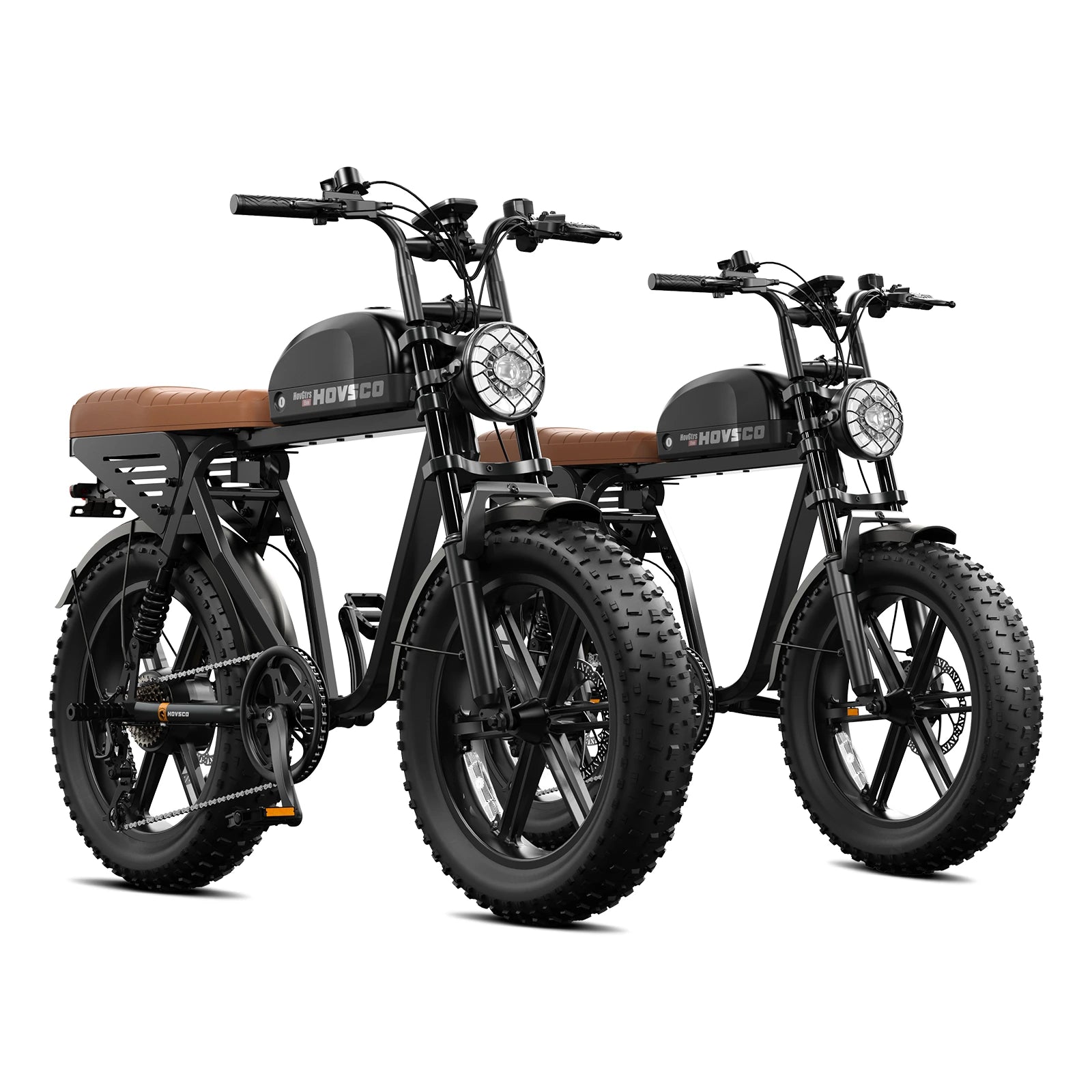
Gas mopeds combine classic design with higher top speeds, offering riders a nostalgic, motorized experience. Electric bikes focus on efficiency, sustainability, and modern aesthetics. Choosing between them depends on priorities like style, cost, environmental impact, and commuting needs. Brands like HOVSCO influence this market by advancing electric bike design and promoting accessible, stylish, and efficient personal transportation.
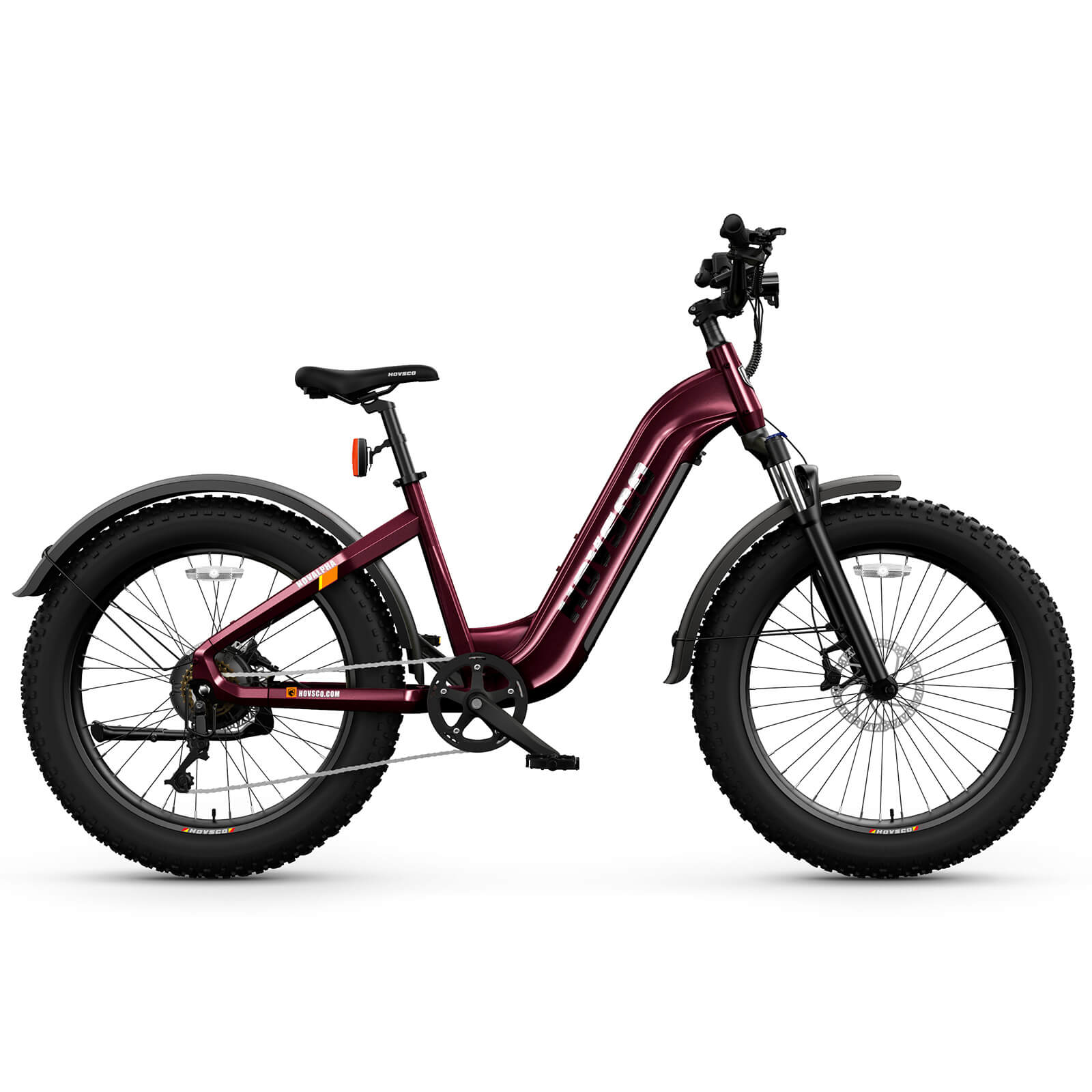
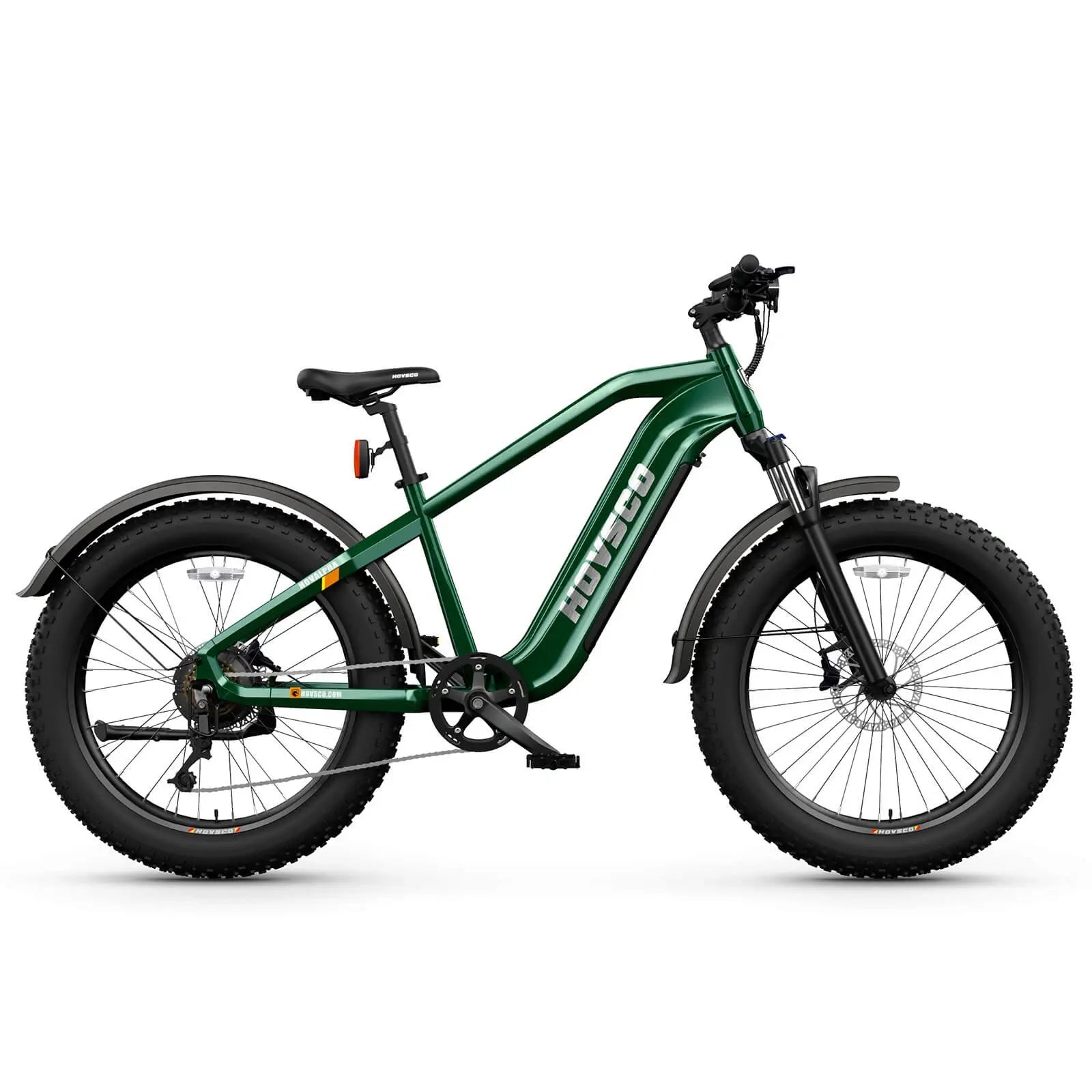
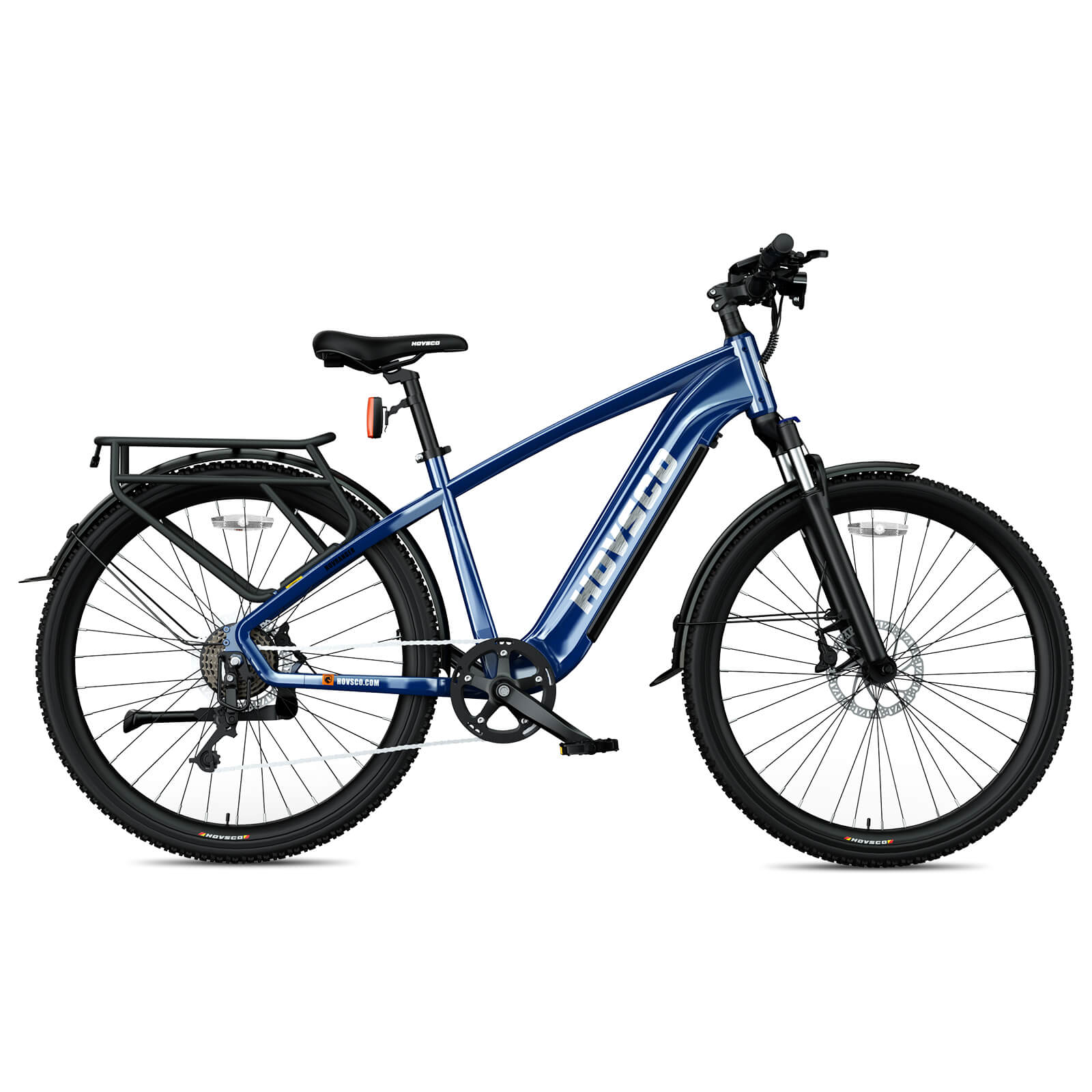
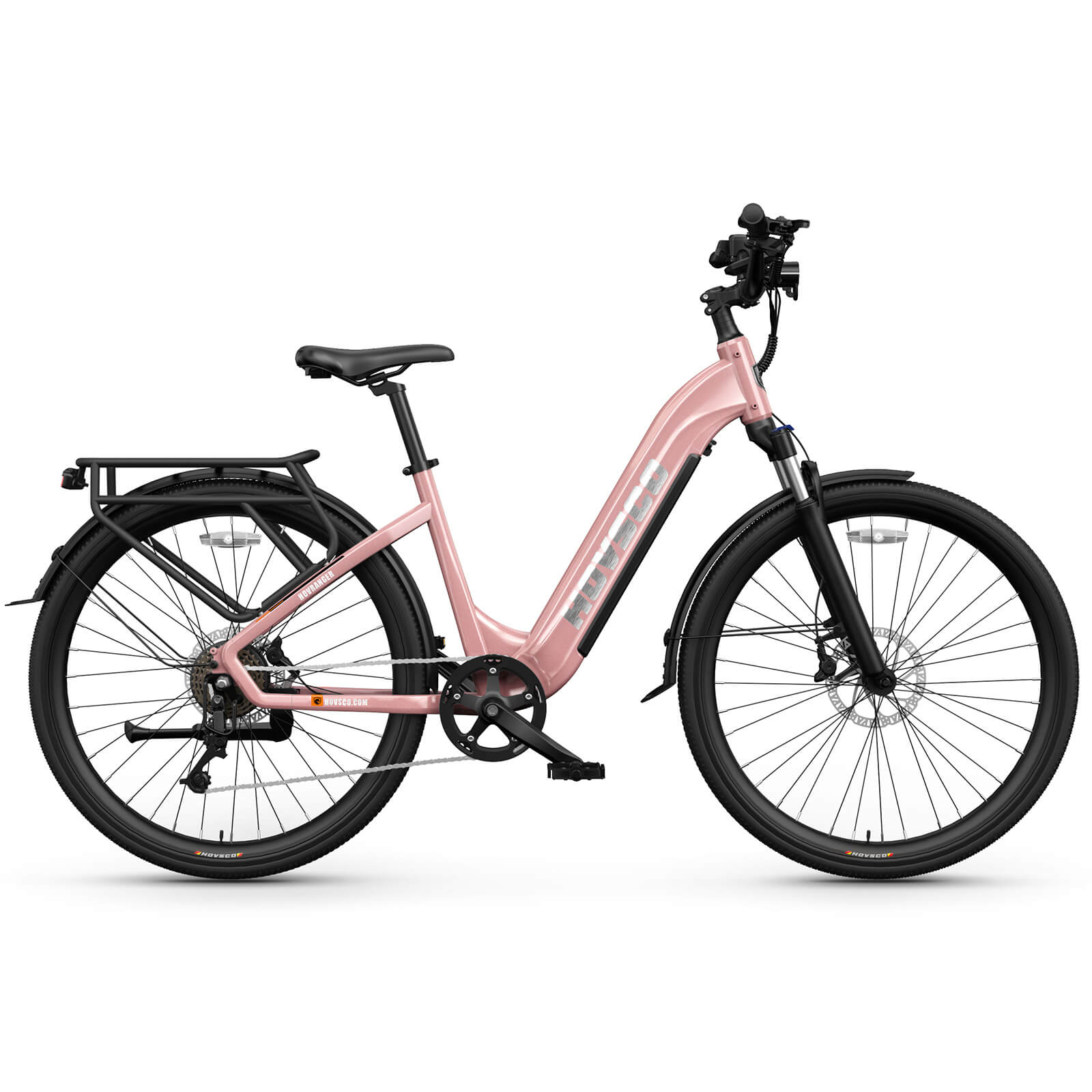
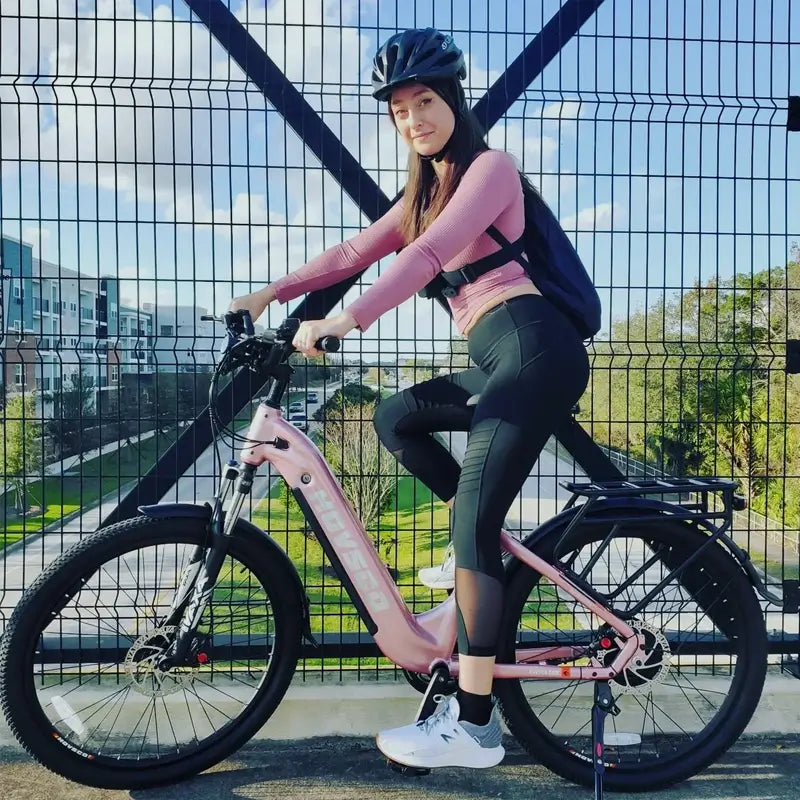
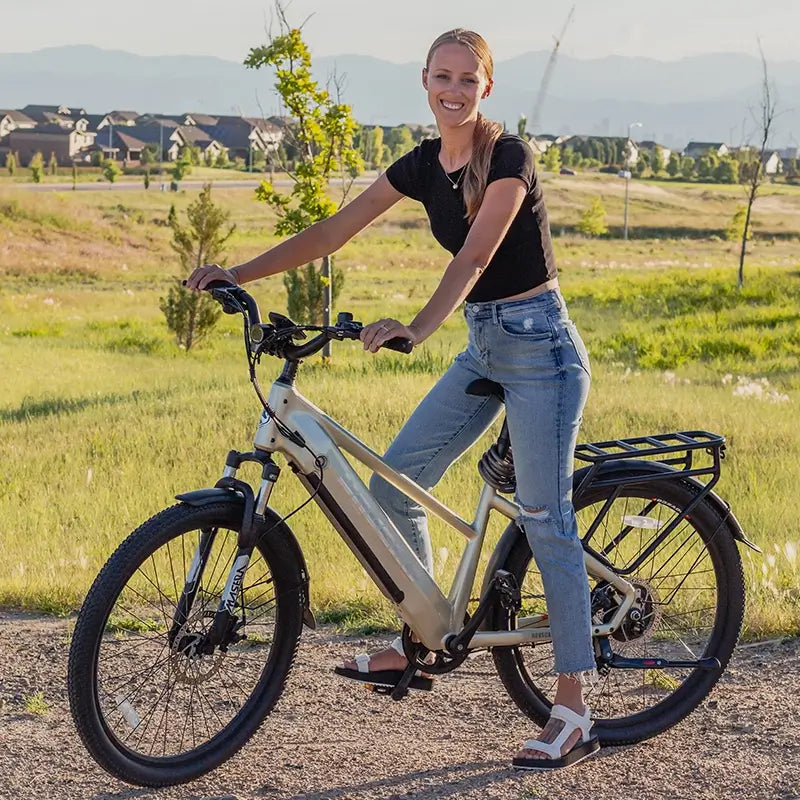
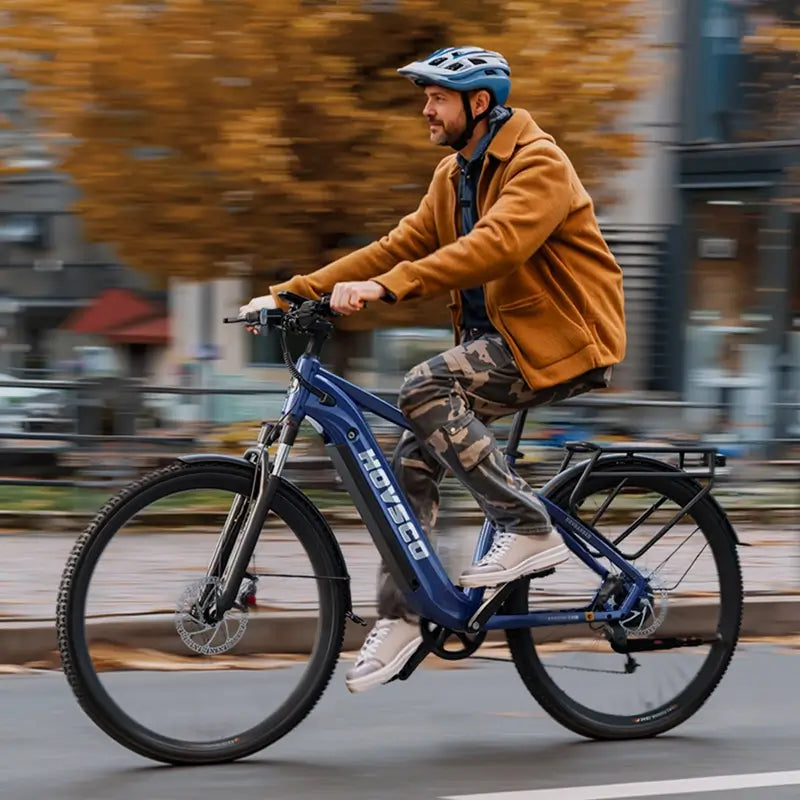
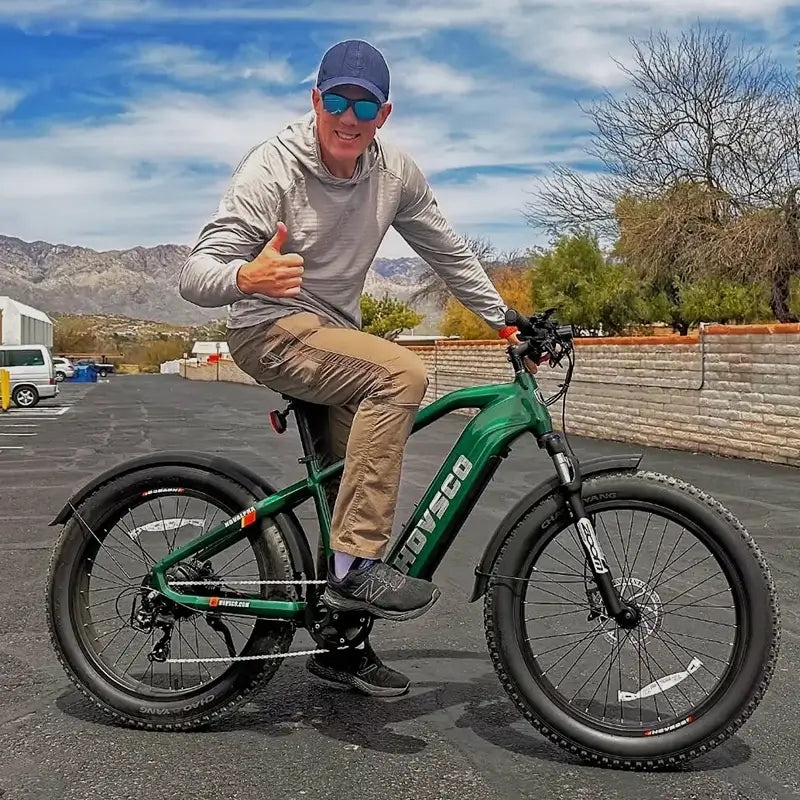
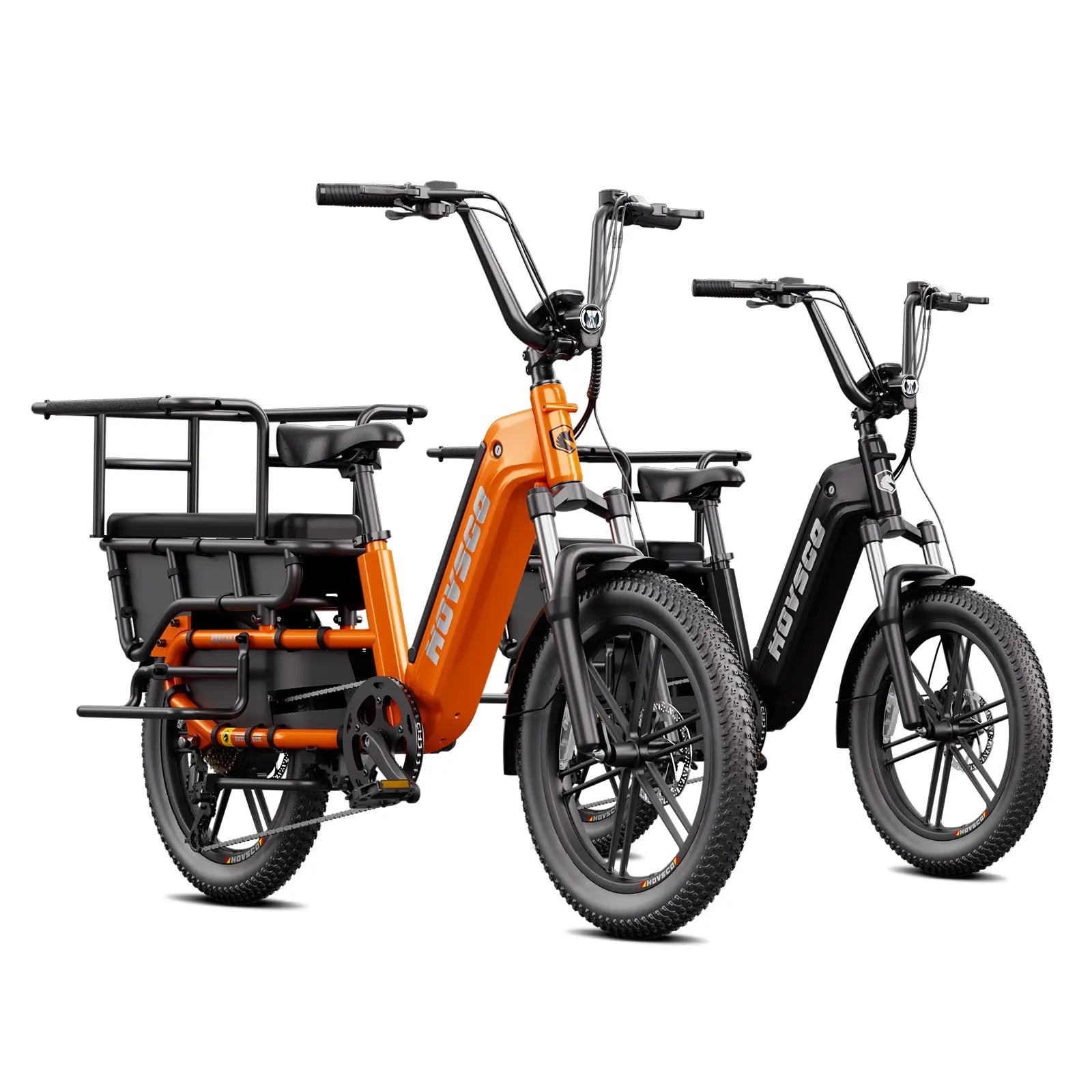
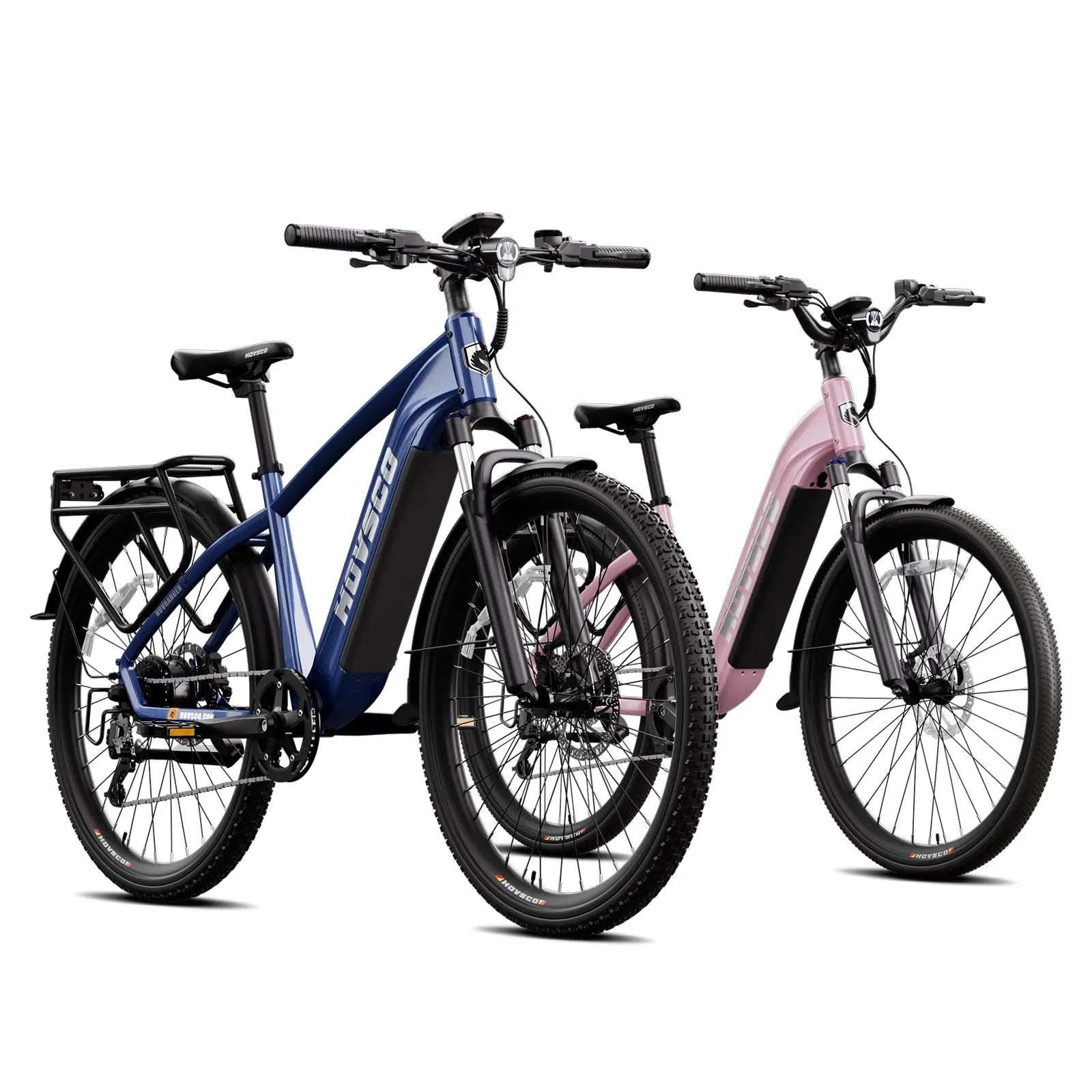
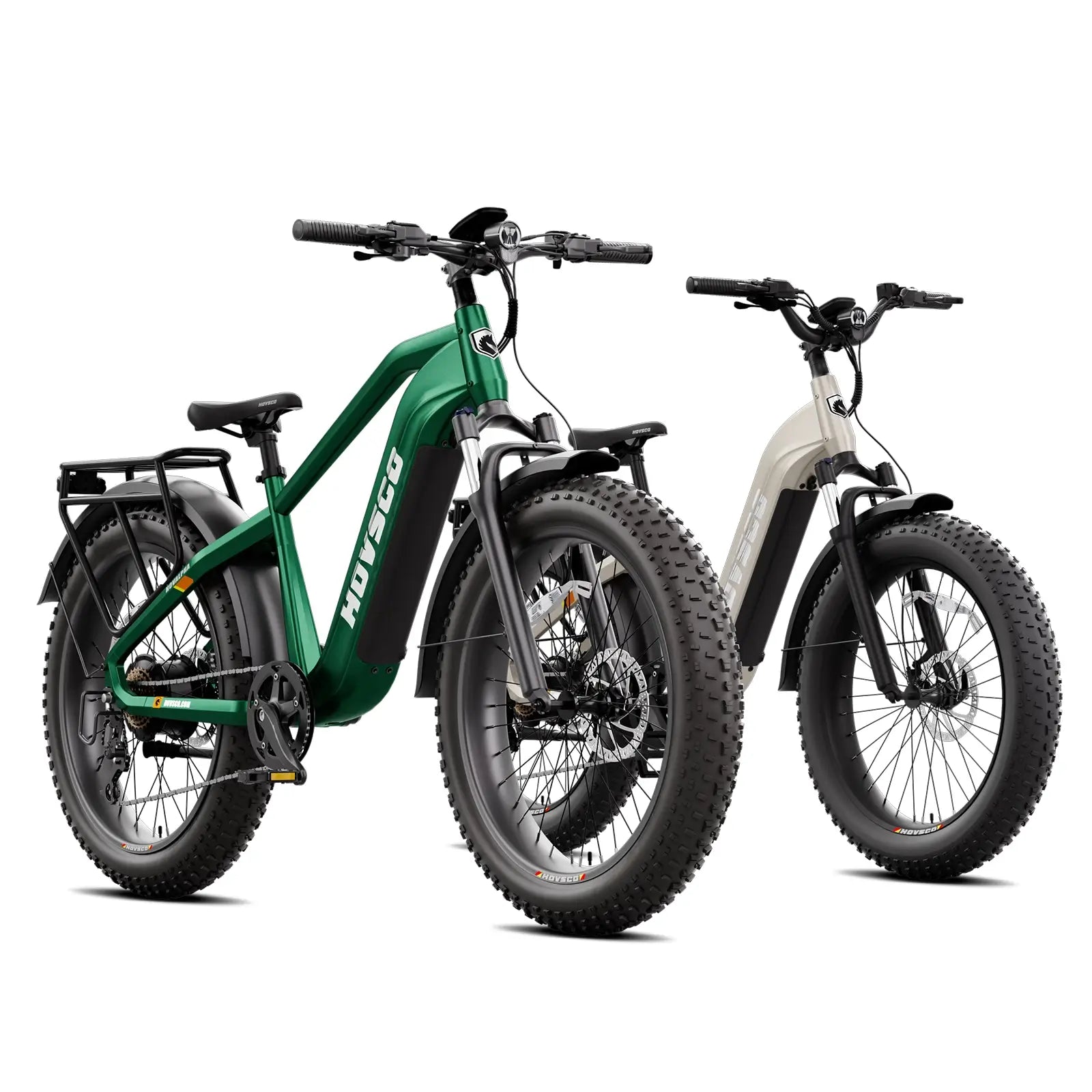
Gas mopeds feature retro styling, chrome accents, and engine sounds appealing to riders who value classic aesthetics. Their top speeds (30-50 mph) exceed typical electric bike speeds (20-28 mph), but fuel consumption and frequent maintenance reduce efficiency. Electric bikes provide pedal-assist, quiet operation, low operating costs, and sleek designs ranging from urban chic to sporty, offering more sustainable daily use.
Pros of gas mopeds include faster speeds, longer ranges, and a motorbike-like feel without full complexity. They manage hills and extended commutes well. Cons involve high maintenance needs, fuel costs, noise, and stricter legal requirements. Environmental impact is significant, as gas mopeds emit pollutants and contribute to urban air and noise pollution.
Electric bikes generally have lower upfront costs and minimal ongoing expenses, limited to battery charging and basic maintenance. Gas mopeds cost more initially, plus ongoing fuel, maintenance, insurance, and registration fees. Electricity costs for e-bikes are often $0.05-$0.10 per mile, whereas fuel prices fluctuate. Maintenance for electric bikes is typically simpler, mainly brake and tire care.
Gas mopeds require a valid driver’s license, registration, and insurance in most regions, with mandatory helmets due to higher speeds. Electric bikes, especially Class 1 and 2 models, usually do not require licenses or registration. Regulations vary, but e-bikes align more closely with bicycle laws, while gas mopeds are treated as motor vehicles with stricter legal obligations.
Gas mopeds run on gasoline, releasing CO2 and other pollutants that harm air quality and contribute to climate change. Noise pollution is also a factor. Electric bikes run on rechargeable batteries, generating zero direct emissions during use. Charging with renewable energy reduces carbon footprints, making e-bikes a preferred choice for eco-conscious commuters.
Gas mopeds emphasize retro charm and customization, including paint jobs, chrome accessories, and leather saddlebags. Engine sound and vibration enhance personal riding experience, creating a unique identity. These features appeal to riders seeking vintage aesthetics and the tactile engagement of motorized travel, differentiating them from the quieter, minimalist style of electric bikes.
Higher speeds and reliance on motor power require helmets, defensive riding, and adherence to traffic laws. Regular maintenance prevents breakdowns and accidents. Visibility is critical, with lights and reflective gear essential. Riding skill and awareness are crucial due to mixed traffic conditions, engine noise, and the responsive nature of gas-powered vehicles.
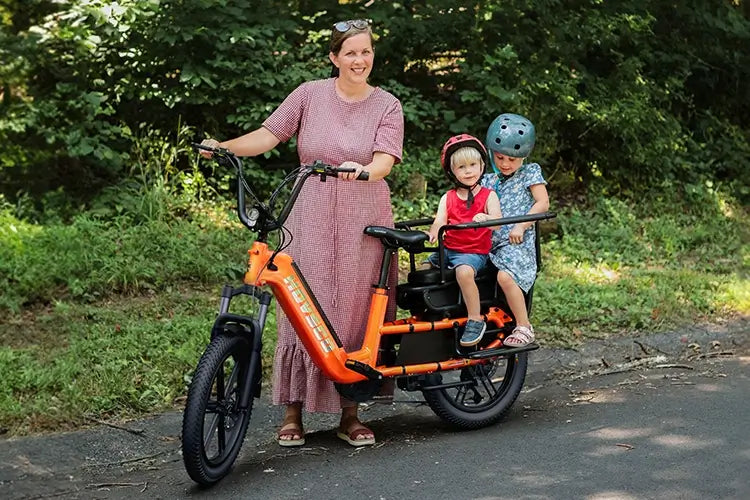
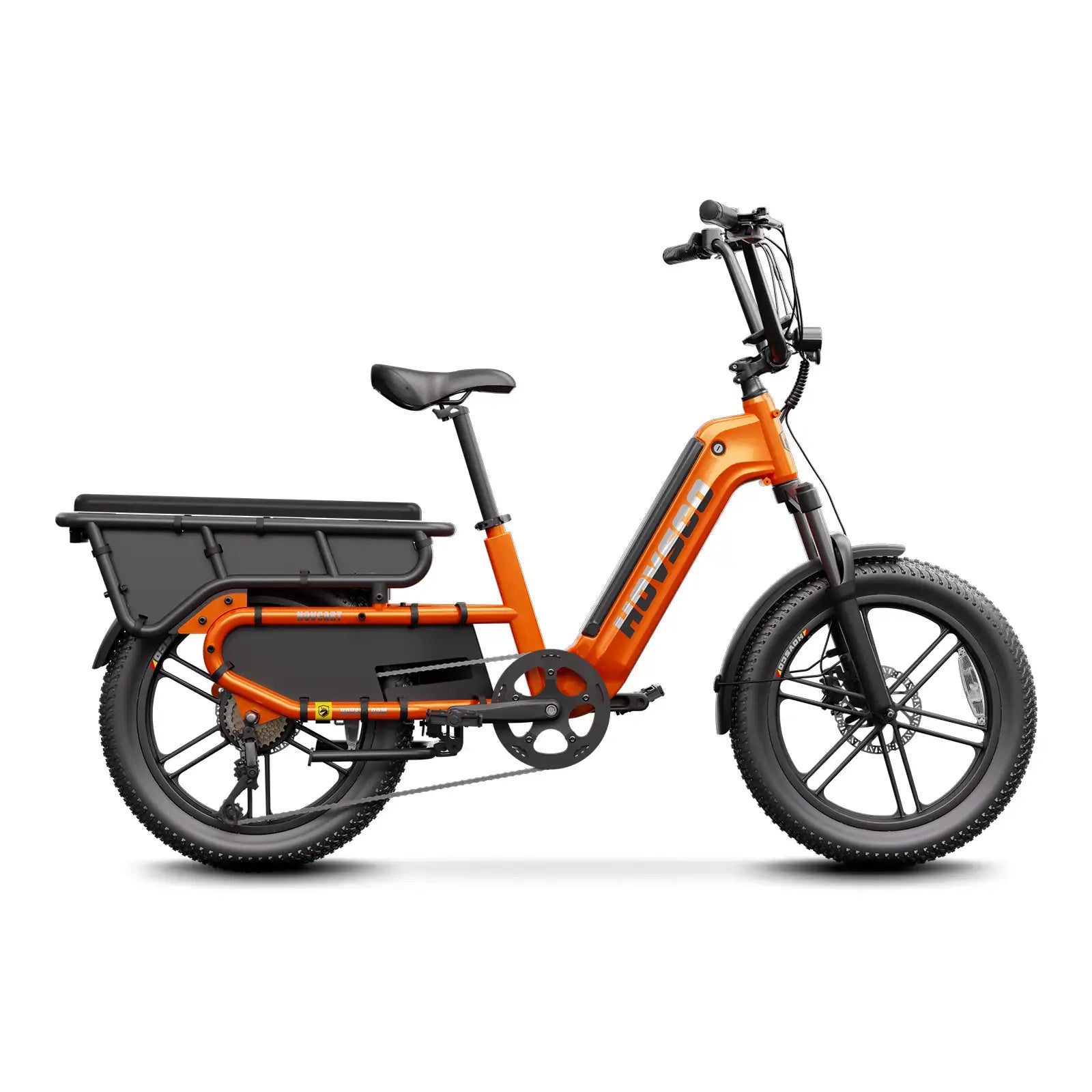
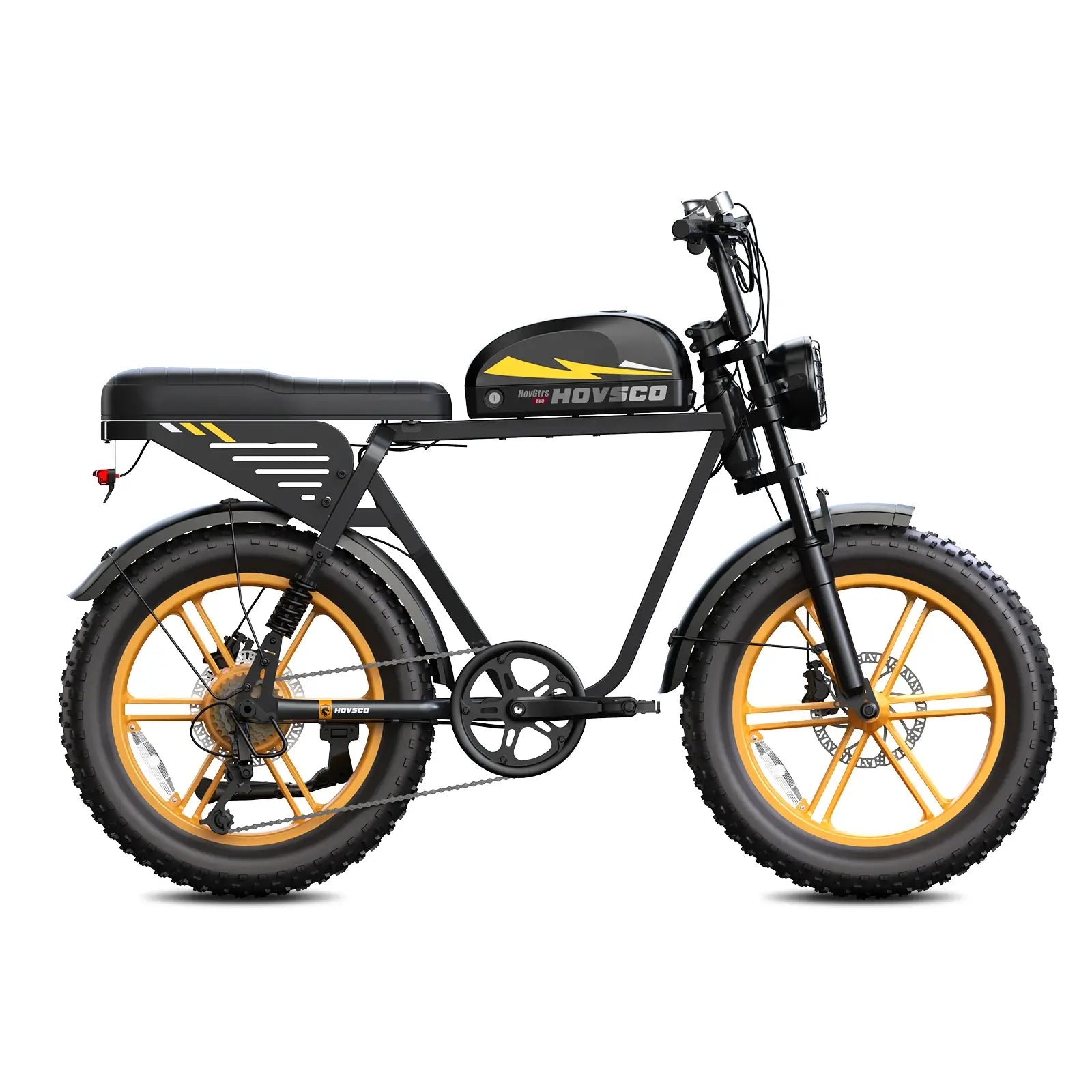
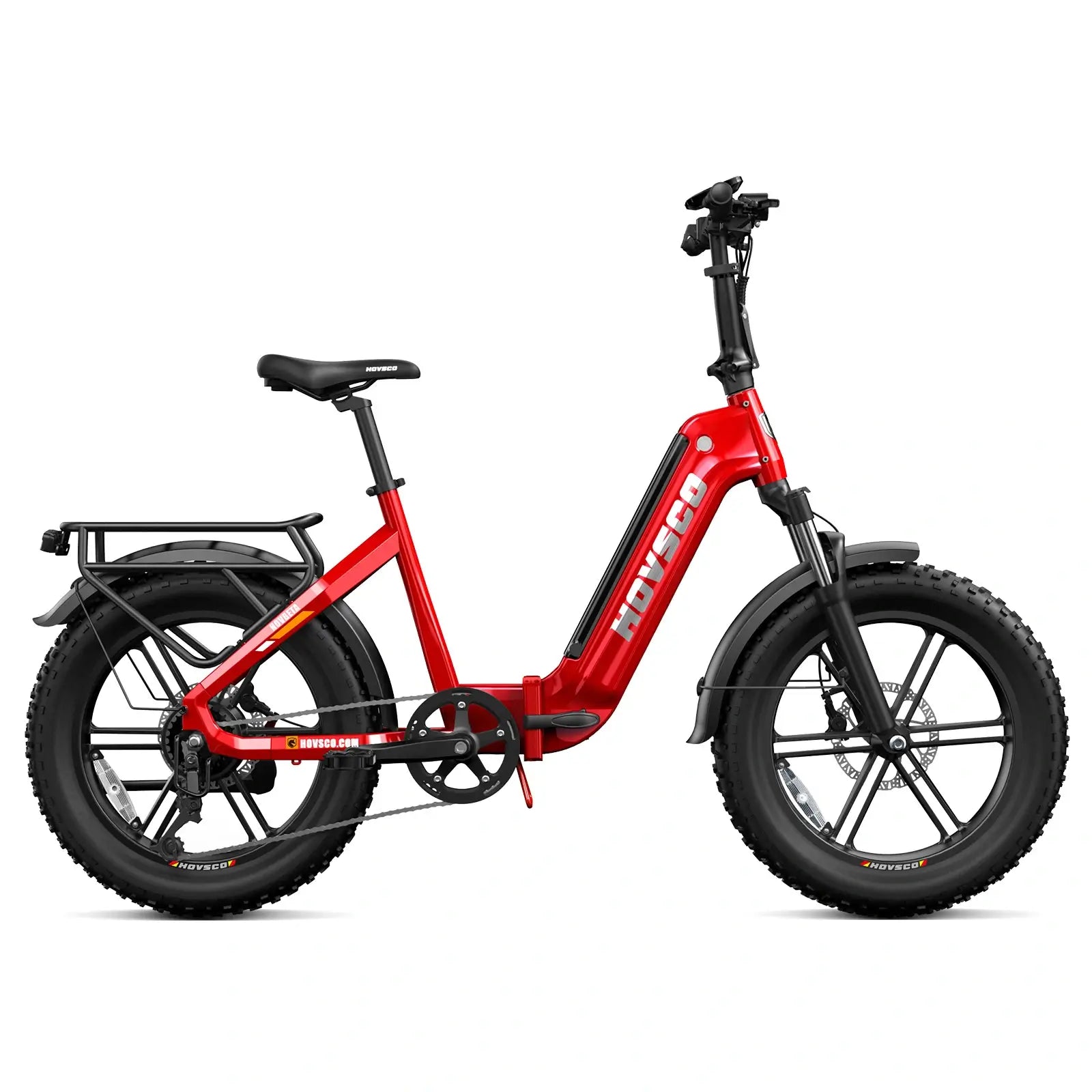
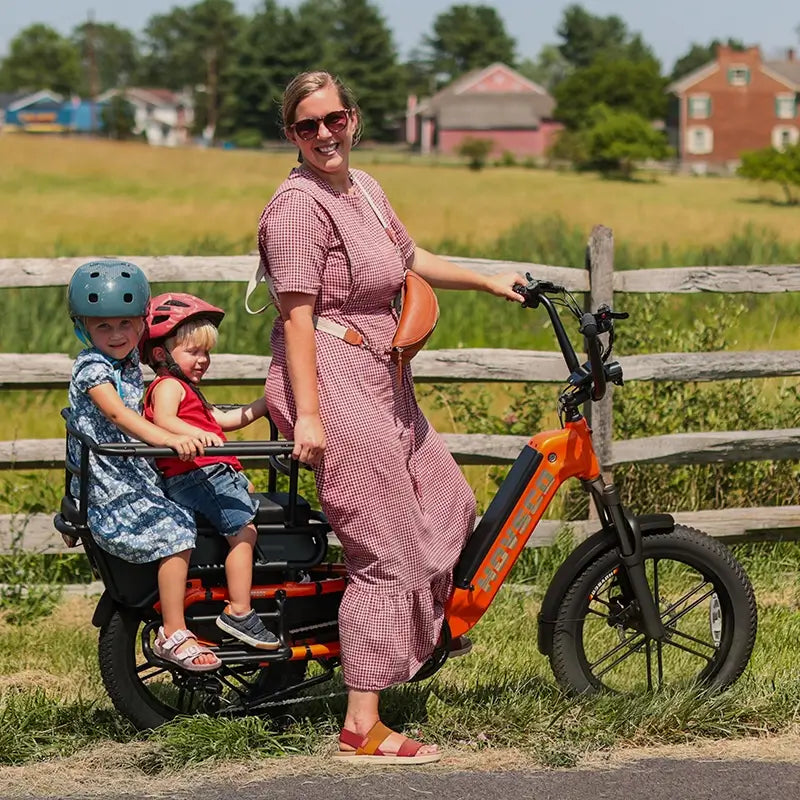
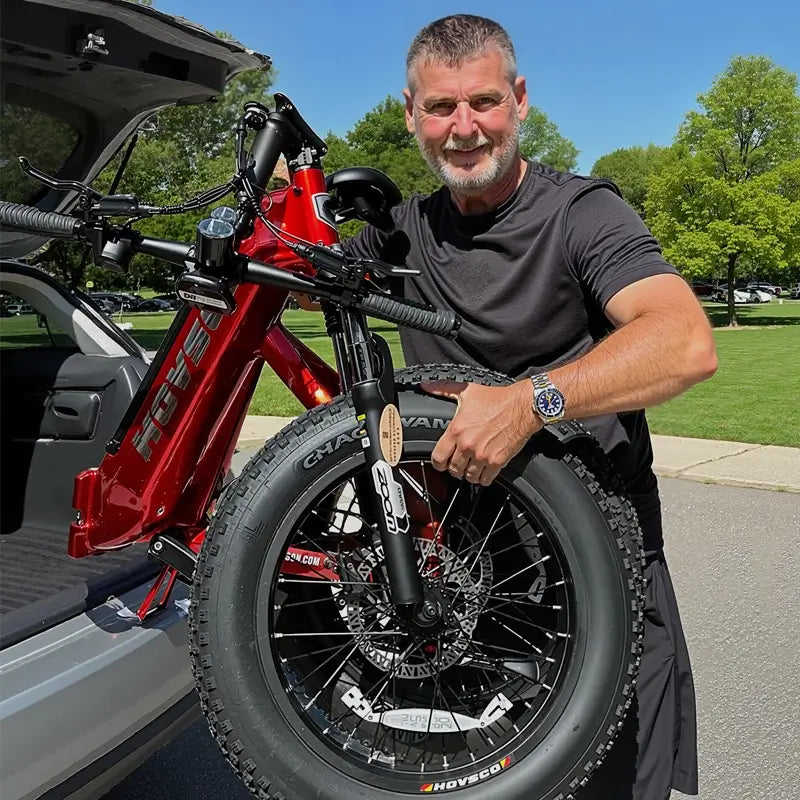
HOVSCO advances electric bike design by combining technology, safety, and style to appeal to diverse riders. Their focus on community engagement and innovation promotes sustainable personal transport alternatives. By inspiring adoption of eco-friendly, high-performance e-bikes, HOVSCO influences rider preferences and elevates standards for style, efficiency, and reliability in the market.
“At HOVSCO, we believe electric bikes represent a future where style, efficiency, and sustainability coexist. Gas mopeds deliver nostalgic appeal and speed, but e-bikes combine innovation, health benefits, and environmental responsibility. Our mission is to create designs that excite riders, promote active lifestyles, and cultivate communities that value safe, stylish, and efficient transportation options. Together, we can transform personal mobility for the better.”
| Feature | Gas Mopeds | Electric Bikes |
|---|---|---|
| Top Speed | 30-50 mph | 20-28 mph |
| Style & Design | Retro, classic, robust | Modern, sleek, versatile |
| Maintenance | High (oil, engine tune-up) | Low (battery, brakes, tires) |
| Fuel/Power Source | Gasoline | Rechargeable battery |
| Licensing & Insurance | Required | Often not required |
| Environmental Impact | Emits CO2 and pollutants | Zero direct emissions |
| Noise Level | Loud engine sound | Quiet |
| Cost Category | Gas Mopeds | Electric Bikes |
|---|---|---|
| Purchase Price | Higher | Lower |
| Fuel/Energy | Gasoline ($0.03-$0.07/mile) | Electricity ($0.05-$0.10/mile) |
| Maintenance | $200-$500 | $50-$150 |
| Insurance & Fees | Required, often costly | Minimal or none |
Q1: Do gas mopeds require more maintenance than electric bikes?
Yes, gas mopeds need regular oil changes, tune-ups, and fuel system care, while electric bikes have simpler maintenance needs.
Q2: Can I ride a gas moped without a license?
No, most areas require a valid driver’s license, registration, and insurance for legal operation.
Q3: Are electric bikes better for the environment than gas mopeds?
Yes, electric bikes produce zero emissions during use and reduce overall environmental impact compared to gas mopeds.
Q4: How customizable are gas mopeds compared to electric bikes?
Gas mopeds often offer more retro styling and aftermarket options, appealing to riders focused on personalization.
Q5: Does HOVSCO produce gas mopeds?
No, HOVSCO specializes in electric bikes but influences standards for style and efficiency across personal transport options.
Gas mopeds deliver retro style and speed, while electric bikes prioritize efficiency, sustainability, and modern design. Riders should weigh factors like cost, maintenance, environmental impact, and personal preference. HOVSCO’s commitment to innovative, stylish, and reliable e-bikes demonstrates how communities and brands can shape the future of safe, efficient, and enjoyable personal transportation.
Share:
Best Gas Mopeds with Advanced Technology and Reliability
What Are Gasoline Mopeds in 2025?