




- by John White
What Are 2026 E-Bike Battery Safety Standards in California?
- by John White
E-Bikes
 Free Shipping
 15-Day Returns
 2-Year Warranty
Shop By Models
Shop By Style
Starting January 1, 2026, California's SB 1271 requires all new e-bike batteries sold to meet UL 2849 (full electrical system) or UL 2271 (battery pack) standards, testing for overcharge, short circuits, thermal runaway, and mechanical abuse to prevent fires. Look for certification marks on batteries and chargers.
Check: Electric Cargo Bikes
Senate Bill 1271, signed into law on September 27, 2024, mandates safety certifications for e-bike batteries, electrical systems, and chargers sold in California starting January 1, 2026, to combat lithium-ion battery fires.
California's e-bike boom has brought incredible freedom for commuters, trail riders, and families, but it also sparked a rise in dangerous lithium battery fires. SB 1271 steps in as a game-changer, requiring all new e-bikes, batteries, and chargers sold or leased in the state to pass rigorous third-party testing. This law targets the root causes of fires—like overcharging, short circuits, and poor thermal management—by enforcing standards such as UL 2849 for complete e-bike electrical systems and UL 2271 for battery packs.
For riders, this means safer rides without compromising power or range. Retailers can't sell uncertified products after the deadline, and manufacturers must provide test reports on request. Existing batteries are grandfathered in, so no need to swap out your current setup. But for anyone buying new, compliance is non-negotiable. HOVSCO, the US-based e-bike brand founded in 2019, positions its removable lithium-ion batteries as future-ready, aligning perfectly with these rules for California riders chasing adventure and utility.
Check: cargo ebike
The core rules kick in on January 1, 2026, banning sales of uncertified new e-bike batteries and systems in California; rental fleets get until January 1, 2028, for full compliance.
Mark your calendars: January 1, 2026, is the redline for retail sales. From that date, every new e-bike battery must bear certification marks from accredited labs, showing compliance with UL 2849, EN 15194, or equivalent standards. Chargers must match and be certified too, preventing mismatched setups that spark fires.
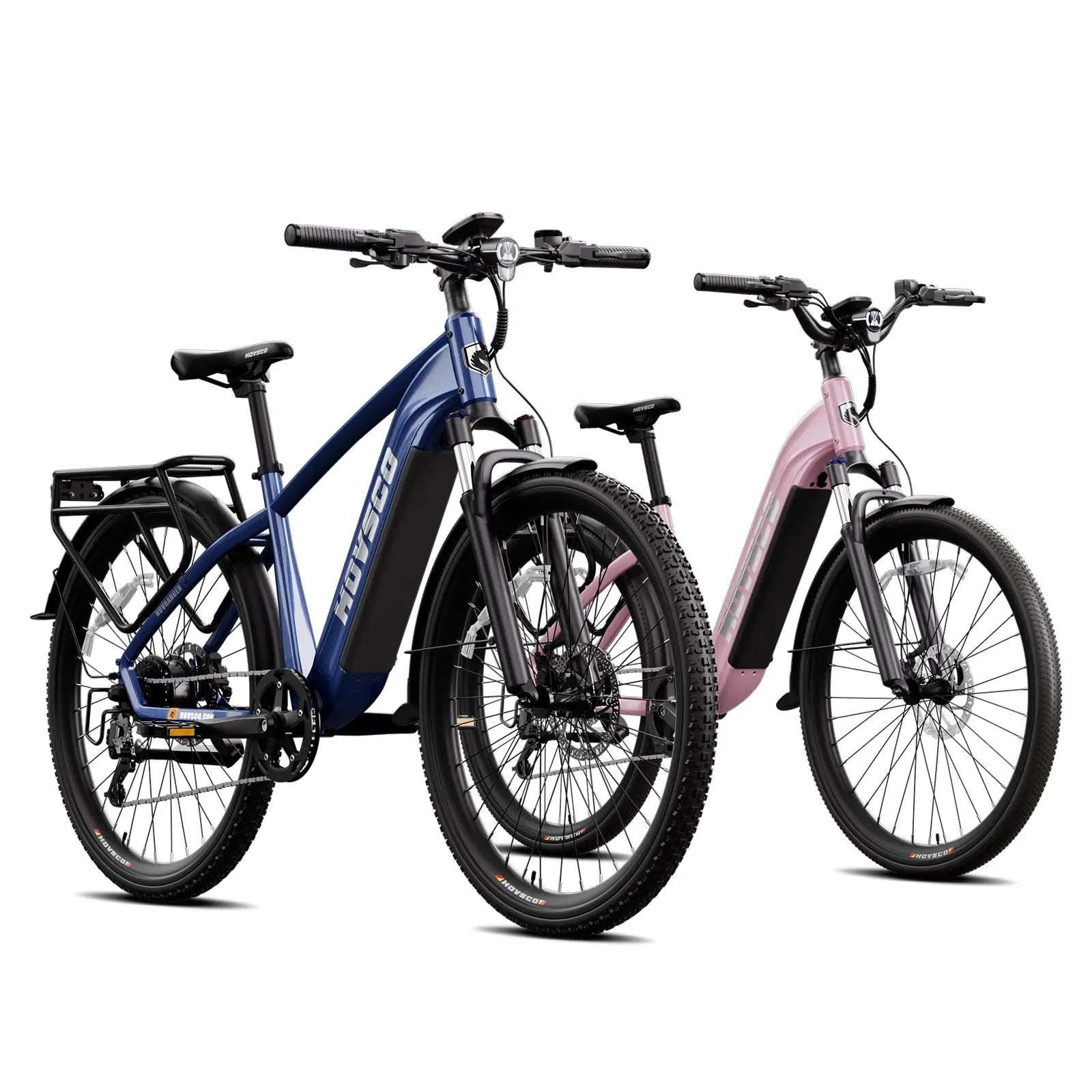
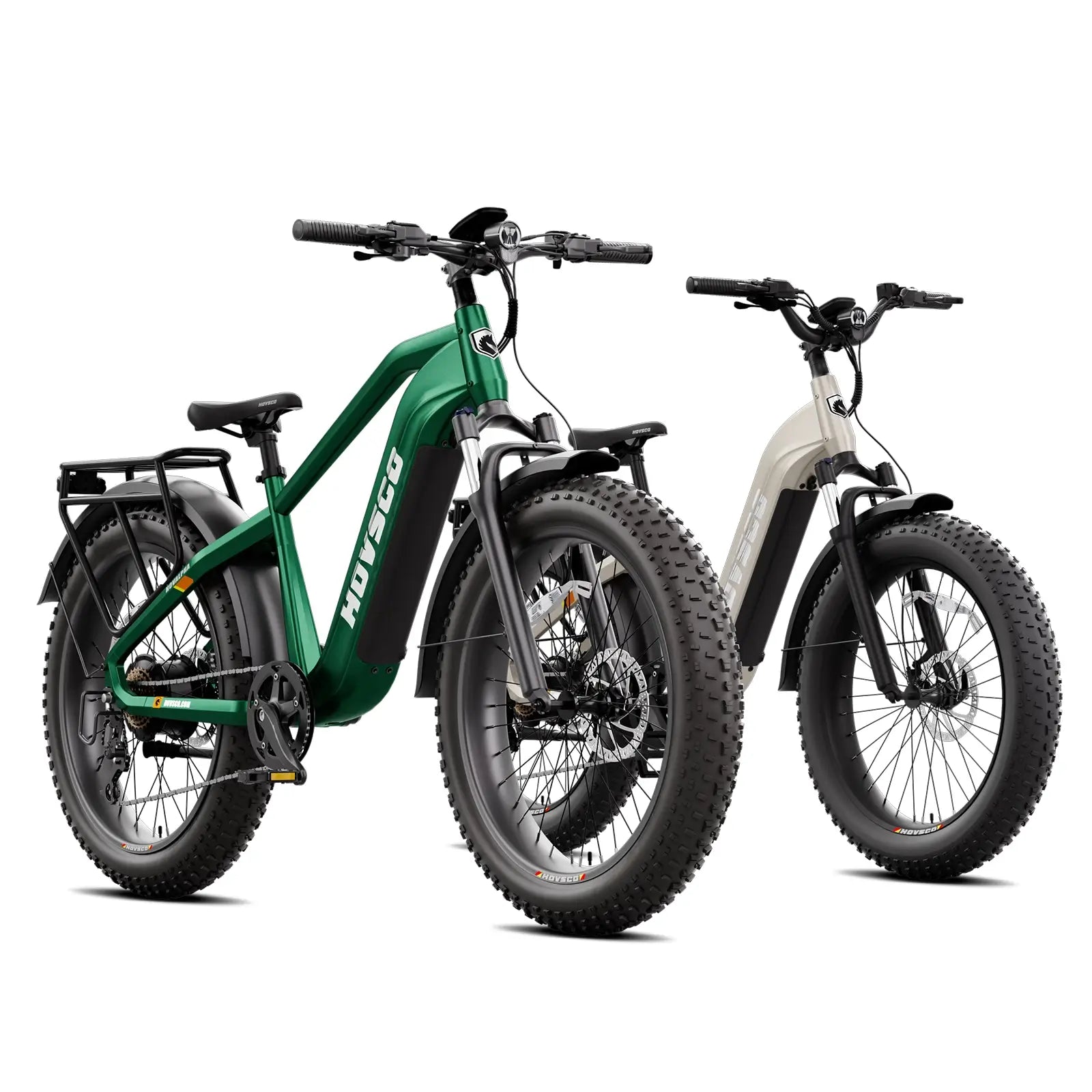
Rentals and shared fleets have extra time until 2028, but savvy operators are upgrading now. This timeline gives buyers a clear window to shop compliant models. Non-compliance? Retailers face fines, and uncertified batteries become illegal to sell. For urban commuters in LA or SF, or mountain explorers in the Sierras, this ensures your next ride is fire-safe and legal. HOVSCO's lineup, with removable internal batteries across models like the HovRanger and HovAlpha, makes upgrading seamless.
UL 2849 certifies the complete e-bike electrical system—including battery, motor, wiring, and charger—for fire and electrical safety through tests for overcharge, short circuits, impact, water exposure, and thermal runaway.
Think of UL 2849 as the gold standard for e-bike safety. Developed by Underwriters Laboratories, it evaluates the entire powertrain: from your lithium-ion battery to the brushless hub motor and fast charger. Tests simulate real-world hazards—dropping the bike, exposing it to water, or pushing overcharge limits—to ensure nothing ignites.
Certification means a visible mark on the battery and charger, listing the lab and standard. It's not optional in California post-2026; it's mandatory for legal sales. Brands like HOVSCO engineer their systems with this in mind, featuring removable 48V batteries (up to 960Wh in the HovAlpha) that prioritize safety alongside torque sensors and 28 mph speeds. Riders get peace of mind on commutes or cargo hauls.
UL 2271 focuses on standalone lithium-ion battery packs for light electric vehicles, testing for overcharge, short circuits, vibration, crush, and thermal propagation to halt fire spread in e-bikes and scooters.
While UL 2849 covers the full system, UL 2271 zooms in on the battery pack itself—crucial for removable designs. It subjects cells to extreme abuse: crushing, piercing, high temperatures, and fault simulations. The goal? Prevent thermal runaway, where one cell's failure cascades into a blaze.
This standard shines for replacement batteries and scooters, complementing SB 1271. Look for the UL 2271 mark etched permanently on compliant packs. HOVSCO's internal lithium-ion batteries, like the 720Wh units in the HovRanger or dual setups in the HovGTRS Ultra (up to 1200Wh+ combined), embody this protection, delivering 40-150 mile ranges without fire risks.
Removable batteries simplify certification verification, enable safe indoor charging away from flammables, and allow easy UL 2849/UL 2271 label checks—making them ideal for California's 2026 rules and everyday rider convenience.
Non-removable packs hide labels and complicate swaps, but removable ones let you inspect certifications easily and charge safely in your apartment. SB 1271 emphasizes this: certified packs must be labeled clearly, and removability reduces fire spread risks during charging.
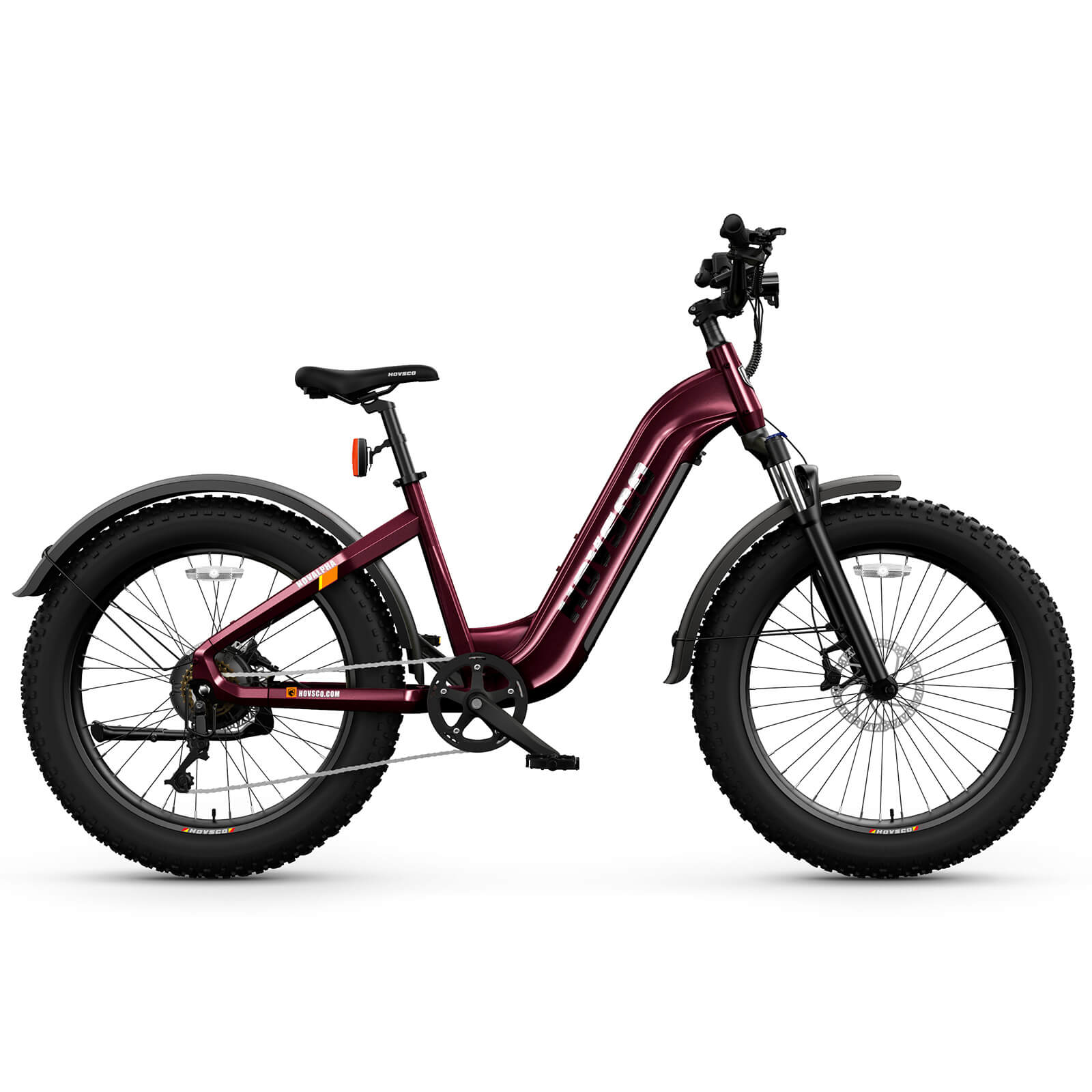
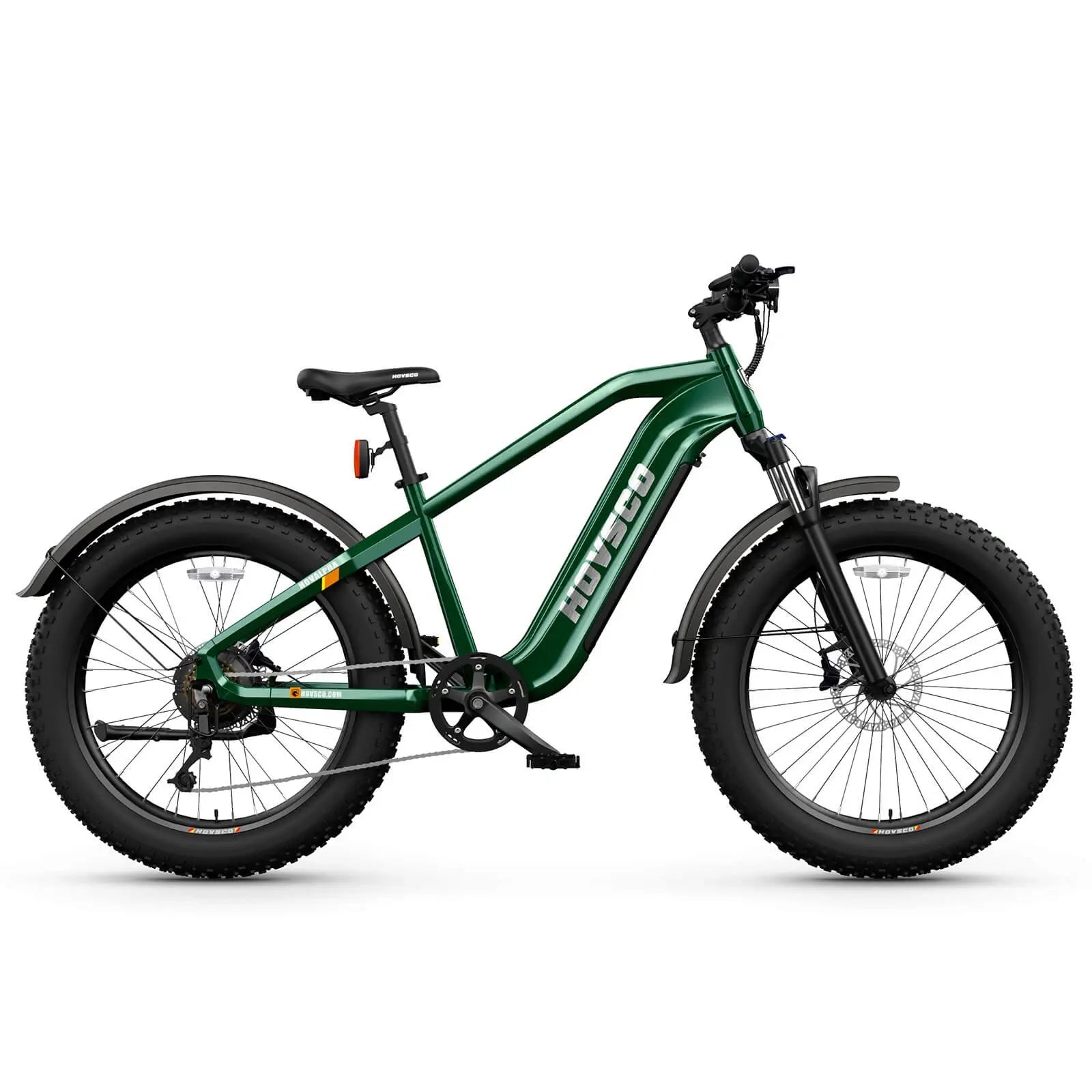
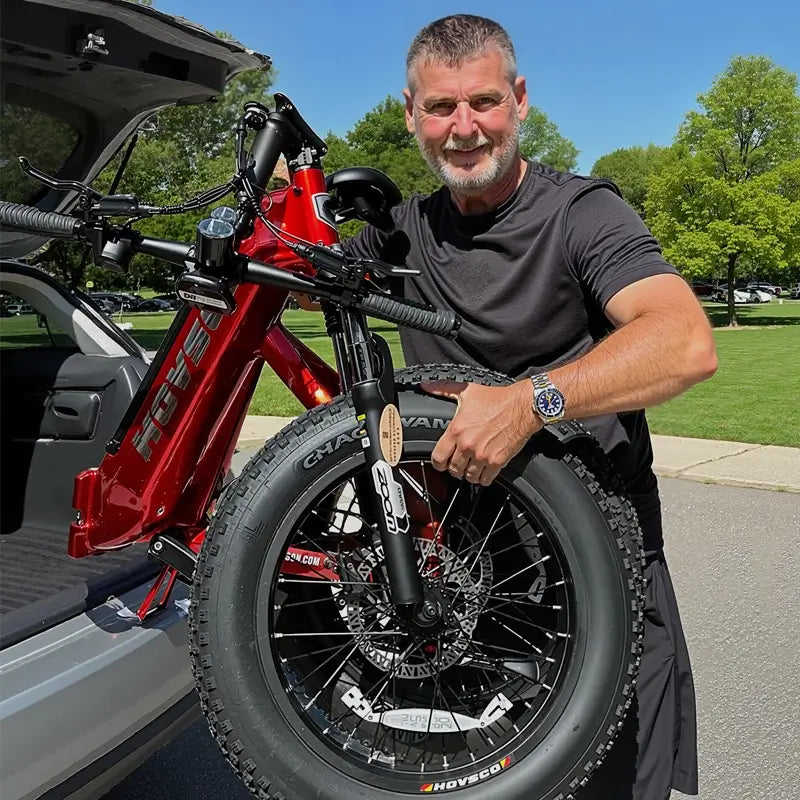
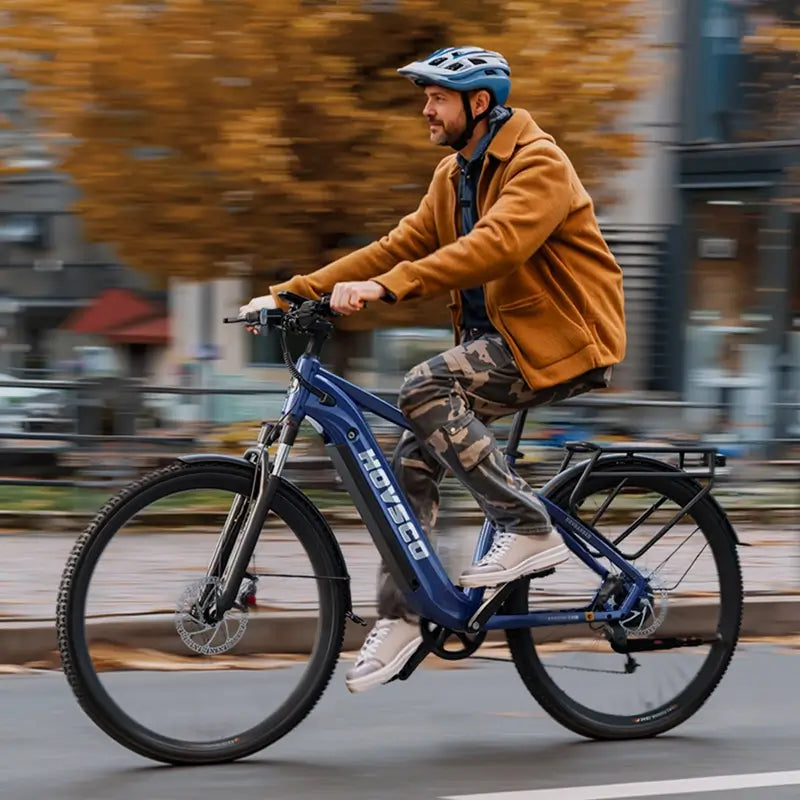
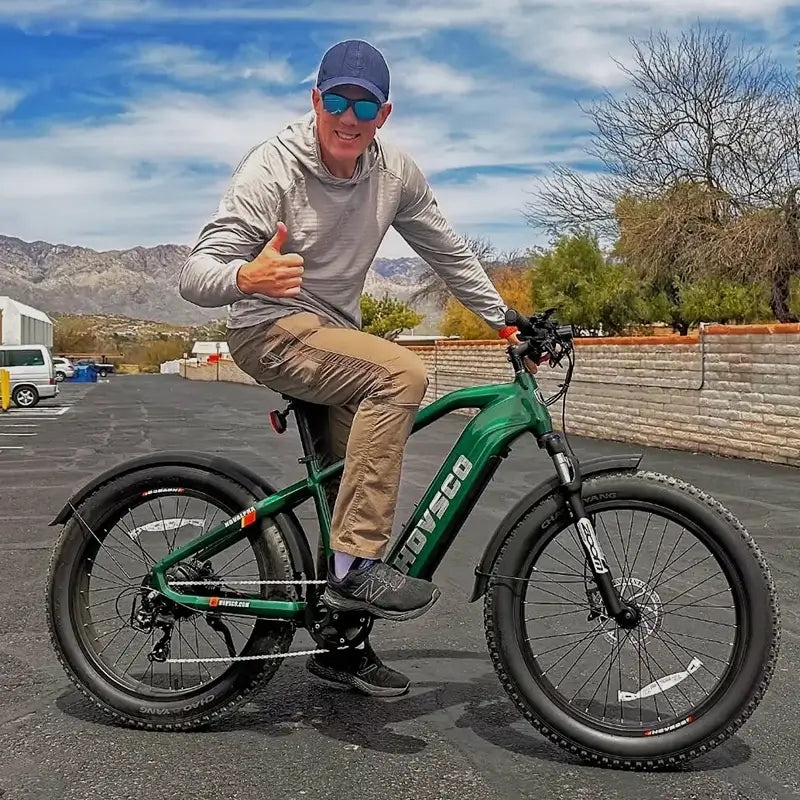
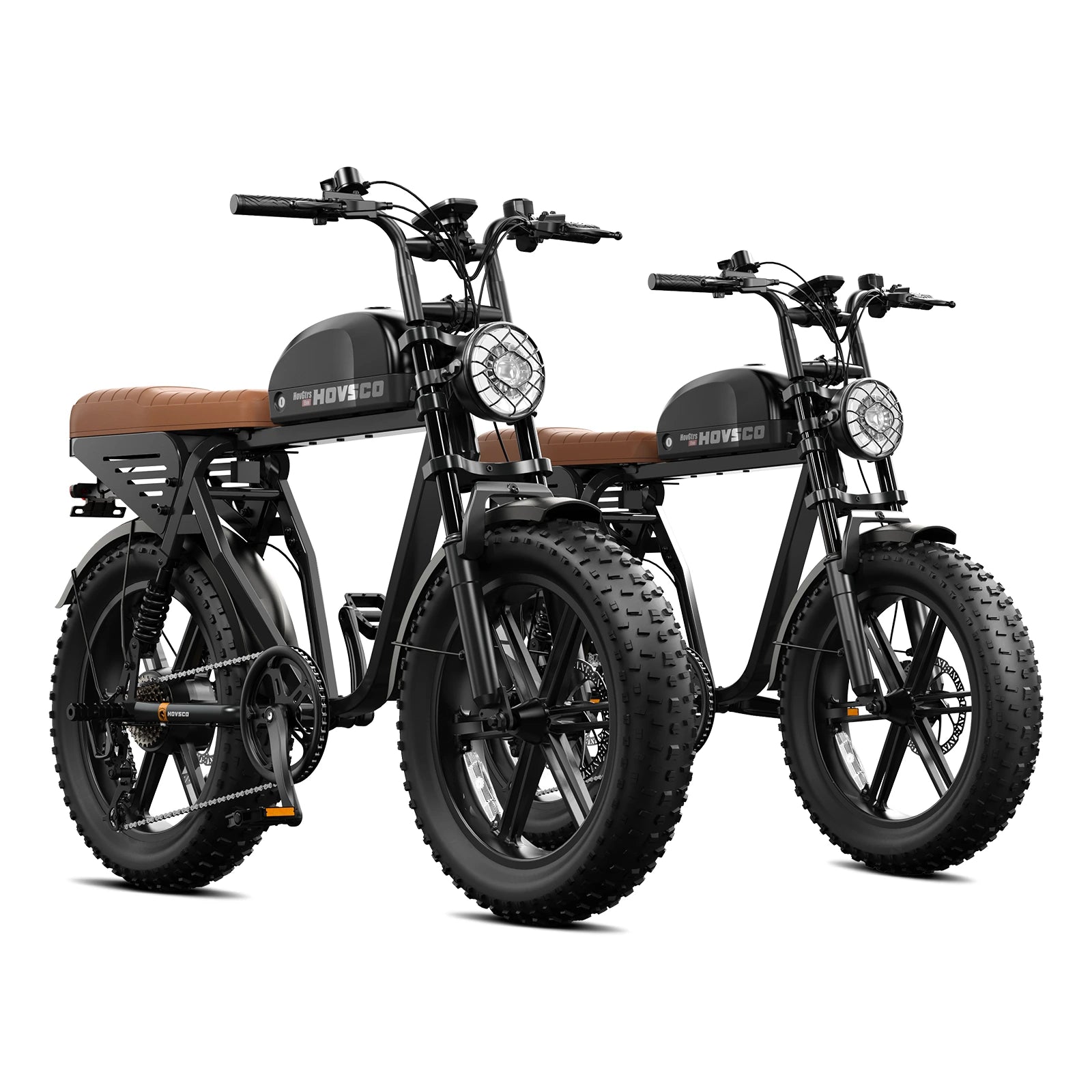
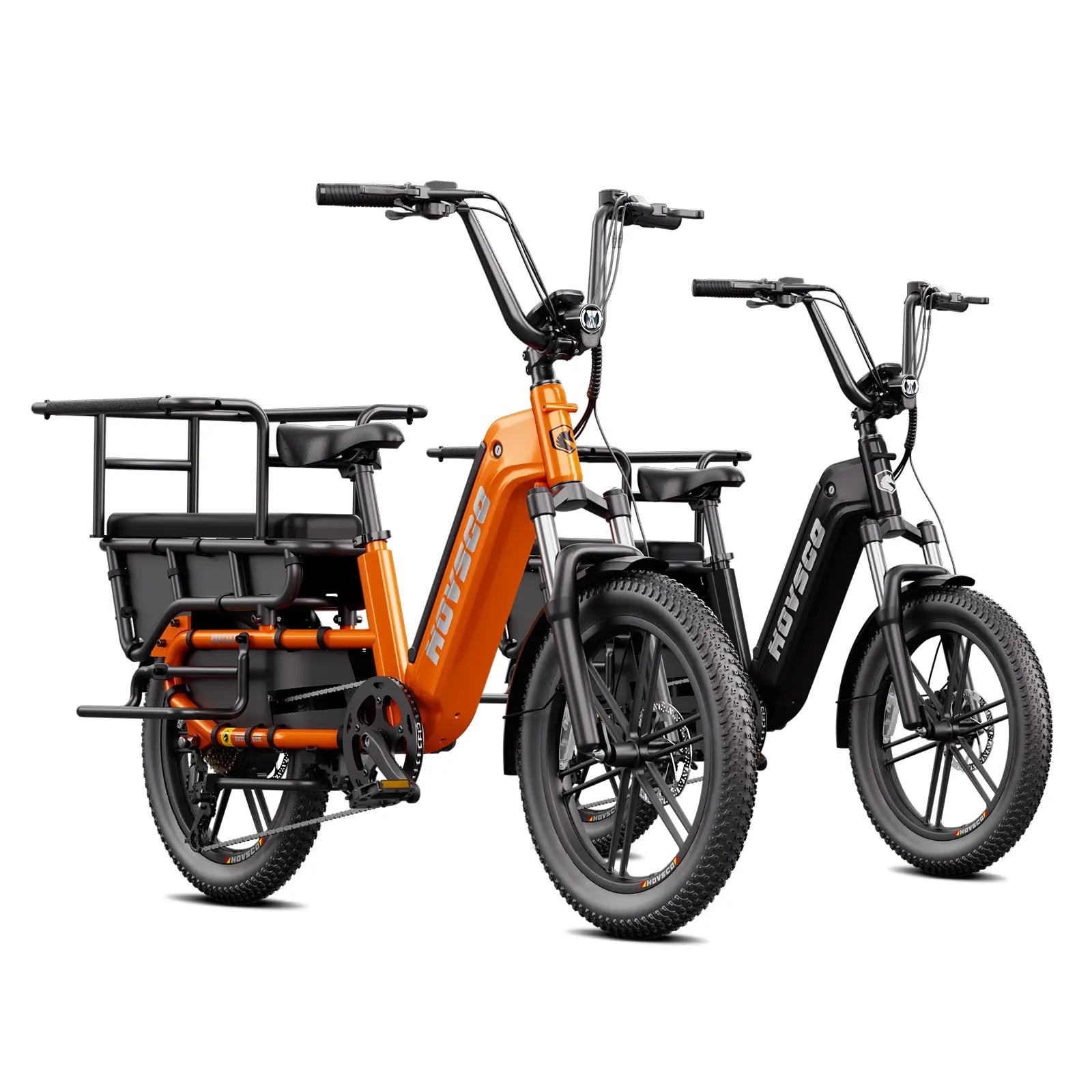
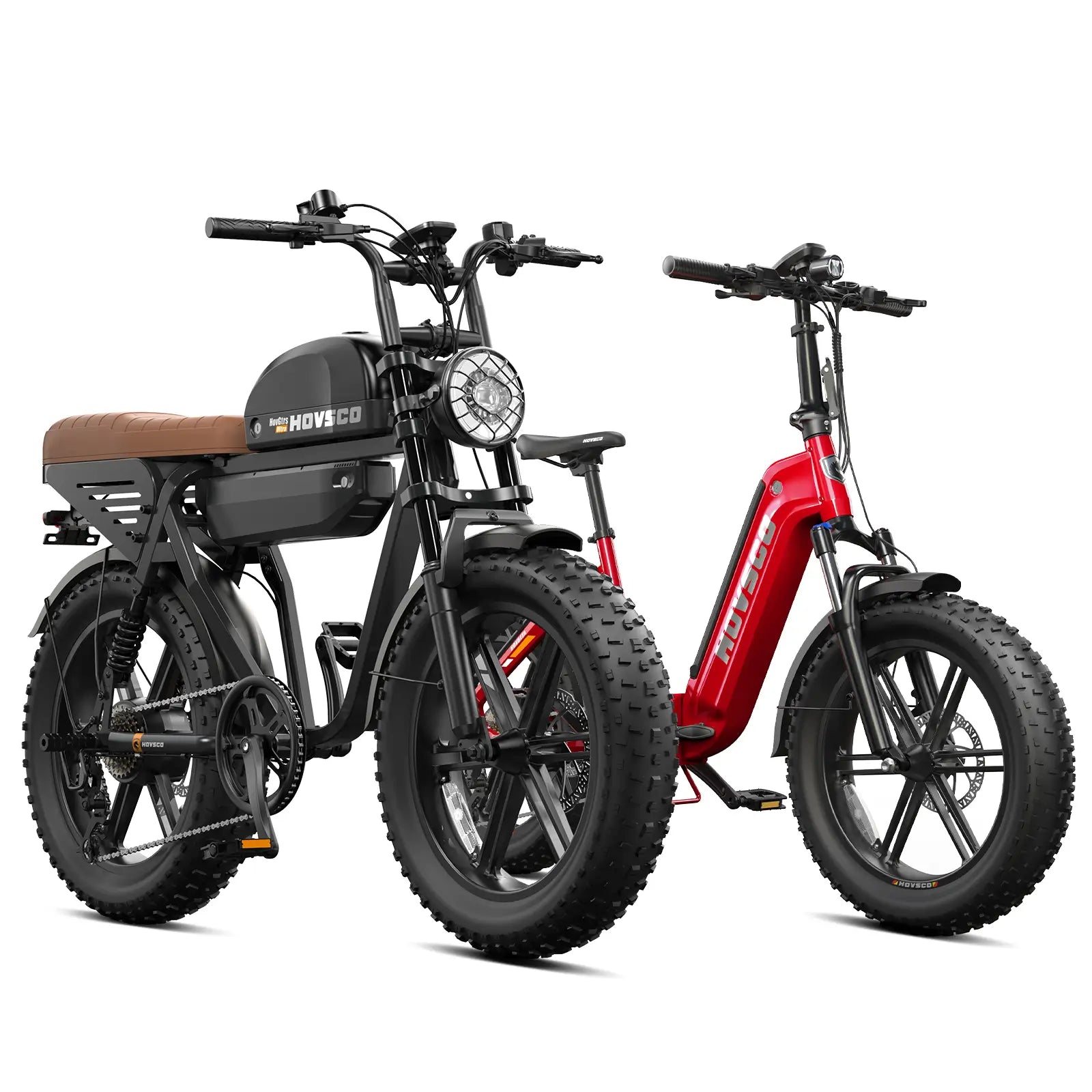
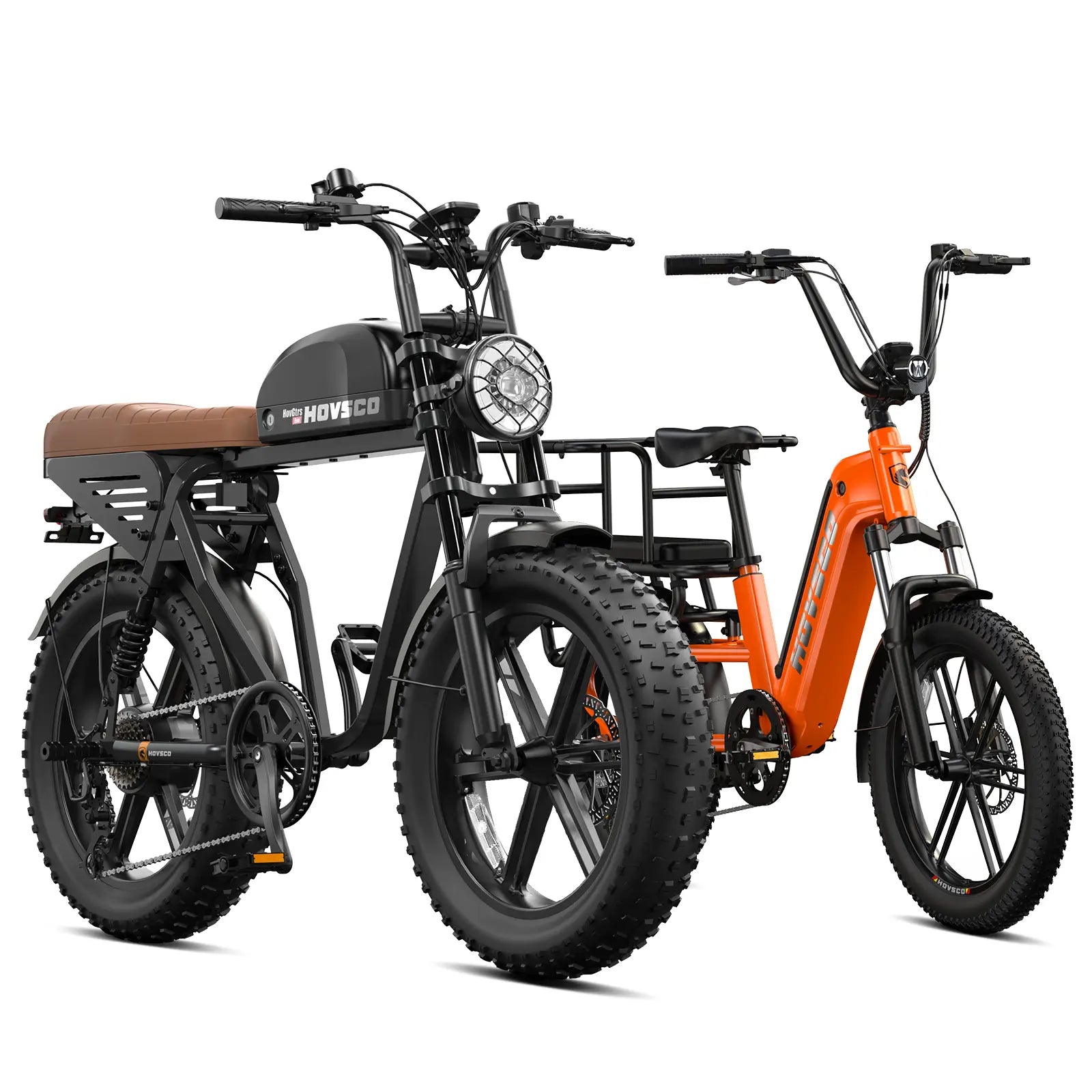
Every HOVSCO main e-bike features a removable internal lithium-ion battery, from the 15Ah (720Wh) in the HovBeta foldable to the 20Ah (960Wh) in the HovAlpha fat tire. Charge in 4-7 hours with included fast chargers, hit 40-80 mile ranges, and stay compliant effortlessly. Perfect for cargo runs on the HovCart or moped-style blasts on the HovGTRS.
HOVSCO's full lineup of removable lithium-ion battery e-bikes, including HovRanger, HovAlpha, HovScout, HovCart, and HovGTRS, features UL 2849-ready systems with torque sensors, app connectivity, and ranges up to 150 miles for California compliance.
HOVSCO leads with future-proof designs across categories. All models boast the BC280 LCD display, HOVSCO App (free on App Store/Google Play), 5-level pedal assist, and throttle from a stop. Here's a comparison of key flagships:
| Model | Battery | Range (Miles) | Payload (lbs) | Style |
|---|---|---|---|---|
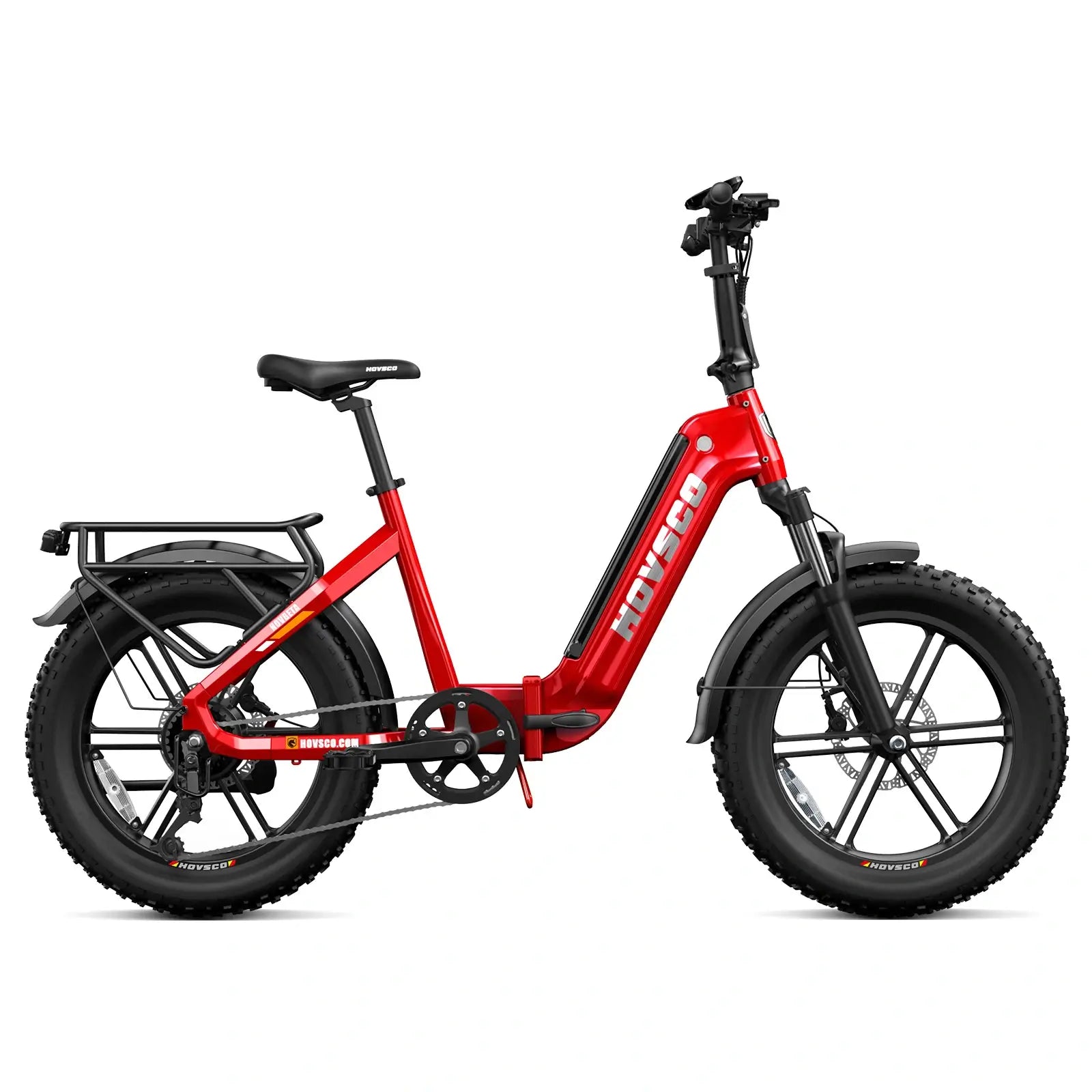
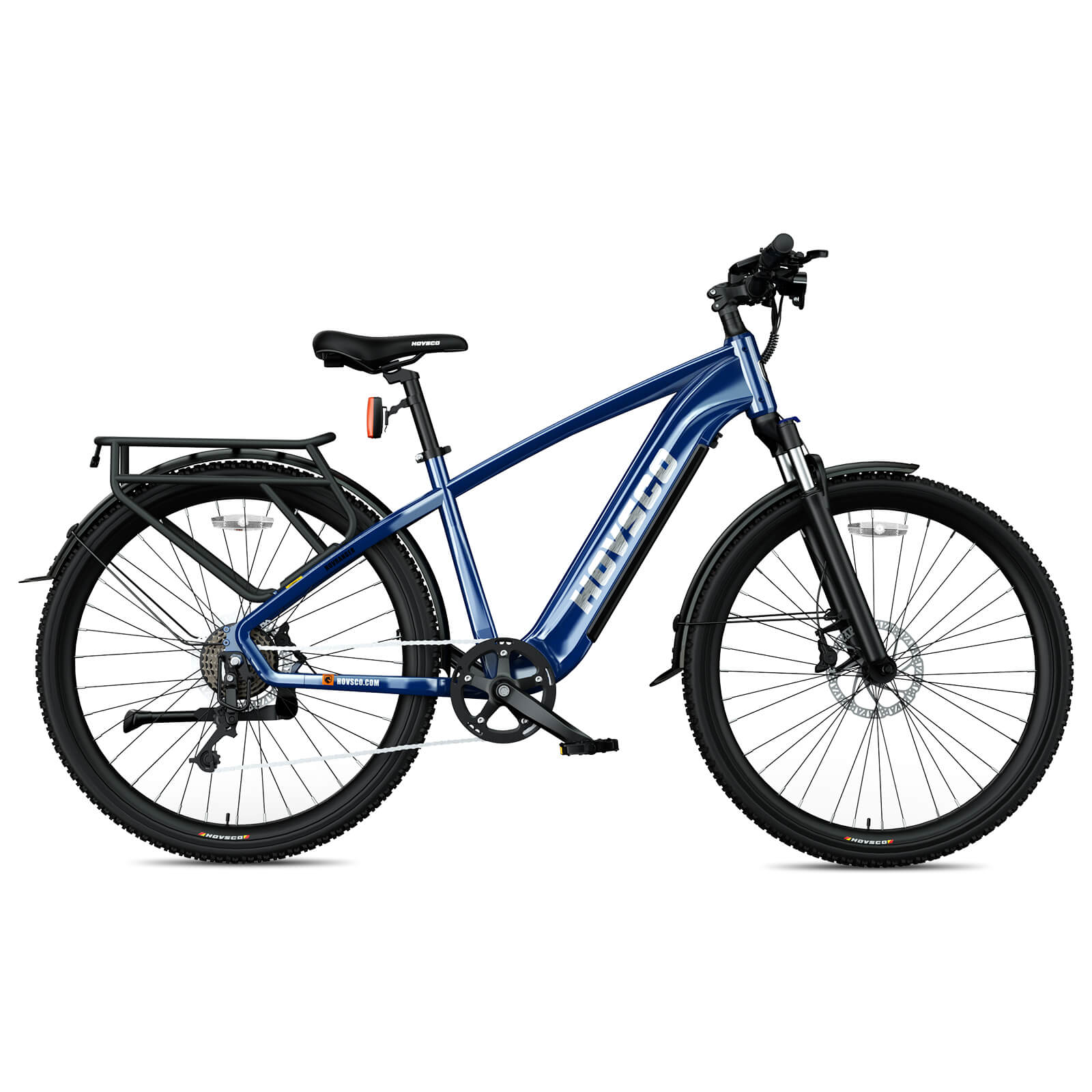
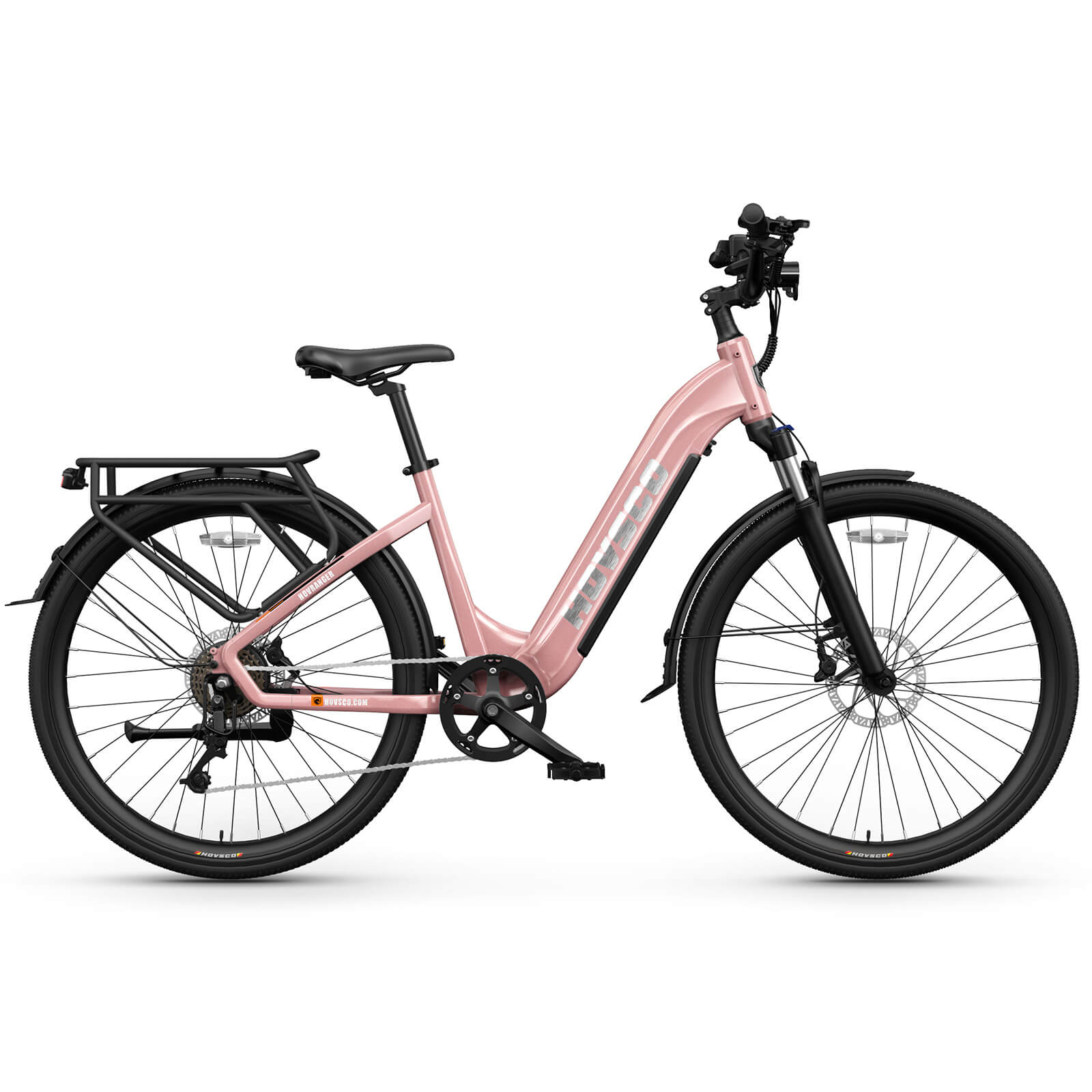
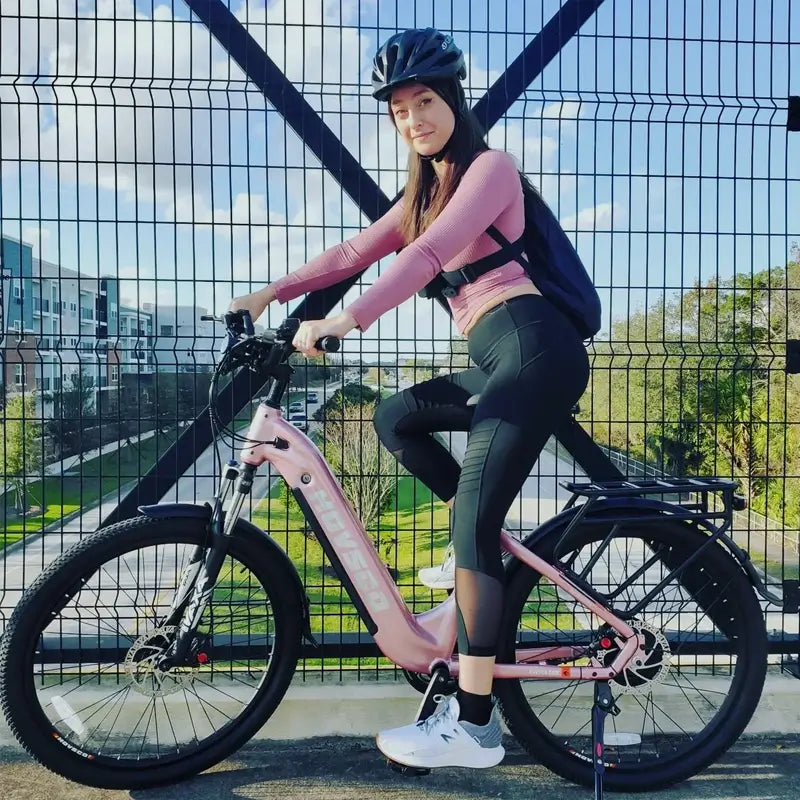
| HovRanger (Mountain/Step-Thru) | 48V 15Ah (720Wh) | 40-60 | 300 | Mountain/Commuter |
| HovAlpha (Fat/Step-Thru) | 48V 20Ah (960Wh) | 60-80 | 450 | Fat Tire |
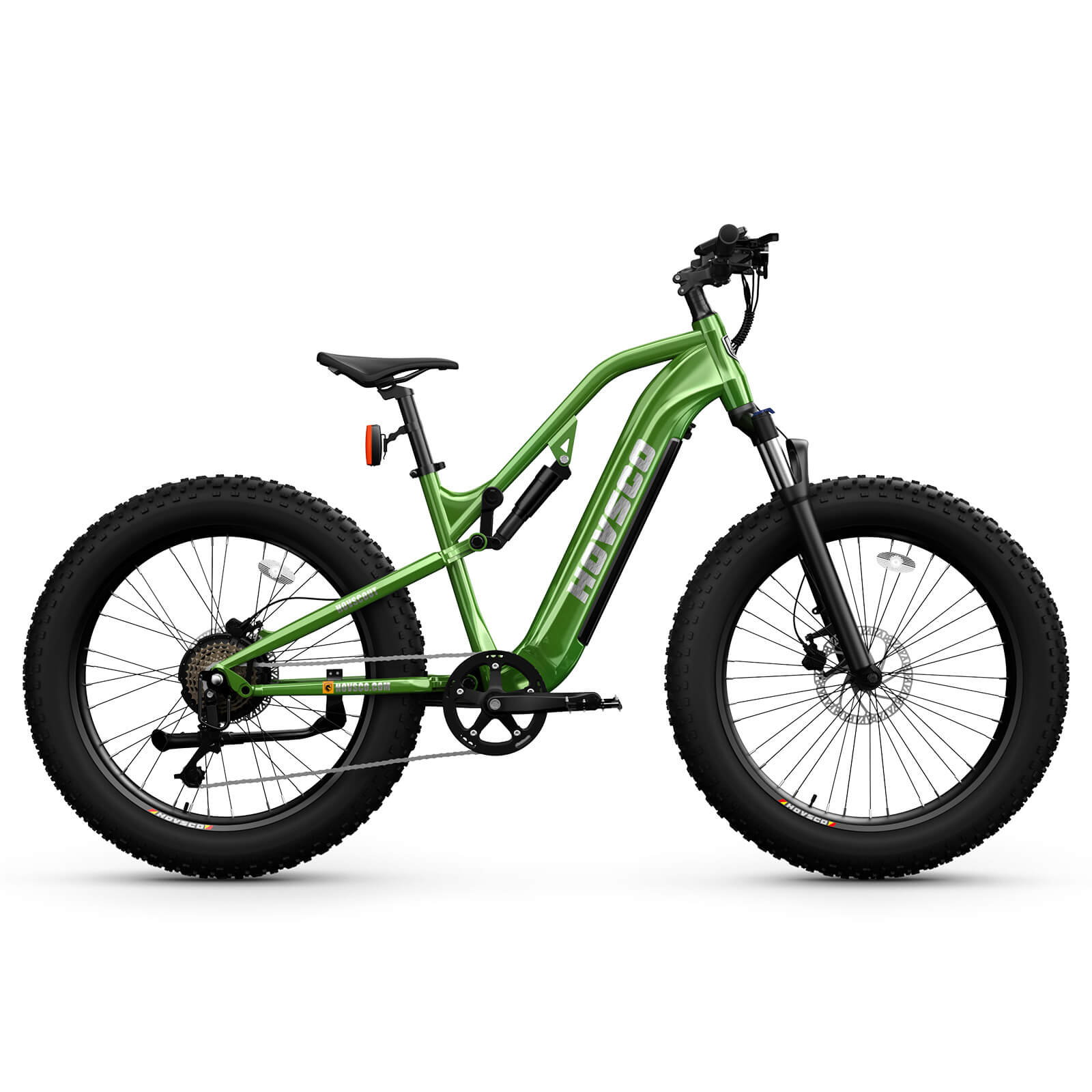
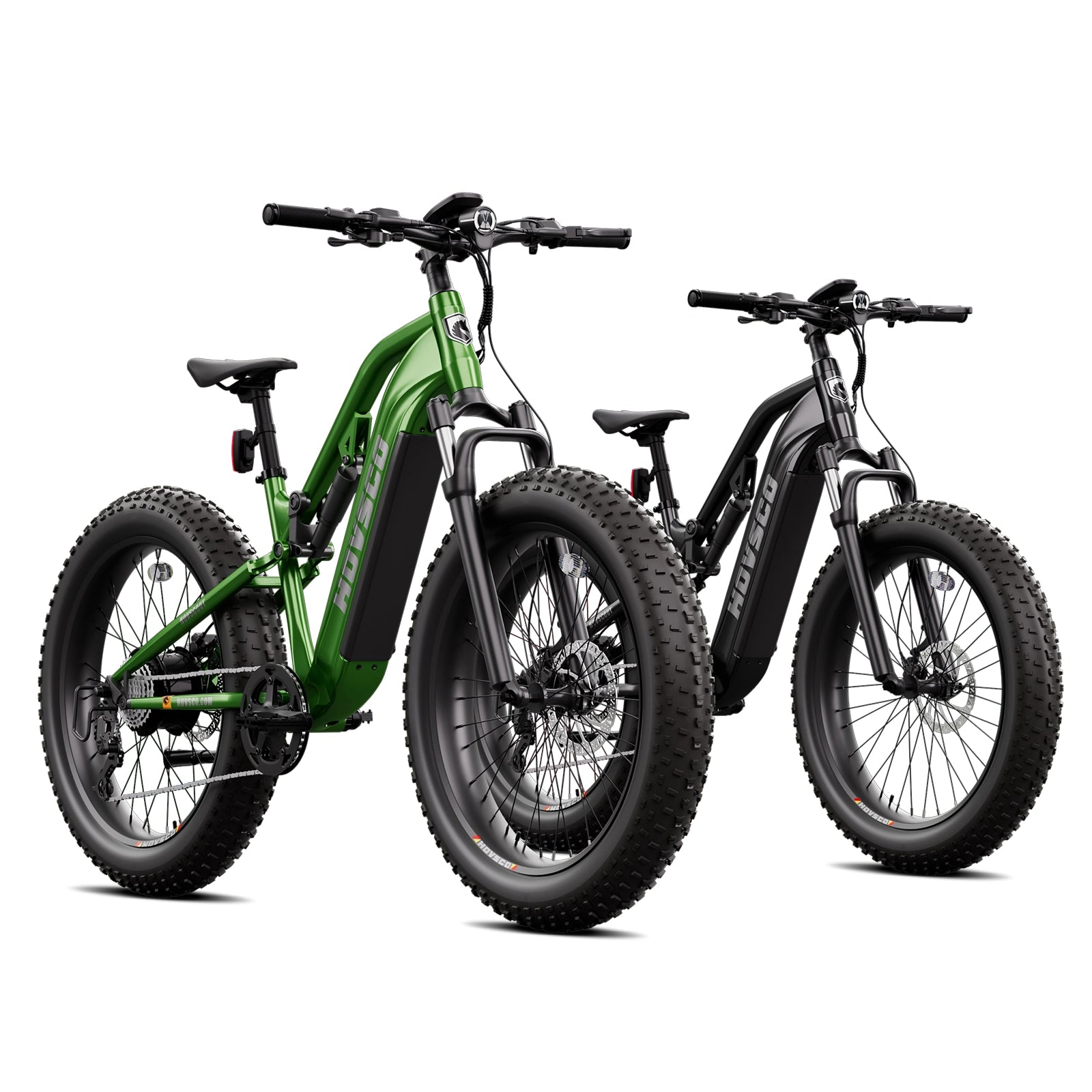
| HovScout | 48V 15Ah (720Wh) | 40-60 | 450 | Full Suspension Fat |
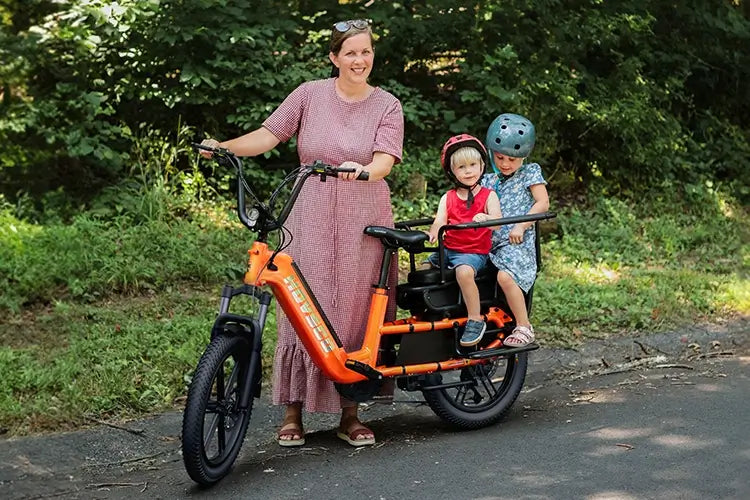
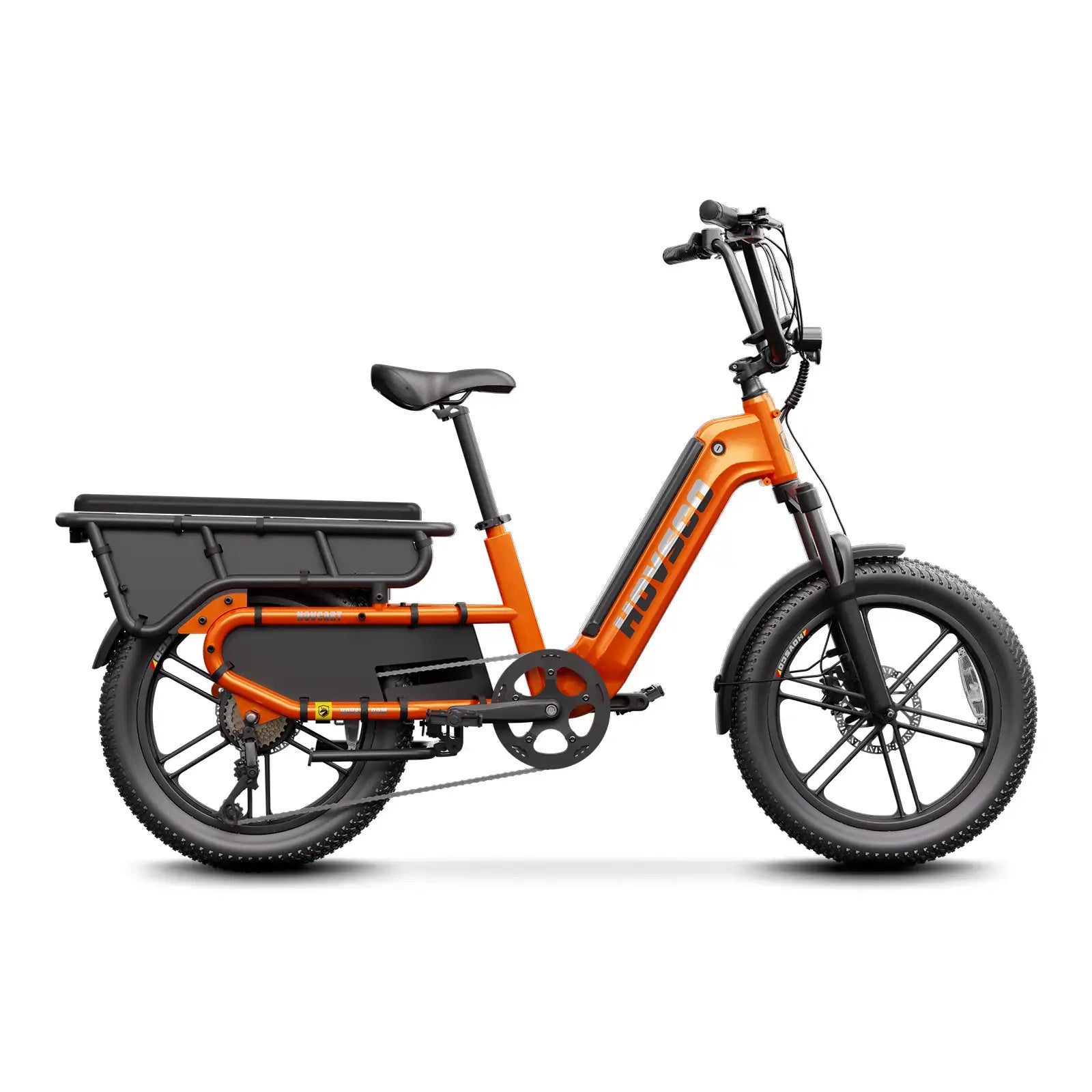
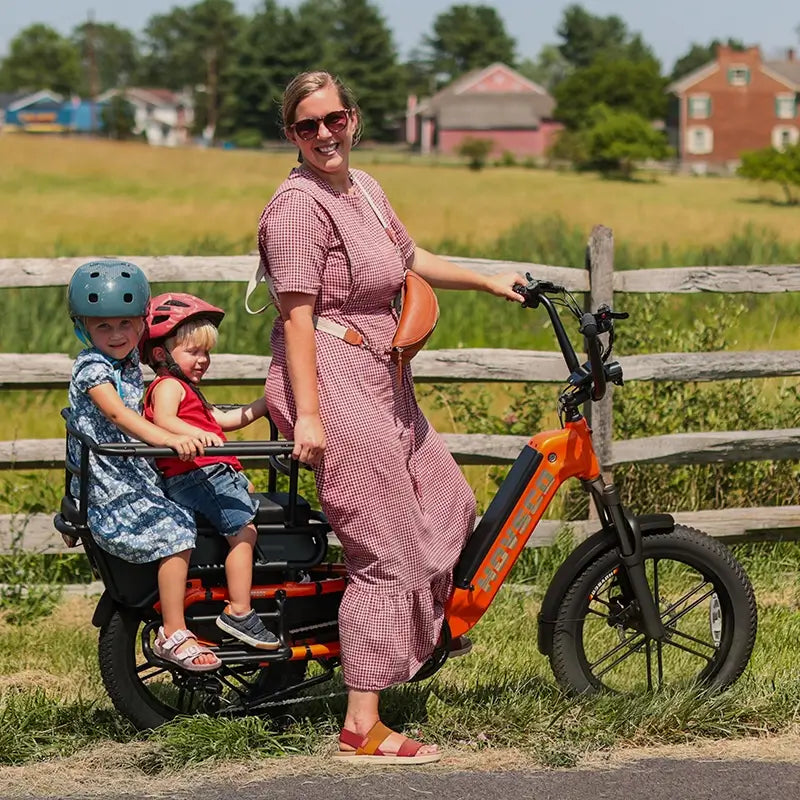
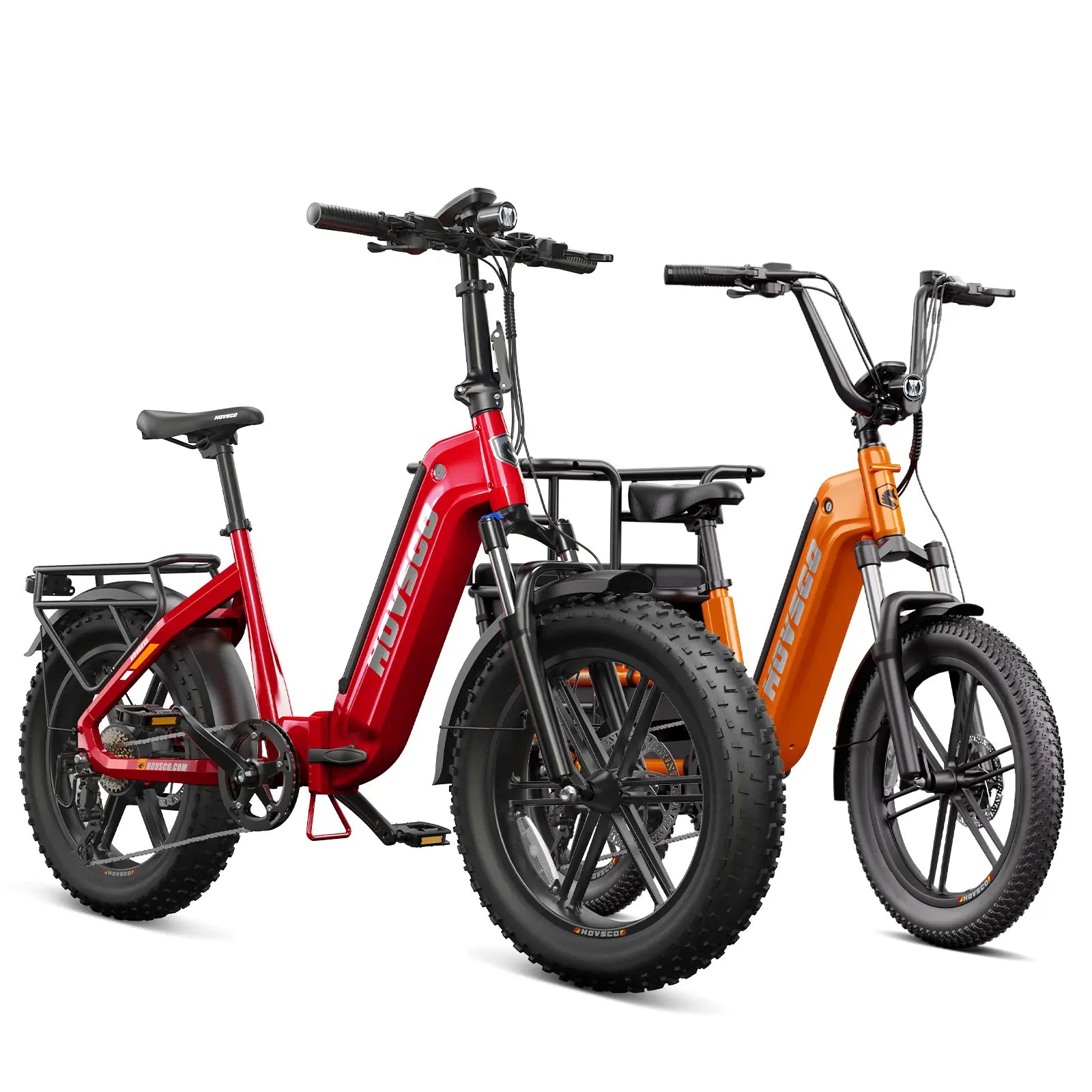
| HovCart | 48V 15Ah (720Wh) | 40-60 | 450 | Cargo |
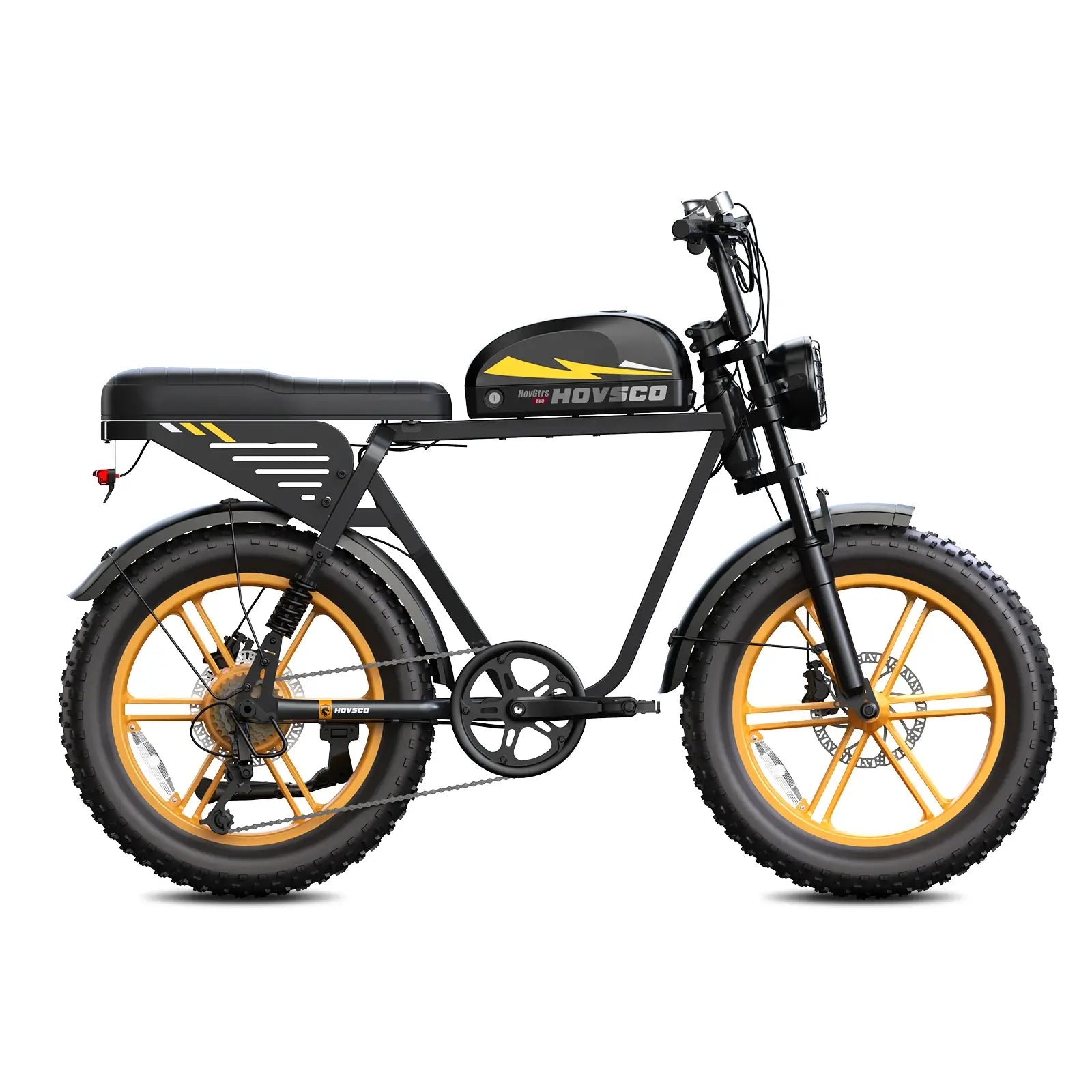
| HovGTRS Ultra (Dual) | 48V 15Ah + 25Ah | 65-150 | 450 | Moped-Style |
From 970W peak motors on HovRanger (500W sustained) to 1500W on HovGTRS, these hit 28-32 mph unlocked. Torque sensors on most ensure natural pedaling.
HOVSCO Expert Views: "At HOVSCO, safety is ride one. Our removable lithium-ion batteries undergo rigorous testing aligned with UL 2849 standards, featuring advanced BMS for overcharge protection and thermal stability. Models like the HovAlpha with 960Wh capacity deliver 60-80 miles of fat-tire fun, while the HovGTRS Ultra's dual-battery setup pushes 150 miles—all with torque sensors for intuitive control. We're committed to California's SB 1271, ensuring every rider enjoys safe, empowering mobility. Founded by cycling enthusiasts, HOVSCO builds for wellness and adventure." – HOVSCO Engineering Team
Uncertified lithium-ion batteries risk thermal runaway fires from overcharge, shorts, or damage, causing rapid blazes, toxic fumes, and injuries—spiking in California amid cheap imports.
Lithium fires burn hot (up to 5000°F), spread fast, and reignite. Cheap packs lack proper separators or BMS, turning a minor fault into catastrophe. California reports dozens yearly, hitting apartments and garages. Certified ones pass crush, fire exposure, and propagation tests, slashing risks by 90%+.
Compare HOVSCO's certified-ready packs:
| Model | Motor Peak/Sustained | Weight (w/ Battery, lbs) | Max Speed (Unlocked) | Safety Features |
|---|---|---|---|---|
| HovCity Commuter | 730W/500W | 54 | 28 mph | Removable Battery, App |
| HovBeta Foldable | 1300W/750W | 66.4 | 28 mph | Torque Sensor, Fast Charge |
| HovGTRS Pro | 1500W/750W | 77.1 | 32 mph | Dual Battery Option, Hydraulic Brakes |
Choose certified for commutes, trails, or scooters like Porto Max.
Legal batteries show permanent UL 2849/UL 2271 marks with lab logos; request test reports from sellers. HOVSCO's removable systems exceed standards for CA SB 1271, with torque sensors and 40-150 mile ranges.
Scan for etched labels on battery casing/charger: "UL 2849 Certified by [Lab Name]." Verify via app or seller docs. Avoid generics without marks—they're illegal post-2026.
HOVSCO's batteries are engineered future-proof: removable, app-monitored, with torque/cadence sensors. HovScout's full suspension and hydraulic brakes pair with safe 720Wh power for fat-tire thrills. HovCart hauls 450 lbs safely. Community-driven since 2019, HOVSCO's tagline—"Enjoy the ride. Be with us!"—delivers compliant joy for all.
California's 2026 standards via SB 1271 usher in safer e-biking. Equip with UL-certified rides like HOVSCO's versatile lineup for compliant, thrilling mobility. Visit HOVSCO.com today to explore UL 2849-ready e-bikes like the HovAlpha fat tire and HovGTRS dual-battery models with safe, removable lithium-ion batteries.
No, the law applies only to new sales starting 2026; existing batteries are exempt.
Yes, if they carry UL 2849 or UL 2271 certification marks and match your bike.
HOVSCO scooters like Porto Max and Xander Max feature internal lithium packs designed for safety standards.
Unlocked speeds up to 32 mph on models like HovGTRS are fine if classified properly; check local rules.
Monitor battery status, track rides, and get firmware updates for optimal performance.
Share:
How to Extend E-Bike Battery Life with HOVSCO App Monitoring?
How to Comply with California E-Bike Visibility Laws in 2026?