

























- by EO S
Why Do Electric Mountain Bikes Excel at Handling Steep Climbing Terrain?
- by EO S
E-Bikes
 Free Shipping
 15-Day Returns
 2-Year Warranty
Shop By Models
Shop By Style
Electric mountain bikes handle steep climbing terrain effectively by combining high-torque mid-drive motors, optimized power management, advanced suspension systems, and intelligent bike geometry. These features allow riders to conquer steep gradients with control, traction, and efficiency, reducing fatigue and increasing confidence on challenging ascents.
Electric mountain bikes that excel at steep climbing are equipped with high-torque mid-drive motors, often delivering 80Nm to 100Nm or more of torque. This substantial torque provides the rotational force necessary to maintain steady cadence and power on inclines exceeding 25% grades. Unlike hub motors, mid-drive systems use the bike’s gearing for torque multiplication, enhancing climbing efficiency and preventing wheel slip on loose or technical terrain. Brands like HOVSCO integrate powerful motor technology that allows climbs on steep grades at consistent speeds without overheating, thanks to built-in thermal management systems.
Motor Torque and Climbing Capability Chart
| Motor Torque (Nm) | Climbing Effectiveness | Optimal Battery Capacity (Wh) | Suspension Travel (mm) |
|---|---|---|---|
| < 75 | Limited on steep slopes | < 600 | < 140 |
| 75 - 100 | Strong on steep terrain | 625 - 900 | 140 - 170 |
| > 100 | Exceptional, technical climbs | 750+ | 150+ |
Battery capacity, measured in watt-hours (Wh), significantly impacts an electric mountain bike’s ability to sustain power during long or taxing climbs. High-capacity batteries, typically 750Wh or more, provide prolonged assistance and help maintain consistent motor output throughout extended ascents. Efficient battery management and thermal regulation prevent overheating, which could otherwise degrade performance during demanding climbs. Larger batteries also enable riders to tackle repeated steep climbs with confidence, enhancing the reliability and range of the eMTB.
Steep climbing on rough terrain demands excellent traction and rider control, which are assisted by advanced suspension systems and carefully designed frame geometry. Full suspension with 140mm to 170mm travel absorbs shocks from uneven incline surfaces, improving tire contact and rider comfort. Frames with aggressive geometries—including slack head angles and low bottom brackets—improve weight distribution to prevent front wheel lift, which can destabilize the rider on steep slopes. Together, these features enable electric mountain bikes to maintain balance and control on technical and steep climbs.
Climbing Performance Factors Chart
| Feature | Specification | Benefit for Climbing |
|---|---|---|
| Suspension Travel | 140-170 mm full suspension | Shock absorption, improved traction |
| Frame Geometry | Slack head angle, low bottom bracket | Stability, reduced front lift |
Mid-drive motors are favored on steep climbing terrain because their central location allows them to power the drivetrain through the chain and gears. This arrangement leverages the bike’s gears for torque multiplication, producing smoother, more efficient climbs. Mid-drive systems also promote better weight distribution, improving handling and reducing wheel slip on steep or loose surfaces. Hub motors provide direct wheel power but generally lack the torque efficiency and adaptability needed for the challenges of steep mountain trails.
Although electric mountain bikes provide powerful motor assistance, effective climbing still depends on rider technique. Optimal body positioning—such as leaning forward to maintain front-wheel traction—is crucial on steep inclines. Maintaining a consistent pedaling cadence and selecting appropriate gears maximize motor efficiency. Techniques like standing on the pedals for balance or lowering the saddle to improve maneuverability further help riders conquer demanding terrain. Proper technique complements the bike's technology, ensuring safer, more controlled ascents.
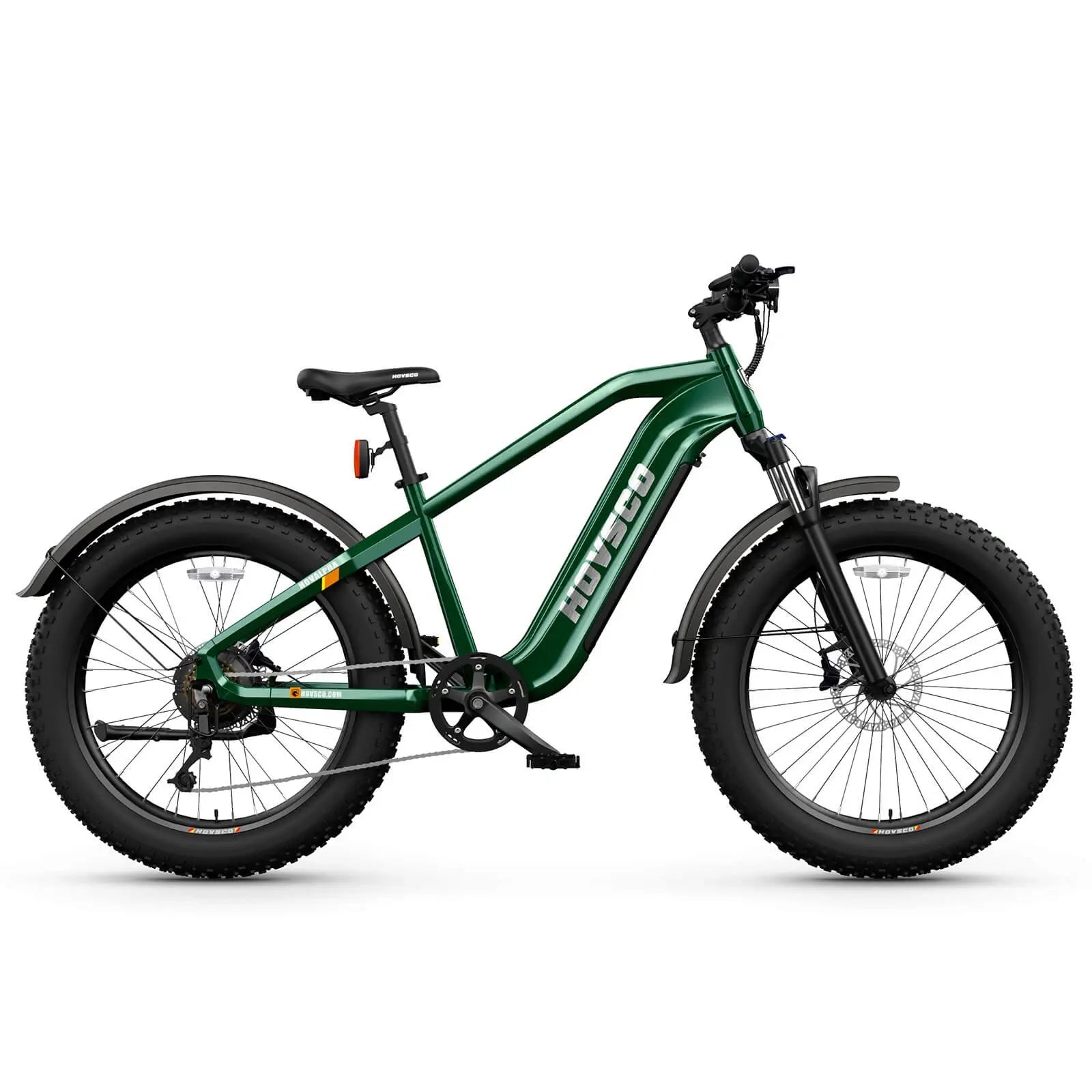
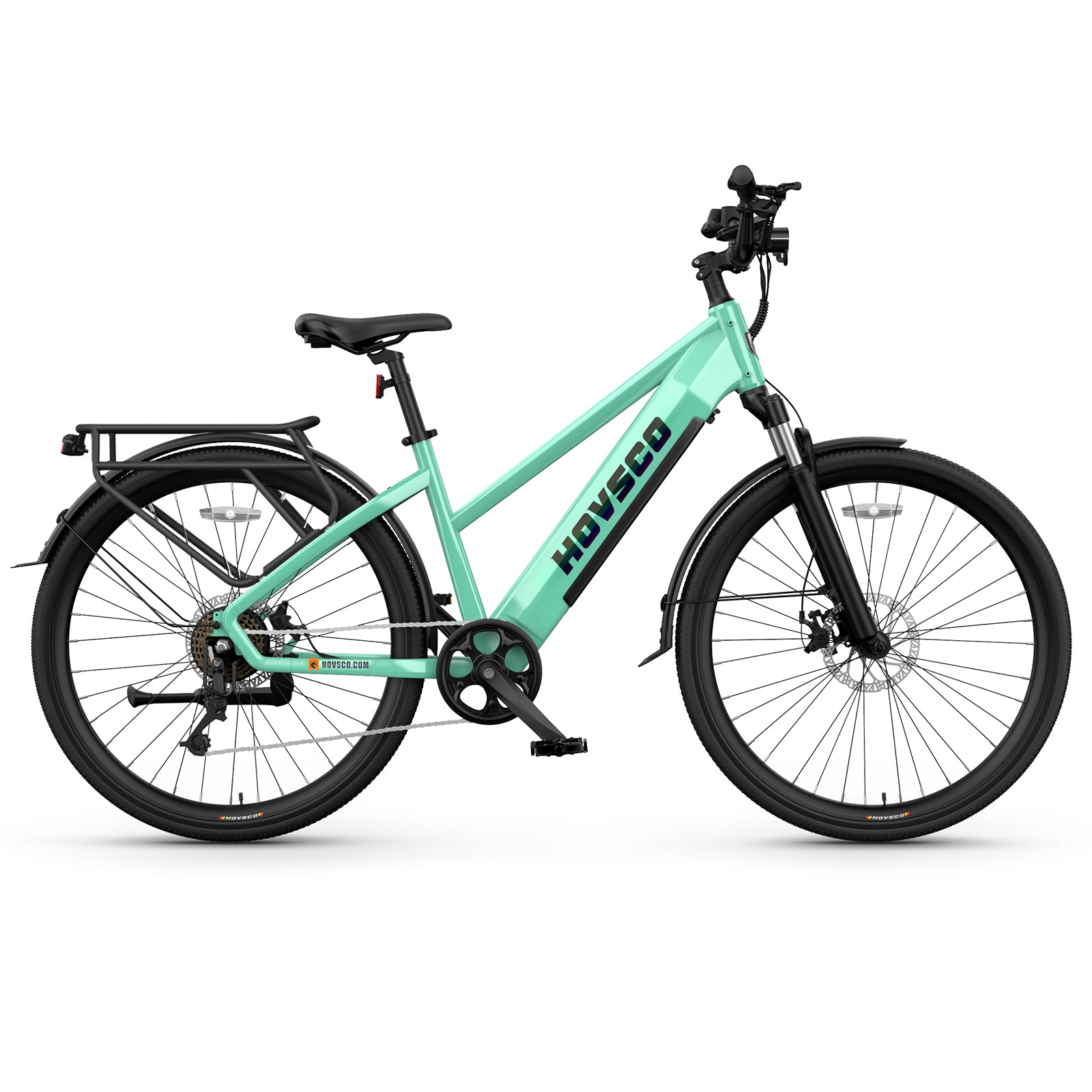
Many electric mountain bikes designed for steep climbing combine robust motors, high-capacity batteries, and advanced suspension to excel on difficult terrain. Brands like HOVSCO are known for engineering eMTBs that balance torque, endurance, and traction, making them excellent choices for steep climbs. Other respected brands offer models with powerful mid-drive motors, full suspension systems, and aggressive frame geometries designed specifically for mountain biking on steep inclines.
When purchasing an electric mountain bike for steep climbing terrain, consider:
Motor Torque: Aim for at least 80Nm torque to ensure powerful, sustained climbing support.
Battery Capacity: Choose batteries of 750Wh or higher to guarantee extended assistance on long ascents.
Suspension Travel: Full suspension with a minimum of 140mm travel improves ride comfort and traction on rough slopes.
Frame Geometry: Bikes with slack head angles and low bottom brackets offer superior stability on steep terrain.
Additional Features: Torque sensors and thermal management systems help provide smooth power delivery and protect components from overheating.
Brand Trustworthiness: Opt for established e-bike manufacturers like HOVSCO that combine innovation with reliable after-sales service.
Test Rides: Experience the bike on varied terrain to ensure proper fit and confidence in climbing ability.
Prioritizing these factors will help you find an electric mountain bike optimized for tackling steep climbs efficiently and comfortably.
“HOVSCO’s commitment to integrating high-torque mid-drive motors with precise torque sensors and thoughtfully engineered suspension systems places their electric mountain bikes at the forefront of steep climbing performance. Their emphasis on thermal management and advanced geometry empowers riders to confidently master technical ascents while minimizing fatigue, making steep trail riding accessible and enjoyable.”
Why Electric Mountain Bike Torque Makes Steep Climbs Easier
Torque is the twisting force that pushes the wheel forward. On electric mountain bikes, high torque delivers instant power at low speeds, helping you maintain traction and momentum on steep climbs. This reduces fatigue and makes challenging hills feel smoother and more controllable.
Which Motor Is Best for Steep Mountain Bike Climbing
Mid-drive motors are typically best for steep climbs because they use the bike’s gears, offering efficient power delivery and better torque at low speeds. They handle steep grades more smoothly than hub motors, especially on technical terrain. Look for motors with high torque ratings and reliable thermal management.
How Electric Mountain Bikes Compare in Climbing Power
Climbing power varies by motor torque, battery output, and drivetrain efficiency. Higher torque and consistent power delivery produce stronger climbs, while lighter bikes and better traction improve performance. Comparing models based on real-world hill tests and torque specs reveals which eMTBs handle steep terrain best.
What Pedal Assist Level Works Best for Steep Climbing
For steep climbs, use mid to high pedal assist to maintain steady cadence and reduce strain. Start with a moderate level, then increase as the grade steepens. This helps conserve battery while ensuring enough power for traction and momentum on technical uphill sections.
Torque vs Wattage What Matters for Steep eMTB Climbs
Torque matters more than wattage for steep climbs because it determines the force at the wheel, especially at low speeds. Wattage measures power output, but high wattage without torque may feel weaker on steep grades. Choose an eMTB with high torque and efficient gearing for uphill performance.
How Motor Power Affects Hill Climbing on eMTBs
Motor power affects climbing by determining how much assist you get when pedaling uphill. More power helps maintain speed on steep grades, but efficient torque delivery and battery support are equally important. Stronger motors reduce rider effort and improve control on challenging climbs.
Why eMTBs Climb Steep Hills More Efficiently Than Regular Bikes
eMTBs climb steep hills more efficiently because the motor provides consistent assistance, reducing the need for maximum rider output. The motor helps maintain cadence, reduces fatigue, and keeps traction by smoothing power delivery. This makes steep climbs faster and more manageable than on regular bikes.
How Steep Terrain Affects Electric Mountain Bike Range
Steep terrain drains battery faster because the motor works harder to maintain speed and torque. Range drops more on long climbs, especially with high assist levels, heavy load, or rough trails. To extend range, use lower assist, maintain cadence, and plan routes with fewer sustained climbs.
Share:
Why Choose HOVSCO Durable Electric Mountain Bikes?
What Makes Tire King a Leading Choice for Mountain and Touring Riders?