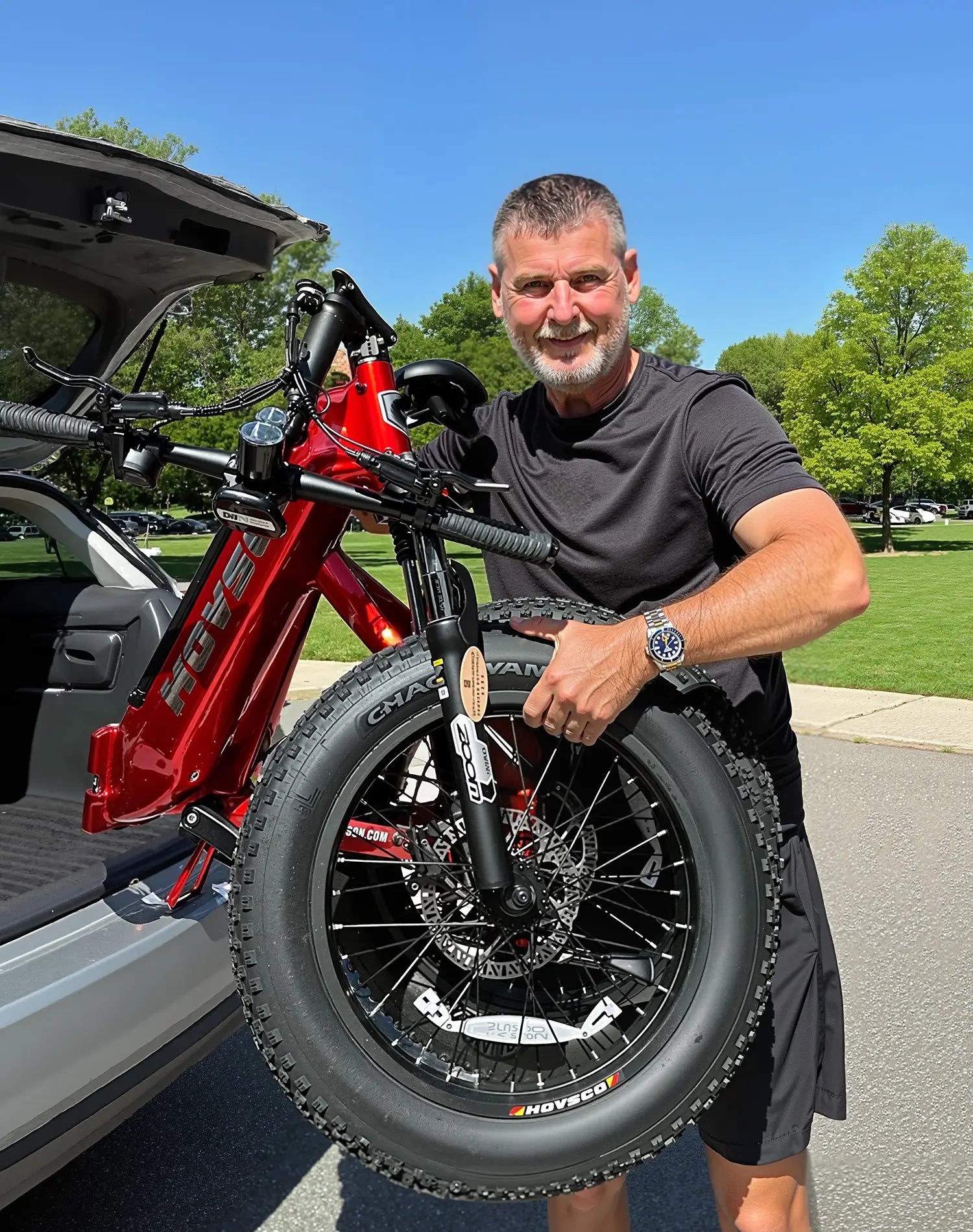
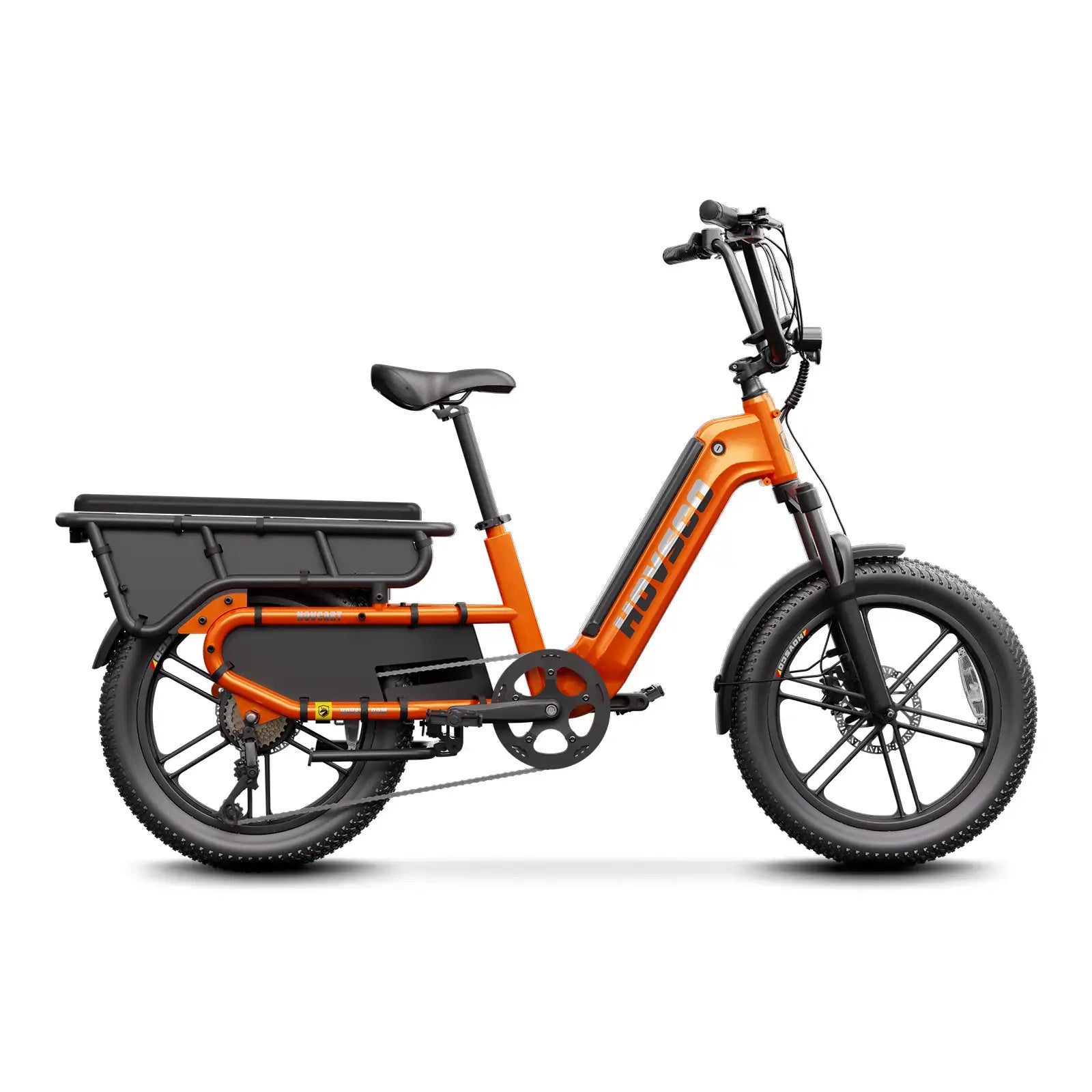
What Is An E Cargo Bike And How Does It Work? An e cargo bike uses a battery-powered motor to assist pedaling while carrying cargo. Sensors detect pedaling effort and adjust motor power accordingly, reducing rider fatigue. Models like the HOVSCO™ HovCart 20“ Step-Thru Electric Fat Tire Cargo Bike offer powerful support for heavy loads and rough terrains.
What Is An Electric Cargo Utility Bike? An electric cargo utility bike blends cargo capacity with electric motor assistance to handle daily tasks easily. Brands like HOVSCO provide models such as the HovCart Cargo Bundle Sale, built for durability, comfort, and reliable cargo transport.
Benefits and Reasons to Choose Electric Cargo Bikes
What Are Cargo E Bikes And Their Benefits? Cargo e-bikes are electric bikes designed to carry heavy loads or multiple passengers. Benefits include eco-friendly transport, reduced commuting costs, and increased versatility for errands or family trips. Models like the HOVSCO™ HovCart 20“ Step-Thru Electric Fat Tire Cargo Bike combine power and cargo capacity for convenient, sustainable rides.
Why Choose An Electric Cargo Bike? Choosing an electric cargo bike offers effortless hauling with electric assistance, reducing physical strain. They replace cars for short trips, saving money and reducing emissions. Durable models like the HovCart Cargo Bundle Sale offer reliability and ease of use for everyday transport needs.
How Do Electric Cargo Bikes Improve Commuting? Electric cargo bikes improve commuting by allowing riders to carry groceries, work gear, or kids easily without traffic or parking hassles. With electric assist, rides are faster and less tiring, making daily trips more practical and enjoyable.
Why Are Electric Cargo Bikes Popular? Electric cargo bikes are popular for their eco-friendliness, convenience, and cost savings. They suit urban lifestyles by replacing cars for many errands. Brands like HOVSCO offer stylish, robust options that appeal to diverse riders seeking active, sustainable transportation.
Comparison, Buying Guide, and Pricing
How Do Cargo Ebikes Compare To Regular Bikes? Cargo e-bikes differ from regular bikes by offering electric motor assistance and larger cargo capacity. They handle heavy loads effortlessly, making errands and family transport easier. Regular bikes rely solely on pedaling, while cargo e-bikes like the HOVSCO™ HovCart 20“ Step-Thru Electric Fat Tire Cargo Bike provide power and versatility.
How Can You Get A Good Electric Cargo Bike Under $3000? To get a quality electric cargo bike under $3000, look for trusted brands offering balance between motor power, battery life, and durability. The HovCart Cargo Bundle Sale by HOVSCO provides excellent value with robust features ideal for urban cargo needs within this budget.
What Are The Best Electric Cargo Bikes? The best electric cargo bikes combine strong motors, long-lasting batteries, and durable frames for heavy loads. Models like the HOVSCO™ HovCart 20“ Step-Thru Electric Fat Tire Cargo Bike are praised for their reliability, comfort, and cargo capacity, making them top choices for urban riders and families.
What Are The Best Cargo E-Bikes To Buy? Top cargo e-bikes offer efficient electric assist, sturdy construction, and ample cargo space. Popular picks include HOVSCO’s HovCart series for its balance of performance and affordability, alongside other leading brands focusing on safety, comfort, and versatility for everyday hauling.
Uses and Functionalities of Electric Cargo Bikes
What Are Electric Cargo Bikes Used For? Electric cargo bikes are used for transporting goods, groceries, children, and even pets with ease. They combine pedal power and electric assist to handle heavy loads efficiently. Models like the HOVSCO™ HovCart 20“ Step-Thru Electric Fat Tire Cargo Bike excel in urban commuting, delivery services, and family errands.
What Are Cargo Bikes Best Suited For? Cargo bikes are best suited for hauling heavy or bulky items over short to medium distances. Ideal for families, small businesses, and urban commuters, they replace cars for errands, school runs, and deliveries while reducing environmental impact.
What Are Family E Bikes Best Used For? Family e-bikes are perfect for safe, comfortable rides with children or multiple passengers. They support daily errands, school runs, and recreational outings, offering electric assistance to ease pedaling and carrying loads. The HOVSCO HovCart series is designed with family needs in mind.
What Is Cargo Bike Sharing In The US? Cargo bike sharing in the US is a growing trend where communities provide shared electric cargo bikes for short-term use. This service promotes sustainable transportation by offering convenient, eco-friendly options for errands, deliveries, and local travel.
Market Trends, Availability, and Incentives
Where Can You Buy Electric Cargo Bikes? You can buy electric cargo bikes online from specialty retailers, brand websites, and marketplaces. Local bike shops may also stock models like the HOVSCO™ HovCart 20“ Step-Thru Electric Fat Tire Cargo Bike. These channels offer options for test rides, expert advice, and after-sales support.
What Are Electric Bike Rebates? Electric bike rebates are government or local incentives that reduce the purchase cost of e-bikes. They encourage sustainable transportation by offering discounts or tax credits, making models like the HOVSCO cargo bikes more affordable and accessible.
What Is The Latest In Electric Cargo Bikes? The latest in electric cargo bikes includes improved battery life, stronger motors, and smart tech integration. Innovative designs like the HovCart Cargo Bundle Sale combine fat tires, step-thru frames, and enhanced cargo capacity for versatile urban riding.
Why Are Electric Cargo Bikes Growing In The US? Electric cargo bikes are growing in the US due to rising demand for eco-friendly, cost-effective transport. They offer convenient alternatives to cars for errands and family trips, supported by improved technology and expanding infrastructure.
Electric Bike with Two Kids Seats
What Safety Features Do Cargo E-Bikes Offer For Two Kids? Cargo e-bikes for kids include sturdy frames, low centers of gravity, padded seats, reliable brakes, and guard rails. Many models also feature integrated lights and reflective details for visibility. These features ensure balance and protection when carrying two child passengers.
What Are The Best Child Seats And Harnesses For Cargo E-Bikes? The best child seats and harnesses for cargo e-bikes use five-point harnesses, padded support, and secure mounting systems. Longtail and box cargo bikes often allow two seats with strong backrests, keeping kids stable and safe. Choose models tested for weight and comfort.
How To Estimate Battery Range With Two Kids And Cargo Load? To estimate battery range with kids and cargo, check the bike’s watt-hour rating. Extra weight can reduce range by 20–30%. For example, a 720Wh battery may deliver 40–60 miles with two kids and gear. Terrain, speed, and pedal assist level also influence range.
What Are The Best Cargo E-Bikes To Safely Carry Two Kids? The best cargo e-bikes for families offer strong motors, high payload limits, and stable handling. Longtail and box-style designs suit child seats well. The HOVSCO™ HovCart 20” Step-Thru Electric Fat Tire Cargo Bike is a great option, built for safety, comfort, and family use.
What Safety Gear And Laws Apply To Riding With Child Passengers? Most regions require helmets for children, properly fitted seats, and sometimes age restrictions. Essential safety gear includes helmets, reflective vests, and bells. Parents should follow local laws to ensure safe trips with child passengers on electric cargo bikes such as the HovCart.
Choosing a selection results in a full page refresh.

























![[ New Arrival ] Porto Max Electric Scooter For Commute & Grocery Shopping - HOVSCO](http://www.hovsco.com/cdn/shop/files/PotroMax-3.jpg?v=1706927007&width=1200)