


- by HOVSCO Official
Why Bike Riding Can Increase Mobility for Seniors
- by HOVSCO Official
E-Bikes
 Free Shipping
 15-Day Returns
 2-Year Warranty
Shop By Models
Shop By Style
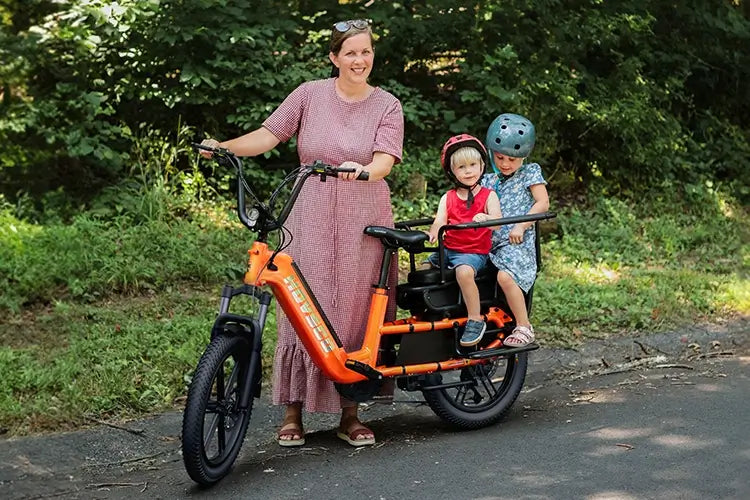
For seniors, bike riding enhances mobility by delivering low-impact exercise that strengthens leg muscles, improves joint flexibility, enhances balance and coordination, boosts cardiovascular health, and elevates mental well-being—promoting independence, reducing fall risk, and supporting a vibrant, active lifestyle.
Cycling provides low-impact exercise that minimizes stress on fragile joints—ideal for seniors with arthritis or joint stiffness. The smooth, repetitive pedaling motion lubricates joints and increases range of motion, reducing pain and stiffness while strengthening lower-body muscles (calves, thighs, glutes), which helps support joints, improve mobility, and reduce the risk of falls.
Bike riding delivers significant mental benefits by reducing stress and anxiety while promoting the release of “feel-good” endorphins, improving mood, and supporting brain health. Outdoor cycling provides exposure to nature and sunlight, which can enhance sleep quality and vitamin D, while group rides foster social connection, helping reduce loneliness and increase community engagement.
Regular cycling elevates heart rate, bolsters cardiovascular health, improves lung function, and promotes better circulation. A study found that just one hour per week significantly improved older adults’ balance, reducing fall vulnerability. Improved balance, coordination, and muscular strength all contribute to safer, more confident movement and mobility.
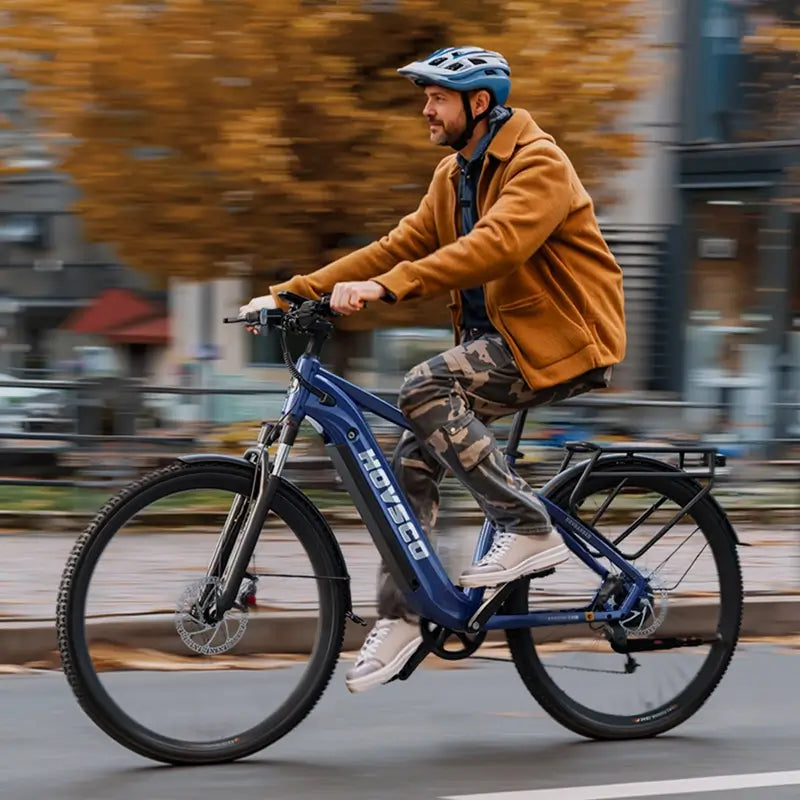
E-bikes reduce physical strain by offering pedal-assist power, helping seniors navigate hills and cover longer distances with less effort. This technology increases accessibility, enabling seniors with varying fitness levels to enjoy cycling longer and more frequently. E-bikes, as described by participants in aging surveys, allow ongoing independence and mobility even when driving becomes challenging.
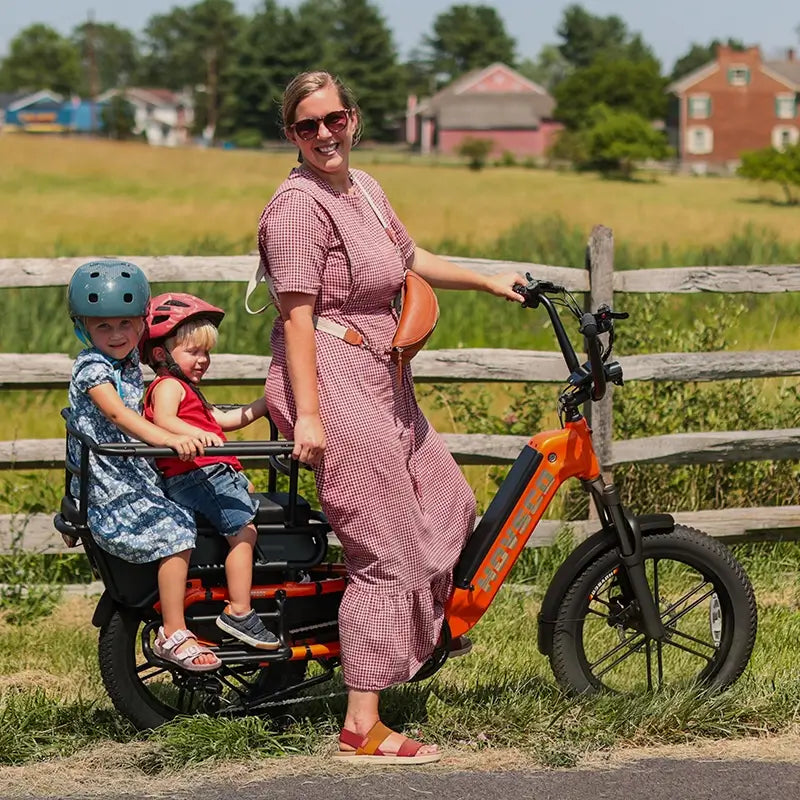
Cycling empowers seniors with a mode of transport that enhances independent mobility, reducing reliance on others or public transit. Many older adults report using bikes, especially e-bikes, for local trips, enabling them to stay engaged in daily activities. This flexibility fosters autonomy, enriches routine life, and can even support longer lifespans by maintaining activity levels.
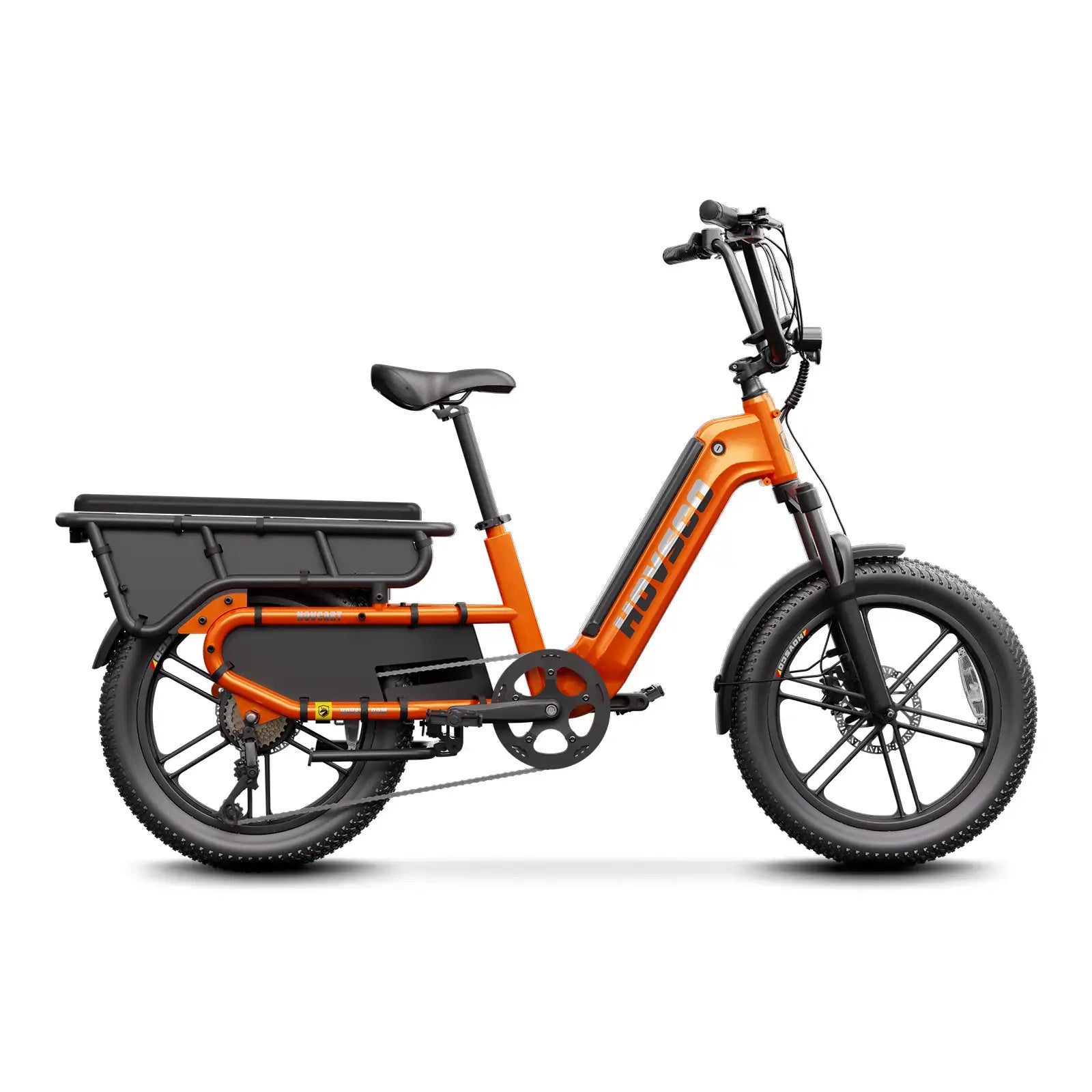
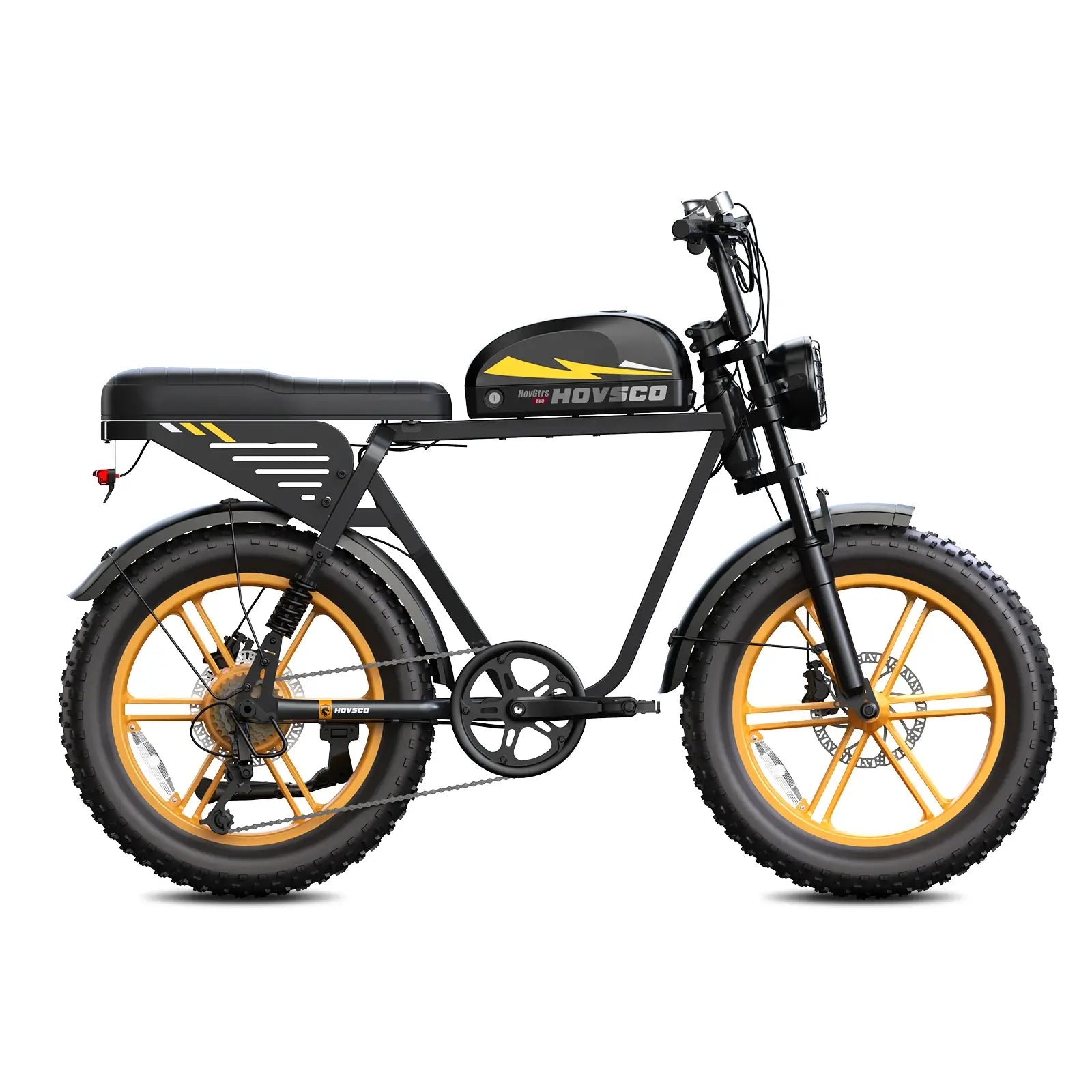
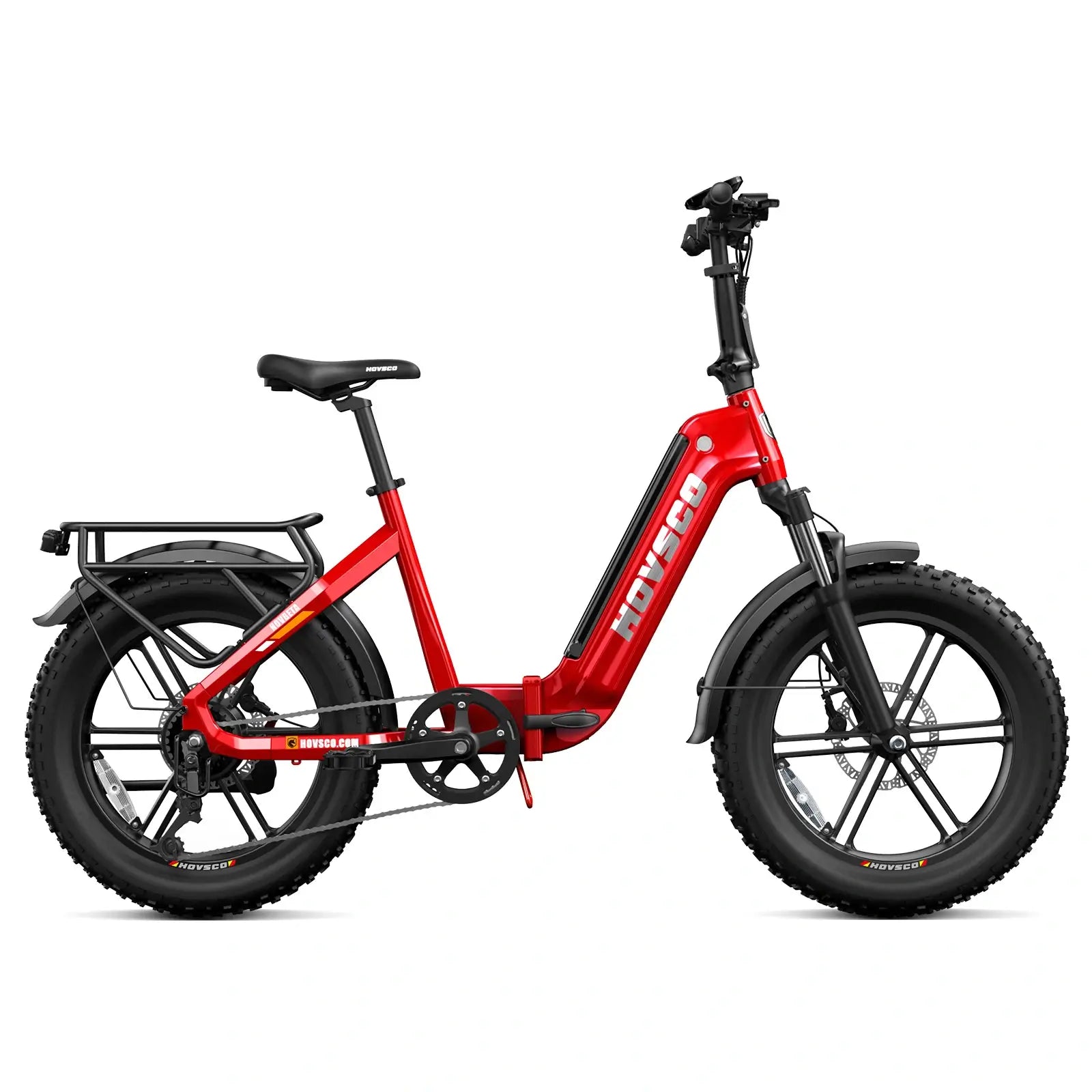
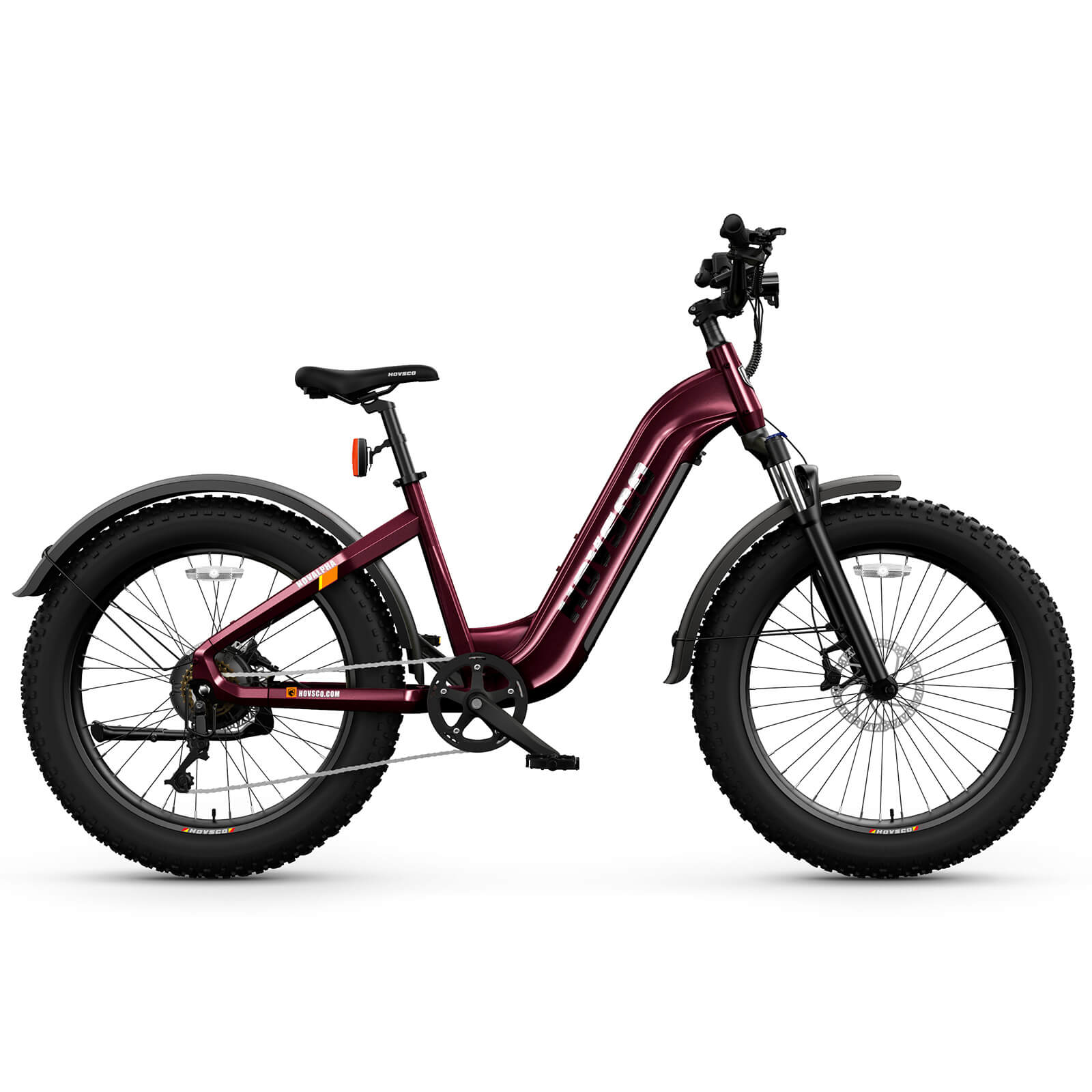
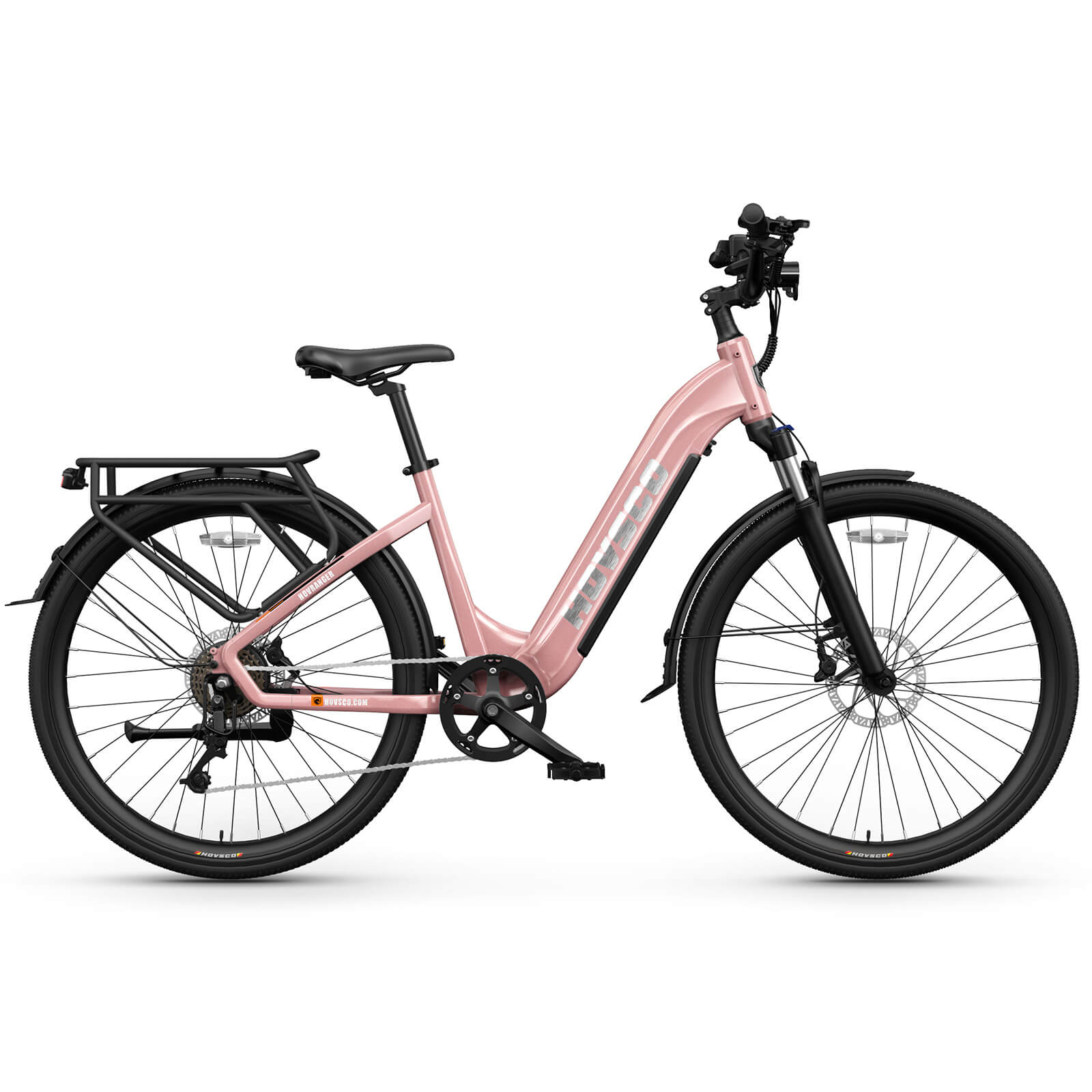
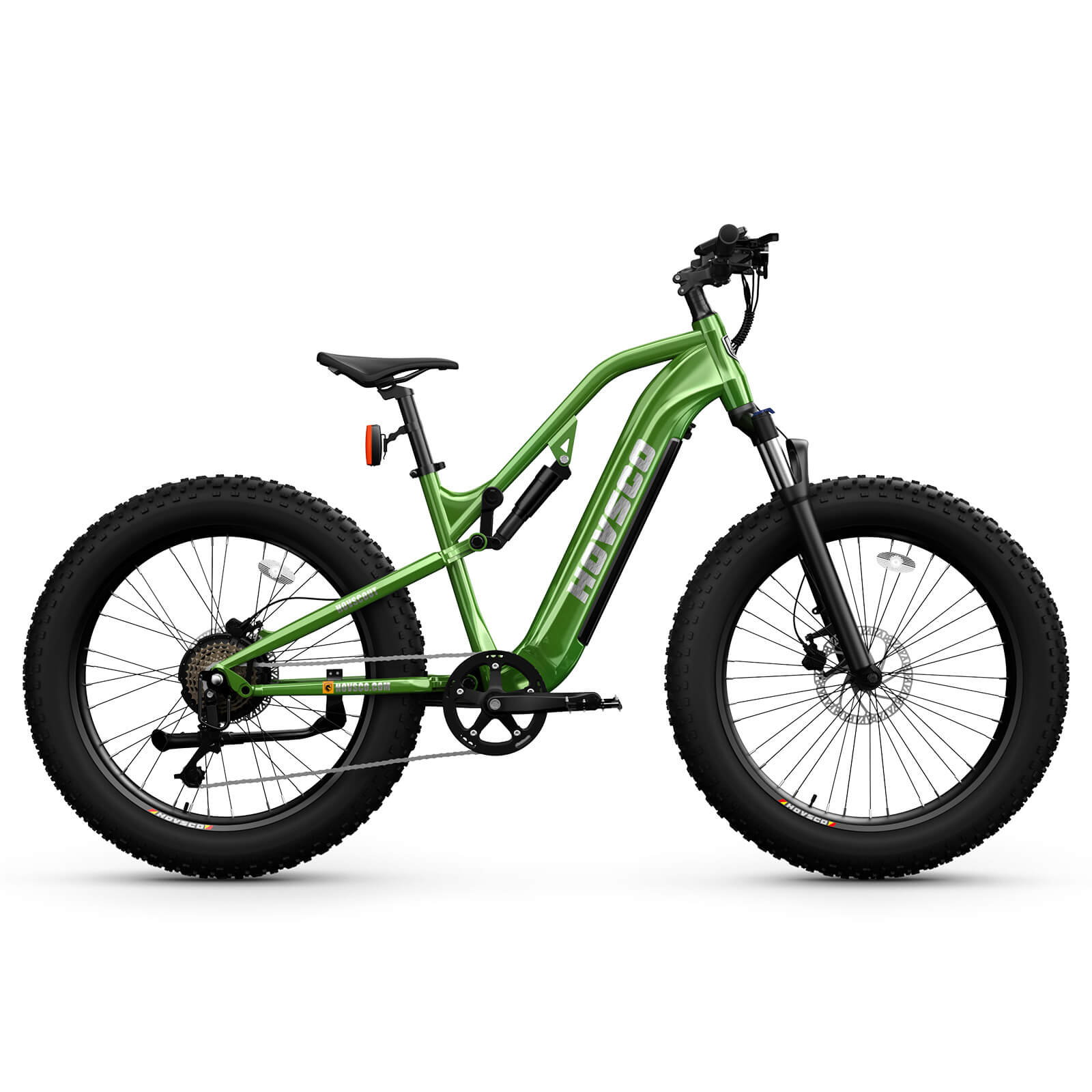
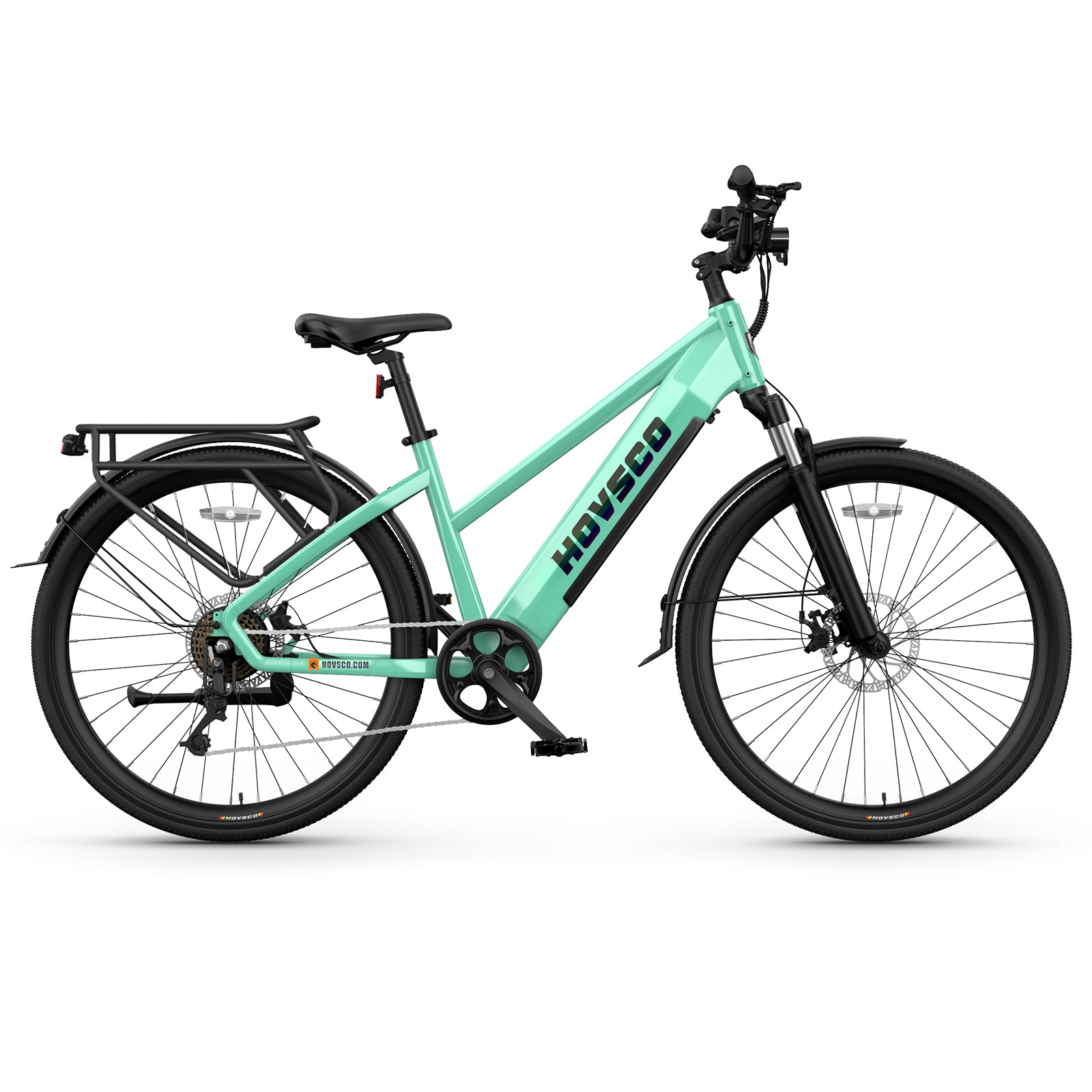
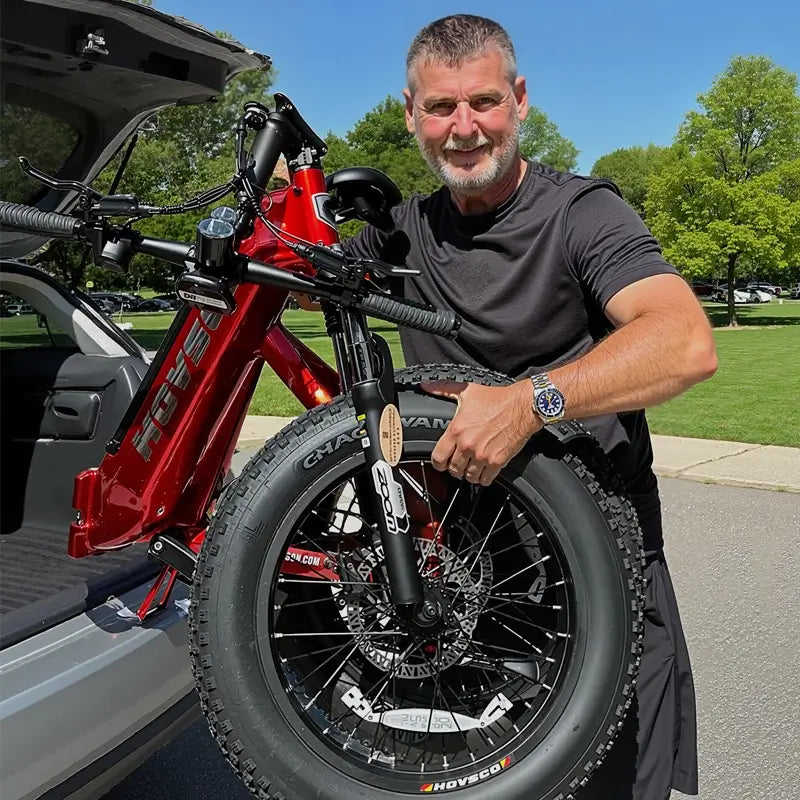
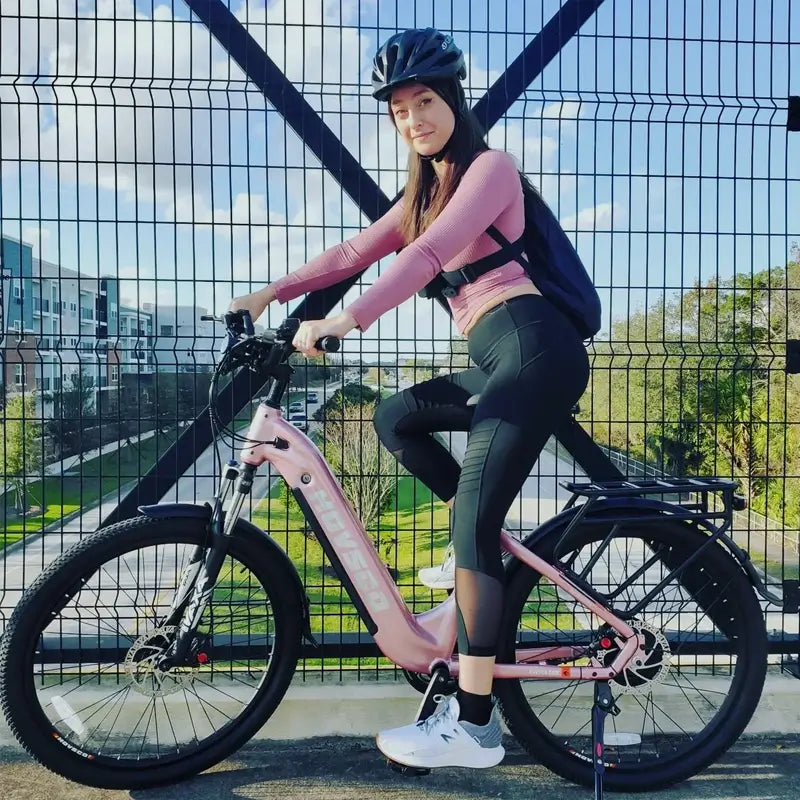
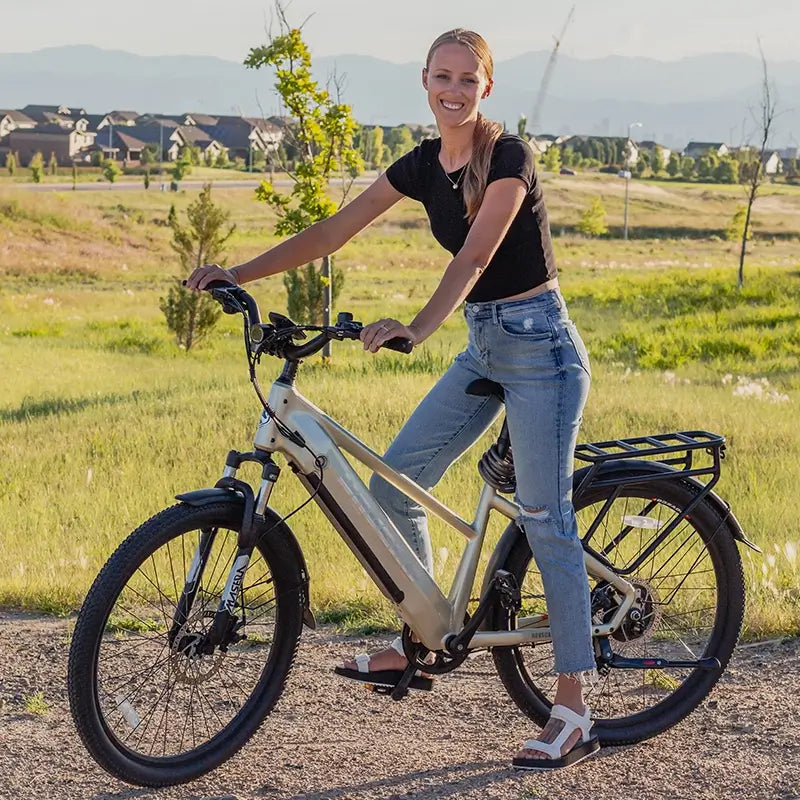
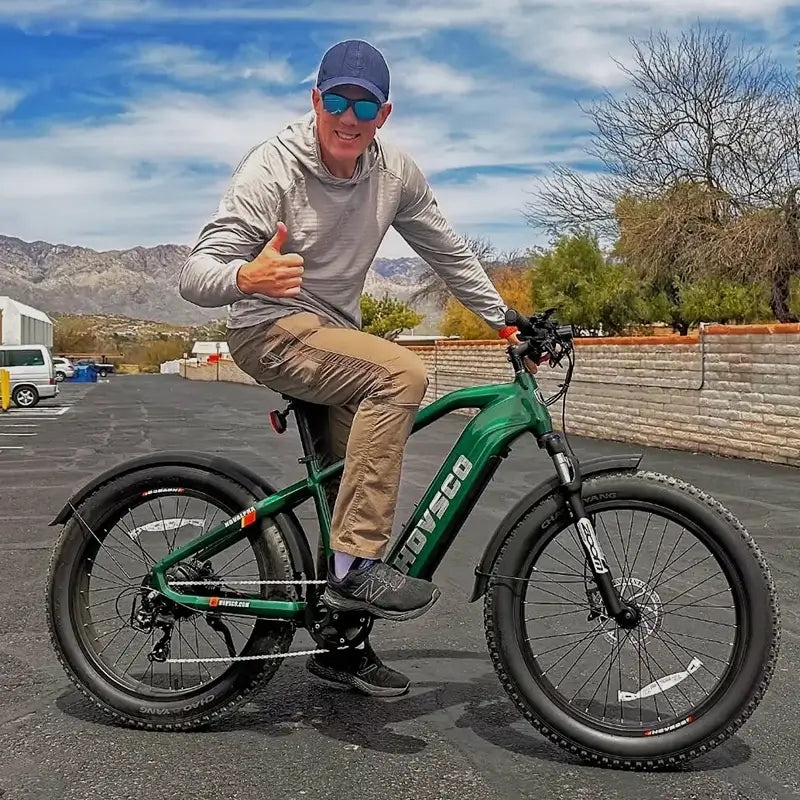
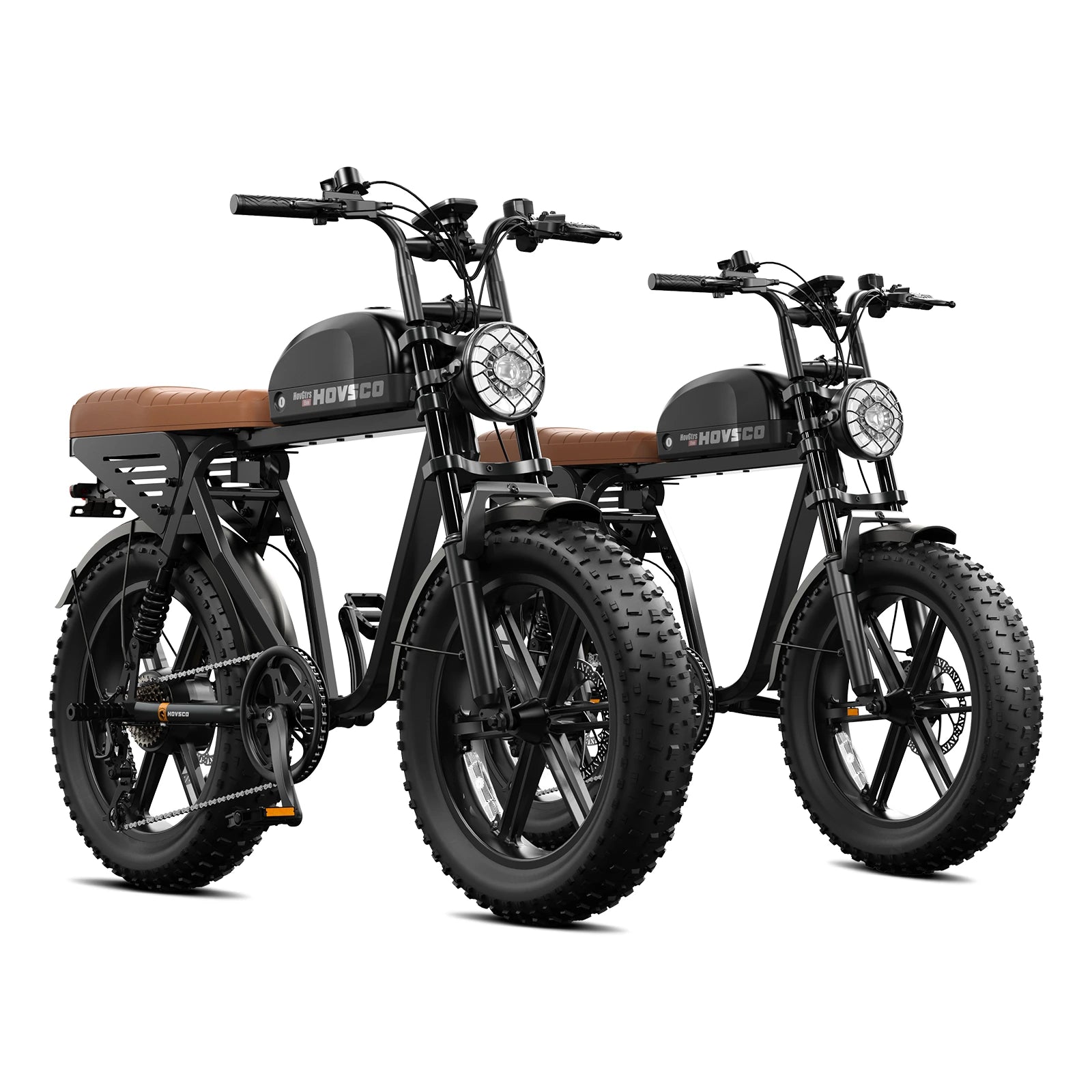
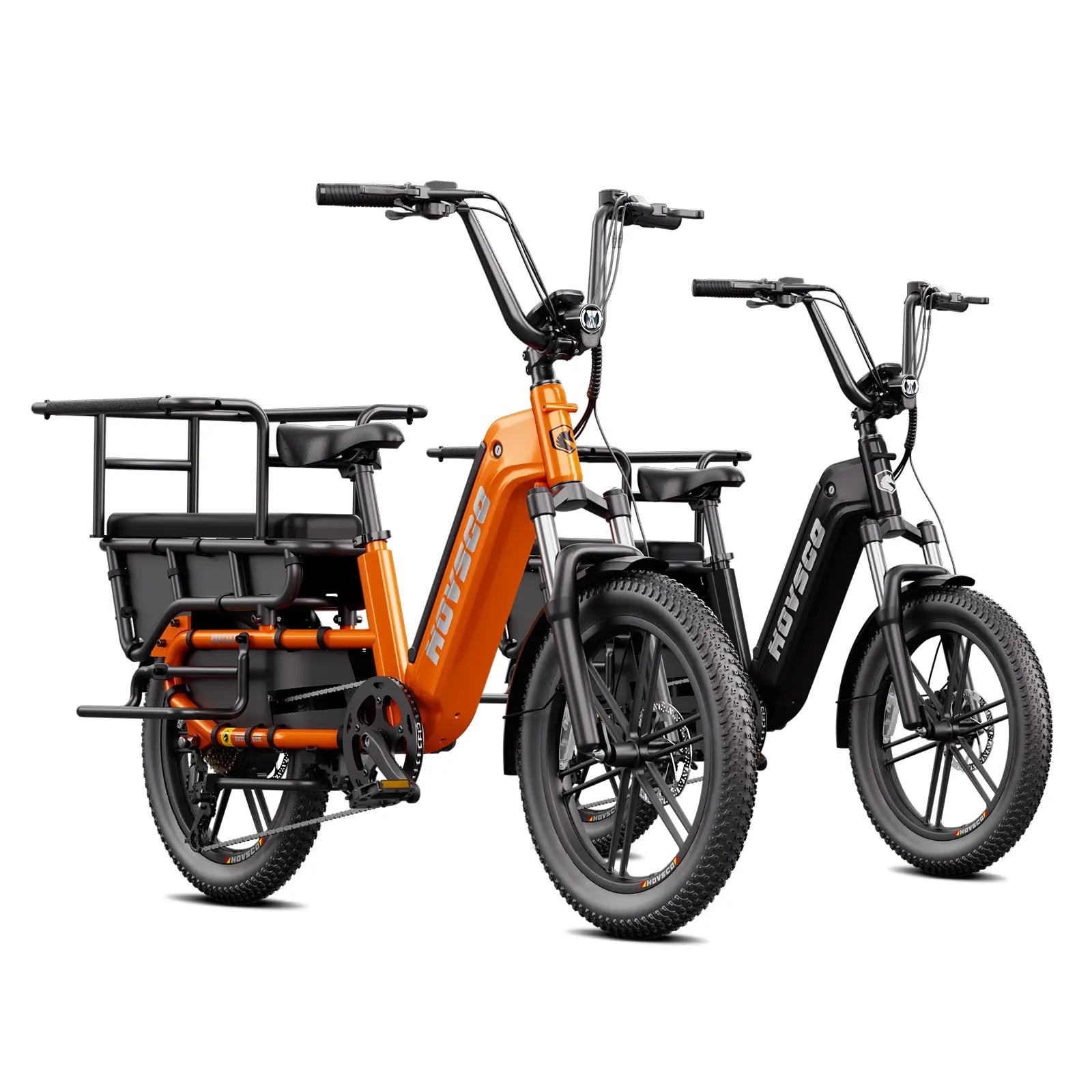
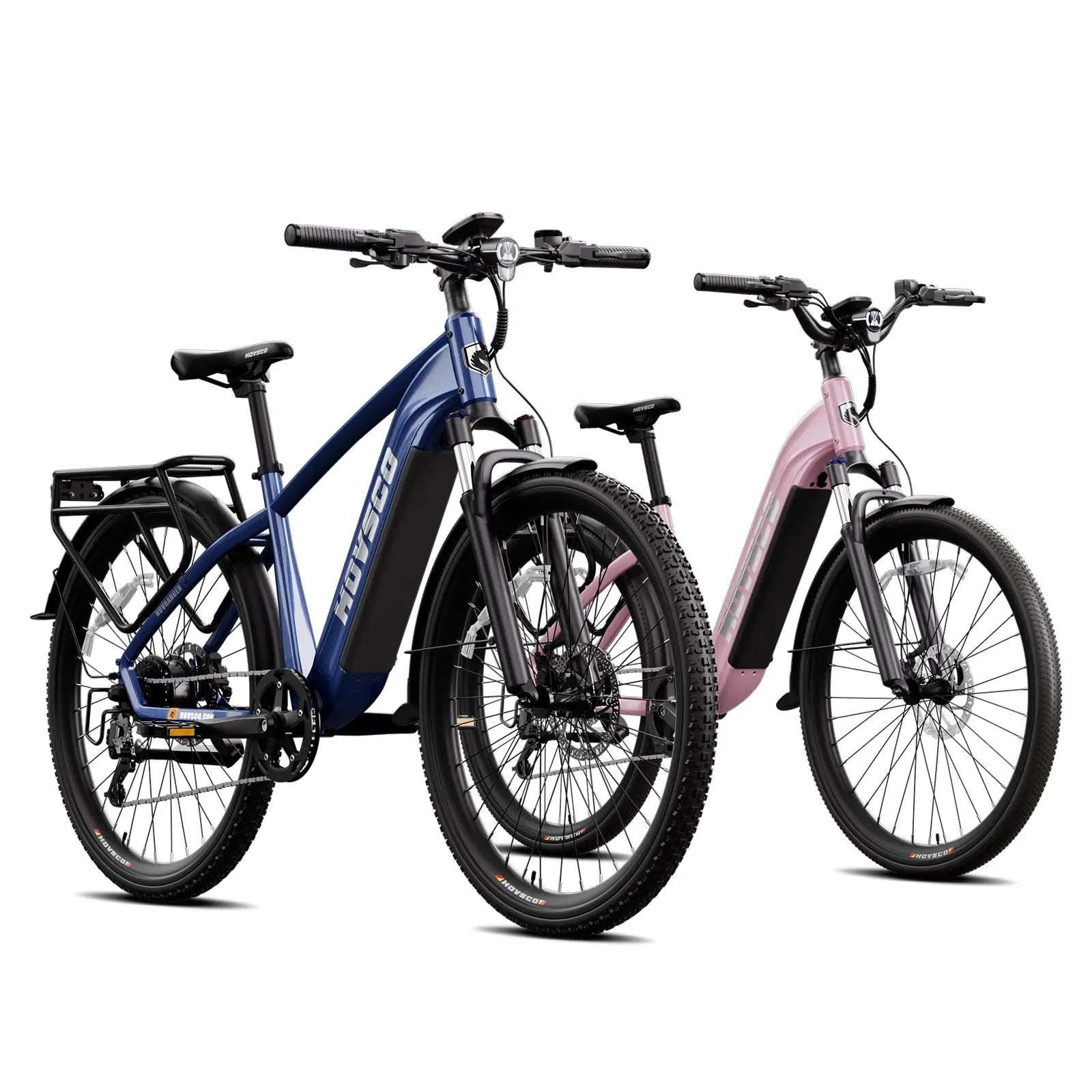
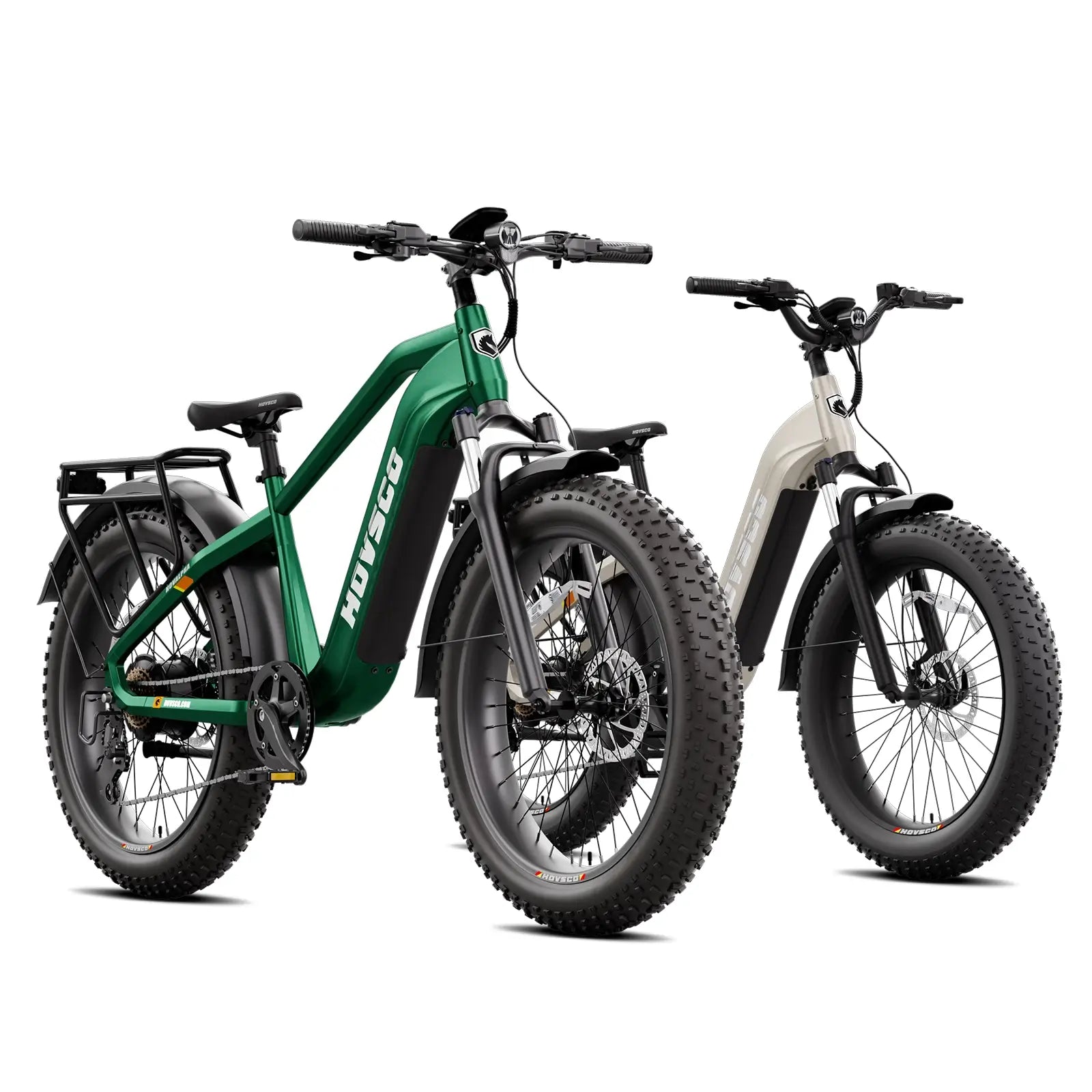
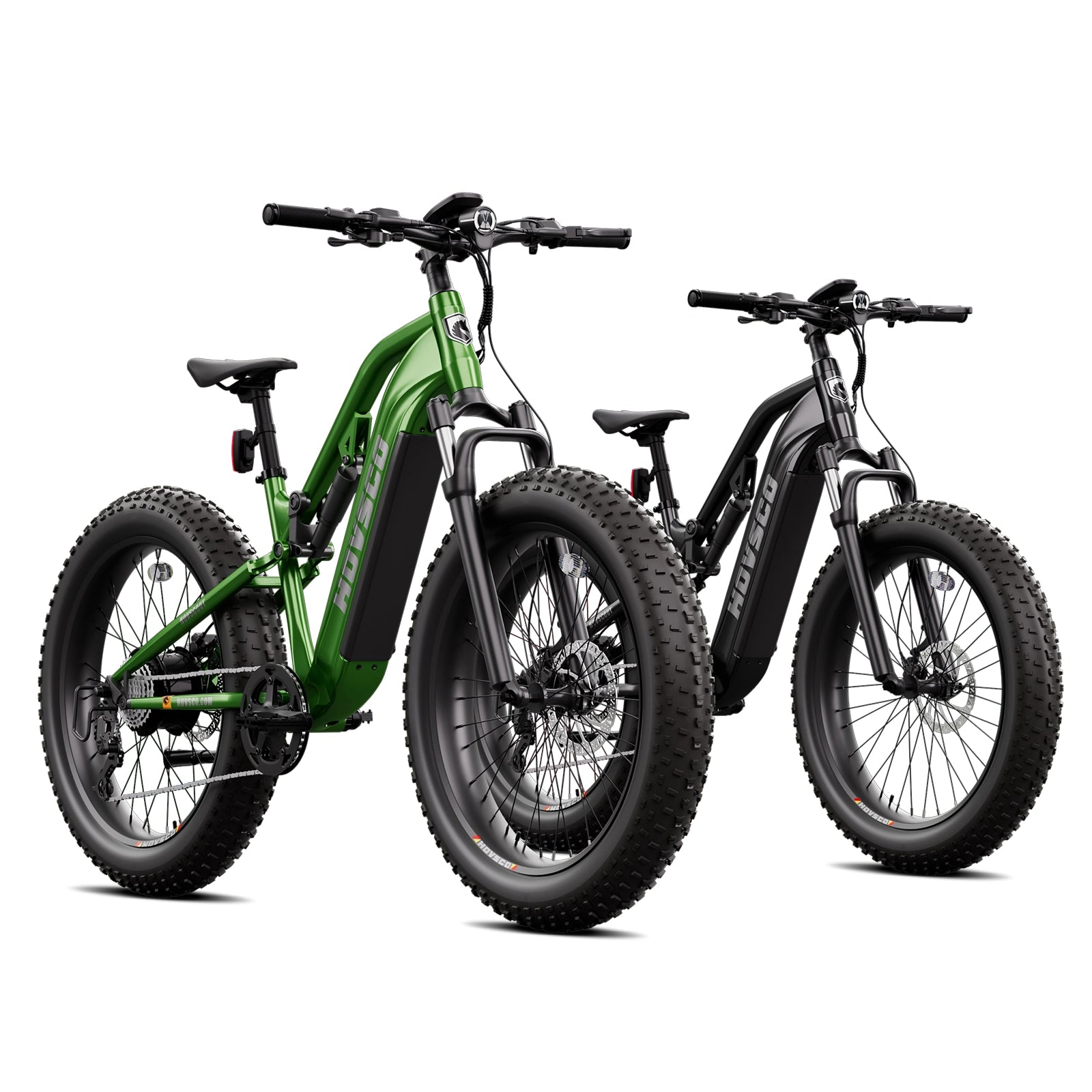
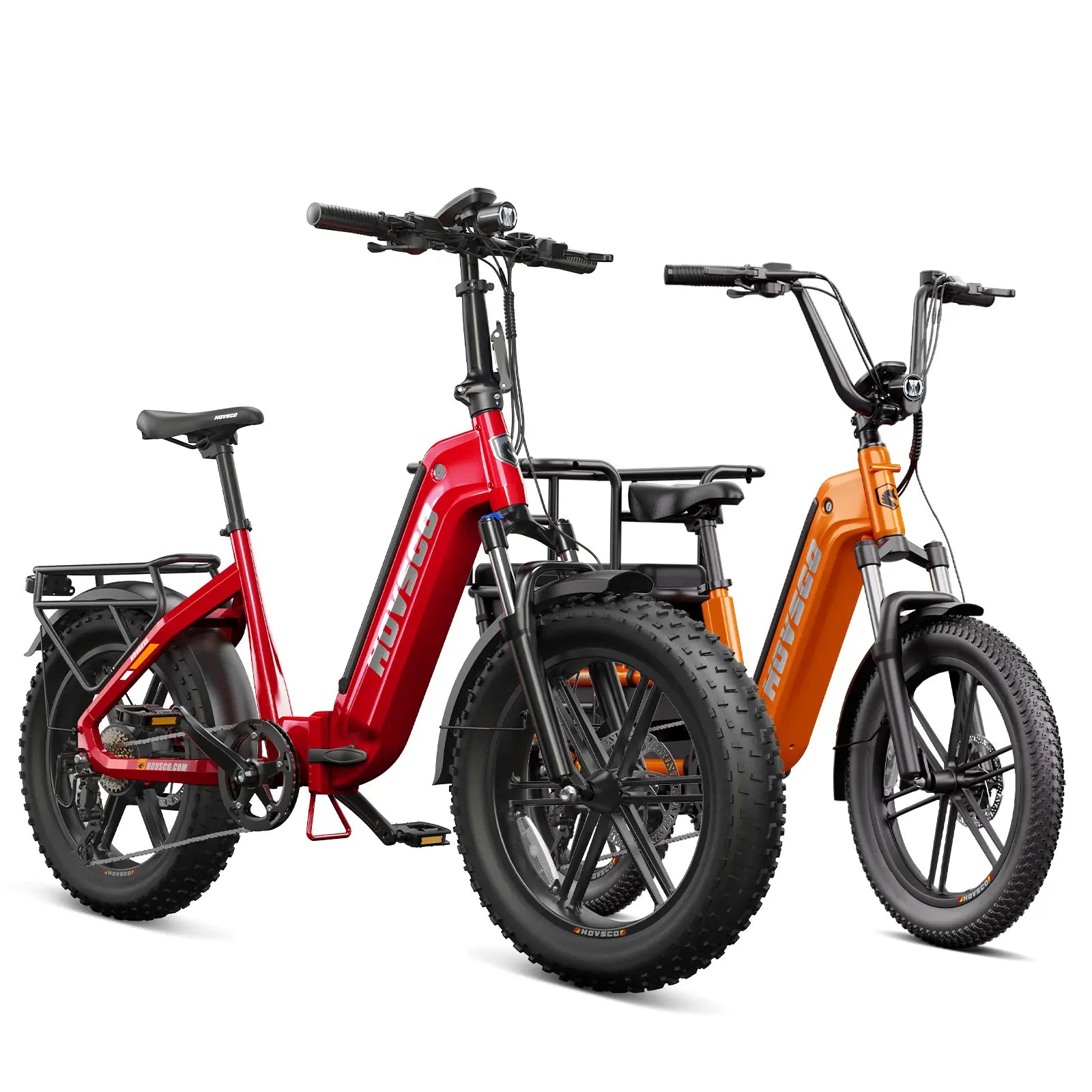
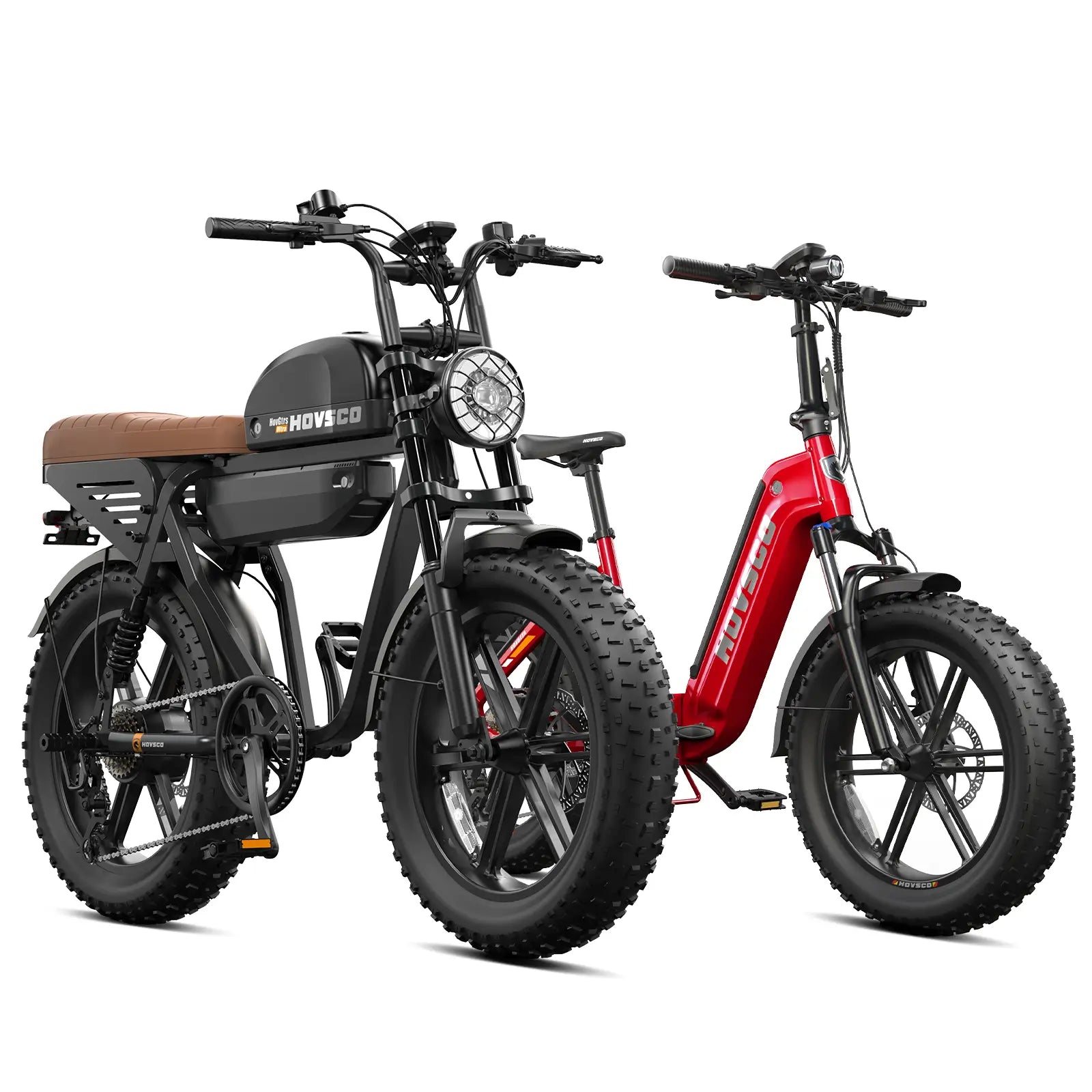
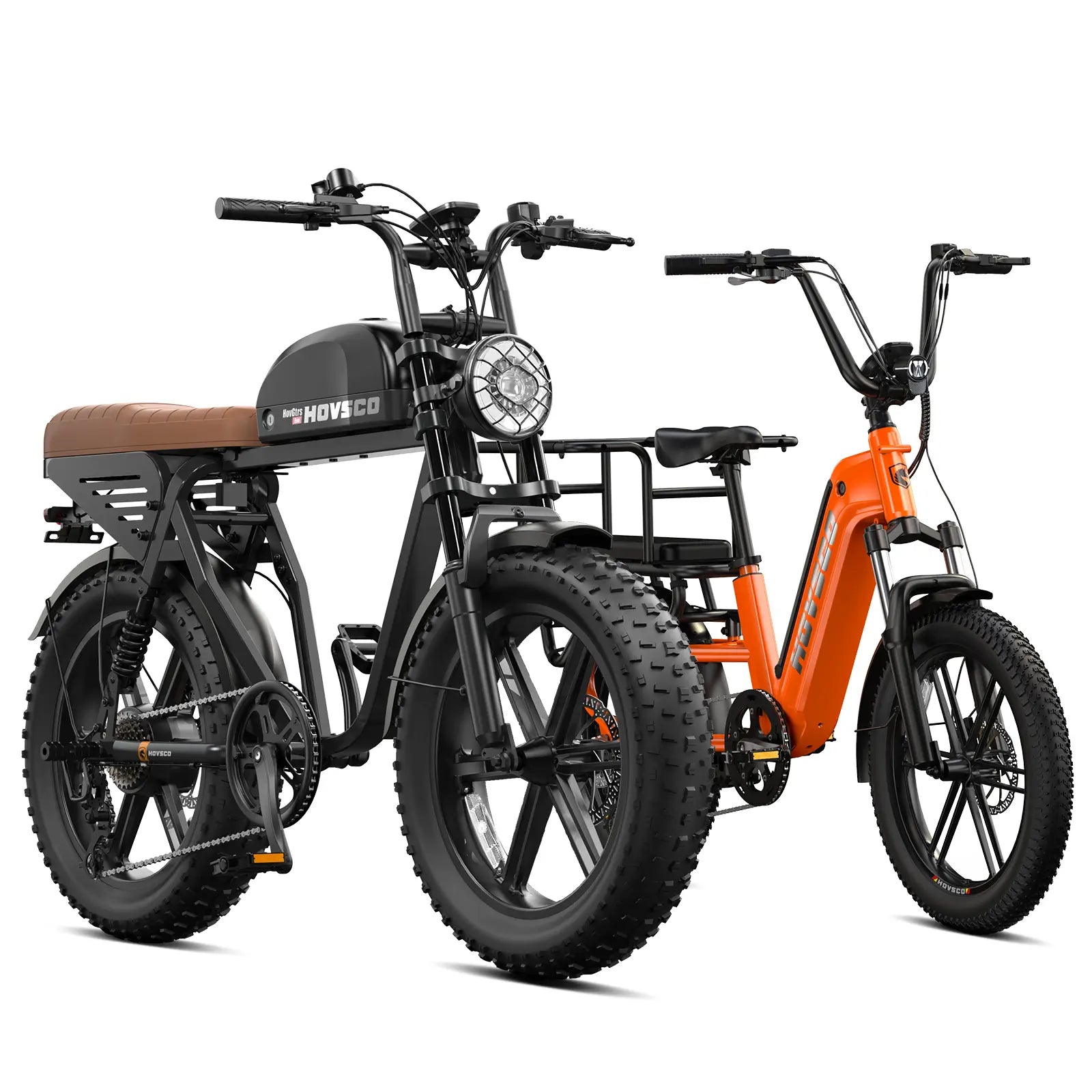
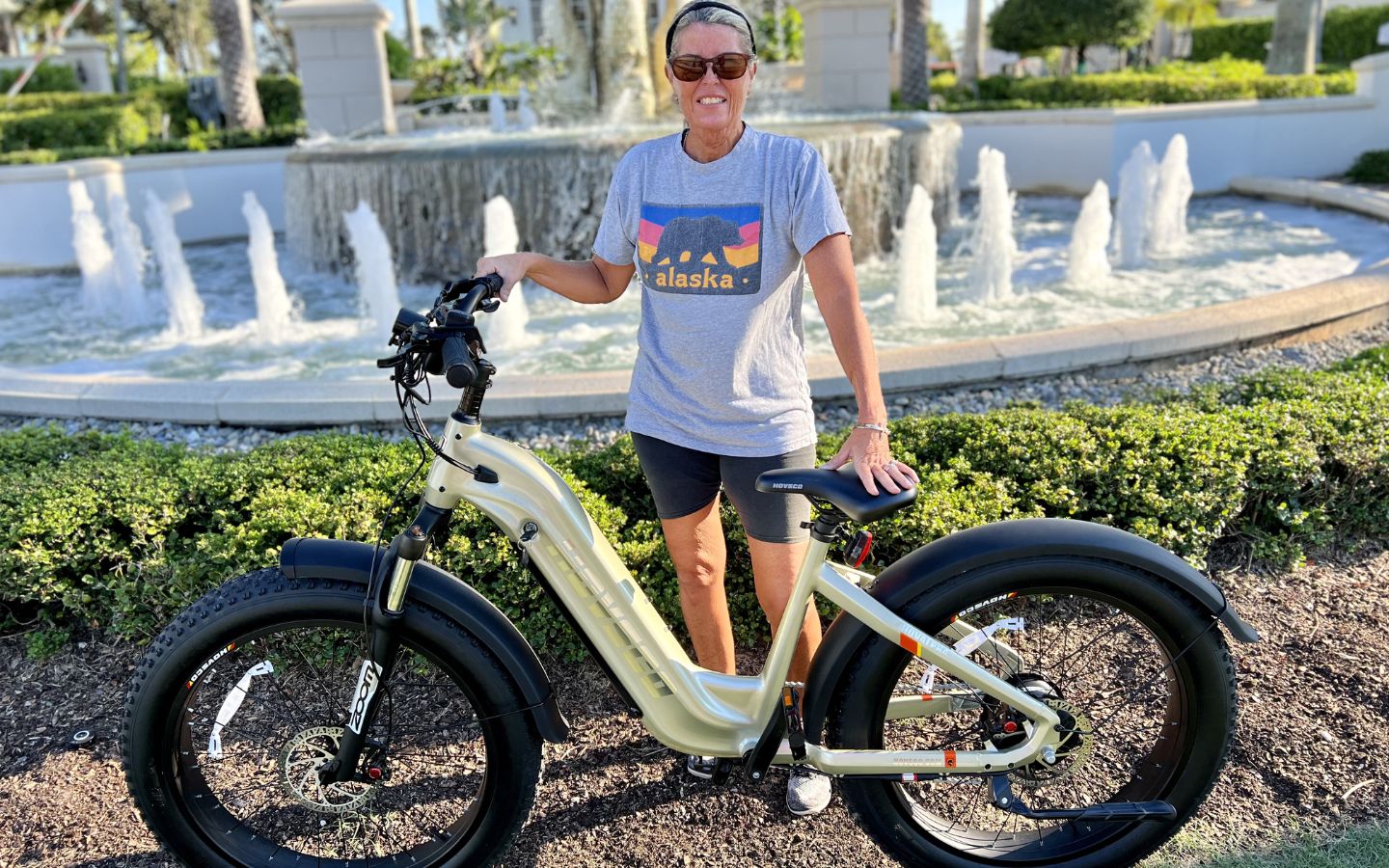
When selecting a bike to enhance senior mobility, prioritize low-impact ride quality, adjustable ergonomics, and supportive features. Consider e-bikes with pedal-assist systems, comfortable seating, step-through frames, and reliable brakes—these optimize accessibility and safety. HOVSCO designs e-bikes that blend low-impact pedaling, ergonomic comfort, and intuitive assist systems, helping seniors stay mobile, independent, and confident in their rides.
“Our design ethos focuses on making cycling effortless for seniors—integrating pedal assist with gentle geometry means enhanced mobility with minimal strain.”
“Maintaining senior independence through activity is our mission. E-bikes that support low-impact exercise and balance give older riders the freedom they deserve.”
Can seniors with joint pain safely ride a bike?
Yes. Cycling’s low-impact, smooth pedaling motion reduces stress on joints while improving flexibility, strength, and mobility.
How often should seniors cycle to benefit mobility?
Aim for at least one hour per week. Even modest, regular cycling improves balance, cardiovascular health, and mood.
Are e-bikes safe for elderly riders?
E-bikes offer pedal-assist that reduces strain and extends range. When paired with proper training, safe routes, and gear, they are a phenomenal way for seniors to stay active.
Can cycling actually reduce fall risk?
Yes. Cycling enhances balance and coordination. Studies show improved balance with just one hour per week of cycling, helping lower fall susceptibility.
What mental health benefits do seniors gain from cycling?
Cycling raises endorphin levels, lowers stress, and mitigates symptoms of anxiety or depression. Outdoor rides and social engagement also boost mood and cognitive wellness.
Share:
How Does the Hovsco HovCart Compare to the Aventon Abound? The Ultimate Cargo E-Bike Showdown
How Does the HOVSCO HovBeta Compare to the Rad Power RadExpand 5? Best Folding Electric Bike Comparison