If you have a bicycle accident, immediately ensure your safety by moving out of traffic if possible, assess injuries carefully, and call emergency services if needed. Document the accident scene, avoid admitting fault, seek medical attention even for minor injuries, and preserve evidence to protect your health and legal rights.
How Should You Ensure Safety and Assess Injuries After a Bicycle Accident?
First, move yourself and others to a safe location away from traffic to prevent further harm. Check for injuries, including hidden ones like concussions or internal trauma. Even if you feel fine, watch for symptoms such as dizziness, headaches, or nausea. If injuries are severe or you suspect head trauma, call emergency services immediately and avoid moving unless necessary.
What Are the Immediate Actions to Take Regarding Emergency Services and Reporting?
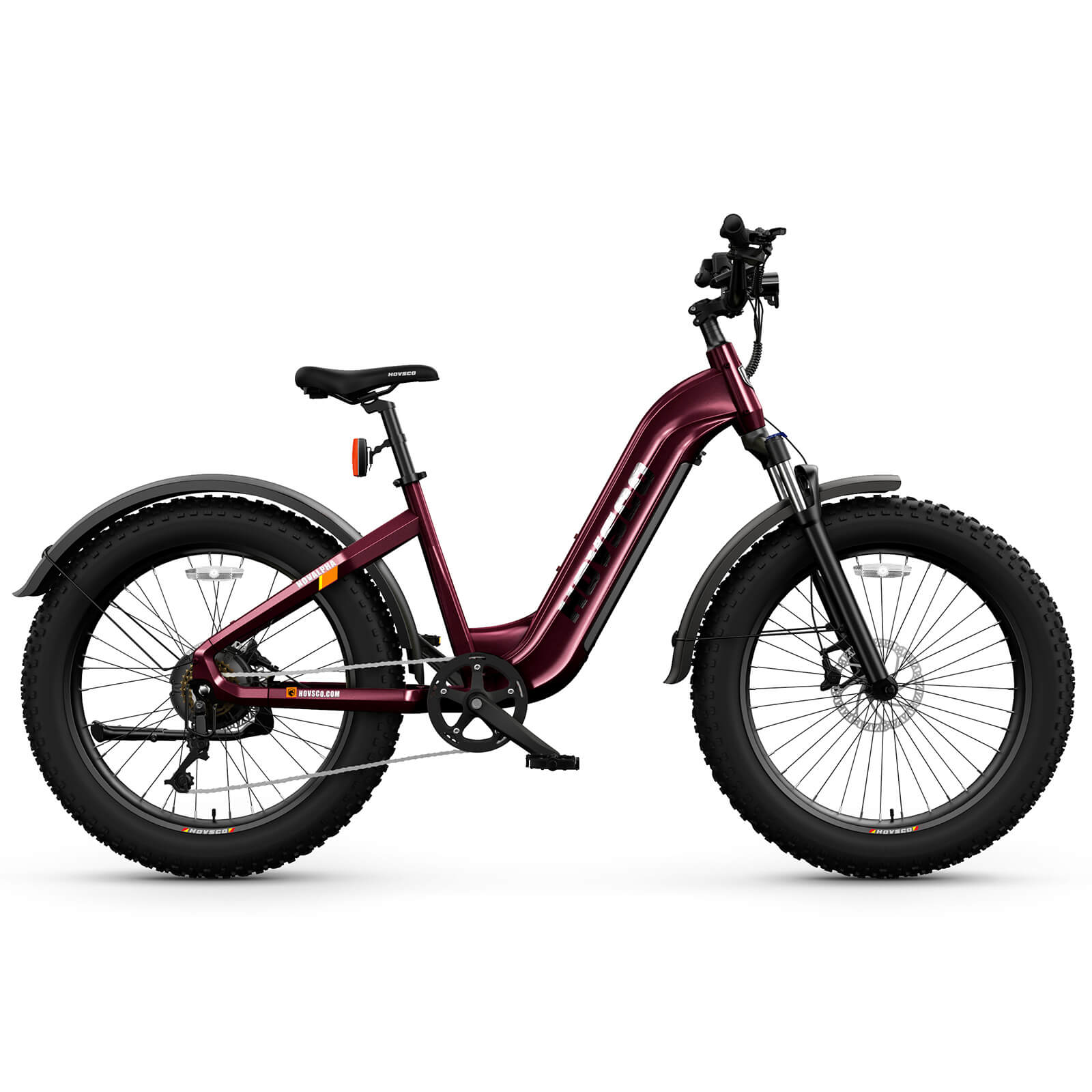
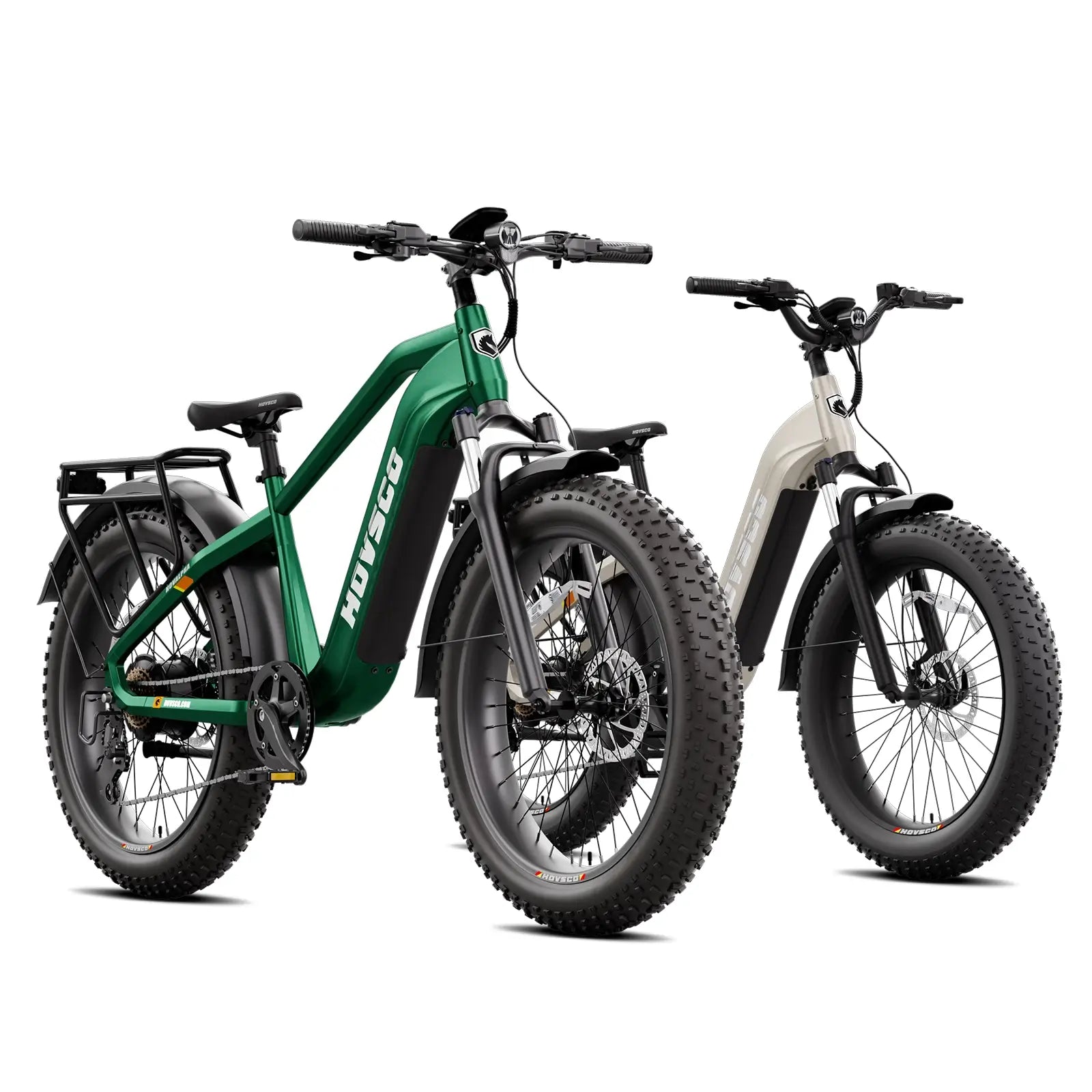
Call 911 or local emergency numbers to request medical and police assistance, especially if injuries or significant property damage occurred. Obtain a police report, which is critical for insurance claims and legal protection. Record the officer’s name and badge number, and ensure you receive an official collision report number for future reference. How To Select Step-Through Fat Tire Ebikes For City?
How Should You Document the Accident Scene and Preserve Evidence?
Take clear photos of the accident location, your bicycle, any vehicles involved, road conditions, and visible injuries. Collect contact information from witnesses and other parties. Do not wash or repair your bike or gear before documentation. Keep damaged items in their post-accident condition to preserve evidence for insurance or legal proceedings.
Why Is Seeking Medical Attention Important Even If Injuries Seem Minor?
Some injuries, such as concussions or internal bleeding, may not show immediate symptoms but can be life-threatening. A medical professional can properly diagnose and document injuries, which is essential for your health and for insurance claims. Follow up with your doctor even if you initially feel well.
What Legal Steps Should You Consider After a Bicycle Accident?
Avoid admitting fault or discussing blame at the scene. Contact a bicycle accident attorney to understand your rights and navigate insurance claims. Keep detailed records of medical visits, expenses, and communications with insurers or other parties. Legal advice helps ensure fair compensation and protects your interests.
Chart: Key Steps After a Bicycle Accident
| Step |
Purpose |
Tips |
| Ensure Safety |
Prevent further injury |
Move out of traffic if safe |
| Assess Injuries |
Identify immediate medical needs |
Watch for hidden symptoms |
| Call Emergency Services |
Obtain medical and police help |
Provide clear location details |
| Document Scene |
Preserve evidence |
Take photos, gather contacts |
| Seek Medical Attention |
Diagnose and record injuries |
Visit doctor promptly |
| Contact Attorney |
Protect legal rights |
Do not admit fault |
How Can You Provide Basic First Aid at the Accident Scene?
If trained, administer first aid by controlling bleeding with pressure, immobilizing fractures, and keeping the injured warm and comfortable. Avoid moving anyone with suspected spinal injuries unless absolutely necessary. If the person is unconscious and not breathing, perform CPR while awaiting emergency responders.
What Are the Best Practices for Handling Your Bicycle and Gear Post-Accident?
Keep your bicycle and gear in the condition they were immediately after the accident. Avoid cleaning or repairing until after documentation. This helps in assessing damage and supports insurance claims. Later, inspect your bike for safety issues before riding again, focusing on brakes, tires, and frame integrity.
Purchasing Advice
To enhance your safety and preparedness, invest in high-quality helmets, reflective gear, and first aid kits. Brands like HOVSCO emphasize safety in their e-bike designs, including integrated lighting and durable frames. Carry a mobile phone and emergency contact information while riding. Regular maintenance of your bike ensures reliability and reduces accident risk.
HOVSCO Expert Views
“Safety is paramount in cycling, and knowing what to do after a bicycle accident can save lives and protect riders’ rights,” says a HOVSCO safety specialist. “We design our e-bikes with integrated safety features, but accidents can still happen. Immediate actions like assessing injuries, calling emergency services, and preserving evidence are crucial. Riders should also prepare by carrying first aid supplies and wearing protective gear.”
FAQ
Q: What if I feel fine after a bicycle accident?
A: Always seek medical evaluation, as some injuries like concussions may not show immediate symptoms.
Q: Should I admit fault at the accident scene?
A: No, avoid admitting fault or discussing blame to protect your legal interests.
Q: How do I get a police report?
A: Call emergency services and request police presence; ask for the collision report number and officer details.
Q: What evidence should I gather after an accident?
A: Take photos of the scene, damages, injuries, and collect witness and involved parties’ contact information.
Q: When should I contact a bicycle accident attorney?
A: As soon as possible to understand your rights and ensure proper handling of insurance and legal claims.
This article will help you to know what to do if you have a bicycle accident.
Getting you and your bike out of the road or trail to somewhere safe is important.
If you are injured, you should call an ambulance, and do not be afraid to ask for help from those around you.
No matter how safety mindful you are, the chances are against you, so safety is paramount when riding a bicycle. Your rider may be in an accident involving a car driver. Knowing what to do in this situation and how well you protect your rights. The tips and suggestions can help you maintain the necessary information given below:
1. Get the Opposit Party's Details.
After a bicycle accident, collect the other party’s name, phone number, address, driver’s license number, license plate, and insurance information. These details are crucial for filing a claim, legal follow-up, and verifying accountability for any damages or injuries sustained.
Try to get details about the opposite party if possible. Ask for their name, postal and email addresses, and telephone number, including the other party's vehicle registration in the accident.
Don't get involved in any argument, stay calm, and don't start to blame others or admit fault.
2. Take Photos To Keep Evidence.
Taking photos of the accident scene, your bike, any injuries, and vehicle damage helps preserve vital evidence. Visual documentation supports insurance claims and legal cases by clearly showing what happened and the extent of the impact or injuries.
Keep any damaged clothing and don't clean it. Keep your damaged bike parts and do not have your bike repaired. Take photos and get a written document of the damages if necessary to have it repaired.
You should take photos to record the accident scene and if a road defect causes it, photograph this with an item like a water bottle in the shot to display its size. If CCTV covers the scene – you should take prompt steps to get a copy of the footage.
If you need to defend yourself against any allegations of fault, helmet camera footage is useful, too, so make sure that it's saved and not later overwritten. The more detail you will keep, the easier it will be to deal with any legal claim.
3. Get Witnesses And Obtain Witness Contact Information.
Witnesses can confirm your version of events. Collect names, phone numbers, and statements at the scene if possible. Their testimony may be key for police reports, insurance claims, or legal proceedings in case of disputes or court cases.
If there are some witnesses, ask them for their names, postal and email addresses, and a phone number, as you need to contact them later to ask them to provide you with their account of the accident.
4. Report The Incident to The Police
Yes, always report the accident to the police, even if injuries seem minor. An official police report provides a neutral, documented account that supports your insurance claim or legal action, ensuring all parties are held accountable.
If you or someone else is injured, you must report the accident to the Police as soon as reasonably practicable within 24 hours.
You and the car driver involved in the accident are legally bound to remain at the scene if there have been injuries or any property damage. Even if you think you have not been bruised, wait for the Police to arrive at the spot. You may not realize you have been wounded until later; it may be impossible to track down the driver once you have left the scene.
5. Seek Immediate Medical Attention
Even if injuries appear minor, seek medical attention right away. Some injuries may not show symptoms immediately. Prompt evaluation protects your health and provides medical records that support any injury claims or compensation requests.
Consult a doctor immediately if your injuries are minor and get a written evaluation.
It's good to get checked up at a hospital or your doctor even if you feel okay immediately after the accident. There may be long-term effects that you didn't spot when the accident happened. Trauma is always a risk, even if you didn't hit your head.
6. Keep Damaged Items
Keep your damaged bike, helmet, or clothing as physical evidence. These items help demonstrate the severity of the crash and may be used to support your insurance or legal claims for repair, replacement, or compensation.
Make sure you keep any broken components.
You need to keep anything damaged in the accident as they might be needed as evidence in an insurance claim. That includes your bike, riding kit like helmet and clothing, and accessories. Make sure you have gathered everything up from the scene.
Don't try to repair your bike until you have permission from either your insurer or the other party's insurer.
What you should do afterward – what your insurer needs to know. You will want to get your bike and other kits repaired or replaced once you have negotiated the quick after-effects of the incident.
7. Call your Insurer, But Don't Negotiate With the Insurance Company.
Contact your insurer to report the accident, but don’t accept offers or make statements without legal advice. Insurers may try to minimize payouts. Provide basic facts only and consult a legal expert before agreeing to any settlement.
The driver's insurance company can call you and attempt to settle before getting all the information to support your claim. Don't negotiate with any insurance company directly.
Contact your insurer as soon as practicable to let them know you had had an accident, so they will want to know when, where, and what happened and what damage has been caused to you and your bike, your clothing, and your bike's accessories.
It's worth getting an estimated repair cost from your shop in advance and finding out what needs to be done? How long will it take?
And how soon are you likely to have your bike ready to ride again?
Your insurer will want to know details of other parties involved in the accident, their contact information, their insurer, and any witness's details.
8. Never Negotiate With The Motorist
Avoid negotiating directly with the motorist, as this can hurt your case or result in unfair settlements. Let the police, your insurer, or legal representative handle all communications to protect your rights and ensure fair compensation.
Don't negotiate with the driver even if the opposite party apologizes and accepts the blame. You are not aware of the full extent of your injuries and damage to your bike, and the driver may change their mind later and deny the accident.
9. Obtain Driver Information
Get the driver’s name, license number, plate number, contact info, and insurance details. This information is essential for filing a police report and insurance claim, and verifying responsibility for the incident.
Exchange information with the car driver, including name, phone number, address, license plate number, make of car, driver's license number, and insurance policy number.
10. Document What Happened
Write down what happened while your memory is fresh. Include time, location, weather, and how the accident occurred. Personal notes help support your version of events when speaking with insurers, police, or legal advisors.
Remember everything about the accident: when, where, and how it happened, road, traffic, and weather conditions. As soon as possible, write everything down. Draw maps showing the position and direction of everyone involved and include signs, streets, and traffic lights. If you or a rider has a cell phone with a camera, or injuries, use it to record the scene and the vehicle(s) involved.
11. Ensue the Police Take Your Report
Yes, insist that police take and file your report, even if they seem reluctant. A police report is an official record that validates your claim and is essential if you pursue insurance compensation or legal action.
Sometimes Police are more concerned with recording a car driver's interpretation of events than a cyclist's. Make sure your statement of what happened is included in the police report. No matter how minor it may appear, report any injury. You can ask to have the report edited later if you can't get your statement included in the police report at the scene. Get the number of the accident report and write it down in any case.
12. Seek Advice From a Professional
Consulting a lawyer or legal expert ensures your rights are protected. Professionals can guide you through insurance claims, legal processes, and negotiations to help you get fair compensation for injuries, damages, and losses.
Don't contact your insurance company before speaking to a personal injury attorney experienced in bicycle accident cases. An attorney deal with insurance companies on your behalf and hires a bike accident expert to investigate the accident and, if necessary, represent you in a lawsuit.
Remember that you have the same rights and responsibilities as the drivers of bicyclists' motor vehicles. It is in your best interests to take the right steps after an accident to make sure your rights are protected.









Share:
Do E-Bikes Charge While Pedaling or Braking? Understanding Regenerative Charging
How to Adjust Your E-bike to Fit Your Body: A Complete Guide