


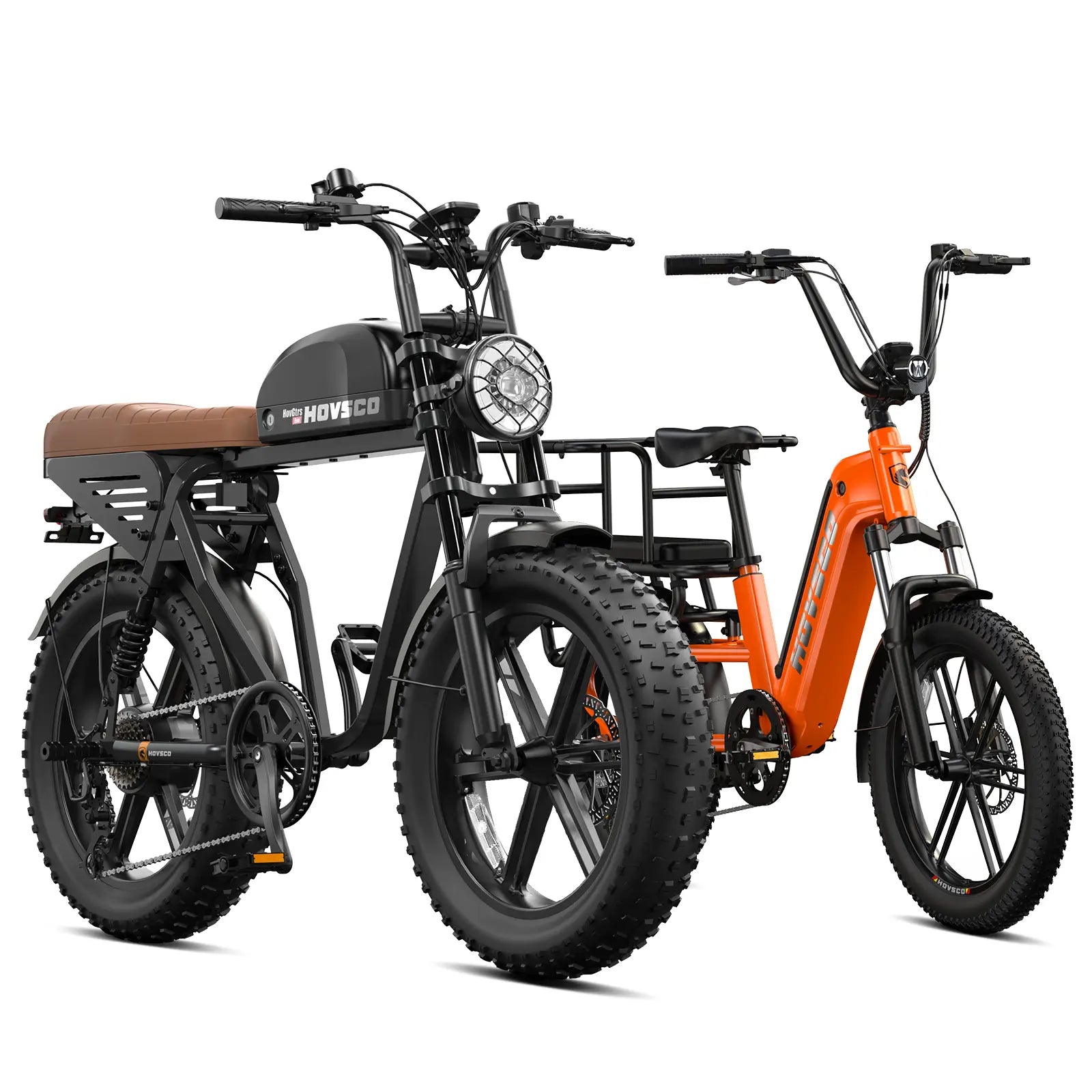

- by OfficialHOVSCO
Which is Better: 1000w or 750w Electric Bike for Men or Adults?
- by OfficialHOVSCO
E-Bikes
 Free Shipping
 15-Day Returns
 2-Year Warranty
Shop By Models
Shop By Style
Choosing between a 1000W and a 750W electric bike for men or adults hinges on your specific riding needs, terrain, and preferences. A 750W e-bike offers a balanced, efficient ride ideal for urban commuting and moderate hills with longer battery range and lighter handling. A 1000W e-bike delivers superior power, better hill-climbing, and faster acceleration, suited for heavier riders, steep climbs, and carrying loads, albeit often with less efficiency and more legal restrictions.
A 750W motor offers speeds up to about 28 mph with steady acceleration, supporting moderate hills and riders up to around 250 lbs efficiently. In contrast, a 1000W motor reaches higher speeds (up to 35 mph), accelerates faster, and provides more torque (up to 120 Nm), making it better suited for demanding terrains, heavy riders, and faster starts. However, the 1000W e-bike consumes more battery power, resulting in somewhat reduced range under similar conditions.
Generally, 750W e-bikes are more power-efficient and provide longer ranges—typically 40 to 50 miles—due to lower motor power consumption. Conversely, 1000W e-bikes have shorter ranges, often between 30 to 40 miles, as the higher power motor draws energy faster, especially when used aggressively on hills or rapid acceleration, impacting battery life and ride distance.
E-bikes come with motors of different strengths, and this affects how far they can travel on one charge. A 750W motor uses less power, so it’s more efficient and can usually go 40 to 50 miles before needing a recharge. A 1000W motor, on the other hand, gives stronger acceleration and better performance on hills, but it drains the battery faster, so the ride distance is typically shorter—around 30 to 40 miles. This means more power often comes at the cost of reduced range.
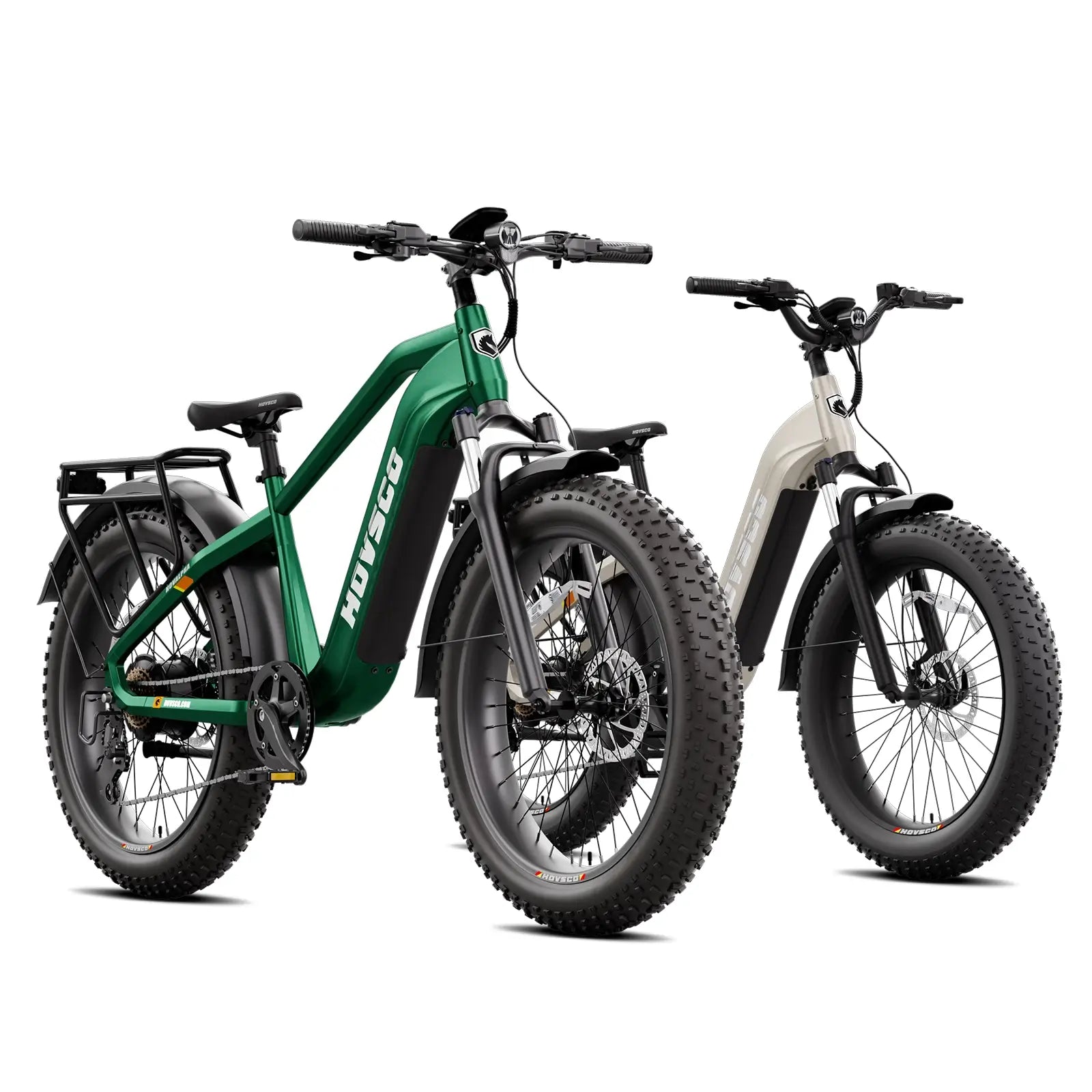
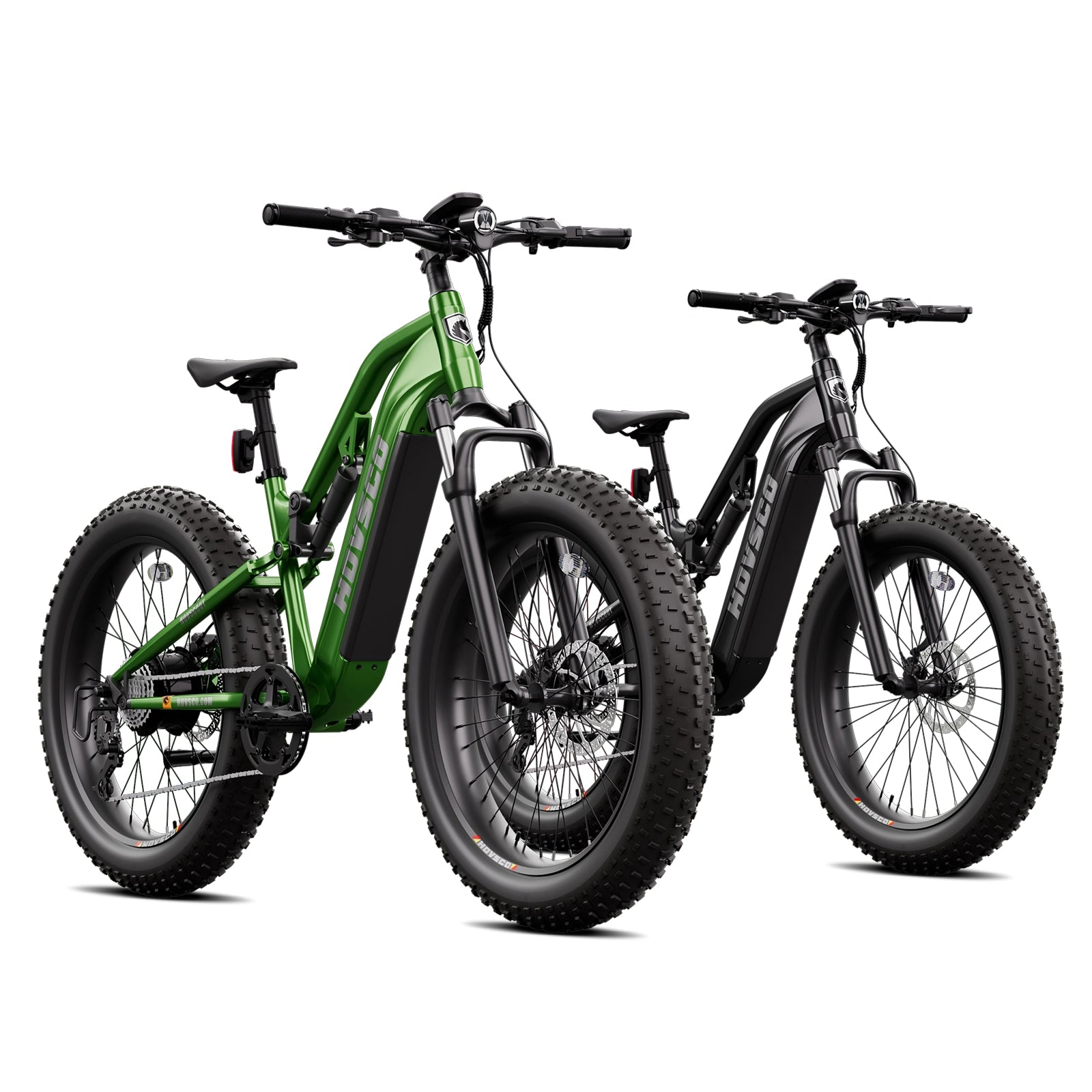
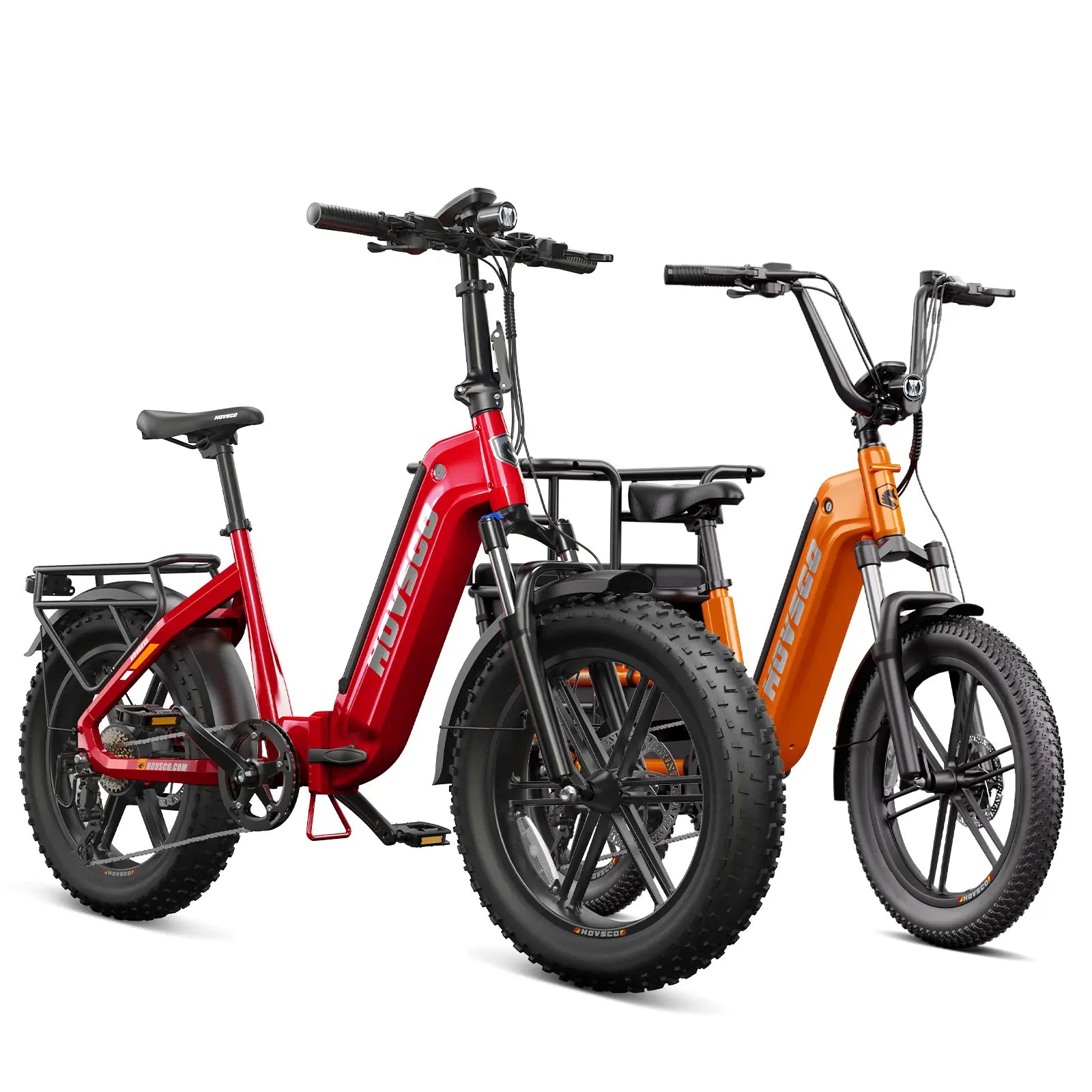
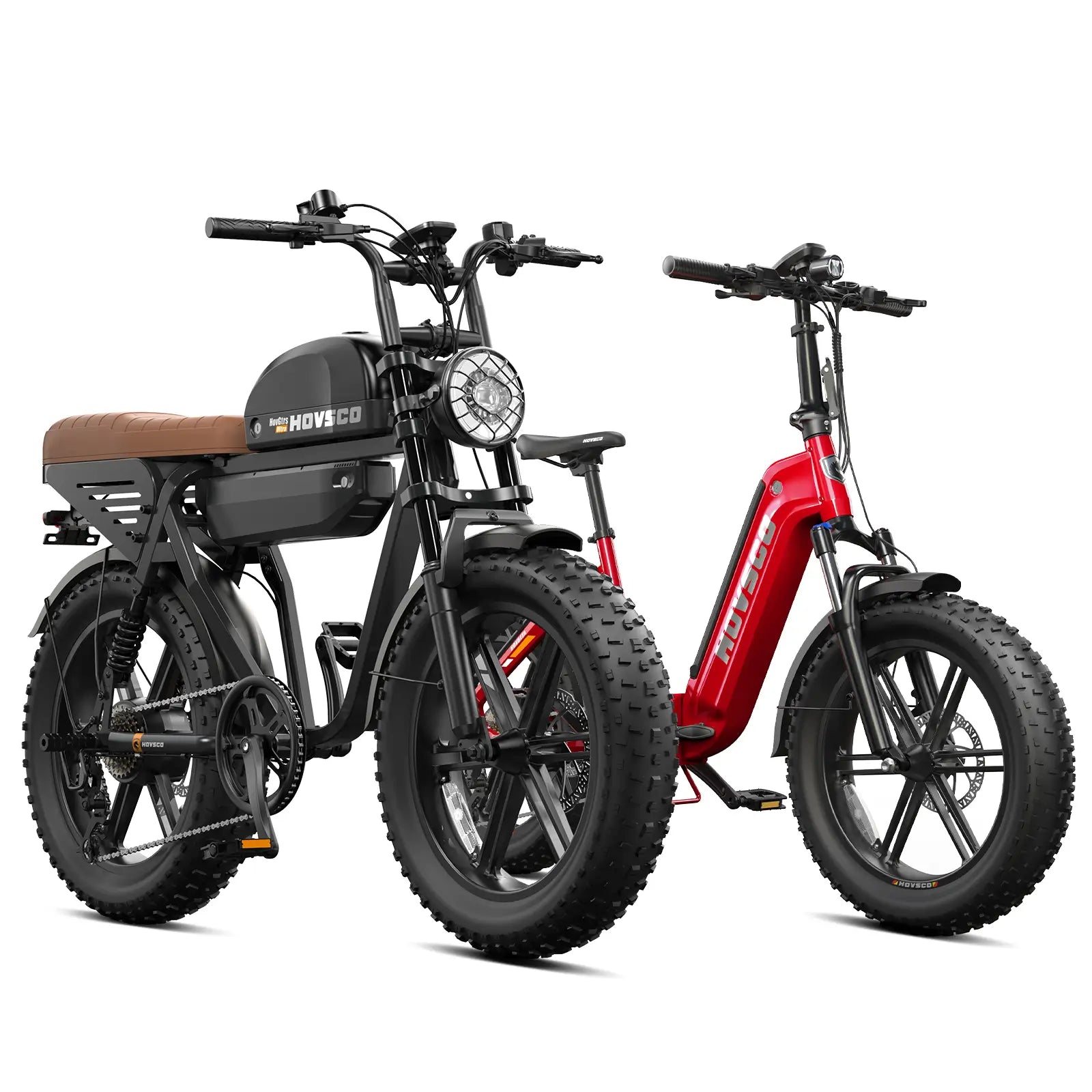
Brands like HOVSCO, known for their reliable and performance-balanced e-bikes, design their models to offer the best mix of strength and endurance. Choosing between the two motors depends on how riders plan to use the bike: longer range for casual and city rides or more power for climbing steep terrain and faster speeds.
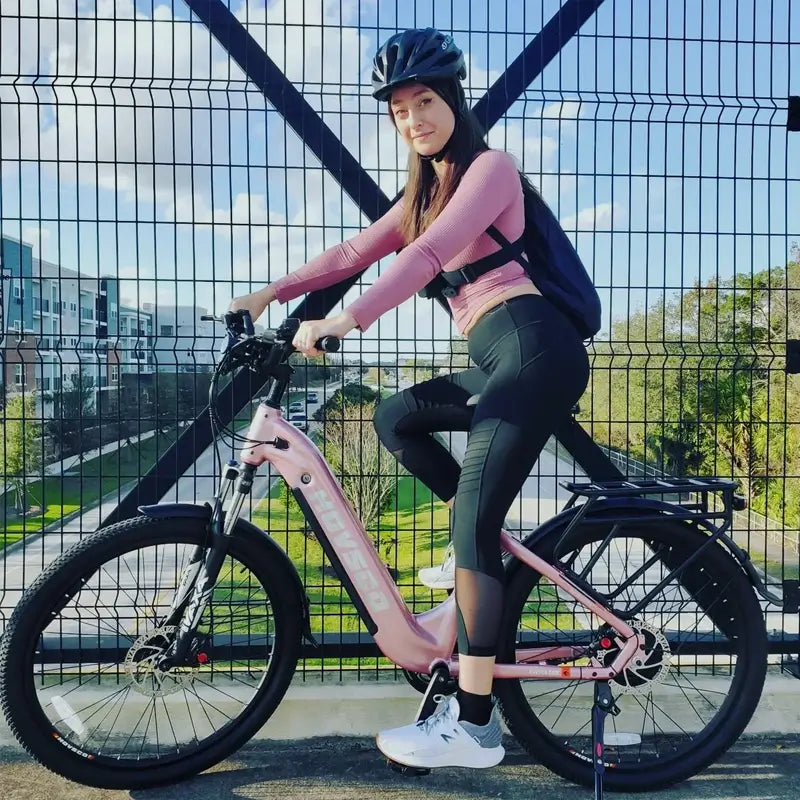
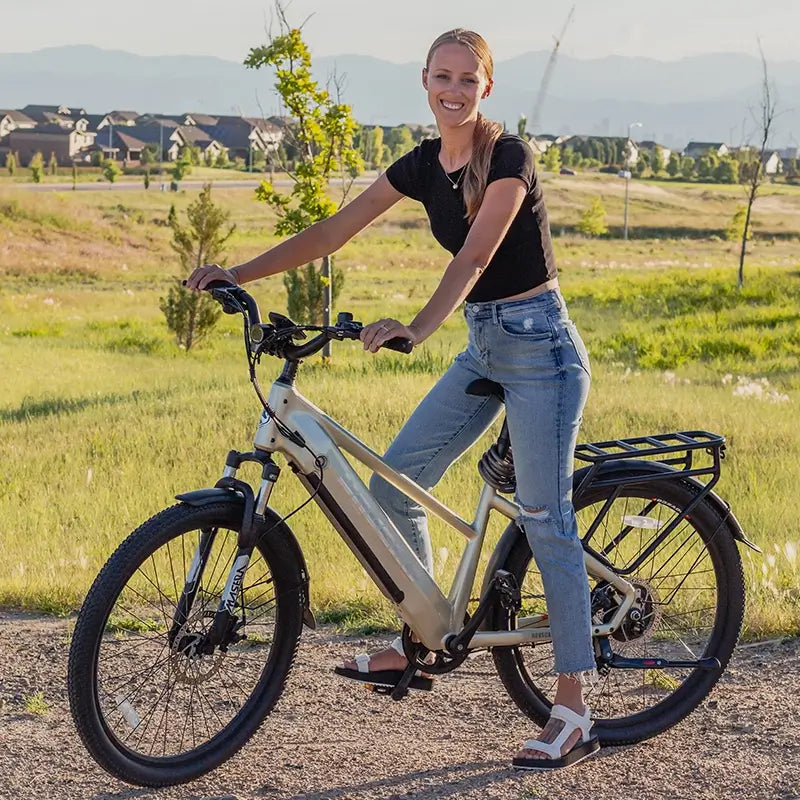
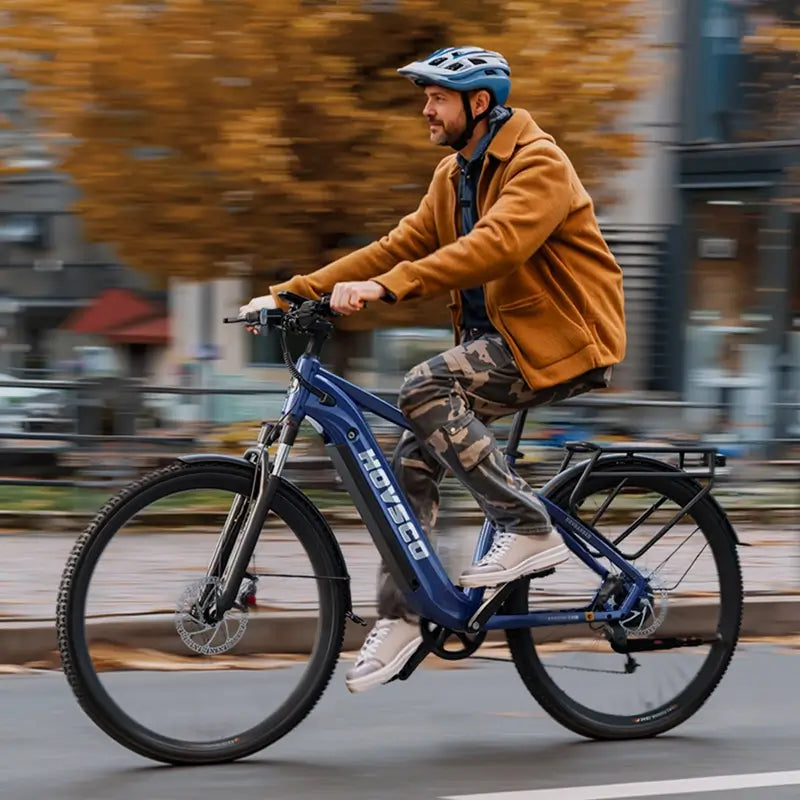
For urban commuting and moderate terrain, 750W e-bikes are preferable because they offer sufficient power for traffic speeds, better battery economy, and lighter overall weight for nimble handling in dense environments. They provide enough hill-climbing ability for typical city gradients and last longer between charges, enhancing daily usability.
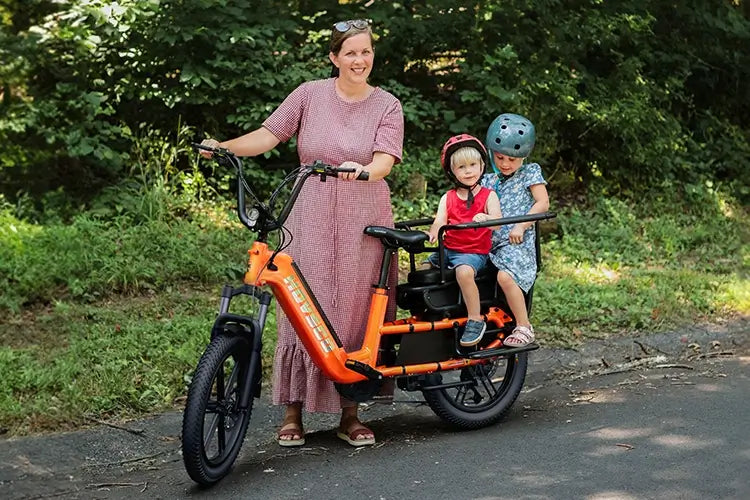
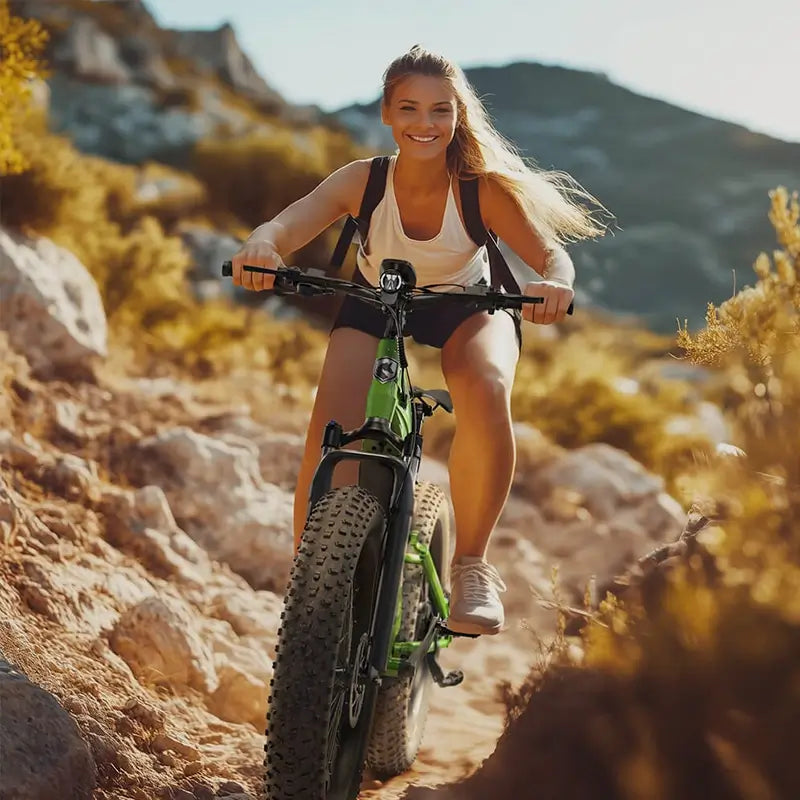
1000W e-bikes excel on steep hills and rugged off-road terrains due to their increased torque and power delivery, offering effortless climbing and quicker acceleration. This power also benefits heavy riders (220+ lbs) and those carrying cargo or passengers, maintaining speed under load with less strain on the motor and rider. These bikes may be heavier and have reduced battery efficiency but deliver superior performance in demanding conditions.
Many regions legally restrict e-bike motor power to a maximum of 750W for street use, limiting 1000W e-bikes’ accessibility or requiring registration. Choosing a 750W bike often avoids regulatory hurdles, making it a practical choice for most riders in urban environments and complying with local laws, whereas 1000W models may face restrictions impacting where and how they can be ridden.
750W e-bikes tend to be lighter and more agile, enhancing maneuverability in traffic and tight spaces, benefiting everyday users and commuters. Conversely, 1000W e-bikes typically weigh more due to larger motors and batteries, which can affect handling and transport but contribute to stability on rugged or uneven terrain.
Think of e-bikes like choosing between a nimble city car and a sturdy truck. A 750W model is usually easier to carry and turn sharply, making it great for weaving through busy streets or quick errands. This lighter build helps regular riders feel in control without extra effort, perfect for daily trips around town.
On the flip side, a 1000W e-bike packs more punch with bigger engines and power packs, so it weighs heavier and might feel bulkier to move. Yet that extra mass brings steadiness on rough paths or hills, suiting adventure seekers. Brands like HOVSCO craft both types to match your needs, balancing fun with real-world use.
750W electric bikes generally cost less upfront and have lower maintenance expenses due to smaller motors and batteries. 1000W models often carry higher prices reflecting their increased motor power and sturdier components designed to endure demanding use, possibly requiring more frequent battery replacements due to higher power consumption.
When choosing between a 750W or 1000W electric bike, consider your typical riding conditions, weight, and legal constraints. Opt for a 750W e-bike for urban commuting, lighter loads, and longer range needs. Choose a 1000W e-bike if riding in hilly areas, carrying heavy cargo, or demanding rapid acceleration. Assess your budget against desired performance, factoring in potential regulatory compliance and maintenance costs. Test rides are valuable to evaluate handling and power responsiveness.
“HOVSCO values the delicate balance between power and efficiency in e-bikes. The 750W models exemplify this with their energy-efficient operation and sufficient urban performance, promoting longer rides and ease of control,” remarks a HOVSCO design specialist. “Conversely, our understanding of rider needs also highlights the importance of robust 1000W motors for those facing steep terrains or heavy cargo challenges, advancing comfort and capability."
“The future of e-biking lies in tailored solutions. Offering choices across motor wattages enables us to meet a broad spectrum of rider demands while emphasizing safety, durability, and enjoyment,” the expert adds.
Chart: Performance Comparison of 750W vs 1000W Electric Bikes
| Feature | 750W Electric Bike | 1000W Electric Bike |
|---|---|---|
| Top Speed | 25-28 mph | 30-35 mph |
| Torque | 60-90 Nm | 100-120 Nm |
| Hill Climbing | Handles moderate grades (10-15%) | Effortless on steep hills (>15%) |
| Ideal Rider Weight | Up to 250 lbs | 220 lbs and above |
| Terrain Suitability | Urban, light hills | Steep, off-road, heavy load |
| Battery Range | 40-50 miles | 30-40 miles |
| Weight | Lighter, easier handling | Heavier, more stable but less nimble |
| Price | Generally lower | Typically higher |
Q: Which electric bike motor is better for city commuting, 750W or 1000W?
A: A 750W motor is better suited for city commuting due to sufficient power, better battery efficiency, and easier handling in traffic.
Q: Can a 1000W e-bike handle steep hills better than a 750W?
A: Yes, a 1000W e-bike provides more torque and power, enabling effortless climbing on steep hills and rough terrains.
Q: Do 1000W e-bikes have shorter battery life compared to 750W?
A: Typically yes, because 1000W motors draw more power, which can reduce battery range if used at high torque levels continuously.
Q: Are there legal restrictions for using 1000W e-bikes?
A: Many regions limit e-bike motor power to 750W for legal street use; 1000W e-bikes might require registration or face use restrictions.
Which is better for adults: a 750W or 1000W electric bike?
For most adults, a 750W e-bike suits urban commuting, moderate terrain, and longer range needs, while a 1000W bike excels for heavier riders, steep hills, or off-road trails. Choosing depends on terrain, rider weight, and desired acceleration, with 1000W providing more power and 750W offering efficiency and easier legal compliance.
When should men choose a 750W electric bike?
Men should choose a 750W e-bike if riding mainly in cities or suburbs, prioritizing range, battery efficiency, and maneuverability. These bikes are lighter, easier to handle, and often meet local street regulations, making them suitable for everyday commuting, casual rides, and moderate inclines without sacrificing energy efficiency.
When is a 1000W e-bike more suitable for adults?
Adults benefit from a 1000W e-bike when riding in hilly areas, off-road, or carrying heavy loads. The higher torque and power provide stronger acceleration, better climbing ability, and confidence on rugged terrain. This motor is ideal for heavier riders or those who often transport gear, groceries, or children.
How does terrain affect the choice between 750W and 1000W e-bikes?
Terrain plays a major role: flat or moderately hilly areas suit 750W e-bikes for efficiency and longer range. Steep hills, rugged trails, or mountainous regions require a 1000W e-bike to maintain speed, climb comfortably, and handle uneven surfaces, providing extra torque and stability for adult riders.
What impact does motor wattage have on range and battery efficiency?
A 750W e-bike uses less energy than a 1000W model, resulting in longer range on similar battery capacities. Higher wattage motors like 1000W consume more power for stronger performance, reducing ride time per charge, but deliver better acceleration and climbing ability for adults who need extra assistance.
How does HOVSCO guide riders in selecting motor power?
HOVSCO recommends choosing motor wattage based on riding conditions, weight, and terrain. For city commuting and efficiency, 750W is ideal; for hilly terrain, heavier loads, or off-road adventure, 1000W provides superior performance. HOVSCO aims to help adults find the right balance between power, range, and ride enjoyment.
How fast can a 1000 watt electric bike really go?
A typical 1000W e‑bike cruises around 20–28 mph on flat ground using pedal assist, with well‑tuned models and ideal conditions reaching roughly 30–35 mph. Actual top speed depends on rider weight, gearing, battery voltage, controller limits, wind and terrain, and many jurisdictions electronically cap assisted speed for safety and legal compliance.
How far can a 1000 watt electric bike go on one charge?
Range depends on battery capacity and riding style more than motor wattage. With a common 48V 15–20Ah pack, many 1000W bikes deliver about 25–60 miles per charge, assuming mixed pedal assist. Lower assist and steady speeds can stretch to 60+ miles, while heavy throttle use, steep hills, cargo and cold weather can drop real-world range closer to 15–25 miles.
Is a 1000 watt electric bike legal where you live?
Legality varies by country, state and even city, so local regulations must be checked before buying or riding a 1000W e‑bike on public roads. Many regions define street‑legal e‑bikes at 250–750W with top assisted speeds around 20–28 mph, meaning 1000W models may be reclassified as mopeds or motorcycles that require registration, insurance, helmets and sometimes a driver’s license.
What is the best 1000 watt electric bike to buy right now?
The best 1000W e‑bike in 2025 balances motor power, battery capacity, frame design, braking, suspension and after‑sales support for your specific use, such as commuting, cargo or off‑road. Look for reputable brands like HOVSCO and others that use name‑brand cells, hydraulic disc brakes and robust frames, and prioritize models with clear warranty terms and widely available replacement parts.
How much does a 1000 watt electric bike cost in 2025?
In 2025, quality 1000W e‑bikes typically range from about $1,400 to $3,500, depending on frame type, battery size, component level and brand reputation. Budget imports can cost less but may compromise on battery quality, waterproofing, support or safety certifications, while premium models with large batteries, full suspension and cargo capacity can exceed $4,000.
Share:
How to Check Electric Bike Motor and Battery Before Buying a Used Electric Bike
How to Choose the Right Cargo E-Bike for You in 2025
2 comments
In Asia allow only 31 mph . E moped.so 1000w can be legal
Great thorough information
Thank you